 Unearth The Voyage
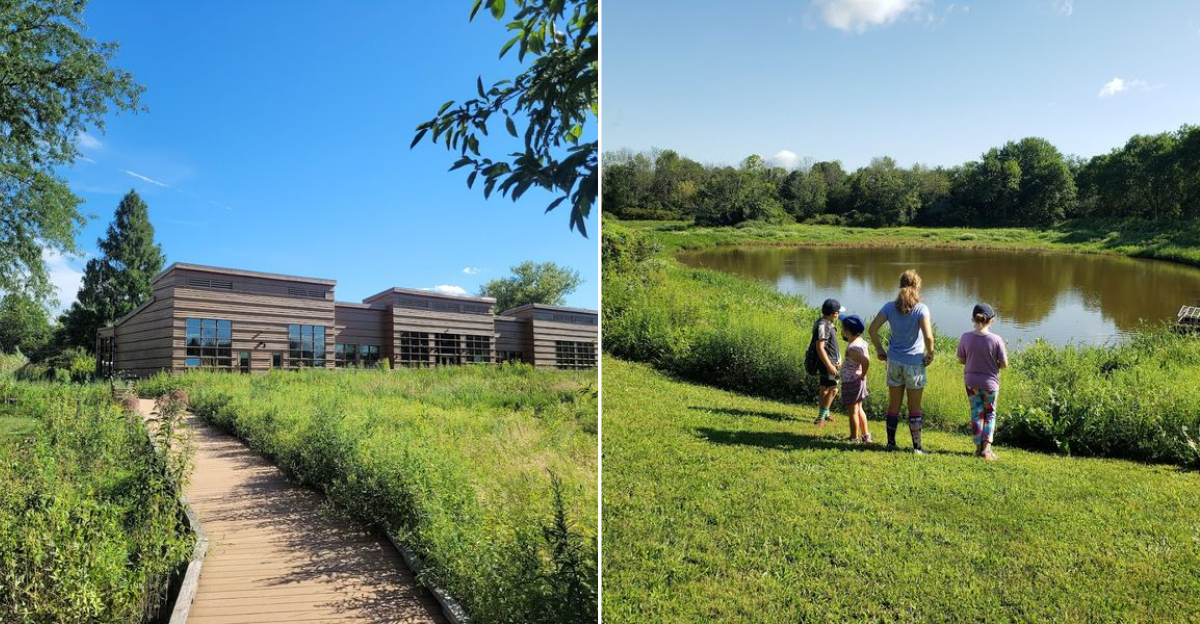
Pennington has a place that manages to be practical, playful, and deeply relevant at the same time, which is not an easy hat trick for any destination. Families come for trails and kid-friendly discovery, educators come for field-ready learning, and environmental advocates come because the mission reaches far beyond a simple day out.
Instead of offering a passive stroll and a few signs, this spot connects outdoor recreation with watershed protection, science education, and community programming in a way that feels grounded and useful. Keep reading for the full picture, because this is not just a nature center with a nice address in Mercer County – it is a place where local landscapes, public education, and hands-on exploration all meet under one roof and across a network of paths, boardwalks, exhibits, and seasonal programs that give Pennington one of its most meaningful destinations.
Where It All Starts
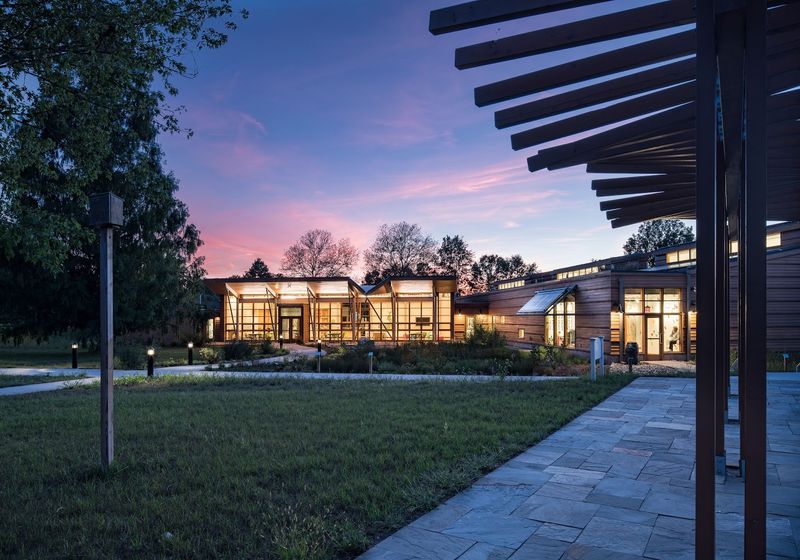
The full introduction to this destination belongs right on the map: The Watershed Institute, 31 Titus Mill Rd, Pennington, NJ 08534, in the United States. Set in Pennington, New Jersey, it operates as an environmental protection organization with public-facing trails, educational spaces, and programs that make the location more than a simple stop for a walk.
Hours generally run from 9 AM to 5 PM on weekdays and 10 AM to 4 PM on weekends, which makes planning refreshingly straightforward. That schedule matters because this is the kind of place families may use for a short afternoon outing, while teachers and nonprofit-minded locals may build an entire visit around exhibits, trails, and special events.
What stands out first is how clearly the site bridges recreation and purpose. Pennington gets a destination that works as a local resource, a learning hub, and a reminder that environmental work does not have to stay behind office doors.
A Mission With Mud on Its Boots
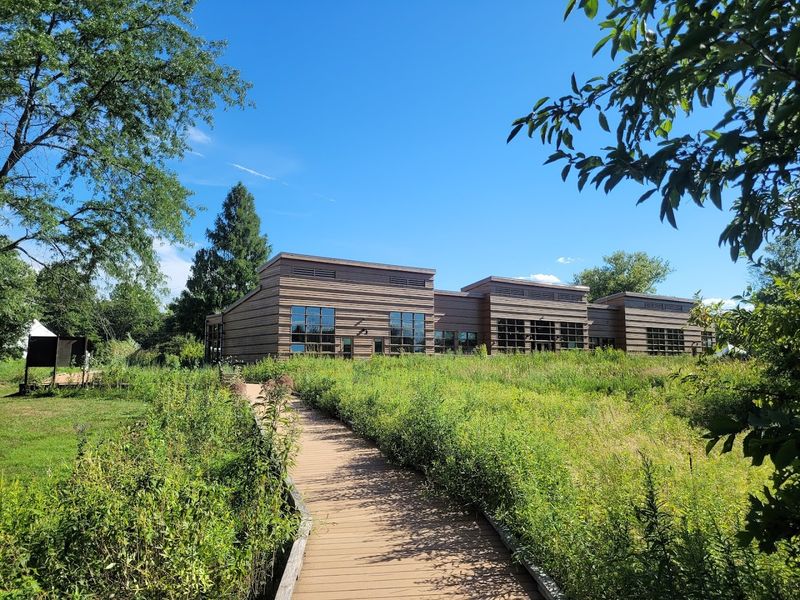
Some places talk about stewardship in broad slogans, but this one keeps the idea tied to everyday action. The Watershed Institute is centered on environmental protection, and that focus shapes the entire experience, from the educational exhibits to the outdoor spaces that help explain why land, water, and habitat matter in practical local terms.
That mission gives the site unusual range. A family can show up looking for an afternoon outdoors, a teacher can see a ready-made extension of classroom science, and an environmental advocate can recognize a place that treats education as part of long-term conservation rather than a side activity.
The result is a destination that feels useful instead of decorative. Pennington is not just hosting a pleasant attraction here; it is home to an organization that turns community curiosity into awareness, and turns awareness into the kind of public support conservation work always needs.
Trails That Keep Things Accessible
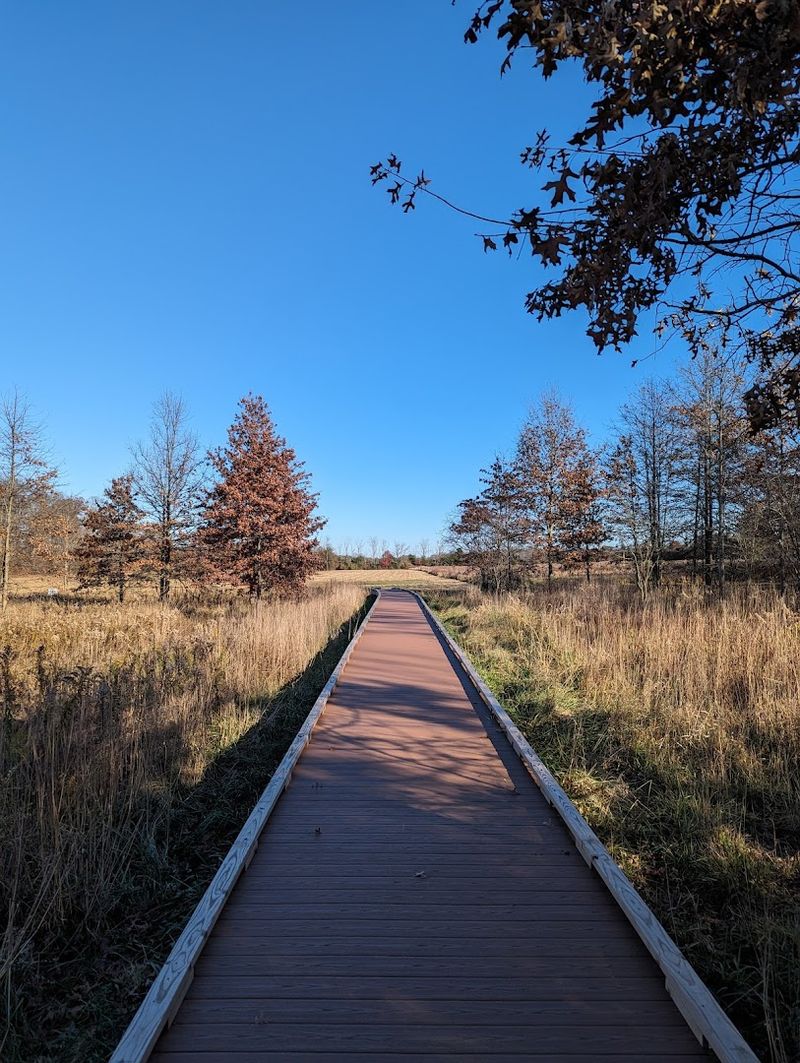
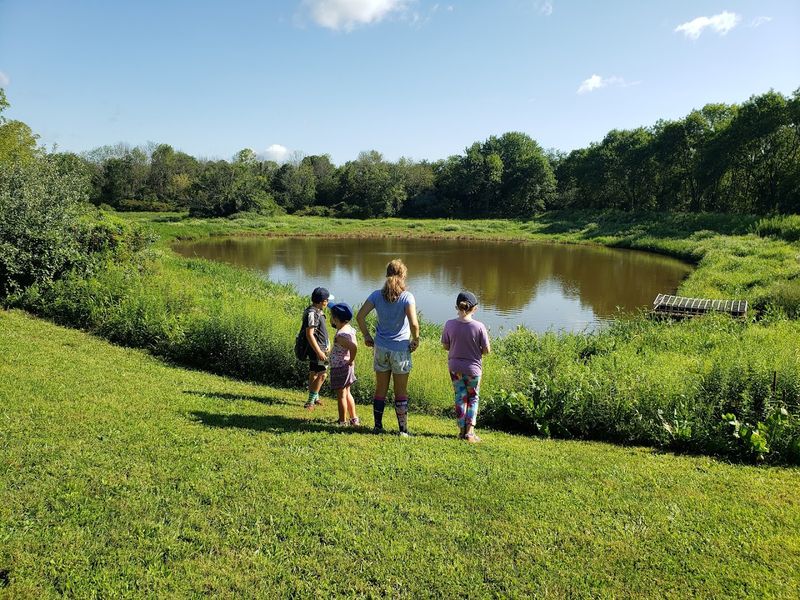
Not every outdoor destination needs to pretend it is a rugged expedition, and that is part of the appeal here. The Watershed Institute offers trails and a boardwalk that give people room to move, explore, and learn without turning the day into an endurance contest or a logistical puzzle.
Families with young children can appreciate that the paths are commonly described as well marked and manageable, while adults still get a real connection to the surrounding landscape. That balance matters because easy access often determines whether people actually return, and repeat visits are where environmental education starts doing its best work.
The boardwalk deserves special credit for widening the experience. It helps tie different areas together, adds structure to the visit, and gives the grounds a built-in sense of progression, so a simple walk becomes a small sequence of discoveries instead of a loop that ends before it properly begins.
Why Kids Click With It
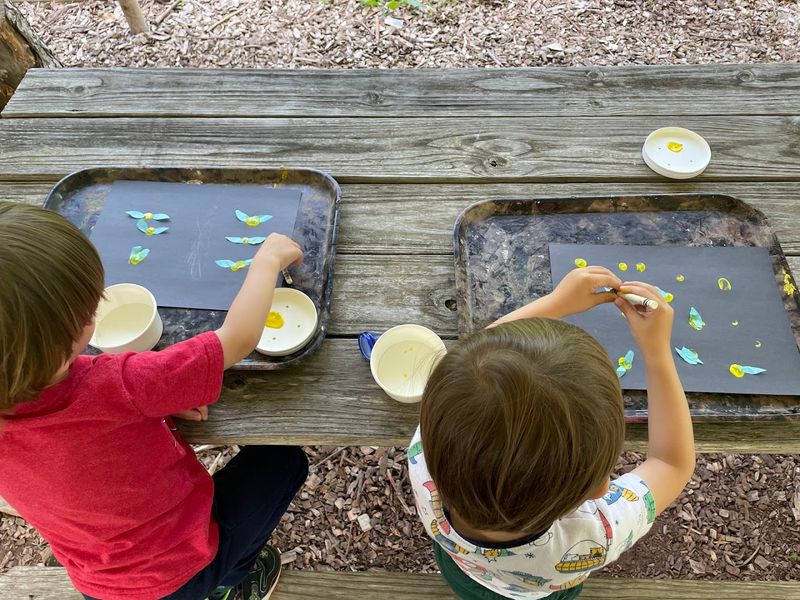
Children’s spaces can sometimes feel like an afterthought tacked onto a more serious institution, but that is not the case here. This Pennington destination gives younger audiences real room to engage through play areas, interactive features, and the kind of outdoor setup that invites curiosity without burying it under rules and lectures.
The Tree Frog Trail is one of the strongest examples of that approach. It gives families a focused place for child-centered exploration, while the broader property supports the same idea with trails, play elements, and hands-on opportunities that keep kids moving between discovery and activity without losing momentum.
That mix is exactly why parents and grandparents keep this place in rotation. It respects children’s attention spans, gives adults a reason to stay interested too, and proves that environmental learning works much better when it feels like participation rather than a homework assignment wearing hiking shoes.
Inside, Learning Keeps Going

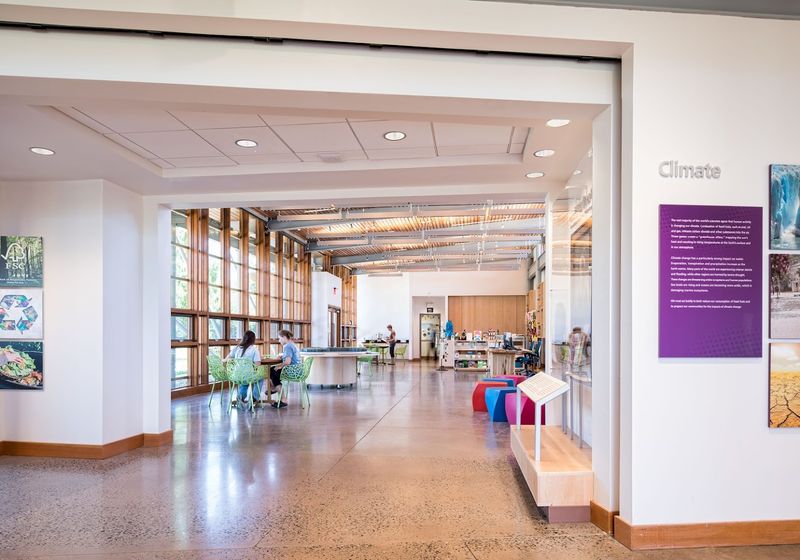
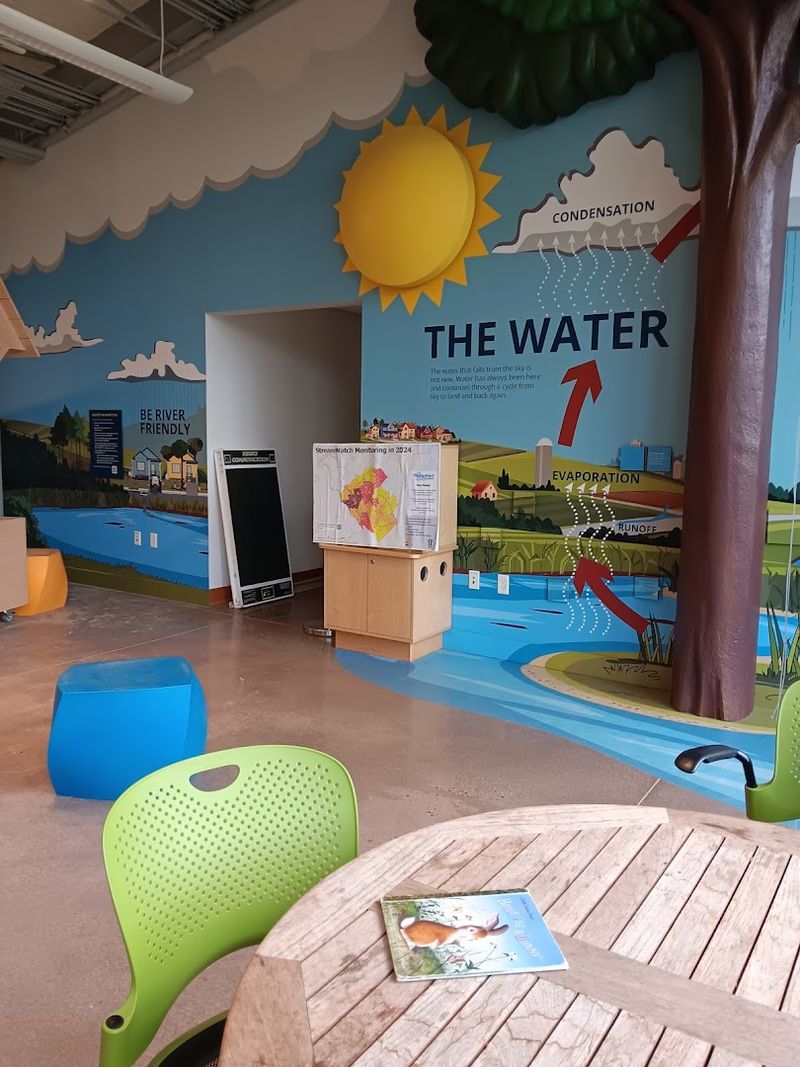
Rainy day backup plans are valuable, and this place comes with one built in. The Watershed Institute includes indoor learning areas with exhibits and child-friendly activities, so the visit does not depend entirely on trail conditions, seasonal timing, or perfect planning from adults who are already juggling enough.
Reports from families consistently point to interactive exhibits, puzzles, puppets, a library area, and live animals as part of the indoor mix. That combination matters because it broadens the audience beyond dedicated hikers and gives younger children, especially, an easier entry point into environmental topics that could otherwise feel abstract.
The building does more than provide shelter from inconvenient weather. It turns the destination into an all-season educational center, one where a child can move from a boardwalk to a hands-on exhibit and still stay within the same larger story about habitats, species, and the local watershed.
The Butterfly Draw
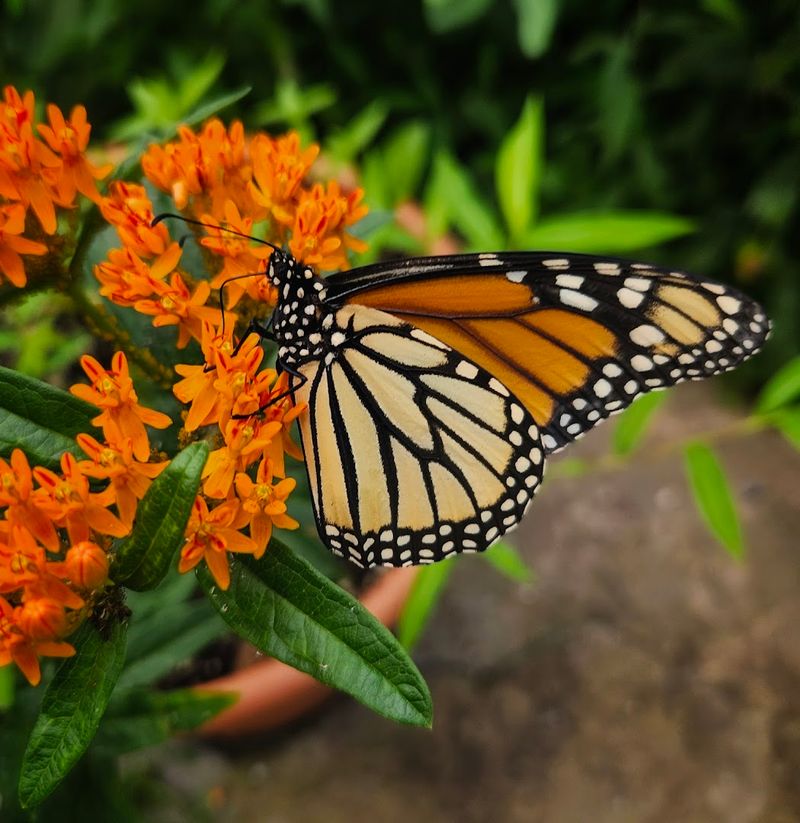
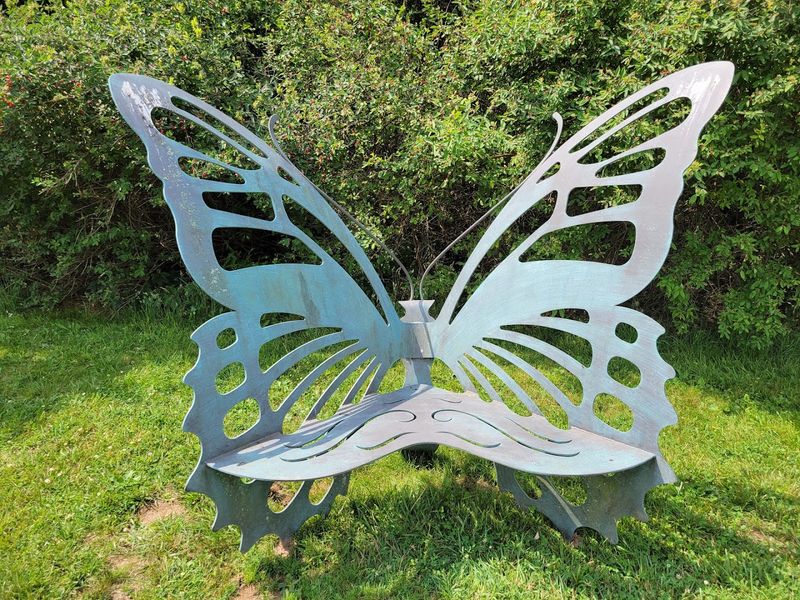
Butterflies have a way of becoming the headline act without much effort, and this destination wisely leans into that strength. The butterfly house and butterfly-focused programming give The Watershed Institute one of its most recognizable attractions, adding a seasonal layer that makes the site especially appealing to families and school-aged learners.
That feature works because it is not random decoration. Butterflies open the door to conversations about habitat, pollinators, plant relationships, and the broader environmental systems the organization is committed to protecting, so the experience stays tied to the institute’s educational mission instead of drifting into simple novelty.
Seasonal interest also helps the property keep a fresh rhythm across the year. People may arrive for butterflies, then find trails, exhibits, and programs that expand the visit, which is a neat trick for any destination and a reminder that small-winged ambassadors often do large-scale promotional work.
A Strong Fit for Educators
Teachers and homeschool planners tend to notice quickly when a destination can carry educational weight, and this one clearly can. The Watershed Institute offers an environment where science concepts have direct physical context, making it easier to connect classroom topics with visible examples in trails, exhibits, wildlife interpretation, and seasonal programming.
That matters because good field learning is not just about getting students outside for an hour. It is about creating a setting where ecology, conservation, and local geography can be discussed in practical terms, and where children can move between observation, questions, and structured activities without the lesson losing shape.
Even adults who arrive without a formal academic agenda tend to leave with more information than they had at the start. Pennington benefits from having a place that supports curiosity at multiple levels, proving that educational destinations do not need to be stiff, and fun ones do not need to leave the learning behind.
Programs That Build Community
A place becomes part of community life when it gives people reasons to return, and this site does exactly that. The Watershed Institute hosts seasonal events and special programs that turn the property from a one-time outing into an ongoing local resource, which helps explain its broad appeal across age groups.
Butterfly-focused events are among the better known draws, but the larger point is the rhythm of programming itself. Activities and festivals create repeat engagement, invite new audiences onto the grounds, and give conservation work a public-facing presence that feels welcoming rather than locked inside institutional language.
That recurring calendar also strengthens the connection between recreation and mission. A child may come for a festival, a parent may notice the exhibits and trails, and an advocate may recognize a nonprofit that understands one important truth: community support grows faster when people feel included instead of merely informed.
Why Environmental Advocates Pay Attention
Environmental advocates are often looking for places where public engagement and real mission work meet in the same space. The Watershed Institute earns attention because it is not themed around conservation as a branding exercise; it is an environmental protection organization using education, public access, and programming to support larger ecological goals.
That distinction matters. A trail network is valuable, a nature play area is valuable, and exhibits are valuable, but together they become even more significant when they sit inside an organization focused on watershed protection and long-term environmental awareness in the region.
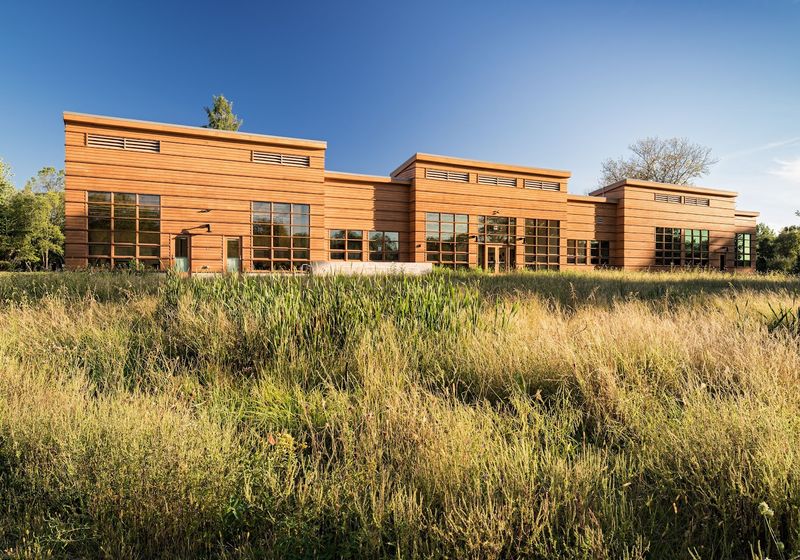
The site’s building has also drawn notice for sustainable design, adding another layer to the message. Instead of asking people to separate ideals from infrastructure, the institute lets the destination itself reinforce the point, which is a tidy piece of integrity and a welcome break from places where the mission stops at the brochure.
Planning a Smart Visit
Good planning makes this destination more rewarding, and fortunately the basics are clear. The Watershed Institute is generally open weekdays from 9 AM to 5 PM and weekends from 10 AM to 4 PM, giving both school-day groups and weekend families a workable window for exploring the site.
Because the property includes both indoor and outdoor components, a visit can be adjusted to season, weather, and energy levels without losing its value. That flexibility is useful for adults traveling with younger children, for educators managing timing, and for anyone who wants a day that can shift between trails, exhibits, and event programming.
A practical mindset helps here more than an ambitious one. This is not a place to rush through while checking boxes; it is better approached as a layered destination where a short stop can still feel complete, and a longer visit can unfold without anyone asking, now what exactly are we supposed to do next?
More Than a Walk in the Woods
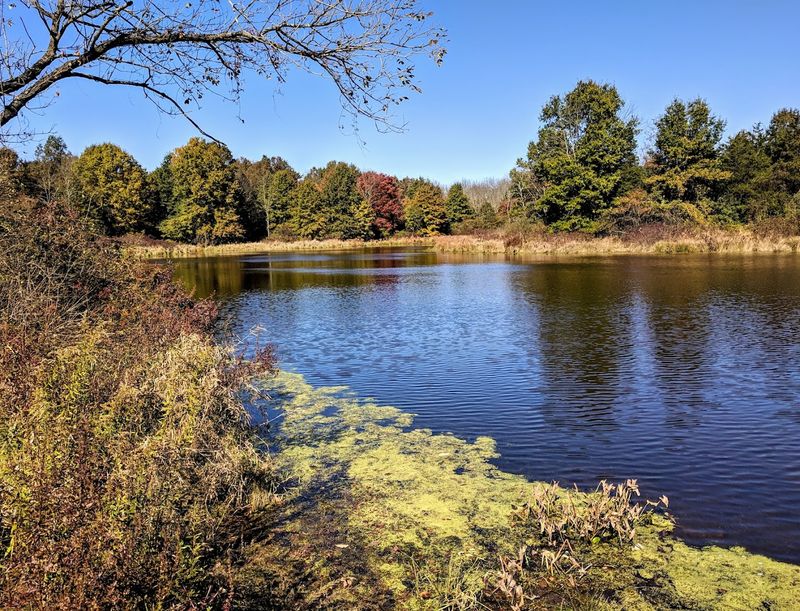
Plenty of places offer a pleasant walk, but this one adds structure, purpose, and a much wider audience. The Watershed Institute combines trails, a boardwalk, child-focused exploration areas, indoor exhibits, live animals, and butterfly features in a way that keeps the visit from feeling narrow or dependent on a single attraction.
That breadth is a major reason families, educators, and environmental advocates all find common ground here. Each group arrives with different priorities, yet the site supports all three without stretching the concept too thin or turning the day into an awkward compromise between play, learning, and mission.
Pennington gains something rare in the process: a destination that feels easy to recommend for very different reasons. One person may praise the kid appeal, another may focus on conservation education, and another may simply appreciate a well-run place where public access and environmental purpose share the same path instead of competing for space.
The Lasting Takeaway
By the end of the visit, the appeal becomes easy to summarize even though the site does many things at once. The Watershed Institute works because it connects local landscape, public learning, family recreation, and environmental responsibility without making any one part feel forced or secondary.
That balance is exactly why it keeps drawing such a mixed audience in Pennington. Children get room to explore, adults get substance behind the outing, educators get useful context for science learning, and environmental advocates get a visible example of how community engagement can support a larger conservation mission.
Some destinations win attention with novelty and fade once the first visit is over. This one stays relevant because it offers more than a pleasant afternoon, giving New Jersey a place where trails lead to questions, questions lead to understanding, and understanding has a chance to become something that lasts beyond the parking lot.



