There is a little corner of Jacksonville, Florida, where the air smells like toasted corn and something sizzling on a hot griddle, and once you catch that scent, you are not walking away without eating. Venezuelan street food has a way of grabbing you by the senses and refusing to let go, and this spot does exactly that.
Arepas here are not just sandwiches made from corn dough. They are thick, golden, crispy-on-the-outside pockets stuffed with combinations that feel both wildly creative and deeply traditional at the same time.
The people behind this place clearly love what they are doing, and that love shows up in every single bite. Stick around, because what you are about to read will make you seriously hungry and seriously curious about your next meal in Jacksonville.
Where to Find This Arepa Hotspot in Jacksonville
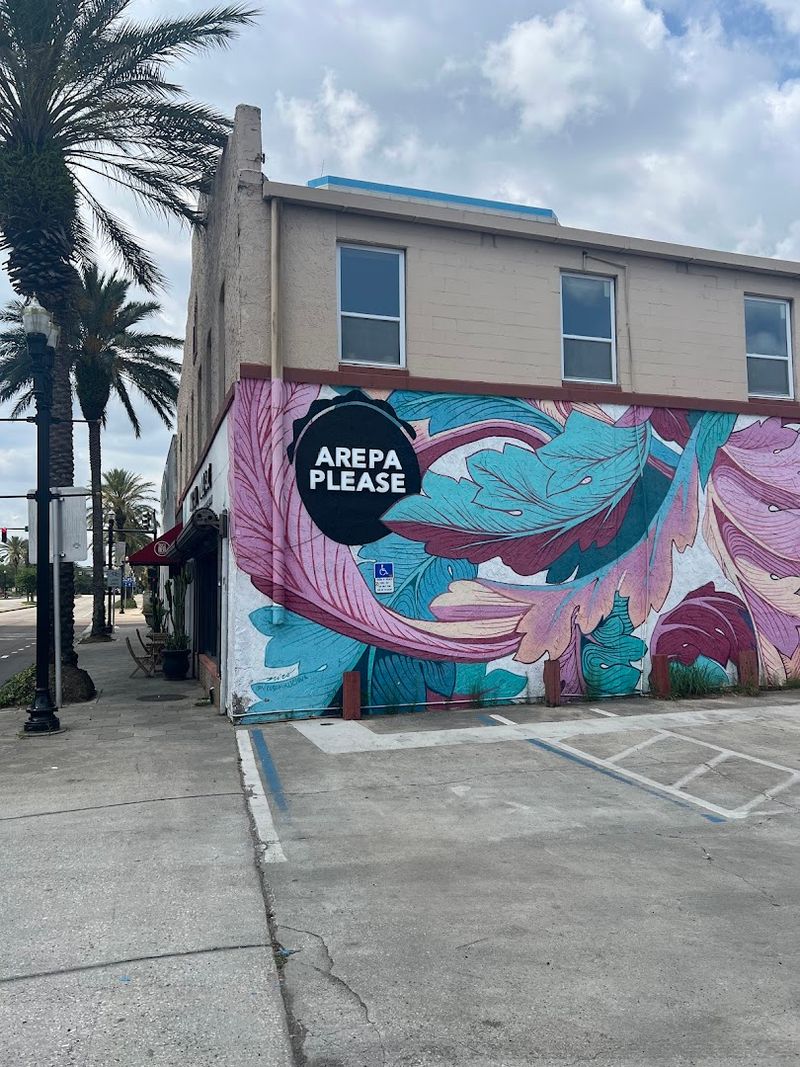
Right in the heart of Jacksonville, Florida, a small but mighty Venezuelan spot has been quietly building a loyal following one arepa at a time. The restaurant is located at 4444 River City Drive, Suite 101, Jacksonville, tucked inside a busy commercial corridor that you might easily drive past if you are not paying attention.
But regulars know exactly where to turn, and they show up hungry and ready. The location sits in a part of town that has seen a real surge in diverse food options over the past few years, making it a fitting home for a place that brings bold Latin flavors to the table.
First-timers often admit they almost missed it, but finding it feels like stumbling onto a hidden reward that the neighborhood has been keeping to itself for a while.
The Story Behind the Arepas
Every great food spot has a story, and this one starts with a deep love for Venezuelan home cooking. The owners brought recipes from Venezuela that had been passed down through family kitchens, not written in cookbooks but memorized through years of watching, tasting, and repeating.
That kind of culinary history is not something you can fake, and the arepas here reflect it completely. The corn dough is prepared the traditional way, using pre-cooked white cornmeal that gets kneaded by hand until it reaches exactly the right texture before hitting the griddle.
What started as a dream to share Venezuelan culture with Jacksonville has grown into something the community genuinely embraces. The story of this place is really a story about food as identity, and every arepa that leaves the kitchen carries a little piece of that personal history with it.
What Makes an Arepa Authentically Venezuelan
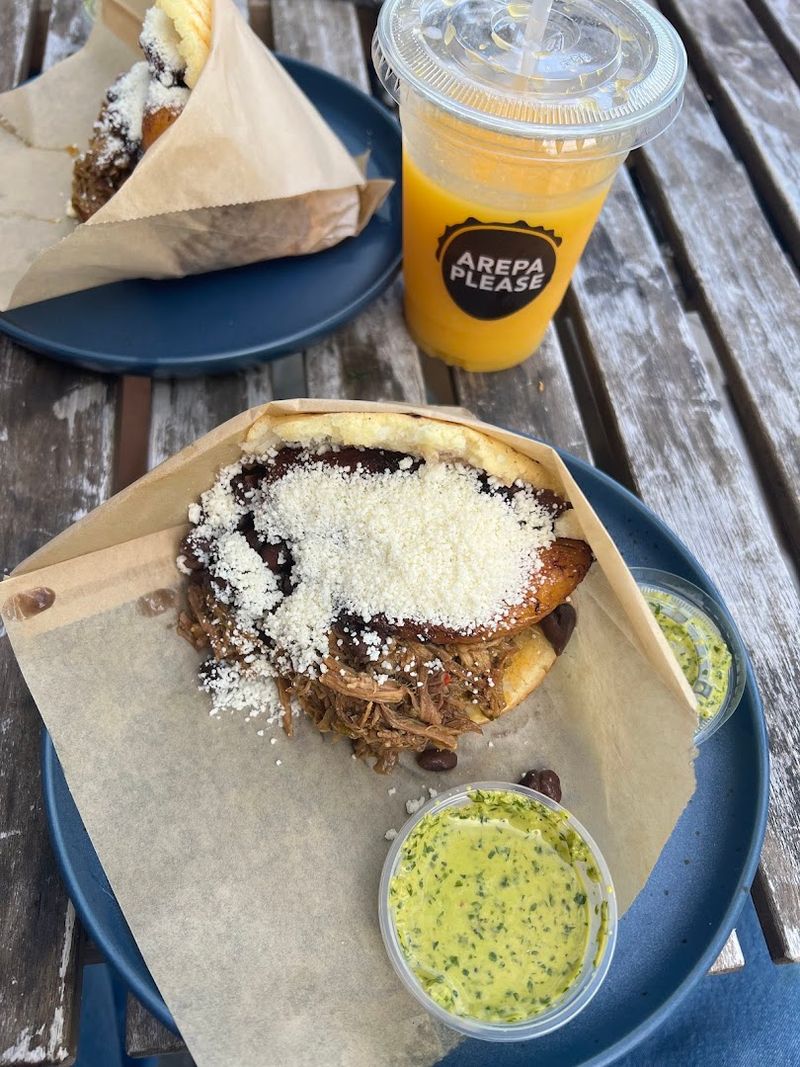
Not all arepas are created equal, and the Venezuelan version stands in a category of its own. Made from masarepa, a specific type of pre-cooked ground white corn, these thick round patties get cooked on a griddle until the outside is golden and slightly crunchy, while the inside stays soft and doughy.
That contrast in texture is a big part of what makes them so satisfying. Once cooked, they get sliced open like a pocket and filled with ingredients that range from simple to spectacular.
At this Jacksonville spot, authenticity is the standard, not an afterthought.
The dough is not seasoned with a dozen spices. It is kept simple so that the fillings can do the talking.
That restraint is actually a mark of confidence, and it shows that the kitchen understands the tradition it is working within.
The Reina Pepiada: A Filling Worth Knowing By Name
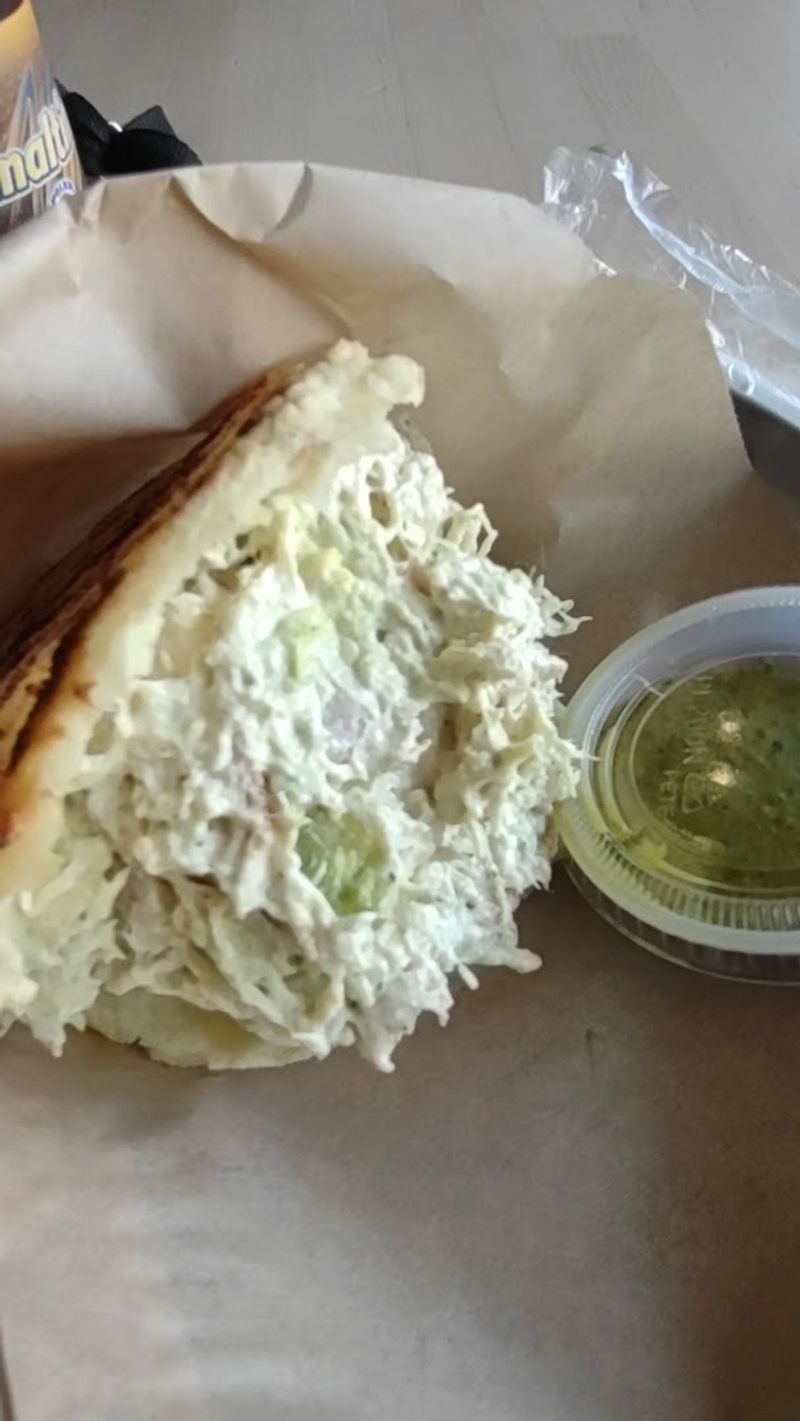
Ask any Venezuelan which filling they would choose if they could only have one, and a good number of them will say Reina Pepiada without hesitating. This classic combination of shredded chicken mixed with creamy avocado and a touch of mayo has been a staple of Venezuelan street food culture for decades.
At this Jacksonville spot, the Reina Pepiada is one of the most ordered items on the menu, and for good reason. The avocado gives it a richness that feels indulgent without being heavy, and the chicken adds enough substance to make it a proper meal.
The name itself has an interesting origin, reportedly coined in the 1950s to honor a Venezuelan beauty queen. That bit of history adds a layer of charm to every bite, making this filling feel like more than just lunch.
Pabellon Arepa: Venezuela on a Plate
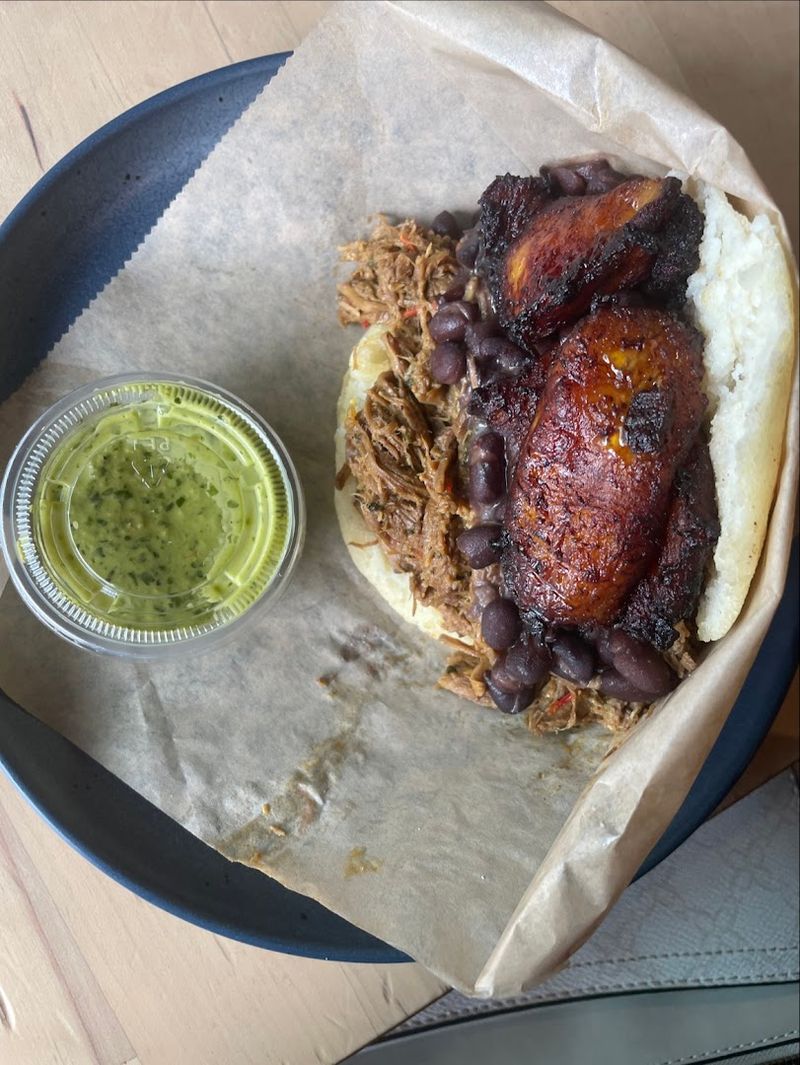
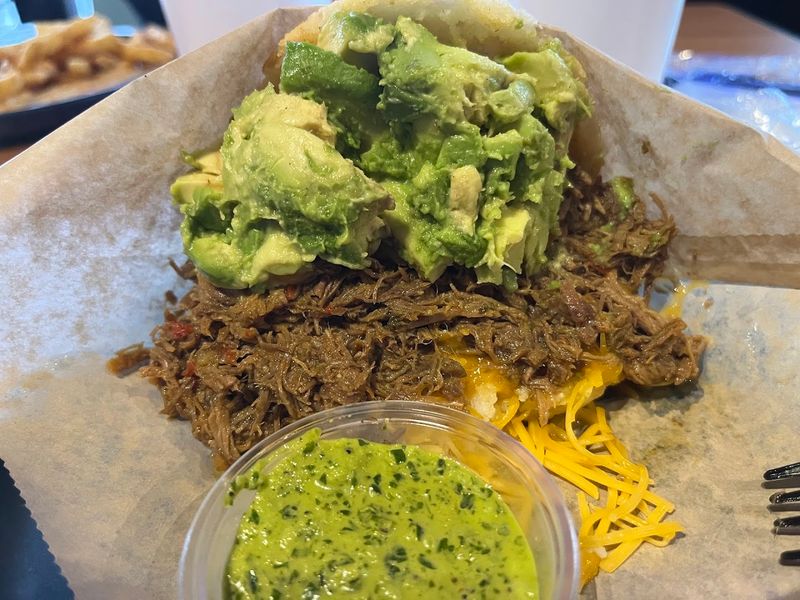
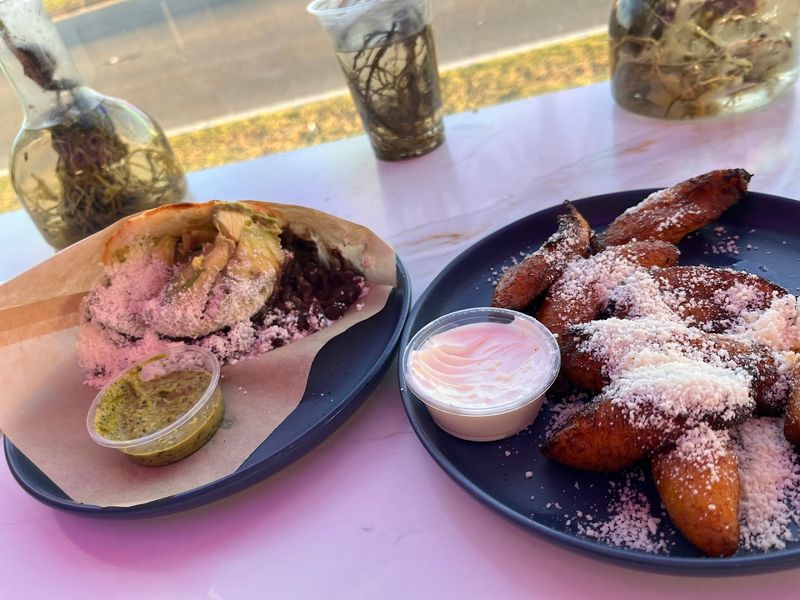
The Pabellon filling is essentially Venezuela’s national dish compressed into an arepa, and that alone should tell you how seriously this place takes its menu. Shredded beef, black beans, sweet fried plantains, and white cheese come together in a combination that hits every flavor note at once: savory, slightly sweet, salty, and earthy.
Each component gets prepared separately before being layered into the arepa, which means the textures stay distinct rather than blending into a muddy mess. The plantains add a caramelized sweetness that plays beautifully against the salted cheese and the deep, slow-cooked beef.
Ordering a Pabellon arepa here feels like getting a geography lesson through your taste buds. It is one of those dishes that makes you understand why Venezuelan food has been gaining so much international attention, and why Jacksonville is lucky to have a spot doing it this well.
The Domino Filling and Other Creative Combos
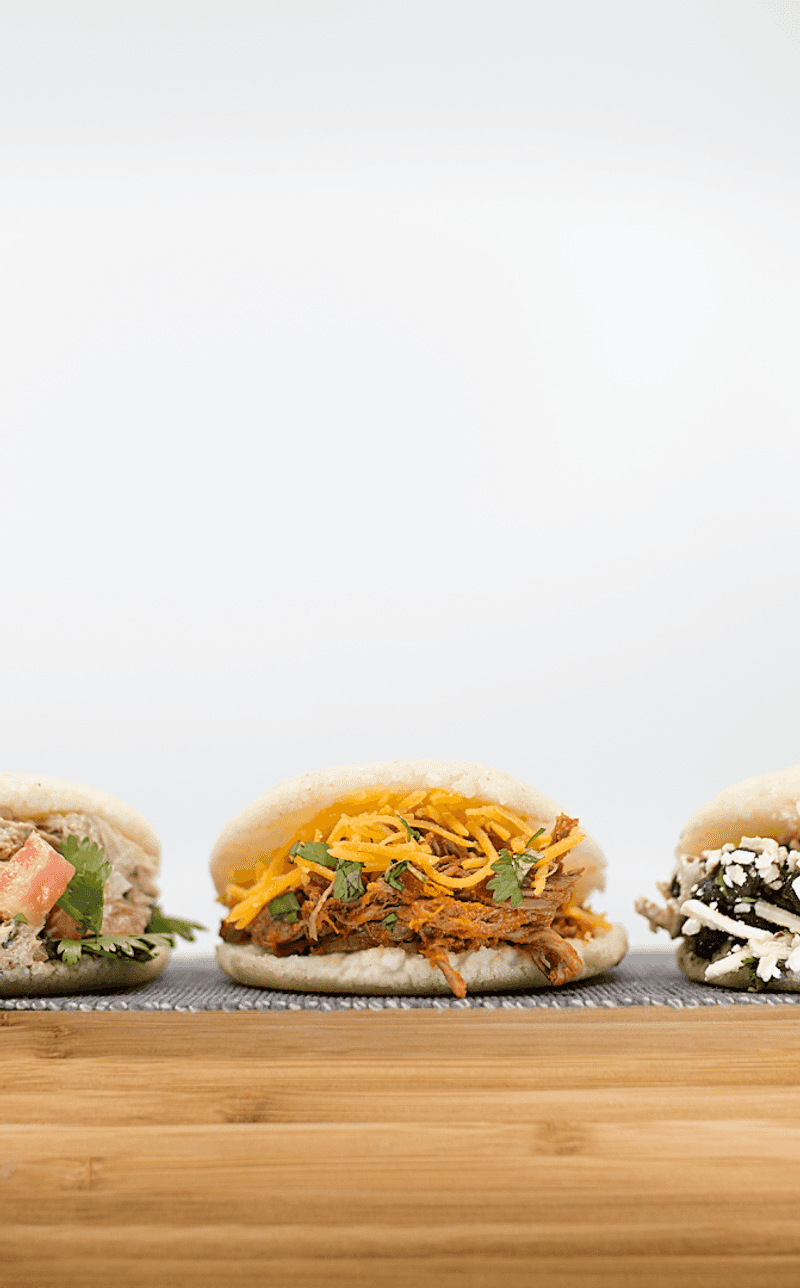
Sometimes simplicity wins, and the Domino arepa is proof of that. Black beans and white cheese are the only two ingredients inside, but the way they work together is quietly brilliant.
The beans are creamy and well-seasoned, the cheese is salty and slightly crumbly, and together they create a balance that feels complete without needing anything else added.
Beyond the Domino, the menu at this Jacksonville spot offers several other creative combinations that blend traditional Venezuelan flavors with fresh ingredients. Some fillings lean into seafood, others go heavy on vegetables, and a few are built around slow-cooked meats that have been simmering long enough to fall apart at the slightest touch.
Regulars tend to have a favorite but also enjoy rotating through the menu, which keeps every visit feeling like a slightly different experience worth repeating on a regular basis.
The Tequeños: Fried Cheese Sticks Done Right
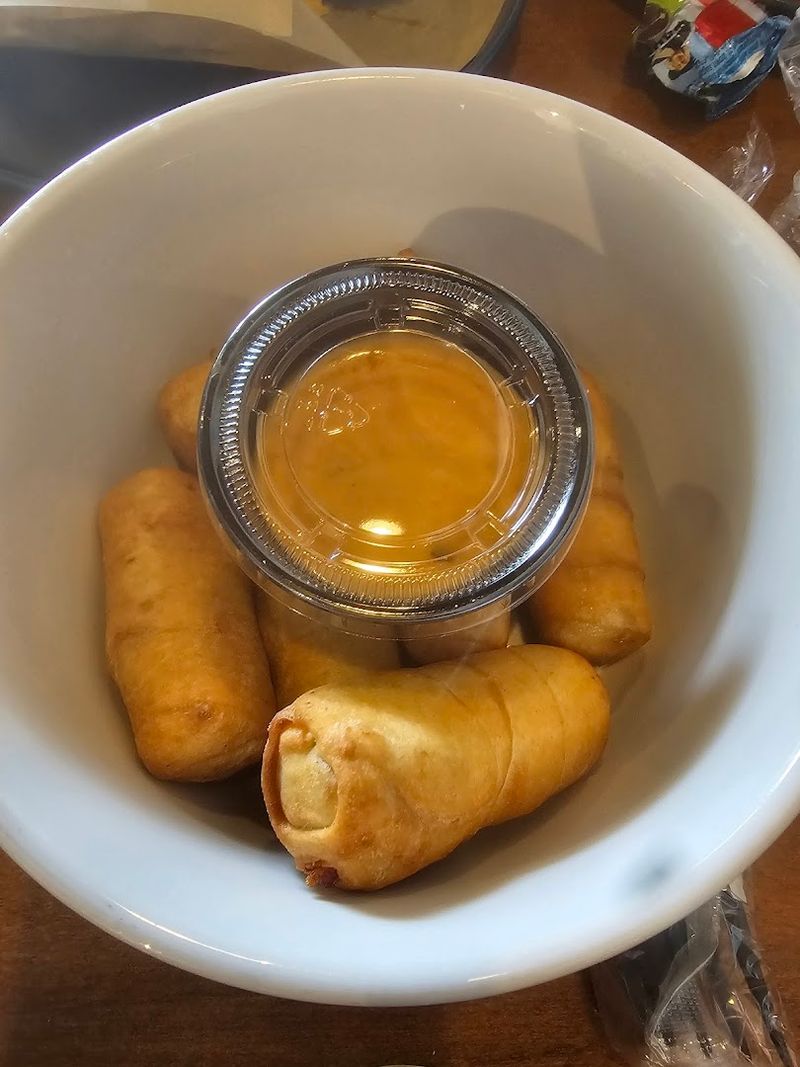
Before the arepas even arrive, the tequeños have already made their case for being the best thing on the table. These fried dough sticks stuffed with white cheese are a Venezuelan party staple, and at this Jacksonville spot they come out hot, golden, and dangerously addictive.
The outside is crispy in the way that only freshly fried dough can be, and the inside holds melted cheese that stretches just enough to feel satisfying without becoming a mess. They are the kind of appetizer that disappears from the plate before everyone at the table has even settled in.
Tequeños are often served at celebrations in Venezuela, which means ordering them here carries a small festive energy that sets the right mood for the meal ahead. They are worth ordering even if you think you are not that hungry, because one bite will quickly change your mind.
Venezuelan Hot Sauce and the Condiment Game
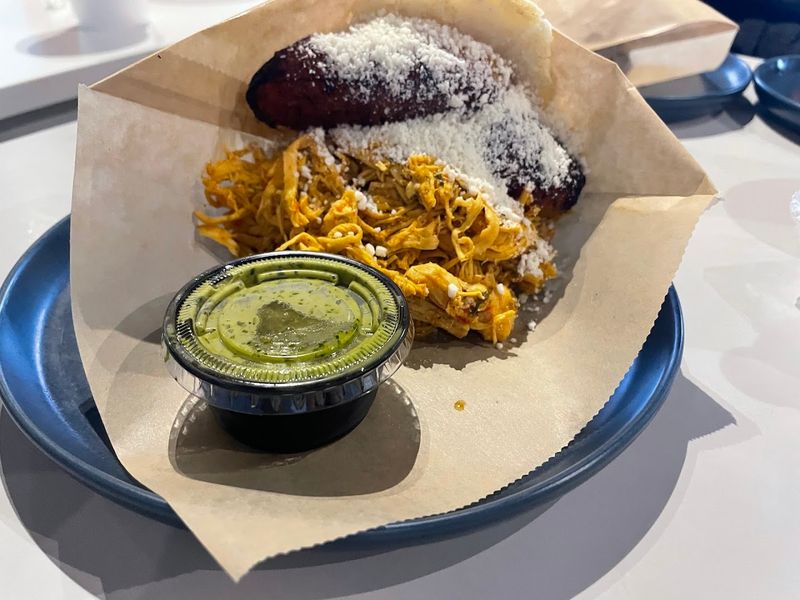
A great arepa is only as good as the condiments that come with it, and this spot takes that part seriously. The house hot sauce has a bright, vinegary heat that cuts through the richness of the fillings without overwhelming them, and the guasacaca, a Venezuelan avocado-based green sauce, adds a cool, herby contrast that works on almost everything.
Guasacaca is not as thick as guacamole, and it has a tanginess that makes it more versatile as a condiment than a dip. Drizzling it over a Pabellon arepa or dunking a tequeño into it are both equally valid decisions.
The condiment station at this restaurant feels like a small education in Venezuelan flavor culture, where sauces are not an afterthought but an essential part of how a dish gets finished. Taking a few minutes to try everything before committing to one pairing is strongly encouraged.
The Atmosphere Inside the Restaurant
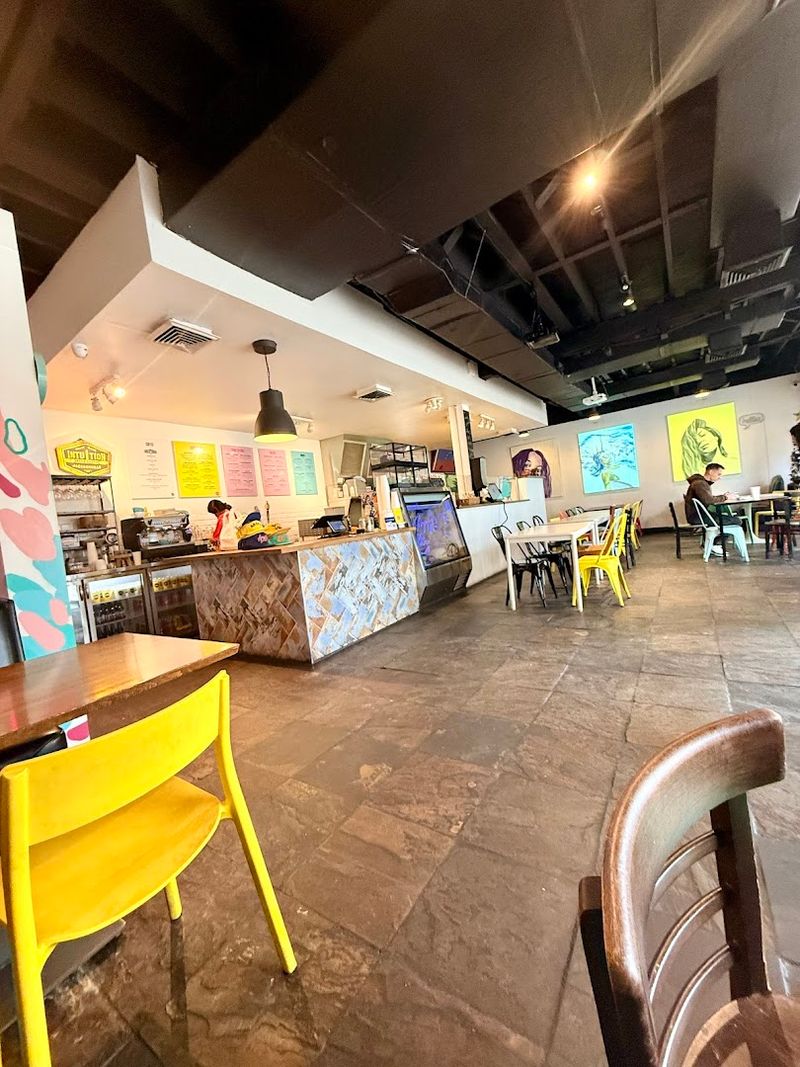
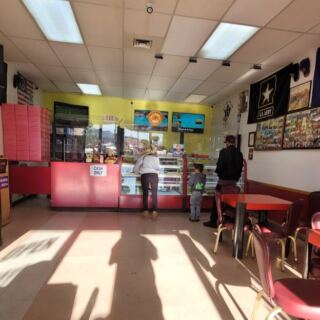
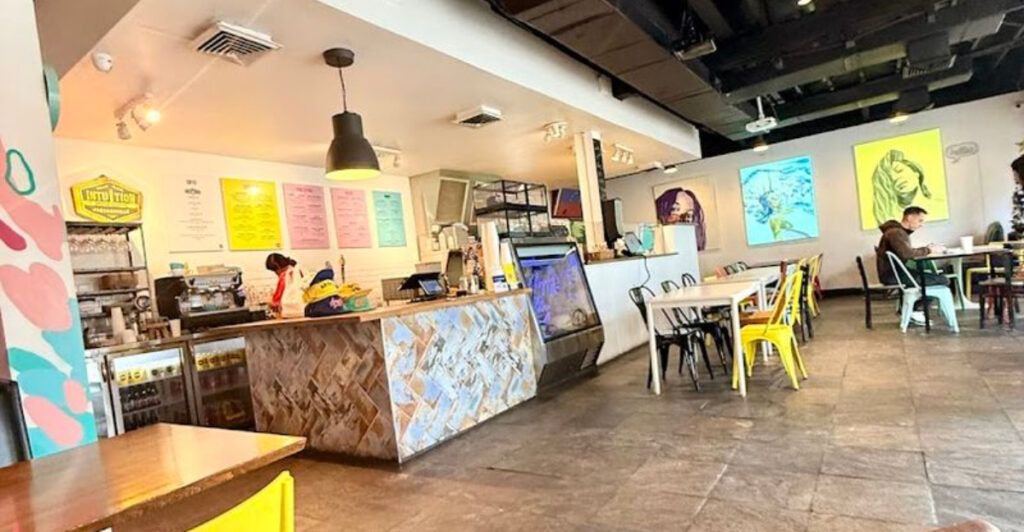
Walking through the door here, the first thing you notice is how warm the space feels, not just in temperature from the griddles running in the back, but in the way the room is put together. Venezuelan art and colors decorate the walls, and the energy is casual and welcoming in a way that makes you feel like a regular even on your first visit.
The restaurant is not large, which works in its favor. Tables are close enough together that you can hear snippets of other people’s conversations, and more often than not those conversations are about the food.
The kitchen is visible enough that you can catch glimpses of arepas being pressed and filled, which makes the wait feel shorter than it actually is.
There is a sense of genuine pride in this place that you can feel before your order even arrives, and that energy is contagious.
Who Is Eating Here and Why They Keep Coming Back
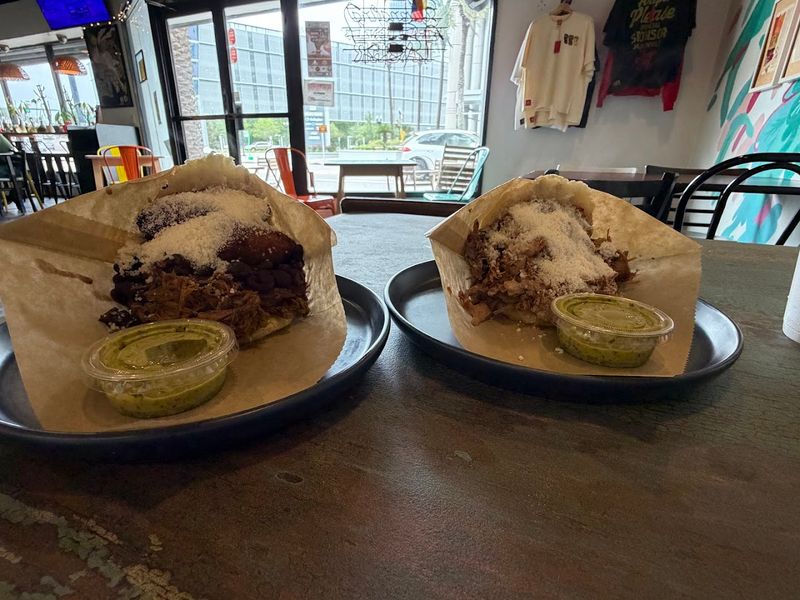
The crowd at this Jacksonville spot is one of the most interesting things about it. On any given afternoon, you will find Venezuelan families eating dishes that remind them of home, alongside curious locals who heard about the place through a friend and decided to see what the fuss was about.
That mix of people creates an atmosphere that feels genuinely communal rather than curated. Nobody is performing an experience here.
Everyone is just eating really good food and enjoying it without pretense. The regulars tend to be enthusiastic ambassadors, often seen pointing out their favorite items to first-timers at neighboring tables.
People come back because the food is consistent, the portions are honest, and the price point makes it easy to visit without planning a special occasion around it. That combination of quality and accessibility is rarer than it should be, and this spot has clearly figured it out.
Venezuelan Empanadas on the Side Menu
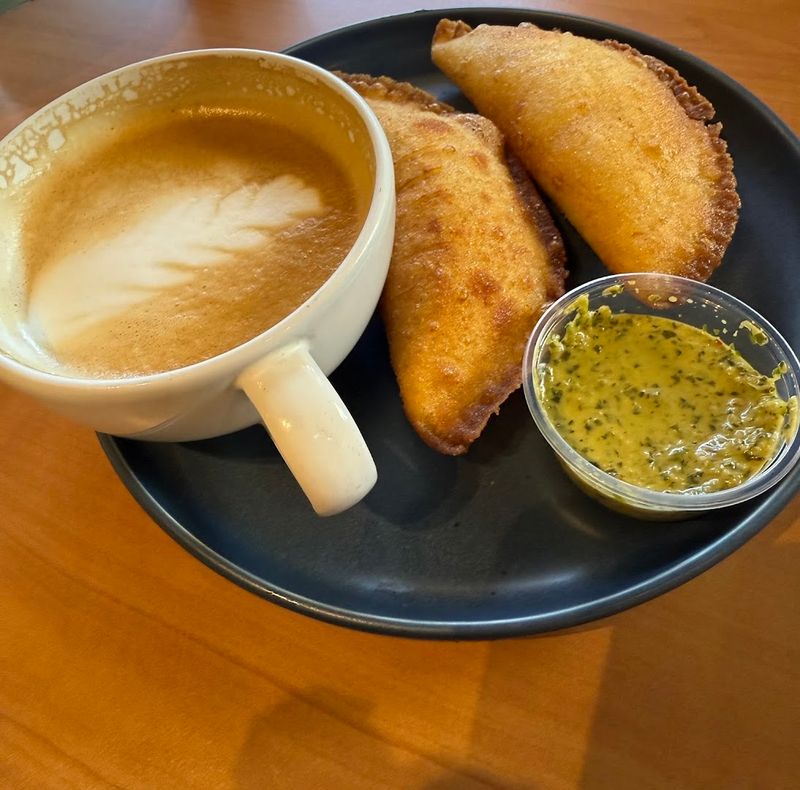
Beyond arepas, the menu includes Venezuelan-style empanadas that deserve their own moment of appreciation. Unlike the baked flour empanadas common in other Latin cuisines, Venezuelan empanadas are made from the same masarepa corn dough and then deep-fried until they develop a golden, slightly crunchy shell.
The fillings mirror many of the arepa options, including shredded beef, black beans, and cheese combinations, but the frying process gives the exterior a different character altogether. The crunch is more pronounced, and the interior gets steamy and tender in a way that makes the contrast even more satisfying.
Ordering an empanada alongside an arepa might seem excessive, but anyone who has done it will tell you it is a completely rational decision. They are compact enough to feel like a complement rather than a second meal, and they showcase the kitchen’s versatility with the same core ingredients.
Tips for Visiting and What to Order First
Coming in with a plan makes the experience smoother, especially during lunch hours when the line tends to build up quickly. Arriving a few minutes before the midday rush gives you time to look at the menu without feeling pressured, and the staff are genuinely happy to explain what each filling tastes like if you are unsure where to start.
First-time visitors are often told to try the Reina Pepiada or the Pabellon arepa as their entry point, since both give a solid overview of what Venezuelan flavors are all about. Adding a tequeño order on the side is a decision that has never been regretted by anyone who has made it.
Parking in the shopping center is easy, the restaurant accepts cards, and portions are generous enough that one arepa is a full meal for most people, though ordering two is always a tempting and defensible choice.
Share this story