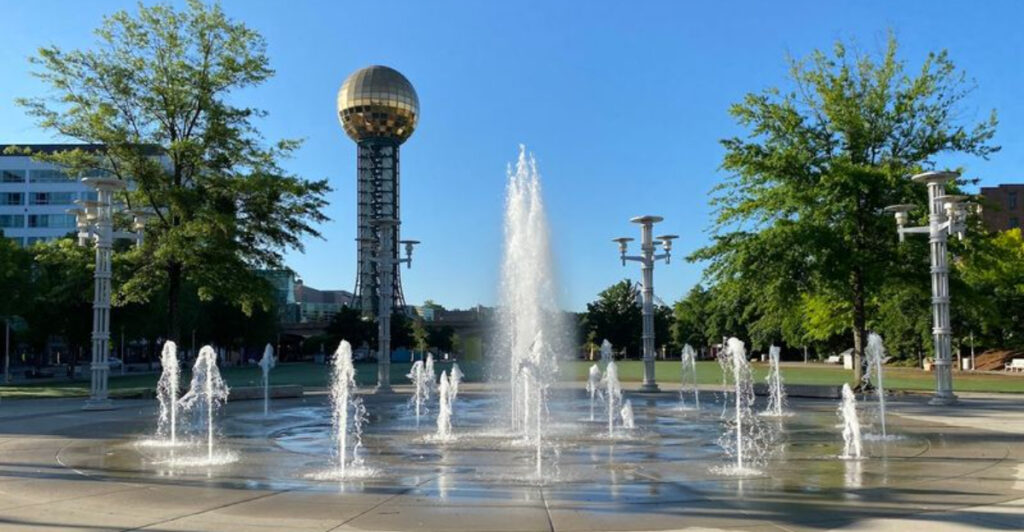
There is a golden sphere rising above downtown Knoxville that has been turning heads since 1982, and the story behind it is more interesting than most people expect. Knoxville, Tennessee played host to the World’s Fair that year, and the park built around that event never really went away.
Today, that same stretch of green space sits right between the University of Tennessee campus and the heart of downtown, offering history, outdoor activities, and one very hard-to-miss landmark. From a veteran’s memorial to a splash pad for kids, this park packs a lot into a relatively compact urban footprint, and the iconic tower at its center remains Tennessee’s most recognizable relic from one of the biggest events the state has ever hosted.
The Sunsphere: Tennessee’s Golden Icon
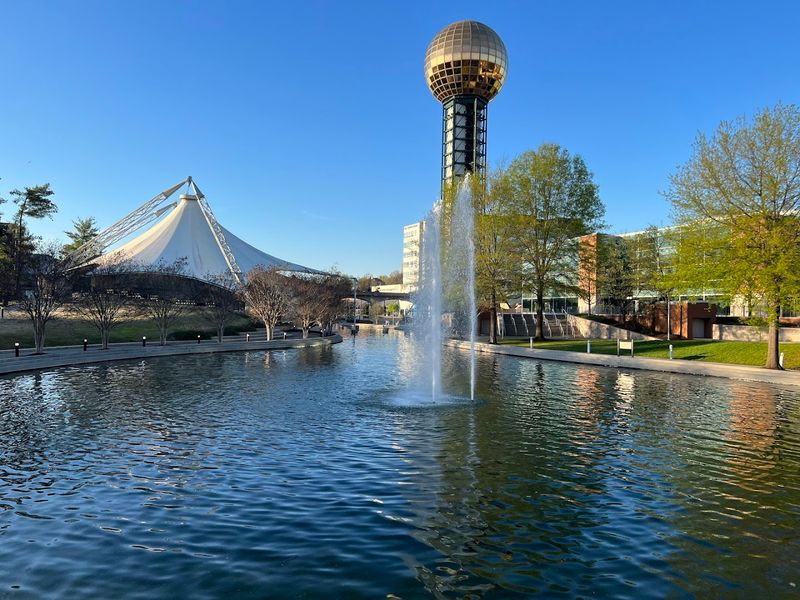
No structure in Tennessee gets recognized quite as fast as the Sunsphere. Standing 266 feet tall with a gold-tinted glass sphere at the top, it was built as the official symbol of the 1982 World’s Fair and has remained the centerpiece of the park ever since.
The observation deck inside the sphere is open to the public for a small admission fee of around ten dollars, and from up there, the view of downtown Knoxville stretches out in every direction.
The self-guided tour inside the tower includes a collection of 1982 memorabilia that gives the whole experience a time-capsule quality. It is not a long visit, but it is a memorable one.
Fair warning: the elevator opens at a height that catches some people off guard, and on windy days there may be a slight sway. Still, climbing the golden ball is absolutely worth the trip.
A Park Built on World’s Fair Grounds
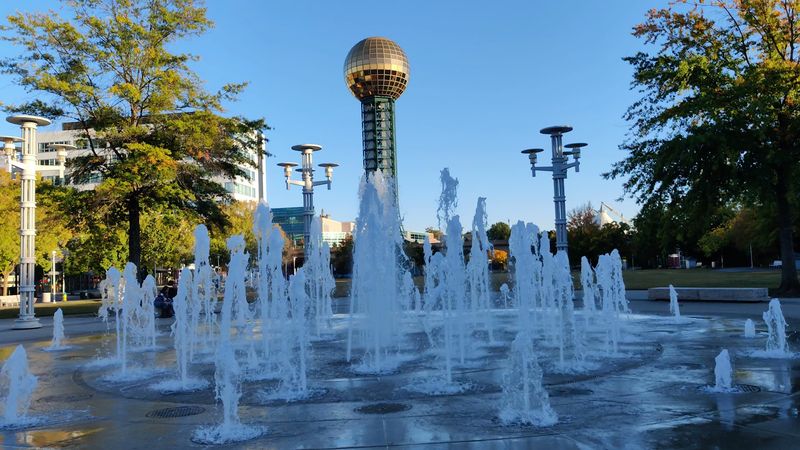
The 1982 World’s Fair had the theme “Energy Turns the World,” and Knoxville was chosen to host it during a period when the city was trying to put itself on the national map.
More than eleven million people attended the fair over its six-month run, making it one of the most attended World’s Fairs in American history up to that point. That is a remarkable number for a mid-sized Southern city.
When the fair ended, rather than demolishing everything, the city converted the site into a public park. Some of the original structures were preserved, and the general layout of the fairgrounds was maintained in the park’s design.
Walking through today, it is possible to connect the dots between the current park and the event that created it. Educational signs and preserved architecture give the space a sense of depth that a typical city park simply does not have.
The Amphitheater That Brings the Park to Life
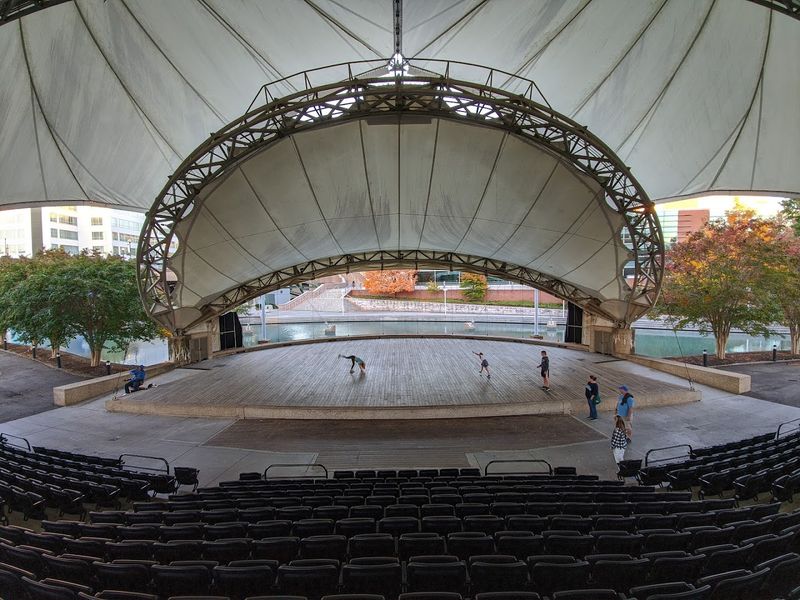
One of the most underrated features of the park is its outdoor amphitheater, which hosts concerts, festivals, and community events throughout the year.
The stage is large enough to accommodate full productions, and the covered seating area means that even on less cooperative weather days, audiences can stay comfortable. The open lawn in front of the stage gives people the option to spread out on the grass if they prefer.
Throughout the year, the park draws crowds for a wide range of events, from music festivals to competitions like the Bassmaster Classic. The venue’s location, right between campus and downtown, makes it a natural gathering point for Knoxville residents.
The amphitheater really comes alive at night when the surrounding park lights up and the Sunsphere glows in the background. It is the kind of outdoor venue that makes a city feel more connected to itself.
Splash Pad and Playgrounds for Younger Visitors
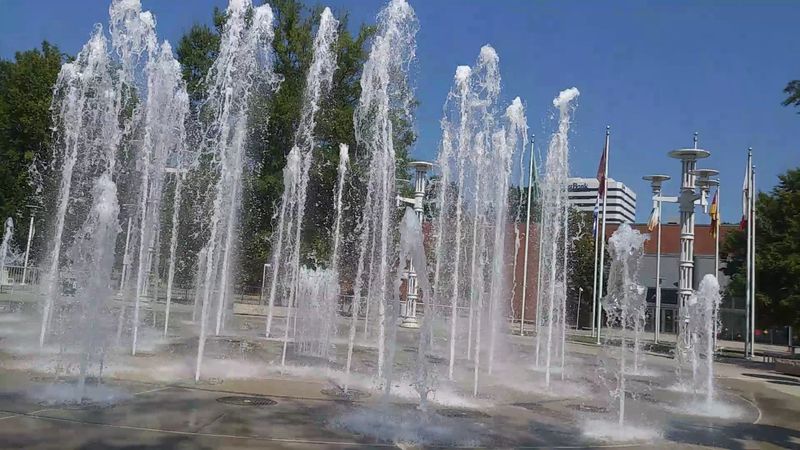
Families with kids have a solid reason to make World’s Fair Park a regular stop, and it starts with the splash pad. On warm days, the water feature draws children from across the city, and the open field right next to it gives everyone plenty of room to run around.
The playground area is designed with older children in mind, roughly ages five to twelve, so parents of toddlers should keep that in mind before building up too much anticipation for the littlest ones.
The play structure includes multiple slides, climbing ladders, ropes, and a tall tower with a large silver slide at the top. It is the kind of setup that keeps older kids occupied for a good stretch of time.
A thoughtful touch that stands out: the park provides sunscreen dispensers near the play areas, which is a genuinely practical addition that not many parks think to include.
The Veterans Memorial at the Edge of the Park
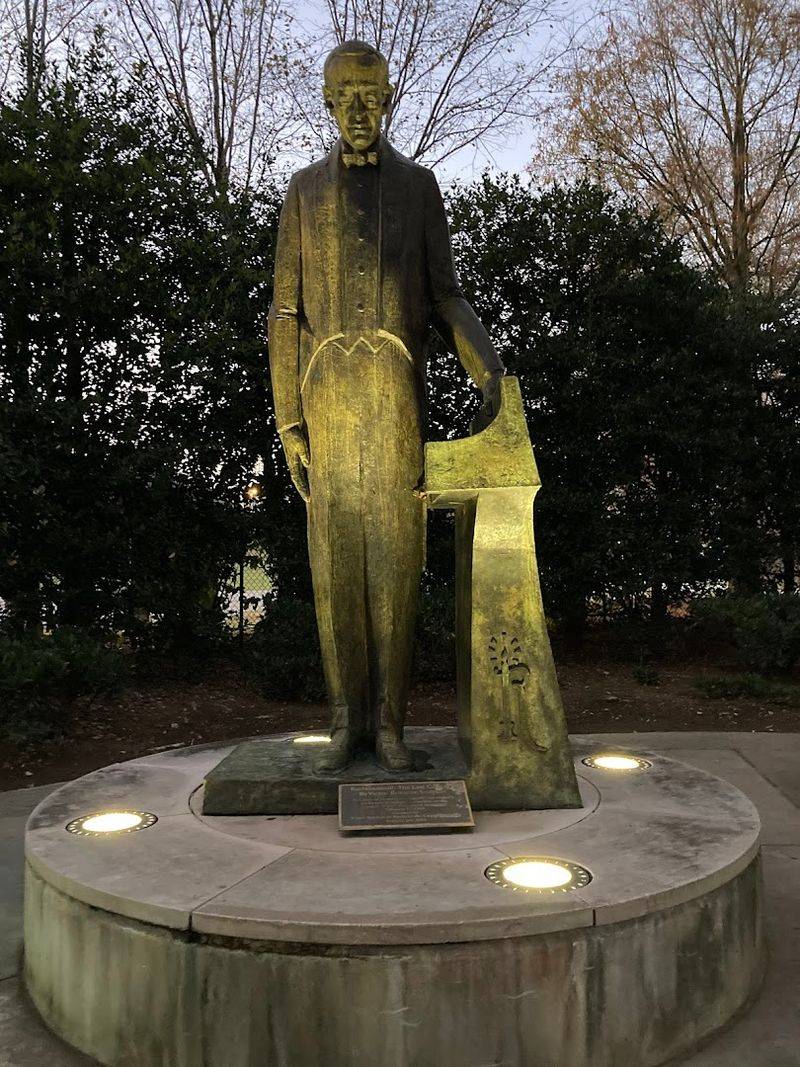
Tucked toward one end of the park is a veterans memorial that adds a layer of meaning to what might otherwise feel like a purely recreational space.
The memorial is well-maintained and set within the landscaped grounds in a way that feels intentional rather than incidental. It provides a quiet spot within a park that can otherwise get busy during events and festivals.
For those who come to the park specifically to pay their respects, the location is accessible and easy to find. The surrounding greenery and open sky make it a calm and dignified setting.
Many people who visit the park for the Sunsphere or the splash pad end up discovering the memorial by walking the full length of the grounds. That kind of organic discovery is part of what makes the park worth exploring thoroughly rather than just stopping at the most obvious landmarks.
Water Features That Define the Landscape
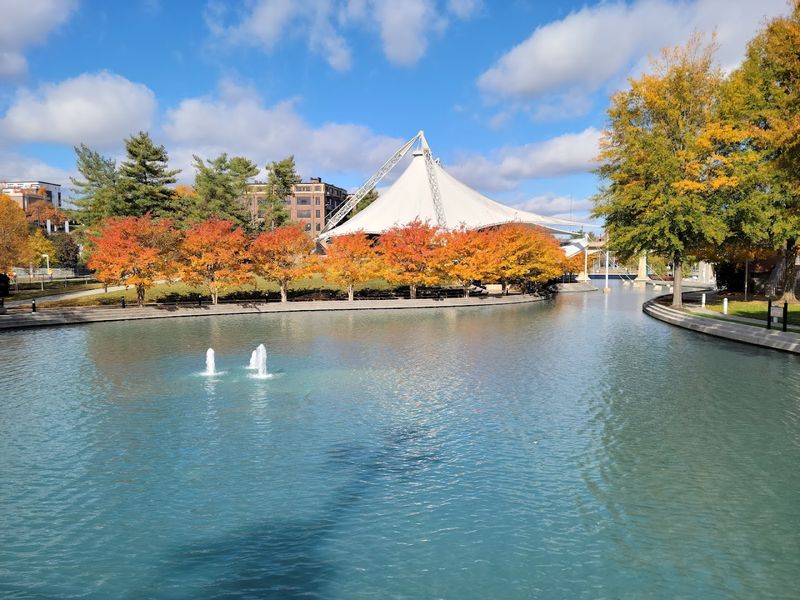
Water plays a central role in the design of World’s Fair Park, and the main water feature is one of the first things people notice when they arrive. A large reflecting pool and fountain system runs through a significant portion of the park, giving it a polished, intentional look.
During warmer months, the fountains run regularly and the water feature becomes a backdrop for photography, events, and casual walks. The area around the water is wheelchair accessible, which makes it easy for everyone to enjoy.
During winter months or early spring, the fountains are sometimes turned off for seasonal maintenance, so the feature looks different depending on when you visit. Still, the layout of the water areas remains attractive even when the water is not running.
The pavilion near the water is one of the more photographed spots in the park, and it is easy to see why once you are standing in front of it.
Art Under the Bridge: A Hidden Creative Layer
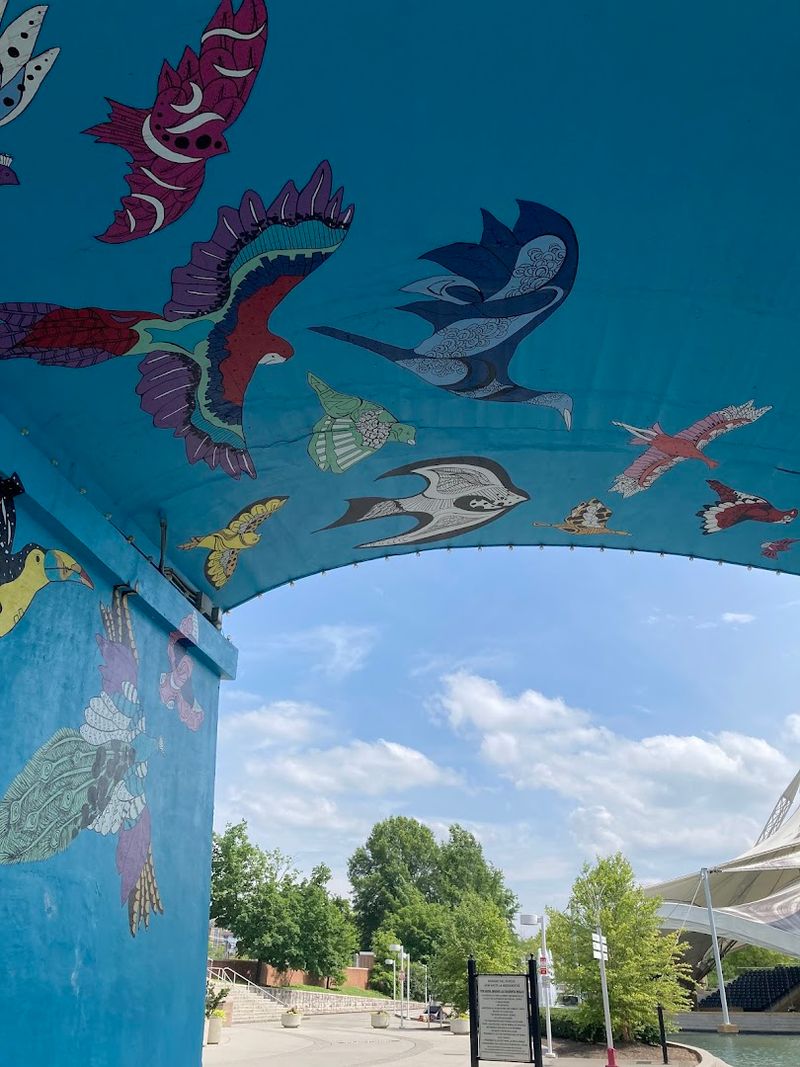
Not every park has a dedicated art installation tucked under a bridge, but World’s Fair Park does, and it is one of the more unexpected things to find on a casual walk through the grounds.
The bridge murals add a creative dimension to the park that goes beyond the standard green space experience. The artwork is large-scale and covers significant portions of the underpass walls, making it hard to miss if you take the time to walk the full path.
Street-level art like this tends to reflect the character of a city in ways that formal monuments do not. In Knoxville, where the arts community is active and visible, these murals feel like a natural extension of what the city values.
The bridge art is also a popular stop for photographers, and the contrast between the painted walls and the surrounding park greenery makes for an interesting visual. It is a detail worth slowing down for.
Festivals and Events That Fill the Calendar
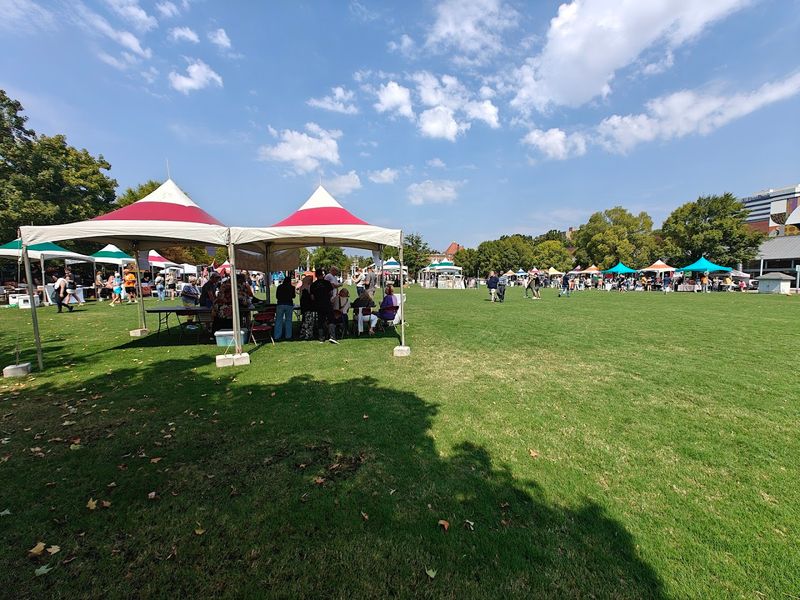
World’s Fair Park is not just a place to visit on a quiet Tuesday. It is a functioning event venue that draws large crowds throughout the year for a rotating lineup of festivals and competitions.
The Kahuna Festival is one example, drawing attendees for food, activities, and fireworks in a setting that uses the park’s open lawns and stage to full effect. The Bassmaster Classic has also used the park as a hub, bringing a national-level fishing competition to the heart of Knoxville.
The park’s grounds are large enough to support major events without feeling cramped, and the infrastructure, including restrooms, parking, and covered areas, supports large gatherings well.
For anyone planning a visit, checking the park’s event calendar in advance at worldsfairpark.org is a good move. Arriving during a festival turns a regular park visit into something much more memorable, and the park genuinely delivers on that front.
Getting Around the Park: Layout and Accessibility
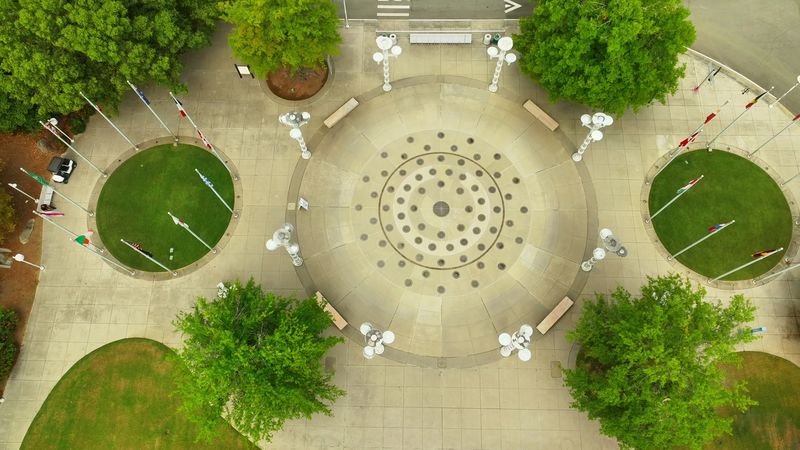
The park covers a substantial amount of ground, and first-time visitors sometimes underestimate how much walking is involved in seeing everything. The path from the parking area to the far end of the park near the river is a long walk, so comfortable footwear is a practical consideration.
Paved paths run throughout the grounds, and the main routes are wheelchair accessible. The layout is open and easy to navigate without a map, though taking a few wrong turns can actually lead to discovering parts of the park that are easy to overlook.
Free parking is available in a designated lot, though it requires a three to four minute walk to reach the main park areas. The maximum parking time is four hours, which is more than enough for most visits.
Traffic through the park is generally light, which makes it feel safe and relaxed even when moving between different sections on foot throughout the day.
The Park’s Connection to Downtown and UT Campus
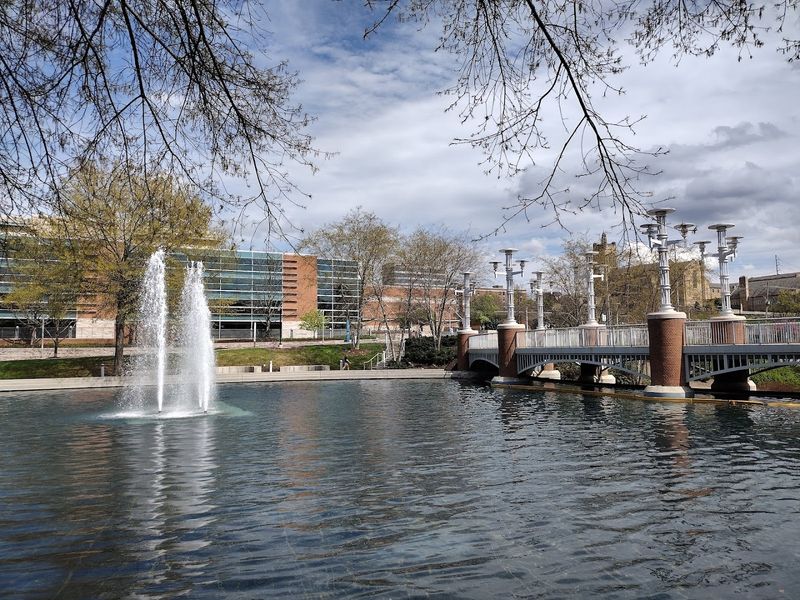
One of the practical advantages of World’s Fair Park is where it sits. Positioned between the University of Tennessee campus and the center of downtown Knoxville, it functions as a genuine connector between two active parts of the city.
Market Square, which is one of Knoxville’s main downtown gathering spots, is within easy walking distance from the park. That makes it simple to combine a park visit with a broader exploration of the city without needing to move the car.
The location also means the park draws a mix of people throughout the day, from students crossing through on their way to campus to downtown workers taking a lunch break on the green.
That mix of foot traffic gives the park a lively but unhurried energy on most days. For anyone spending time in Knoxville, the park’s central location makes it one of the most convenient and worthwhile stops the city has to offer.
Practical Tips for Planning Your Visit
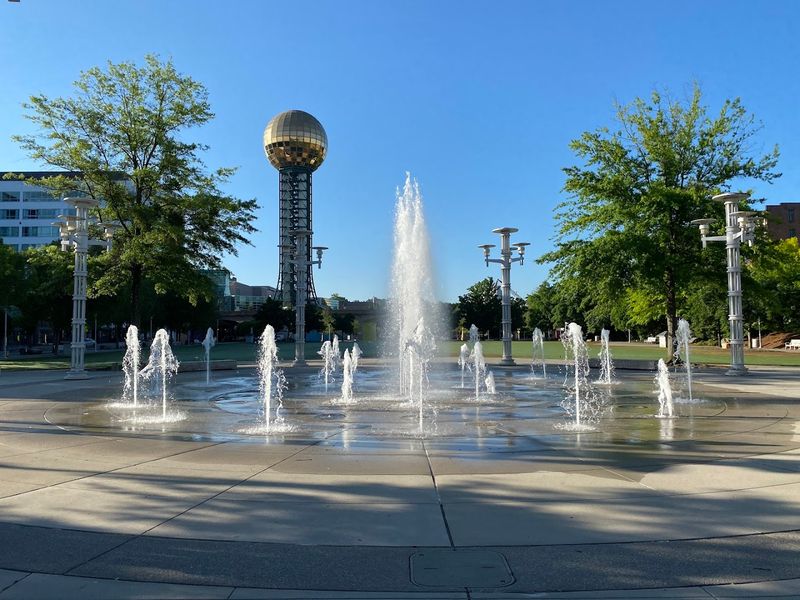
The park is open daily from 6 AM to midnight, which gives visitors a wide window to plan around. Summer is generally considered the best time to visit if the goal is to enjoy the splash pad, water features, and outdoor events at full capacity.
Spring is also a solid option, particularly for those who want to walk the grounds without the summer heat. Early March often sees seasonal maintenance crews getting the fountains ready, so the park is already showing signs of life by then.
The Sunsphere observation deck costs around ten dollars per person and is a self-guided experience. Kids tend to lose interest in the tower relatively quickly, so building the rest of the park visit around their energy level is a smart approach.
Restrooms in the park are generally clean and accessible, and the park has a security presence on the grounds, which adds a layer of comfort for families and solo visitors alike.
Why World’s Fair Park Still Matters to Knoxville
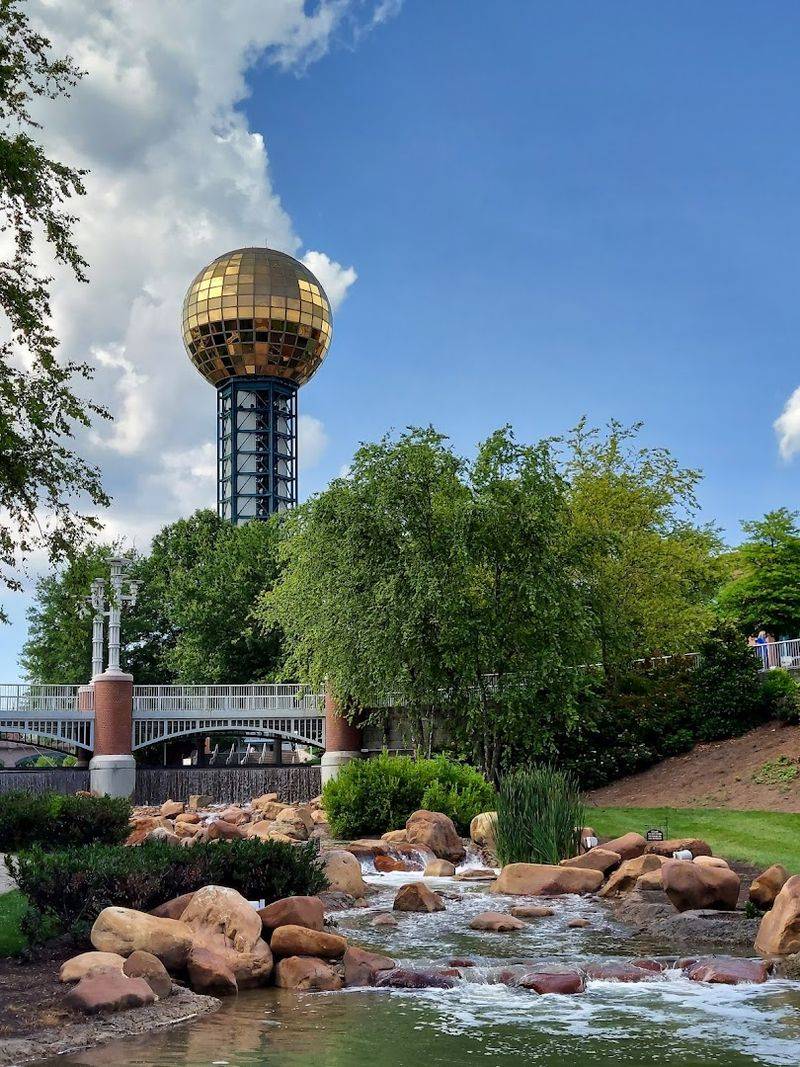
More than four decades after the 1982 World’s Fair closed its gates, the park that replaced it continues to serve as one of Knoxville’s most active and recognizable public spaces.
The Sunsphere is still the most photographed structure in the city, and the grounds around it host everything from wedding receptions to national sporting events. That kind of range speaks to how well the park was designed to serve multiple purposes over time.
There is also something quietly significant about a city choosing to preserve the site of a major historical event rather than redevelop it for commercial use. Knoxville made a long-term investment in public green space, and the park continues to pay that back to residents and visitors every year.
World’s Fair Park is not just a leftover from a 1982 event. It is a living part of the city, and it keeps finding new reasons to bring people through its gates.
Where History Meets Greenery in Downtown Knoxville
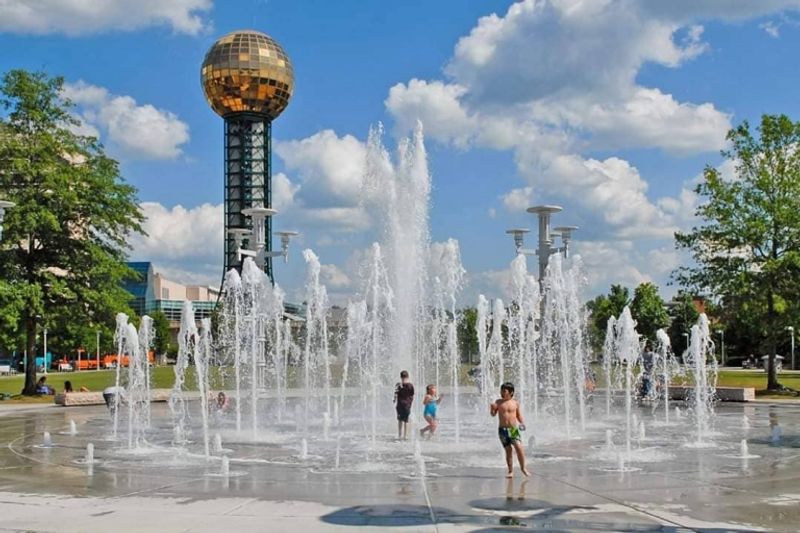
World’s Fair Park sits at 963 Worlds Fair Park Dr, Knoxville, TN 37902, right in the middle of a stretch of the city that most people drive past without realizing what they are missing.
The park occupies the exact land where the 1982 World’s Fair was held, and that history is not just a footnote here. It shapes everything from the layout of the pathways to the landmarks that still stand on the grounds today.
Positioned between the University of Tennessee campus and downtown Knoxville, the park functions as a connector between two very different parts of the city.
Green lawns, paved walking paths, and open gathering spaces make it easy to spend an hour or an entire afternoon here. The park is open every day from 6 AM to midnight, making it accessible for early morning walks and evening strolls alike.
Share this story