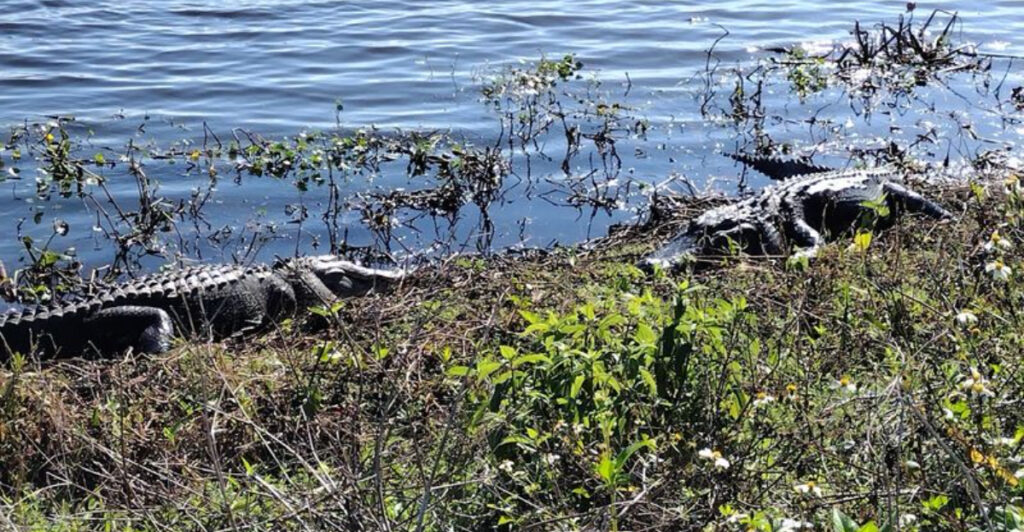
There is a place in Central Florida where alligators sunbathe just a few feet from the trail, bald eagles soar overhead, and the only sounds you hear are birds calling across the water. I had heard about it from a few outdoor enthusiasts, but nothing quite prepared me for what I actually found when I showed up on a quiet weekday morning.
The trails stretch for miles through wetlands and open meadows, and the wildlife is so abundant it genuinely feels like walking through a nature documentary. By the time I left, I had already planned my next visit, and I think you will feel the same way once you read what this reserve has to offer.
Finding the Reserve: Location and First Impressions
Circle B Bar Reserve sits at 4399 Winter Lake Rd, Lakeland, tucked between wetlands and open sky in Polk County. The moment you pull into the parking lot, the scale of the place starts to register.
There are multiple parking areas, and the lot fills up fast on weekends, especially after 9:30 AM.
I arrived early on a weekday and still spotted a handful of cars already parked near the main trailhead. The entrance area is clean and welcoming, with clear signage pointing you toward the visitor center and the various trailheads.
Free admission makes the whole experience feel even better.
The reserve is managed by Polk County Nature Discovery Center, and the staff genuinely care about the place. You can reach them at +1 863-668-4673 or visit polknature.com for trail maps and current wildlife sighting updates before your trip.
The Trail Network: Miles of Scenic Paths to Explore
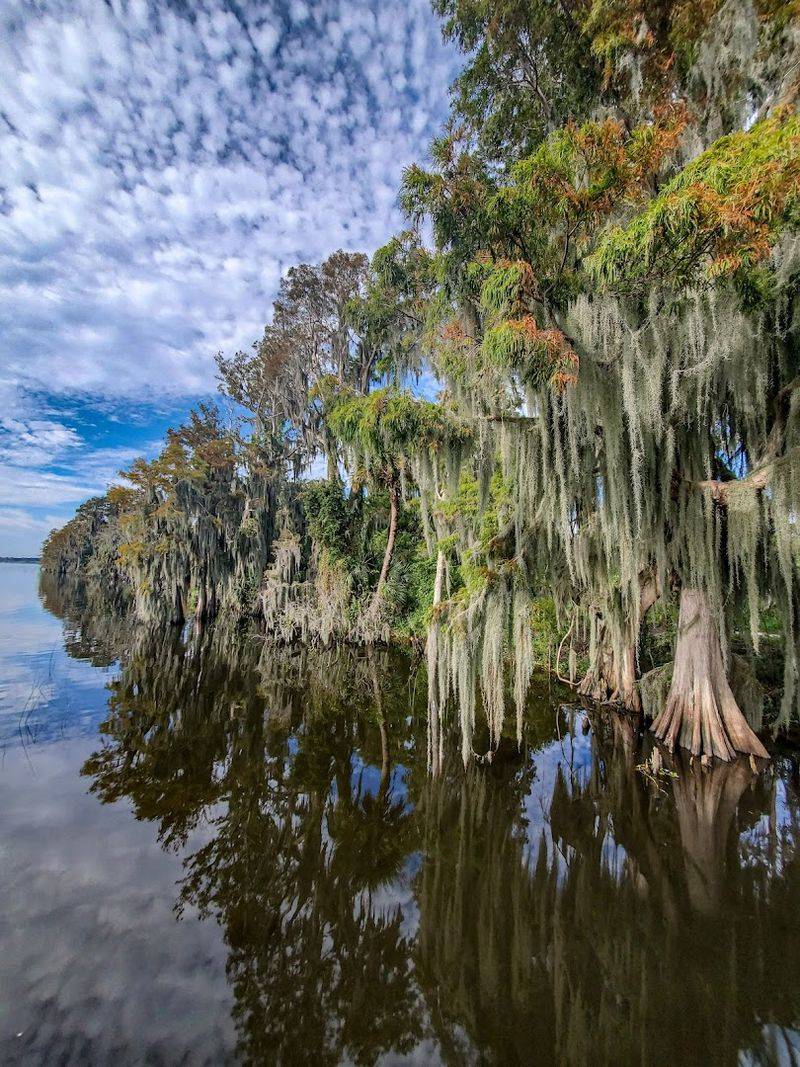
The trail system here is genuinely impressive. There are multiple interconnected paths that wind through different ecosystems, from open wetland boardwalks to shaded wooded corridors, giving each stretch of the hike its own distinct character.
Many visitors end up covering four or more miles without even realizing how far they have walked because the scenery keeps changing around every bend. The trails are well-maintained, clearly marked, and easy enough for most fitness levels, including families with older kids.
If you are short on time, prioritize Alligator Alley Trail and Eagle Roost Trail. Those two sections deliver the highest concentration of wildlife sightings and the most dramatic open water views.
Benches are placed at regular intervals along the paths, which is a thoughtful touch when the Florida heat starts to make itself known. Biking is also permitted on many of the trails, adding another fun option.
Alligator Alley: The Trail That Lives Up to Its Name
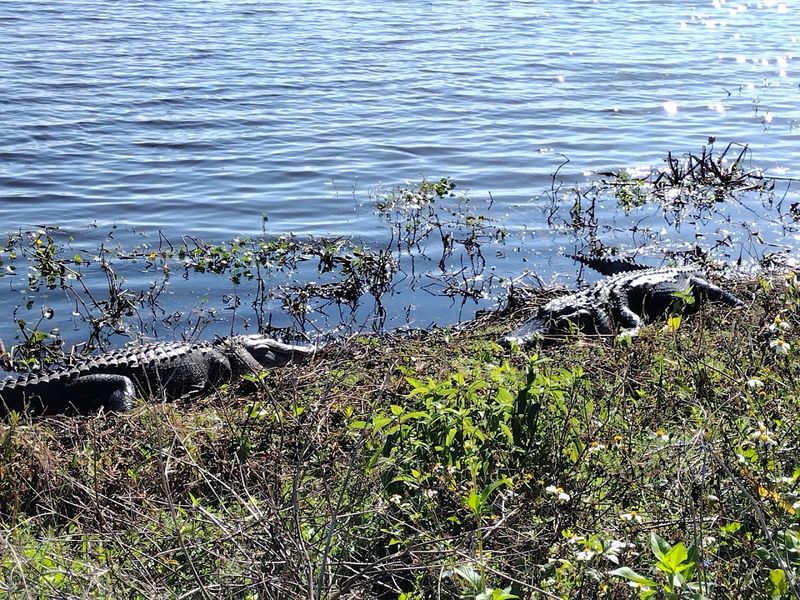
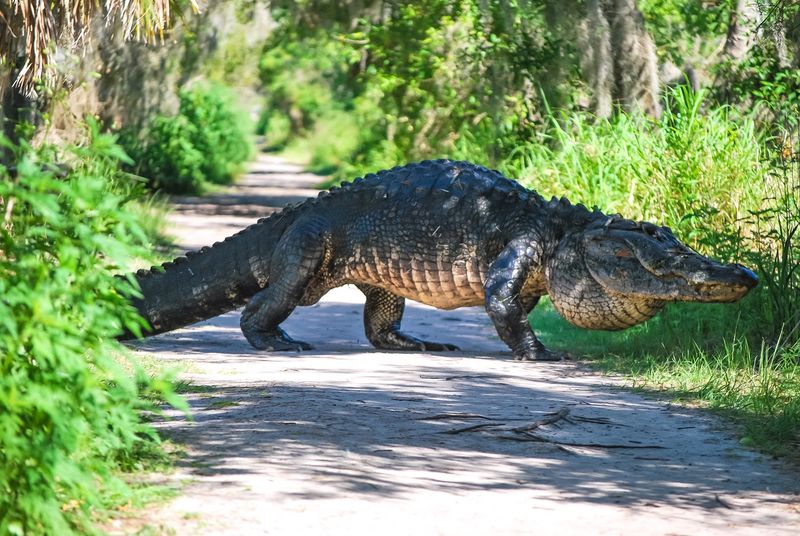
Alligator Alley Trail is the crown jewel of the reserve, and it absolutely earns its reputation. On my walk, I counted more than a dozen alligators without even trying, some lounging on the banks just a few feet from the path, completely unbothered by the steady stream of hikers passing by.
The largest ones are genuinely impressive, thick-bodied and prehistoric-looking, resting in the shallow water with their eyes just above the surface. It is one of those rare places where you feel close to wild nature without a fence or barrier between you and the animals.
A reasonable level of awareness is important here. Stay on the trail, keep a safe distance, and never feed the alligators.
The reserve staff are clear about these guidelines, and following them ensures the experience stays safe and enjoyable for everyone, including the alligators themselves.
Eagle Roost Trail: Where Bald Eagles Steal the Show
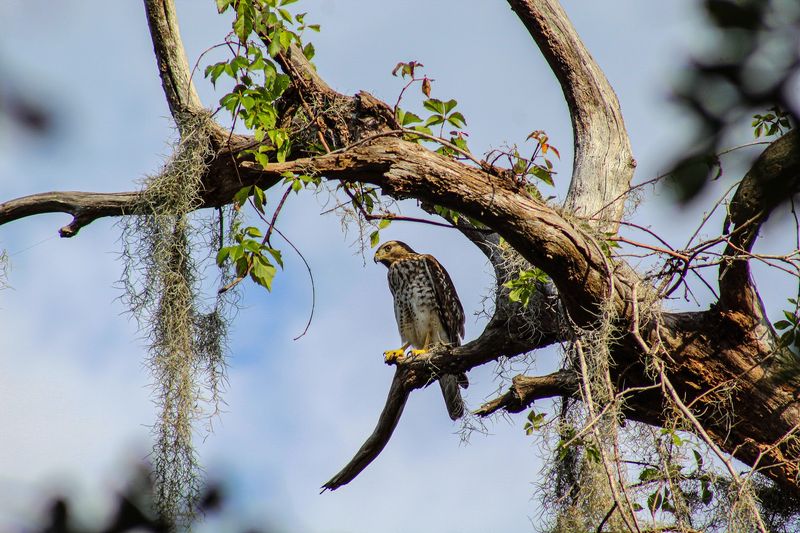
Eagle Roost Trail earned its name for good reason. On my visit, I spotted a bald eagle circling low over the water before landing in a tall cypress tree not far from the path.
Watching a bird that large move with that kind of quiet authority is something that stays with you long after the hike ends.
The trail runs along open water with wide, unobstructed views that make it ideal for both wildlife watching and photography. Ospreys are also common here, and I watched one dive into the lake and surface with a fish gripped in its talons, which felt like a scene straight from a nature channel.
Early morning is the best time to walk this section, when the light is soft and the birds are most active. The combination of open sky, calm water, and consistent wildlife sightings makes Eagle Roost one of the most rewarding stretches in the entire reserve.
Birdwatching Paradise: Species Around Every Corner
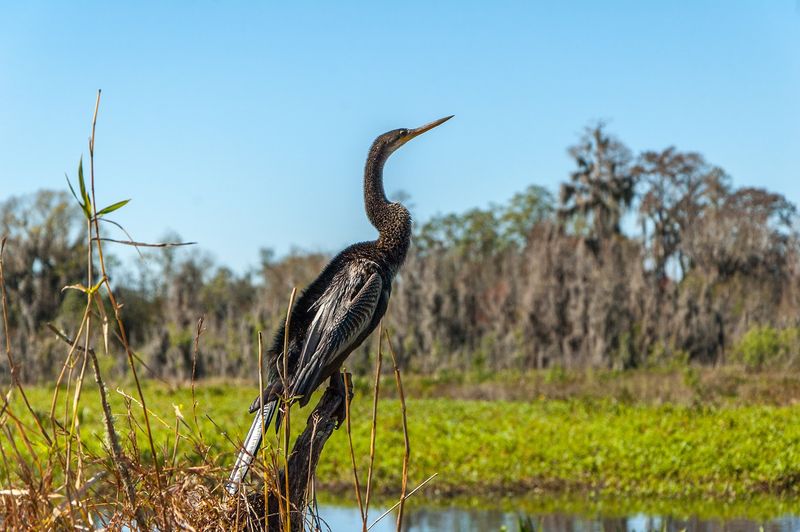
For birdwatchers, this reserve operates on a different level. The variety of species visible on a single visit is remarkable, and you do not need to be an expert to appreciate it.
Great blue herons, egrets, cormorants, anhingas, ibis, and sandhill cranes all share the wetlands in surprisingly close proximity to the trails.
I spotted an anhinga drying its wings on a low branch, wings spread wide like a tiny dark cape, just a few feet from where I was standing. Vultures circled overhead in lazy thermal spirals, and smaller songbirds darted through the shrubs along the path edges.
The visitor center keeps a running log of recent wildlife sightings, which is worth checking before you head out. Knowing what has been spotted recently helps you stay alert for specific species and adds a fun scavenger-hunt energy to the whole walk.
Binoculars are a worthwhile addition to your pack.
Turtles, Raccoons, and the Smaller Wonders of the Reserve
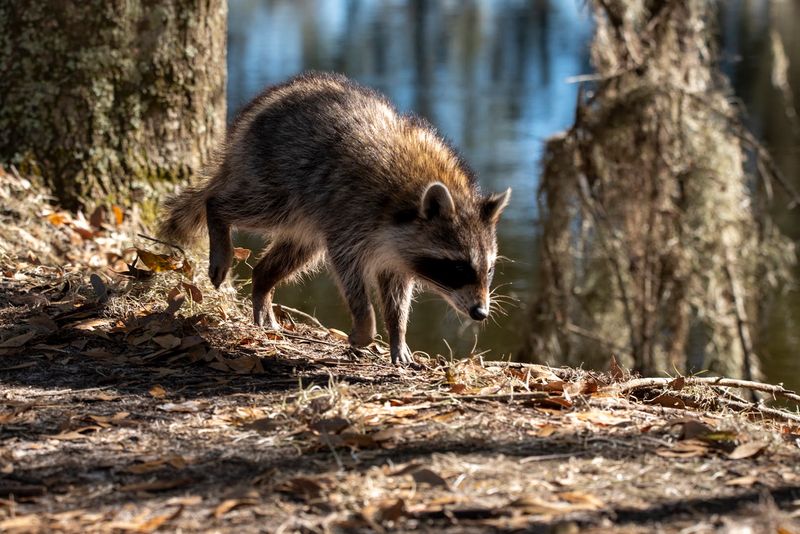
The alligators and eagles get most of the attention, but the reserve is full of smaller wildlife moments that are equally charming. Turtles line up on logs and partially submerged branches along almost every stretch of open water, stacking on top of each other in rows that look almost comically organized.
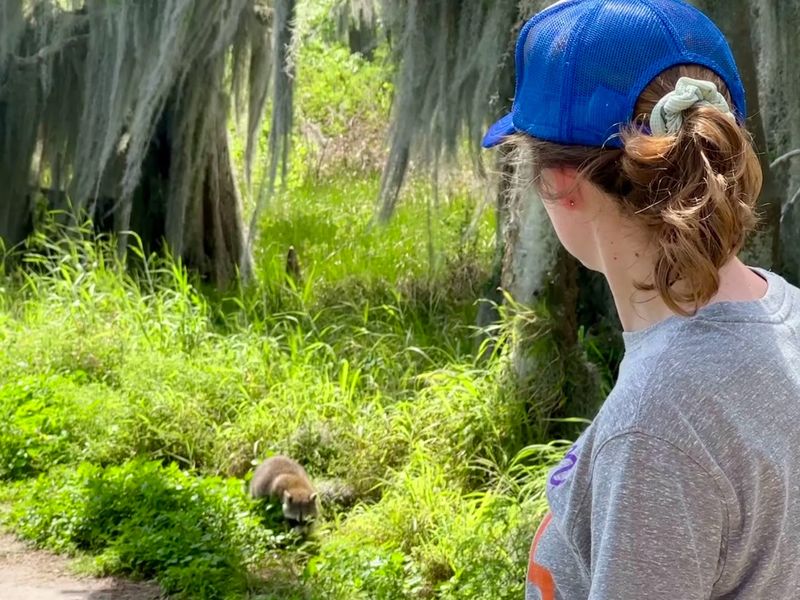
Raccoons are surprisingly bold here. I watched one amble across the trail in broad daylight, completely uninterested in the small crowd of hikers watching it.
Armadillos rustle through the underbrush, and if you move quietly enough, you might catch one before it disappears into the vegetation.
Rabbits, squirrels, and even wild hogs have been spotted by regular visitors, making the reserve feel genuinely wild rather than curated. Every visit tends to produce a different mix of sightings, which is part of what keeps people coming back season after season.
No two walks here are ever quite the same.
The Discovery Center: Your Starting Point for a Smarter Visit
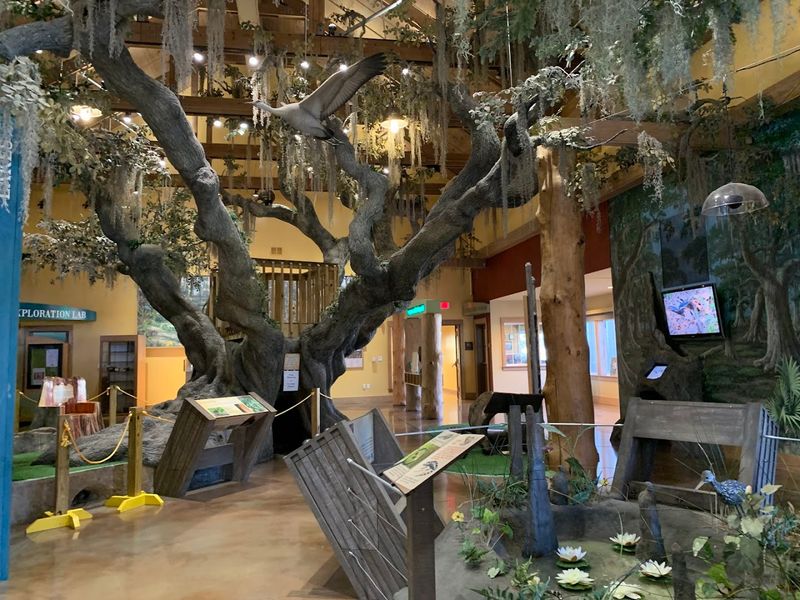
The Nature Discovery Center near the main trailhead is more than just a welcome building. The staff there are genuinely knowledgeable about the reserve, the animals, and the current trail conditions, and they are happy to answer questions before you head out.
Grabbing a trail map from the center before starting your hike is a smart move, especially on your first visit. The reserve is large enough that knowing which trails connect to which can save you from unexpected detours or backtracking in the afternoon heat.
The center also maintains a wildlife sighting board that gets updated regularly, which is a practical tool for planning where to focus your walk. During certain seasons, the center runs educational programs and guided activities, so checking the website ahead of time is worth the two minutes it takes.
The center was closed during winter break when I visited, but I made a note to return for the full experience.
Best Time to Visit: Planning Around Florida’s Climate
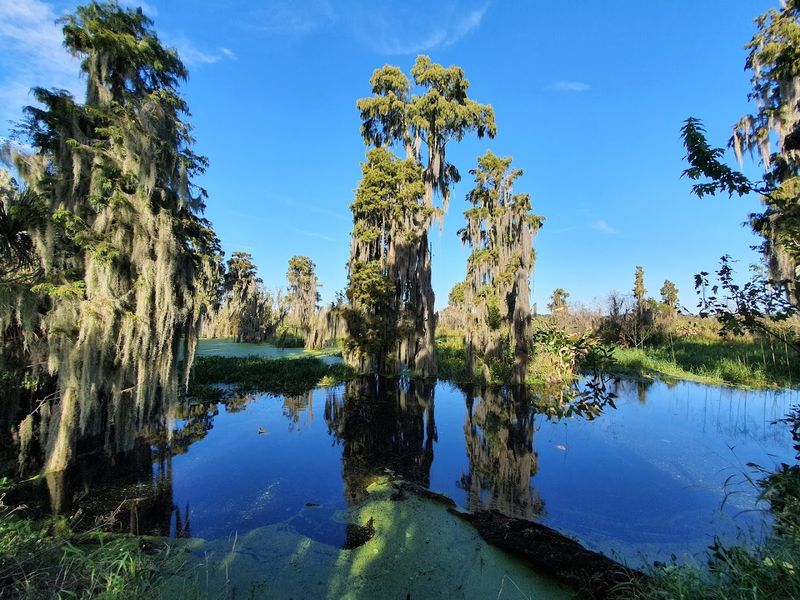
Florida’s heat is not a rumor, and the reserve gives you very little shade on some of the more open trail sections. Going early is the single best piece of advice for any visit.
The reserve opens at 5:30 AM every day and closes at 8 PM, giving early risers a real advantage in terms of both temperature and wildlife activity.
The cooler months between October and March are widely considered the best time to visit. Wildlife is more active, the trails are drier, and the heat is far more manageable.
Summer visits are possible but require serious preparation, including extra water, insect repellent, and a willingness to move at a slower pace.
Mosquitoes can be intense during the warmer, wetter months, so plan your clothing and repellent accordingly. Parking lots start filling up around 9:30 AM on weekends, so an early arrival is both a comfort strategy and a practical one for securing a good spot.
Photography Opportunities: A Landscape Built for the Camera
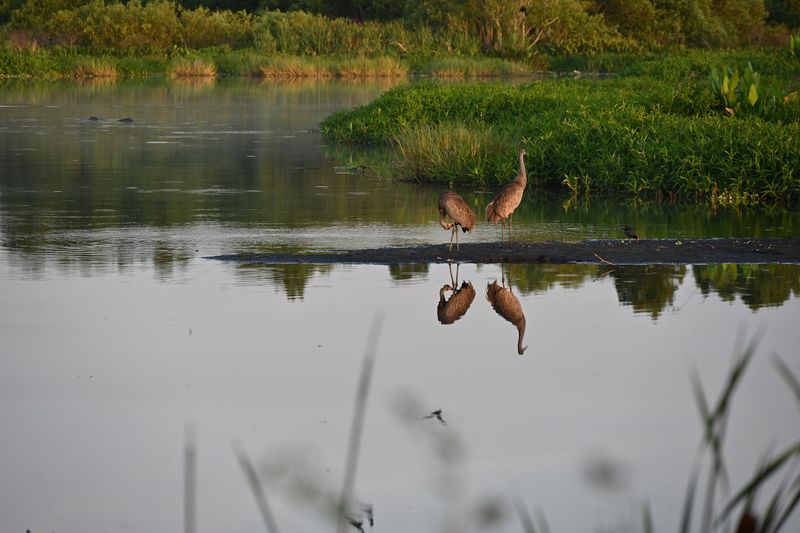
Every trail section here offers something worth photographing. The wide open wetland views give you dramatic sky and water compositions, while the tree-lined corridors create natural frames for wildlife shots.
Early morning light is particularly beautiful, casting a warm glow across the water that makes even a simple heron shot look like a magazine cover.
Wildlife subjects are cooperative here in the best possible way. Alligators hold their position long enough for careful framing, and many of the birds seem genuinely untroubled by human presence, allowing close approaches that would be impossible in less protected environments.
The reserve also offers great sunset viewing from several open points along the trails, with the sky reflected across the still water creating the kind of scene that earns double-taps on social media. Whether you shoot on a smartphone or a professional rig, this place will fill your memory card faster than you expect.
The Wetland Ecosystem: Understanding What Makes This Place Special
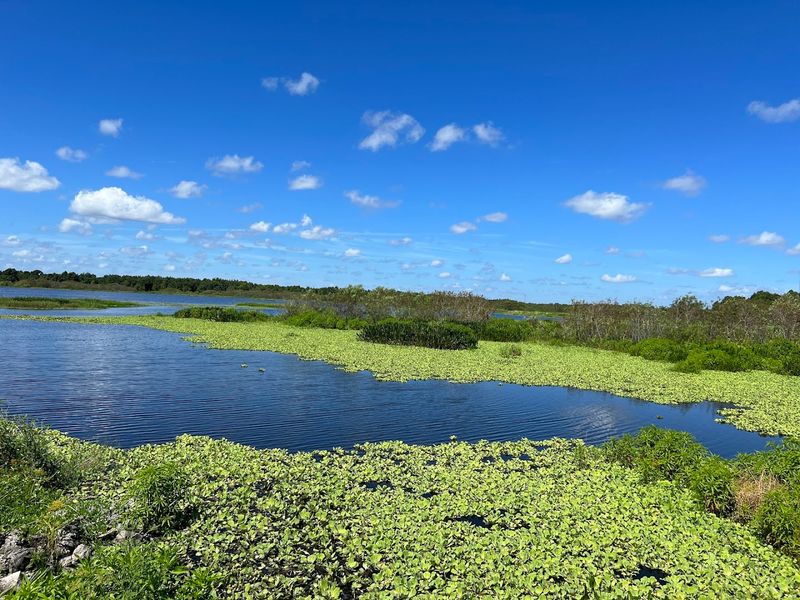
The reserve sits within a broader wetland ecosystem that feeds Lake Hancock, one of the larger lakes in Polk County. That connection to a healthy water system is a big part of why the wildlife density here is so high.
Wetlands support an extraordinary range of species at every level of the food chain.
The mix of open water, shallow marsh, and wooded upland areas creates multiple habitat types within a relatively compact area. That variety is what draws such a wide range of bird species, from wading birds like herons and egrets to aerial hunters like ospreys and eagles.
Polk County has invested significantly in preserving and restoring this land, which was once used as a cattle ranch before being converted into a public nature reserve. That agricultural history is visible in the landscape, particularly in the open meadow sections that still carry the wide, flat character of old pastureland.
Family-Friendly Features: A Great Day Out for All Ages
The reserve works remarkably well as a family destination. The trails are easy enough for kids who are comfortable walking a few miles, and the constant wildlife sightings keep younger visitors engaged in a way that few outdoor spaces manage to achieve.
Picnic areas are available near the parking zones, making it easy to pack a lunch and turn the visit into a full day out. Clean restroom facilities are on-site, which is always a practical concern when bringing kids along on outdoor adventures.
The wildlife encounters feel genuinely exciting for children, especially spotting alligators from a safe distance on the trail. Parents often note that the reserve sparks real curiosity in kids about nature, animals, and ecosystems in a way that sticks with them long after the visit.
Admission is free, which makes it one of the best-value family outings in the Lakeland area, full stop.
The Peaceful Side of the Reserve: Quiet Moments Worth Seeking
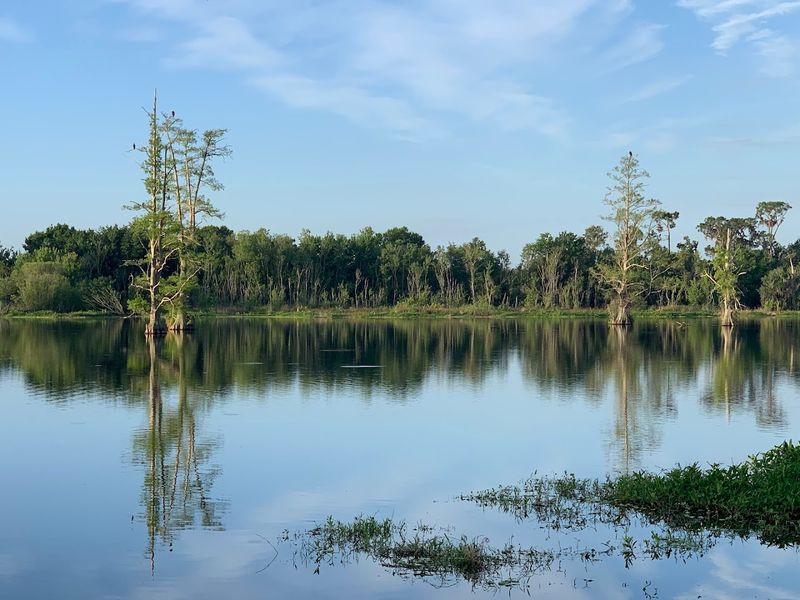
For all the wildlife excitement, there is a quieter dimension to this reserve that is equally worth experiencing. On weekday mornings, particularly in the cooler months, the trails can feel almost entirely your own.
The only sounds are wind moving through the marsh grass and birds calling across the open water.
That stillness is genuinely rare in Central Florida, where development and noise seem to follow you everywhere. The reserve holds it at bay in a way that feels almost deliberate, like the landscape itself is asking you to slow down and pay attention.
Several regular visitors describe coming back repeatedly across different seasons specifically to experience how the reserve changes throughout the year. The light is different in winter, the bird species shift, and the water levels fluctuate with the rainfall, giving the place a living quality that rewards repeated visits.
It is a space that grows on you quietly and steadily.
Final Thoughts: Why This Reserve Belongs on Your Florida List
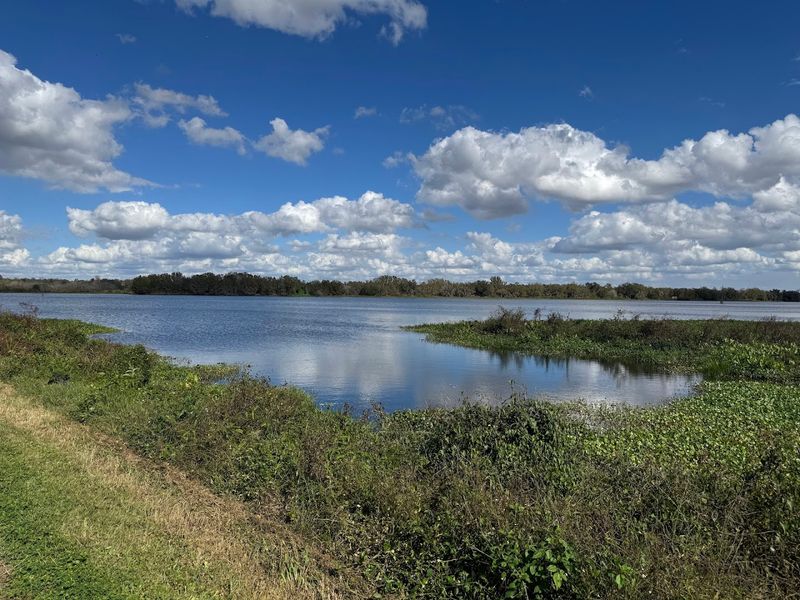
After spending a morning at this reserve, I left with a full memory card, tired legs, and a genuine sense of having seen something worth sharing. Few places in Florida offer this combination of accessibility, wildlife variety, and natural beauty without charging an entry fee or requiring any special equipment.
The reserve is open daily from 5:30 AM to 8 PM, which gives you plenty of flexibility to plan around the heat or catch that golden-hour light in the late afternoon. Whether you come for the alligators, the birds, the trails, or simply the chance to spend a few hours surrounded by something real and wild, this place delivers consistently.
Central Florida has a lot of competition for your weekend plans, but few spots earn a return visit as reliably as this one does. Add it to your list, go early, bring water, and let the reserve do the rest.
Share this story