There is a campground in southern Illinois where the water stretches so far you almost forget you are in the middle of the country. The lake it overlooks is not just big for Illinois standards, it is the largest man-made lake in the entire state, and the views from the campsites are genuinely hard to beat.
I packed up my gear, drove about an hour east of St. Louis, and pulled into a place that families have been returning to for decades. Eldon Hazlet State Park sits right on the shores of Carlyle Lake, and after spending a few days there, I completely understood why so many people keep coming back year after year.
Where Exactly You Will Find This Place
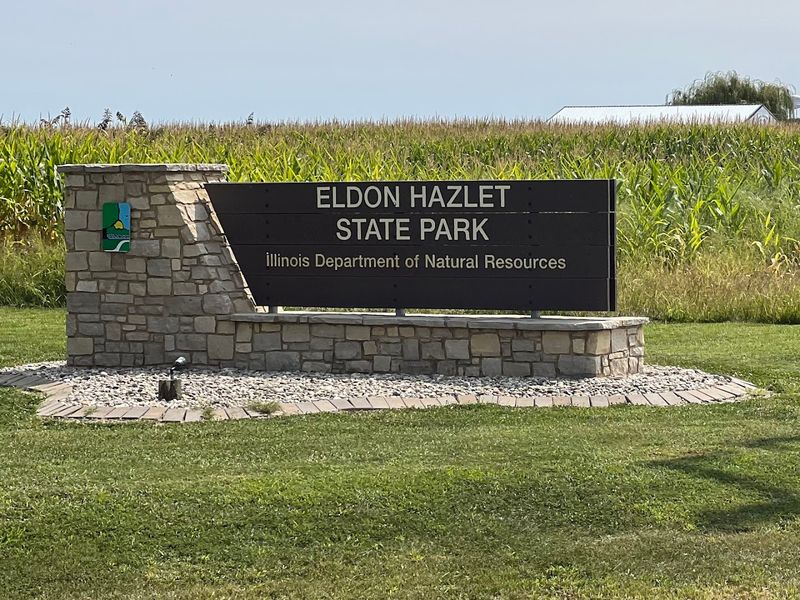
Eldon Hazlet State Park is located in Carlyle, IL 62231, right off Interstate 70 in Clinton County, southern Illinois. The park sits along the western shoreline of Carlyle Lake, which covers about 26,000 acres and holds the title of the largest man-made lake in Illinois.
The drive here is straightforward. From St. Louis, Missouri, you are looking at roughly an hour heading east, making this a very realistic option for a weekend trip or a convenient overnight stop if you are passing through on a longer road journey.
The park itself is managed by the Illinois Department of Natural Resources, so it follows state park standards for maintenance and facilities. The address is easy to plug into a GPS, and the roads leading in are well-paved and clearly marked.
Once you arrive, a camp host greets you near the entrance and points you toward your site. The whole check-in process is relaxed and friendly, which sets the right tone before you even see the lake for the first time.
The Story Behind Carlyle Lake
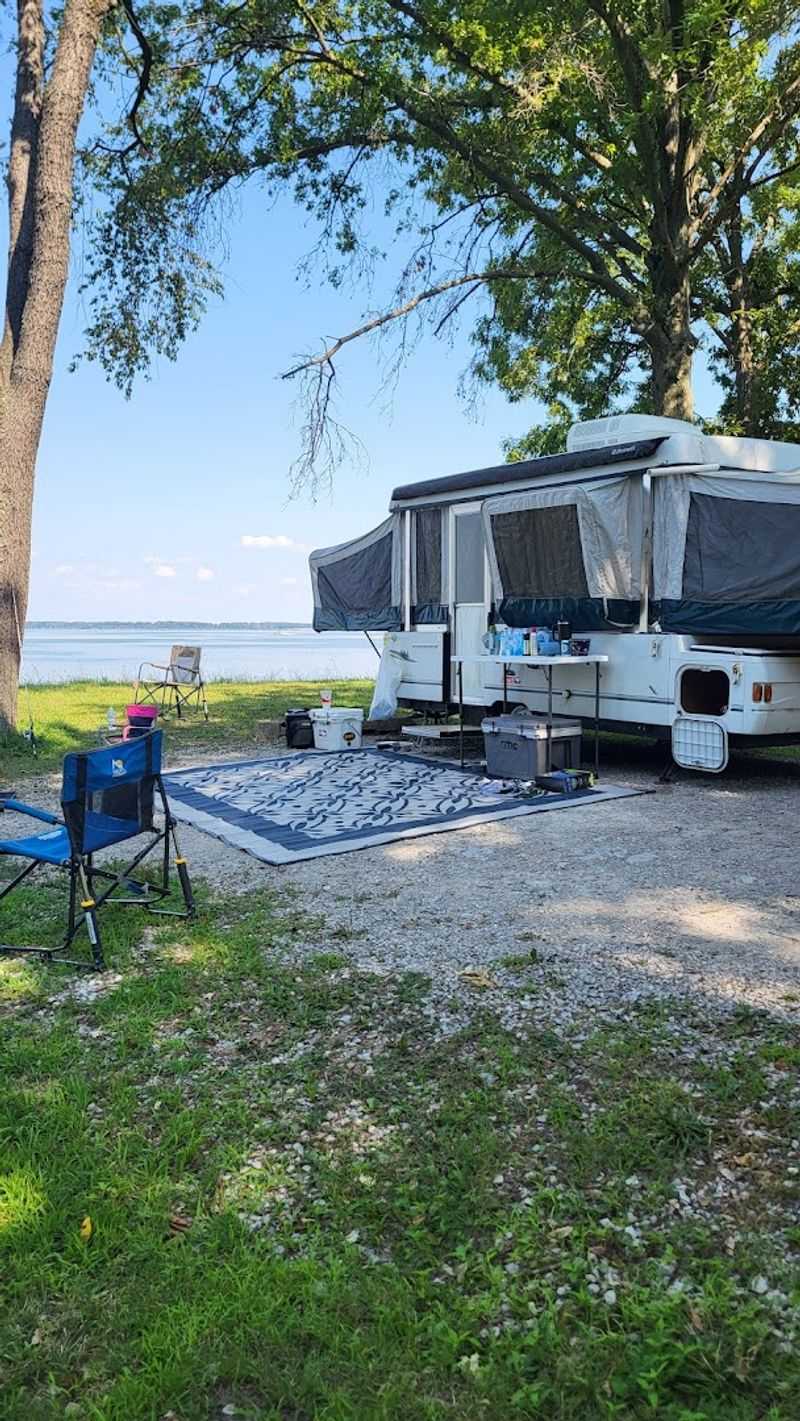
Carlyle Lake did not always exist. The U.S.
Army Corps of Engineers constructed it in the 1960s by damming the Kaskaskia River, and the project was completed in 1967. The lake was built primarily for flood control, water supply, and recreation, and it quickly became one of the most popular outdoor destinations in the state.
At roughly 26,000 surface acres, it dwarfs every other man-made reservoir in Illinois by a significant margin. The sheer scale of it is something you feel the moment you catch your first clear view from the campground.
Eldon Hazlet State Park was established to give the public a dedicated access point along the lake’s shoreline, and it has been drawing campers, anglers, and boaters ever since. The park was named after Eldon Hazlet, a prominent Illinois conservationist who played a key role in pushing for the development of outdoor recreation areas across the state.
Knowing that history makes the whole place feel a little more meaningful, like the land itself was intentionally preserved for people to enjoy, not just stumbled upon by accident.
What the Campsites Actually Look Like
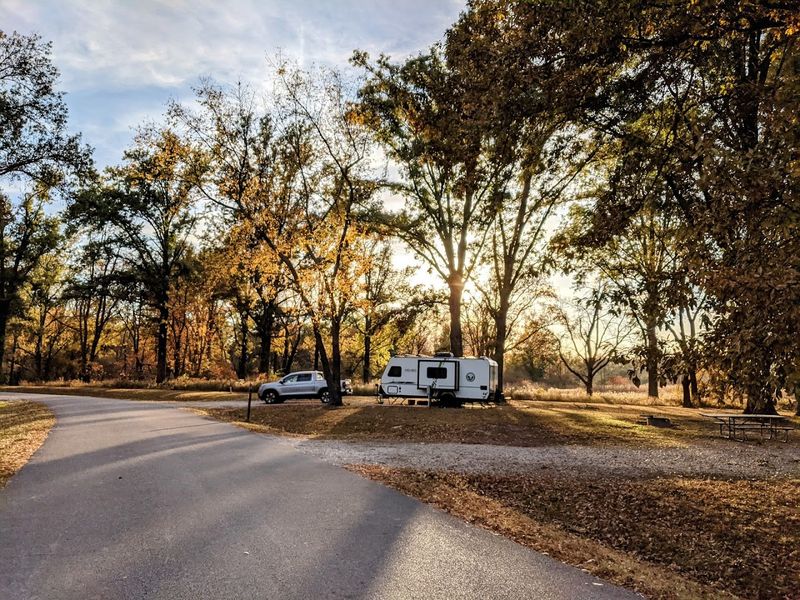
The campsites here are genuinely well-maintained. Most spots come with a level gravel pad, a picnic table, a fire ring or grill, and electric hookups, which makes things comfortable whether you are in a tent, a pop-up, or a full RV.
Water access points are spread throughout the campground, so you are never too far from a spigot. The paved internal roads are smooth and wide enough for larger rigs, and they double as a great biking loop for kids during the day.
Site 167 on the point gets mentioned often by long-time campers as one of the best spots in the park, and it is easy to see why. The views from the peninsula sites are open and sweeping, with the lake visible from multiple angles.
The wooded sites offer more shade and privacy if you prefer trees over water views, and both options feel clean and cared-for. Two tents are permitted per site, which is useful for groups or families traveling together with extra gear and extra people who all want their own sleeping space.
Fishing on Carlyle Lake
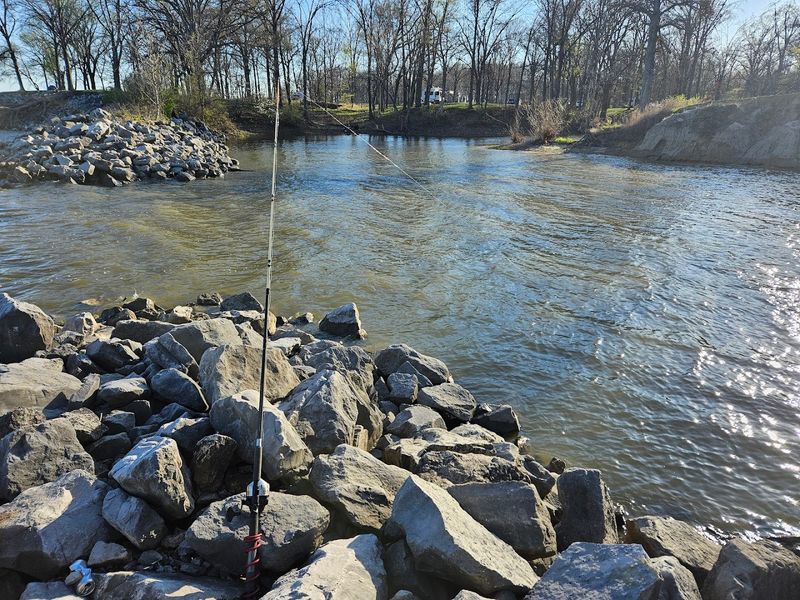
Carlyle Lake has a well-earned reputation among anglers in the Midwest. The lake holds a healthy population of largemouth bass, crappie, white bass, bluegill, channel catfish, and flathead catfish, and the fishing can be genuinely productive at different times of year.
Flathead catfish in particular can grow to impressive sizes in this lake. Shore fishing is possible from several spots within the park, and the calm coves tucked along the shoreline are worth exploring with a kayak or canoe if you want to reach less-pressured water.
The park’s proximity to the Kaskaskia River arm of the lake also adds variety for anglers who like to move around. Boat ramps are available, and the harbormaster at the marina can point you toward current conditions and access points for larger watercraft.
Early mornings on the water here are quiet and calm, with mist sitting low over the surface before the sun fully rises. That particular kind of stillness is one of the best reasons to set an alarm and get out there before the rest of the campground wakes up.
Boating, Sailing, and the Yacht Club
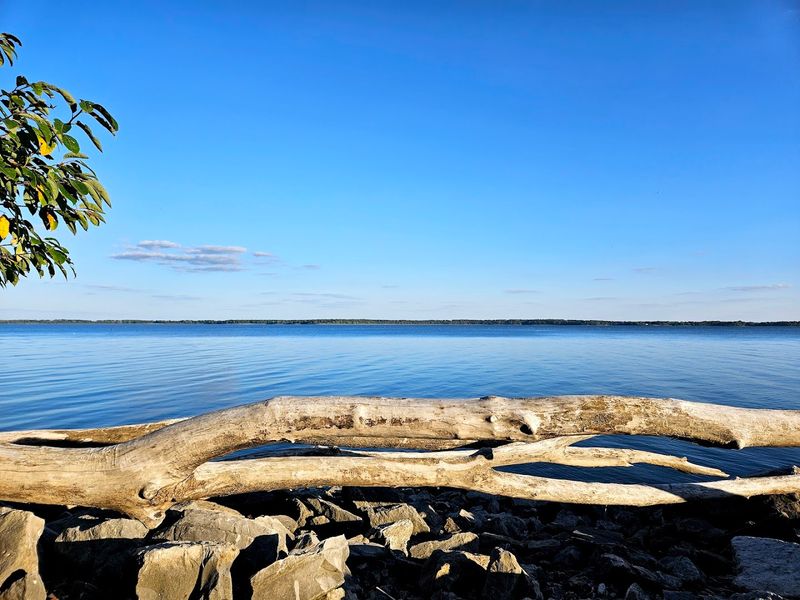
Carlyle Lake is well known in the sailing community, and that reputation is not accidental. The lake is large enough to generate real wind across its open stretches, which makes it one of the better inland sailing destinations in the entire Midwest.
The Carlyle Lake Yacht Club operates near the park and is a legitimate hub for sailing enthusiasts. If you know how to sail or are curious about getting on the water that way, a conversation with the harbormaster is a good starting point for understanding your options.
Powerboating and water skiing are also popular on the lake, and the wide-open acreage means there is usually room for everyone without things feeling crowded. Boat ramps are accessible from the park, and the marina area is organized and functional.
Even if you are not bringing a boat, watching the sailboats glide across the water from your campsite is its own kind of entertainment. There is something quietly satisfying about seeing white sails against a wide blue sky while you sit next to a fire with a cup of coffee in your hand.
Trails, Beaches, and Hidden Coves
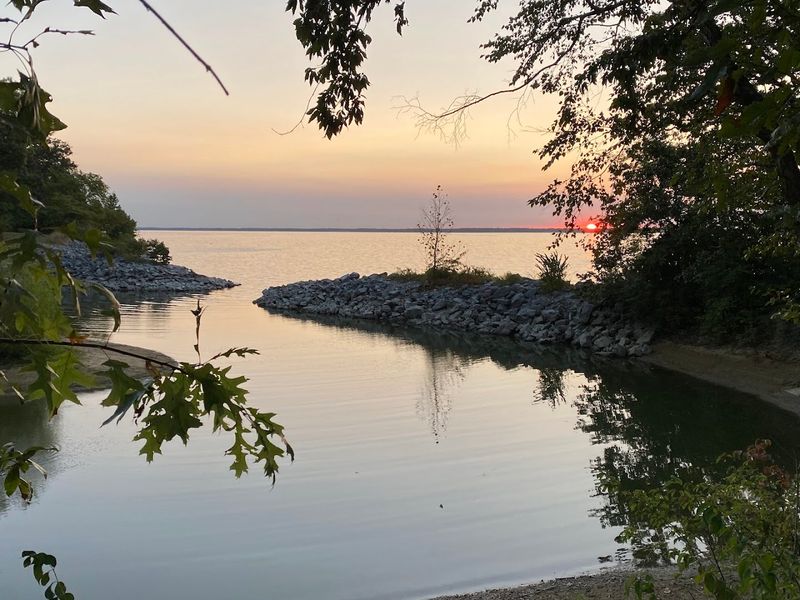
The trail system at Eldon Hazlet is one of those pleasant surprises that rewards people who actually lace up their shoes and explore beyond the campsite. The paths wind through wooded areas and eventually open up to small hidden beaches and quiet coves along the lake’s edge.
These tucked-away spots feel like little discoveries, especially when you round a corner and find a stretch of sandy shoreline that is completely empty. Families with kids tend to love this aspect of the park because the trails are manageable and the payoff at the end feels worth the walk.
The terrain is not challenging, which makes the trails accessible for a wide range of fitness levels and age groups. Some visitors bring RC cars and ride them along the paths, which sounds unusual but actually works well on the smoother sections.
Biking is another popular way to cover more ground, and the paved campground roads connect to the trail areas in a way that makes it easy to loop back without retracing your steps. Playgrounds are also scattered throughout the park, giving younger kids a dedicated place to burn energy between trail adventures.
Wildlife and the Natural Setting

The park draws a noticeable variety of wildlife, and spending even a short amount of time here makes that clear. White-tailed deer move through the wooded sections regularly, particularly in the early morning and late afternoon when the campground quiets down.
Birdwatching is rewarding here as well. The lake attracts waterfowl throughout the year, and the shoreline vegetation provides habitat for a range of songbirds and wading birds.
Herons are a common sight along the water’s edge, moving slowly and deliberately in that way they have that makes them look almost prehistoric.
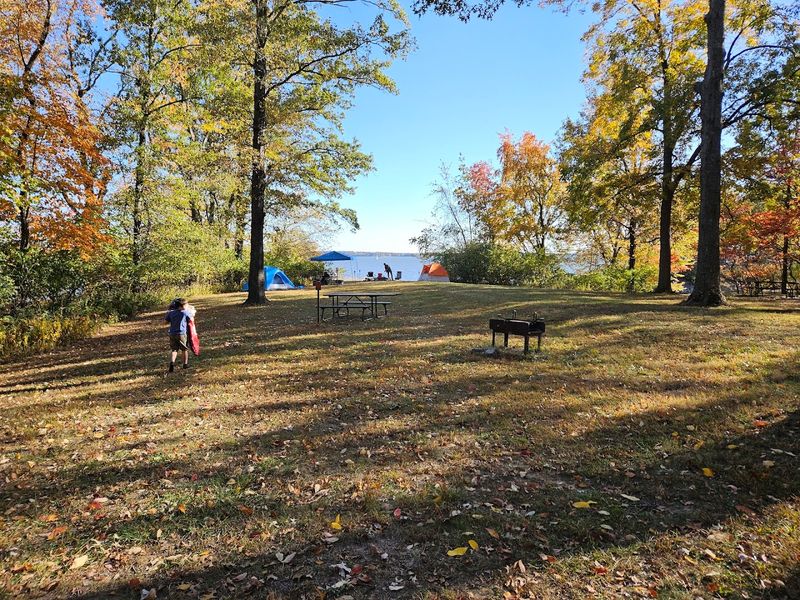
The fall season brings a particularly striking transformation to the park. The tree canopy shifts through shades of orange, red, and yellow, and the reflection of those colors on the lake surface on a calm day is genuinely beautiful in a way that feels almost too good to be real.
Winter visits are quieter but still rewarding for people who enjoy solitude and clear lake views without summer crowds. The campground stays open year-round, and the off-season atmosphere has its own appeal for campers who prefer peace over activity.
Seasonal Events and Activities at the Park
One of the things that sets this park apart from a basic campground is the calendar of organized activities that runs throughout the year. Weekends in particular tend to bring something extra, whether that is a themed event, a family activity, or a holiday celebration tied to the season.
The Halloween camping weekend is a fan favorite. Families come dressed in costumes, kids go trick-or-treating between campsites, and pumpkin decorating contests draw participants of all ages.
The atmosphere during that weekend is festive and genuinely fun, with the whole campground participating in a way that feels like a small community event.
Summer brings access to the swimming pool, which is a welcome bonus on hot Illinois afternoons. The pool area is clean and well-managed, giving families another reason to stay an extra night rather than packing up and heading home.
The park store carries basic supplies and food items, so forgetting something at home is not a crisis. Firewood is sold on-site at reasonable prices, and it burns well, which matters more than it sounds when you are trying to keep a fire going on a cool evening.
Practical Tips Before You Pack the Car
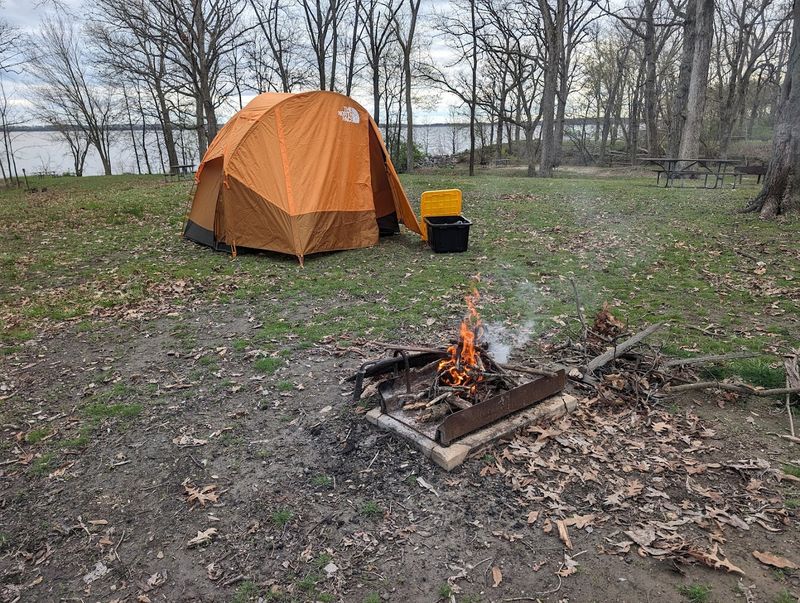
Reservations are a smart move for peak summer weekends, especially for the lakeside sites that go quickly. Walk-in spots are available and spread across a few connected areas of the campground, so spontaneous trips are still possible if you are flexible about location.
Bug spray is not optional here, particularly in summer. The wooded environment and proximity to water create ideal conditions for insects, and going without repellent on a warm evening will make you regret it fairly quickly.
The shower facilities are functional and available, though they have received mixed feedback over the years. Bringing your own soap is a practical move since supplies in the bathrooms can be inconsistent.
Cabins are available for rent if tent or RV camping is not your preference, which makes the park accessible to people who want a nature experience without sleeping on the ground. Pricing is fair by Illinois state park standards, and the value relative to what you get, especially the lake access and organized activities, is solid.
Cell service in the area is decent but not guaranteed throughout the park, so downloading offline maps or trail information before you arrive is a simple step that can save you some frustration later.
Share this story