 Unearth The Voyage
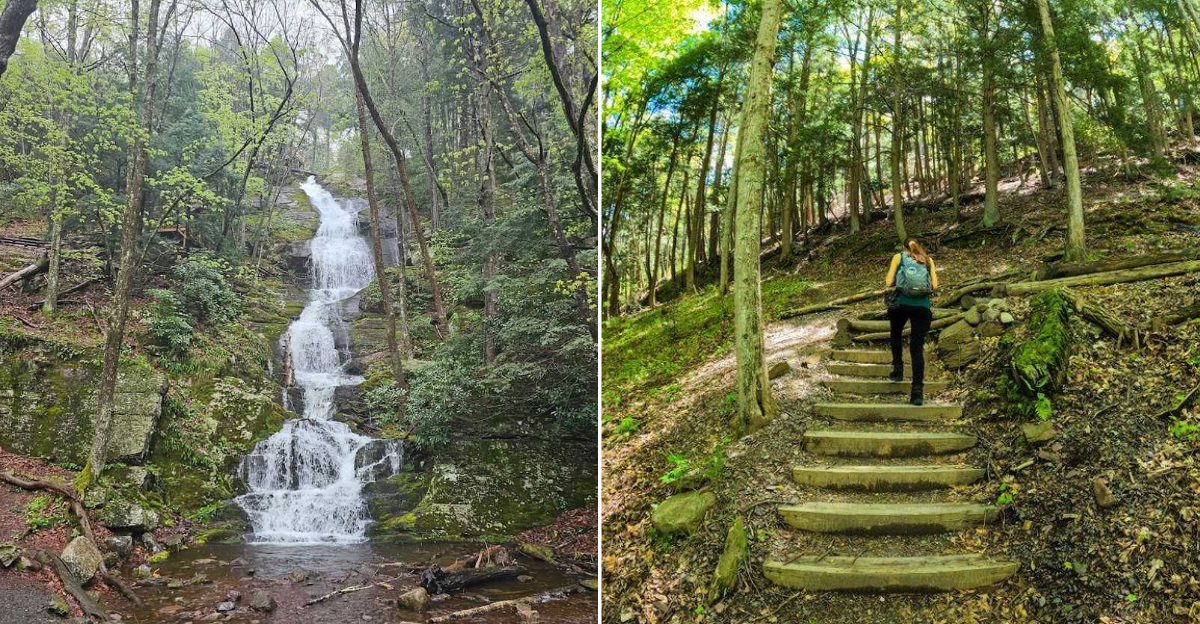
There is a waterfall tucked deep in the forests of western New Jersey that most people have never heard of, and that is exactly what makes it so worth finding. The drive alone, winding through dense woodland on a road that feels like it belongs to a different century, sets the tone before you even arrive.
This is not a polished, manicured attraction with gift shops and crowds. It is raw, quiet, and genuinely rewarding for anyone willing to make the trip out to Sussex County.
I visited on a weekday morning and had the falls almost entirely to myself, which felt like a small victory. The hike is manageable for most fitness levels, the scenery is legitimately striking, and the whole experience left me wondering why more people are not talking about this place.
By the end of this article, you will know everything you need to plan your own visit and make the most of every step of the trail.
Where to Find This Hidden Waterfall
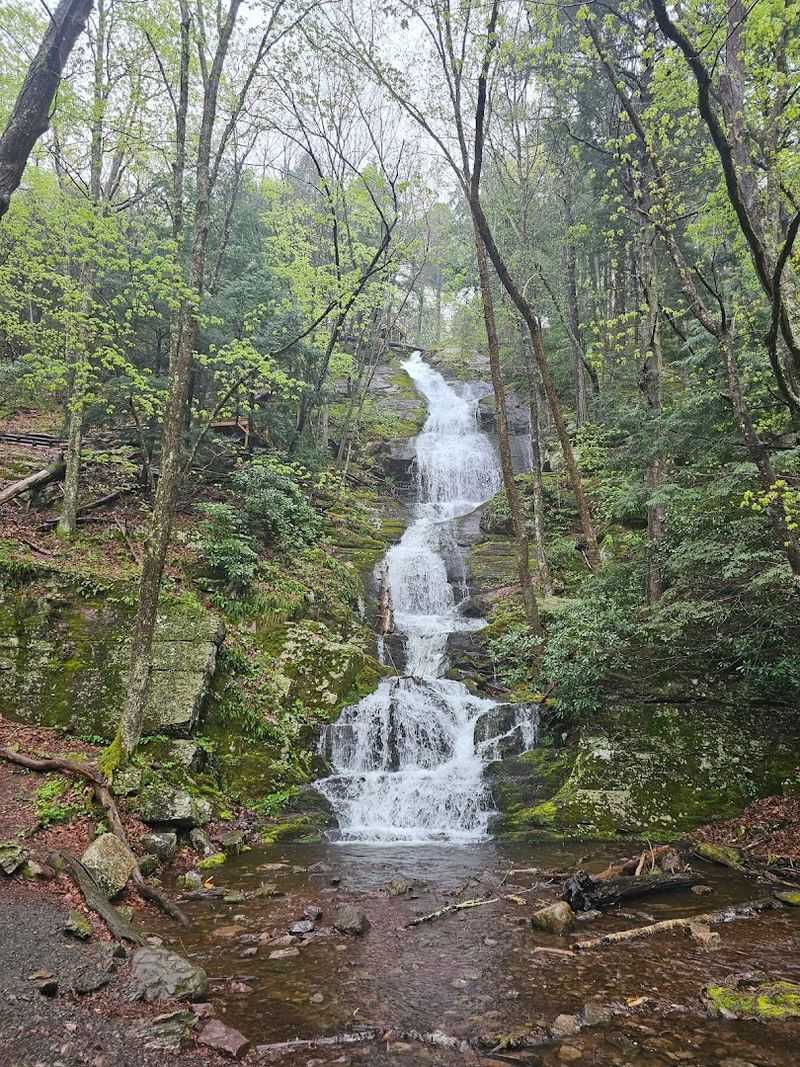
Finding Buttermilk Falls requires a little patience, but that is part of what makes arriving feel like an achievement. The falls are located at Mountain Road, Layton, NJ 07851, in the northwestern corner of New Jersey within the Delaware Water Gap National Recreation Area.
The address puts you in Sussex County, roughly two hours from New York City with moderate traffic, which makes it a realistic day trip for a large portion of the East Coast population. Getting there involves navigating a dirt road that is notoriously rough, filled with deep potholes that will test your vehicle’s clearance.
Low-riding cars should approach with real caution, and some visitors have chosen to park early and walk the remaining distance rather than risk scraping their undercarriage. Cell service in the area is unreliable at best, so downloading offline maps before you leave home is genuinely useful advice.
The surrounding forest begins well before you reach the parking area, and the road itself winds through thick tree cover that already signals you are heading somewhere worth the effort. Arriving here feels earned, not handed to you.
The Waterfall Itself Up Close
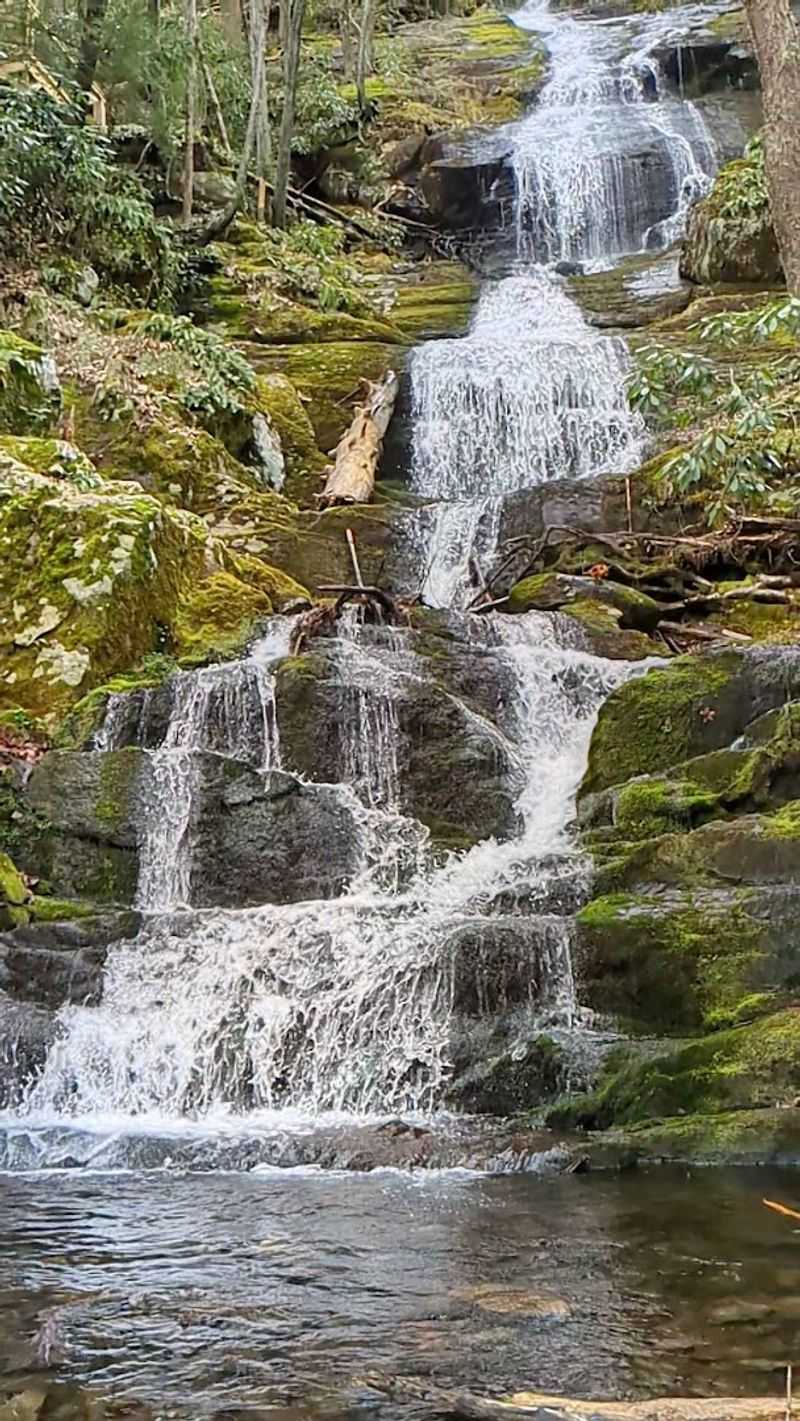
Buttermilk Falls is one of those natural features that earns its reputation without any marketing help. The falls drop dramatically over a rocky face, with water cascading in a white sheet that shifts in intensity depending on recent rainfall and the time of year.
Visitors who come right after a heavy rain will see the falls at full force, which is genuinely impressive. During drier summer months, the flow is notably reduced, which is worth factoring into your timing.
Early spring is considered by many regulars to be the best season, as snowmelt from the surrounding mountains keeps the water moving at a strong, consistent rate.
The base of the falls is easily accessible from the parking lot directly across the road, meaning you do not need to hike at all to get a solid view. Wooden interpretive displays near the base provide context about the geology and ecology of the area, which adds a layer of substance to what could otherwise be a quick photo stop.
Most visitors spend a meaningful amount of time at the base before deciding whether to tackle the stairs upward.
The Stairway Climb to the Top
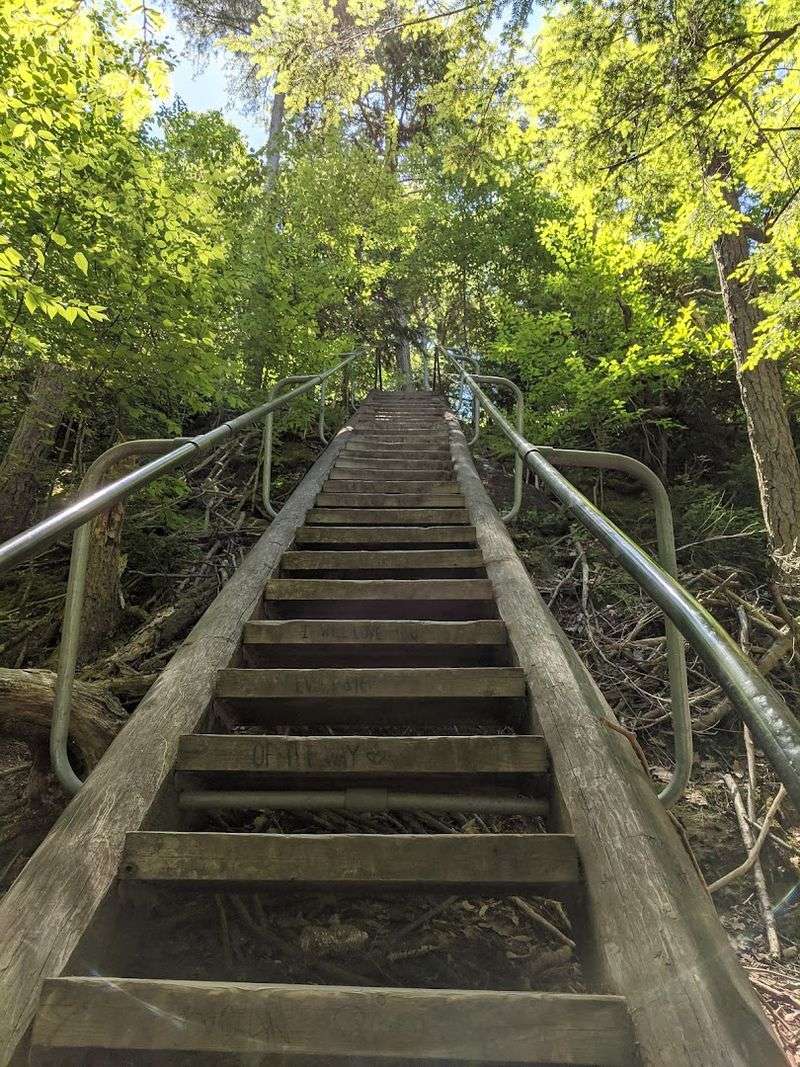
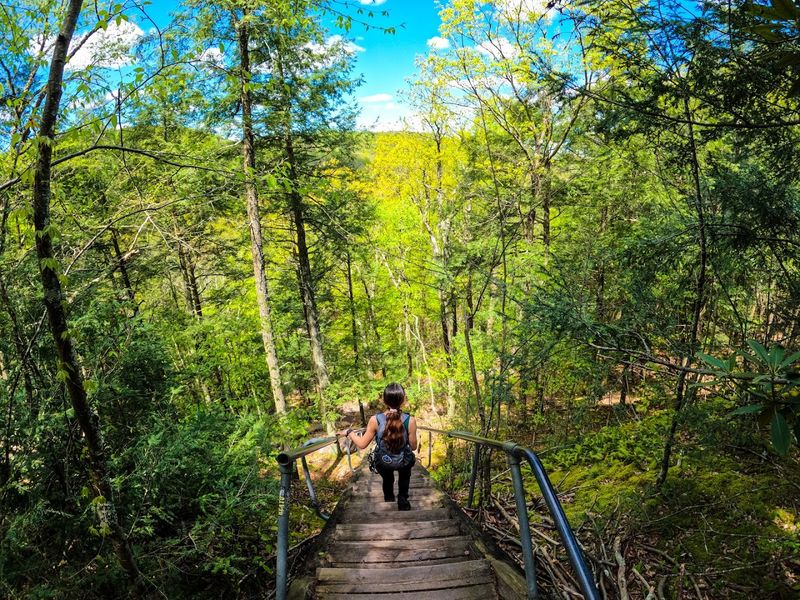
One of the most distinctive features of this spot is the wooden stairway that carries you from the base of the falls all the way to the top. It is steep, and that is not an exaggeration designed to scare anyone off.
The steps are well-constructed and include railings along portions of the ascent, which helps considerably on the trickier sections. The round trip from the parking lot to the top and back clocks in at approximately half a mile, which sounds short but feels more substantial given the vertical gain involved.
Once you reach the top, the view looking out over the surrounding forest is a genuine payoff. You can see the water rushing over the edge and look out across the tree canopy in a way that the base simply does not offer.
Most people who make the climb describe it as challenging but absolutely worth the effort, and that assessment holds up. The descent requires just as much attention as the ascent, so take your time.
Hiking Trails Beyond the Falls
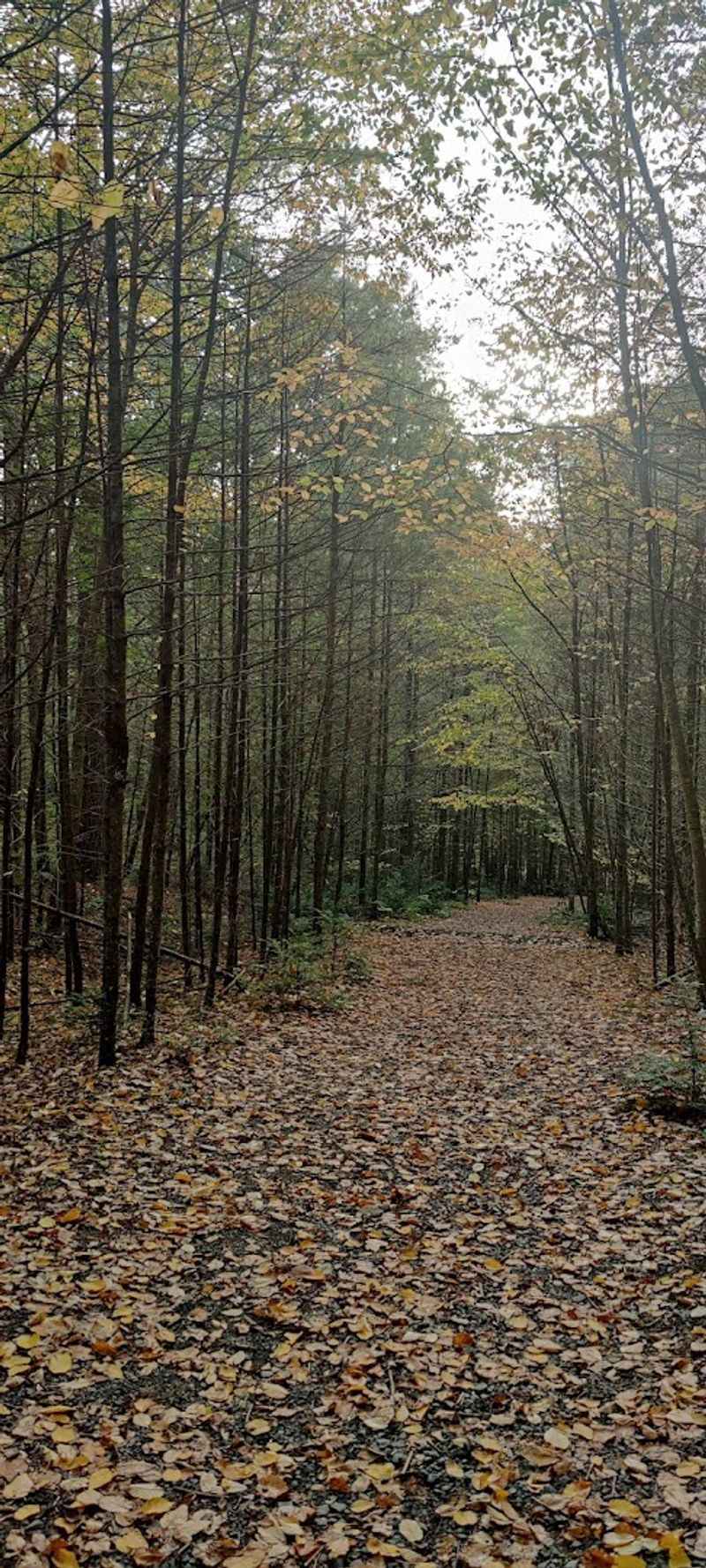
The falls are the headline attraction, but the trail network surrounding them offers considerably more for those who want to extend their visit. The path from the top of the falls eventually connects to the Appalachian Trail, which is a legitimate draw for anyone who takes hiking seriously.
One popular extended route combines the Buttermilk Falls trail with the Woods Trail Pond and the Crater Pond Loop, adding up to roughly ten miles of total hiking. That is a full day of walking, so proper preparation matters.
The terrain throughout is rocky and uneven, and multiple visitors have emphasized that running shoes are not appropriate footwear for this environment. Proper hiking boots with ankle support are a much smarter choice.
The Tillman Trail nearby follows a stream and passes through an area rich with natural features including mushrooms, walnut trees, and hickory, making it an interesting option for nature enthusiasts who want something beyond the main waterfall circuit. Bird-watching is also noted as a worthwhile activity along several of the trails in the area.
The trail network here rewards people who come curious and leave with more questions than they arrived with, which is a good sign for any outdoor destination.
Best Time of Year to Visit
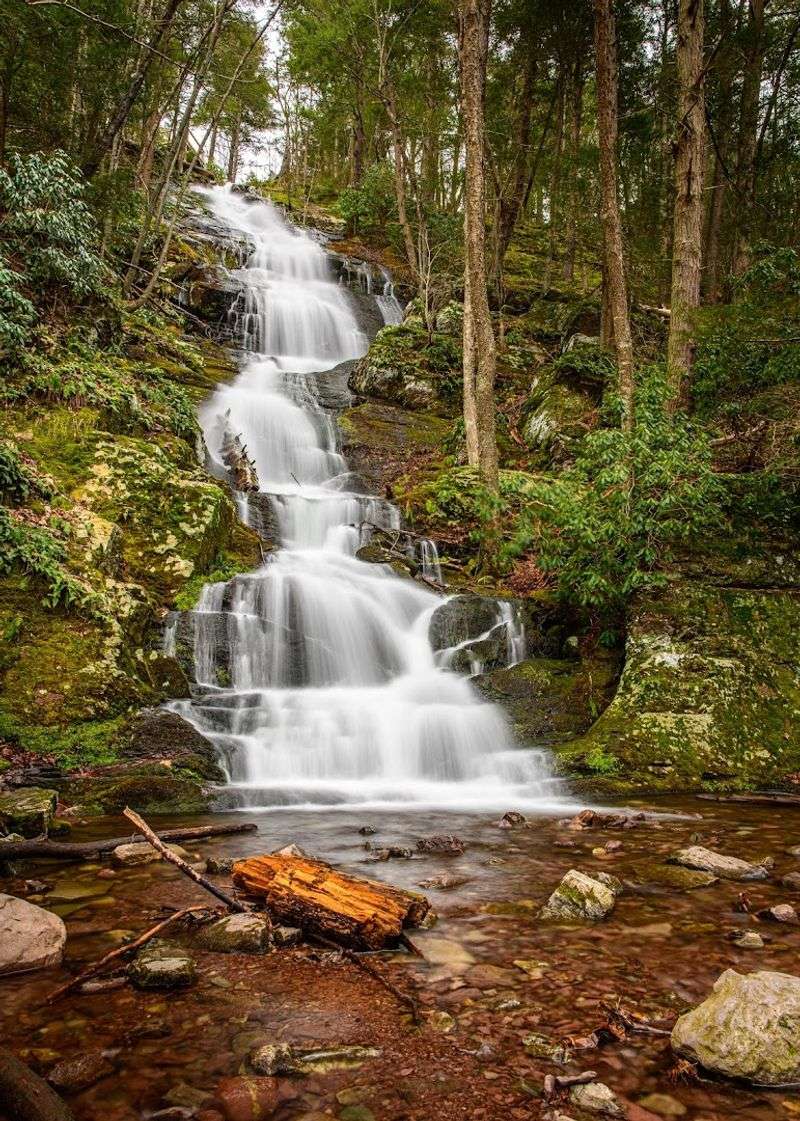
Timing your visit to Buttermilk Falls makes a noticeable difference in what you will experience when you arrive. Early spring consistently earns the highest praise from repeat visitors, largely because snowmelt from the surrounding mountains keeps the water volume high and the falls running at their most dramatic.
Right after a significant rain is also an excellent window, as the waterfall reaches its peak flow and the whole scene feels more alive and dynamic. Summer visits are perfectly fine but come with the trade-off of lower water levels during dry stretches, which can make the falls feel less impressive than their reputation suggests.
Fall brings a different kind of reward, with the surrounding forest shifting into color as October progresses. Winter visits are possible but require extra caution on the dirt access road, where potholes hidden under snow can cause real damage to your vehicle.
Whatever season you choose, checking recent rainfall totals before heading out is a simple step that can significantly improve your experience.
The Road In and What to Expect
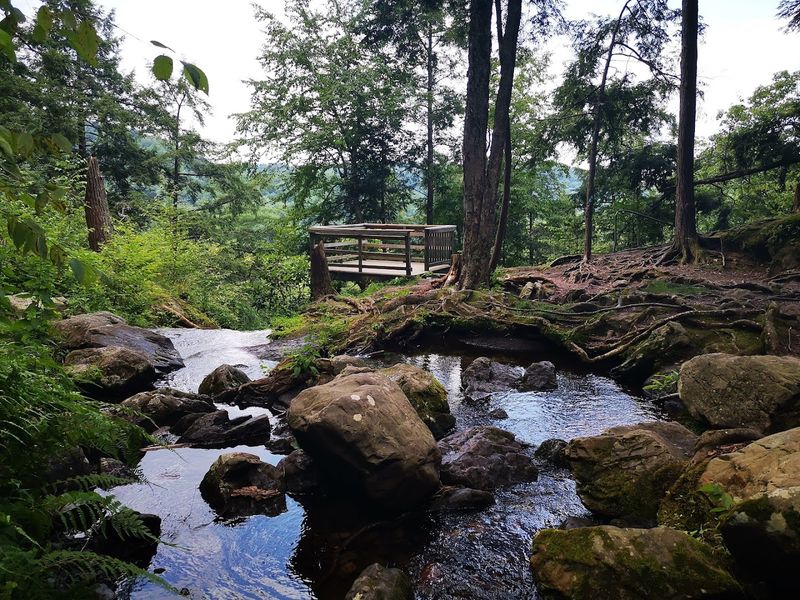
The access road to Buttermilk Falls is, by nearly universal agreement among visitors, a character-building experience in its own right. Mountain Road leading to the falls is unpaved, narrow, and scattered with deep potholes that have been described as closer to sinkholes than simple road damage.
Vehicles with high clearance handle the route best, and four-wheel drive is genuinely useful rather than just a nice option. Low-clearance cars risk real undercarriage damage, and more than a few visitors have chosen to park at a safer spot and walk the remaining distance rather than push their luck.
The road is also narrow enough that passing oncoming traffic requires a bit of coordination, though most visitors report that people are courteous about sharing the space.
Navigation apps sometimes route drivers to a bridge that is either closed or not vehicle-accessible, leaving visitors about 1.4 miles from the falls without a way to drive closer. This has happened enough times that it is worth researching the correct entrance before you leave home.
There is an alternate entrance that allows you to drive directly to the base of the falls, and finding that route in advance will save you a frustrating detour. Downloading the route offline before losing cell service is a practical move.
Parking and Access at the Base
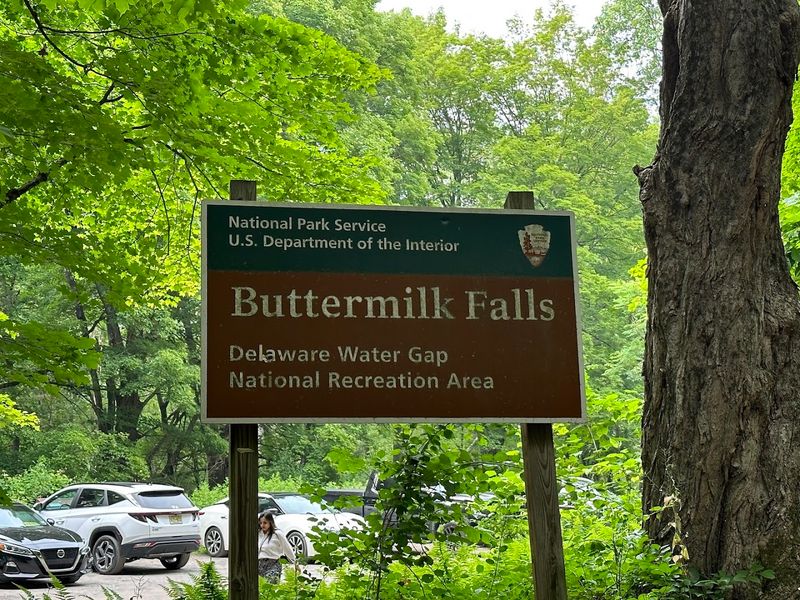
Parking at Buttermilk Falls is free, which is always a welcome detail, but the lot itself is small and fills up faster than you might expect on weekends and holidays. The lot sits directly across from the base of the falls, meaning that even visitors who do not plan to hike can step out of their car and immediately have a clear view of the waterfall.
That accessibility makes this spot genuinely welcoming for a wide range of visitors, including families with younger children, older adults, and anyone who simply wants a quick and rewarding stop without committing to a full trail experience. There is at least one picnic table near the area, and garbage receptacles are available, which helps keep the spot reasonably clean.
The road leading to the parking area is the same rough dirt road described by nearly every visitor, so the final stretch to the lot requires the same careful driving as the rest of the approach. Arriving early on weekends is a sound strategy, both for securing a spot and for enjoying the falls with fewer people around.
Weekday visits, particularly on mornings outside of summer, tend to offer the most peaceful experience with the most space to move around comfortably.
Wildlife and Nature Along the Way
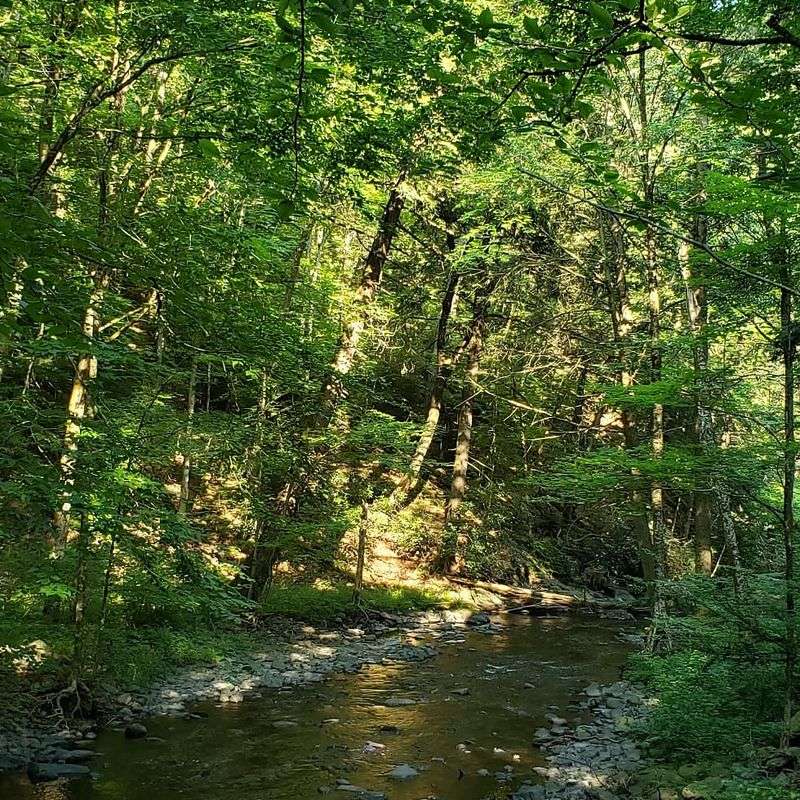
The natural environment surrounding Buttermilk Falls extends well beyond the waterfall itself, and paying attention to what is around you on the trail adds a lot to the overall experience. The area sits within the Delaware Water Gap National Recreation Area, a federally protected landscape that supports a wide variety of plant and animal life.
Bird-watching is specifically noted as a worthwhile activity along the trails here, and the dense forest canopy and nearby stream create conditions that attract a solid range of species throughout the year. The Tillman Trail, which follows a stream close to the falls, passes through an area where visitors have spotted mushrooms, walnut trees, and hickory, giving the hike a foraging-adjacent quality that nature enthusiasts tend to appreciate.
Snakes have been reported along the trails, particularly during warmer months, so staying aware of your surroundings and watching where you step is a reasonable precaution. Bug spray is a practical addition to your pack during summer, when insects are active along the stream corridor and in the shaded trail sections.
The overall environment here rewards visitors who slow down and pay attention to what is happening around them, rather than rushing straight to the waterfall and back.
The Delaware Water Gap Connection
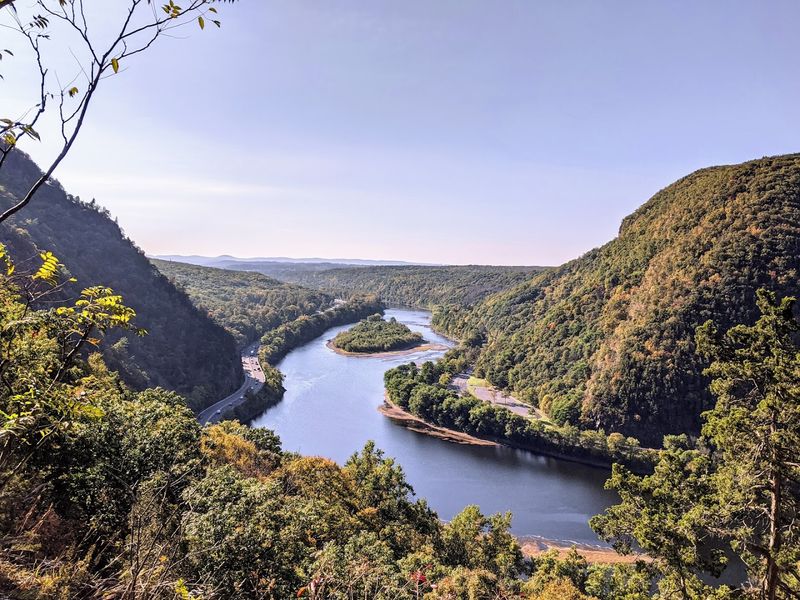
Buttermilk Falls does not exist in isolation. It is part of the Delaware Water Gap National Recreation Area, a sprawling protected landscape that stretches across the border between New Jersey and Pennsylvania and encompasses over 70,000 acres of forest, river, and mountain terrain.
The National Park Service manages this area, and the interpretive displays at the base of the falls are a direct product of that stewardship. Those displays provide context about the local geology, ecology, and history that adds genuine depth to what might otherwise feel like a simple waterfall visit.
The NPS website at nps.gov/dewa is the most reliable source for current trail conditions, road closures, and seasonal access information before you make the drive out.
The broader recreation area offers far more than just Buttermilk Falls, including river access, additional waterfall trails, and connections to the Appalachian Trail that stretch for miles in both directions. For visitors who are drawn to this corner of New Jersey, the falls serve as an excellent entry point into a much larger network of outdoor opportunities.
Sussex County, where the falls are located, has a reputation among outdoor enthusiasts as one of the most rewarding and underexplored regions in the entire state.
What to Bring for a Smooth Visit
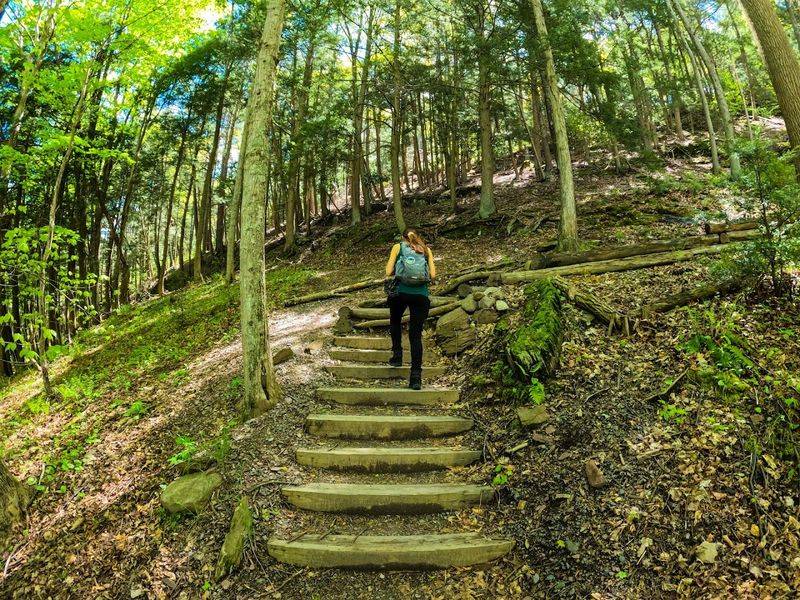
A little preparation before heading to Buttermilk Falls goes a long way toward making the visit genuinely enjoyable rather than just survivable. The most important item on the list is proper footwear, specifically hiking boots with solid ankle support and grip on uneven, rocky terrain.
Multiple visitors have mentioned that running shoes are not appropriate for this trail, and that assessment is consistent enough to treat as reliable advice rather than individual opinion. Water is essential, particularly if you plan to extend your hike beyond the falls themselves.
The surrounding trails can take several hours to complete, and there is no on-site vendor or facility to resupply.
Bug spray earns its place in your pack during summer months, when the wooded and stream-adjacent sections of the trail are active with insects. Offline maps downloaded before you leave home are genuinely useful given the poor cell service in the area.
A small first aid kit is worth tossing in your bag given the rocky terrain and the real possibility of a stumble on the uneven path. Snacks and a picnic lunch are a practical addition, as there is at least one picnic table near the falls and plenty of open space to spread out and take a break before heading back to the car.
Family Visits and Kids at the Falls
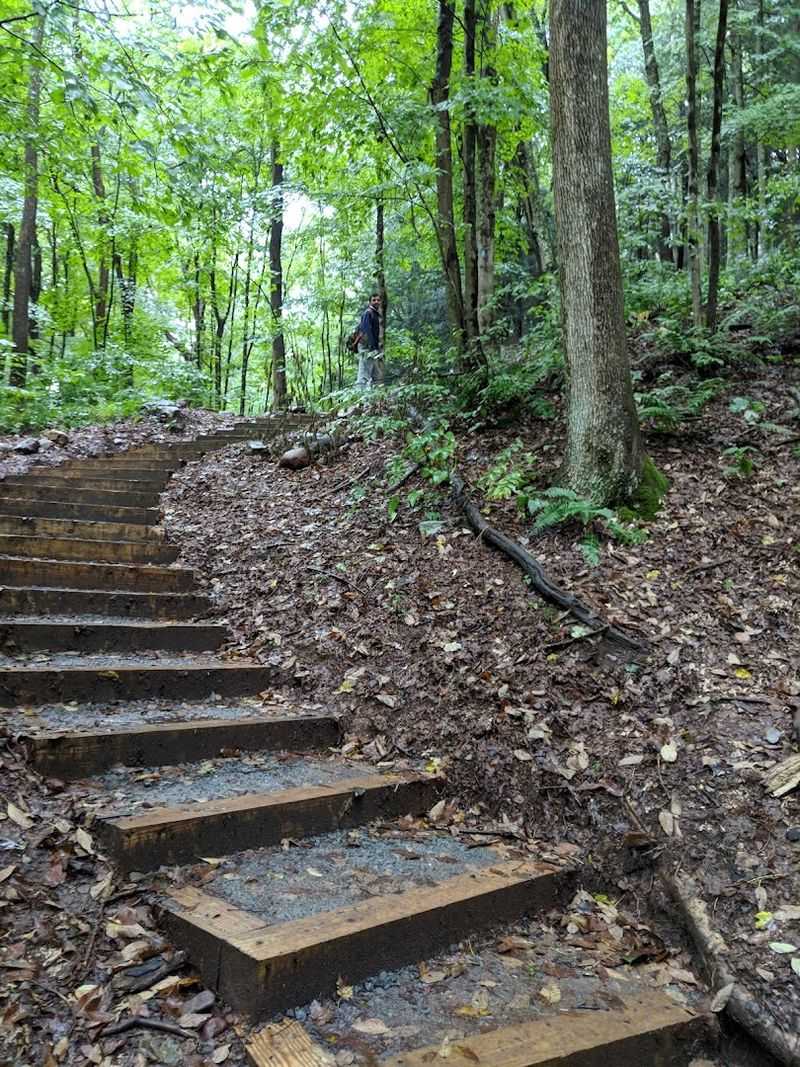
Buttermilk Falls has a long track record as a family destination, with one visitor describing a tradition of annual visits spanning more than thirty years and multiple generations. That kind of repeat loyalty says something meaningful about how well the spot holds up for families over time.
Children ages seven and up are generally described as capable of handling the access trail and the stairway climb with appropriate supervision. The water at the base of the falls is noted as fresh and clean, and kids who want to get their feet wet have done so without issue in warmer months.
The stairway to the top is steep enough that younger or less confident children should stay close to an adult, particularly on the descent. The surrounding area near the parking lot offers enough open space for picnics and casual exploration, which gives families flexibility to let kids move around without being locked into the formal trail.
Parents should be aware of the snake sightings that have been reported in the area during summer and remind kids to stay on the path and avoid poking around in rock piles. Overall, the falls work well as a family outing when everyone is dressed appropriately and expectations about the road conditions are set in advance.
Winter Visits and Off-Season Conditions
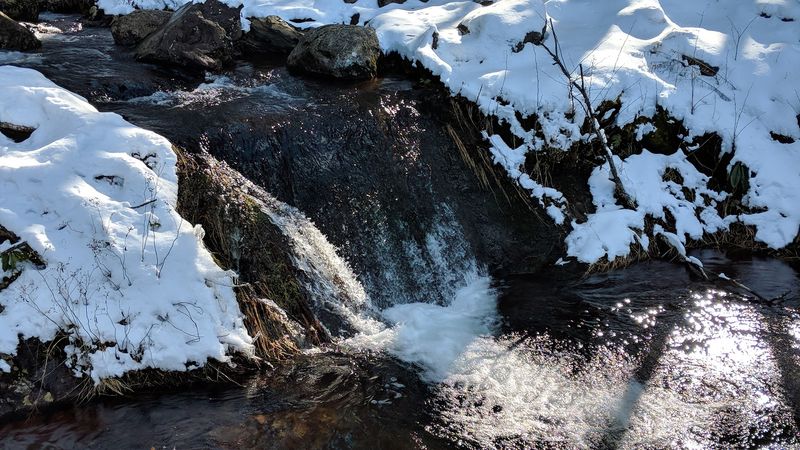
Visiting Buttermilk Falls in winter is a genuinely different experience from any other season, and one visitor described a December trip after the first snowfall of the year as nothing short of remarkable. Snow-covered rocks and ice-edged water create a version of the falls that summer visitors simply never see.
The tradeoff is that the access road becomes significantly more hazardous in winter conditions. Potholes that are already challenging in dry weather become invisible under a layer of snow, and driving slowly is not optional but mandatory if you want to avoid damaging your vehicle.
Four-wheel drive or all-wheel drive is strongly recommended for winter visits, and checking road conditions before departure is a sensible precaution.
The trail itself can be icy and slippery near the stairway and the rocky sections, so microspikes or traction cleats over your boots are worth considering if you plan to climb. Daylight hours are shorter in winter, which means starting your visit earlier in the day gives you more comfortable time on the trail before light fades.
Despite all of these caveats, winter visitors who have made the effort consistently report that the experience is worth every bit of the additional preparation it requires. The falls in snow have a quality that photographs struggle to fully capture.
Photography Tips for the Falls
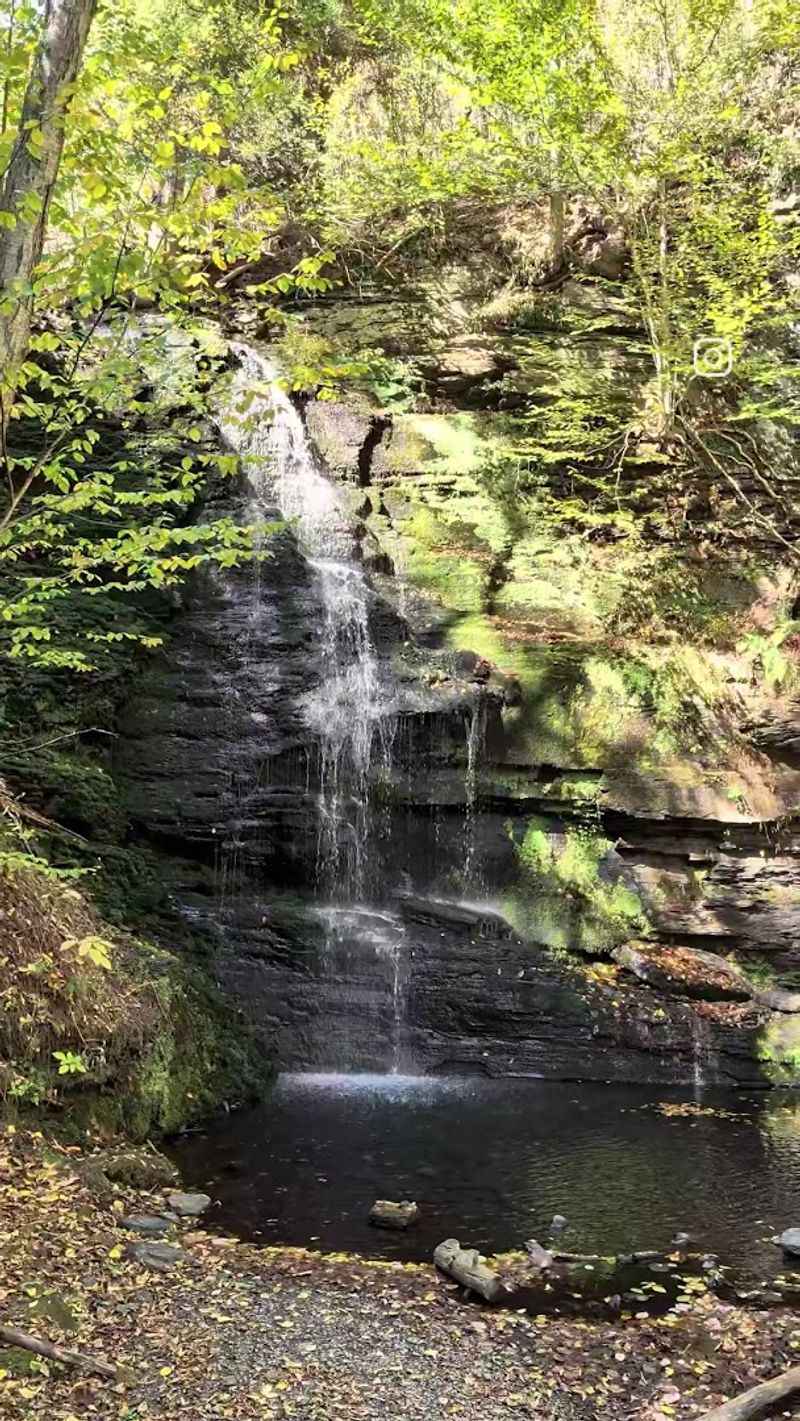
Buttermilk Falls is a genuinely photogenic destination, and a few practical considerations can make a significant difference in the quality of the shots you bring home. The best light at the falls tends to arrive in the morning, when the sun is lower and the harsh midday contrast is not yet a factor.
Overcast days are actually excellent for waterfall photography because the soft, even light eliminates the blown-out highlights that direct sun creates on moving water. After rainfall, the increased water volume gives the falls more visual power and fills the frame more completely, which tends to produce stronger images than dry-weather visits.
The base of the falls offers the most straightforward compositions, with the full drop visible from across the road or from the viewing area near the interpretive displays. From the top of the stairway, looking down over the edge gives a completely different perspective that is worth capturing if you make the climb.
A wide-angle lens helps in the confined space near the base, while a longer focal length from the top can compress the scene effectively. Bringing a small tripod for slower shutter speeds on the moving water is a useful addition to your kit, though the rocky ground requires some patience to find a stable footing.
Why This Spot Deserves More Attention
A 4.6-star rating across more than a thousand reviews is not something a destination earns by accident. Buttermilk Falls has built that reputation through consistent delivery on a simple promise: a genuine natural experience that does not require you to wade through crowds or pay an entry fee to access.
The combination of a dramatic waterfall, an accessible base viewing area, a challenging stairway climb, connections to the Appalachian Trail, and a surrounding landscape rich with wildlife and plant life makes this a destination with real range. It works for a casual thirty-minute stop and equally well for a full ten-mile hiking day depending on what you bring to it.
The drive through western New Jersey forest is itself something that visitors consistently mention as a highlight, which means the experience begins well before you park the car. Sussex County has other worthwhile destinations nearby, and pairing a Buttermilk Falls visit with additional exploration of the region turns a good day trip into a genuinely memorable one.
For a state that is too often reduced to highway jokes and suburban sprawl, this corner of New Jersey has a quiet, stubborn beauty that holds up every single time you show up to look for it.



