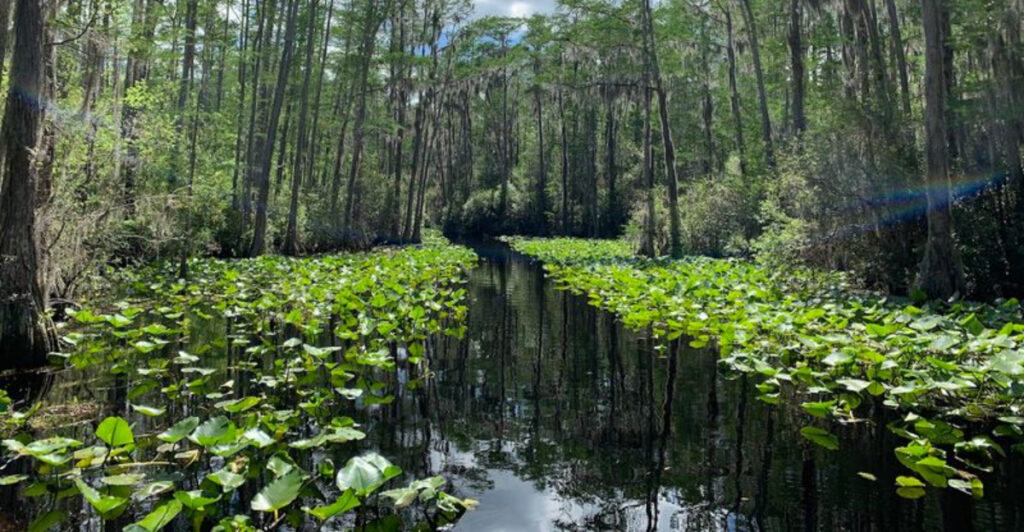
Deep in the southeastern corner of Georgia, there is a place where the land refuses to be tamed. Spanning nearly 354,000 acres, this ancient blackwater swamp has existed for thousands of years, sheltering alligators, rare birds, and ecosystems found almost nowhere else on Earth.
It is one of the largest intact freshwater ecosystems in North America, and it sits just a short drive from the Florida state line. This is not just a park you pass through on a road trip.
This is a place that changes how you think about wild spaces, American wilderness, and what it truly means to leave something untouched. Whether you are a first-time nature explorer or a seasoned outdoor enthusiast, what waits inside this refuge is genuinely unlike anything else in the country.
Keep reading to find out exactly what makes this legendary Georgia swamp so extraordinary.
A Swamp With a Story Millions of Years in the Making
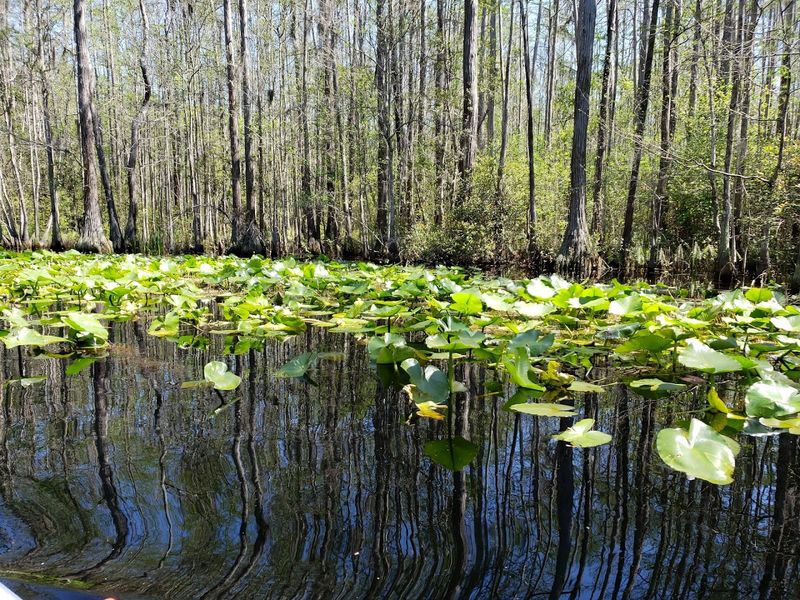
The Okefenokee Swamp sits on top of an ancient ocean floor, formed over thousands of years as peat accumulated across a shallow basin. The name itself comes from the Seminole language and is widely understood to mean “land of the trembling earth,” a reference to the unstable peat islands that shake underfoot when you walk on them.
Long before European settlers arrived, the swamp was home to Indigenous peoples who understood and respected its rhythms. Later, it became a refuge for those escaping the pressures of frontier life, and its dense interior remained largely inaccessible to outside influence for centuries.
Today, that deep history is still present in the landscape. The blackwater channels, the floating peat islands called “batteries,” and the ancient cypress forests all carry the weight of geological and human history.
Few places in America can claim a timeline this long and this layered.
Alligators Are Basically the Locals Here
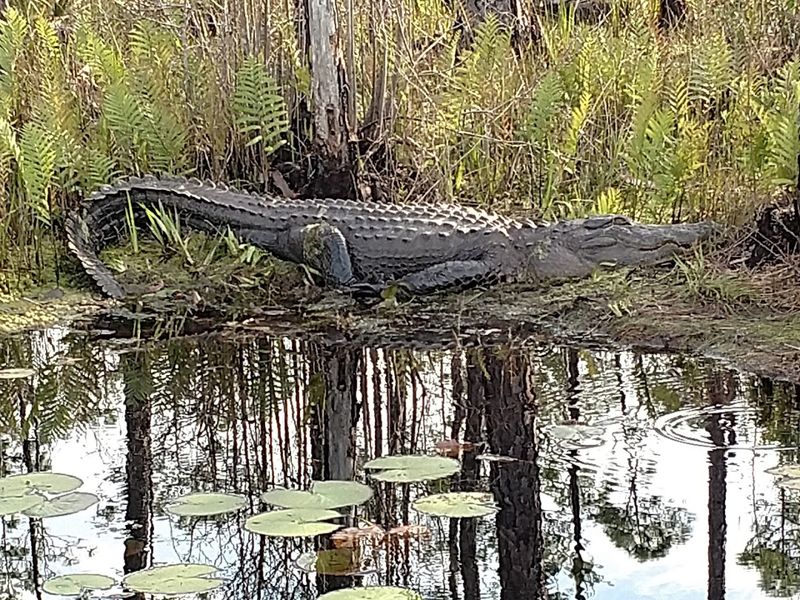
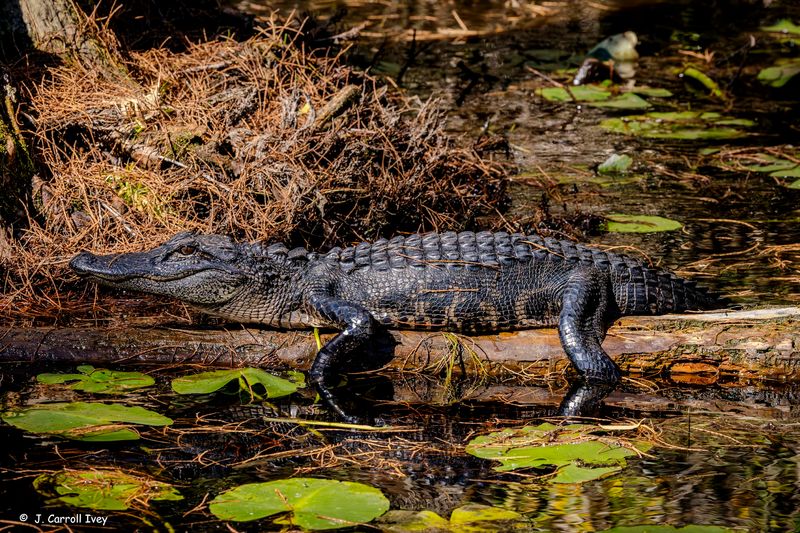
With an estimated population of around 10,000 to 15,000 American alligators living within the refuge, these reptiles are not a rare sight here. They are the undisputed residents of the Okefenokee, and spotting them is practically guaranteed on any boat tour or paddle through the canals.
Alligators can be seen sunning on logs, gliding through the dark water, or resting along the banks just a few feet from passing boats. During the 90-minute guided boat tours, groups regularly spot multiple alligators at close range, along with other wildlife sharing the same waterways.
The guides are skilled at locating alligators and explaining their behavior in ways that are both informative and genuinely engaging. There is nothing quite like being out on the water and watching a massive alligator surface calmly just ahead of the boat, completely unbothered by human presence.
Nature on its own terms is a powerful thing to witness.
The Boat Tour That Everyone Keeps Talking About
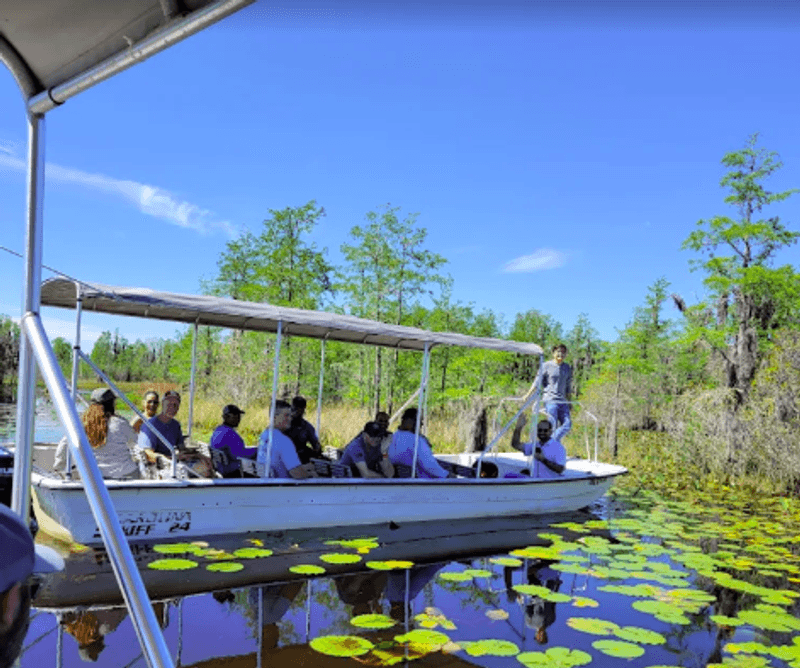
The 90-minute guided boat tour departing from the Folkston entrance is consistently highlighted as the single best way to experience the refuge. The tours run along the Suwannee Canal and into the open prairies, covering a route that showcases the incredible diversity of the ecosystem.
Tour guides are knowledgeable about the history, ecology, and wildlife of the swamp, and they actively encourage questions throughout the trip. On a single tour, groups have spotted alligators, barred owls, multiple crane species, otters, turtles, and a wide variety of wading birds, all in their natural habitat.
The boat tour costs around $25 per person in addition to the entry fee, which many consider a fair price for the quality and depth of the experience. A sunset cruise option is also available for those who want a different perspective on the swamp as the light shifts.
Booking in advance is a smart move, especially on weekends.
Paddling Deeper Into the Wild
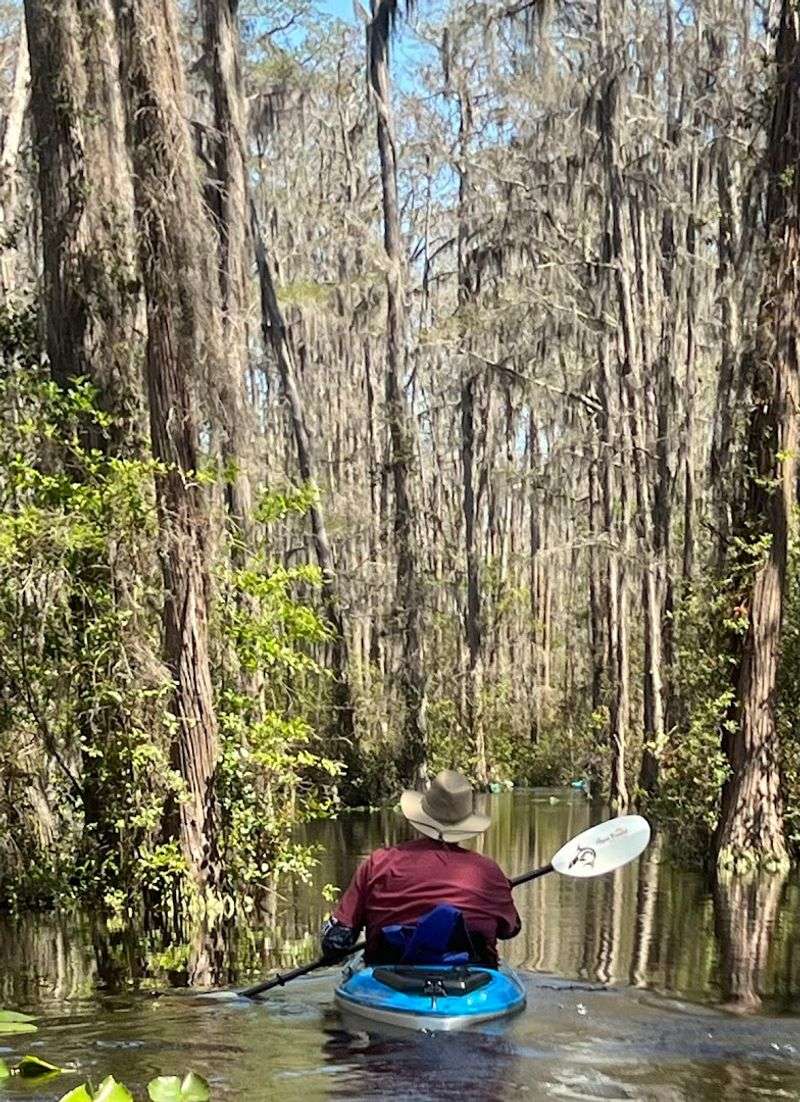
For those who want to go beyond the guided tour, renting a canoe or kayak is one of the most rewarding options at the refuge. Paddling through the narrow channels and open prairies allows for a slower, quieter experience that puts you closer to the wildlife than any motorized boat can.
Because canoes and kayaks produce less noise and disturbance, animals are far less likely to retreat when approached. This makes paddling an excellent choice for wildlife photography and birdwatching, as herons, wood storks, and other birds tend to hold their positions longer near non-motorized craft.
The refuge also has designated backcountry camping platforms accessible only by canoe or kayak, allowing for multi-day paddle trips deep into the wilderness. These platforms are elevated wooden structures built over the water, and permits are required in advance.
For anyone comfortable with paddling and camping, this is one of the most immersive outdoor experiences available in the entire southeastern United States.
Birdwatching in a Place That Birds Call Home
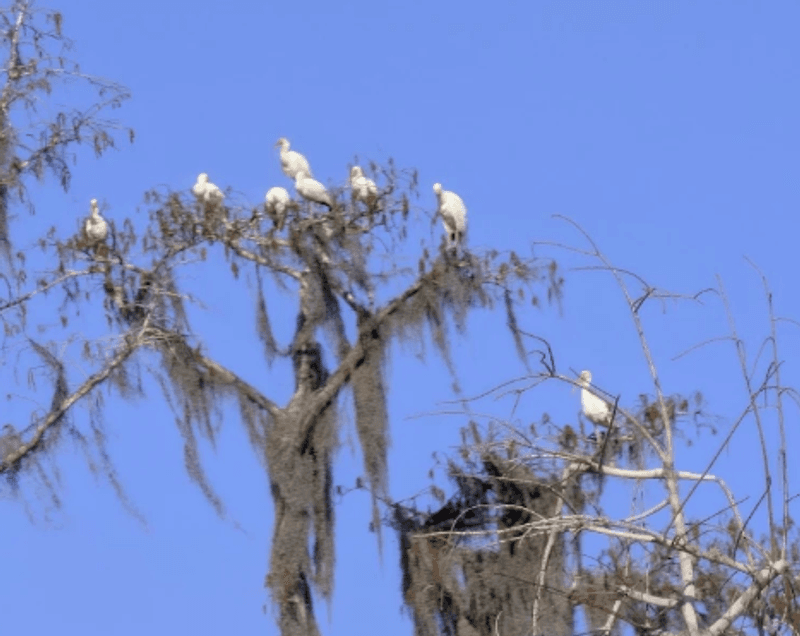
Birders travel from across the country to the Okefenokee specifically for the chance to spot the red-cockaded woodpecker, a federally protected species that nests in old-growth longleaf pine forests. The refuge is one of the few places in the eastern United States where this bird can still be reliably found.
Beyond this rare woodpecker, the refuge hosts an extraordinary variety of bird species throughout the year. Sandhill cranes, great blue herons, wood storks, anhingas, osprey, and barred owls are among the most commonly spotted.
During migration seasons, the numbers swell even further as species pass through on their routes north and south.
The open prairies within the swamp create ideal conditions for spotting wading birds at a distance, while the dense cypress forests provide habitat for species that prefer canopy cover. Bringing binoculars and a field guide will make any visit here significantly more rewarding, regardless of your experience level with birdwatching.
Trails, Boardwalks, and an Observation Tower Worth the Climb
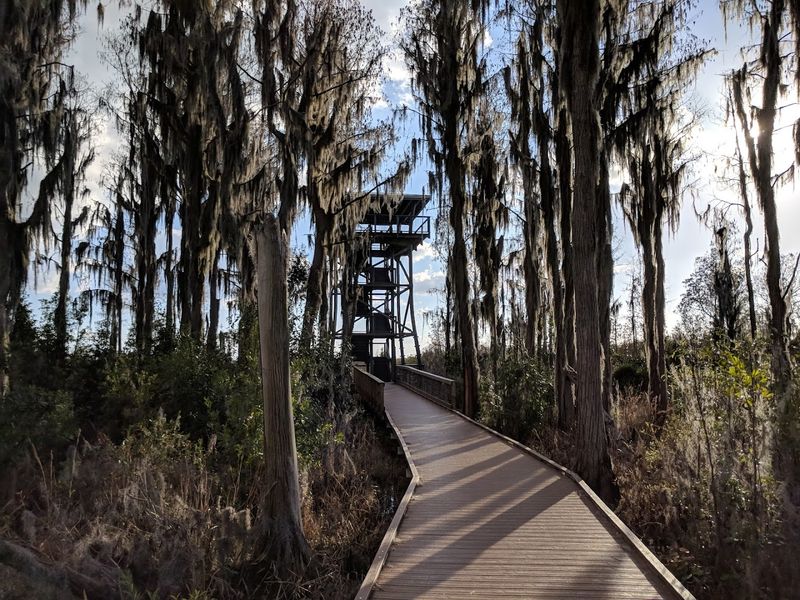
Not every great experience at the refuge requires getting on the water. The trail system at the Folkston entrance includes well-maintained paths through different habitat types, from upland pine forests to the edge of the open prairie.
The trails are described as easy to navigate, making them accessible to most fitness levels.
The boardwalk trail is a particular highlight, offering an elevated path directly over the wetland landscape. At the end of the boardwalk sits an observation tower that provides a wide, unobstructed view across the swamp prairie, a perspective that is hard to find anywhere else in the region.
Early mornings on weekdays tend to be the quietest times on the trails, with fewer crowds and more active wildlife. The tower view at different times of day offers a dramatically different experience, and those who have visited during both morning light and late afternoon consistently find something new to appreciate from that elevated vantage point.
The Chesser Homestead and a Glimpse Into Frontier Life
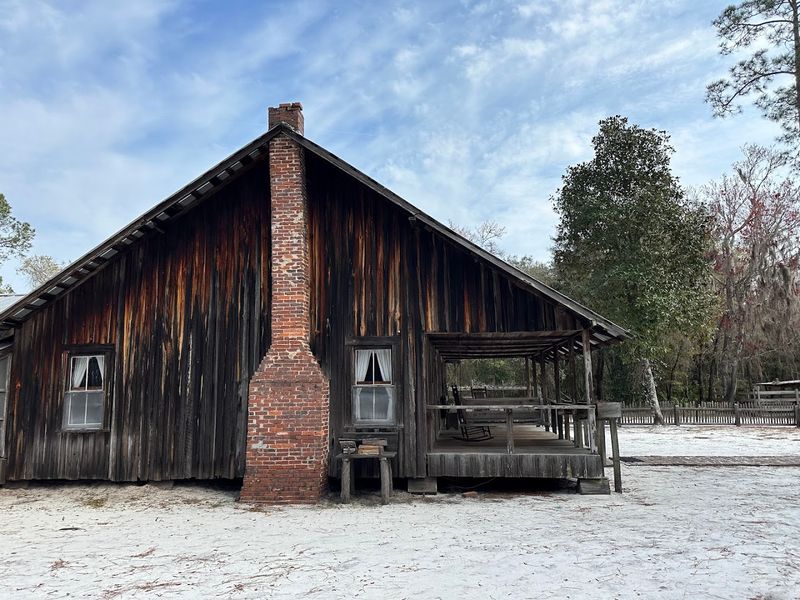
Hidden within the refuge is the Chesser Homestead, a preserved historic site that offers a direct window into the lives of the families who once made this swamp their permanent home. The homestead dates back to the mid-1800s and remained occupied by the Chesser family for multiple generations before the land became part of the refuge.
The structures still standing include the main house, a barn, and various outbuildings, all maintained to reflect daily life as it was lived during that era. Walking through the site makes it easy to understand just how self-sufficient and resourceful swamp families had to be, with limited access to outside supplies and no roads connecting them to the wider world for much of that period.
The homestead is accessible via a trail from the main refuge area and is included with the standard entry fee. It adds a compelling human dimension to what is otherwise primarily a natural history experience, and it tends to be one of the most memorable stops for families visiting the refuge.
The Visitor Center Is More Than Just a Starting Point
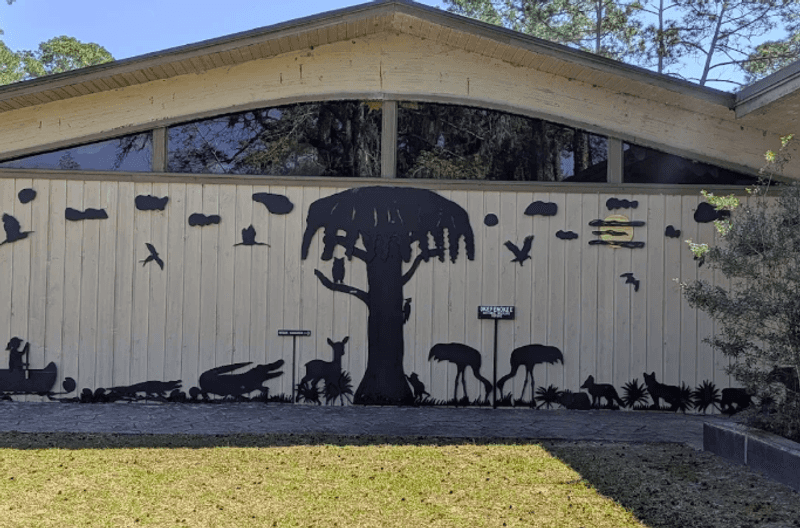
The visitor center at the Folkston entrance is a genuinely well-equipped facility that sets the tone for everything that follows. It features educational exhibits about the refuge’s ecology, wildlife, and history, giving first-time visitors the context they need to fully appreciate what they are about to experience.
Staff and rangers at the center are consistently described as friendly, knowledgeable, and generous with their time. The U.S.
Fish and Wildlife personnel stationed here are happy to answer detailed questions about the ecosystem and can point visitors toward the best spots depending on the season and conditions that day.
A gift shop on-site carries quality keepsakes, field guides, and nature-themed items, and the facility includes clean, well-maintained restrooms, something that gets specific praise from those who have visited. There is also a water station near the restrooms, which is genuinely useful given how warm conditions can get during the peak summer months.
Starting here before hitting the trails is always a good call.
Wildlife Beyond the Alligator Headlines
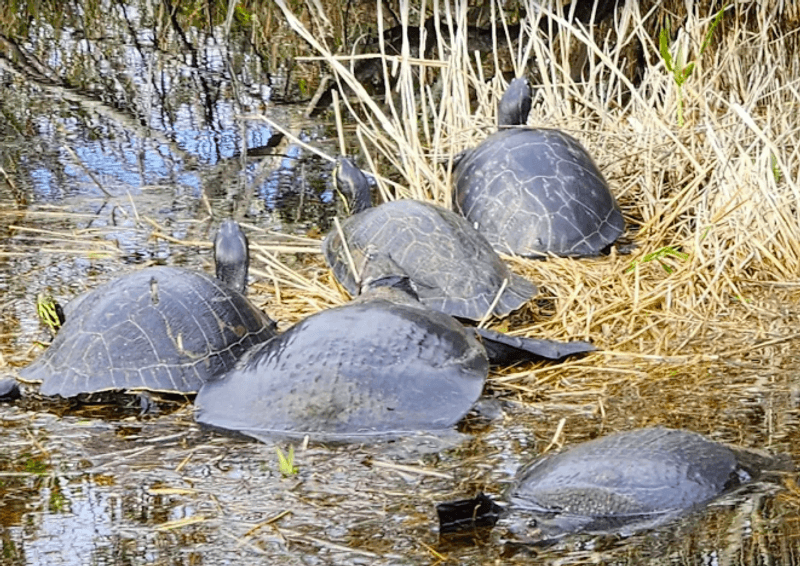
Alligators tend to get top billing at the Okefenokee, and for good reason, but the full roster of wildlife here goes well beyond reptiles. White-tailed deer, Eastern cottontail rabbits, river otters, black bears, and gopher tortoises all live within the refuge boundaries.
Spotting any one of them during a visit is a genuine bonus.
The swamp’s waterways are also home to a wide variety of turtles, frogs, and snakes, including non-venomous water snakes that are commonly seen along the canal banks. Butterflies are abundant in warmer months, and dragonflies are practically everywhere during summer, hovering over the water in impressive numbers.
The scenic drive route available through the refuge provides an easy way to cover more ground and increase the odds of spotting a wider variety of species. Visitors who have taken this route have reported seeing deer, rabbits, alligators, snakes, and turtles all within a single outing, making it an efficient and enjoyable option for wildlife watching.
When To Visit and What To Expect From the Weather
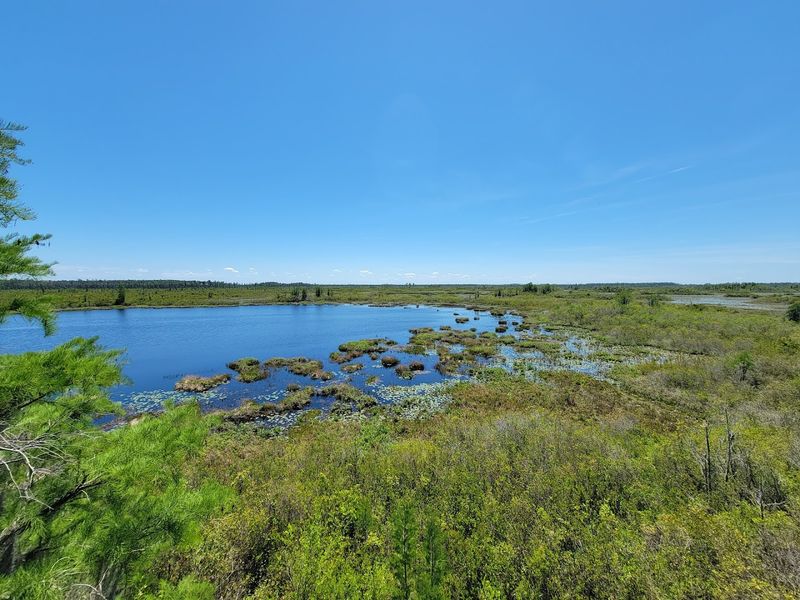
Timing a visit to the Okefenokee can make a significant difference in the overall experience. Late fall and winter months, roughly November through February, are widely considered the most comfortable time to visit.
Temperatures are cooler, humidity is lower, and insect activity drops considerably compared to summer.
A visit on an unusually warm February day, for example, can still reach 80 degrees while remaining far less humid and buggy than a summer trip would be. Spring brings an explosion of wildlife activity, including nesting birds and active alligators, but also brings rising heat and more insects.
Summer visits are absolutely possible, but packing bug spray is strongly recommended. The heat and humidity in this part of Georgia during July and August can be intense, especially on open water with no shade.
For anyone not accustomed to southern summer conditions, starting with a fall or winter visit is a smart way to ease into the Okefenokee experience without the added challenge of the elements.
Fishing in the Heart of the Swamp
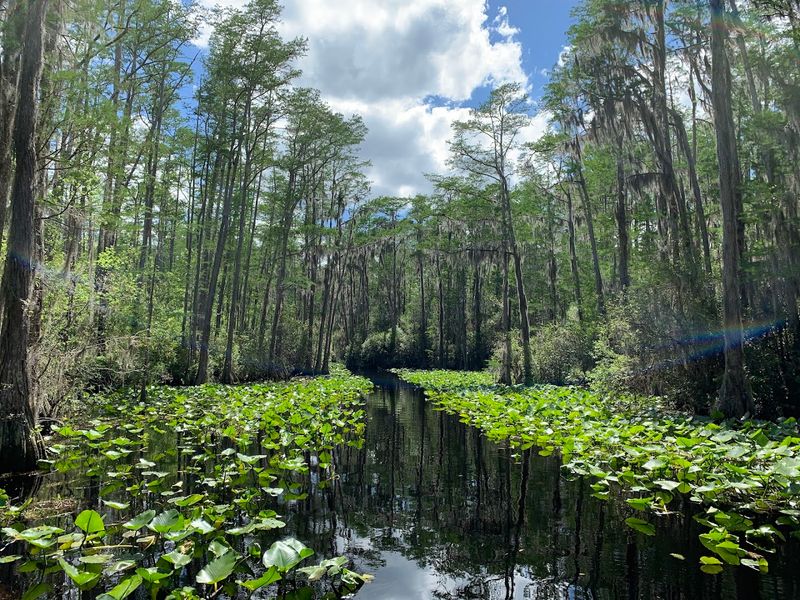
Fishing is allowed in certain areas of the refuge, and the waters here are known for producing impressive catches. Right in front of the visitor center, it is not unusual to see children fishing from the dock and pulling in surprisingly large fish, a sight that surprises many first-time visitors who did not expect fishing to be part of the experience.
The blackwater channels and open prairies hold populations of largemouth bass, bowfin, and various sunfish species that have thrived in this protected ecosystem. Because the refuge waters are largely undisturbed by development, the fish populations here tend to be healthy and robust.
Anglers planning to fish within the refuge should check current regulations before visiting, as specific rules apply to certain zones and seasons. A valid Georgia fishing license is required.
Combining a fishing outing with a paddle or a hike makes for a full day that covers multiple dimensions of what the Okefenokee has to offer.
How Far Is It and Who Makes the Trip
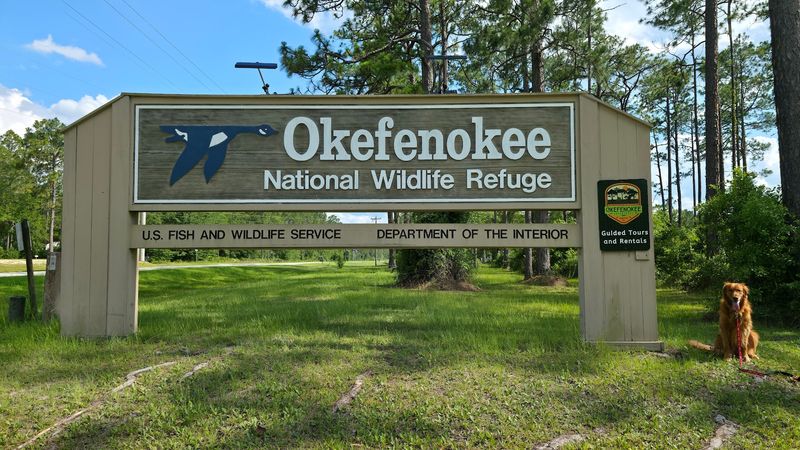
The Folkston entrance to the refuge sits about one hour north of Jacksonville, Florida, making it a very accessible day trip for anyone in the greater Jacksonville metro area. It is also reachable from Savannah, Georgia in roughly two hours, and from Atlanta in approximately four to four and a half hours.
The drive to Folkston passes through rural southeastern Georgia, a part of the state that many travelers skip over without realizing what is waiting for them there. The town of Folkston itself is small and charming, known locally as the “Train Watching Capital of Georgia” due to the heavy rail traffic through its center.
Families, couples, solo hikers, serious birders, and photography enthusiasts all make the trip to the Okefenokee for different reasons and leave with different highlights. The refuge draws a genuinely diverse crowd, united primarily by curiosity about one of the most unusual and ecologically significant landscapes in the American South.
Conservation and Why This Place Still Exists
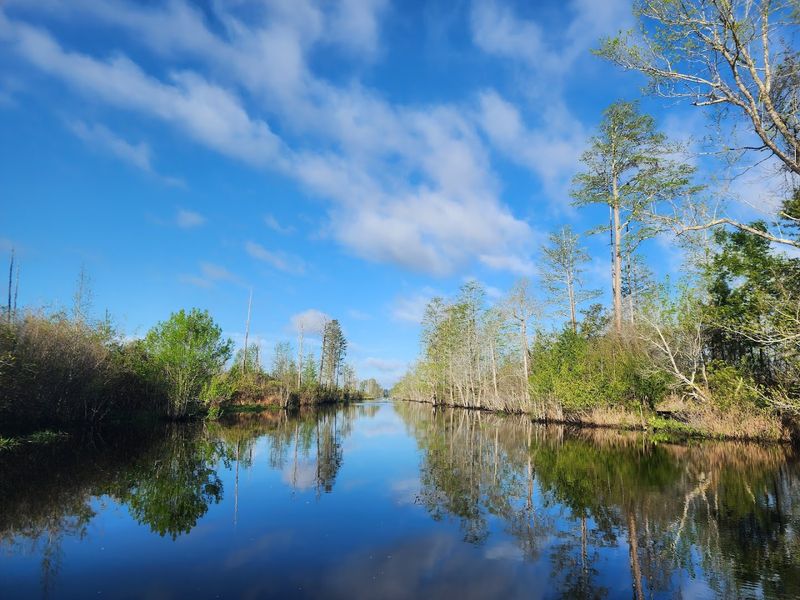
The Okefenokee was designated a National Wildlife Refuge in 1937, and its protection has been a cornerstone of its survival. Without federal oversight, the swamp would almost certainly have been drained, logged, or developed, as was the fate of many similar wetland ecosystems across the southeastern United States during the 20th century.
Today, the refuge is managed with a strong focus on conservation, education, and public engagement. The on-site educational programs are well-funded and run by knowledgeable staff who are clearly committed to explaining the ecological importance of the swamp to every age group that comes through the door.
The Okefenokee is also an International Biosphere Reserve and a Ramsar Wetland of International Importance, recognitions that reflect its global ecological significance. These designations have helped support ongoing conservation efforts and draw international attention to the swamp’s value.
The work done here to preserve this landscape is ongoing, and every entry fee collected contributes directly to that mission.
A Place That Stays With You Long After You Leave
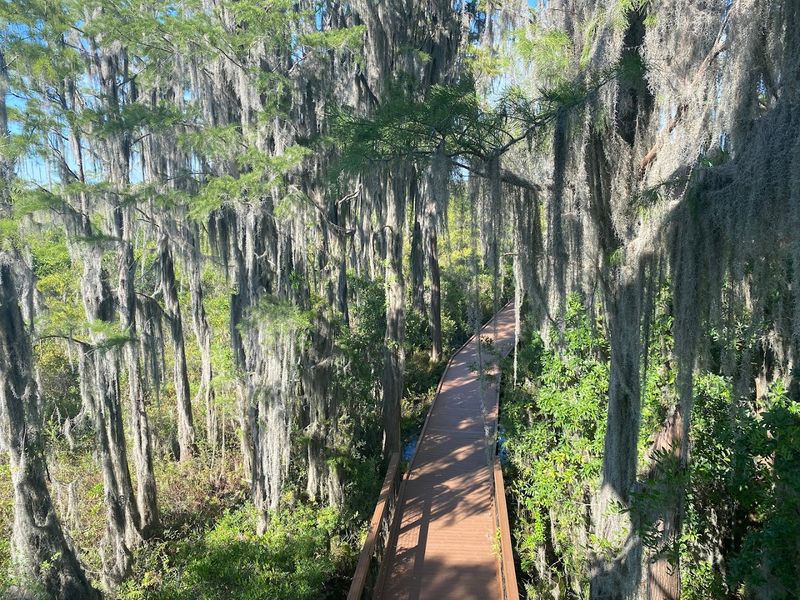
There are places that check boxes, and then there are places that genuinely shift perspective. The Okefenokee falls firmly into the second category.
Visitors who make the trip consistently return home talking not just about the alligators or the boat tour, but about the overall feeling of being surrounded by something ancient and largely unchanged.
The refuge offers something rare in the modern world: a landscape where human activity is the guest and nature is firmly in charge. The peat bogs, the floating islands, the blackwater channels, and the open prairies all function as they have for thousands of years, indifferent to whatever is happening beyond the tree line.
Whether the draw is wildlife, history, paddling, photography, or simply the need to stand somewhere genuinely wild, the Okefenokee delivers. It is the kind of place that ends up on people’s return-visit list before they have even made it back to the parking lot, and that says everything worth saying about it.
Where the Wild Things Actually Are
The Okefenokee National Wildlife Refuge is located at 4155 Suwannee Canal Road, Folkston, GA 31537, sitting in the southeastern corner of Georgia near the Florida border. The refuge covers approximately 353,981 acres, making it one of the largest national wildlife refuges east of the Mississippi River.
Managed by the U.S. Fish and Wildlife Service, the refuge is open daily from 7 AM to 7:30 PM.
The main entrance near Folkston gives access to the eastern side of the swamp, including the Suwannee Canal, which stretches deep into the heart of the wilderness.
A federal entry fee applies, and visitors can pay with cash or card. Seniors aged 62 and older can use a lifetime pass for significant savings on entry.
The visitor center at this entrance is well-staffed, educational, and a great first stop before heading out onto the water or trails.
Share this story