 Unearth The Voyage
New Jersey hides a surprising secret beneath its strip malls and suburbs: a wild collection of crumbling castles, ghost towns, and forgotten factories. I stumbled onto my first ruin by accident during a hike, and honestly, it changed how I see the whole state.
These places are not just old and broken down. They are packed with stories, history, and just enough mystery to make you feel like you found something most people never bother to look for.
Van Slyke Castle Ruins, Ramapo Mountain State Forest
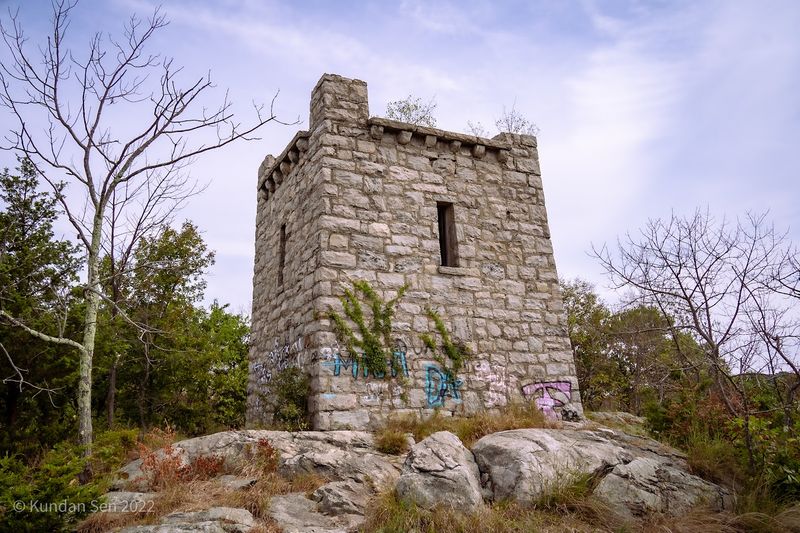
Nobody expects to find a castle in New Jersey, yet here we are. The stone walls of Van Slyke Castle rise out of the woods in Ramapo Mountain State Forest like something out of a forgotten fairy tale.
Built in the early 20th century, this estate met its end in a fire and never recovered.
What survived the flames is honestly impressive. The thick stone walls still stand tall, covered in moss and surrounded by trees that have slowly reclaimed the property.
Hikers regularly make the trek out here just to wander through the ruins.
The trail to the castle is moderate and very doable for most fitness levels. Bring water, wear sturdy shoes, and give yourself time to explore.
The ruins sit in a quiet part of North Jersey that feels completely removed from the chaos of everyday life. It is one of those spots that rewards curiosity in the best possible way.
Brooksbrae Brick Factory, Manchester Township
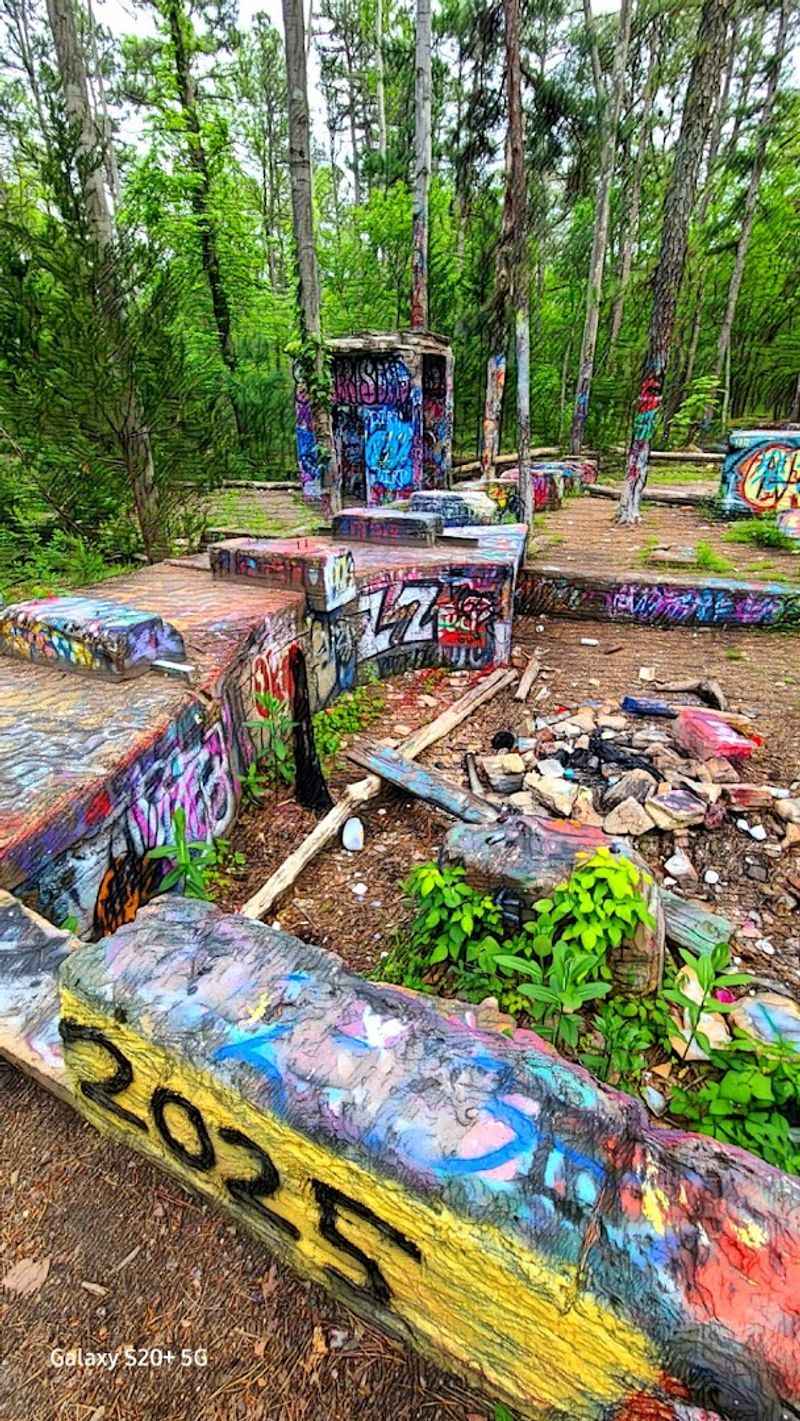
The Pine Barrens already feel like another dimension, and Brooksbrae does absolutely nothing to change that impression. Tucked deep in the woods of Manchester Township, the remains of the Brooksbrae Terra Cotta Brick Company stand as towering brick walls frozen in time.
The factory was once a serious industrial operation, producing bricks and terra cotta products before eventually shutting down. Today, the site has taken on a second life as an open-air graffiti gallery.
Artists from across the region have covered nearly every surface with murals, tags, and wild designs.
The result is a genuinely fascinating mix of industrial history and street art culture. No two visits look the same because the artwork keeps changing.
Getting here requires a bit of a walk through sandy Pine Barrens terrain, so wear appropriate footwear. Locals who know about this spot tend to be protective of it, which makes finding it feel like earning a small badge of honor.
Cliffdale Manor Ruins, Alpine
Alpine, New Jersey once had a reputation that could make even the Hamptons feel a little self-conscious. During the Gilded Age, wealthy families lined the Palisades cliffs with enormous summer estates, and Cliffdale was one of them.
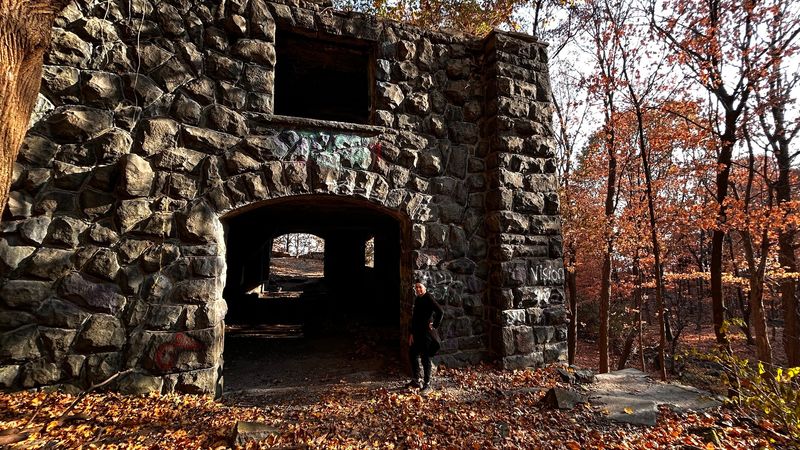
Today, all that remains are the foundation and the old carriage house.
The ruins sit quietly in the woods, largely off the radar for most visitors to the area. That is a big part of the appeal.
Cliffdale traces back to what locals called Millionaires Row, a stretch of land where old money built lavish retreats with spectacular Hudson River views.
Walking through the surviving stonework, you get a real sense of the scale these estates operated on. The carriage house alone hints at a lifestyle most people only read about in history books.
The site is accessible via trails in the Palisades area and makes for a surprisingly rewarding detour. History fans will especially appreciate the quiet atmosphere here.
Feltville’s Deserted Village, Berkeley Heights
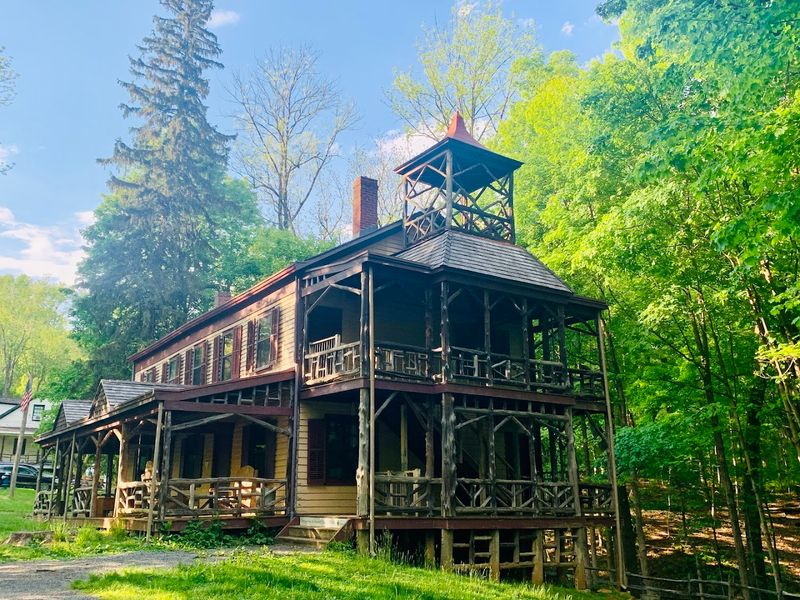
Most ruins give you a crumbling wall and let your brain do the rest. Feltville actually gives you whole buildings, which somehow makes it even stranger.
Located inside Watchung Reservation in Union County, this place has lived multiple lives and somehow survived all of them.
It started as a mill village in the 1840s, became a resort community later on, and eventually just got abandoned. The preserved structures scattered across the site give it a ghost town quality that is hard to shake.
Walking through Feltville feels genuinely eerie in the most entertaining way possible.
The site is part of a larger county park system, making it accessible and family-friendly despite its spooky reputation. Rangers occasionally lead tours that fill in the historical gaps and make the whole experience richer.
I visited on a foggy morning once and nearly convinced myself I had stepped into a low-budget horror film. Feltville earns its nickname every single time.
Jungle Habitat’s Abandoned Remains, West Milford
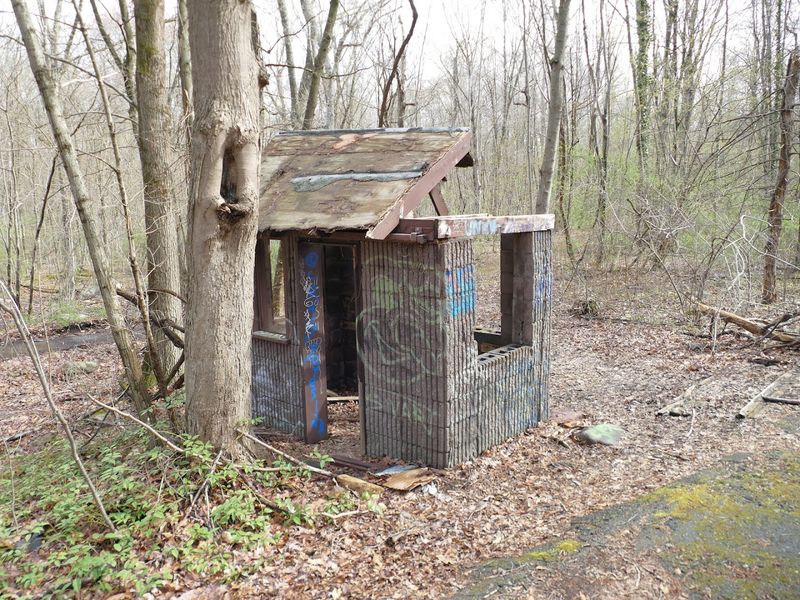
Warner Bros. once tried to run a drive-through safari park in the New Jersey woods, and yes, that is a real sentence about a real thing that actually happened. Jungle Habitat opened in 1972 and drew massive crowds before shutting down just four years later in 1976.
The closure was messy and apparently quite rushed. Reports suggest some animals were left on the property after closing, which did nothing to help the site’s already chaotic legacy.
Today, fragments of the old infrastructure still exist in the woods of West Milford, quietly rotting beneath the trees.
Concrete foundations, fencing remnants, and other structural leftovers are scattered across the land, slowly being absorbed by the forest. The site is on private property, so access is a sensitive issue.
Still, the story alone makes it one of New Jersey’s most bizarre footnotes. It sits in that perfect sweet spot between genuinely interesting history and completely unhinged decision-making by everyone involved.
Paulinskill Viaduct, Knowlton Township
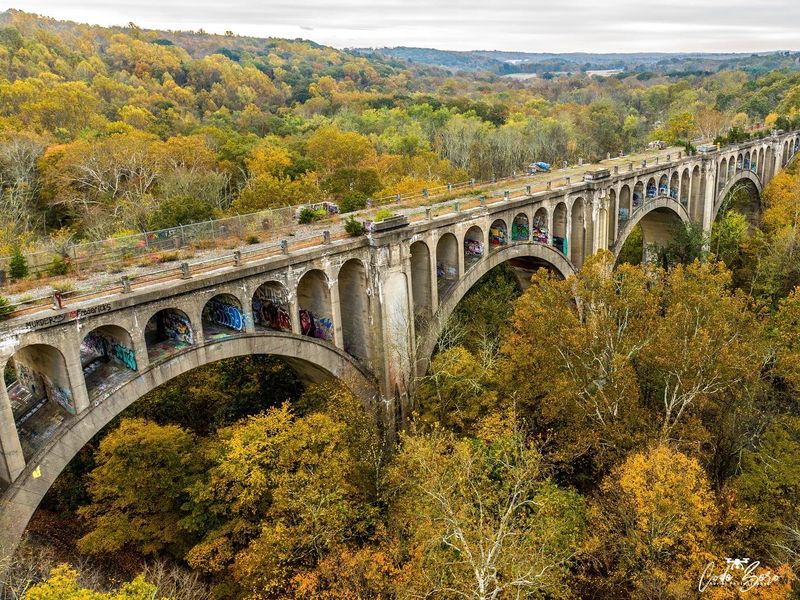
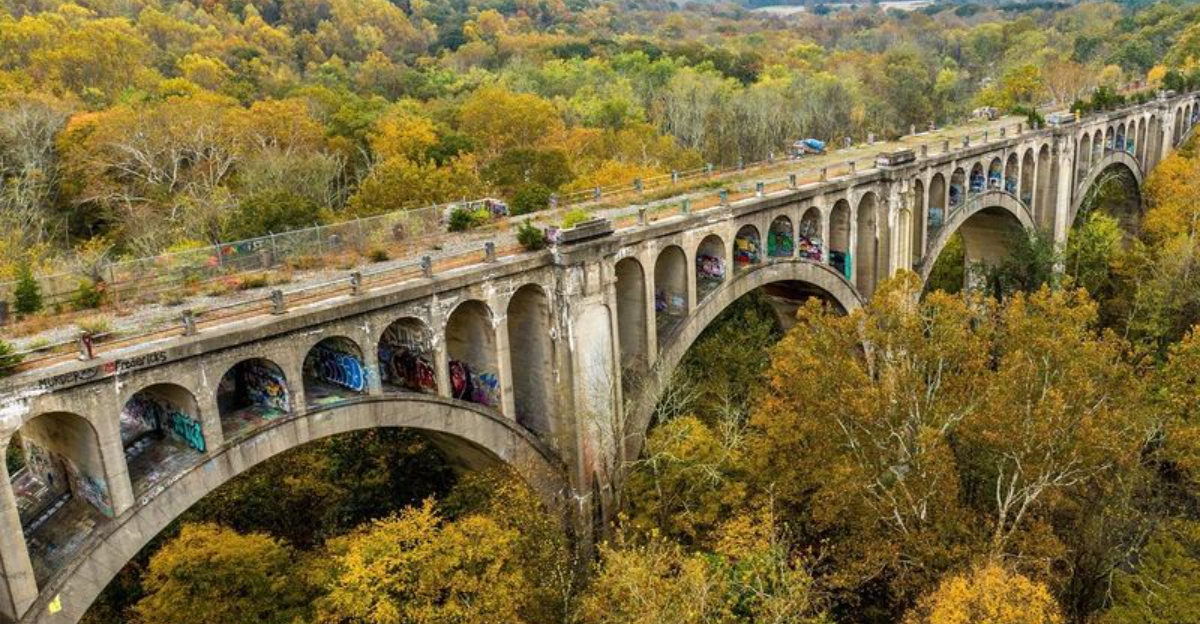
At some point in 1910, engineers finished building what was considered the largest reinforced-concrete structure in the entire world, and they put it in rural New Jersey. The Paulinskill Viaduct is genuinely massive, stretching across a wide valley in Knowlton Township with an authority that commands respect.
It was built as part of the Lackawanna Cut-Off railroad project and opened to rail traffic in 1911. Trains stopped running across it decades ago, but the structure itself has barely aged.
The concrete arches look almost too solid to be real when you stand beneath them.
The viaduct is now accessible as part of a rail trail, which means you can actually walk across the top of this engineering marvel. The views from up there are well worth the visit.
Few people outside of New Jersey history circles know this thing exists, which feels like a genuine injustice. This is world-class infrastructure hiding in plain sight.
Weymouth Furnace, Mays Landing Area
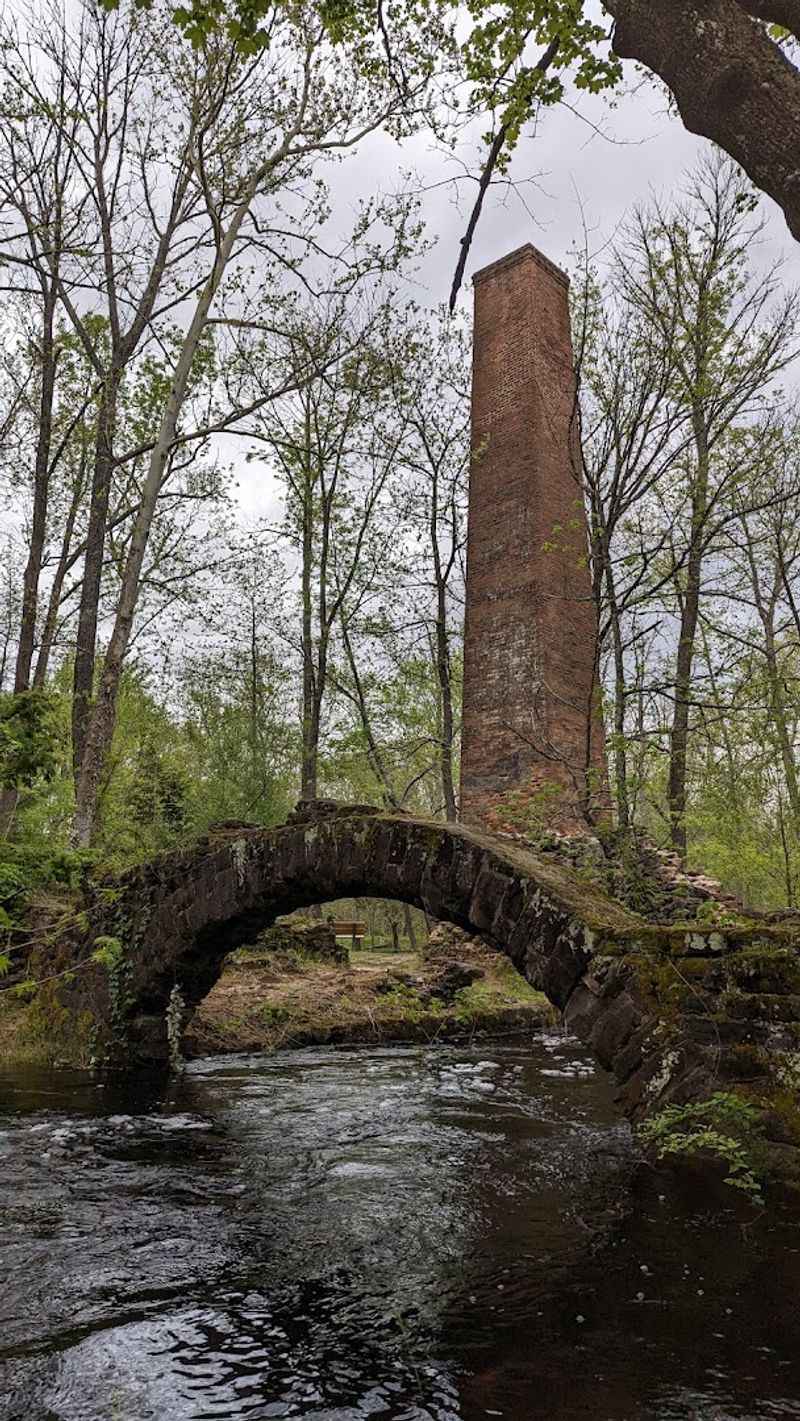
South Jersey ran on bog iron long before anyone had heard of a steel mill, and Weymouth Furnace is the evidence. Located near Mays Landing in Atlantic County, this site preserves the remains of an early ironworks operation that fired up in the early 1800s.
Bog iron was harvested from the marshy Pine Barrens landscape and smelted here into usable metal products. The furnace operation fed a regional industry that powered everything from cannons to cookware.
What remains today is a quiet, park-managed site with stone ruins and a real sense of industrial history.
The surrounding area is beautiful in that flat, Pine Barrens kind of way, with cedar water streams and sandy soil. Atlantic County Parks manages the property, and interpretive signage helps fill in the blanks for visitors without a history degree.
Weymouth does not get nearly enough attention compared to better-known Pine Barrens sites. That oversight is your gain as a visitor.
Clinton Furnace, West Milford
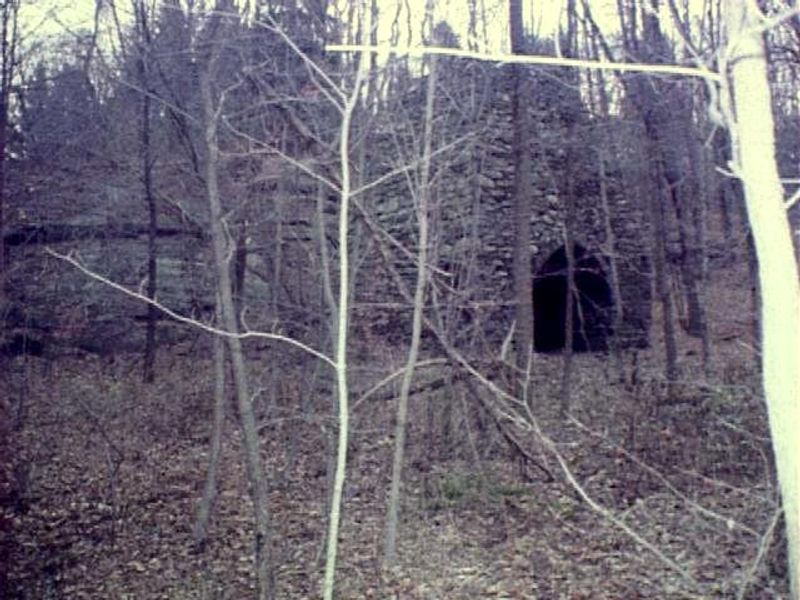
Built in 1826, Clinton Furnace is the sole surviving structure from an entire ironmaking community that once operated in West Milford. The community it anchored is long gone, but this furnace stuck around long enough to earn a spot on the National Register of Historic Places.
Bog iron and hardwood forests made North Jersey a surprisingly productive ironmaking region during the 1800s. Clinton was one of dozens of furnace communities that sprouted up, ran hard for a few decades, and then vanished when cheaper iron sources took over the market.
Most left nothing behind.
Clinton Furnace is the rare exception. The stone structure still stands in reasonable condition, offering a tangible connection to an industry that shaped the early American economy.
It sits in a quiet wooded area that most drivers pass without a second glance. History nerds who know where to look, however, treat this spot like a personal treasure.
Worth every step of the detour.
Amatol Ghost Town, Mullica Township Area
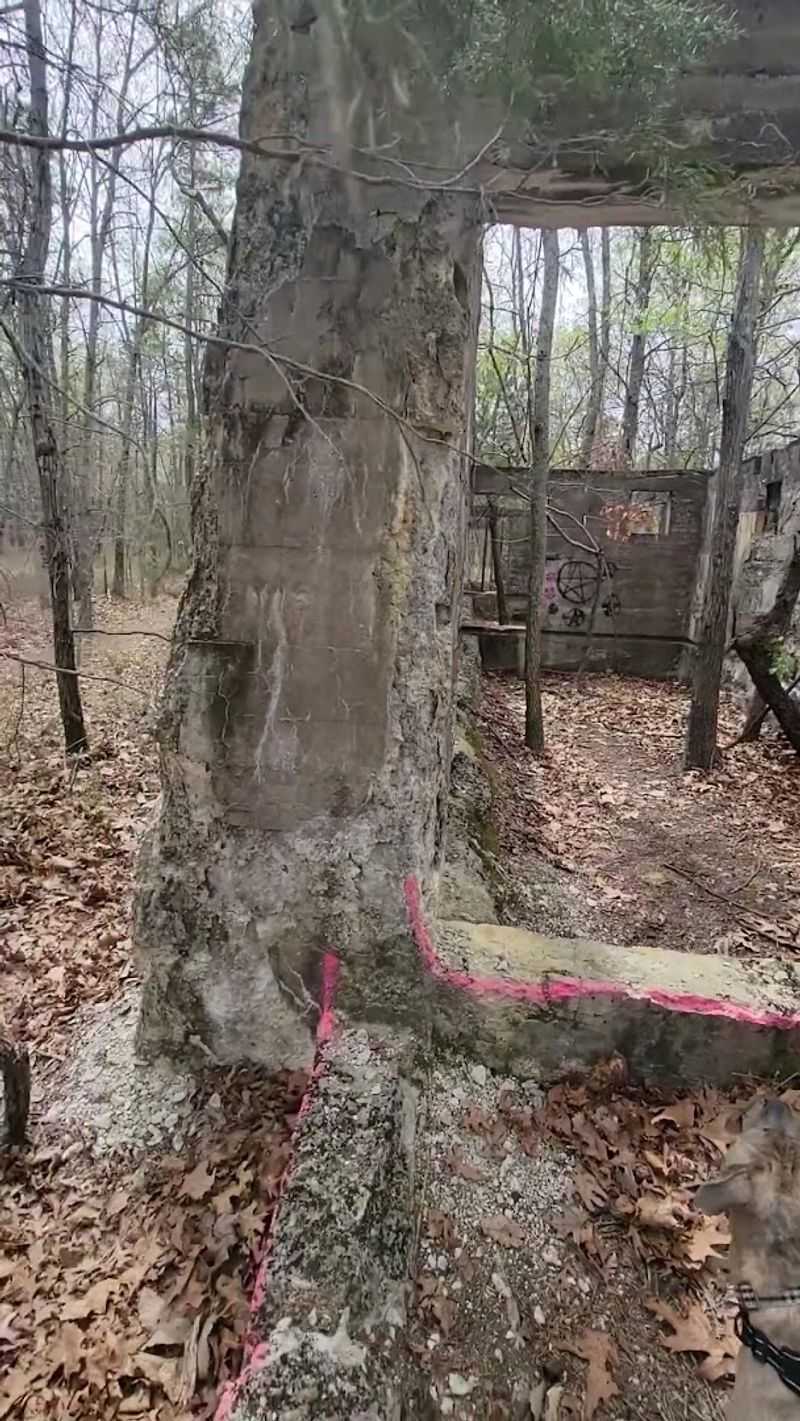
World War I created a lot of things nobody expected, including an entire town in the New Jersey woods built solely to make explosives. Amatol sprang up almost overnight as a munitions manufacturing hub, housing thousands of workers at its peak during the war years.
When the war ended, so did Amatol’s reason for existing. The town was dismantled, repurposed briefly as a racetrack community, and then largely swallowed by the surrounding forest.
What remains today is scattered across the woods in the form of foundations, concrete slabs, and the occasional crumbling wall.
Exploring Amatol requires some research and a willingness to push through overgrown terrain. There are no official trails or visitor centers here.
The reward is a genuinely raw experience, stumbling across evidence of a community that lived fast, served its purpose, and disappeared. It is the kind of place that makes history feel personal rather than textbook.
Few spots in New Jersey carry this much forgotten weight.
Batsto Village’s Unrestored Industrial Remains, Wharton State Forest
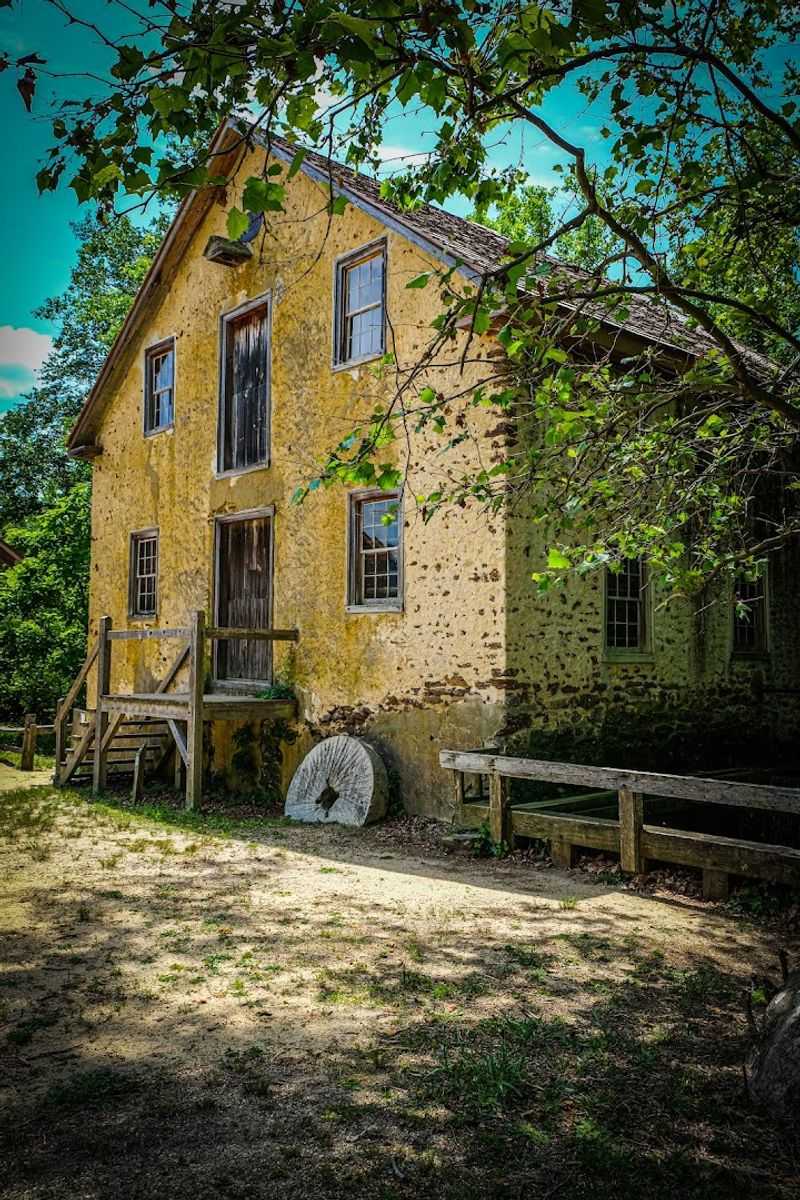
Most visitors to Batsto Village spend their time in the well-preserved mansion and restored buildings, which is completely fair because they are excellent. Fewer people wander out into the wider landscape, where the unrestored remnants of Batsto’s iron and glassmaking past sit quietly in the Pine Barrens.
Batsto operated as an ironworks from the late 1700s and later shifted into glassmaking as the bog iron market dried up. The official historic site tells that story well.
But beyond the manicured paths, older industrial fragments blend into the surrounding forest in ways that feel more honest about how time actually works.
Wharton State Forest is enormous, and exploring its outer edges near Batsto reveals a rawer version of this history. Crumbling infrastructure, overgrown clearings, and remnants of support structures dot the landscape.
Visiting the official site first gives valuable context before venturing further out. The combination of restored and unrestored layers makes Batsto one of the most complete industrial history experiences in the entire state.



