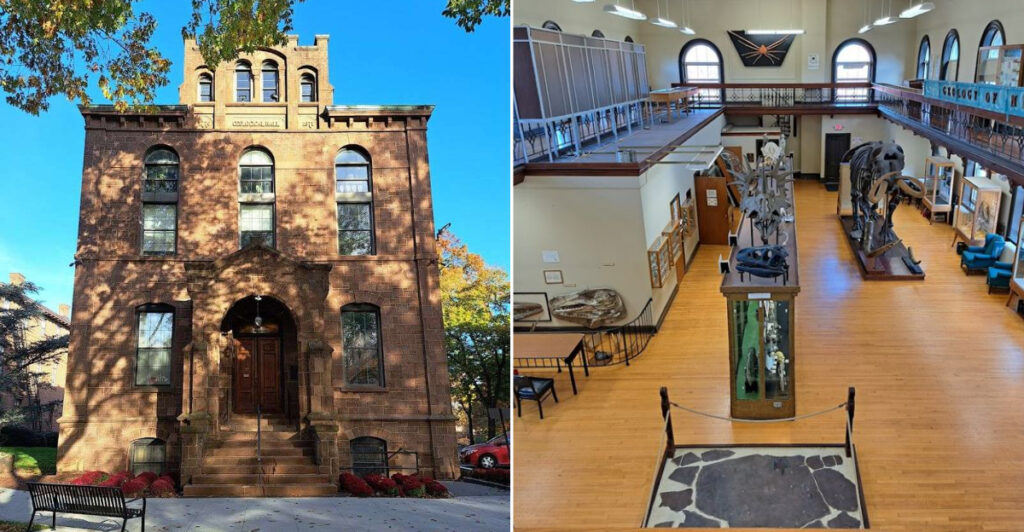
Tucked away on a busy university campus in New Jersey, a historic building from 1872 quietly holds one of the most surprising natural history collections on the East Coast. Most people walk right past it without a second glance, which is exactly what makes discovering it feel like finding something truly special.
Inside, a mastodon skeleton stands guard near the entrance, an ancient Egyptian mummy rests in a display case, and thousands of minerals, fossils, and meteorites fill every corner. This is not a place that tries to impress with flashy technology or modern renovations.
Instead, it offers something rarer: a genuine, old-school museum experience that connects visitors directly to Earth’s deep history. Whether you live nearby or are just passing through New Brunswick, this campus landmark deserves far more attention than it typically gets.
Where to Find This Hidden Campus Landmark
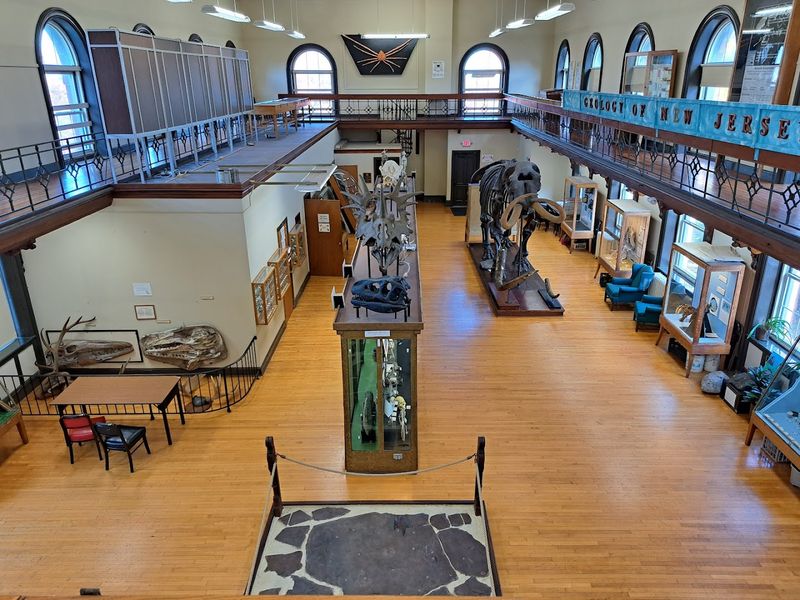
Not every great museum announces itself with a giant billboard or a crowd of tourists lined up outside. The Rutgers Geology Museum sits at 85 Somerset St, New Brunswick, NJ 08901, right on the historic College Avenue campus of Rutgers University, one of the oldest universities in the United States.
The building itself dates to 1872, and its architecture reflects that era, making it stand out even among the other classic campus structures nearby. Finding it for the first time can be a small adventure, since it blends into the academic surroundings rather than calling attention to itself.
Parking requires a little planning, so checking nearby lots before arriving saves time. Once inside, entry is completely free, though donations are welcomed.
The museum is open to the general public, not just students, which means anyone curious about Earth’s history is more than welcome to walk through the door.
A Building With 150 Years of Scientific History
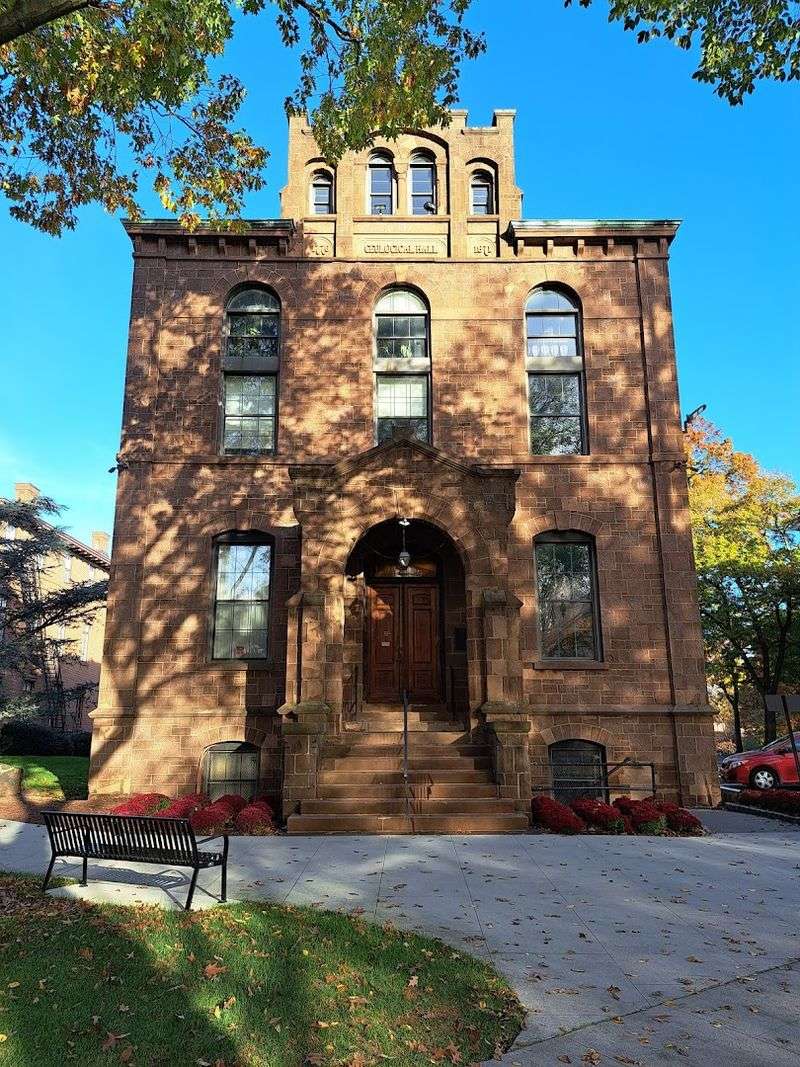
There is something quietly remarkable about standing inside a building that has been dedicated to science and education since the 1870s. The Rutgers Geology Museum has operated continuously through generations of students, faculty, and curious members of the public, accumulating collections that tell the story of Earth across billions of years.
The museum was established as part of Rutgers Scientific School, reflecting the university’s early commitment to natural sciences. Over the decades, the collection grew through donations, field expeditions, and academic partnerships, building into the diverse assemblage that fills the space today.
The architecture of the 1872 structure adds genuine character to every exhibit. High ceilings, classic proportions, and the general atmosphere of a Victorian-era institution give the museum a personality that modern facilities sometimes struggle to replicate.
This is a place where the building and its contents feel like they belong together, each one reinforcing the historical weight of the other.
The Mastodon Skeleton That Greets You at the Door
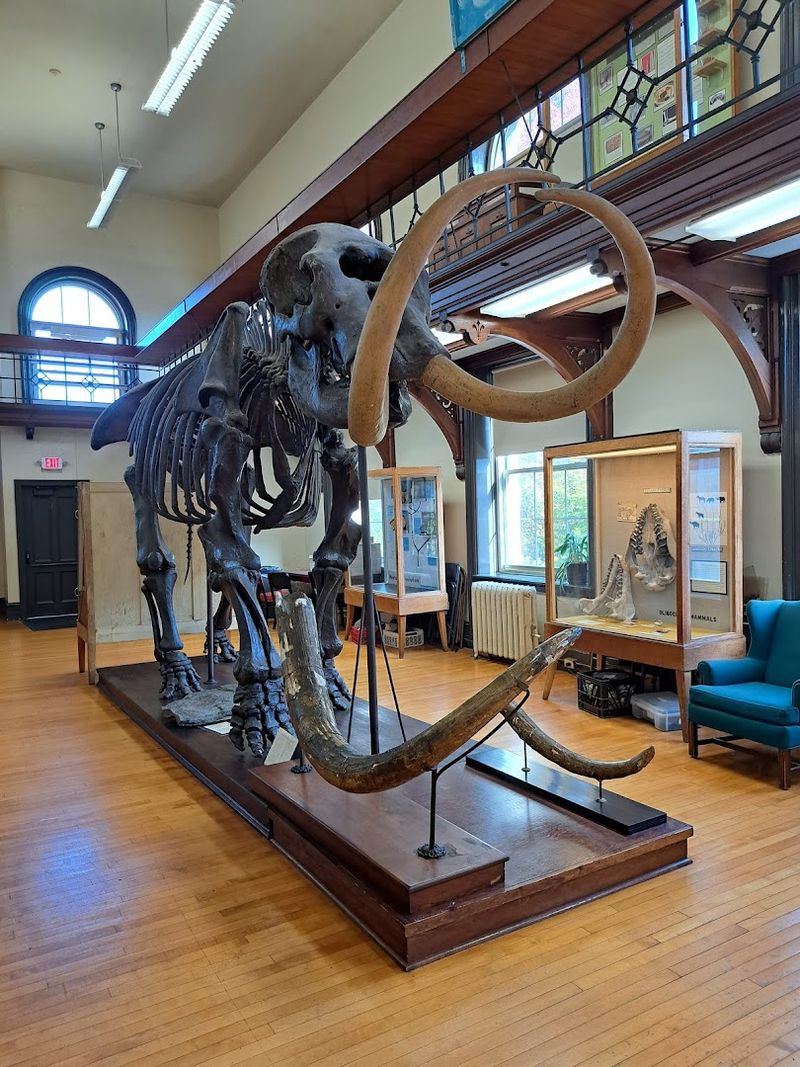
Few museum entrances make an impression quite like walking in to find a complete mastodon skeleton standing just a few feet away. The mastodon is the centerpiece of the Rutgers Geology Museum’s main floor, and it sets the tone for everything else the collection has to offer.
Mastodons roamed North America thousands of years ago, and their fossils have been found across New Jersey, making this specimen especially relevant to the region’s own prehistoric past. The skeletal reconstruction gives a clear sense of just how large these animals were, towering over the average adult in a way that photographs rarely communicate.
The display includes informational panels that explain the mastodon’s place in prehistoric ecosystems, its relationship to modern elephants, and the circumstances under which these animals eventually disappeared. For families with younger children, this is often the moment that transforms a casual museum visit into a genuine conversation about deep time and the changing world.
An Egyptian Mummy on a New Jersey Campus
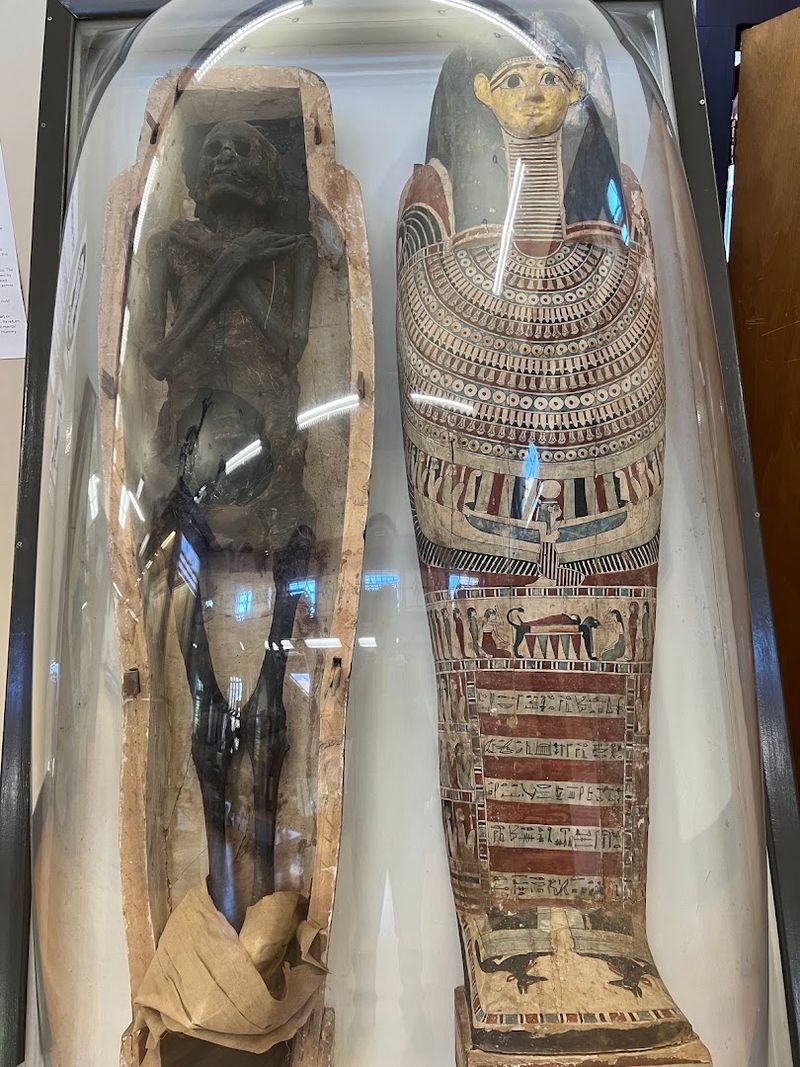
It is not every day that a geology museum also happens to house an ancient Egyptian mummy, but the Rutgers Geology Museum has never been a place that sticks strictly to one category. The mummy is one of the collection’s most talked-about pieces, and it draws genuine curiosity from first-time visitors who were not expecting to find ancient Egyptian artifacts tucked inside a university science building in New Jersey.
The mummy is part of a broader collection of human artifacts that the museum has assembled over its long history. While the geology and paleontology collections are the primary focus, the presence of the mummy reflects the museum’s roots as a broad natural history institution from an era when such collections were assembled with wide-ranging ambition.
Displays surrounding the mummy provide context about ancient Egyptian burial practices and the study of mummification. It is the kind of unexpected detail that makes the museum feel genuinely surprising, even for those who thought they knew what to expect before arriving.
Dinosaur Fossils and Prehistoric Life on Display
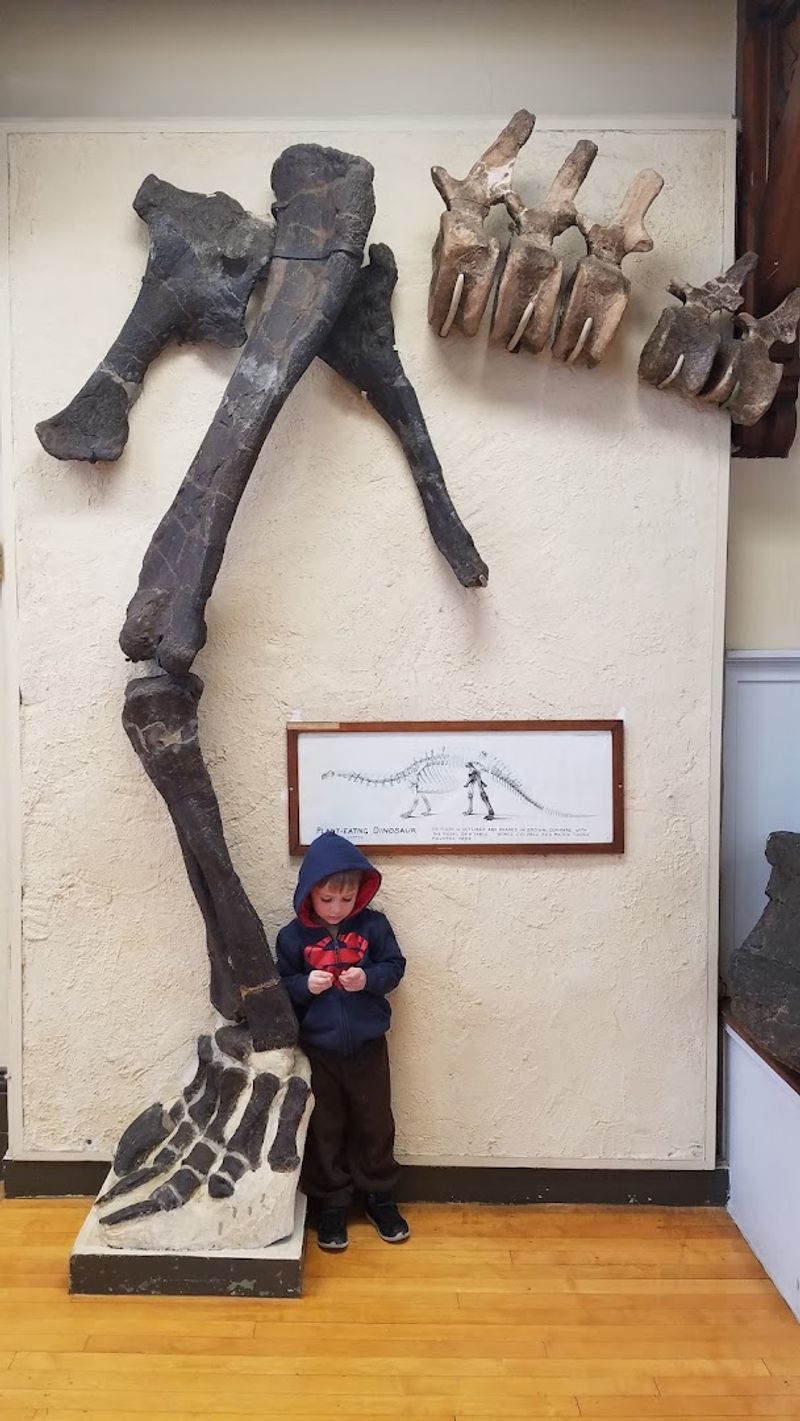
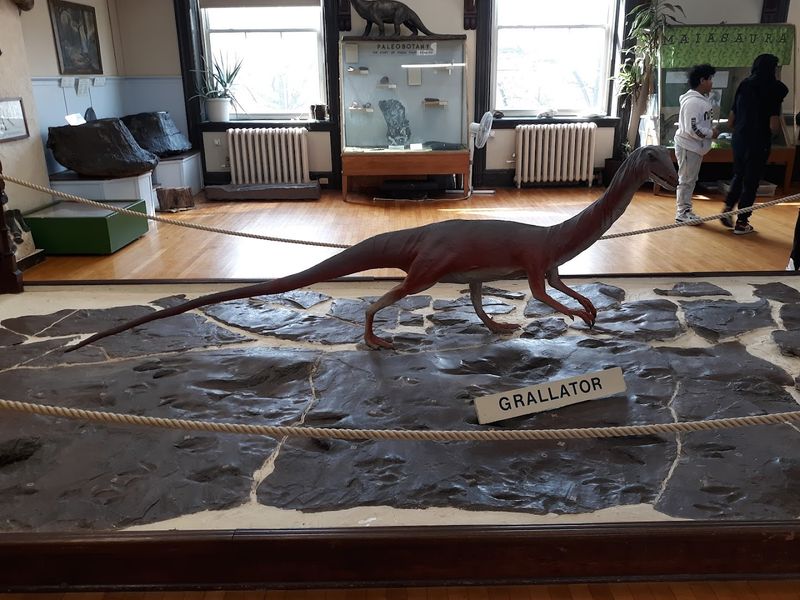
Beyond the mastodon, the museum holds a broader collection of dinosaur fossils and prehistoric life forms that map out the deep history of life on Earth. Skeletal reconstructions and fossil casts give shape to creatures that most people have only ever seen illustrated in books or animated on screen.
New Jersey actually has a notable place in dinosaur history. The first nearly complete dinosaur skeleton ever found in North America was discovered in the state, and the Rutgers Geology Museum honors that legacy through its paleontology exhibits.
The collection includes fossils from various prehistoric species, offering a timeline of life that stretches back hundreds of millions of years.
Informational panels throughout the fossil section explain the science of paleontology, how fossils form, and what each specimen reveals about the world it came from. The exhibits are accessible enough for younger visitors to follow along while still offering enough depth to keep adults genuinely engaged throughout the visit.
The Mineral Collection That Fills the Second Floor
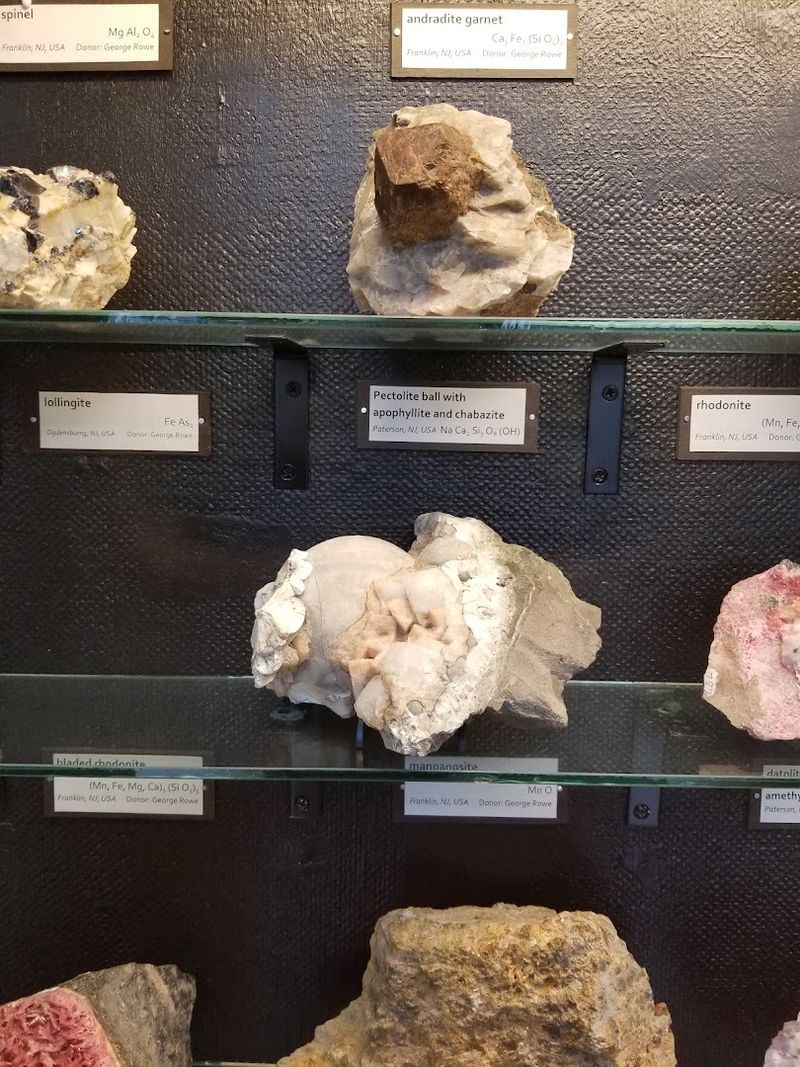
Head upstairs to the mezzanine level and the museum opens into a different kind of collection entirely. The second floor is dedicated largely to minerals, housing hundreds of specimens from locations around the world, each one displaying the remarkable variety of colors, structures, and compositions that the Earth’s crust produces over geological time.
The mineral samples range from small, precisely labeled specimens to larger formations that fill entire display cases. Quartz crystals, pyrite clusters, malachite, and dozens of other minerals are organized in a way that makes the collection easy to browse while still rewarding careful attention to detail.
There is also a section dedicated specifically to New Jersey minerals, which gives local visitors a direct connection to the geological wealth found beneath their own feet. The variety on the second floor is genuinely impressive for a museum of this size, and many visitors find themselves spending more time up there than they originally planned.
The Fluorescent Mineral Room That Surprises Everyone
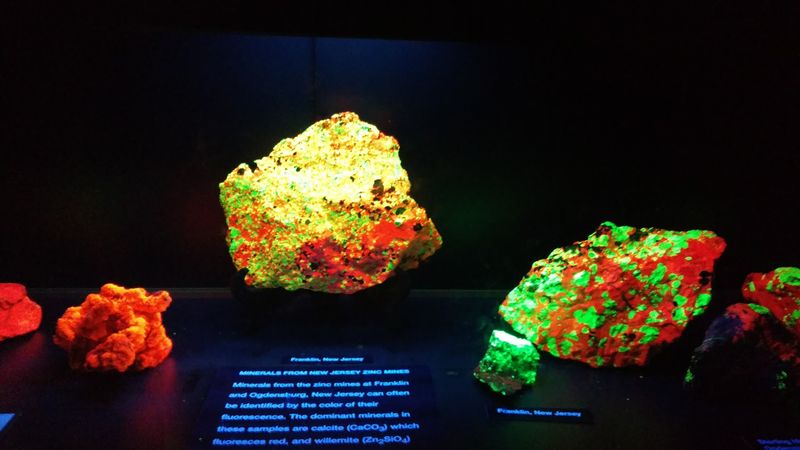
Tucked toward the back of the museum is a small room that reliably stops visitors in their tracks. The fluorescent mineral exhibit uses ultraviolet light to reveal colors hidden inside certain minerals that are completely invisible under normal lighting conditions, transforming dull-looking rocks into vivid displays of green, red, orange, and blue.
New Jersey has a particularly strong connection to fluorescent minerals. The Franklin and Sterling Hill mining districts in the state produced some of the finest fluorescent mineral specimens ever documented, including franklinite and willemite, both of which appear in the museum’s collection.
Seeing these minerals under ultraviolet light is one of those experiences that genuinely surprises people who have never encountered it before.
The room is small, which actually adds to its appeal. The concentrated display creates a focused experience that feels almost like a private showing.
It is consistently one of the highlights that stays with visitors long after they have left the rest of the museum behind.
Fossils That Tell New Jersey’s Own Ancient Story
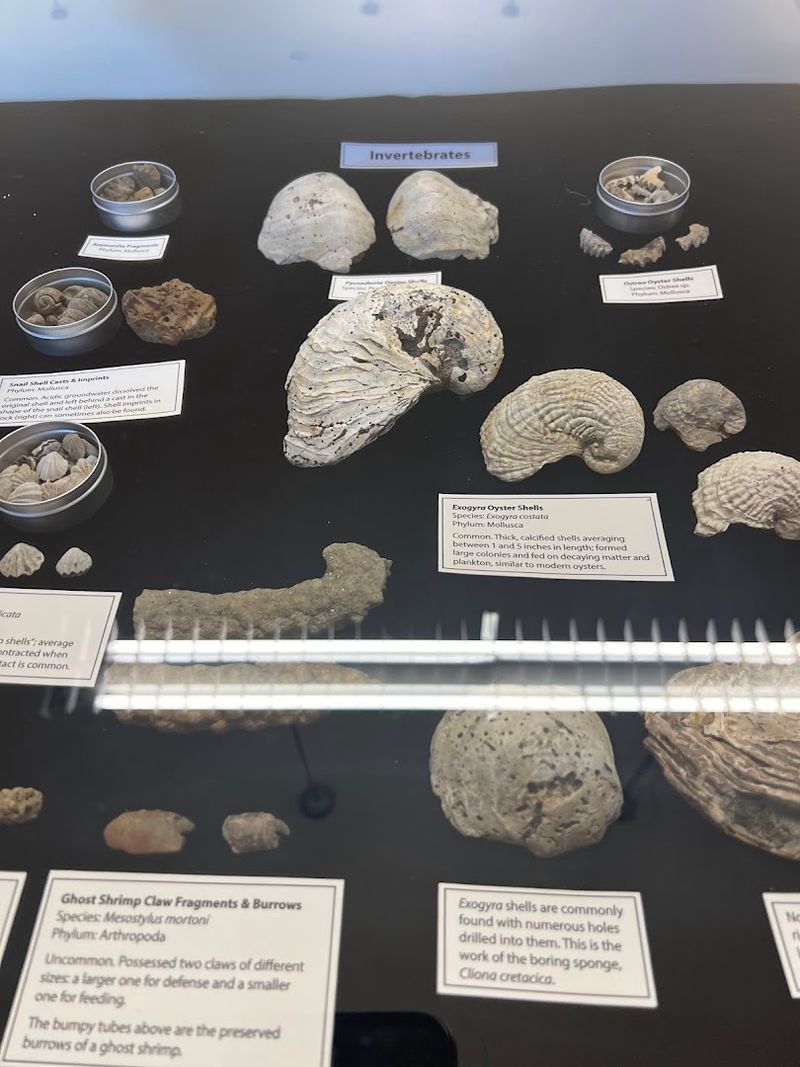
New Jersey’s geological history is richer and stranger than most residents realize, and the museum dedicates considerable space to telling that specific story. The state was once covered by shallow seas, and the fossil record reflects that past in remarkable detail, with specimens of ancient marine creatures, prehistoric plants, and early mammals all represented in the collection.
The New Jersey-focused fossil exhibits are a highlight for local visitors, offering a direct connection between the familiar landscape outside and the dramatically different world that existed here millions of years ago. Shark teeth, ammonites, and other marine fossils appear alongside terrestrial specimens, painting a layered picture of the region’s transformation over time.
The museum’s curators have organized these regional exhibits with clear labels and informative text that makes the science approachable without oversimplifying it. Understanding that the ground beneath a familiar New Jersey neighborhood was once a seafloor is the kind of perspective shift that a good natural history exhibit can genuinely provide.
Native American Artifacts and Human History
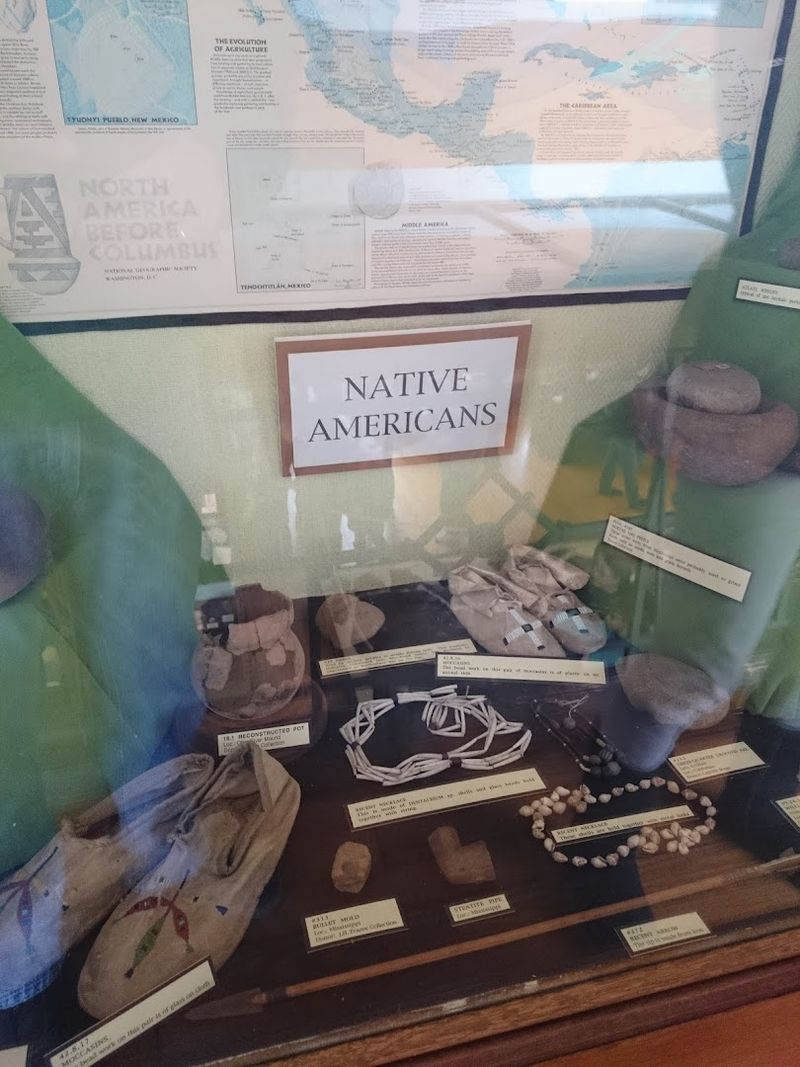
The museum’s scope extends beyond geology and paleontology to include a collection of Native American tools and human artifacts that document the long history of people in the region. These pieces sit alongside the geological collections in a way that connects natural history with human history, showing how people have interacted with the land and its materials over thousands of years.
Stone tools, arrowheads, and other implements crafted from locally sourced materials appear in labeled display cases, each one representing a specific cultural tradition and a specific relationship with the natural world. The collection is modest in size but thoughtfully presented, with context that helps visitors understand the significance of each piece.
Including human artifacts in a geology museum might seem unusual at first, but it reflects the institution’s original purpose as a broad natural history collection. The result is a museum that covers not just the Earth’s physical history but also the story of the people who have lived on and shaped this particular part of it.
Free Admission and What to Expect During a Visit
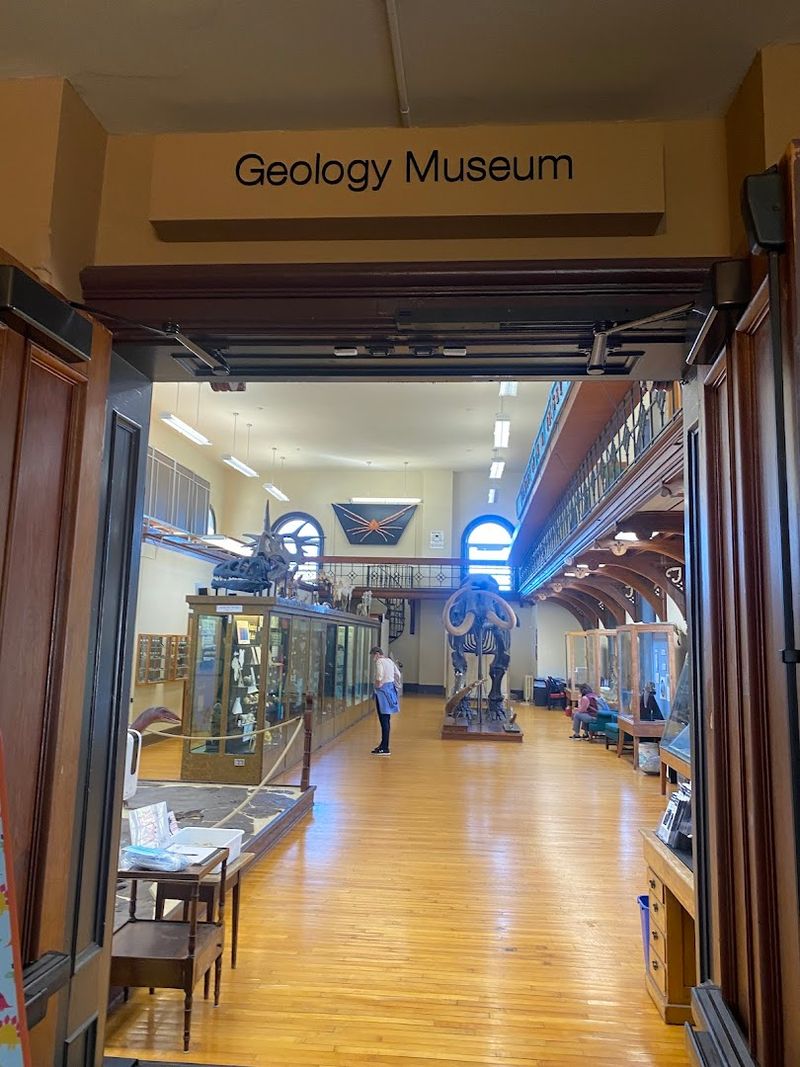
Admission to the Rutgers Geology Museum is completely free, which makes it one of the better deals in New Jersey for anyone interested in natural history. Visitors sign in at the entrance before exploring the collection, a simple process that takes less than a minute and keeps the experience relaxed and unhurried.
A typical visit runs between 30 minutes and an hour, though those who take their time with the mineral collection upstairs or engage with the interactive displays may find themselves staying longer. The museum is compact enough that it never feels overwhelming, but it has enough content that a careful visitor will not run out of things to look at.
A small gift shop near the entrance sells minerals in both raw and polished forms, along with other geology-related items. It is a nice touch that gives visitors a chance to bring a piece of the museum home, and the selection includes options at a range of price points suitable for different budgets.
Tips for Getting There and Making the Most of the Visit
Getting to the Rutgers Geology Museum requires a small amount of preparation, particularly when it comes to parking. The museum sits on the College Avenue campus, which is a busy urban university environment where street parking is limited and campus lots require permits during certain hours.
Checking the Rutgers parking website before arriving helps avoid frustration.
The museum’s hours can vary, especially around university holidays and semester breaks, so confirming current hours on the official website at geologymuseum.rutgers.edu before making the trip is a practical step that saves potential disappointment. The museum has been known to adjust its schedule, and a quick check takes only a moment.
Once there, the nearby College Avenue area offers outdoor space for families who want to extend their outing beyond the museum itself. The surrounding campus is walkable and pleasant, making it easy to combine a museum visit with a broader exploration of one of New Jersey’s most historic university campuses.
Why This Museum Deserves a Spot on Your New Jersey List
The Rutgers Geology Museum does not compete with the large natural history institutions in New York or Washington. It does not need to.
What it offers instead is a concentrated, personal, and genuinely surprising collection housed in a building with 150 years of academic history behind it.
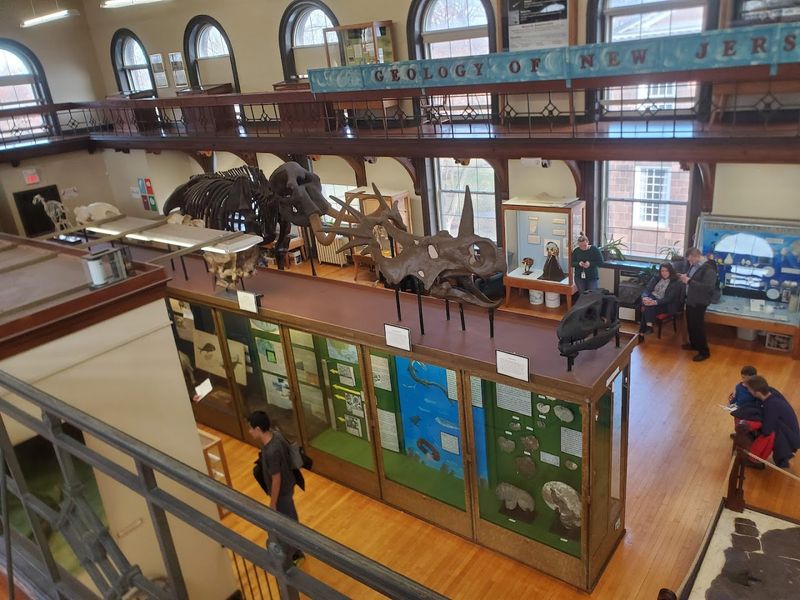
The combination of a mastodon skeleton, an Egyptian mummy, fluorescent minerals, meteorites, dinosaur fossils, and Native American artifacts in a single free museum on a university campus is unusual by any measure. Each element of the collection tells a different part of a very long story, and together they create an experience that rewards curiosity at every turn.
For New Jersey residents who have never made the trip to New Brunswick’s College Avenue campus, this museum is the kind of local discovery that tends to generate a familiar reaction: genuine surprise that something this interesting has been here all along, quietly waiting for people to find it.
Share this story