There is a place in Monmouth County, New Jersey, where a regular Tuesday can turn into a hands-on dinosaur dig, an art gallery tour, and a pirate ship adventure, all under one roof. Most families driving through Lincroft have no idea it exists, and that is exactly what makes it worth knowing about.
This compact but surprisingly rich museum packs art exhibits, science displays, and an indoor playground into a space that keeps kids genuinely busy for hours. Whether the weather outside is miserable or the kids simply need something new, this spot delivers a full day of discovery without requiring a long drive or a complicated plan.
A Museum With a Surprisingly Long History
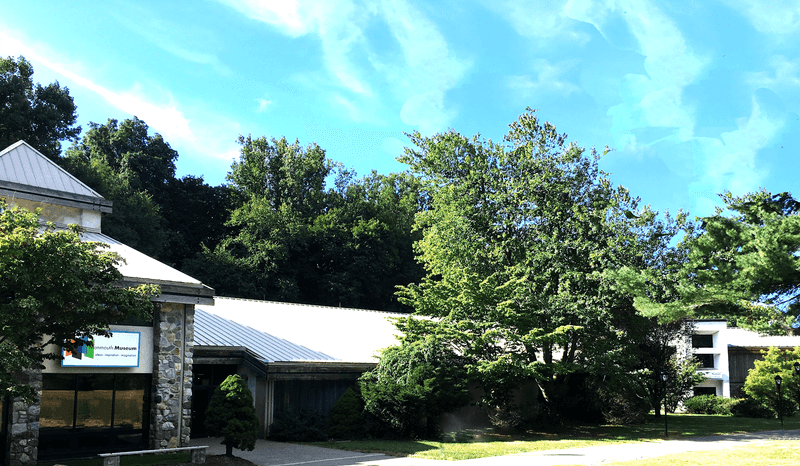
The Monmouth Museum has been part of the Lincroft community for decades, and its longevity says something real about how the region values it. It is not a flashy new attraction built around a single trend.
Instead, it has grown steadily over the years, rotating its exhibits and expanding its programming to stay relevant for families across generations.
More than one parent has mentioned bringing their own child here years ago and now returning with a grandchild. That kind of multigenerational loyalty is not common for small regional museums, and it reflects a commitment to keeping the experience fresh rather than static.
The museum is located on the campus of Brookdale Community College, which gives it an academic backdrop that feels appropriate for a place blending art, science, and culture. That college connection also opens doors for programming partnerships and exhibit rotations that keep the content evolving.
Repeat visits rarely feel identical to the last.
The Art Galleries That Actually Hold Attention
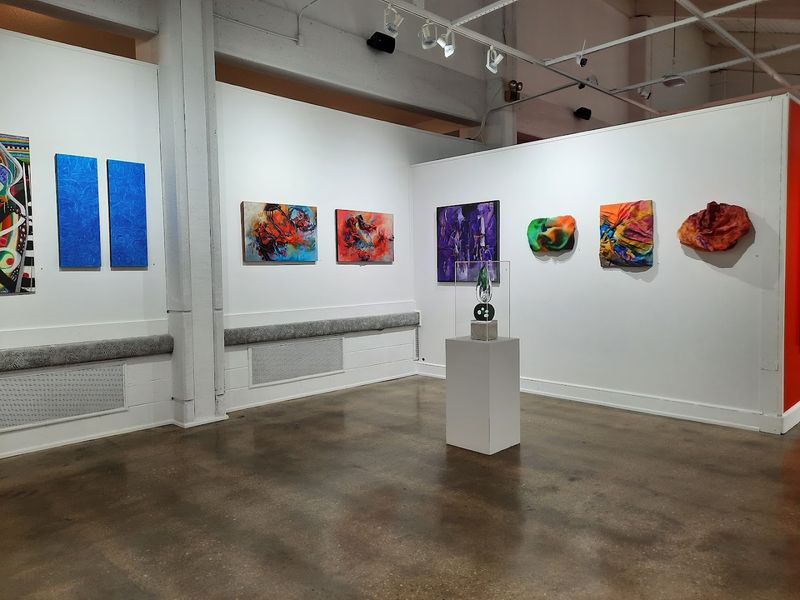
Art museums can feel intimidating for kids, but the gallery spaces at this museum work differently. The exhibits rotate regularly, meaning the artwork on display during one visit may be entirely replaced by the next.
That changing lineup gives repeat visitors a real reason to come back rather than assume they have already seen everything.
Past exhibits have included work tied to interactive technology, where the artwork connected to an app that let visitors hear artists describe their own pieces. That kind of engagement turns passive looking into an actual conversation between the art and the audience.
Local artists have also shown work here, with community art shows bringing fresh regional talent into the space on a regular basis. The gallery does not cater exclusively to children or exclusively to adults.
It manages to hold the attention of both at the same time, which is a harder balance to strike than it sounds. That balance is part of what makes this place work.
The Wonder Wing: Where Young Kids Take Over
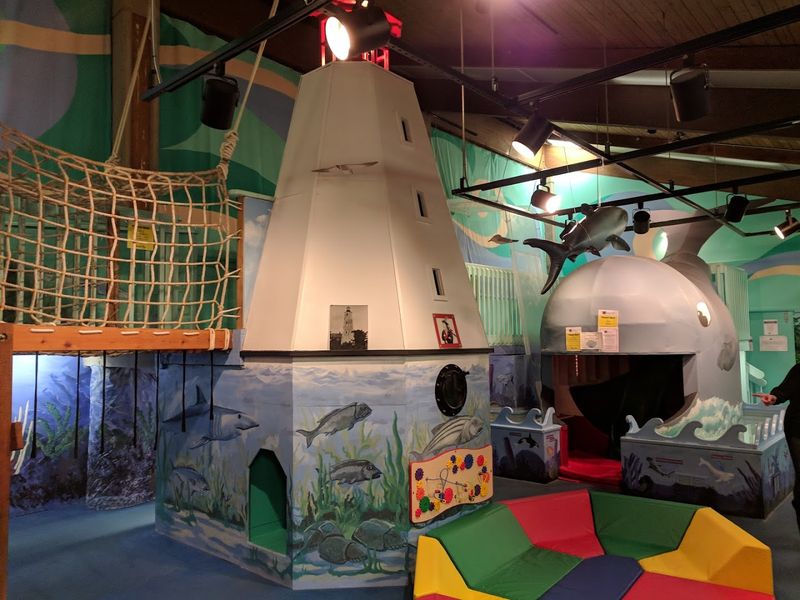
The Wonder Wing is the heart of the museum for families with younger children. This indoor playground area includes a pirate ship with a slide, a climbing net, a small treehouse structure, and enough open space for toddlers to move around freely without feeling crowded.
The play area is specifically designed for children six and under, which means parents with very young kids can relax knowing the space is scaled appropriately. The floor is clean, the equipment is colorful, and the general setup encourages active movement rather than passive screen-watching.
One detail that stands out: the Wonder Wing sometimes closes for private events, so checking the schedule online before visiting is genuinely useful advice. On a regular open day, the room tends to draw a steady crowd of toddlers and their caregivers, but it rarely feels overwhelmingly packed.
The pirate ship, in particular, has been a consistent favorite for kids who want to climb, explore, and pretend their way through an afternoon.
Dinosaurs, Fossils, and the Hands-On Dig Pit
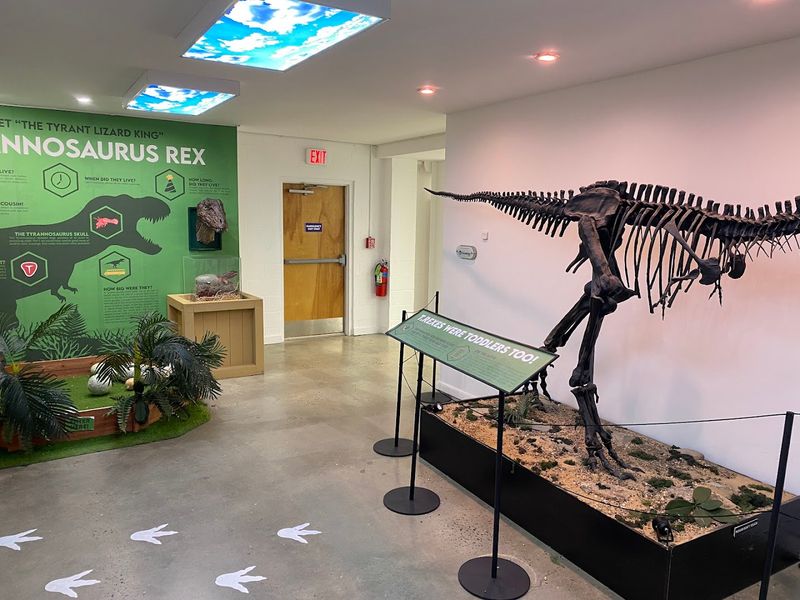
The dinosaur exhibit draws some of the most enthusiastic reactions from kids visiting the museum. The centerpiece is a hands-on dig pit where children can actually excavate and discover fossils embedded in the sand, giving them a tactile connection to paleontology that a glass display case simply cannot replicate.
This kind of participatory exhibit is exactly what separates a memorable museum trip from a forgettable one. Kids who get to use small brushes and tools to uncover a fossil tend to remember that experience long after the day ends.
The dig pit has been a consistent highlight for families with school-age children, particularly those already curious about prehistoric life.
The broader science section pairs well with the dinosaur area, offering additional context about natural history and the scientific process. Together, these exhibits create a mini natural history experience that punches well above its weight for a regional museum of this size.
The combination of education and hands-on activity is genuinely hard to beat for a weekday outing.
Space Exploration and Science Exhibits That Keep Kids Curious
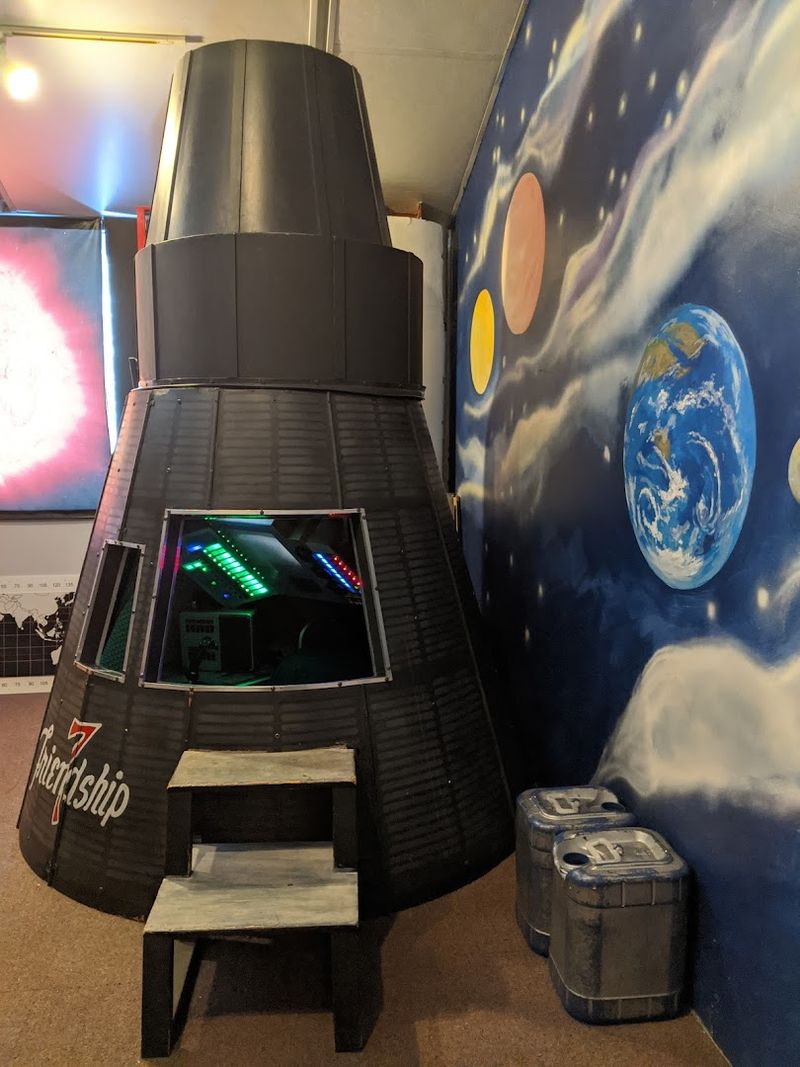
Beyond dinosaurs, the science section of the museum extends into space exploration, an area that has proven particularly popular with kids around the elementary school age range. The space-themed displays give children a framework for thinking about astronomy and exploration in a way that connects to their natural curiosity about what exists beyond Earth.
A six-year-old who might not sit still for a traditional classroom lesson can spend a surprisingly long time engaged with a space exhibit that lets them look, touch, and interact. That engagement is the whole point, and the museum seems to understand it well.
The science exhibits as a whole reflect the museum’s broader philosophy: learning works best when it does not feel like a chore. By mixing tactile activities with visual displays, the museum creates an environment where kids absorb information without realizing they are doing it.
Parents often find themselves genuinely interested in these sections too, which makes the whole outing feel like a shared experience rather than just a supervised activity.
The Craft Room: A Surprise That Earns Its Own Fan Base
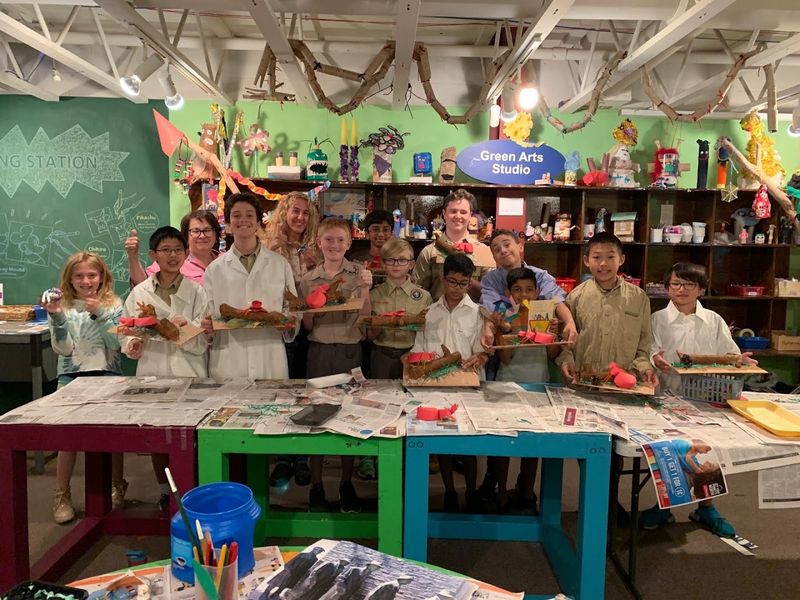
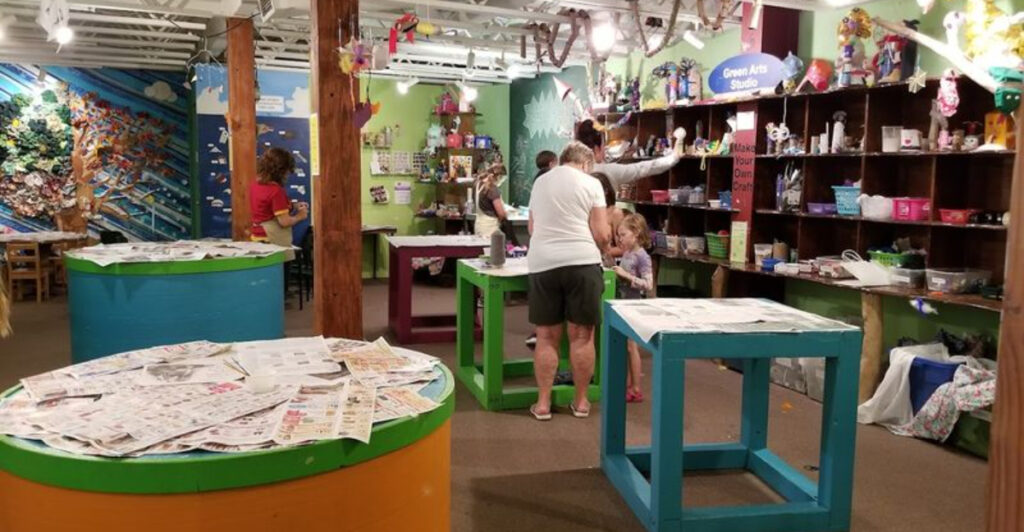
Tucked into the museum is a craft room that has developed its own reputation among regular visitors. The setup is clean, organized, and stocked with art supplies that children can actually use to create their own artwork, all included in the price of museum admission with no extra charge.
The room connects to the broader art theme of the museum, giving kids a chance to move from looking at art in the gallery to actually making something of their own. That transition from observer to creator is a meaningful one, and the craft room handles it well without requiring adult supervision for every step.
Craft activities tend to rotate alongside the exhibits, so the projects available during one visit may differ from the next. Some visits have included coloring stations, others have offered more structured art-making tied to the current gallery theme.
The variety keeps the room feeling fresh, and for many kids, it ends up being the part of the visit they talk about on the drive home.
Story Time and Programming for the Youngest Visitors
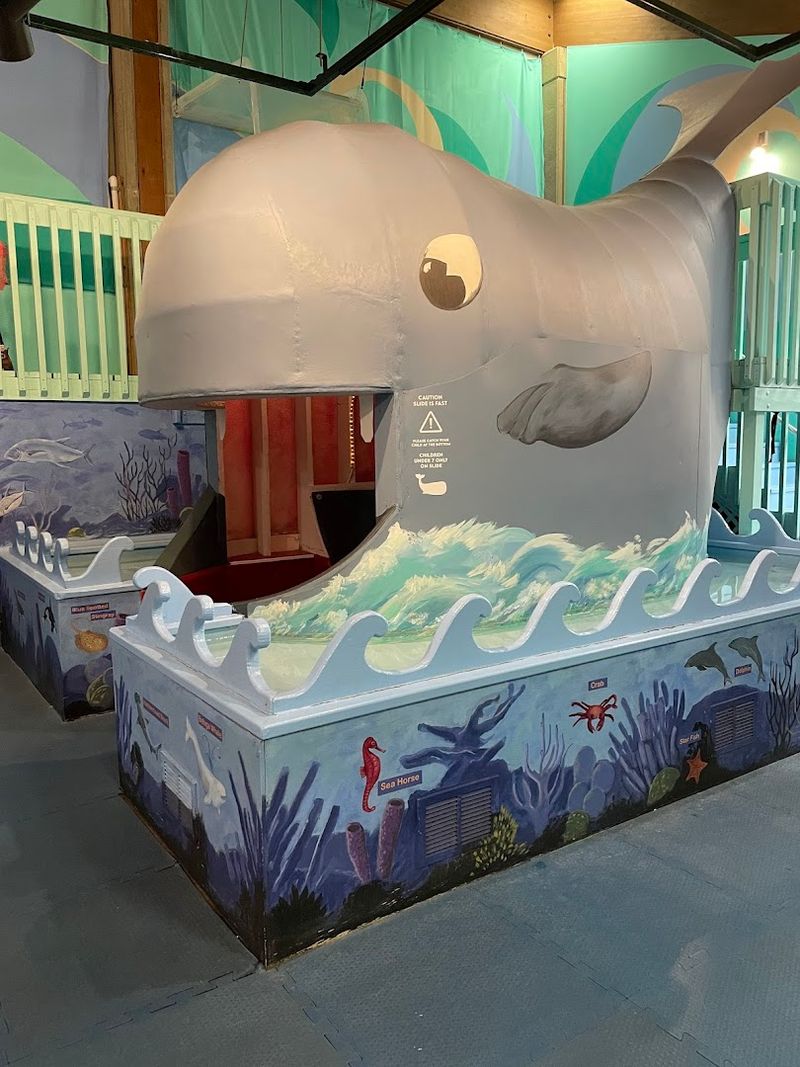
The museum does not stop at static exhibits. Regular programming for young children includes story time sessions that have been well-received by parents bringing toddlers who need a mix of active and quieter activities throughout a visit.
The ocean-themed play room, which has its own distinct setup separate from the main Wonder Wing, has been a draw for the youngest visitors. The combination of a themed environment and structured story time gives caregivers a reason to build the visit around a schedule rather than just wandering through at random.
Birthday parties can also be hosted at the museum, which adds another layer of programming to what the space offers. For families who want a party venue that doubles as an educational experience, this option has obvious appeal.
The museum’s ability to function as both a casual drop-in destination and a structured event space reflects the flexibility that keeps it useful to a wide range of families across different occasions and age groups throughout the year.
Rotating Exhibits That Give You a Reason to Return
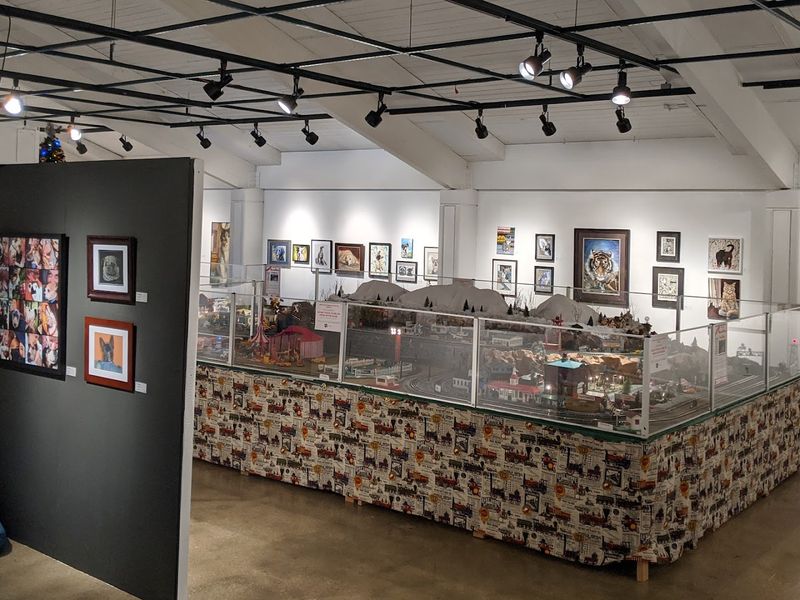
One of the strongest arguments for returning to the Monmouth Museum more than once is the rotating exhibit schedule. Unlike museums with permanent collections that rarely change, this one consistently brings in new shows that replace or supplement what was there before.
Past exhibits have covered topics ranging from Egyptian history, complete with a mummy display, to train installations and weather science demonstrations. The variety across subjects means that a child interested in ancient civilizations and a child obsessed with trains can both find something worth their attention, often during the same visit.
The artwork in the gallery follows the same rotation model, with new shows opening on a regular basis and local artists frequently featured alongside more curated exhibitions. This approach makes the museum feel like an active, living institution rather than a static archive.
For families who live within reasonable driving distance of Lincroft, that rotation schedule is a genuine incentive to mark the calendar and plan a follow-up trip every few months.
What the Museum Looks Like on a Quiet Weekday
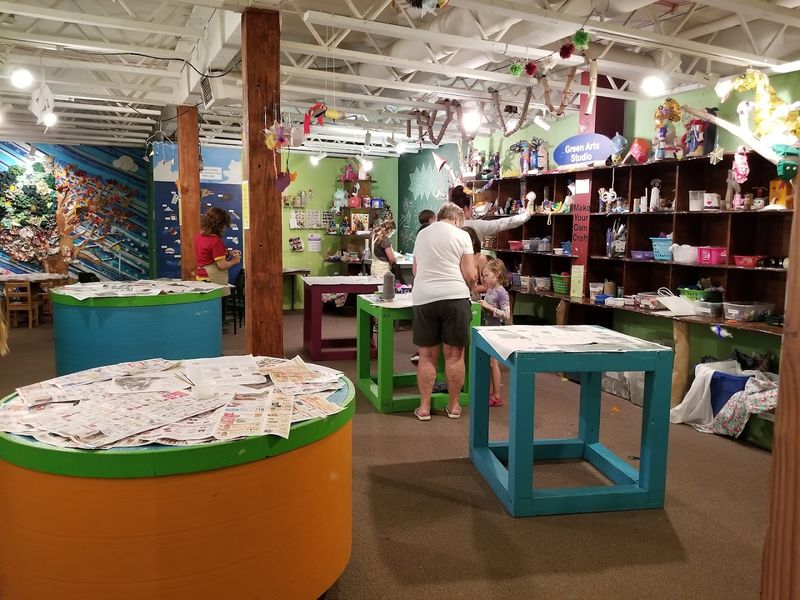
Timing a visit to the Monmouth Museum on a weekday makes a noticeable difference in the overall experience. Weekday mornings tend to draw smaller crowds, which means kids have more room to move through the exhibits at their own pace without the noise and congestion that weekends can bring.
A quieter visit also allows for more time at each exhibit without feeling rushed by the crowd behind you. The dig pit, the craft room, and the play areas all feel more accessible when the museum is not at full capacity, and staff tend to be more available for questions and interactions.
The museum opens at 10 AM Tuesday through Saturday and Sunday, making a mid-morning arrival a solid strategy for families who want to be there before the midday rush. Arriving early also leaves time to linger over exhibits without watching the clock.
For the full, unhurried experience, a Tuesday or Wednesday morning visit tends to hit the sweet spot between availability and energy.
Practical Tips Before You Pack the Car
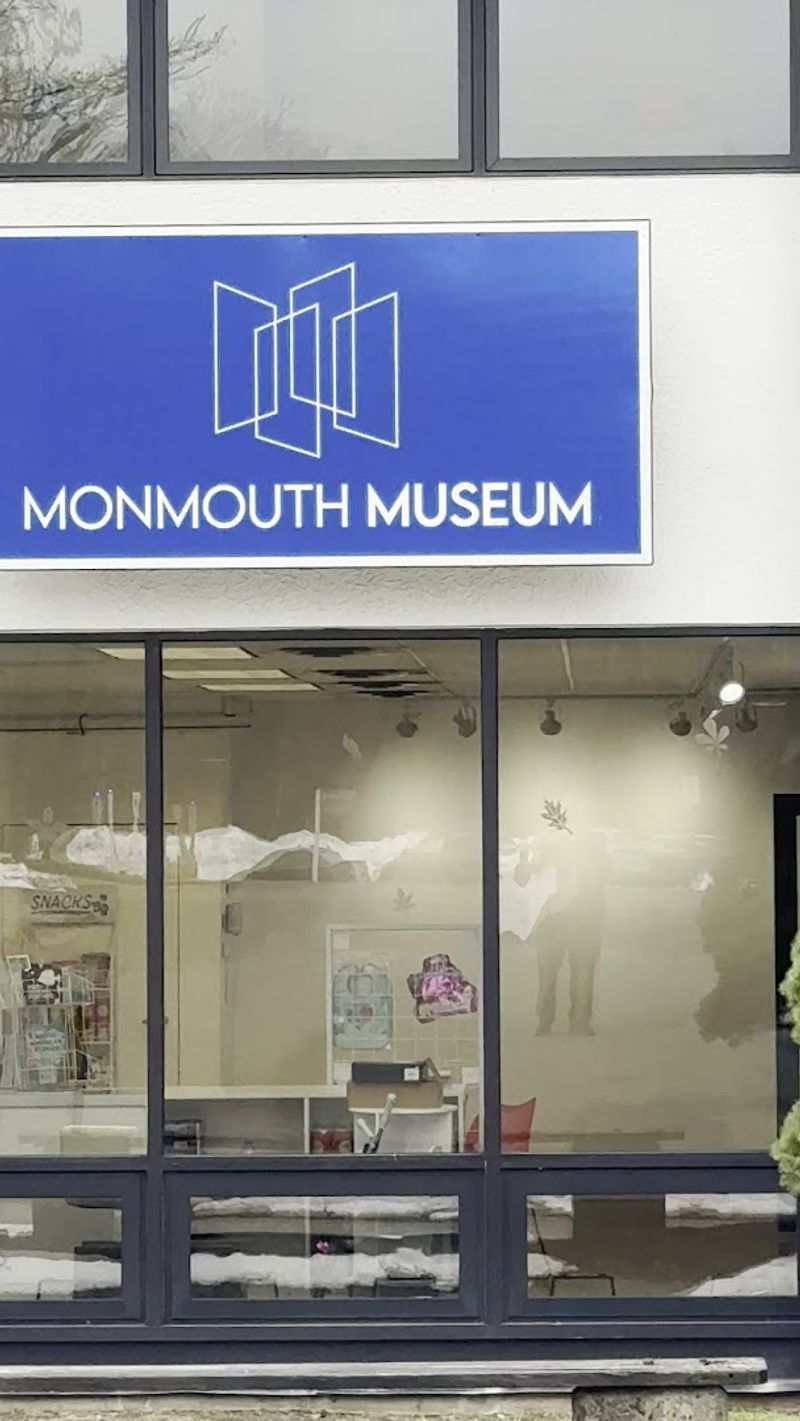
A few logistical details can make the difference between a smooth visit and a frustrating one. The museum’s website at monmouthmuseum.org is worth checking before leaving home, since play areas occasionally close for private events without much advance notice on social media.
The website tends to be the most reliable source for current scheduling.
Bringing a packed lunch is a practical move. The museum does not have an in-house cafe, but the outdoor area adjacent to the building works well for a midday break, assuming the weather cooperates.
Families who pack their own food avoid the scramble of finding a nearby restaurant with hungry, tired kids in tow.
Strollers are subject to some restrictions inside certain play areas, so parents with infants should check the specific rules before assuming full access. The museum is generally stroller-friendly in the open exhibit spaces, but the Wonder Wing and some interactive rooms have their own guidelines.
A quick call to the museum ahead of time clears up any uncertainty before arrival.
Why This Museum Deserves More Attention Than It Gets
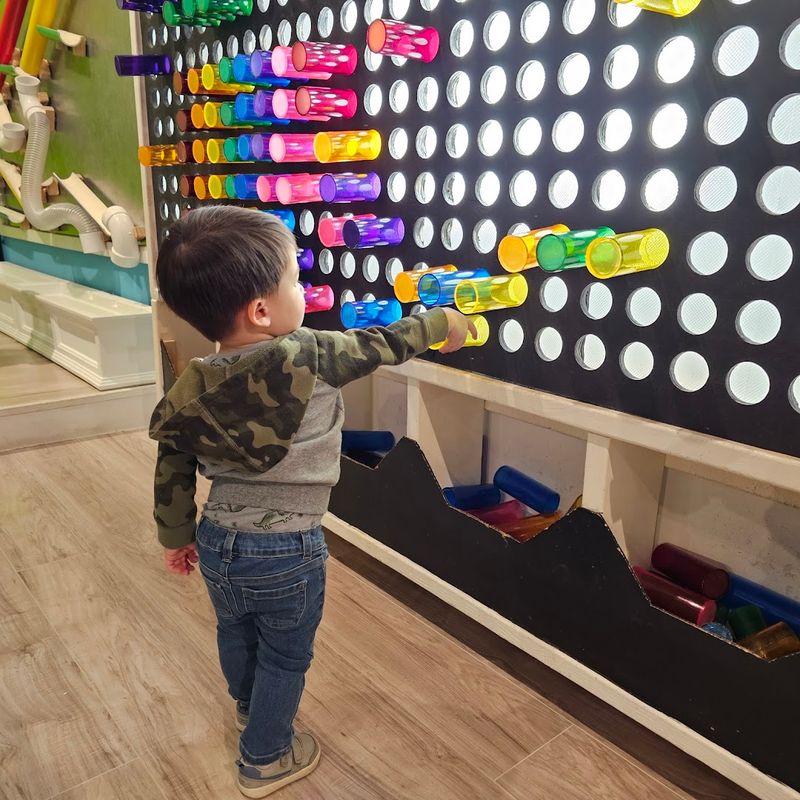
For a museum that covers art, natural science, cultural history, and children’s play all under one roof, the Monmouth Museum operates with a remarkably low profile outside of Monmouth County. Most families in the broader New Jersey area have simply never heard of it, which means they are missing an option that competes well with much larger and more expensive attractions.
The mix of rotating art exhibits, hands-on science displays, a dedicated children’s play wing, and regular programming gives the museum a range that is unusual for its size. It functions simultaneously as a gallery, a science center, and an indoor playground, which is a combination that most standalone attractions cannot match.
The museum is not perfect. Some exhibits need updating, and the experience varies depending on staffing and scheduling.
But for families looking for a day trip that delivers genuine variety without a long drive, this Lincroft spot holds its own. Sometimes the best finds are the ones that most people drive right past without stopping.
Where to Find It and What to Expect at the Door

The Monmouth Museum sits at 765 Newman Springs Rd, Lincroft, NJ 07738, and parking is straightforward since the building is clearly visible from Lot 1. The museum operates Tuesday through Sunday from 10 AM to 4 PM and is closed on Mondays, so planning ahead saves a wasted trip.
Admission runs around $14 per person for anyone over the age of one, which puts it in the mid-range for family outings in New Jersey. That price covers access to the art galleries, the science exhibits, and the children’s play areas, so there is no need to budget for add-ons once inside.
One practical tip worth noting: check the museum’s website at monmouthmuseum.org before heading out. Certain play areas occasionally close for private events or group tours, and the site usually posts those updates ahead of time.
Arriving informed makes the visit run much more smoothly from the start.
Share this story