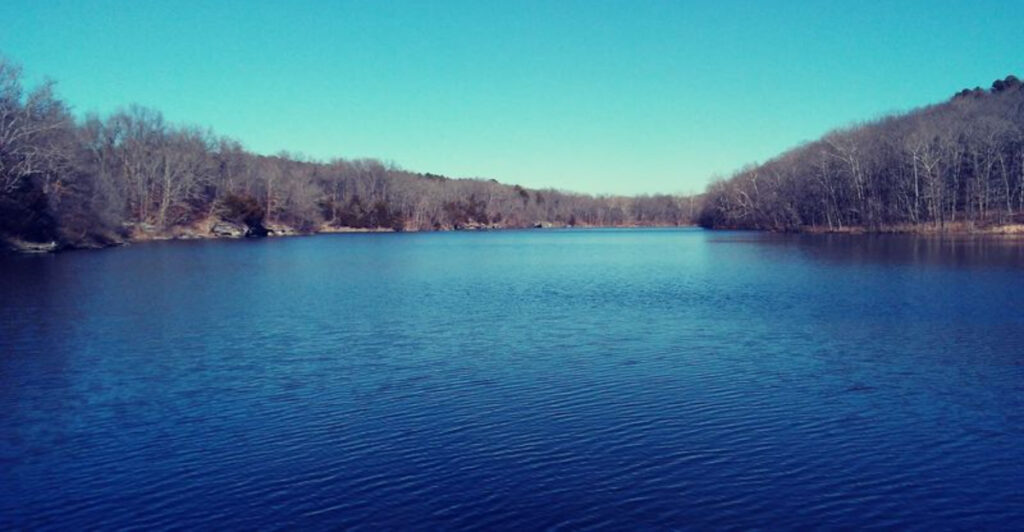
Most people driving through northeastern Oklahoma never slow down long enough to notice the quiet shimmer of water tucked between rolling hills and dense, undeveloped woodlands. That is a mistake worth correcting.
Lake Eucha sits in Delaware County, not far from the small town of Jay, and it holds some of the clearest, most surprisingly pristine water you will find anywhere in the state. The lake serves as a drinking water source for Tulsa, which means development around its shoreline has been kept to a minimum, and the result is a natural setting that feels almost untouched.
Whether you are a fisher, a camper, a paddler, or just someone who needs to sit near still water and breathe for a while, this lake has a way of delivering exactly what you came for.
Where Lake Eucha Actually Is and How to Get There
Lake Eucha rests in Delaware County in northeastern Oklahoma, roughly 20 minutes from the small town of Jay. The lake sits at approximately coordinates 36.365493, -94.9117284, and while it does not have a single grand entrance address, it is accessible via Oklahoma State Highway 20 and several county roads that wind pleasantly through the surrounding hills.
The drive itself is worth noting. The roads leading to the lake pass through quiet stretches of Ozark-influenced landscape, with tree lines thick enough to make you feel like you have left the modern world behind.
There are no sprawling commercial strips or fast-food signs crowding the approach.
The nearest town, Jay, offers basic supplies and fuel, so it is smart to stock up before heading out. Cell service can be spotty near the water, which, depending on your personality, is either a minor inconvenience or the entire point of the trip.
First-time visitors often say the lake surprises them the moment it comes into view.
The Remarkable Clarity of the Water
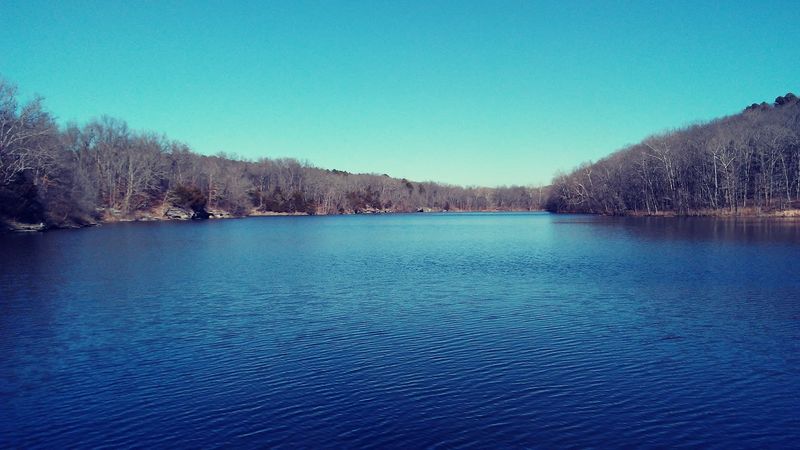
Not every Oklahoma lake can claim truly clear water, and that distinction matters more than it might seem at first. Lake Eucha stands apart because it functions as a primary drinking water reservoir for the city of Tulsa, which means the surrounding land has been kept largely free of heavy development, agricultural runoff, and industrial interference.
The result is water that carries a noticeable clarity on calm days, especially in the quieter coves away from boat traffic. The bottom becomes visible at surprising depths, and the color shifts from a pale green near the shallows to a deeper blue out toward the center of the lake.
Paddleboarders and kayakers particularly appreciate this quality because the experience of gliding over visible water feels completely different from paddling across a murky surface. The water quality is monitored regularly by Tulsa city officials, which adds a layer of reassurance that is hard to find at less-regulated lakes across the state.
Clear water here is not an accident; it is a protected feature.
A Deep and Layered History Beneath the Surface
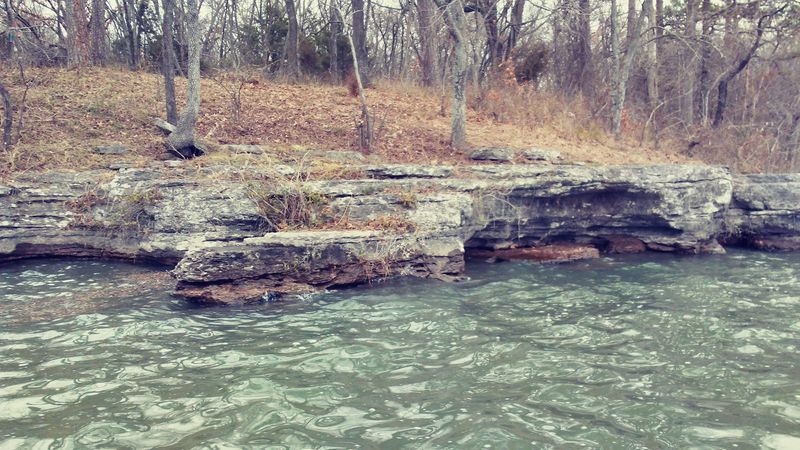
The story of this lake goes back much further than the dam that created it. The exposed rock formations along the shoreline contain fossils estimated to be around 450 million years old, offering a quiet but remarkable connection to a world that existed long before any human set foot here.
Beyond geology, the area carries rich cultural history. The Osage people had a presence here, and the Trail of Tears passed through this region, leaving behind a legacy that still shapes the local identity of northeastern Oklahoma.
Chief Utsaleta, a Cherokee leader, built his home near a cave he named the Powderhorn due to its distinctive shape, and he lived there until 1891.
In 1930, a man known as Big Jim Pilkington established the Powderhorn botanical garden nearby. Then in 1935, the Works Progress Administration built a schoolhouse on the grounds that now serves as a community pavilion.
Every layer of this place has a story attached to it, and the land holds all of them quietly.
Fishing That Keeps Anglers Coming Back
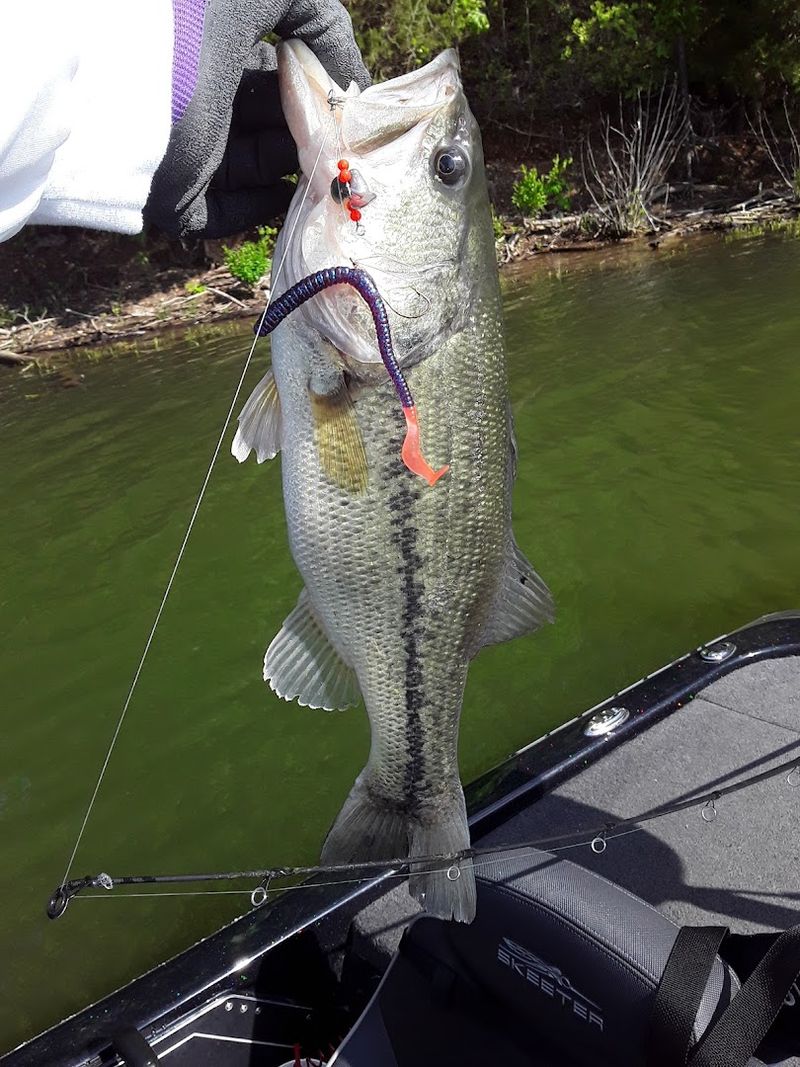
Few things pair as naturally as a clear-water reservoir and good fishing, and Lake Eucha delivers on both counts with consistency. The lake is well known among local anglers for producing healthy populations of crappie, largemouth bass, and channel catfish, making it a reliable destination regardless of which species you are chasing on a given day.
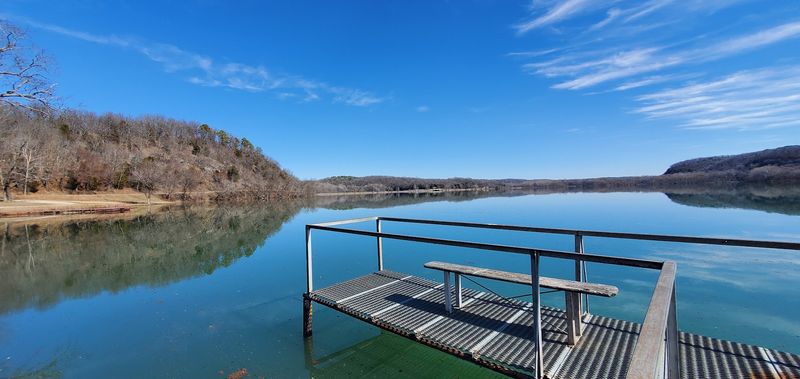
Multiple public boat ramps are scattered around the lake, making it easy to launch a vessel without fighting for space. Dock fishing is also available near the dam area, which gives shore-bound anglers a solid option that does not require a boat at all.
The surrounding creeks that feed into the lake are also productive spots, especially during seasonal transitions when fish move into shallower water.
The fishing culture here feels relaxed and unpretentious. Regulars often arrive early, set up without fuss, and spend the better part of a day doing exactly what they came to do.
The lake rewards patience, and the setting makes the waiting feel like a reward rather than a burden. Bring enough snacks to last the full session.
Camping Along the Shoreline
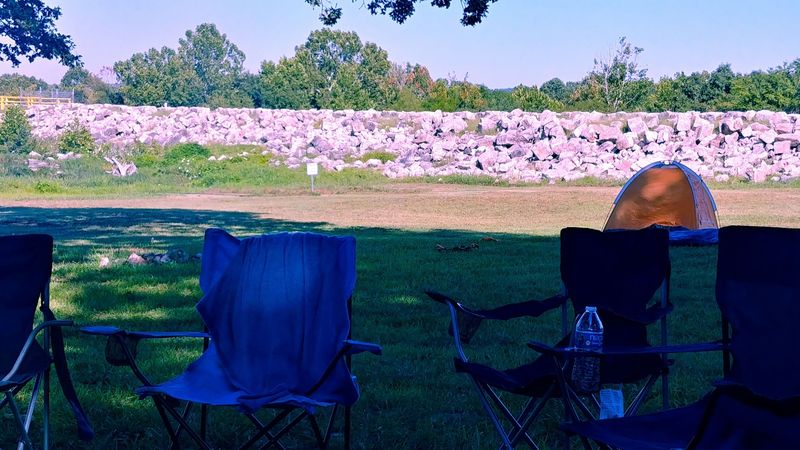
Camping at Lake Eucha leans toward the primitive side, which is genuinely part of its appeal. The area near the dam offers dry camping for a fee that has historically been around four dollars per night, making it one of the more affordable outdoor overnight experiences you can find anywhere in Oklahoma.
Facilities are minimal by design. Expect a toilet on site, but plan to bring your own supplies for everything else.
There is no electric hookup, no camp store, and no organized activity schedule, which is exactly the kind of setup that certain campers actively seek out. The quiet here at night is the kind that city dwellers forget exists.
The surrounding woodland provides natural shade and a sense of enclosure that makes the campsite feel more private than it actually is. RV campers have used the area as well, though the primitive conditions mean those with full hookup expectations will need to adjust their mindset.
The reward for that adjustment is waking up to birdsong and lake mist rather than traffic noise. That trade-off is hard to argue with.
Paddleboarding and Kayaking on Calm Water
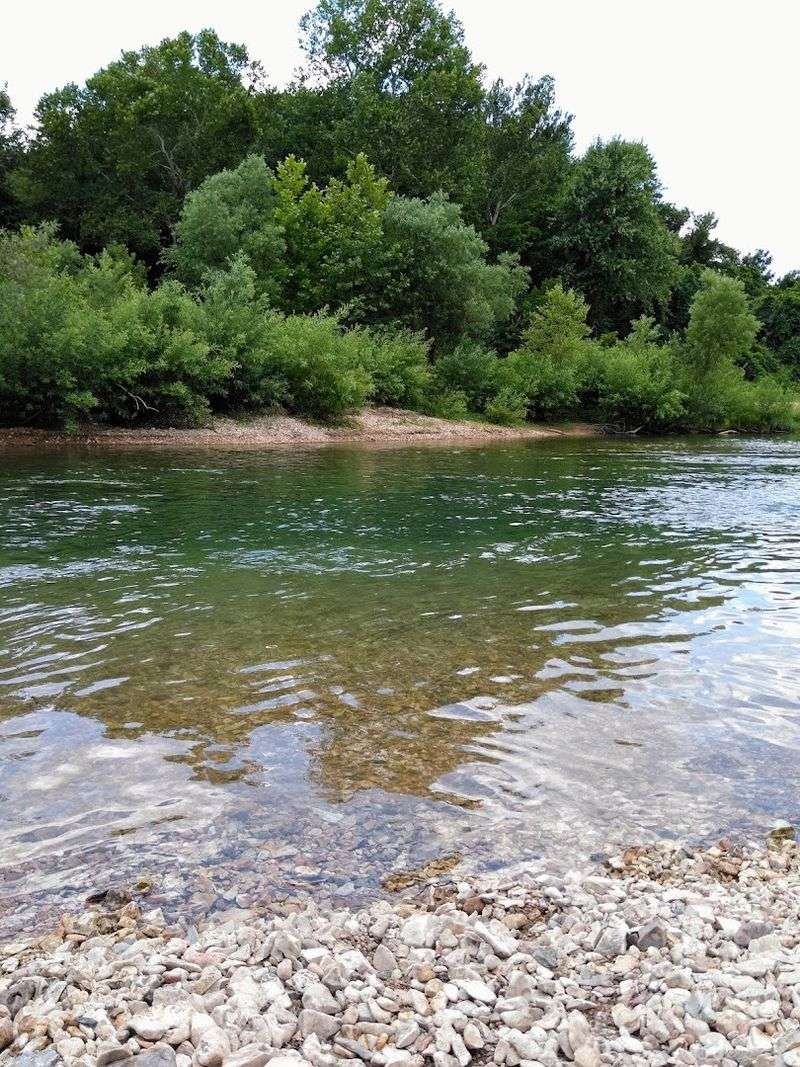
On mornings when the boat traffic is light, Lake Eucha transforms into something that paddleboard and kayak enthusiasts specifically seek out. The water sits calm and glassy in the early hours, and the clarity of the surface makes the experience of paddling feel more immersive than it does on most other lakes in the region.
Children who are just learning to paddleboard find the conditions here more forgiving than on larger, busier reservoirs. The water does not chop up from heavy wake activity in the quieter areas, which gives beginners room to find their balance without getting knocked around.
Dogs apparently enjoy it too, based on more than one account from visitors who brought their pets along for the ride.
Kayakers can explore the coves and creek inlets that branch off from the main body of the lake, discovering pockets of shoreline that feel genuinely remote. The combination of clear water and wooded surroundings makes for a paddling experience that is visually engaging from start to finish.
Pack a dry bag and bring a camera, because the reflections alone are worth the effort.
The Natural Setting and Undeveloped Shoreline
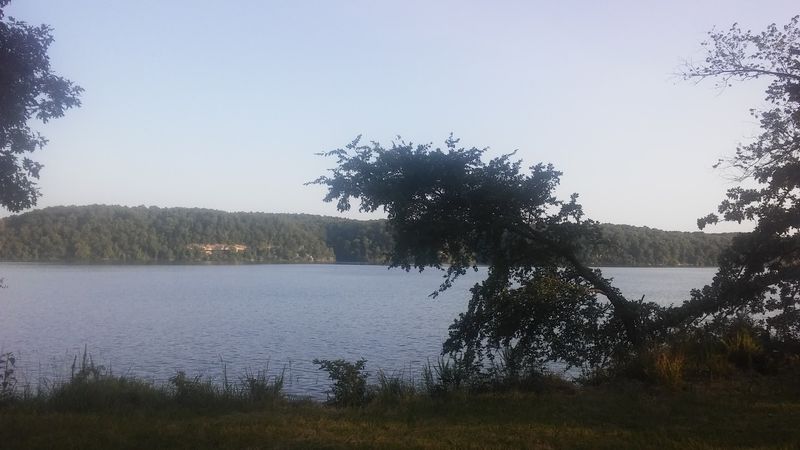
One of the most striking things about Lake Eucha compared to other Oklahoma reservoirs is how little of the shoreline has been built up. Because the lake feeds the Tulsa water supply, strict regulations limit the kind of commercial and residential development that tends to crowd other popular lakes in the state.
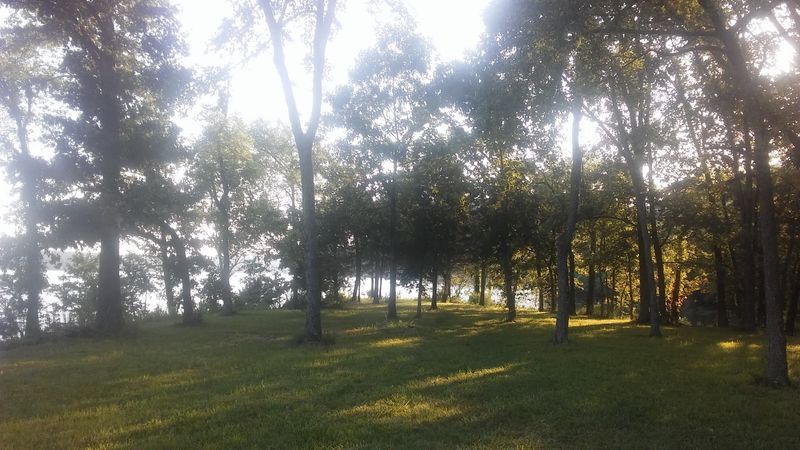
The result is a shoreline that looks largely the same as it did decades ago. The woodlands that surround the water are dense and varied, with a mix of oak, hickory, and cedar that shifts color dramatically in the fall.
The hills that frame the lake give it a topography that feels more like the Ozarks than the flat plains many people associate with Oklahoma.
Wildlife is present and visible with patience. Herons are a common sight along the shallower edges, and deer frequently appear near the tree line in the early morning and late afternoon hours.
The absence of neon signs, boat rental shacks, and lakeside souvenir shops is not a lack of something; it is the entire point of coming here. The landscape does the work without any assistance.
Photography Opportunities Around the Lake
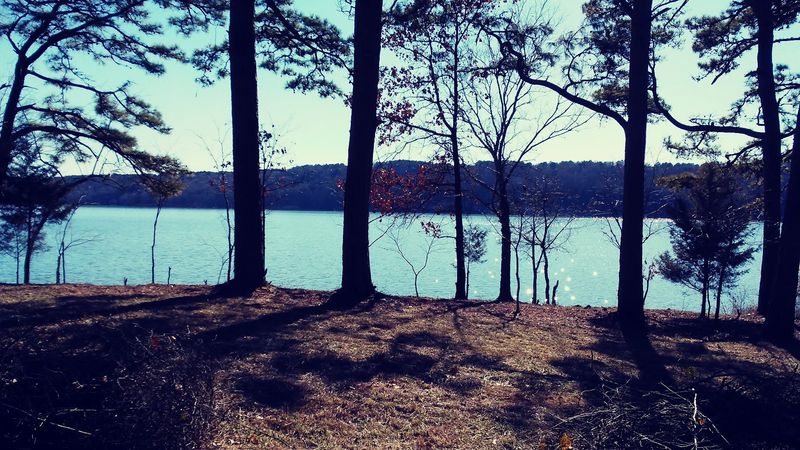
Lake Eucha earns high marks from photographers who discover it, and the reasons become obvious the moment the light hits the water at the right angle. The combination of clear water, undeveloped shoreline, forested hills, and exposed rock formations creates a visual range that keeps a camera busy for an entire day without much effort.
Golden hour at the lake is particularly rewarding. The western hills catch the late afternoon sun and cast warm tones across the water’s surface, and the reflections that form on calm evenings have a mirror-like quality that makes wide-angle shots genuinely striking.
The fossil-embedded rock formations along the shore add a textural element that close-up and macro photographers will find endlessly interesting.
Wildlife photography is also viable here, with herons, kingfishers, and various waterfowl making regular appearances near the quieter inlets. The accessible boat ramps and surrounding roads make it easy to reposition without a long hike between shots.
Visiting photographers from outside the state consistently express surprise at how much visual material a single day at this lake produces. The place photographs well without needing any flattery.
The Best Times of Year to Visit
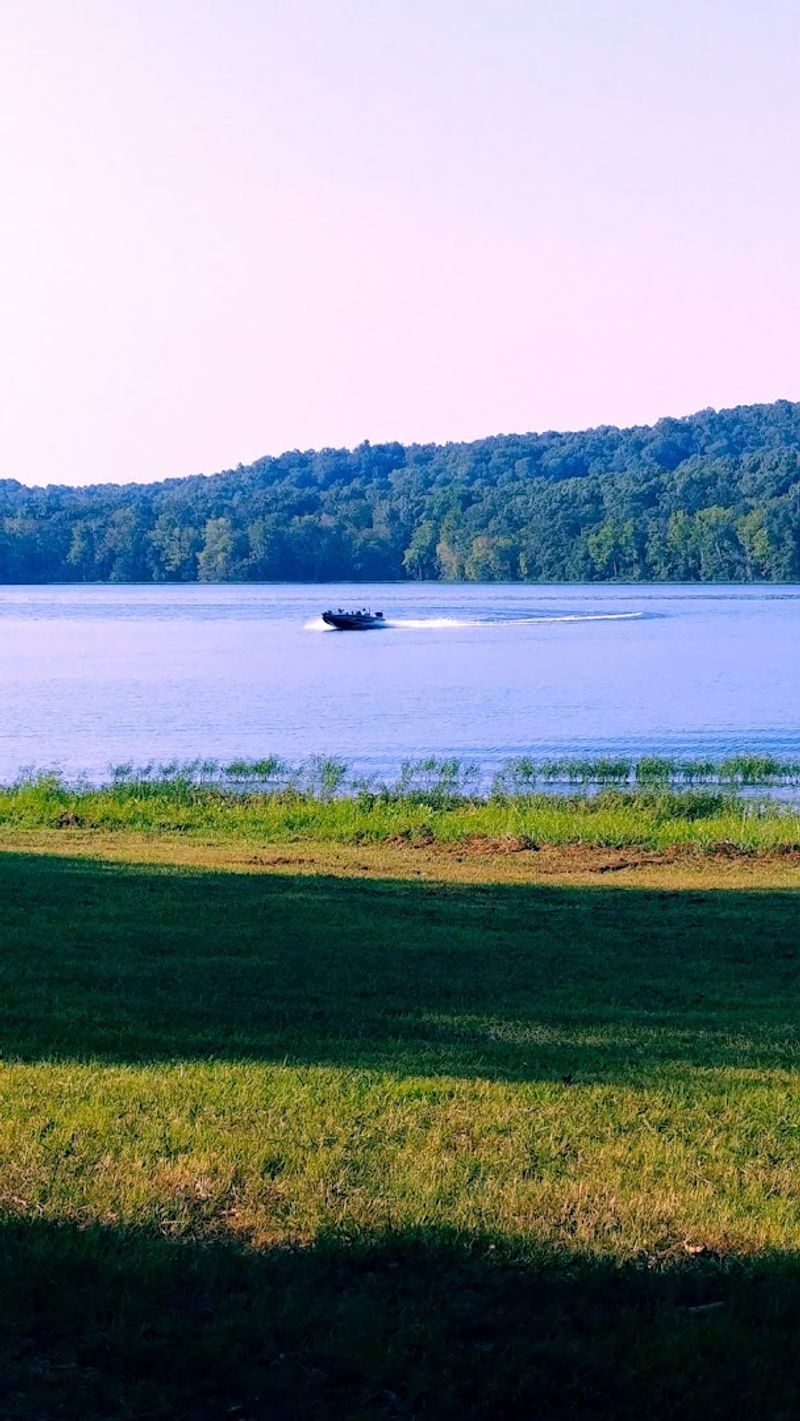
Lake Eucha holds appeal across multiple seasons, but the experience shifts noticeably depending on when you show up. Spring is widely regarded as one of the best windows, when the surrounding woodland fills in with fresh green growth and the fishing activity picks up as water temperatures climb.
Wildflowers appear along the shoreline roads and add color to an already scenic drive.
Fall is the other standout season. The mix of oak and hickory trees surrounding the lake produces a foliage display that rivals anything in the region, and the cooler temperatures make hiking and paddling far more comfortable than summer allows.
The crowds also thin out considerably after Labor Day, which means more space and quieter water.
Summer brings the warmest conditions and the most activity, with families camping and boating throughout the warmer months. Winter visits are possible and genuinely peaceful for those who enjoy solitude, though some facilities may be limited.
The lake sits about 20 minutes from Jay, Oklahoma, which provides a reasonable base for multi-day visits in any season. Timing your arrival for a weekday adds a noticeable bonus of extra quiet.
Practical Tips for Your First Visit
A few practical details go a long way toward making a Lake Eucha trip run smoothly. The lake is a Tulsa water supply reservoir, which means swimming in the main body of water is prohibited and carries a significant fine.
The creek areas nearby have historically been used for water recreation, so check current local guidelines before making any plans around that activity.
Bring your own supplies for camping, including toilet paper if you plan to use the primitive facilities near the dam. Cell coverage is unreliable in several parts of the lake area, so downloading offline maps before leaving town is a sensible step.
The boat ramps are public and generally well maintained, but arriving early on weekends ensures easier access during busy periods.
Trash receptacles are available at some access points, and keeping the area clean is both a courtesy and a genuine necessity for a lake that serves as a drinking water source. Fishing licenses are required for anyone over 16, and Oklahoma state regulations apply throughout.
The four-dollar-per-night camping fee near the dam makes this one of the most budget-friendly overnight outdoor options in the entire state.
Share this story