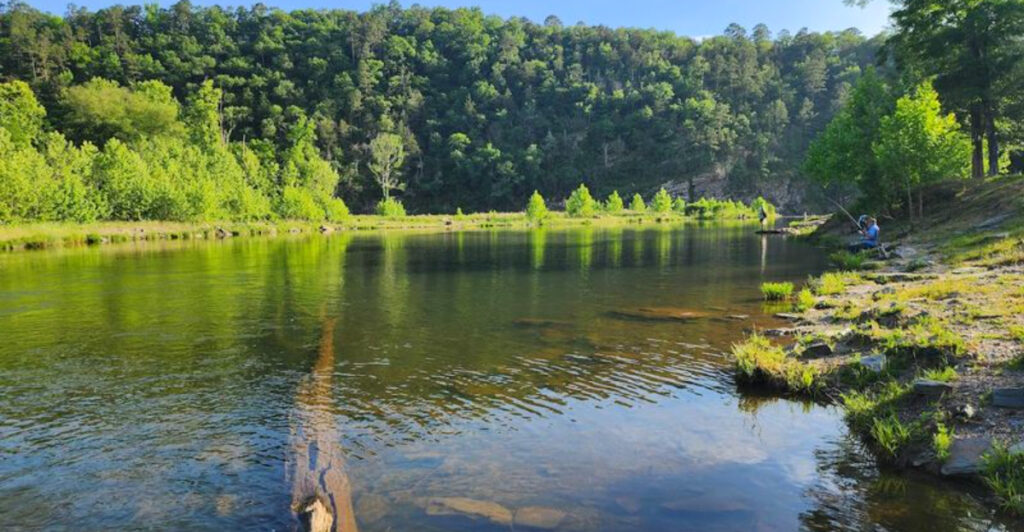
There is a corner of southeastern Oklahoma where tall pine trees rise so high they block out the midday sun, where a cold, clear river winds through forested hills, and where the air smells like rain and cedar all at once. Most people outside the region have never heard of this place, and honestly, that is part of what makes it so special.
The trails here thread through some of the most quietly dramatic scenery in the entire south-central United States. From mossy creek banks to sweeping ridge views, every turn in the path feels like a page from a storybook.
If you have been searching for a nature escape that rewards you with real beauty without a massive crowd or a long flight, keep reading because this park delivers in ways that are hard to put into words.
Where the Fairytale Begins: Location and First Impressions
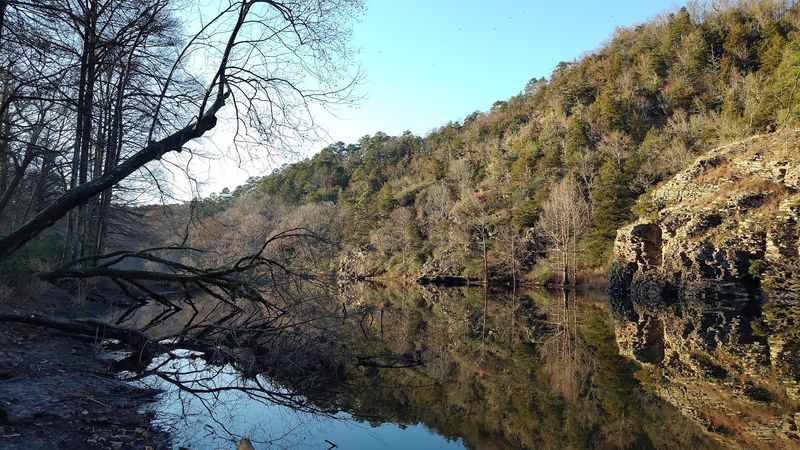
The address reads 4350 OK-259A, Broken Bow, OK 74728, and the drive to get there is already half the adventure. Beavers Bend State Park sits in the Ouachita Mountains of southeastern Oklahoma, a region that most people driving through Texas or Arkansas never think to detour toward.
The moment you turn off the main highway and the tree canopy closes in above the road, something shifts. The pines here are tall and straight, and the forest floor is thick with ferns and fallen needles that muffle sound in a way that feels almost deliberate.
The park covers more than 1,300 acres and includes the Mountain Fork River running right through its heart. That river is the kind of water that makes you want to sit beside it for hours, clear and cold and moving with quiet purpose.
First-time visitors often say the park feels much larger than they expected, and that the transition from highway to wilderness happens fast enough to feel like crossing a threshold. The park is open 24 hours a day, every day of the week, and the phone number for the park is +1 580-494-6300 if you need to plan ahead.
The Mountain Fork River and Why It Steals the Show
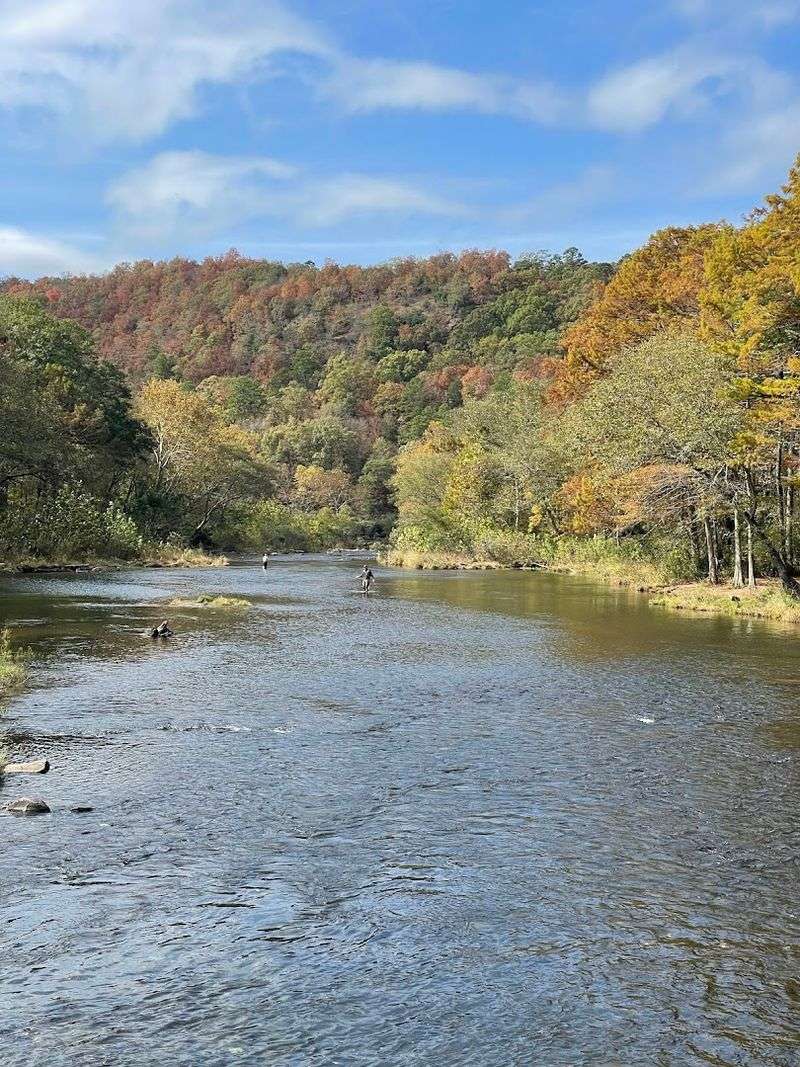
Cold, clear, and running through the middle of the park like it owns the place, the Mountain Fork River is the heartbeat of Beavers Bend. The water here is fed partly by the releases from Broken Bow Lake upstream, which keeps it unusually cold and clean year-round.
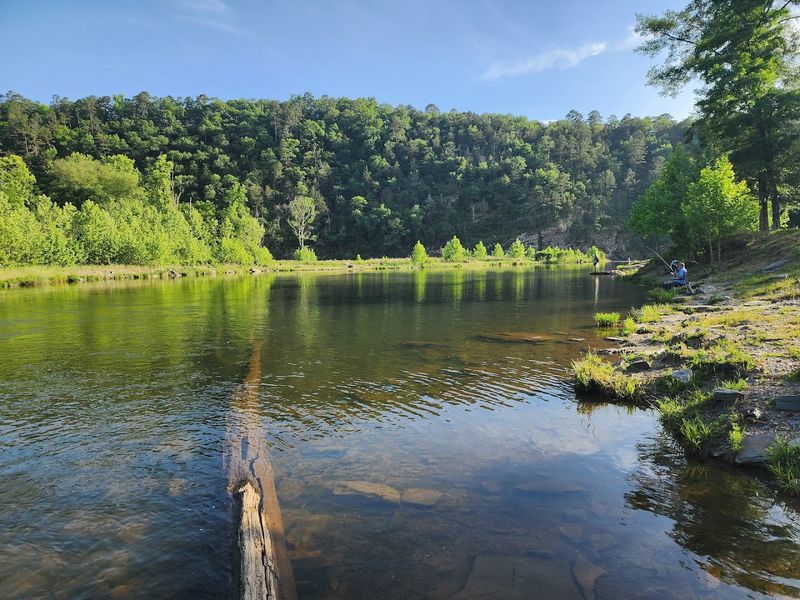
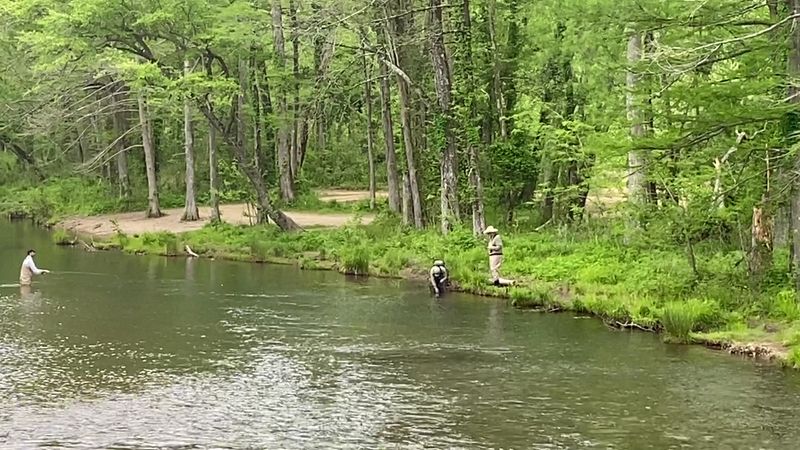
That cold temperature is exactly why the river is one of the best trout fishing spots in Oklahoma. Rainbow trout and brown trout thrive in these waters, and the riverbanks are dotted with foot bridges that give anglers a perfect perch over the current without needing a boat.
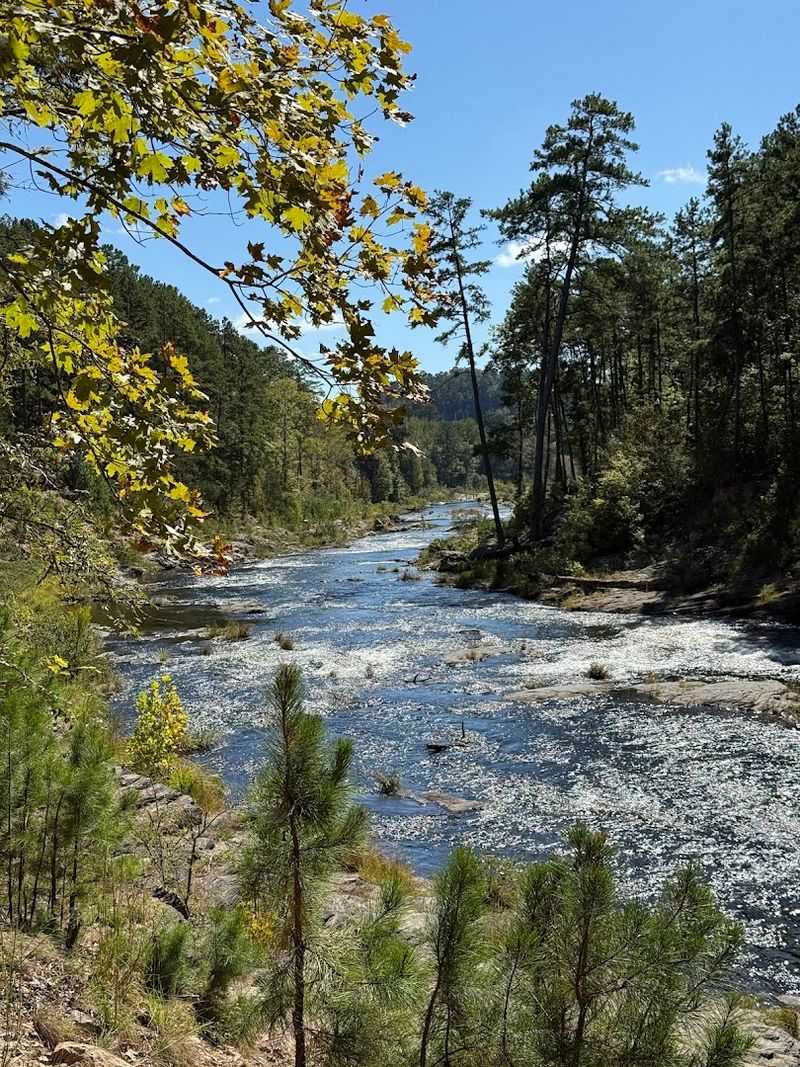
Even if fishing is not your thing, the river earns its place as a must-see. The banks are lined with smooth stones and shaded by overhanging trees, and in the fall, the reflection of orange and red leaves on the surface turns the whole scene into something out of a nature documentary.
One thing to keep in mind: the park uses a siren system to alert visitors when water is being released from the powerhouse downstream. If you hear it, move away from the river’s edge and head uphill.
It sounds alarming the first time, but it is a well-managed safety system.
Trails That Wind, Climb, and Surprise You
The trail system at this park is genuinely varied, which means there is something here whether you want a gentle riverside stroll or a proper leg-burning climb. The Friends Trail is one of the most beloved routes, winding through the woods and along the river with plenty of spots to stop, breathe, and take it all in.
The Cedar Bluff Trail offers a different kind of reward. It takes you up through the pines and delivers sweeping views from the bluffs above the river that make the effort feel completely worthwhile.
The trail markers can be a little tricky to follow in a few spots, so downloading a trail map before you arrive is genuinely good advice since cell service inside the park is limited.
Dogs are welcome on the trails, which makes this park a favorite for people traveling with pets. The paths are well-maintained and clearly marked in most sections, and the park staff are known for being helpful when you need directions or a hand-drawn map to point you in the right direction.
Even in winter, these trails hold their charm. The bare branches open up views that are hidden in summer, and the quiet that settles over the forest in the colder months has its own kind of magic.
Kayaking and Paddling on the Mountain Fork
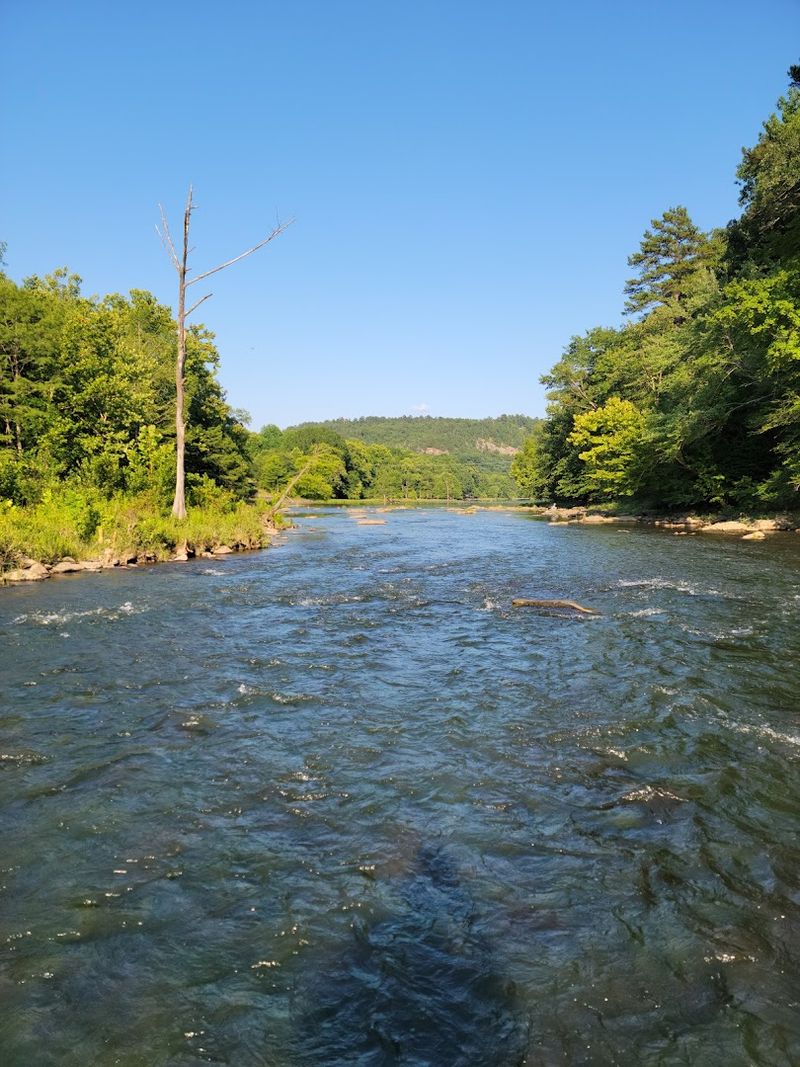
Paddling the Mountain Fork River is one of those experiences that people keep coming back for, and it is easy to see why once you are out on the water. The river moves at a pace that is manageable for beginners while still offering enough current to keep things interesting for more experienced paddlers.
Several rental outfitters operate near the park, including Tree Frog Kayak and Canoe Rentals, which has built a solid reputation for being accommodating and friendly, especially with first-timers who have never held a paddle before. The staff there have a way of making nervous beginners feel comfortable almost immediately.
One thing worth knowing before you go: water releases from the powerhouse can change conditions on the river quickly. On days when a release is scheduled, some sections near the dam become off-limits for kayaking and wading.
The park and local outfitters will let you know in advance, and there are alternative put-in spots a couple of miles upstream that still offer a beautiful four-hour paddle.
The scenery from the water is different from anything you see on the trails. The forest walls rise up on both sides, and around certain bends the river feels completely remote, like you have paddled your way out of the modern world entirely.
The Dam, the Spillway, and the Views You Did Not Expect
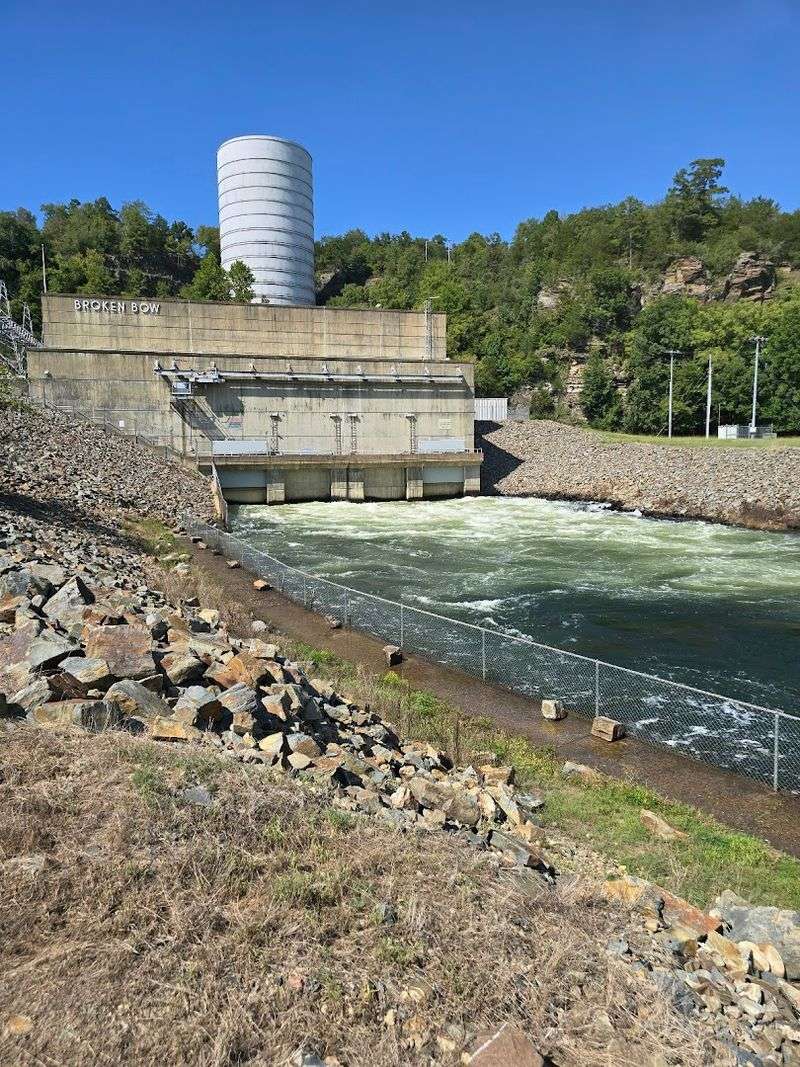
Not everyone thinks to visit the dam when they come to a state park, but at Beavers Bend, it is one of the most impressive stops on the entire property. The Beavers Bend Dam overlook gives you a wide, open view of Broken Bow Lake framed by rolling forested hills, and it is the kind of sight that makes you reach for your phone camera immediately.
The spillway is a separate stop and worth treating as its own destination. The two structures look completely different from one another, and together they tell the story of how this landscape was shaped and managed over decades.
The engineering is impressive, but the scenery around it is what lingers in your memory.
From the Broken Bow overlook at the top of the mountain, the lake spreads out below with distant hills layered behind it in shades of blue and green. On a clear day, the view stretches far enough to feel genuinely grand, and the drive up to reach it is scenic enough to justify the trip on its own.
These viewpoints are accessible by car, which means even visitors who are not up for a long hike can experience some of the park’s most dramatic perspectives without breaking a sweat.
Camping Under the Pines: Sites, Cabins, and Stargazing
Spending a night inside the park changes the whole experience. The park offers a range of accommodation options, from primitive campsites to RV hookups to fully furnished cabins, and each one comes with the same soundtrack: wind through the pines, frogs along the river, and a silence deep enough to actually notice.
The Cypress campground is a popular choice for RV travelers, with clean facilities and enough space to feel comfortable without feeling crowded. Cabin guests often mention that the sound of birds and insects at night is one of the most relaxing things they have ever fallen asleep to, which is not something you can say about most lodging options.
One practical heads-up that comes up again and again from regular visitors: cell service inside the park is essentially nonexistent. Download your maps, playlists, and anything else you need before you arrive.
Most people end up treating the lack of signal as a feature rather than a problem, and the forced disconnection turns out to be one of the highlights of the trip.
Stargazing from the campground is genuinely spectacular on clear nights. The park sits far enough from city light pollution that the sky fills up with stars in a way that surprises even people who thought they had seen a good night sky before.
The Nature Center and a Slice of Oklahoma History
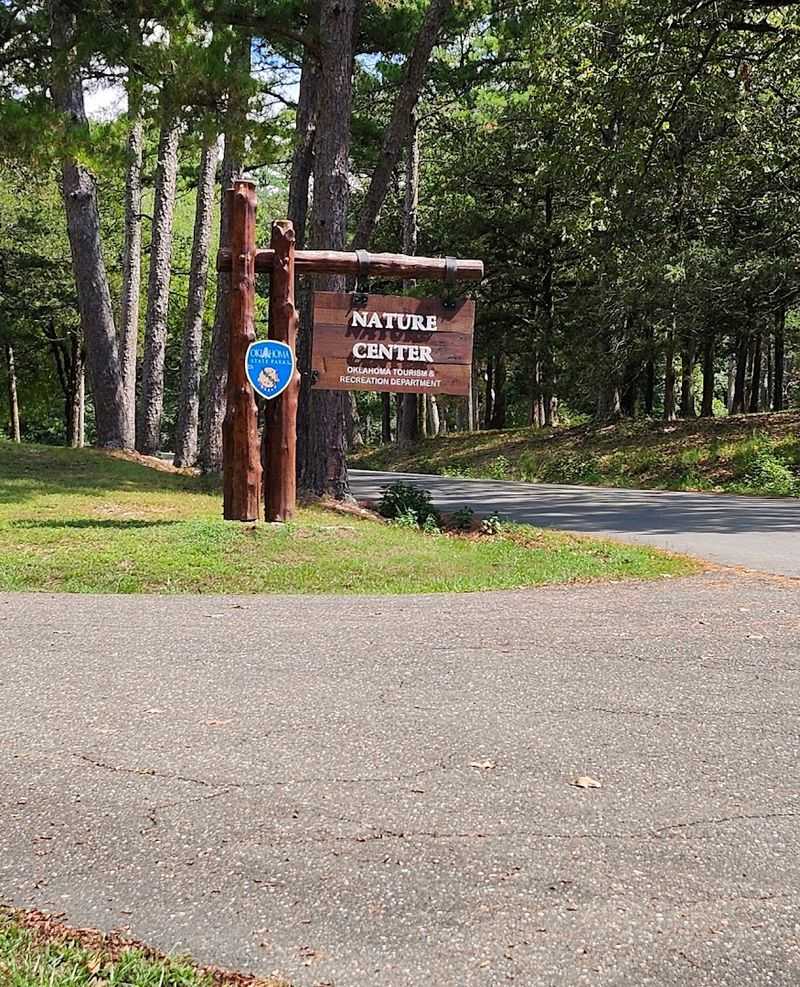
Tucked inside the park is a nature center and small museum that adds a genuinely educational layer to the visit. The exhibits cover the natural history of the Ouachita Mountains region, including the wildlife, geology, and cultural history of southeastern Oklahoma, and they are presented in a way that holds the attention of both kids and adults.
The museum section includes artifacts and historical items that give context to how this land was used and valued long before it became a state park. It is a quieter stop on the park itinerary, but it rewards visitors who take the time to slow down and read the displays rather than rushing through.
For families traveling with children, the nature center is a practical anchor point during the day. It is a good place to regroup, cool off, and learn something that makes the rest of the park experience feel more meaningful.
Rangers and staff there are typically knowledgeable and happy to answer questions about the local ecosystem.
Oklahoma has a rich and layered natural history, and the Ouachita region is one of the most biologically diverse corners of the state. The nature center does a solid job of capturing that story in a space that feels welcoming rather than overwhelming.
Fall Foliage That Turns the Whole Park Gold and Red
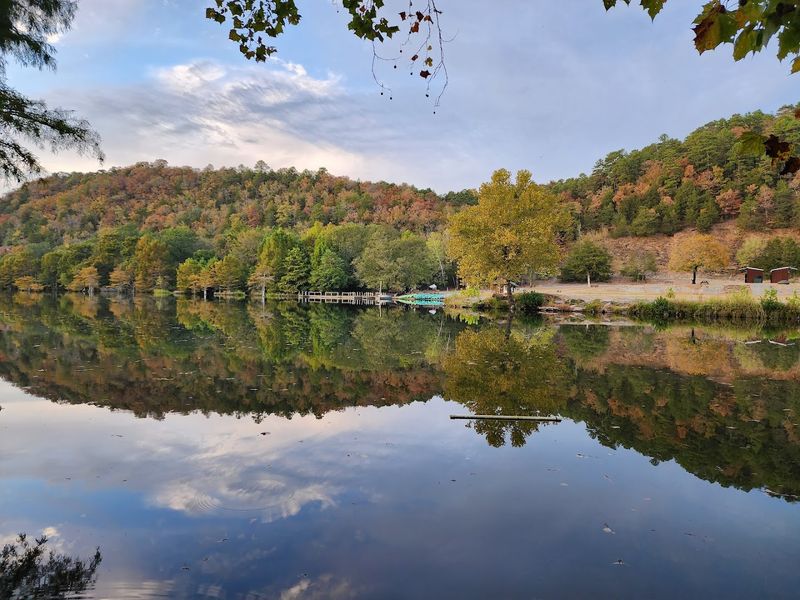
Autumn at Beavers Bend is the kind of seasonal display that makes people rearrange their travel plans just to be in the right place at the right time. The mix of hardwoods and pines in the park creates a layered color show that peaks in late October and early November, with golds and reds appearing against the evergreen backdrop in a way that feels almost theatrical.
The second week of November tends to still carry beautiful color, and the park remains worth visiting even as the leaves begin to thin. The river reflects the colors from the canopy above, and the bridges throughout the park become some of the best vantage points for photography during this season.
Fall is also one of the busier times of year at the park, so planning ahead and booking accommodations early is a genuinely important step. Campgrounds and cabins fill up quickly during peak foliage weekends, and arriving without a reservation can mean missing out on an overnight stay.
Even with more visitors on the trails, the park maintains a calm and courteous atmosphere. The extra foot traffic during fall rarely feels intrusive, and most people are too busy looking up at the trees to get in each other’s way.
Wildlife, Freshwater, and the Quiet Rewards of Slowing Down
The wildlife at Beavers Bend is not the kind that jumps out at you dramatically. It reveals itself to the patient and the quiet.
White-tailed deer appear along the forest edges in the early morning and at dusk. Birds fill the canopy with sound from the first light, and the river draws herons and kingfishers that work the shallows with focused precision.
The trout in the Mountain Fork River are a draw for anglers from across the region, and the fishing experience here is genuinely accessible. The park has multiple pull-off spots along the river road, foot bridges positioned for casting, and enough space along the banks that even on a busy day you can usually find a quiet stretch to yourself.
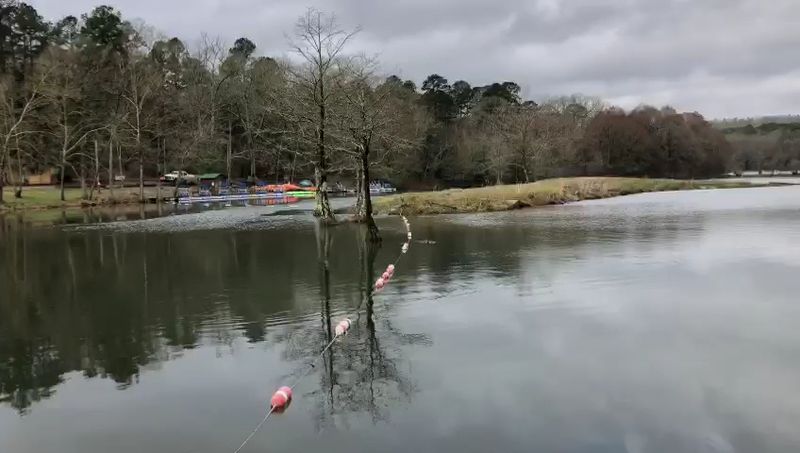
Beyond the river, Broken Bow Lake offers a completely different fishing environment with bass, catfish, and crappie in the warmer, slower water. Boating is permitted on the lake, and the combination of lake and river fishing in one park is a rare setup that keeps anglers coming back season after season.
The overall pace of the park encourages a kind of attentiveness that is easy to lose in daily life. When you stop rushing, you start noticing things: the way light moves through the pines, the sound of the current over rocks, the small details that make a place feel alive.
Planning Your Visit: Tips, Timing, and What to Bring
A few practical notes can make the difference between a good trip and a great one. The park is open 24 hours a day, every single day of the year, which means early risers can get on the trails before the crowds arrive and night owls can stargaze without a curfew.
The best time to visit for mild weather and manageable crowds is spring and fall, though even winter visits have a quiet appeal.
Cell service is nearly nonexistent throughout most of the park, so downloading offline maps through an app like Google Maps or AllTrails before leaving home is not just a suggestion but a genuine necessity. The park office staff are helpful and will provide paper maps, but having a digital backup saves time and frustration.
Pack layers regardless of the season. The forest shade keeps temperatures cooler than you might expect, and mornings near the river can be surprisingly crisp even in summer.
Comfortable hiking shoes, a reusable water bottle, and sunscreen are the basics that most visitors wish they had brought more of.
The park can be reached by calling +1 580-494-6300, and more information is available at travelok.com. A visit to Beavers Bend rewards those who come prepared and leave their schedules loose enough to follow wherever the trails lead.
Share this story