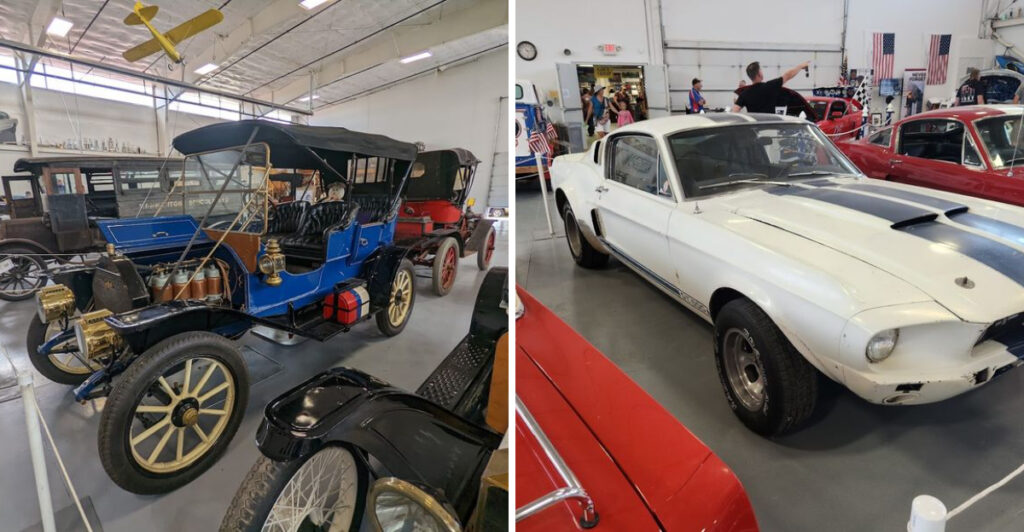
There is a place in Oregon where time seems to slow down the moment you walk through the door. Rows of gleaming chrome, hand-painted fenders, and engines that once ruled open highways fill every corner of a building most people drive right past.
I had no idea this spot existed until a friend practically dragged me there on a Saturday afternoon, and honestly, I owe that friend a thank-you card. The Northwest Vintage Car and Motorcycle Museum sits quietly inside Powerland Heritage Park in Brooks, Oregon, holding a rotating collection of more than 300 vintage vehicles that range from pre-war roadsters to classic motorcycles.
Every single one of them has a story worth hearing.
Where to Find This Hidden Oregon Treasure
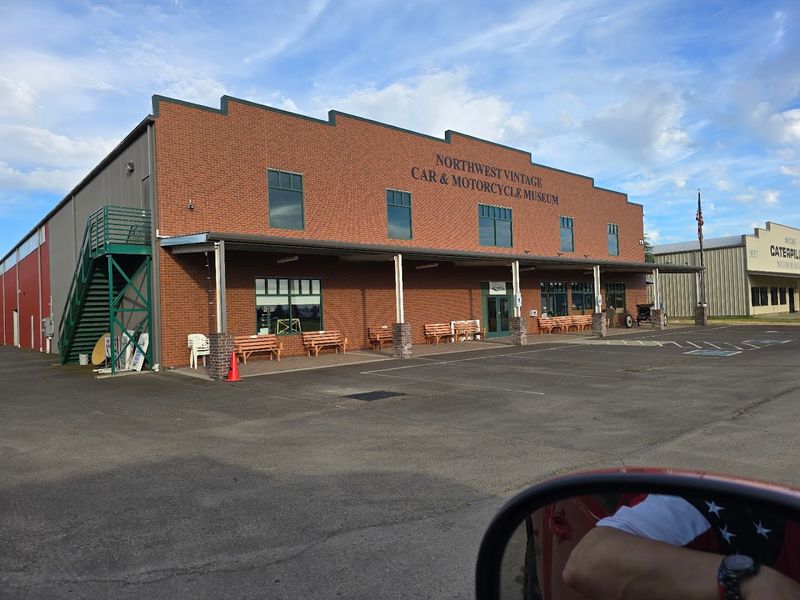
Not every great museum announces itself with a billboard on the highway. The Northwest Vintage Car and Motorcycle Museum is tucked inside Powerland Heritage Park at 3995 Brooklake Rd NE, Salem, OR 97303, in the small community of Brooks, just north of Salem.
The museum sits toward the back of the property, and a weathered Texaco service station sign is your landmark. First-timers often miss it entirely because the park itself is enormous and packed with other attractions.
The address puts you in the Willamette Valley, a region far more famous for its farmland and wineries than for automotive history. That contrast is part of the charm.
You arrive expecting flat fields and quiet roads, and instead you find a building packed floor to ceiling with some of the most beautifully preserved machines you have ever seen.
Admission to the museum is free, though donations are warmly accepted. Parking during special events can run about ten dollars, but on a regular visit the cost is simply whatever you choose to give back.
The Story Behind the Collection
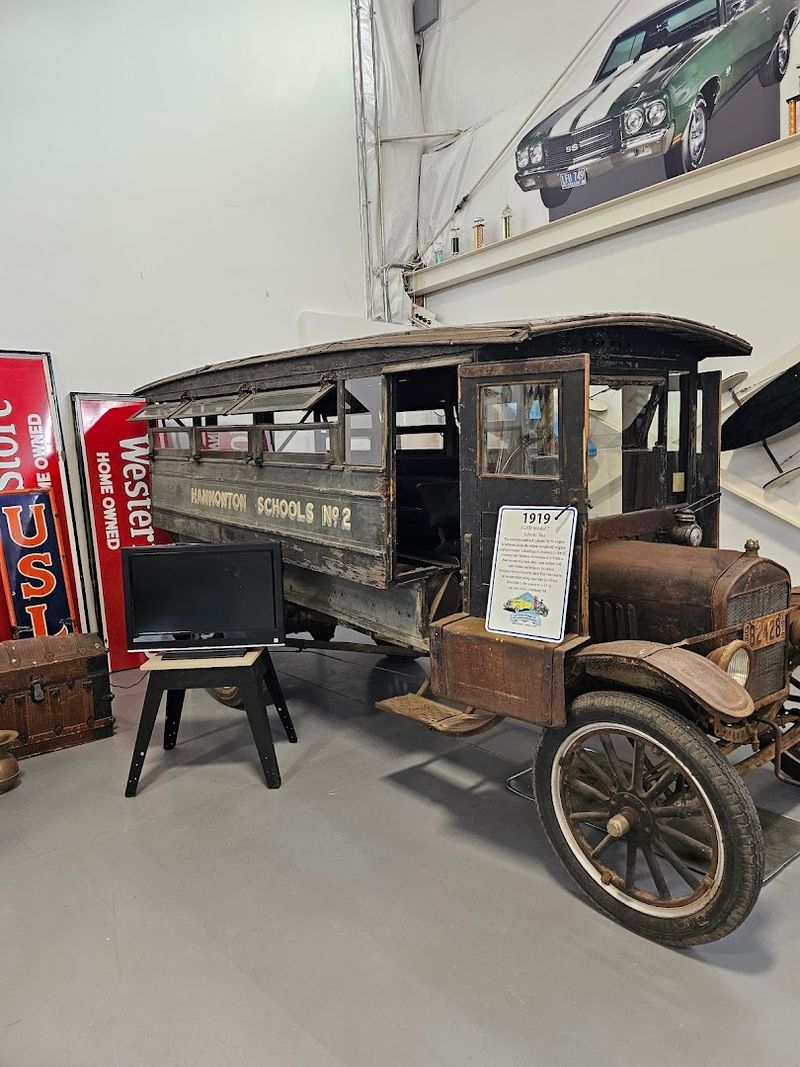
Museums like this one do not appear overnight. The Northwest Vintage Car and Motorcycle Museum grew from a deep community passion for preserving mechanical history, and its roots are tightly woven into the broader mission of Powerland Heritage Park, which has been collecting and restoring heritage equipment for decades.
The museum is volunteer-run, which tells you everything about the kind of dedication behind it. These are not paid curators clocking in for a shift.
They are enthusiasts who show up because they genuinely love what they are protecting.
The collection rotates regularly, meaning the cars and motorcycles you see on one visit may be replaced by entirely different vehicles the next time you come back. That keeps things fresh and gives loyal visitors a real reason to return year after year.
The spirit here reminds me of similar grassroots preservation efforts I have seen across the country, from small towns in Oklahoma to roadside stops in the Pacific Northwest. Passion, not budget, is the engine that keeps this place running, and that passion is visible in every polished surface and hand-lettered display card.
More Than 300 Vehicles Under One Roof
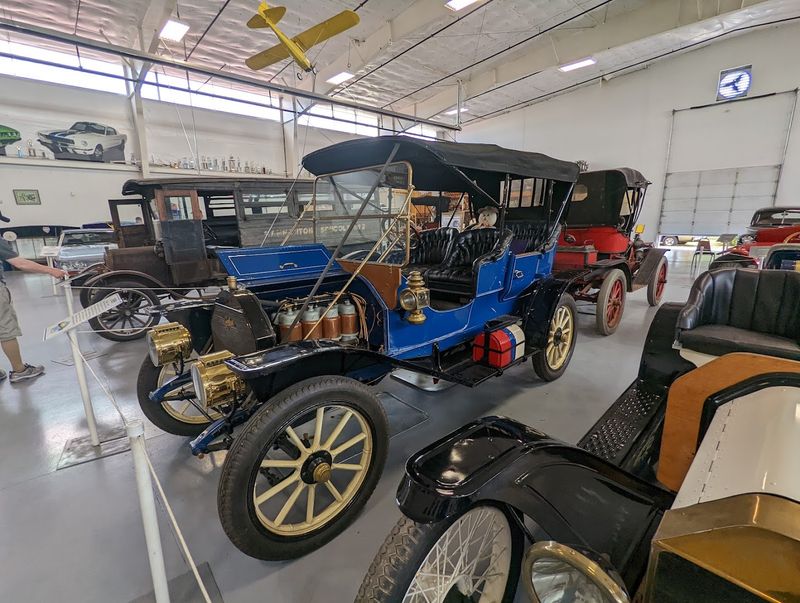
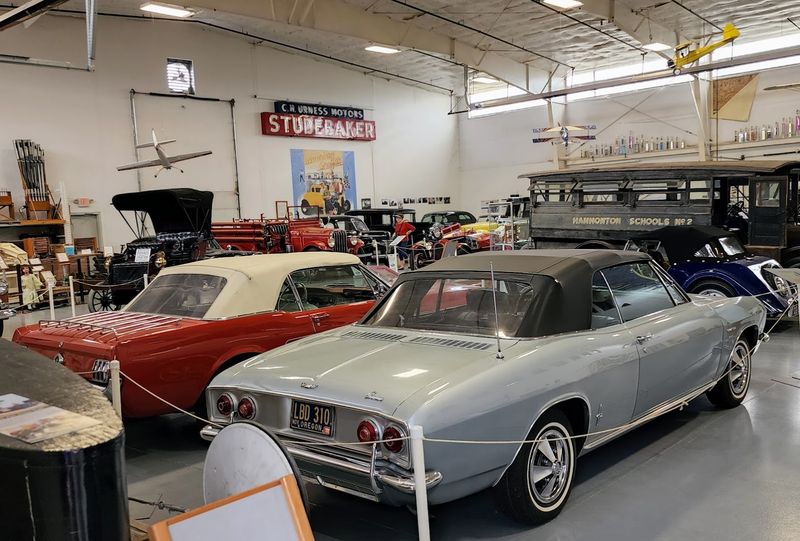
The number 300 sounds like a marketing exaggeration until you actually stand inside and start counting hoods. The collection spans multiple decades and dozens of manufacturers, from pre-war American classics to mid-century European imports that most people have only seen in old magazines.
A 1937 Cord sits near a V12 Cadillac, and an old Alfa Romeo rests just a few rows away from a lineup of beautifully restored trucks. The variety is genuinely surprising for a museum this size.
What makes the collection feel personal rather than institutional is the way vehicles are displayed. There are no velvet ropes keeping you at a distance.
You can get close enough to see the stitching on the seats and the wear patterns on the steering wheels.
Each vehicle carries its own story, and the volunteers on hand are happy to tell those stories in detail. The depth of knowledge in that building rivals anything you might find at a larger, more famous institution.
Size, it turns out, has very little to do with quality.
The Triumph Motorcycle Collection
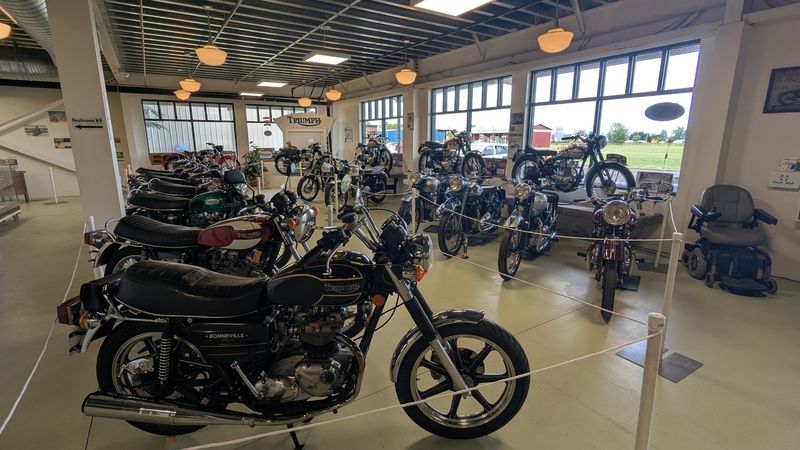
Motorcycle fans have a particular reason to make the trip to Brooks. The museum currently houses a full Triumph motorcycle collection spanning from the 1940s forward, and it is one of the most complete displays of that brand you are likely to find outside of a dedicated marque museum.
Triumph built machines that shaped motorcycle culture on both sides of the Atlantic, and seeing that evolution laid out in chronological order gives you a real sense of how the design language changed decade by decade. The early models look almost fragile compared to the heavier, more confident machines from the 1960s and 1970s.
The Honda collection is another highlight for two-wheel enthusiasts. Visitors have noted that Honda models seem to dominate the motorcycle section, though the curatorial team continues to add variety from other manufacturers over time.
There is something quietly thrilling about standing next to a motorcycle that was built before your parents were born and understanding that it still runs. Several of the bikes on display are fully operational, not just restored for looks but actually capable of hitting the road again.
The Theatre Pipe Organ Nobody Expects
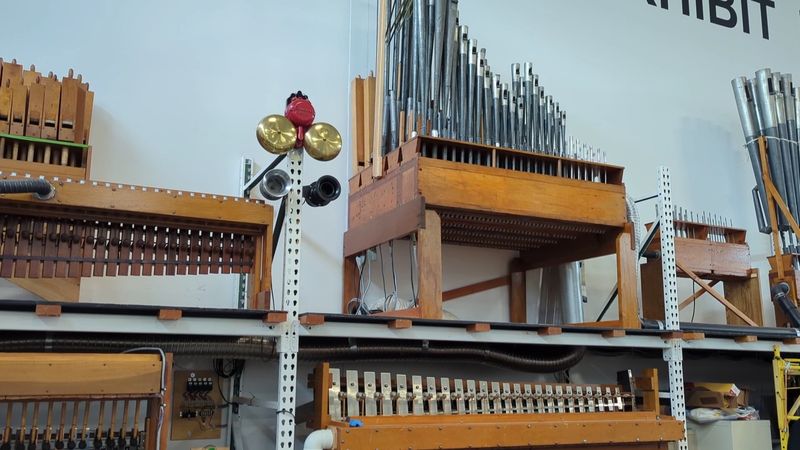
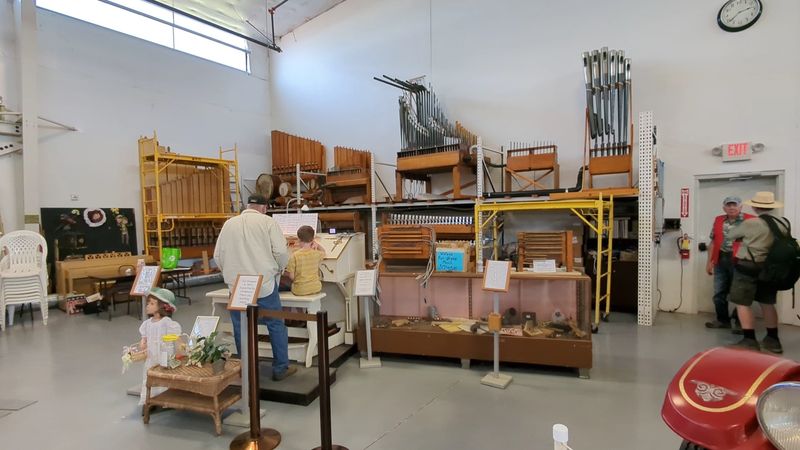
Of all the surprises waiting inside this museum, the theatre pipe organ might be the most unexpected. Hidden among the cars and motorcycles is a working instrument assembled from pipes and components sourced from multiple different organs, combined into a single instrument capable of producing a remarkable range of sounds.
The curator has spent years acquiring individual pipe ranks and mechanical components, essentially building a custom organ from historical parts. The result is something that sounds unlike any single original instrument because it draws from so many different tonal palettes.
Visitors are not just allowed to listen. During certain open sessions, guests can sit down and play the organ themselves alongside the resident organist.
That kind of hands-on access is rare in any museum setting, and it turns a passive observation into an actual memory.
My daughter would have loved this, and I say that as someone who grew up surrounded by people who thought museums were strictly look-but-do-not-touch experiences. This organ flips that idea entirely, and it is one of those details that separates a good museum from a truly unforgettable one.
The 1930s Texaco Service Station Display
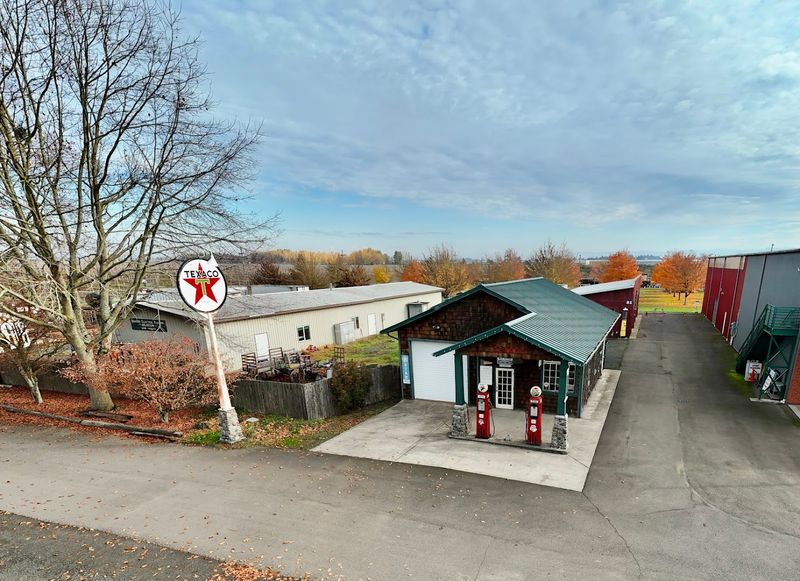
A fully recreated 1930s Texaco service station greets you near the entrance of the museum, and it does more than just look pretty. Every detail, from the hand-cranked pumps to the oil can display racks, has been sourced and arranged to reflect what a working roadside station actually looked like during that era.
Service stations of that period were social hubs as much as they were fuel stops. Drivers would pull in, chat with the attendant, check their maps, and grab a cold drink before heading back onto roads that were still largely unpaved outside city limits.
The Texaco sign itself serves as a navigation landmark for first-time visitors trying to find the museum within the larger park. Once you spot the red star, you know you are in the right place.
Displays like this one do something that a single vehicle on a pedestal cannot. They place mechanical objects back into the human context where they actually existed, reminding you that these cars and trucks were not museum pieces when they were new.
They were ordinary parts of ordinary lives, and that ordinariness is what makes them extraordinary now.
The Barn Find Display
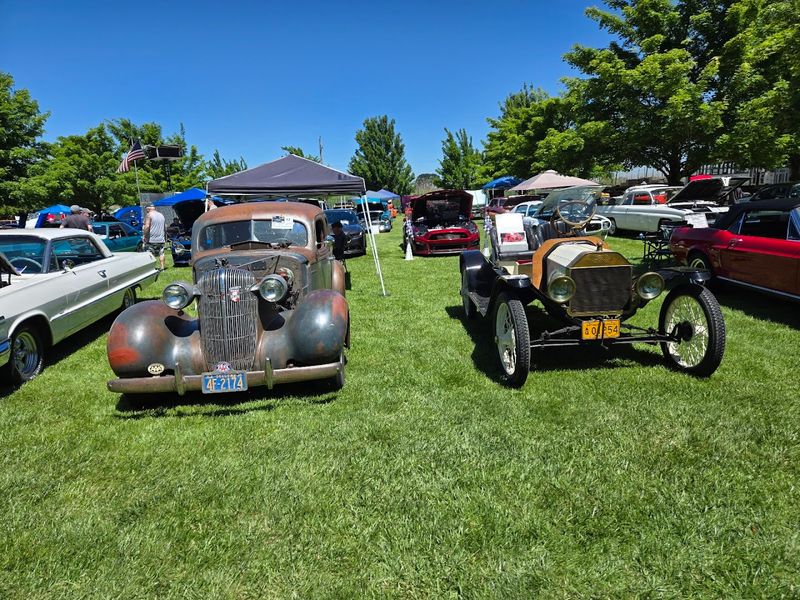
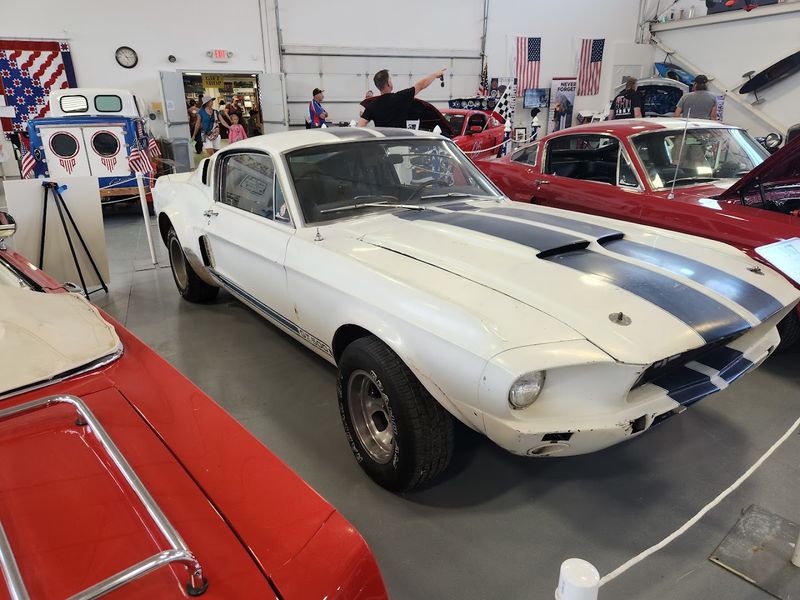
Car culture has its own mythology, and few stories grip enthusiasts harder than the barn find. The museum dedicates an entire display to this concept, presenting unrestored vehicles arranged as though they were just discovered behind a set of weathered wooden doors after decades of storage.
The effect is deliberate and surprisingly moving. Dust, patina, and the honest wear of time are left intact rather than polished away, giving visitors a chance to see these machines in their raw, pre-restoration state.
It is a stark contrast to the gleaming showpieces in the main hall.
Barn finds hold a special place in automotive lore because they represent possibility. Every cracked dashboard and faded paint job is a project waiting to happen, a conversation between the past and whoever is willing to put in the work.
I spent more time in this corner of the museum than I expected to, partly because the vehicles themselves are fascinating and partly because the staging is done with real care. It feels authentic rather than theatrical, which is a hard balance to strike.
The museum earns that authenticity by letting the objects speak for themselves.
Vintage Clothing and Mannequin Displays
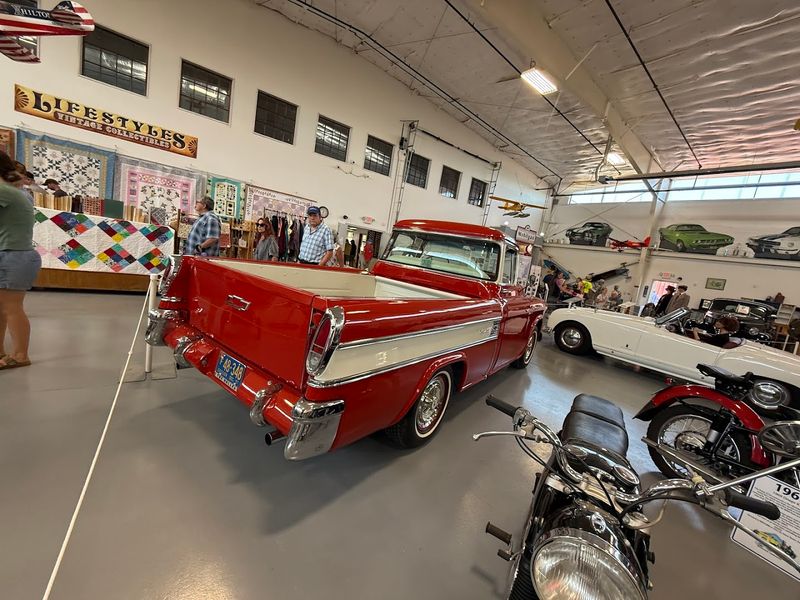
Not everything in this museum has four wheels or an engine. A collection of mannequins dressed in vintage clothing from various decades adds a human layer to the automotive exhibits, placing the cars in social and cultural context that pure machinery cannot provide on its own.
The outfits range from driving coats and goggles of the early motoring era to the tailored suits and swing skirts of the mid-century period. Each one tells you something about who was driving these cars and what their world looked like beyond the road.
This detail tends to catch visitors off guard, particularly those who arrive expecting nothing but engines and chrome. The clothing displays have drawn enthusiastic reactions, especially from visitors with an interest in fashion history or social history more broadly.
It is a reminder that automotive history and human history are the same story told from different angles. The cars changed how people lived, where they went, and even how they dressed.
Seeing those threads pulled together in a single building makes the whole collection feel richer and more connected than it would if the vehicles stood alone without any human presence around them.
Special Events and Car Shows Throughout the Year
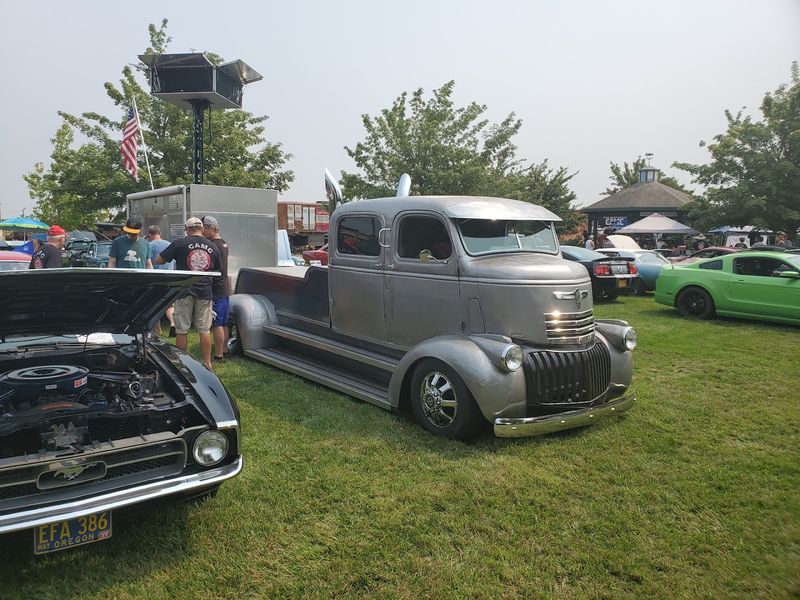
The museum is not just a static collection you visit once and forget. Throughout the year, Powerland Heritage Park hosts a rotating calendar of events that draw crowds from across the Pacific Northwest and beyond.
The museum serves as a centerpiece for many of these gatherings.
The Paralyzed Veterans of America Tri-State Chapter Car Show is one of the most popular annual events held on the grounds. The museum has built a strong reputation as a veteran-supporting institution, and that relationship with the disabled veterans community gives the car shows an extra layer of meaning beyond the vehicles themselves.
The famous SteamUp event, held at the end of July and into August, transforms the entire park into a living history demonstration. Steam-powered equipment from the agricultural and industrial eras runs under its own power, and the museum opens its doors to the full crowds that the event attracts.
Kenworth truck shows, Honda gatherings, and custom car events have all taken place here over the years. The variety keeps the audience broad and ensures that whether your passion is a 1950s hot rod or a vintage big rig, there is an event on the calendar worth planning a trip around.
The Volunteer Culture That Keeps It Running
Every institution has a personality, and the personality of this museum comes directly from its volunteers. These are people who spend their weekends here not because they have to but because they genuinely cannot think of a better way to spend a Saturday.
The staff knowledge level is exceptional. Ask about any vehicle on the floor and you are likely to get a detailed answer that covers not just the make and model but the specific history of that particular car, where it came from, who owned it, and what makes it unusual within its category.
That kind of depth is rare. Large museums with paid staff often struggle to maintain it because institutional knowledge walks out the door when employees move on.
Here, the knowledge lives in the community itself, passed between enthusiasts who have been coming to this park for decades.
Similar volunteer-driven preservation efforts exist in other states, including Oklahoma, where grassroots automotive museums have kept regional history alive without the backing of major institutions. What unites them all is the same thing: people who care more about the subject than about recognition, showing up consistently and doing the work that keeps history from disappearing.
Practical Tips for Planning Your Visit
A few practical details can make the difference between a smooth visit and a frustrating one. The museum is open whenever Powerland Heritage Park is open, which generally means spring through fall.
Checking the park website or calling ahead at +1 503-432-6631 before making the drive is always a smart move.
Admission to the museum itself is free, with donations accepted. During major events, parking fees apply, typically around ten dollars for grass parking.
The grounds are large, so comfortable shoes are worth thinking about before you leave the house.
Clean restroom facilities are available on site, and the driveway leading to the museum offers enough turnaround space for larger vehicles. Families with children will find the interactive elements, particularly the pipe organ, genuinely engaging rather than just tolerable.
The museum is located about 10 miles north of downtown Salem, making it an easy day trip from Portland or Eugene. Road trippers passing through on Interstate 5 can reach the park quickly from the Brooks exit.
For anyone who has spent time exploring roadside attractions across the country, from Oklahoma to the Pacific Coast, this stop belongs firmly on the itinerary.
Why This Museum Deserves Far More Attention
A 4.8-star rating across more than 150 reviews is not an accident. It reflects a consistent experience delivered by people who take their mission seriously and a collection that genuinely rewards the effort of getting there.
What keeps this place underrated is simple geography. Brooks, Oregon is not on most tourist maps, and Powerland Heritage Park sits far enough off the main road that casual passersby rarely stumble in.
The museum compound is at the very back of the property, which means even visitors who do enter the park sometimes miss it entirely.
That obscurity is both the museum’s greatest challenge and its most appealing quality. The crowds are manageable, the atmosphere is relaxed, and the experience feels personal rather than processed.
You are not being moved through a curated route by recorded audio guides.
Museums like this one exist in pockets across the country, from small Oklahoma towns to quiet corners of the Pacific Northwest, and they tend to outlast flashier institutions because they are built on genuine love rather than grant funding. This museum has that love in abundance, and it shows in every carefully maintained vehicle, every cheerful volunteer, and every visitor who leaves promising to come back soon.
Share this story