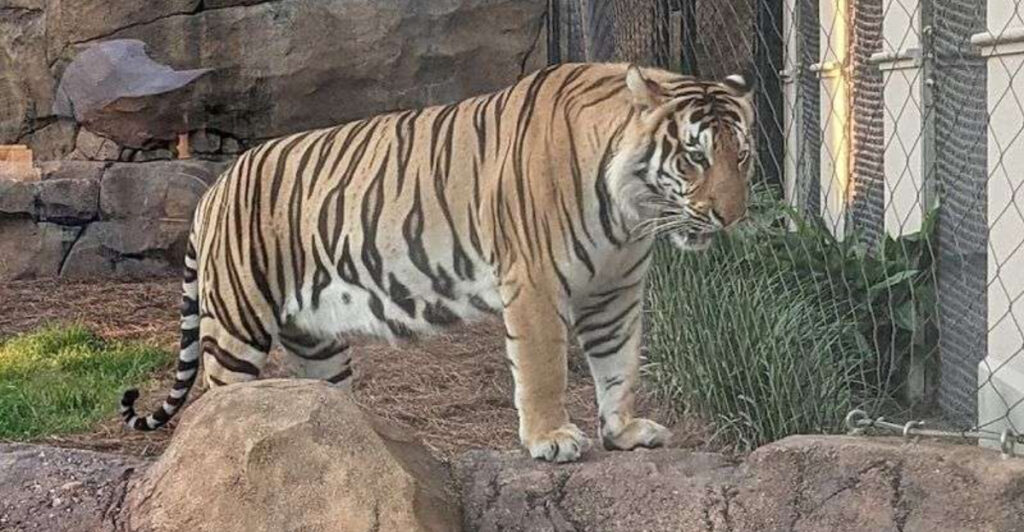
There is a living, breathing Bengal tiger on a college campus in Louisiana, and thousands of people make the trip just to see him up close. He has his own pond, his own climbing rocks, and what might be the most famous address in all of college football.
His name is Mike, and he has been the pride of LSU for decades. What makes this spot so special is not just the tiger himself, but the entire experience of visiting a world-class habitat tucked right into the heart of a buzzing university campus.
Whether you are a die-hard LSU fan or just someone who appreciates incredible animals, this is one stop you will not forget. Keep reading to find out everything you need to know before your visit to one of the most unique attractions in the American South.
The Legend of Mike the Tiger
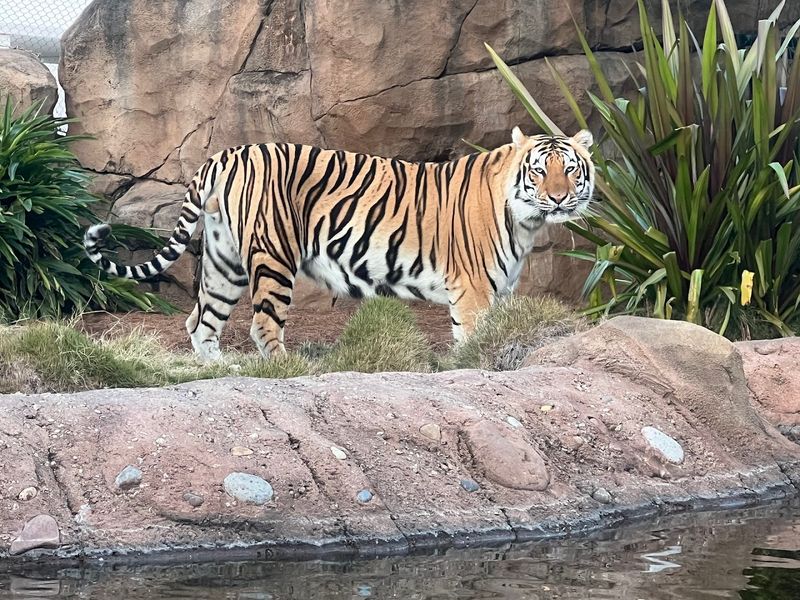
LSU has had a live tiger mascot since 1936, making Mike one of the longest-running live animal traditions in American college sports history. The tiger you see today is Mike VII, a Bengal tiger who took up residence on campus and quickly became a beloved figure for students, fans, and visitors from across the country.
Each Mike has carried the spirit of LSU football into game days and everyday campus life alike. The name “Mike” was chosen to honor Mike Chambers, the athletic trainer who helped raise the original funds to bring the first tiger to campus.
That original purchase price was just $750, which feels almost impossible to believe when you see the stunning, modern habitat Mike calls home today. The legacy has grown far beyond sports into something that feels genuinely cultural and deeply rooted in Louisiana pride.
Finding the Habitat on Campus
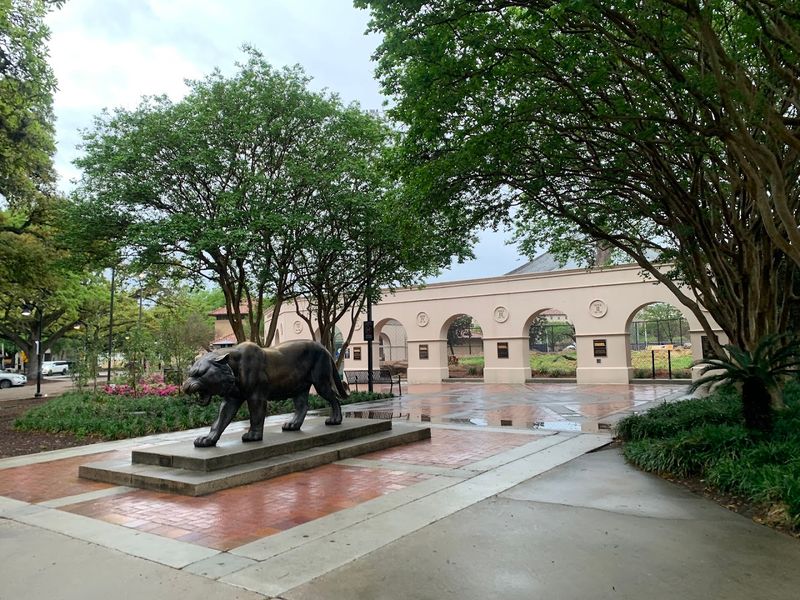
The habitat sits at 16 N Stadium Dr, Baton Rouge, LA 70802, right on the LSU campus and just steps away from the iconic Tiger Stadium. The location alone is worth noting because it places Mike in the middle of one of the most electric college football environments in the country.
Getting there is fairly straightforward. Visitor parking is available nearby, and a flat-rate lot directly across from the habitat typically runs around five dollars, making it an affordable outing from start to finish.
For those who prefer free parking, the grocery store across the street offers up to one hour at no charge, which is plenty of time for a visit. The LSU Welcome Center is also nearby and can point you in the right direction if you are exploring campus for the first time and need a little guidance before heading over.
A Habitat Built Like No Other
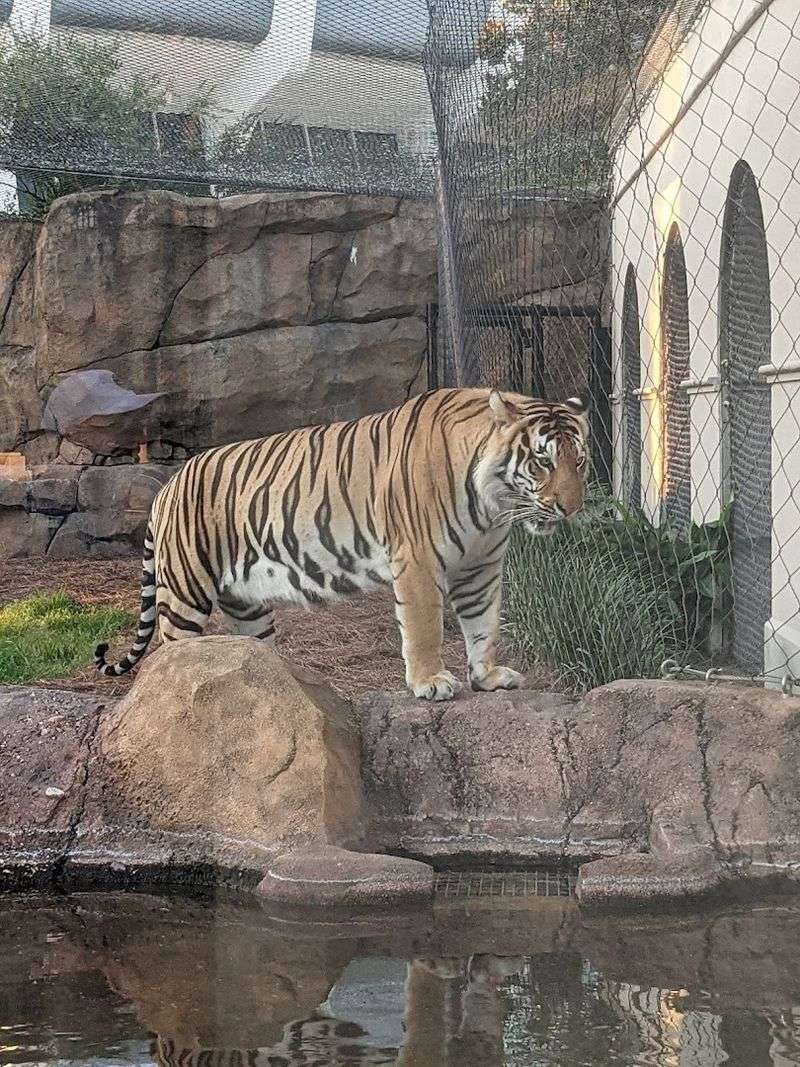
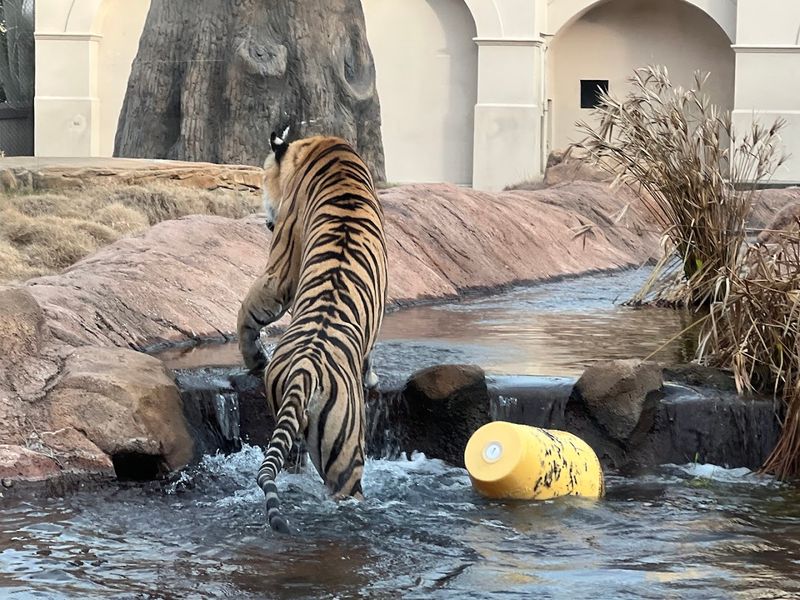
The enclosure at Mike’s habitat is genuinely impressive, and not just by university standards. Spanning roughly two acres, it features a manmade pond, natural rock formations, climbing structures, and open grassy areas that give Mike room to roam, swim, and simply be a tiger.
One particularly clever design feature is the comfort rock, which is engineered to heat up in winter and cool down in summer, keeping Mike comfortable through Louisiana’s dramatic seasonal swings. The habitat was designed with serious input from animal welfare experts and is widely considered to rival or surpass many professional zoo enclosures across the country.
The viewing areas are set up so visitors can get remarkably close to the fence, offering a perspective that most wildlife experiences simply cannot match. You are not peering through distant glass here; you are genuinely face to face with one of nature’s most powerful and beautiful animals.
Open Around the Clock, Every Day
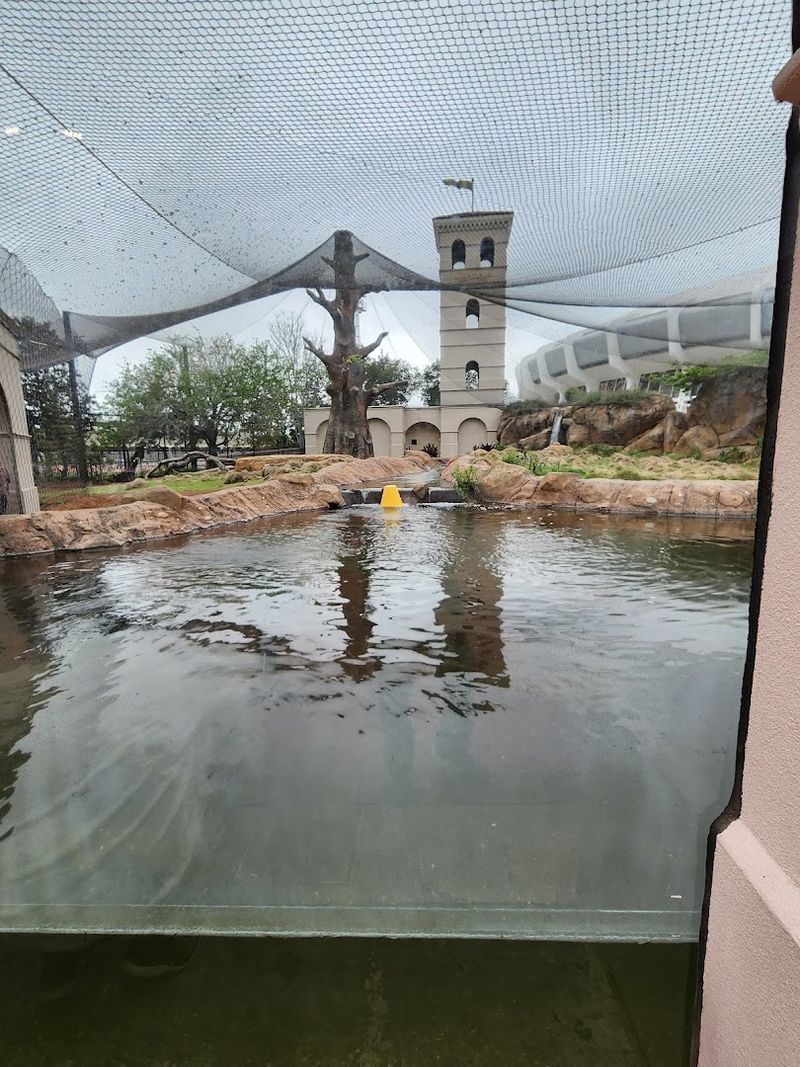
One of the most surprising facts about this attraction is that it is open 24 hours a day, seven days a week, completely free of charge. There are no tickets to book, no reservation systems to navigate, and no closing time to stress about.
You can show up whenever it works for your schedule.
That said, timing your visit thoughtfully can make a real difference in what you experience. Early mornings, particularly around 8:30 a.m., tend to be the sweet spot.
The air is cooler, Mike is more likely to be active, and the crowds are thinner, giving you a more personal and relaxed encounter.
Midday visits during summer can mean a quieter, sleepier Mike since tigers naturally rest during the hottest parts of the day. Rainy days can sometimes keep him sheltered, so a clear morning is generally your best bet for catching him on the move.
What to Expect When You Arrive
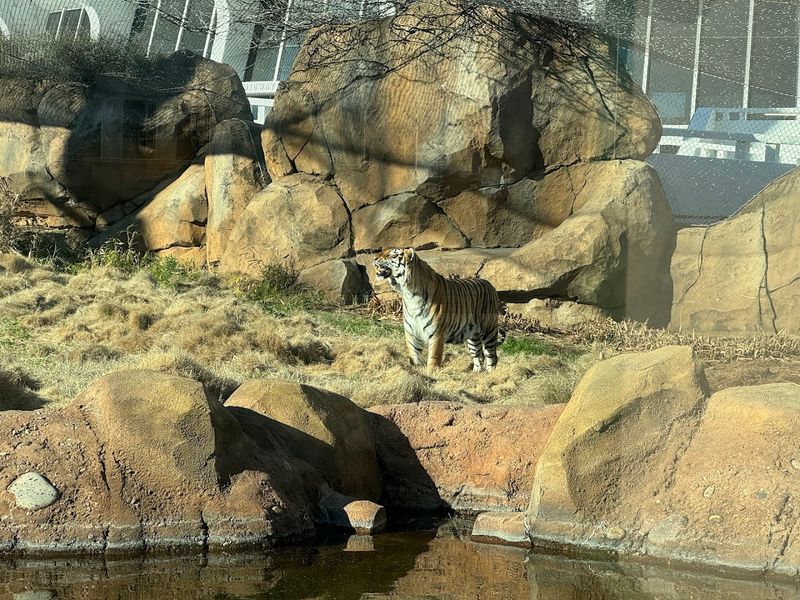
First-time visitors are often struck by how accessible and well-organized the habitat area feels. There are informational displays near the enclosure that walk you through the history of all the Mikes who have called this campus home, giving you context and background that deepens the experience well beyond just spotting a big cat.
The viewing fence allows you to get genuinely close, and on active days, Mike may pace along the perimeter, giving you the kind of unobstructed view that wildlife photographers dream about. On quieter days, he might be napping in the shade or stretched out on his comfort rock, which is honestly still a pretty spectacular sight.
Families with children tend to love the setup because it feels safe, open, and easy to navigate without a stroller obstacle course or long queue. The whole visit can fit comfortably into an hour, though many people end up staying longer than they planned.
Mike in Action: Swimming and Roaming
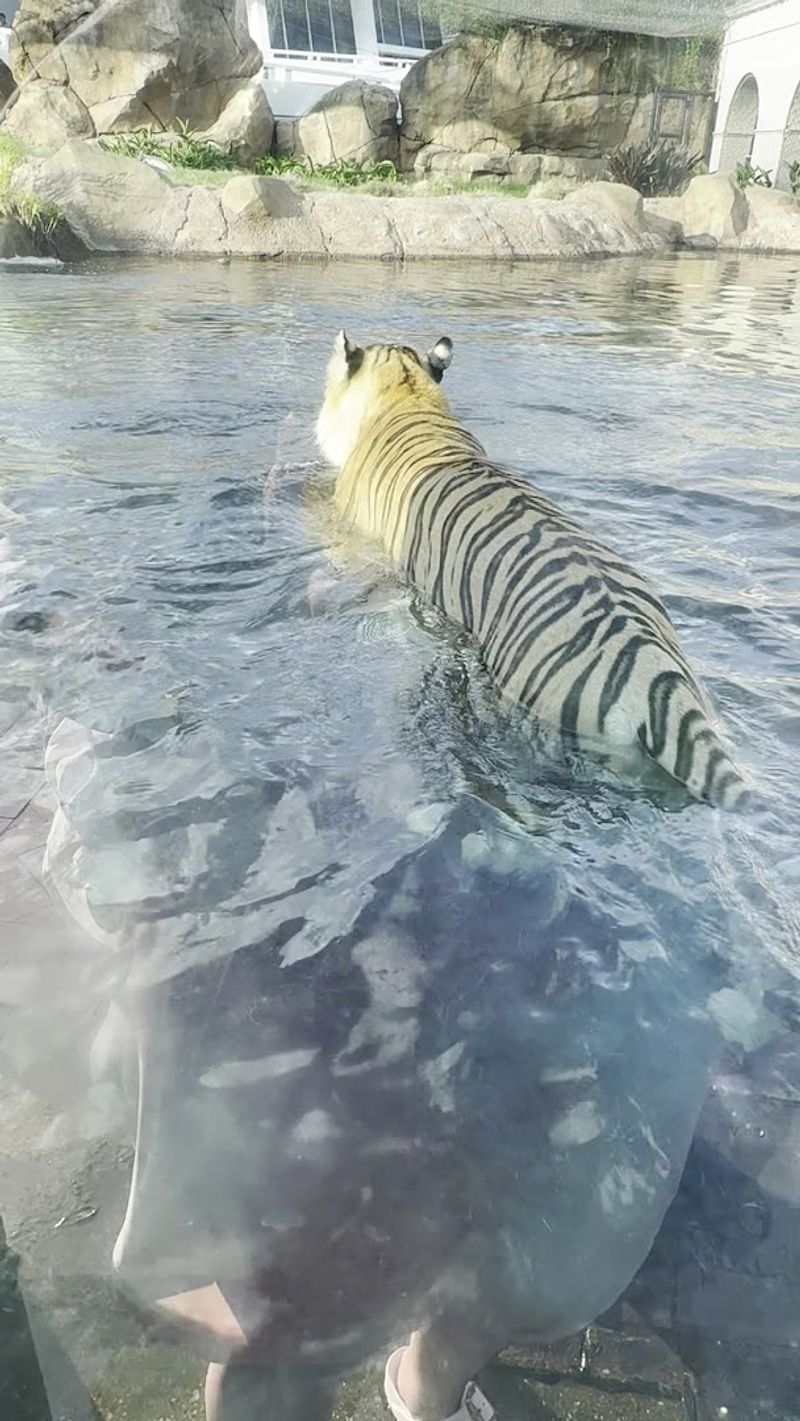
Catching Mike in full action is one of those experiences that tends to stay with you. Unlike the distant pacing you might see in a traditional zoo, Mike’s habitat gives him genuine space to express natural behaviors, and that includes swimming.
Watching a full-grown Bengal tiger slide into his pond and glide through the water is something that genuinely stops people in their tracks.
Tigers are natural swimmers, and Mike takes full advantage of his pond, especially during warmer months when the water provides relief from Louisiana’s sticky heat. Early morning visitors have reported watching him swim laps, which is both mesmerizing and a little humbling when you realize just how powerful and graceful he is at the same time.
On days when he is roaming and alert, he sometimes approaches the fence with what can only be described as regal curiosity, making eye contact that reminds you this is a wild animal living an extraordinary campus life.
Mike and LSU Game Days
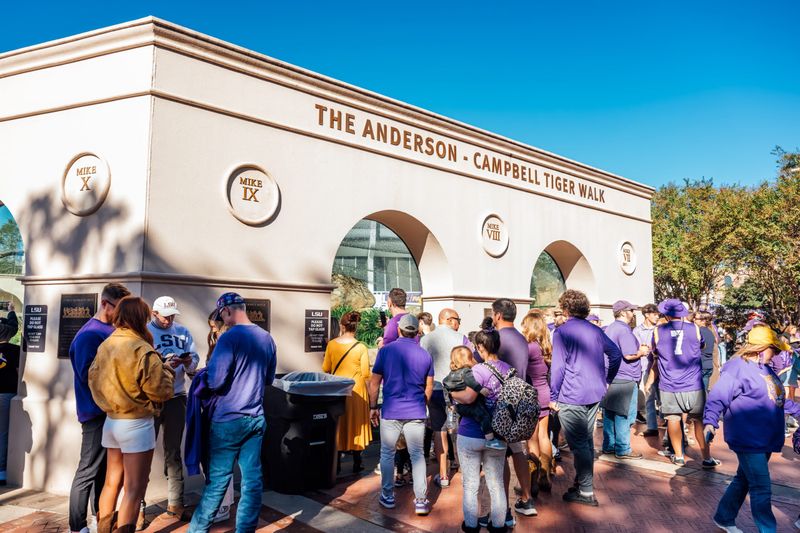
For decades, Mike the Tiger was transported to home football games in a specially designed trailer that circled the field before kickoff, sending the crowd into a frenzy. That tradition has since been retired out of respect for Mike’s wellbeing, but his presence on campus still carries enormous weight during game weekends.
Tiger Stadium, which sits directly adjacent to the habitat, holds over 102,000 fans on game day and is considered one of the loudest venues in all of college football. The fact that Mike lives just outside those walls gives the whole atmosphere a mythological quality that is hard to put into words.
Visiting on a home game weekend transforms the entire campus into a massive celebration, and stopping by the habitat before the game has become a ritual for many fans. The energy around the enclosure on those days is something you genuinely have to experience to fully appreciate.
Animal Welfare and Expert Care
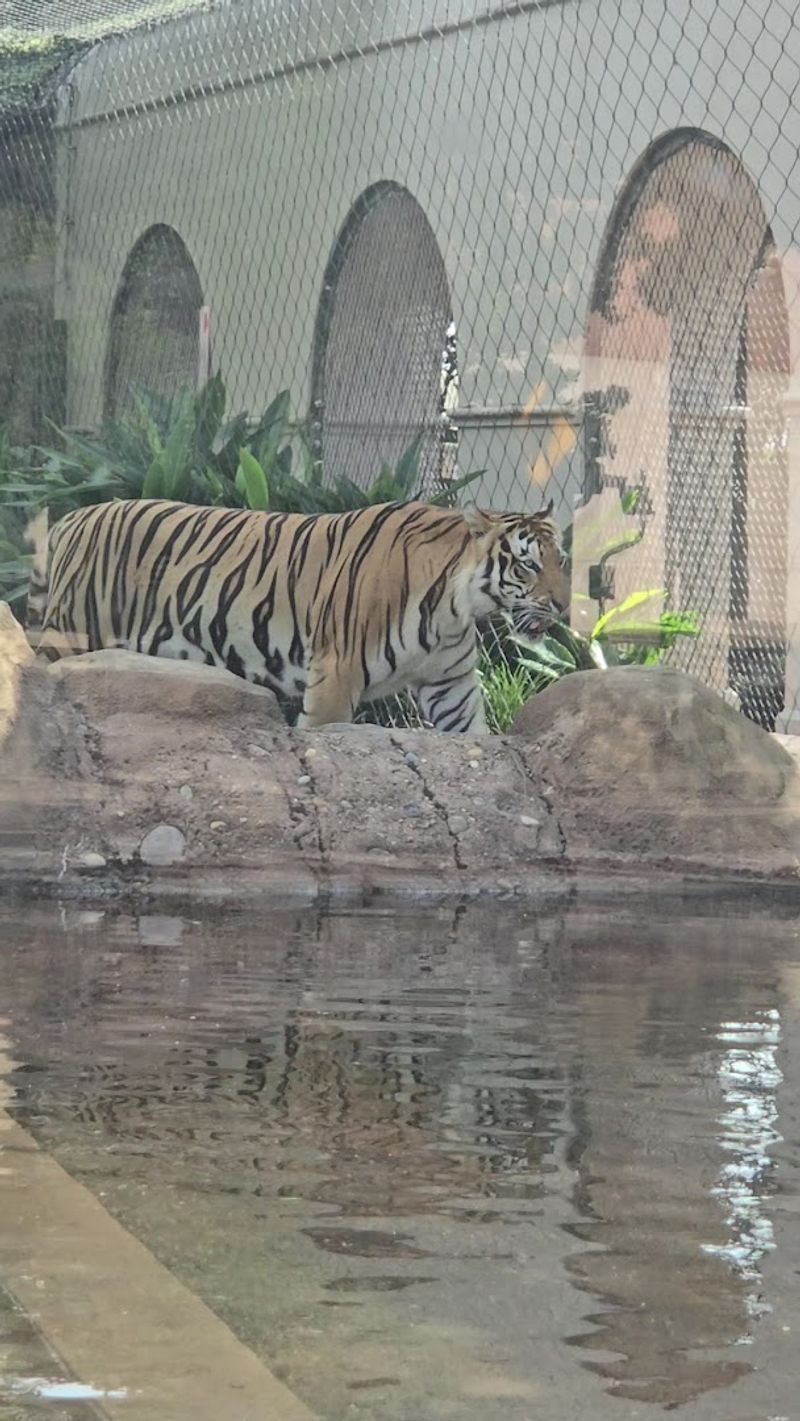
Mike VII is cared for by a dedicated team of LSU veterinary professionals who monitor his health, diet, and overall wellbeing on a continuous basis. The School of Veterinary Medicine at LSU is directly involved in his care, which means he benefits from some of the most advanced animal health expertise available anywhere in the country.
The habitat itself was designed with enrichment in mind, featuring elements that encourage natural behaviors like climbing, swimming, and exploring. The comfort rock, which regulates temperature throughout the year, is just one example of the thoughtful engineering that went into making his environment genuinely livable rather than merely functional.
The enclosure is kept noticeably clean, and the overall condition of the habitat reflects a serious commitment to responsible animal stewardship. For visitors who care about how captive animals are treated, the level of care on display here is both reassuring and genuinely impressive to witness firsthand.
The History of All Seven Mikes
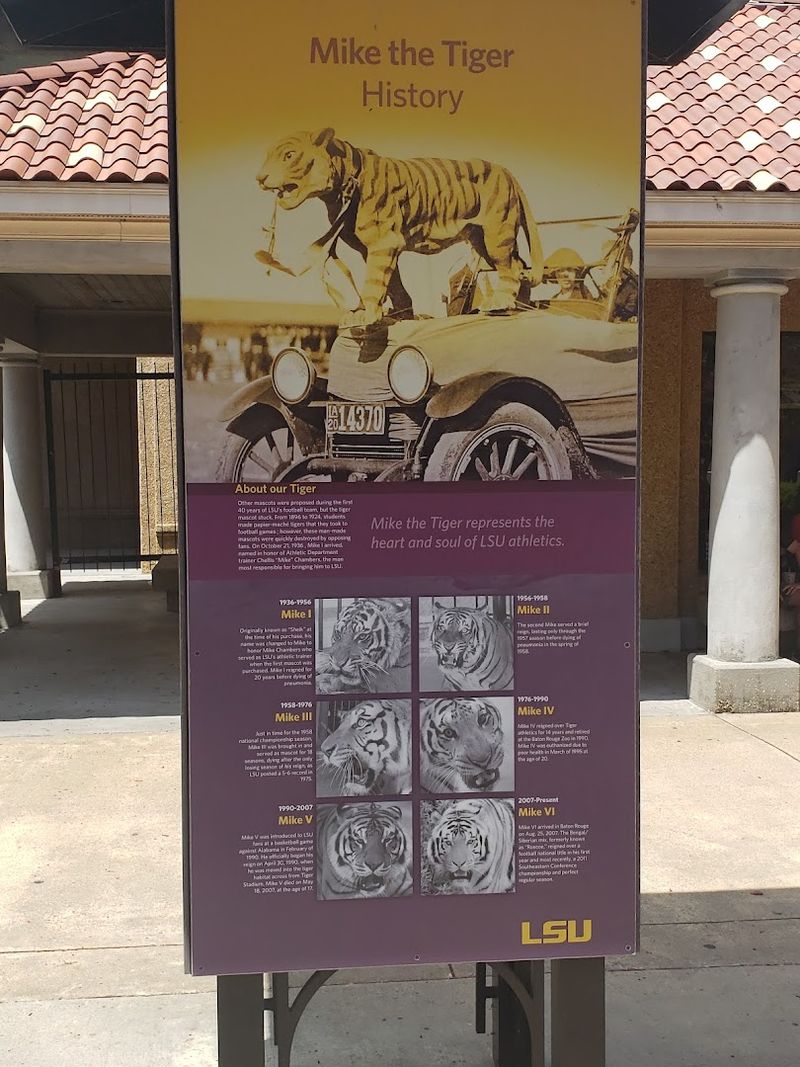
The informational displays near the habitat give visitors a window into the full history of all seven tigers who have carried the Mike name at LSU. Each one had a distinct personality and story, and reading through the timeline feels like flipping through chapters of Louisiana history wrapped in fur and stripes.
Mike I served the longest, from 1936 to 1956, and became so beloved that his passing prompted an outpouring of grief across the entire state. Subsequent Mikes each brought their own temperament to the role, with some being notably more active and social than others.
Mike VII, the current resident, arrived in 2017 as a young cub from a wildlife sanctuary in Florida and has grown into a healthy, well-adjusted adult. His story is a reminder that behind every beloved mascot is a real animal with a real history, and the habitat honors that story with genuine care and detail.
Tips for Getting the Best View
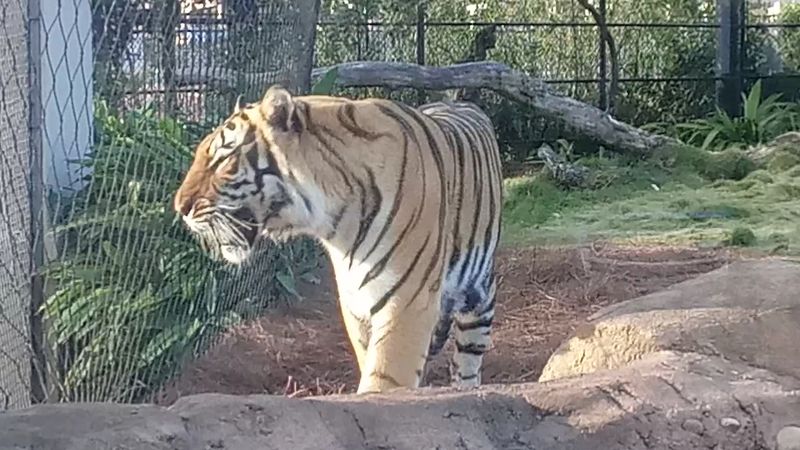
A few practical strategies can seriously upgrade your visit. Arriving early in the morning, ideally before 9 a.m., gives you the best chance of seeing Mike active and alert rather than dozing in the shade.
Cooler temperatures encourage more movement, and the lighter crowds mean you can claim a prime spot along the viewing fence without jostling for position.
Bring a camera with a decent zoom if you have one, but honestly, Mike sometimes gets close enough to the fence that a smartphone works just fine. The viewing area is designed to give you a clear sightline into the enclosure, so there are very few bad spots to stand.
Weekday mornings during non-game weeks tend to be the quietest, while weekend visits during football season attract larger crowds. Either way, the experience is worth it.
Patience is the most underrated tool you can bring, because Mike moves on his own schedule, not yours.
A Visit Worth Making More Than Once
Something about this place keeps people coming back. Visitors who stop by during a road trip often find themselves planning a return, and locals treat it as a regular outing rather than a one-time event.
The habitat has a way of feeling different each visit depending on Mike’s mood, the weather, and the time of year.
The surrounding LSU campus adds to the appeal, with beautiful oak-lined pathways, the massive bookstore nearby, and Tiger Stadium looming in the background as a constant reminder of where you are. It is a campus worth exploring beyond just the habitat, and many visitors turn the stop into a longer afternoon.
Free admission, no reservation required, open every single day of the year: there are not many attractions in Louisiana that check all those boxes while also offering a genuine encounter with one of the world’s most magnificent wild animals. That combination is genuinely rare, and Mike the Tiger earns every bit of his fame.
Share this story