 Unearth The Voyage
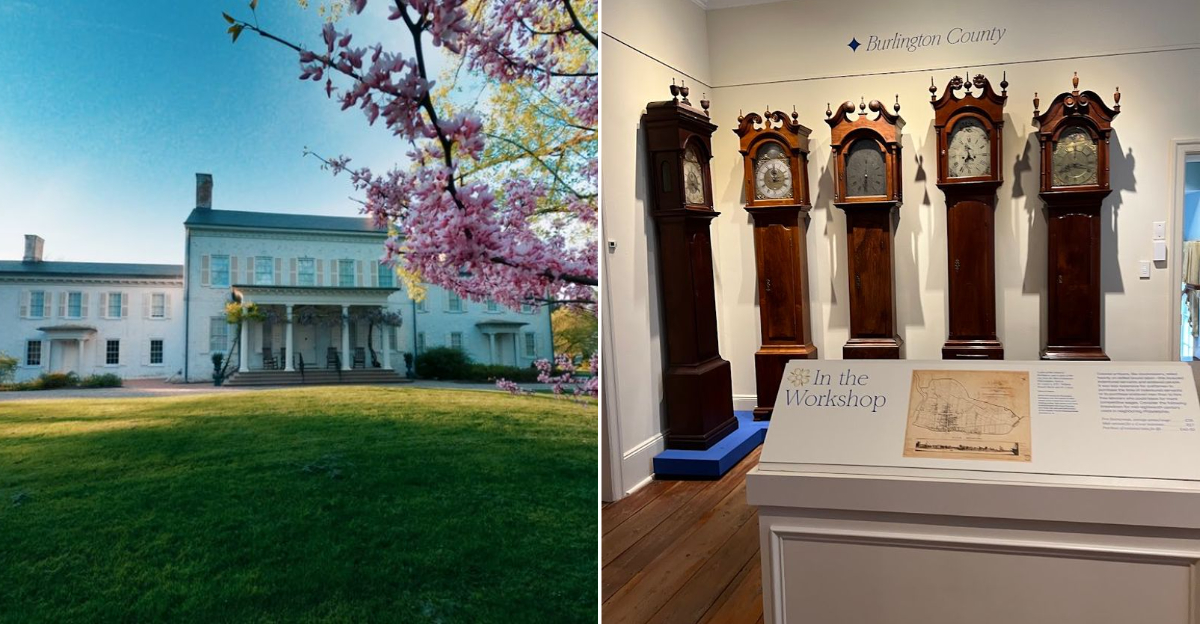
There is a place in Princeton, New Jersey, where American history does not just sit behind glass, it lives in the walls, the gardens, and the stories of the people who once called it home. The property has housed signers of the Declaration of Independence, New Jersey governors, and figures whose decisions helped shape a nation.
The grounds are carefully kept, the exhibits rotate with purpose, and every corner holds something worth knowing. This is not your average stop on a history tour, and once you learn what has happened within these walls, it is hard to walk away without feeling like you just discovered something truly extraordinary.
Where History Has a Street Address
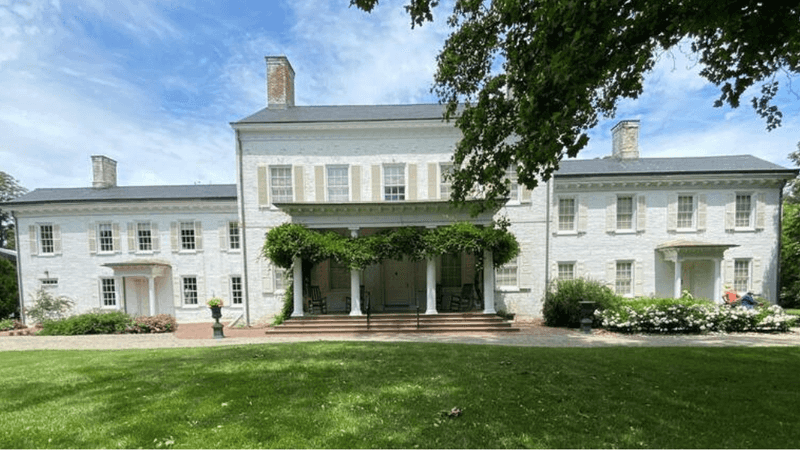
Most historic sites make you work to find them, but this one sits right on Stockton Street in the heart of Princeton. Morven Museum and Garden is located at 55 Stockton St, Princeton, NJ 08540, and it is open Wednesday through Sunday from 10 AM to 4 PM, with Monday and Tuesday being closed days.
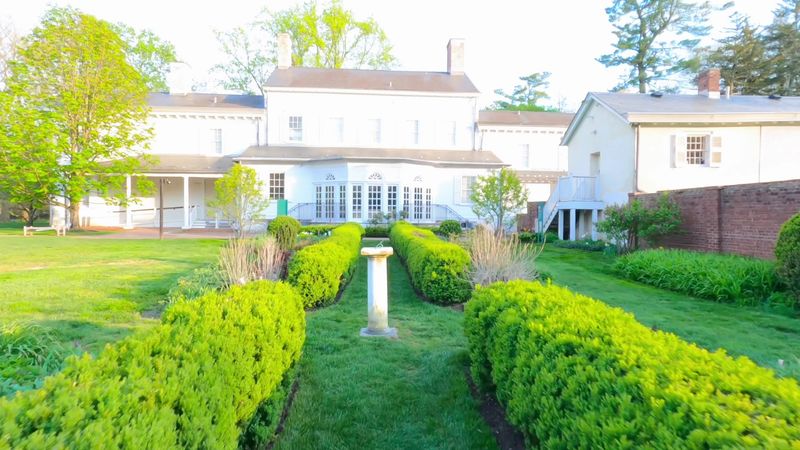
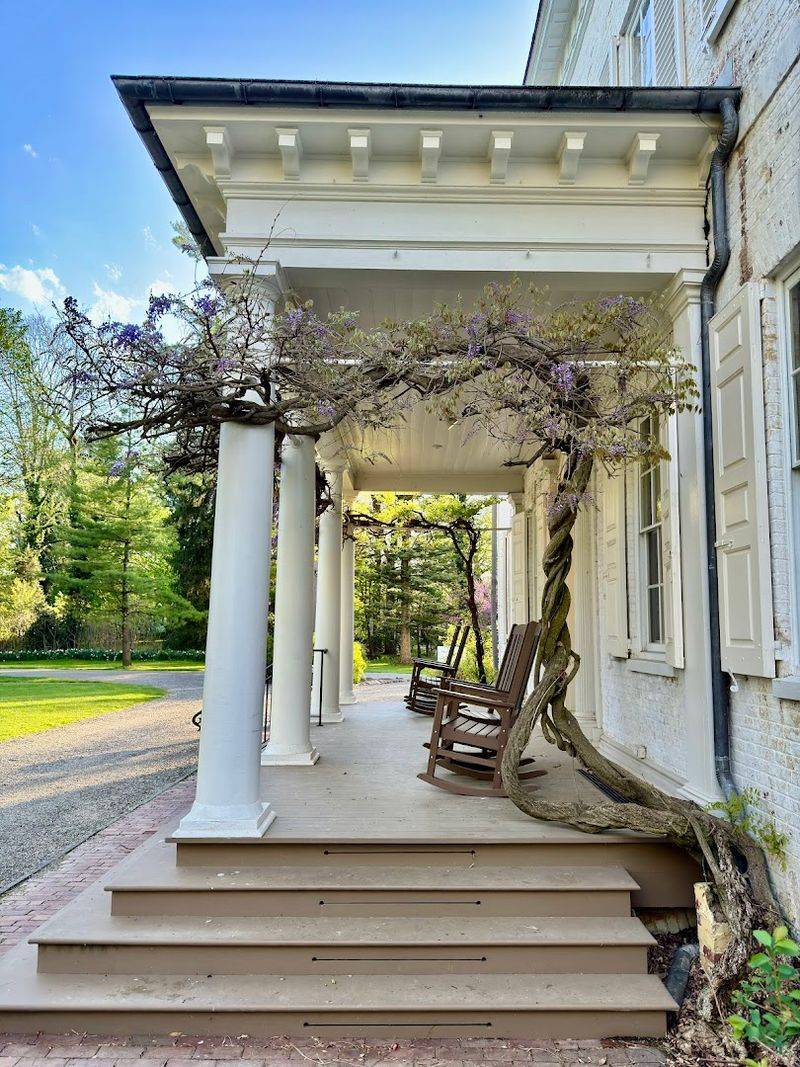
The building itself is a Georgian-style mansion that has been carefully preserved over the centuries. The address is easy to find, and there is on-site parking available, which is a genuine convenience in a busy college town like Princeton.
The museum is a short walk from Palmer Square, so combining a visit with lunch or a stroll through town is completely doable. The official website at morven.org keeps the calendar of events updated, so checking ahead before your trip is always a smart move.
Getting there is the easy part; leaving is the hard part.
The Name Behind the Dream
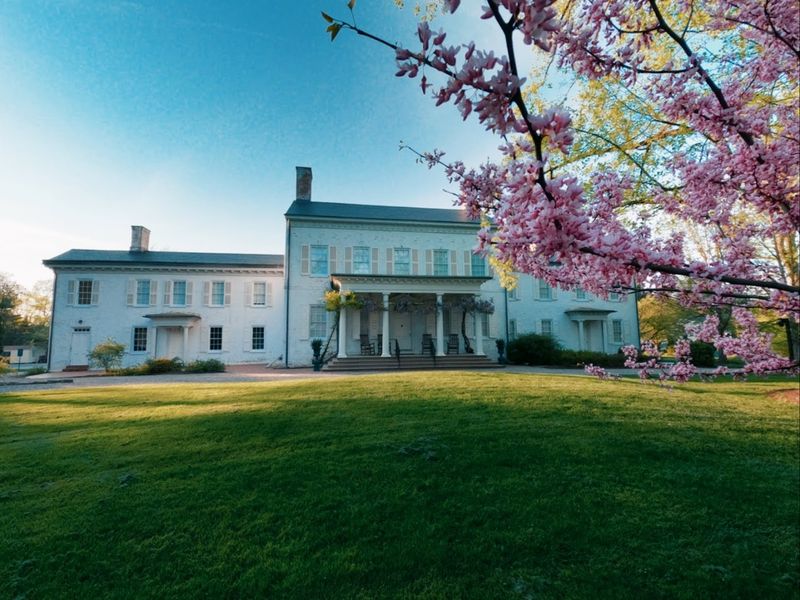
The name Morven did not come from a map or a county record. It came from the mind of Annis Boudinot Stockton, Richard Stockton’s wife, who was a published poet and one of the most intellectually active women of her era in colonial America.
She named the estate after a mythical Gaelic kingdom, and that choice says everything about the kind of household this was. This was not simply a wealthy family’s country home; it was a place where literature and ideas were taken seriously alongside politics and law.
Annis Boudinot Stockton lived from 1736 to 1801, and her contributions to American literary culture deserve far more recognition than they typically receive. The name Morven has outlasted centuries of change, ownership shifts, and political transitions, and it still carries that original sense of something slightly beyond the ordinary, something mythical and worth protecting.
A National Historic Landmark, Not Just a Nice Old House
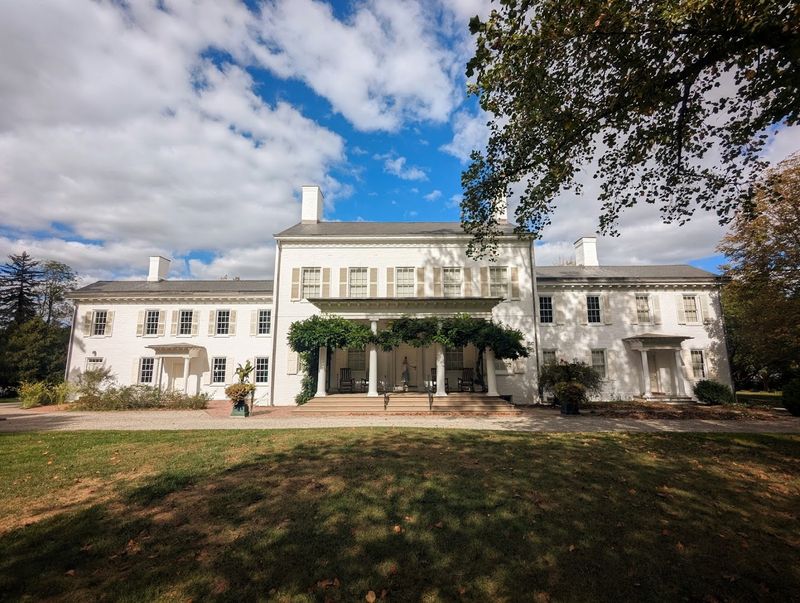
Not every old building earns the title of National Historic Landmark, but Morven has. That designation reflects the depth of the property’s connection to American and New Jersey history, and it is a status that sets the estate apart from the many other historic homes scattered across the Northeast.
The landmark status means the property is recognized at the federal level as a place of exceptional historical significance. That is not a small thing, and the museum takes that responsibility seriously in how it maintains the building and presents its collections.
For anyone who cares about preservation, this is the kind of place that shows what dedicated stewardship looks like over time. The building has been through wars, political transitions, and decades of changing ownership, and it has come through all of it intact and well-maintained.
Earning a federal landmark designation is a long process, and Morven earned every part of it.
Five Governors Called This Home
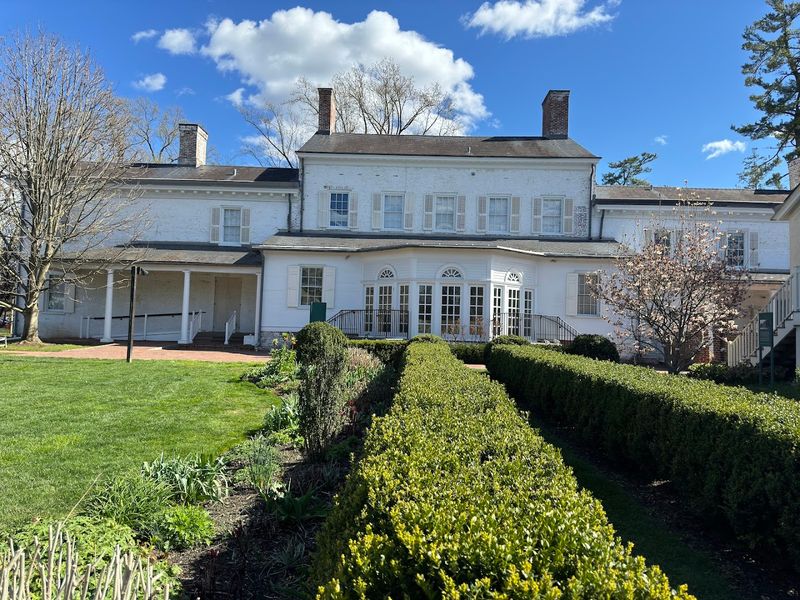
Between 1954 and 1982, Morven served as the official Governor’s Mansion for the state of New Jersey. Five governors lived and worked here during that period, making the property not just a historic relic but an active seat of state government for nearly three decades.
That chapter of the estate’s history adds a different kind of weight to a visit. The rooms where governors hosted dignitaries and made decisions about the state’s future are the same rooms that museum guests walk through today.
After 1982, the governor’s residence moved to Drumthwacket, and Morven was eventually transformed into the museum and public garden it is today. The transition from active political residence to cultural institution was handled thoughtfully, and the result is a property that honors both its colonial roots and its more recent role in state government.
Few buildings in New Jersey carry that kind of layered public history.
The Garden That Steals the Show
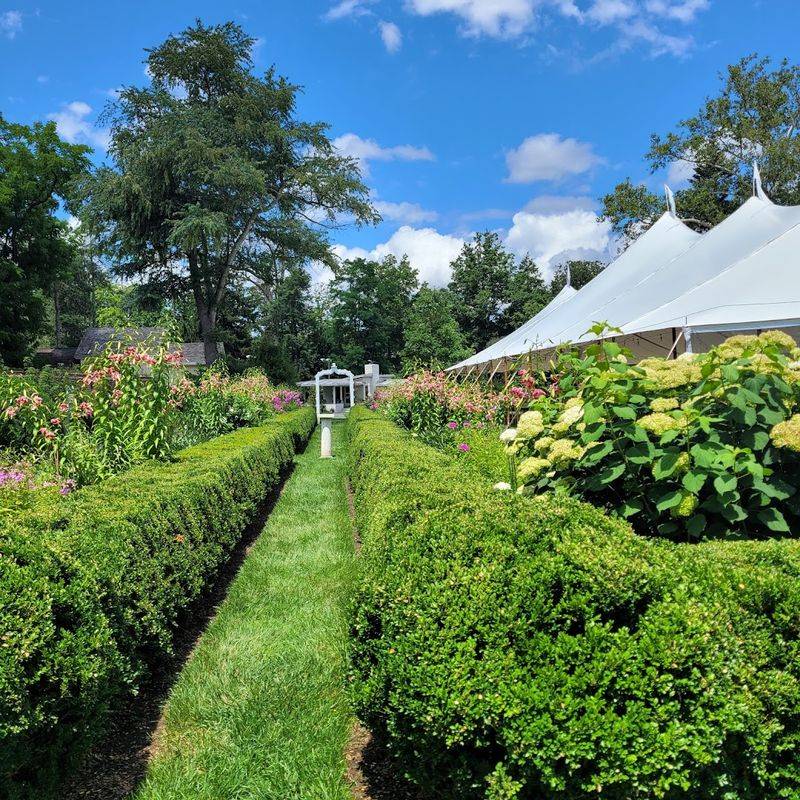
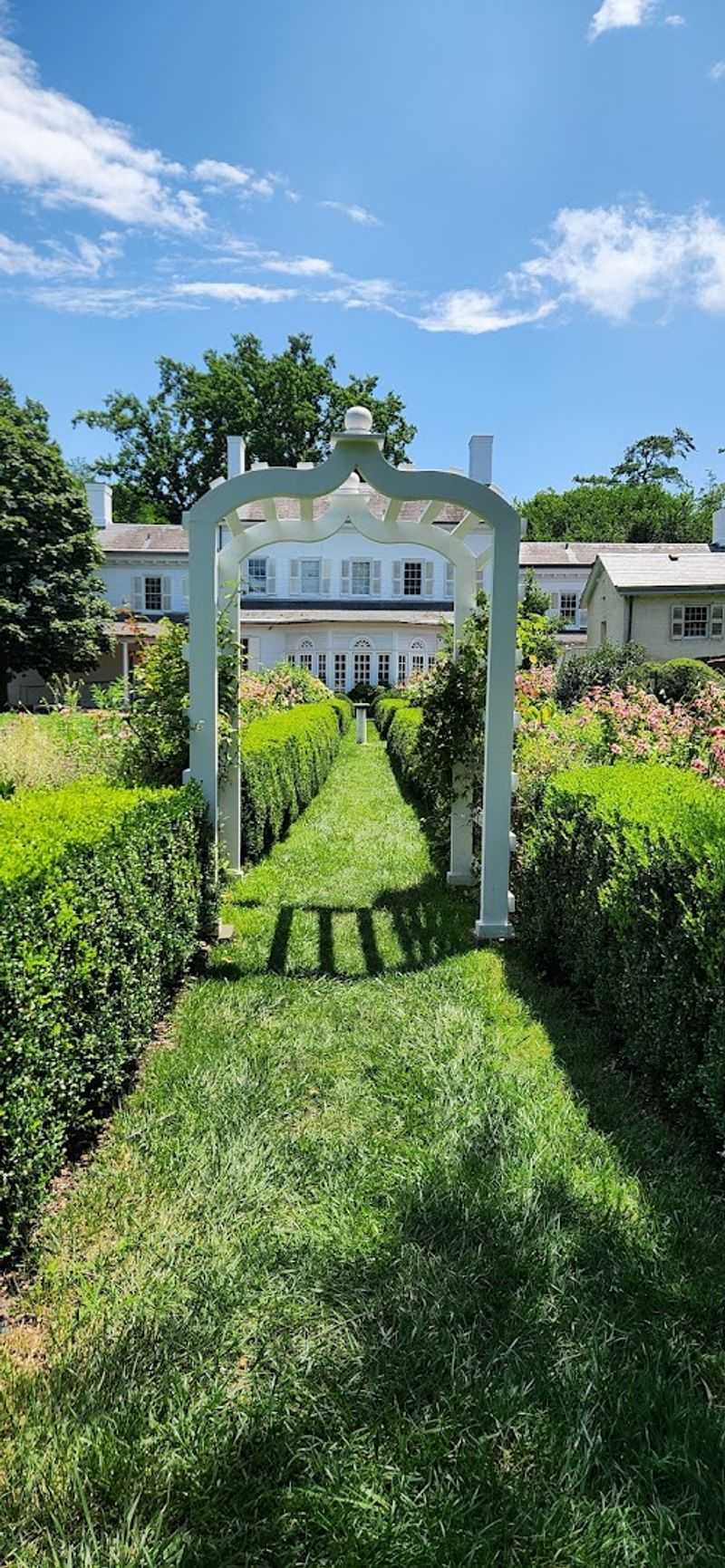
The gardens at Morven have a reputation for being among the most well-maintained historic grounds in the state, and that reputation holds up on a visit. Seasonal blooms and carefully planned plantings mean the outdoor space looks different depending on when you arrive, and each season brings something worth seeing.
A path leading toward the nearby Princeton Battle Monument is lined with cherry blossoms, which makes spring visits particularly memorable. The garden is open to the public and also allows leashed, friendly dogs, which makes it a welcoming space for pet owners looking for a thoughtful outdoor destination.
The garden does more than look good. It hosts events throughout the year, including a Spring Garden Party and plant sales that draw both locals and out-of-town guests.
For those who come primarily for the outdoor experience, the grounds alone justify the trip, and the museum waiting inside is a genuinely worthwhile bonus.
Rotating Exhibits That Keep Things Fresh
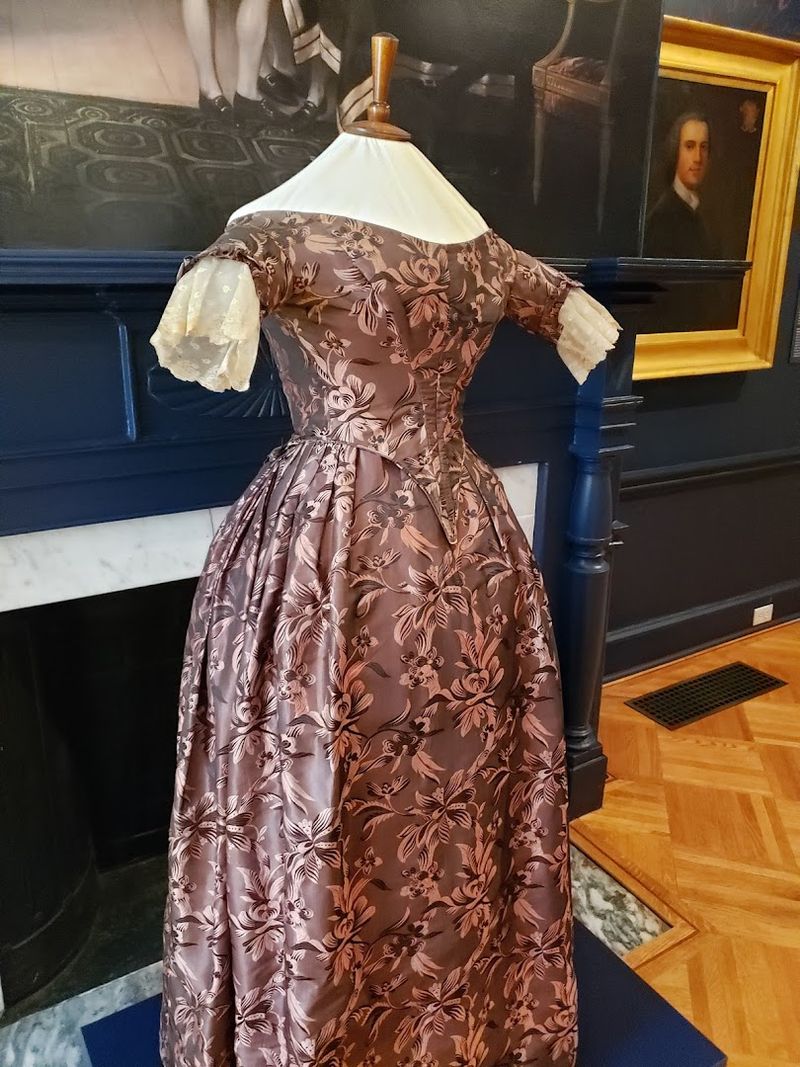
One of the things that keeps Morven from feeling like a static time capsule is its rotating exhibition program. The museum consistently presents new themed shows that connect New Jersey and American history in ways that feel current and relevant rather than dusty and distant.
Past exhibitions have explored Roosevelt-era history, New Jersey communications history, and the lives of enslaved people at Morven, which is one of the more honest and important contributions the museum has made to local historical understanding. A recent exhibition titled Northern Families, Southern Ties drew attention for its focused and impactful approach to a complex subject.
The current exhibition schedule is always posted on the museum’s website, and the variety of topics covered over the years means repeat visits genuinely offer something new each time. This is not a place where the same artifacts sit in the same cases year after year, waiting for someone to notice them.
The Festival of Trees Tradition
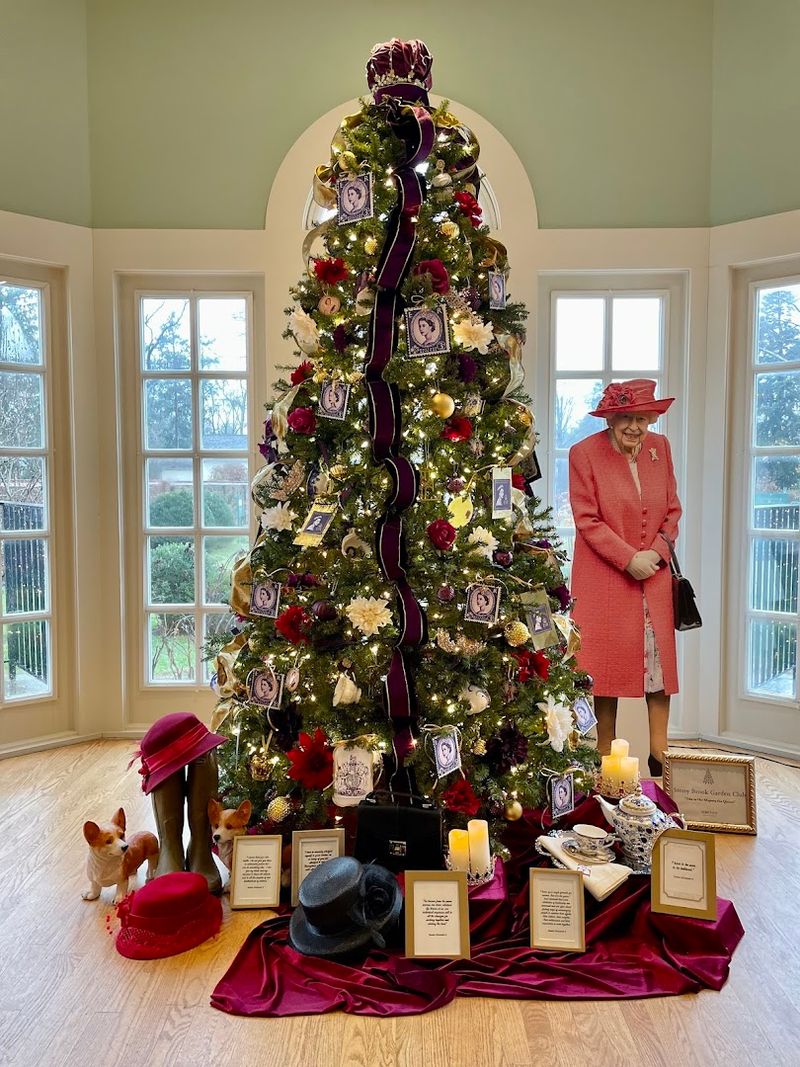
Each winter, Morven transforms into something that feels entirely different from its usual museum format. The Festival of Trees is a seasonal event that fills the mansion’s rooms with decorated Christmas trees and elaborate fireplace mantel displays contributed by local groups, clubs, and organizations.
The event has become a beloved tradition for Princeton-area families, and it draws guests who might not typically think of themselves as museum-goers. The combination of the historic setting and the holiday decorations creates an atmosphere that is genuinely hard to replicate anywhere else in the region.
There is also a special pin released each year for the Festival of Trees, which has become a collector’s item for those who follow the event closely. Bringing teenagers and young children to this event tends to go better than expected, because the visual spectacle of the decorated rooms holds attention in a way that standard exhibit formats sometimes cannot.
It runs through the early weeks of January.
The Grandfather Clock Exhibition Worth Knowing About
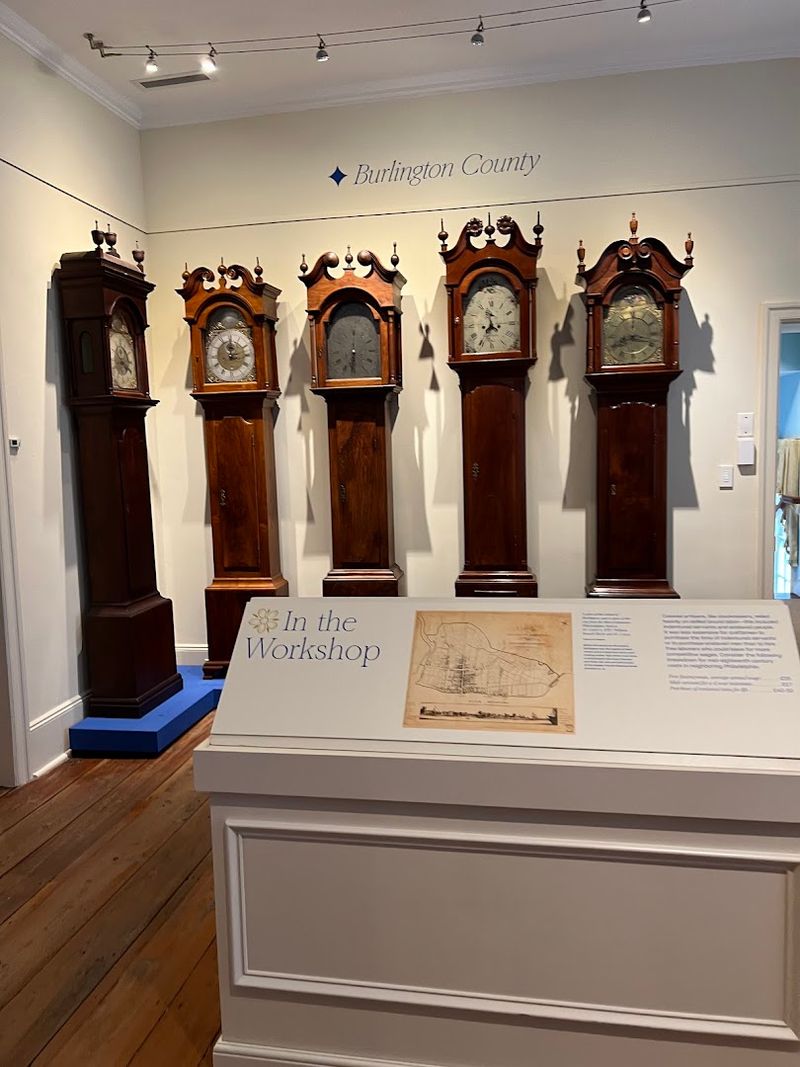
Not every museum exhibit announces itself with drama, but a room full of working grandfather clocks from 1730 to 1830 has a presence that is hard to ignore. Morven has hosted this kind of specialized, deep-focus exhibition, and the response from those who attended was consistently enthusiastic.
The clocks on display were not just decorative objects. Some were still functioning, which meant guests could hear them chime, giving the experience a dimension that most museum visits simply do not offer.
The historical craftsmanship on display in those pieces reflected a level of skill that was remarkable even by modern standards.
This kind of exhibition is exactly what makes Morven worth following across multiple visits. The museum does not limit itself to paintings and documents; it finds unexpected angles on history and presents them in ways that connect with a broad audience.
A well-curated clock exhibition sounds niche until you are actually standing in the room listening to them.
Enslaved People and the Full History of Morven
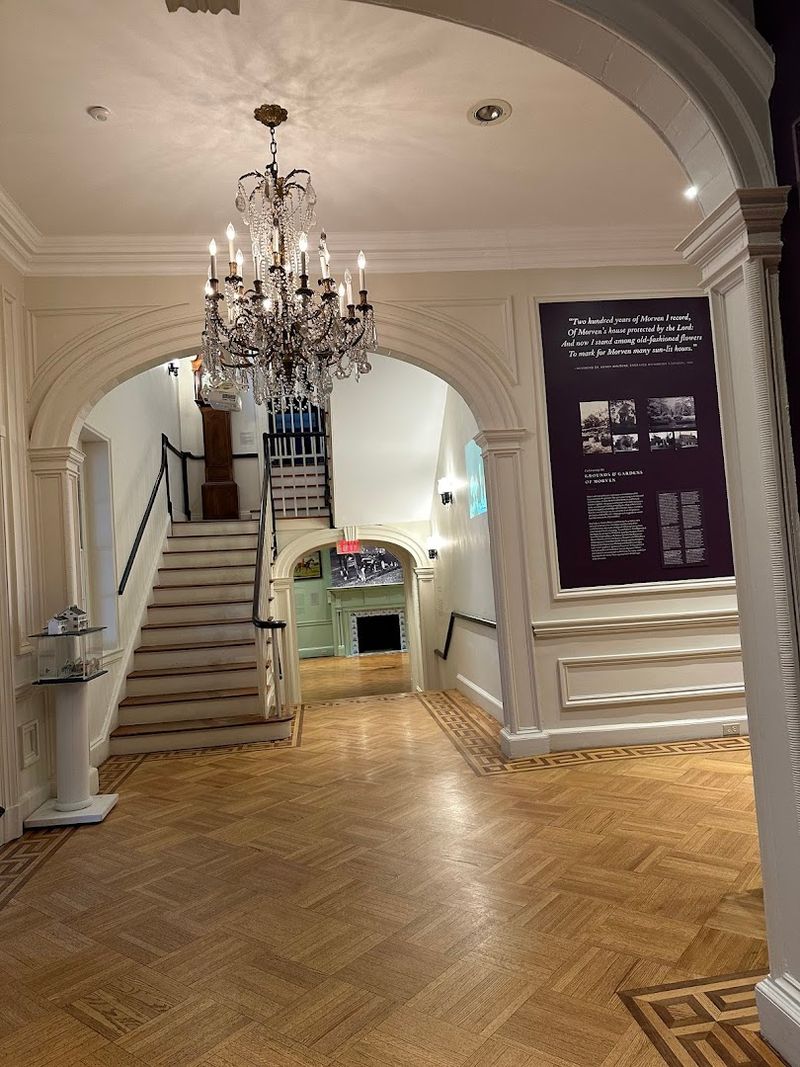
Morven’s history is not only about the famous names on the deed. The museum has made a deliberate effort to document and present the lives of the people who lived and worked at the estate but whose stories were not written into the official record, including enslaved people, domestic workers, women, and children.
An exhibition focused on these lesser-known residents of Morven was described as small in scale but significant in its impact. That kind of honest historical reckoning is not something every historic house museum is willing to undertake, and it reflects a seriousness of purpose that makes the institution worth supporting.
The documentation, artifacts, and archival materials presented in these exhibits are rare and carefully assembled. For guests who want to understand American history beyond the founding-father narrative, this layer of Morven’s story is one of the most valuable things the museum currently offers.
It is history told with both honesty and care.
A Famous Neighbor Most People Miss
Right next door to Morven, at 65 Stockton Street, there is a house that carries its own remarkable historical footnote. The German writer Thomas Mann, winner of the Nobel Prize in Literature, lived at that address from 1938 to 1941 before relocating to California.
A plaque on the exterior wall facing the street marks the connection, and it is easy to walk past without noticing it unless you know to look. Mann was one of the most important literary figures of the 20th century, and the fact that he spent three years living next door to a former Declaration of Independence signer’s estate is exactly the kind of layered historical detail that makes Princeton such a genuinely unusual place.
Combining a visit to Morven with a short walk along Stockton Street to find that plaque adds an extra dimension to the trip that costs nothing and takes very little time. Small details like that are what make a neighborhood worth exploring slowly.
Seasonal Events That Go Beyond the Usual
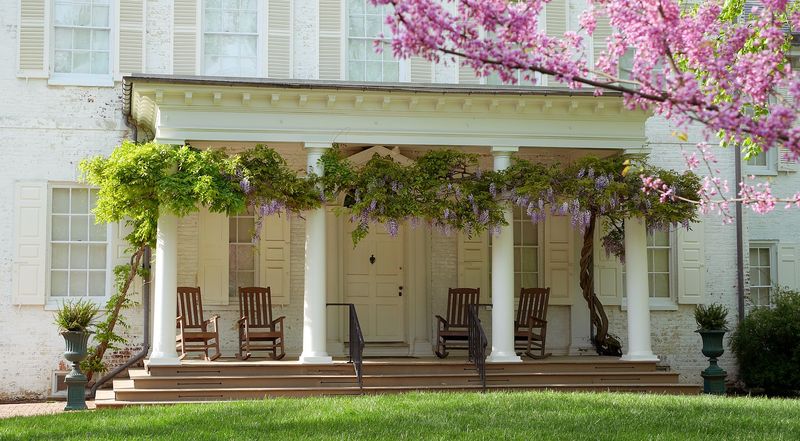
Morven does not limit its public programming to indoor exhibitions. The estate hosts a full calendar of seasonal events that bring the grounds to life throughout the year, including a Spring Garden Party, plant sales, and a Fourth of July Festival that takes advantage of the property’s outdoor space.
These events are well-suited for families, and they tend to draw a mix of longtime Princeton residents and first-time visitors. The combination of a historic setting and community-focused programming creates something that feels more like a neighborhood gathering than a formal museum event.
Tea parties have also been part of the programming lineup, offering a more intimate format for guests who want a slower, more conversational experience with the history of the property. The events calendar is updated regularly on the museum’s website, and signing up early for popular events like the Spring Garden Party is worth the effort.
The grounds are at their best when they are full of people who are genuinely curious.
The Princeton Battle Monument Next Door
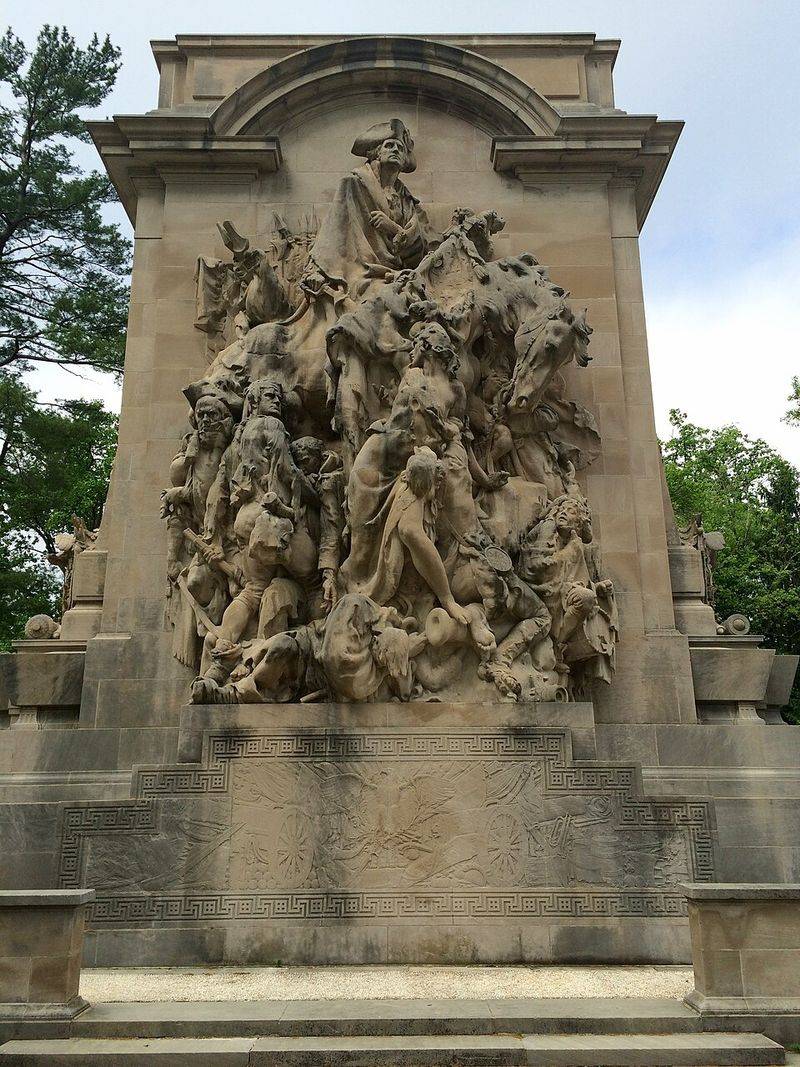
Just steps from the Morven property stands the Princeton Battle Monument, a striking outdoor memorial that depicts George Washington and his troops during the American Revolutionary War. The monument features a detailed relief sculpture and serves as a direct reminder of how much history is concentrated in this small stretch of Princeton.
The path leading from the Morven grounds toward the monument is lined with cherry blossoms, which makes the walk particularly striking during the spring blooming season. The visual contrast between the formal garden and the bold stone monument creates a kind of outdoor history corridor that is genuinely worth taking time to explore.
The grounds also include the Princeton Bell, which served aboard six Navy ships, and a replica of the sculpture known as The Little Vintner of Colmar. Together, these outdoor elements turn a visit to Morven into something much larger than a single museum stop, extending the experience across an entire historically significant block.
Practical Tips for Getting the Most Out of Your Visit
A few practical details can make the difference between a smooth visit and a frustrating one. Strollers are not permitted inside the museum buildings, but there is a designated area to park them near the entrance, and carrying younger children through the exhibits is a common and welcome approach.
Backpacks are also not allowed to be worn inside, so a side-strap bag is a smarter choice if you are bringing one. Admission is affordable, with a senior rate of around ten dollars, and the Princeton Public Library offers a museum pass program that allows cardholders to visit for free by showing a valid library card.
Docent-led tours are available and add significant depth to the visit, so checking ahead to confirm tour availability on your chosen day is worthwhile. On-site parking is available, and the museum’s proximity to Palmer Square makes combining the visit with a walk through downtown Princeton an easy and rewarding plan.
Why Morven Belongs on Every New Jersey Itinerary
There are historic sites in New Jersey that feel like obligations, places you visit because you are supposed to. Morven is not that kind of place.
The combination of its colonial roots, its role as a former governor’s residence, its rotating exhibitions, and its beautifully maintained garden creates a destination that rewards curiosity at every level.
The Mark Twain connection, the Thomas Mann plaque next door, the grandfather clock exhibitions, the Festival of Trees, and the honest documentation of enslaved people’s lives at the estate all point to a museum that takes its responsibility seriously without becoming heavy or inaccessible.
Whether a visit lasts an hour or most of the afternoon, the property tends to leave people with more questions than they arrived with, which is exactly what a good museum should do. New Jersey has a deeper history than most people give it credit for, and Morven is one of the clearest, most compelling arguments for taking that history seriously.



