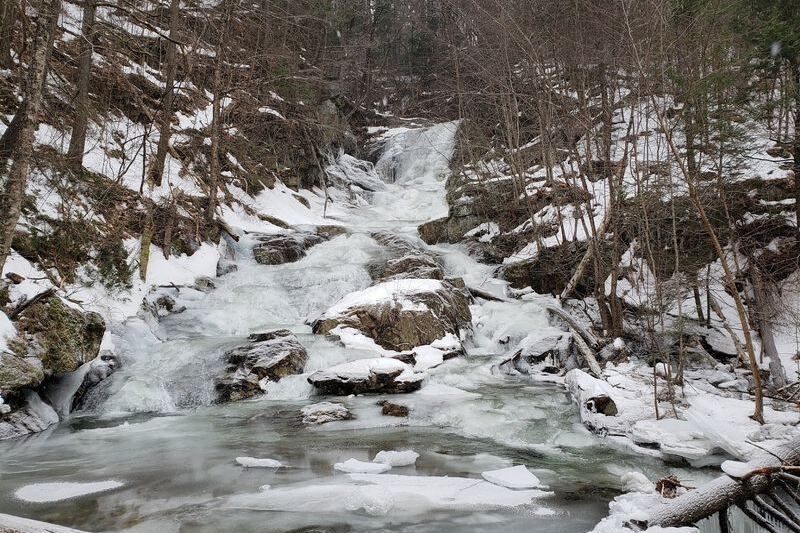
There is a trail in middle Tennessee that does something most hiking paths cannot pull off: it takes you through nearly 2,000 years of history while also delivering river gorges, dramatic bluffs, and three separate waterfalls along the way. The place sits just off Interstate 24 near Manchester, and it draws hikers, history buffs, and curious day-trippers who often leave more impressed than they expected.
The earthworks here were built by Native Americans during the Middle Woodland period, and the fact that the site has survived this long is remarkable. What makes this park stand out is that the trail loop does not force you to choose between natural scenery and cultural history.
You get both, woven together across a surprisingly accessible path that works for a wide range of fitness levels.
The Trail Loop and How It Works
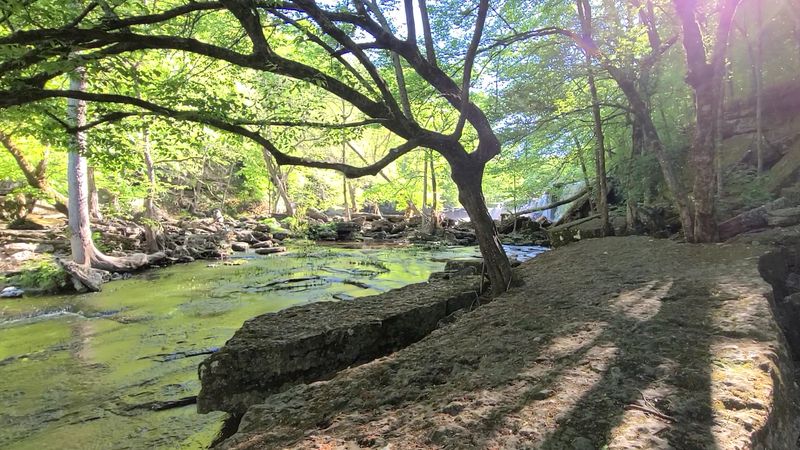
The main trail at Old Stone Fort forms a loop that circles the entire earthwork enclosure, and the design of that loop is one of the park’s most practical features.
Multiple connector paths branch off the main route, which means hikers can adjust their distance and difficulty on the fly depending on energy levels and time available.
The total loop runs roughly 1.5 miles, though adding side trails to reach the various waterfalls and bluff overlooks can extend the outing considerably.
Most of the path is rated easy to moderate, but some sections near the river gorge narrow significantly and require careful footing, especially on wet days.
Trail markers and signage appear at regular intervals, and historical information panels are placed at key points along the route to explain what you are passing.
A hiking stick or trekking pole is a smart addition for sections where the terrain gets uneven close to the bluff edges.
Big Falls: The First Major Waterfall
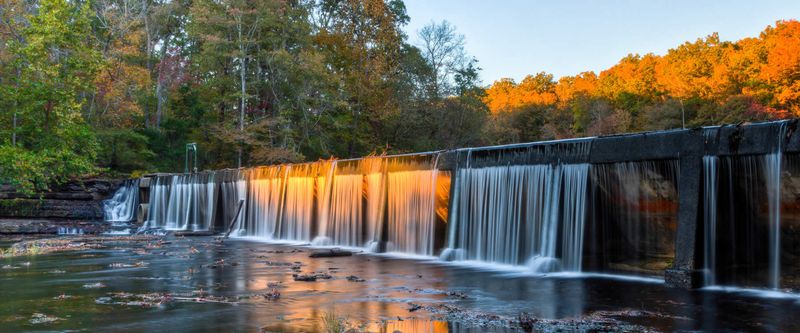
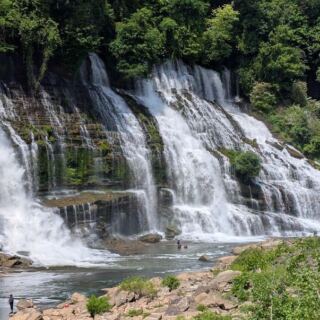
Big Falls is the most dramatic of the three waterfalls at the park, and it sits close enough to the trailhead that most people reach it within the first half mile of walking.
The falls drop over a wide rocky ledge where the north fork of the Duck River spills down into the gorge below, and the volume of water changes noticeably depending on recent rainfall.
Access to the base of the falls involves a descent that some visitors find steep on the return climb, so it is worth assessing the path before committing to going all the way down.
Even from the upper viewing areas, the scale of the falls is clear, and the surrounding rock formations give the spot a rugged character that photographs well in any season.
Early morning visits tend to offer better light and fewer crowds, particularly on weekends when the parking lot fills up quickly.
Little Falls: A Quieter Cascade
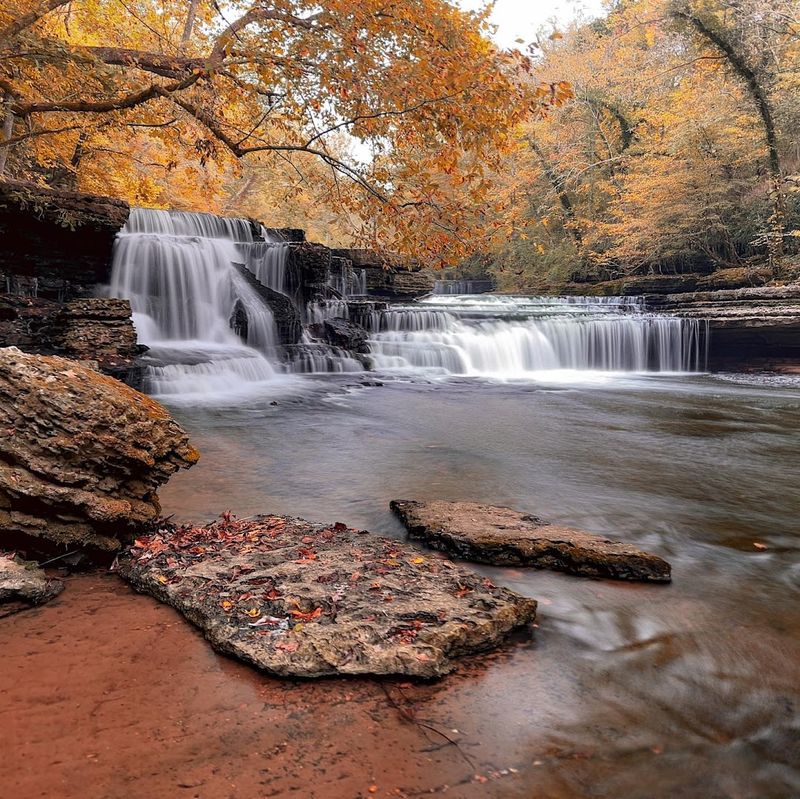
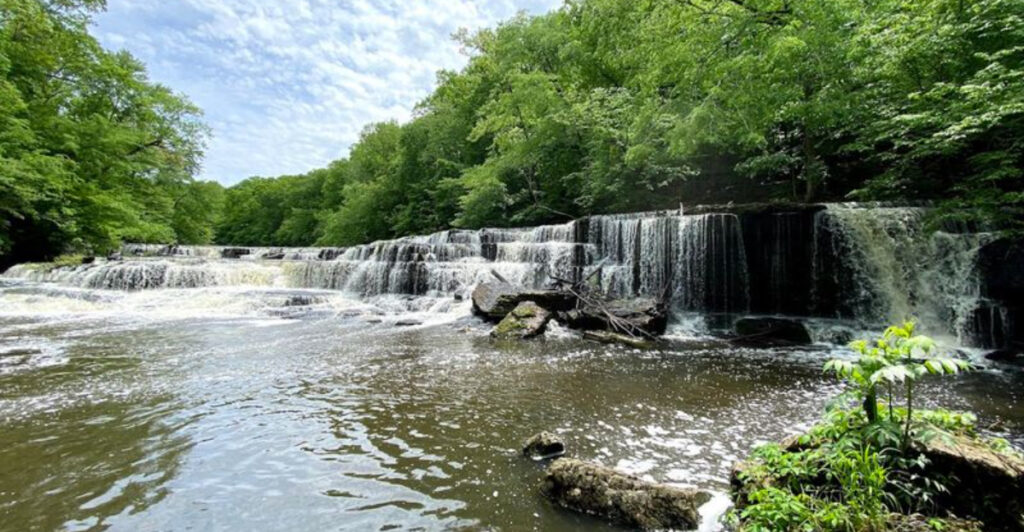
A short distance from Big Falls along the trail, Little Falls offers a different kind of waterfall experience, one that feels more tucked away and less trafficked than its larger neighbor.
The water here moves over a series of lower ledges rather than a single dramatic drop, which gives the spot a layered, tiered appearance that holds its own visual appeal.
Access to Little Falls is relatively straightforward, with a trail leading down to the river level where the water runs close enough to sit beside comfortably.
On warmer days, the area around the base of Little Falls is a popular spot to rest and cool off, and the flat rocks near the water provide natural seating.
The surrounding forest canopy keeps this section of the trail shaded through most of the day, which makes it a pleasant stretch even during summer months.
The contrast between Big Falls and Little Falls, just a short walk apart, is part of what makes the trail feel varied rather than repetitive.
The Third Waterfall and the Multi-Layer Effect
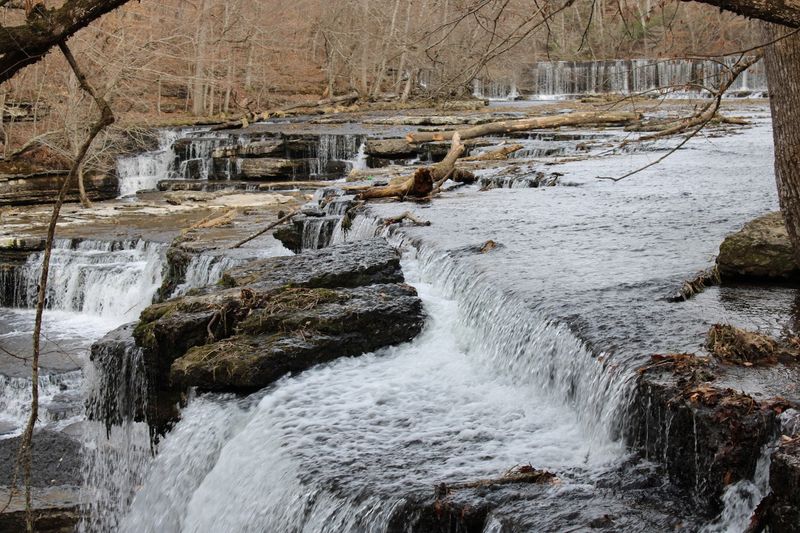
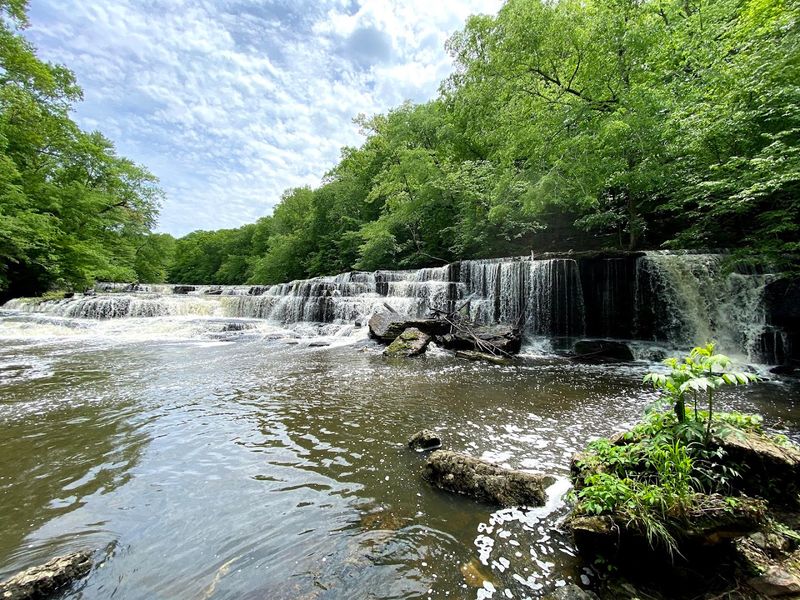
The third waterfall at Old Stone Fort is a multi-layered cascade that sits further along the loop trail, and it tends to be the one that surprises people most.
Rather than a single curtain of water, this falls moves through stacked rock formations in a sequence of short drops that stack visually when viewed from the right angle on the trail above.
The effect is particularly striking after heavy rain, when the combined flow across all three layers creates a fuller, more connected sheet of moving water.
Getting to this waterfall requires covering more of the trail loop, which naturally filters out some of the casual visitors who turn back after seeing the first two falls.
That means the area around the third cascade tends to be quieter, giving hikers more time to take in the surroundings without competition for the best vantage points.
Bringing a camera with a wide-angle lens pays off here, as the layered structure does not compress well into a standard smartphone frame.
The River Gorges Running Beneath the Trail
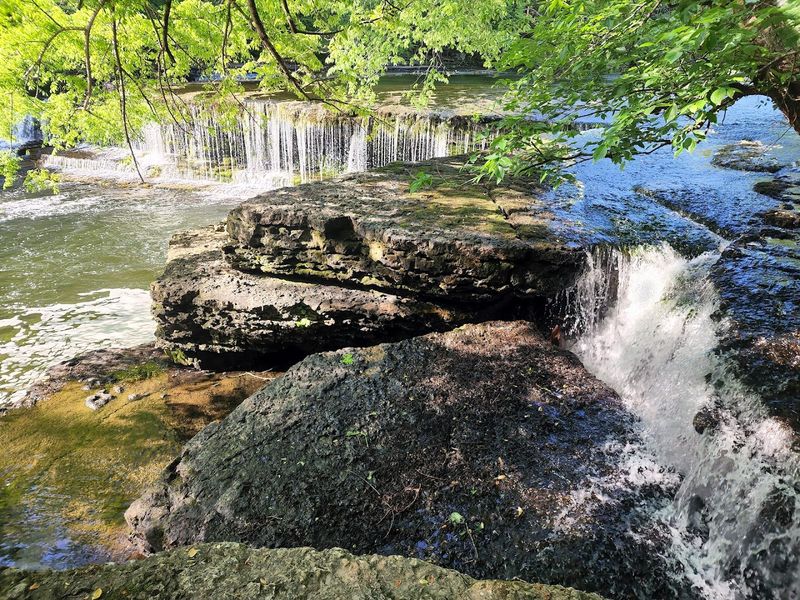
The trail at Old Stone Fort does not just pass near the rivers, it runs along their gorge edges for long stretches, and those sections are among the most compelling parts of the entire hike.
The Duck River and its north fork carved these gorges over thousands of years, and the resulting bluff walls rise steeply on both sides of the water in places.
Looking down from the trail into the gorge gives a clear sense of how the rivers naturally defined the boundaries of the ancient enclosure built above them.
The gorge walls are limestone, and their layered faces show the geological record of the region in a way that geology enthusiasts tend to find particularly engaging.
Some sections of the trail run close enough to the bluff edge that caution is genuinely warranted, especially for children or anyone with mobility concerns.
That said, the views from those elevated positions above the water are among the most rewarding the park has to offer.
Fall Color and the Best Seasons to Visit
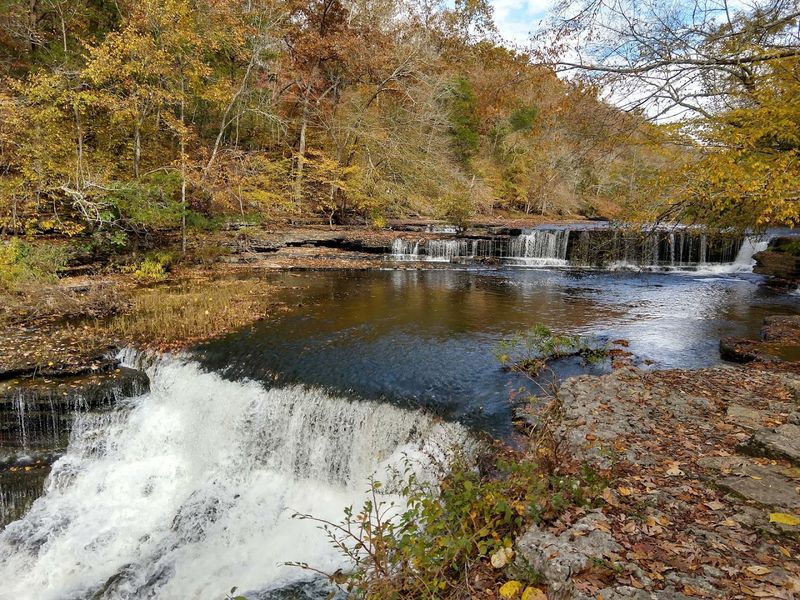
Old Stone Fort draws a noticeably larger crowd in October when the fall foliage peaks in middle Tennessee, and the park’s combination of river gorges and open bluffs gives the color display plenty of dramatic backdrops.
The canopy along the trail includes a mix of hardwood species that turn reliably in autumn, and the contrast between the orange and red leaves and the grey limestone gorge walls below is striking.
Spring visits offer a different appeal, with wildflowers appearing along the trail margins and the waterfalls running at higher volume from seasonal rainfall.
Summer works well for those who want shade on the trail, though weekend crowds increase significantly during warmer months and parking fills up faster than expected.
Winter strips the leaves from the trees and opens up longer sightlines through the forest, which makes the earthwork mounds and bluff structures more readable from the trail.
Weekday visits in any season tend to offer a quieter, more relaxed pace regardless of the time of year.
Camping at the Park

Old Stone Fort is not just a day-use park, it also offers a campground that sits within the forested grounds, and the sites are notably spacious compared to many state park campgrounds in the region.
The campground has developed a reputation for being quiet at night, which is one of the details that repeat campers tend to appreciate most about staying here rather than at busier alternatives.
Restrooms in the campground area are maintained regularly, and the overall cleanliness of the facilities has been a consistent positive across the camping experience.
The campground is close enough to the trailhead that campers can access the main loop and the waterfalls early in the morning before day visitors arrive, which is a real advantage for those who want the trail to themselves.
A bridge renovation was underway at the time of recent visits, and once complete it will improve access between certain sections of the park and the campground.
Practical Tips Before You Go
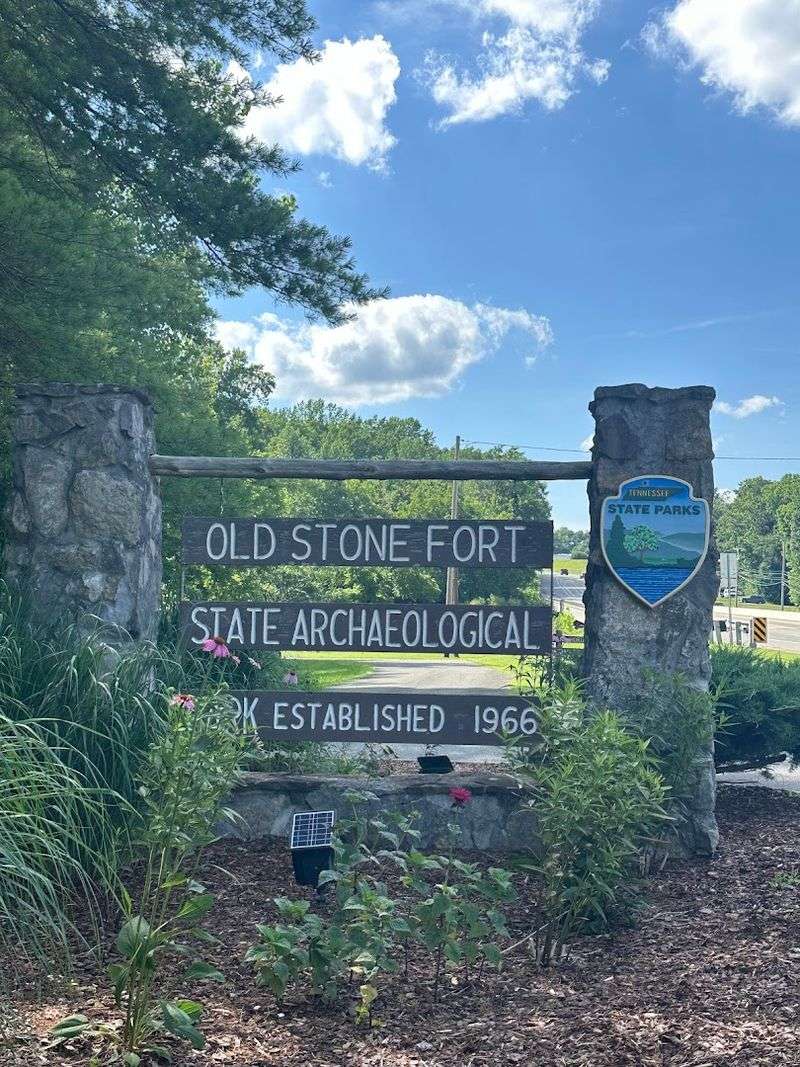
A few practical details can make a visit to Old Stone Fort run more smoothly, and the most important one is parking: the lot fills up faster than its size suggests it should, especially on weekend mornings.
Arriving before 9 AM on a Saturday or Sunday gives a much better chance of getting a spot without circling or waiting, and it also puts you on the trail ahead of the main crowd.
The park operates on a carry-in, carry-out policy, so bringing a small trash bag for wrappers and packaging is the right move.
Dogs are welcome on the trails but must remain on a leash, and the restroom near the playground is the designated option for visitors with non-service dogs.
Good footwear matters more here than on some easier trails, as the gorge-side sections involve uneven rock and narrow paths that can catch flat-soled shoes off guard.
A water bottle and a light snack are enough supplies for the standard loop, though longer explorations benefit from more preparation.
Why This Park Stays With You After You Leave
Most parks offer either natural scenery or historical significance, but rarely both at the same scale and in the same compact area.
Old Stone Fort threads those two things together in a way that makes the experience feel layered, where a single walk covers waterfalls, gorge views, ancient construction, and forest trails without any of those elements feeling forced or out of place.
The fact that the earthworks have stood for nearly 2,000 years while the rivers continue to cut deeper into the gorge below adds a quiet sense of scale to the whole visit.
The trail is accessible enough for casual walkers but offers enough variation and challenge to satisfy more experienced hikers who want to explore every side path and bluff edge.
Located just off Interstate 24, about 30 minutes from Murfreesboro, it fits easily into a road trip or a deliberate day trip from Nashville or Chattanooga.
Manchester, Tennessee has a park that rewards the time you give it, and most people leave already thinking about when to come back.
Where the Ancient Earthworks Begin
At 732 Stone Fort Dr, Manchester, TN 37355, Old Stone Fort State Archaeological Park sits at the confluence of the Duck River and its north fork, and that location was no accident.
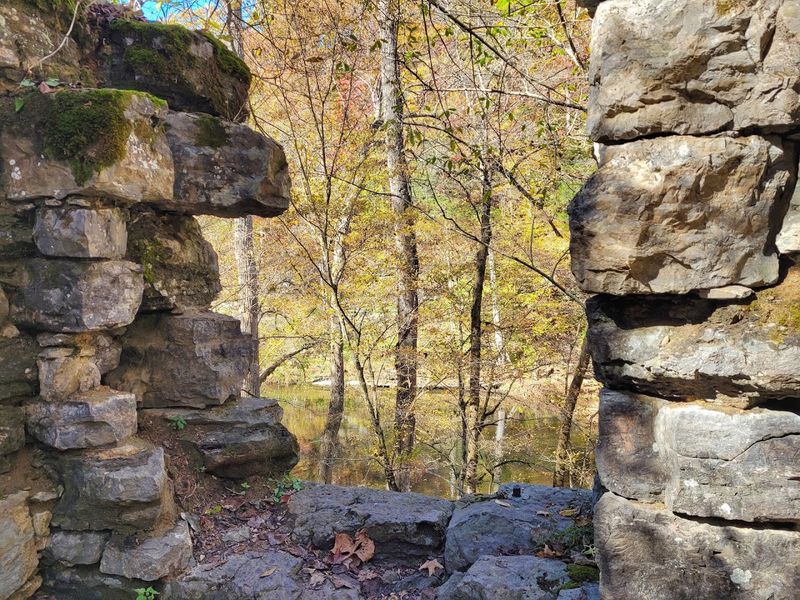
The earthworks here were constructed by Native American people of the Middle Woodland culture roughly between 80 AD and 550 AD, making them nearly two millennia old.
The enclosure covers about 50 acres, and the walls and ditches that outline its perimeter stretch for more than a mile.
Archaeologists believe the site was used for ceremonial purposes rather than as a defensive structure, despite the name that European settlers gave it long ago.
The park is open Monday through Sunday from 8 AM to 4:30 PM, giving visitors a solid window to explore without rushing.
Starting at the main parking area and museum, the trail begins to reveal just how carefully this ancient space was laid out by the people who built it.
Share this story