
There is a beach on the Massachusetts North Shore where the sand does something most people have never experienced before. When dry sand is pressed underfoot, it produces a squeaking or singing sound that stops most first-time visitors in their tracks.
Scientists have studied this quirk for over a century, and the explanation comes down to the size, shape, and cleanliness of the quartz grains. The town of Manchester-by-the-Sea has built an entire identity around this curious stretch of coastline, and once you learn what makes it tick, the beach becomes far more interesting than just another pretty shoreline.
From its commuter rail access out of Boston to its seasonal bathhouse, dog-friendly off-season rules, and limited parking setup, there is a lot to know before heading out. This article covers every angle of the experience so the trip goes smoothly from start to finish.
The Science Behind the Sand That Actually Sings

The sand at this beach does not just look clean and white. Under the right conditions, it produces an audible squeaking or chirping sound when walked on, which is where the beach gets its name.
The phenomenon happens because of the specific quartz grains that make up the sand here. The grains are unusually round, smooth, and similarly sized, and when they rub against each other under pressure, the friction creates that distinctive sound.
Scientists have been studying singing sands for well over a century, and similar beaches exist in a handful of other places around the world. What makes this spot notable is how consistently the effect occurs when the sand is dry and clean.
Wet sand does not sing, so the best time to experience the effect is after a stretch of dry weather when the upper layer of sand has had time to dry out fully. Most people crouch down and press their palms into the sand just to double-check that what they heard was real.
Getting There Without a Car

One of the most practical things about this beach is that it does not require a car to reach. The MBTA Commuter Rail runs directly to Manchester-by-the-Sea station on the Newburyport/Rockport Line, departing from North Station in Boston.
The ride takes roughly 50 to 60 minutes depending on the service, and from the station, the beach is about a 15 to 20 minute walk along a straightforward route through town.
Traveling by rail is especially appealing on summer weekends when parking at the beach fills up fast and the town streets get congested. Arriving by train means skipping the parking scramble entirely and walking in at a relaxed pace.
A few things worth keeping in mind for the walk: bring cash for the beach entry fee before leaving town, since there is a small market near the station where cash can be obtained. The walk itself passes through a pleasant stretch of the town center, so it adds a bit of local character to the outing.
Parking Realities for Non-Residents
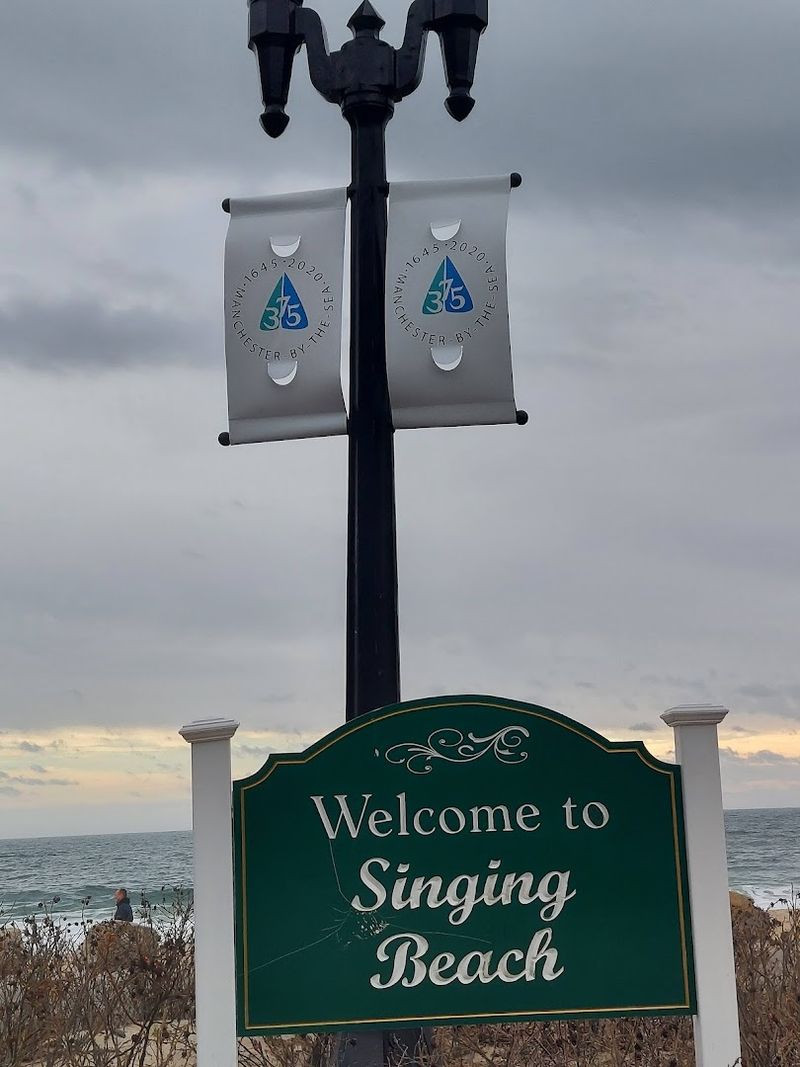
Parking at Singing Beach is one of the most discussed logistical challenges for anyone coming from outside the area. The main beach parking lot is reserved for residents with permits, and the number of public spaces available nearby is limited.
Non-residents typically need to park in the town center, roughly half a mile from the beach, and walk from there. Street parking in town usually has a two-hour maximum, so planning the visit around that limit is important.
Some summer weekends see a local golf cart shuttle service operating between the town center and the beach, run by young entrepreneurs from the area. The service makes the walk optional for those carrying a lot of gear, and a tip is well earned for the convenience.
Arriving early on busy days is the most reliable strategy. The beach opens at 9 AM daily during the operating season, and the most desirable spots tend to fill up well before midmorning on peak summer days.
Beach Fees and What They Cover

During the summer season, which runs roughly from Memorial Day through Labor Day, there is a walk-on fee to access the beach. The fee is typically around $10 per person and is collected at the beach entrance.
Cash is the most reliable payment method to bring, so stopping at an ATM or a nearby store before heading down to the beach is a smart move. The fee applies to non-residents entering during staffed hours.
After Labor Day and outside of staffed hours, the beach is generally free and open to the public. Late afternoon arrivals, around 7 PM when the attendant may no longer be on duty, can sometimes enter without a fee, though availability of facilities at that point is limited.
The fee contributes to the upkeep of the bathhouse, the beach facilities, and the overall cleanliness that the town takes seriously. For the quality of the beach itself, most people find the cost reasonable and well worth it.
What the Bathhouse and Facilities Actually Offer

The beach has a seasonal bathhouse that operates during the summer months, providing changing rooms and shower facilities for beachgoers. The structure is functional and straightforward, giving people a place to rinse off and change before heading back into town.
A snack bar operates out of the same area during peak season, offering the kinds of quick bites that work well at a beach outing. It gives families with kids a convenient option without needing to pack everything in a cooler.
The showers have drawn some mixed feedback over the years, with the main note being that a handheld attachment would be a welcome upgrade. That said, the basic functionality is there, and the facilities are maintained through the season.
Restrooms are available during operating hours, which run from 9 AM to 7 PM daily. After hours, a portable restroom is typically left available on site.
The bathhouse officially closes at 7 PM, though in practice it may close slightly earlier, so planning accordingly avoids any last-minute surprises.
How Busy It Gets and When to Visit

Summer weekends are the busiest stretch at this beach, particularly in July and August when the combination of warm weather and school breaks draws large crowds from the greater Boston area. The beach holds around 450 parking spots in the resident lot, which gives a rough sense of the maximum daily capacity.
Despite the crowds on peak days, the beach does not feel overwhelmingly packed compared to larger public beaches. Its relatively compact size means there is still room to settle in, but arriving early gives the best chance of a comfortable setup.
Off-season visits, particularly in spring and fall, offer a completely different atmosphere. The beach is quiet, free to access, and surprisingly scenic in cooler months when the light sits lower and the coastline looks especially clear.
Labor Day weekend, despite being the unofficial end of summer, tends to be calmer than expected. Some who have visited on that weekend report finding a relaxed crowd rather than the chaos they anticipated, making it a solid option for a late-summer trip.
Dogs on the Beach: Rules Worth Knowing

Dog rules at this beach depend entirely on the time of year. During the main summer season, pets are not permitted on the sand.
That restriction is in place to protect the experience for families and to keep the beach clean during its most heavily used months.
The off-season is a different story. From roughly after Labor Day through late spring, dogs are welcome on the beach and the rules around leashes are relaxed.
The beach becomes a popular spot for dog owners from the area during these months.
The town takes cleanliness seriously, and that applies to pet owners as much as anyone else. Cleaning up after dogs is not optional, and the community has made it clear that continued access for pets depends on responsible behavior from owners.
The beach stretches roughly three-quarters of a mile end to end, giving dogs plenty of room to run. With one main entrance and exit point, it is easy to keep track of a dog without worrying about them wandering off in multiple directions.
The Water Temperature Situation

The water at this beach is cold. That is not a complaint so much as a fact of life for any North Atlantic beach in New England.
Even in the height of summer, the ocean temperature here tends to run in the mid-to-upper 60s Fahrenheit, and in spring or fall it drops considerably lower.
The waves are generally mild, which makes the beach well-suited for casual swimming and body surfing. The water depth is manageable, staying relatively shallow for a good distance out from shore.
For the best swimming experience, aiming for the hottest days of the year makes the water feel far more tolerable. On days in the low 90s, the ocean temperature feels refreshing rather than punishing, and the contrast with the warm air makes it worth the initial shock.
Lifeguards are on duty during the summer season, which adds a layer of safety for families with young children. Respecting their instructions and flags is standard beach etiquette and keeps everyone safer in the water.
A Few Final Tips Before You Go

A few practical details make a real difference at this beach. Bringing cash is at the top of the list, since the entry fee and some nearby vendors work best with it.
Crosby’s Market near the train station is a convenient stop for supplies and cash before the walk down to the beach.
Sunscreen and water are worth packing even on overcast days, since the reflective quality of white sand can catch people off guard. The beach opens at 9 AM and runs through 7 PM daily, so a full day is easy to fill.
Parking in town and walking is almost always the smarter call over trying to find a spot closer to the beach. Two-hour street parking limits mean keeping track of time if the car is parked downtown.
What makes this beach worth the planning is the combination of things that are genuinely unusual: the singing sand, the accessible train connection from Boston, the clean shoreline, and a town that clearly values what it has.
Where Exactly This Beach Sits on the Map

Singing Beach is located at 119 Beach St, Manchester-by-the-Sea, MA 01944, tucked along the North Shore of Massachusetts roughly 30 miles northeast of Boston.
The town of Manchester-by-the-Sea is a small, quiet coastal community known for its well-kept streets, charming harbor, and historic homes. The beach sits at the end of Beach Street, making it relatively straightforward to find once you are in town.
The surrounding area has a residential feel, with houses lining the road leading down to the water. That neighborhood character gives the whole approach a low-key, unhurried quality that sets the tone for the visit.
The coastline here faces southeast toward open Atlantic water, which means the beach catches a good amount of light during midday hours. The setting is compact but feels complete, with the water, sand, and nearby facilities all within easy reach of each other.
Share this story