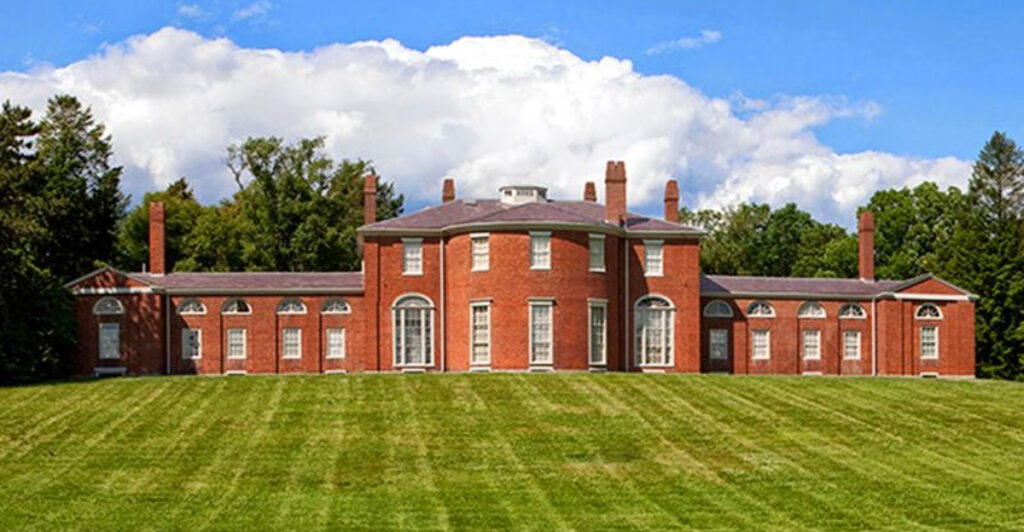
Just a short drive from downtown Boston, there is a sprawling historic estate that makes you forget you are anywhere near a major city. Wide open grounds, a Federal-period mansion, and a small working farm combine to create something that feels genuinely rare in Greater Boston.
This place sits on land that has been carefully preserved since the 1930s, and every visit reveals something new about early American life. Whether you are a history lover, a family looking for a weekend outing, or simply curious about one of the region’s most underrated landmarks, this estate delivers a surprisingly full experience that goes well beyond what most people expect from a historic property so close to an urban center.
The Governor Who Built It All
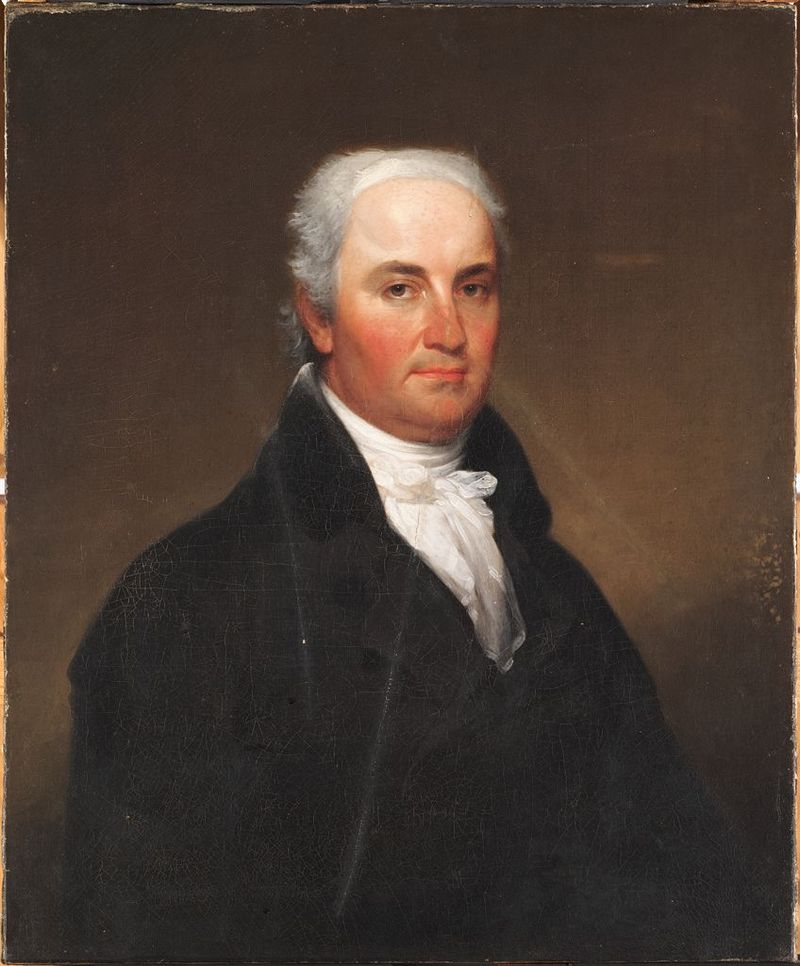
Christopher Gore was not a minor figure in early American history. He served as governor of Massachusetts from 1809 to 1810, and before that he worked as a diplomat and lawyer with connections to some of the most important political figures of the founding era.
Gore and his wife Rebecca spent years living in Europe before returning to Massachusetts, and their time abroad heavily influenced the design and decoration of the mansion they commissioned. The Federal-style architecture reflects that cosmopolitan background in every detail.
What makes the story more layered is that Christopher and Rebecca had no children, which shaped how the estate was managed and eventually what happened to it after their time. The property passed through several hands before preservation efforts began in the 1930s.
Learning about Christopher Gore through a guided tour adds real depth to what might otherwise feel like just a walk through a big old house. His story gives the whole place a strong narrative backbone.
Federal-Period Architecture Up Close
The mansion at Gore Place is one of the finest surviving examples of Federal-period architecture in New England. Built in 1806, the design draws on European influences that were fashionable among America’s wealthiest citizens in the early 19th century.
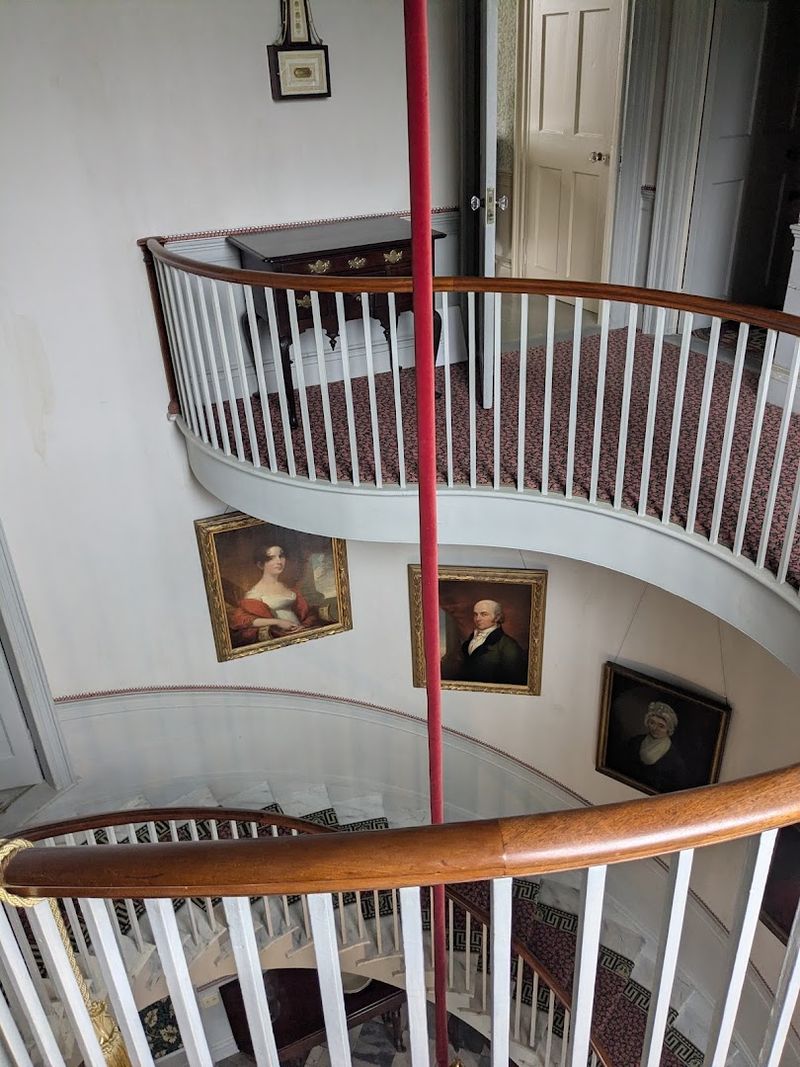
The elliptical staircase inside the mansion is frequently cited as one of its most striking features, and the overall floor plan reflects a careful balance between elegance and practicality. Large windows allow natural light to fill the main rooms, and the proportions throughout the building feel deliberately considered.
Unlike many historic homes that have been over-restored to the point of feeling artificial, Gore Place shows its age in ways that feel honest. Ongoing restoration work aims to return interiors to what Christopher and Rebecca Gore would have recognized, using period-appropriate materials and techniques wherever possible.
Architecture enthusiasts find the building genuinely rewarding to study, and guided tours break down the design choices in ways that make the building’s history easier to understand and appreciate.
Free Grounds That Feel Like a Park
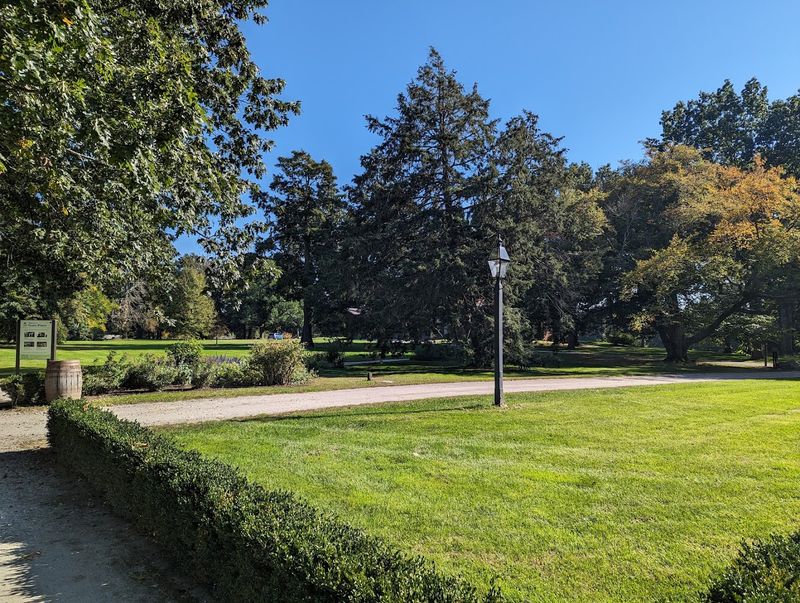
One of the most appealing things about Gore Place is that the grounds are free to explore every day of the week. The open acreage gives the estate a park-like quality that surprises first-time visitors who may not expect this much open space so close to Boston.
Paved and unpaved paths wind through the property, passing mature trees, open meadows, and views of the mansion from multiple angles. The layout encourages a slow, unhurried pace rather than a quick loop around the perimeter.
Families with young children find the grounds easy to navigate, and the open space gives kids room to move around freely. Dog walkers, joggers, and picnickers also make regular use of the property during warmer months.
Even during the colder months, the grounds retain a quiet appeal. Late winter visits often come with the added bonus of spotting new lambs on the farm section of the property, which makes the off-season worth considering for a spontaneous outing.
The Small Farm That Steals the Show
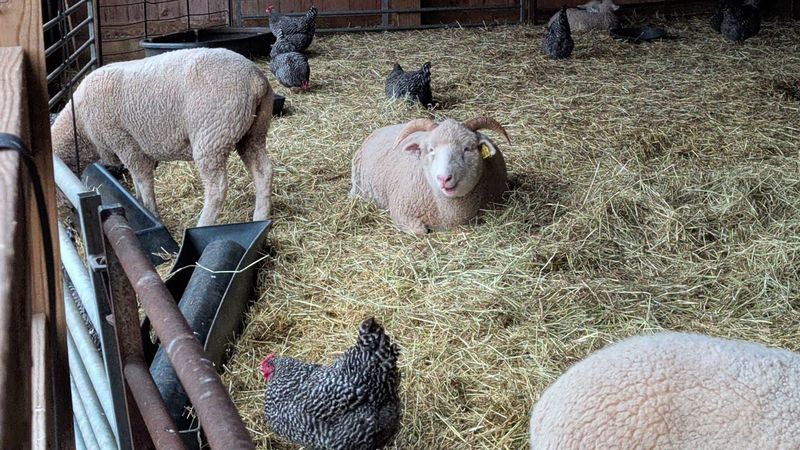
Tucked behind the mansion, the small farm at Gore Place is one of the property’s most charming features. Sheep are the main attraction, and they graze in a fenced pasture that sits in clear view from several points on the grounds.
The farm also hosts alpacas and other animals throughout the year, which adds variety and gives younger visitors plenty to get excited about. The combination of historic architecture and working farm animals creates a contrast that feels genuinely distinctive.
During late February and early March, new lambs typically appear on the property, drawing families who make a seasonal tradition out of visiting during that window. It is one of those small, reliable pleasures that regular visitors come back for year after year.
The farm section can be viewed even when the mansion is closed for tours, which means a visit to Gore Place can be worthwhile any day of the week. The animals make the estate feel active and lived-in rather than purely ceremonial.
Guided Mansion Tours Worth Taking
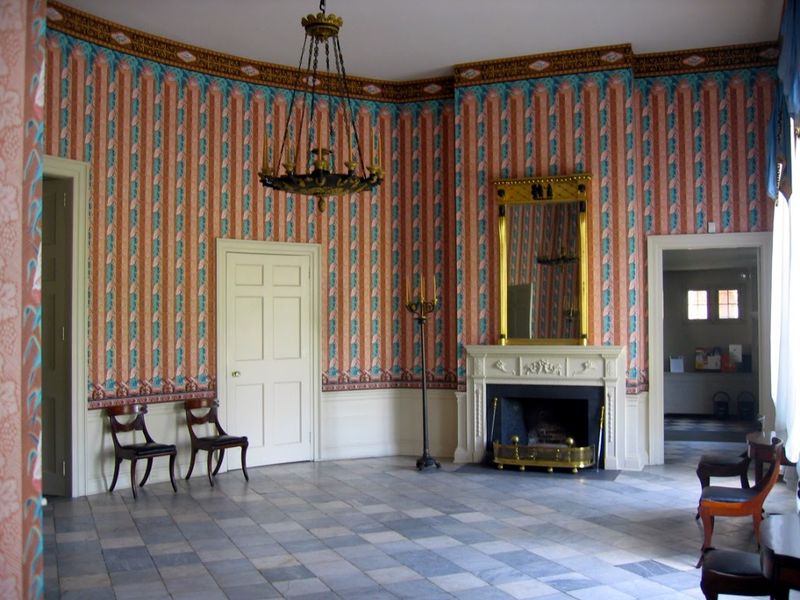
The grounds may be free, but the mansion tours are where Gore Place really delivers. Lasting approximately 45 minutes, the guided tours move through the main rooms of the 1806 Federal-period home with commentary that covers architecture, family history, and the social context of early 19th century Massachusetts.
Tour guides are known for being knowledgeable and engaging, mixing factual detail with storytelling that keeps the pace moving. The format works well for both adults and older children who have some interest in history.
One of the most compelling stops on the tour involves the story of Robert Roberts, a figure connected to the Gore household whose history raises genuinely thought-provoking questions about the era. The tour handles this part of the story with care, and it tends to leave a lasting impression on guests.
Tours are available on weekends during the regular season. Checking the official website before visiting is the best way to confirm current tour schedules and any seasonal variations in availability.
The Story of Robert Roberts
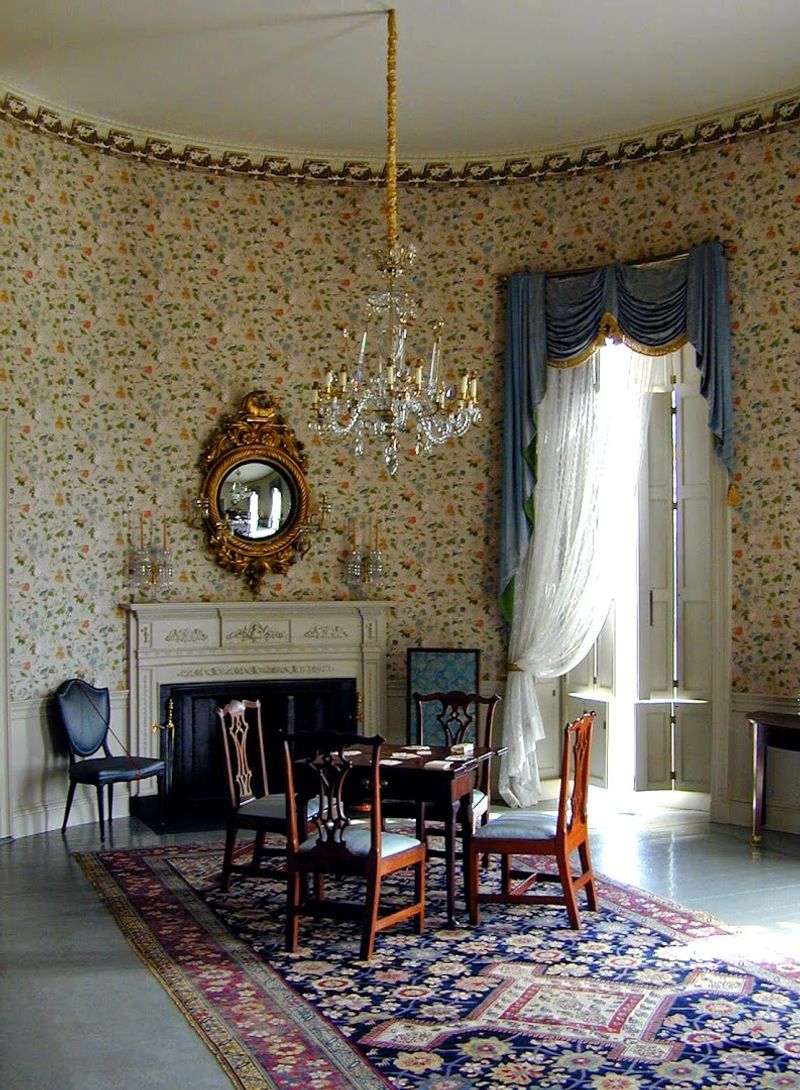
Among all the stories told during a Gore Place mansion tour, the one about Robert Roberts tends to be the one guests remember most clearly afterward. Roberts was a Black man who worked in the Gore household and later became an important figure in his own right.
He authored a book called “The House Servant’s Directory,” published in 1827, which is considered the first book written and published by a Black American to be commercially distributed. Standing in what was once his bedroom while a guide explains this history gives the moment a weight that is hard to replicate through reading alone.
The Gore household’s relationship with Roberts reflects a complexity that many historic tours tend to avoid, but Gore Place addresses it directly and thoughtfully. That willingness to engage with the full story rather than just the comfortable parts is one of the things that sets this estate apart.
Roberts’ book is still available for purchase, and many tour guests seek it out afterward to learn more about his remarkable life.
The Annual Sheep Shearing Festival

Every spring, Gore Place hosts its Sheep Shearing Festival, which has become one of the most popular community events on the Waltham calendar. The festival draws families from across Greater Boston for a day of farm demonstrations, animal encounters, and outdoor activities.
Herding dog demonstrations are a consistent highlight, showing off the working relationship between dogs and sheep in a way that is both educational and genuinely entertaining for all ages. Alpacas, exotic animals, and other farm residents also make appearances throughout the day.
The festival has a carnival-like energy that stands in interesting contrast to the estate’s usual quiet atmosphere. Food vendors, craft activities, and live demonstrations fill the grounds, and the historic mansion provides a backdrop that makes the whole setting feel unlike any other event space in the region.
For families with young children, the Sheep Shearing Festival is often the first introduction to Gore Place, and it tends to turn first-time attendees into repeat visitors who start exploring the rest of what the estate has to offer.
An Event Venue Unlike Any Other
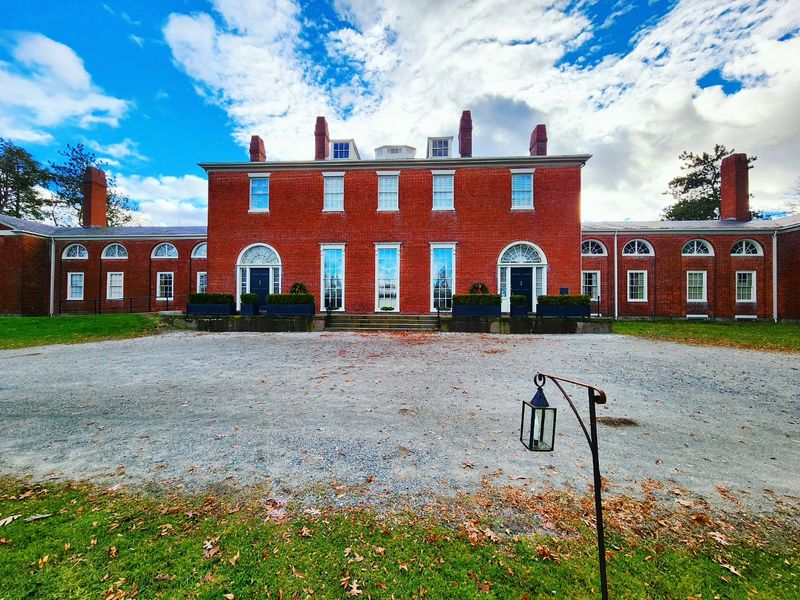
Beyond its public programming, Gore Place has established itself as one of the more distinctive private event venues in the Greater Boston area. The combination of historic architecture, open grounds, and the Carriage House gives event planners a range of spaces to work with depending on the size and style of the occasion.
Corporate gatherings, community celebrations, and private parties have all taken place on the property, with the landscape providing a backdrop that most conventional venues simply cannot replicate. The Carriage House in particular has drawn attention as a standalone event space with its own historic character.
The estate’s staff approach event coordination with flexibility and professionalism, working with outside vendors and organizers to make the logistics run smoothly. The property has hosted everything from themed outdoor festivals to more intimate indoor gatherings inside the mansion itself.
For anyone searching for an event space that offers something genuinely different from a hotel ballroom or standard banquet hall, Gore Place presents a compelling case that history and hospitality can coexist without compromise.
The Carriage House Hidden in Plain Sight
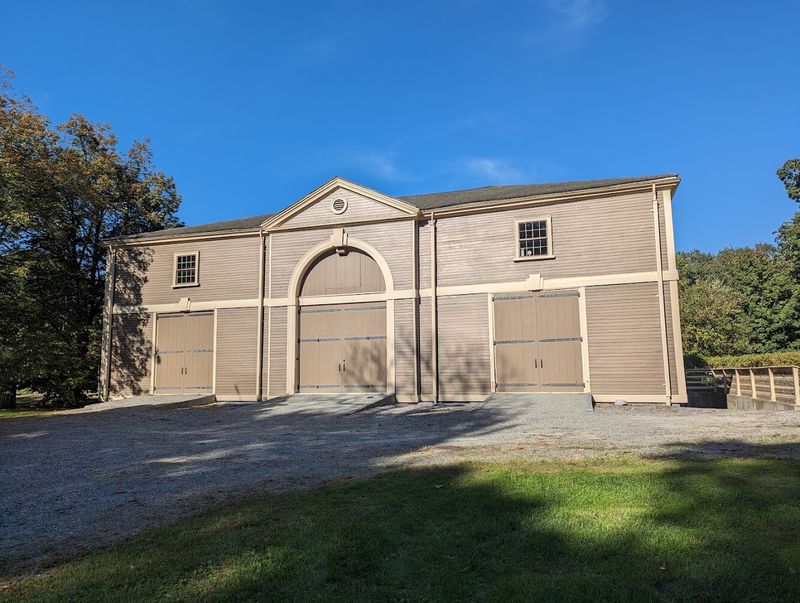
Not every visitor to Gore Place realizes that the Carriage House is worth seeking out separately from the main mansion. The structure dates back to the estate’s early years and has been preserved with the same attention to detail that characterizes the rest of the property.
Inside, the Carriage House offers a glimpse into the practical side of 19th century estate life, which operated on a scale and complexity that most modern visitors find surprising. Maintaining a property of this size required a full support infrastructure, and the Carriage House was central to that operation.
The building also functions as a flexible event and gathering space, with interior details that make it a genuinely interesting place to spend time regardless of whether an event is taking place. The architecture tells its own story separate from the mansion’s more formal narrative.
Guests who take a personal tour of the Carriage House consistently describe it as one of the highlights of a Gore Place visit, and it is the kind of discovery that rewards those who take their time exploring the full property.
Preservation Efforts That Span Decades
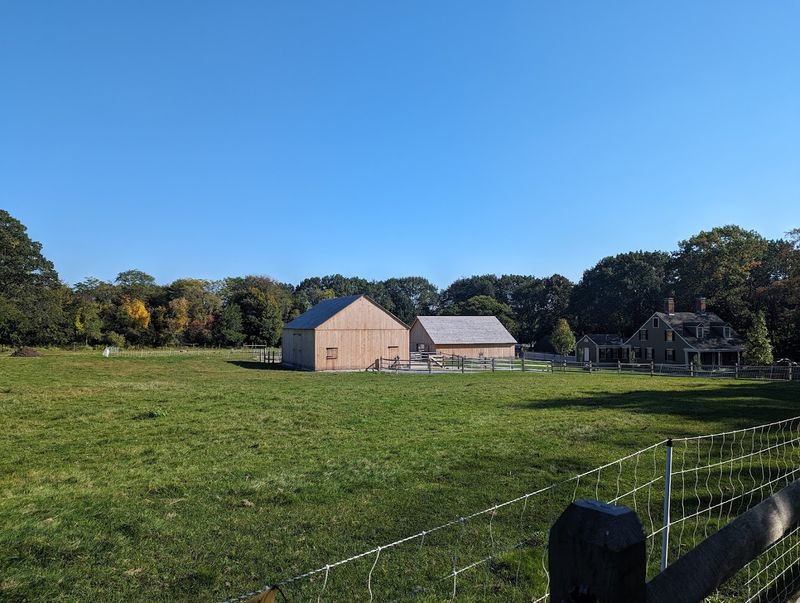
Gore Place has been in active preservation since the 1930s, which makes it one of the longer-running historic preservation efforts in eastern Massachusetts. The work is carried out by a combination of dedicated volunteers and donors who contribute both time and financial support to keep the estate operational.
Restoring a Federal-period mansion to a historically accurate state is not a project with a clear finish line. New research, recovered artifacts, and evolving conservation techniques mean the work continues year after year, with each phase bringing the interiors closer to what the Gores would have known.
The ongoing nature of the restoration is part of what makes Gore Place feel dynamic rather than static. Repeat visitors often notice changes between visits, which gives the estate a living quality that purely finished museums sometimes lack.
Community involvement has been central to the preservation story from the beginning, and Gore Place regularly acknowledges the role that local support plays in keeping the property accessible to the public. That connection between the estate and its community is one of its defining characteristics.
Planning Your Visit Without Any Surprises
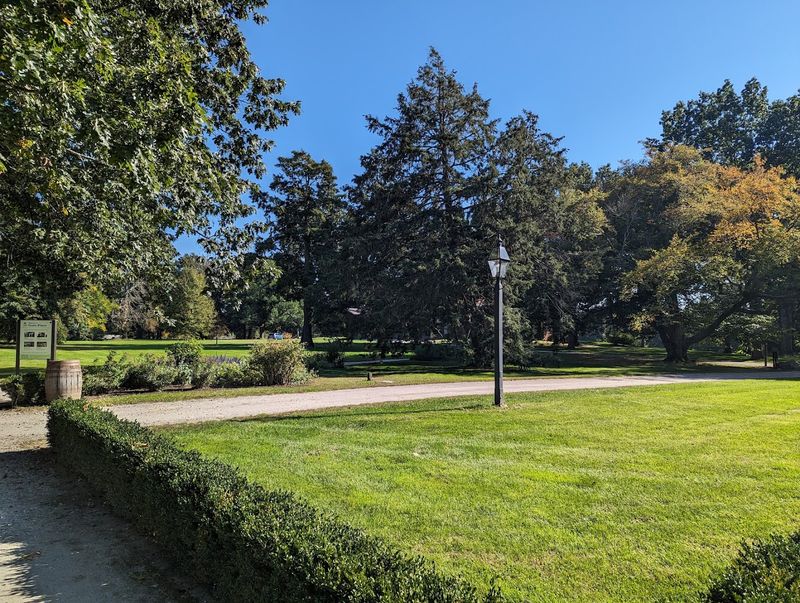
Gore Place is open seven days a week from 7 AM to 6 PM, which gives visitors a generous window to plan around. The grounds are always free to access, and the parking lot on the property makes arrival straightforward for those coming by car.
Mansion tours carry a separate admission fee and run on a seasonal schedule, so checking the official website at goreplace.org before visiting is the most reliable way to confirm current availability. Tour schedules can shift based on staffing, season, and special events happening on the grounds.
The estate is located at 52 Gore St in Waltham, and from central Boston the drive typically takes between 20 and 30 minutes depending on traffic. Public transit options also exist for those who prefer not to drive, with the Waltham commuter rail stop a reasonable distance from the property.
Bringing comfortable walking footwear is a practical choice since the grounds cover considerable acreage and unpaved paths make up a portion of the walkable area throughout the estate.
A Historic Address Worth Knowing
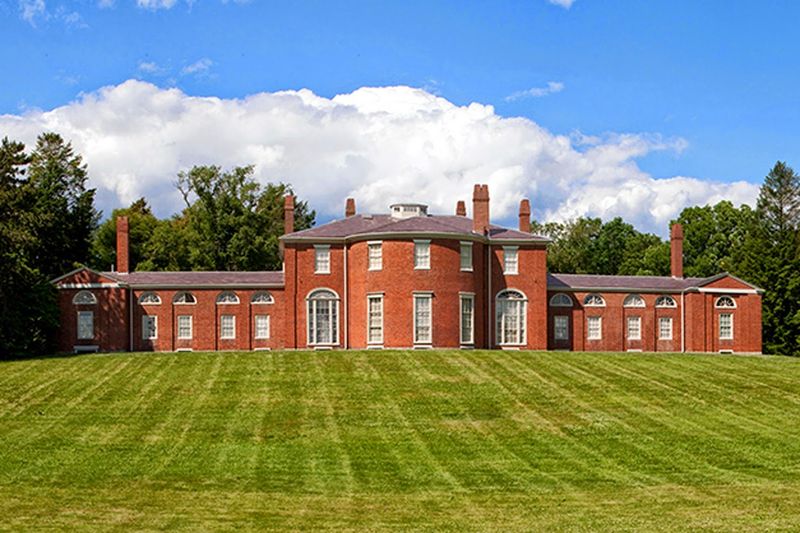
Some historic properties feel frozen in time in a way that makes them hard to connect with. Gore Place, located at 52 Gore St, Waltham, MA 02453, manages to feel genuinely alive rather than preserved behind glass.
Built in 1806 for Christopher Gore, who served as governor of Massachusetts, the estate sits on land that stretches across acres of open grounds just outside Boston. The property is part of the city of Waltham, which sits in Middlesex County in eastern Massachusetts.
Getting here from central Boston takes roughly 20 to 30 minutes by car, making it one of the more accessible historic escapes in the region. The grounds open at 7 AM daily, giving early risers plenty of time to explore before crowds arrive.
Free parking is available on site, and admission to the grounds themselves costs nothing. The estate’s website at goreplace.org keeps seasonal hours and event listings updated throughout the year.
Share this story