Tucked away in the far western corner of Massachusetts, there is a waterfall that most people outside the region have never heard of, yet those who make the trip rarely stop talking about it. The trail leading to it cuts through dense woodland, crosses a state line, and ends at a dramatic two-pronged cascade that drops nearly 200 feet into a wide, green-tinted plunge pool below.
It is the kind of place that earns a permanent spot on your mental list of favorite outdoor destinations. Whether you arrive in the full heat of summer or during a crisp November morning when the crowds have thinned out completely, the experience delivers something genuinely worth the drive.
This article walks through everything worth knowing before you lace up your boots and hit the trail toward one of the most underrated natural landmarks in all of New England.
What the Falls Actually Look Like Up Close
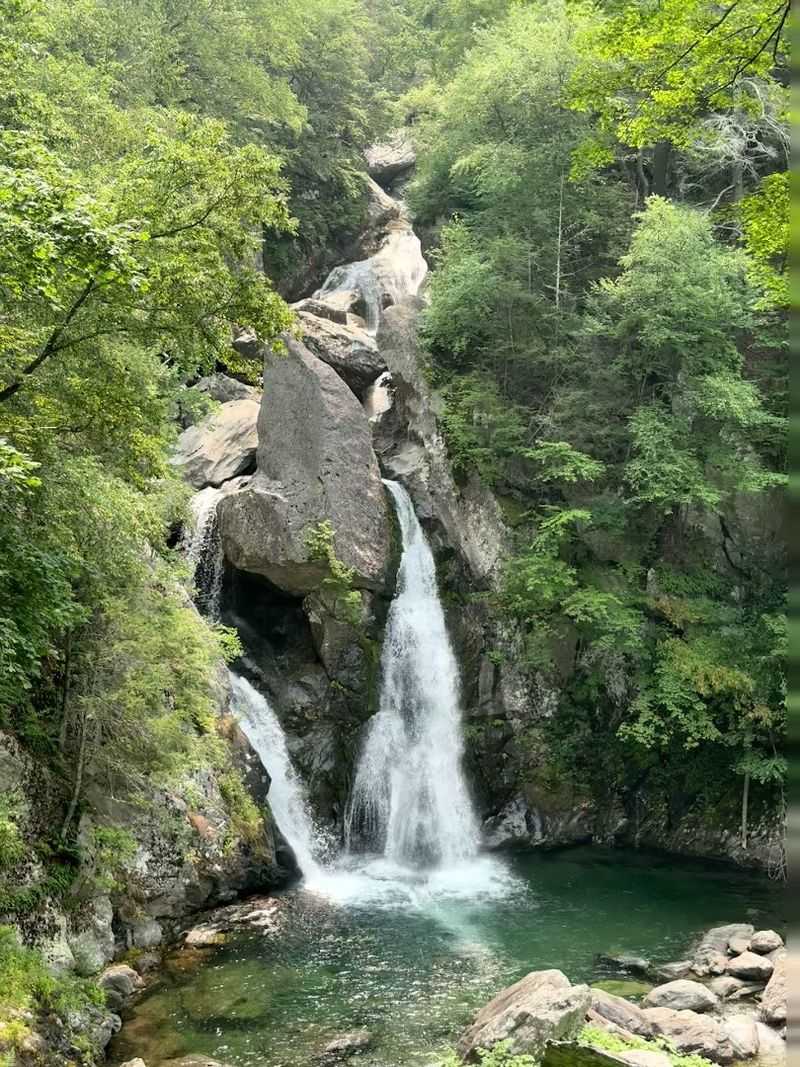
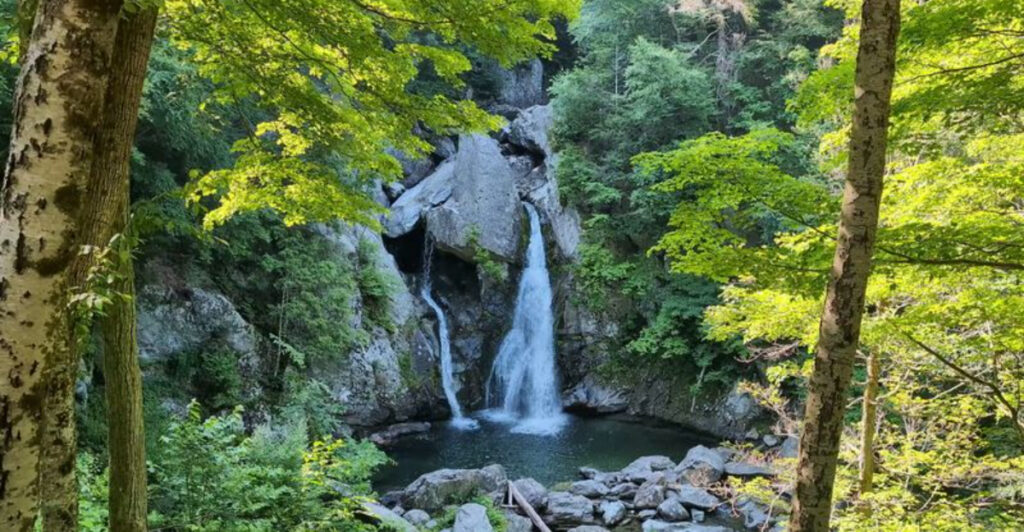
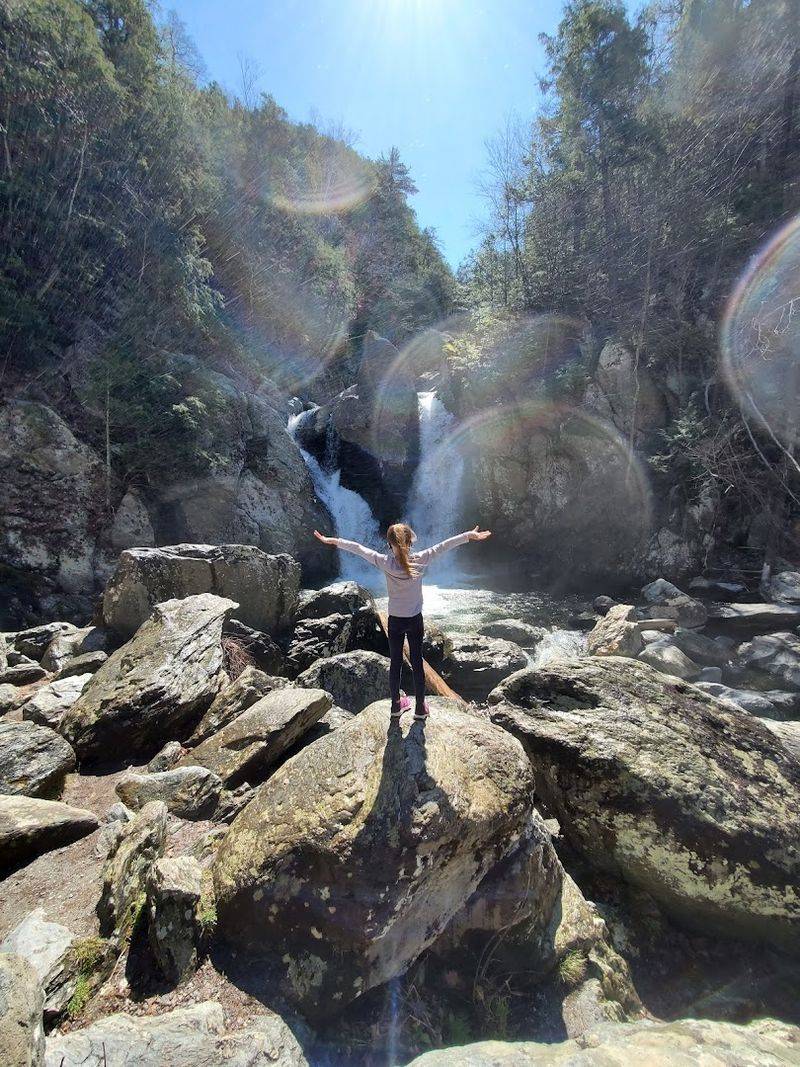
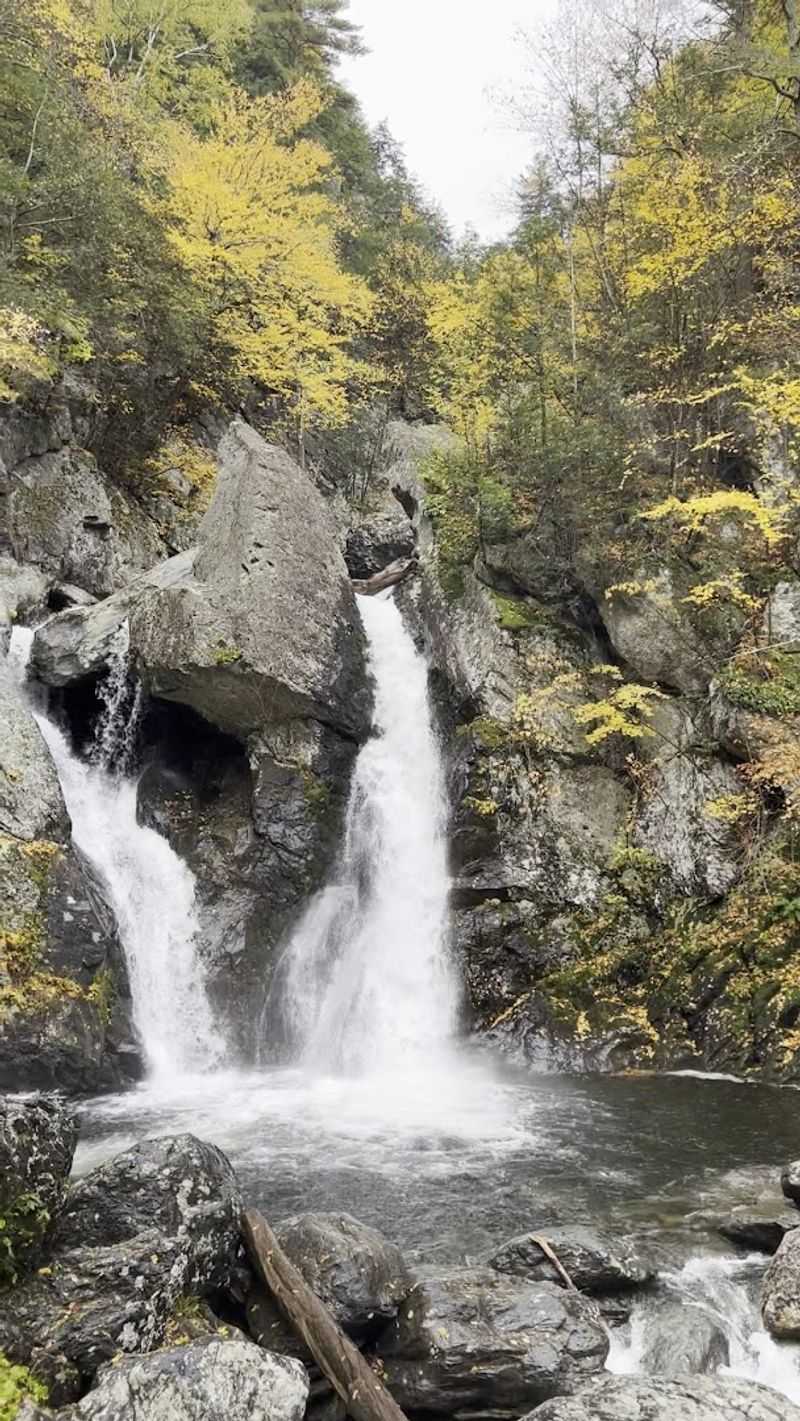
Bash Bish Falls is the highest single-drop waterfall in Massachusetts, reaching close to 200 feet in total height. What makes it visually striking is the way the water splits around a large central rock formation near the top, creating two distinct streams that rejoin as they crash into the pool below.
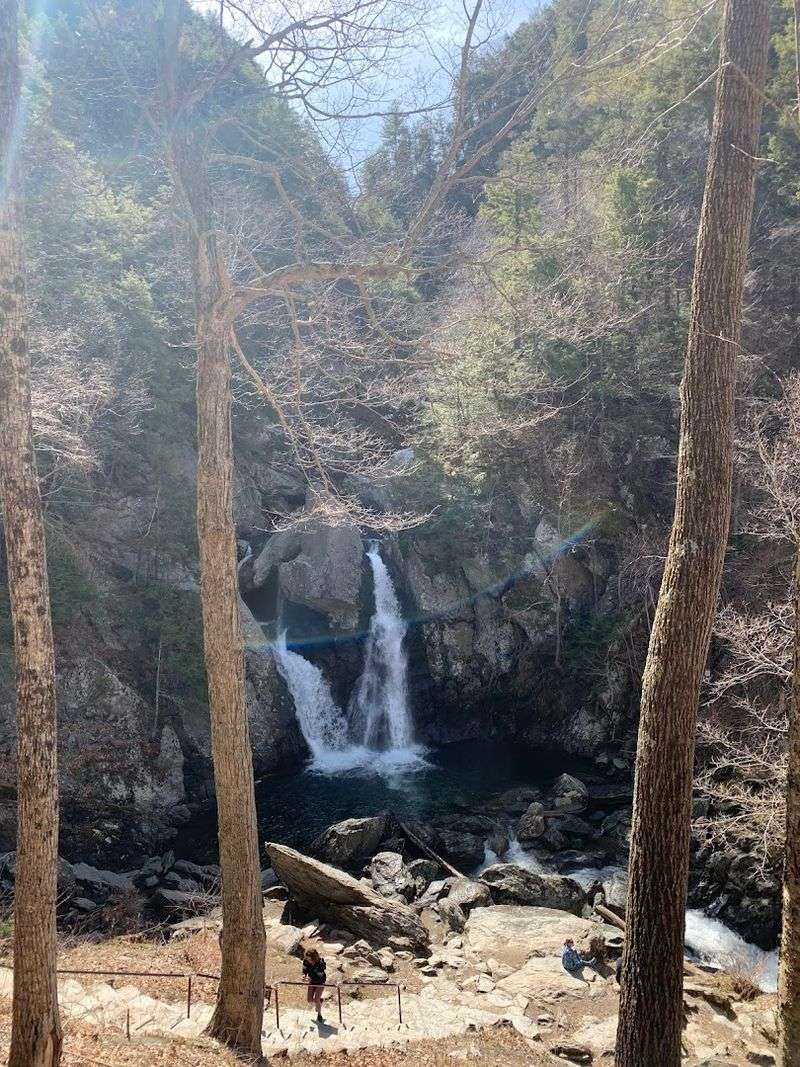
The plunge pool at the base is wide and takes on a deep green color from the surrounding vegetation and the depth of the water. From the designated viewing area, the full fork of the falls is clearly visible, along with the rocky gorge walls that frame the entire scene.
The stairs that once led directly down to the pool have been closed off to protect the area. Views from the observation point are still strong, and the falls remain impressive from that distance.
The combination of the forked drop, the rocky walls, and the green pool below makes this one of the most photogenic natural spots in Western Massachusetts.
The New York Side Trail Along the Stream
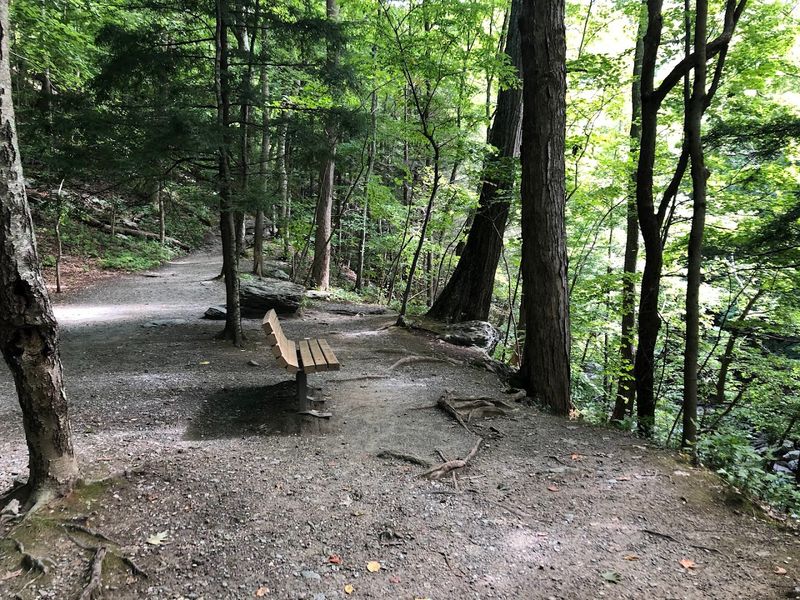
The trail from the New York parking lot inside Taconic State Park is a completely different kind of walk compared to the Massachusetts approach. The path stretches about three-quarters of a mile and stays close to a clear, fast-moving stream for nearly the entire distance.
The grade is gentle enough that the hike has been completed comfortably by people of varying fitness levels, including young children and adults who are not regular hikers. Wooden benches appear at intervals along the route, giving everyone a chance to pause and take in the surroundings without feeling rushed.
The trail surface is wide and well-maintained, which adds to the accessibility of this approach. Following the stream the whole way also means there is more to experience than just the destination at the end.
For families with younger kids or anyone who prefers a lower-impact outing, the New York side is consistently the recommended starting point, and it rarely disappoints.
How Steep Is the Massachusetts Side Trail
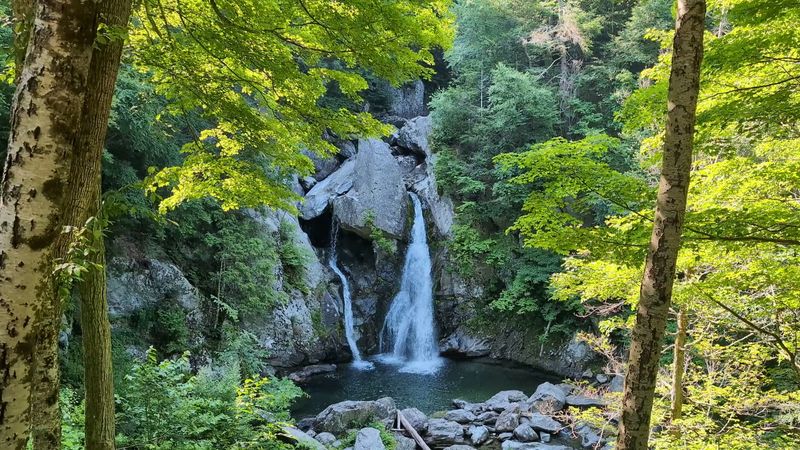
The Massachusetts trail to Bash Bish Falls is short, but it earns its reputation as a workout. The path drops sharply from the upper parking lot down toward the falls through a combination of packed dirt, loose gravel, stone outcroppings, and wooden steps that help break up the steepest sections.
The wooden steps are a genuine help on the way down, but on the return climb, expect to feel it in your legs. Pacing yourself matters here, especially on warm days when the trail gets busy and the rocks can be slick from foot traffic.
Proper footwear is not optional on this route. Hiking boots with ankle support are the clear choice, and sneakers with good grip work as a backup.
Flip-flops and sandals create real hazards on the jagged sections, and this is a point worth taking seriously before you leave the car.
The steep challenge makes reaching the falls feel genuinely earned.
Why Access to the Pool Is Now Restricted
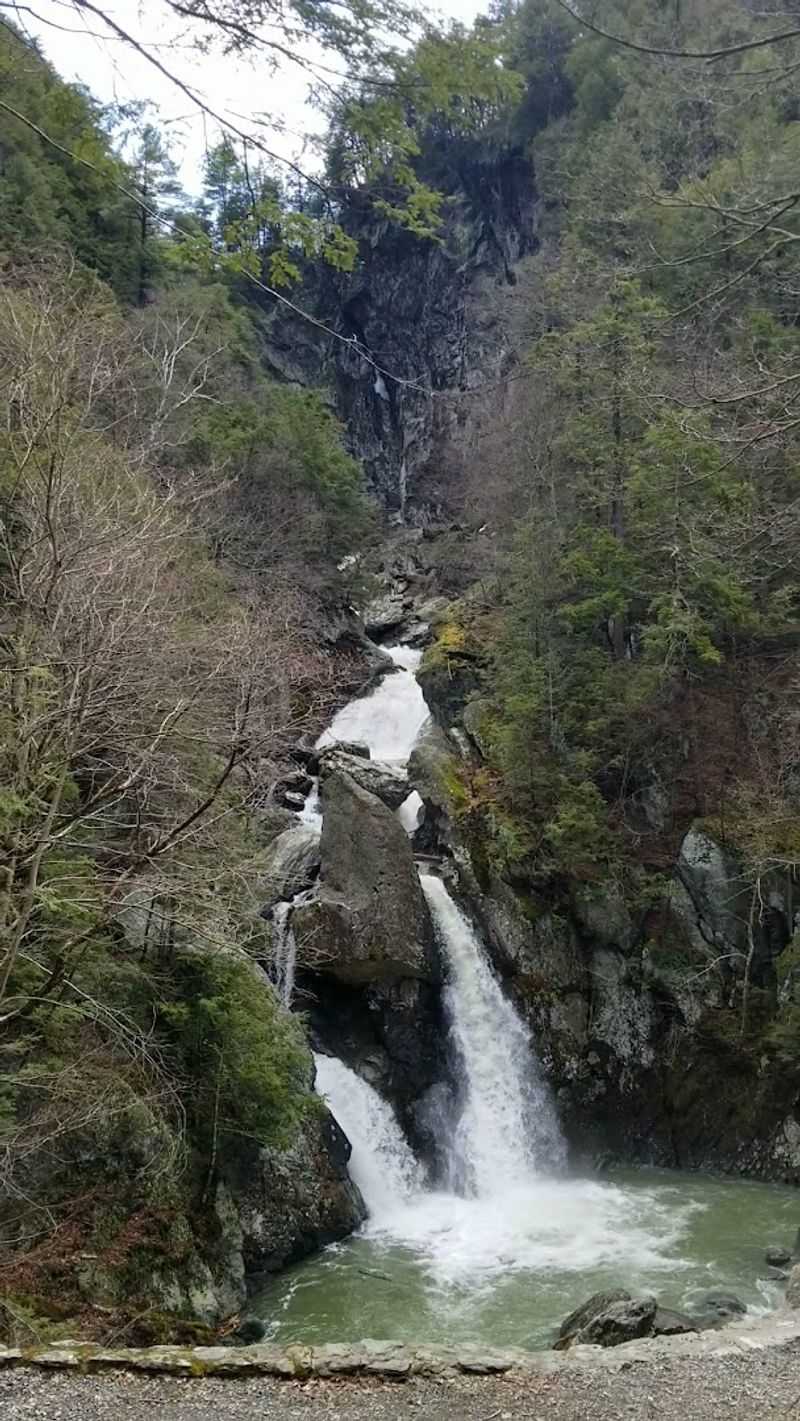
At one point, hikers could descend a set of stairs all the way to the base of Bash Bish Falls and stand at the edge of the plunge pool. That access has since been closed off, with fencing and signage now blocking the staircase that leads to the lower level.
The restriction is connected to the sensitive natural environment around the falls and the physical risks present near the base. The rocks surrounding the pool become extremely slick, and the gorge walls create conditions that park managers have determined require a controlled boundary.
Despite the closure, the views from the observation area above remain genuinely rewarding. The falls are visible from a good distance, and the perspective from the upper viewing point actually captures the full height of the cascade better than the base-level view ever did.
The closure does catch some first-time visitors off guard, so knowing about it ahead of time helps set the right expectations before you make the trip.
The Best Seasons to Make the Trip
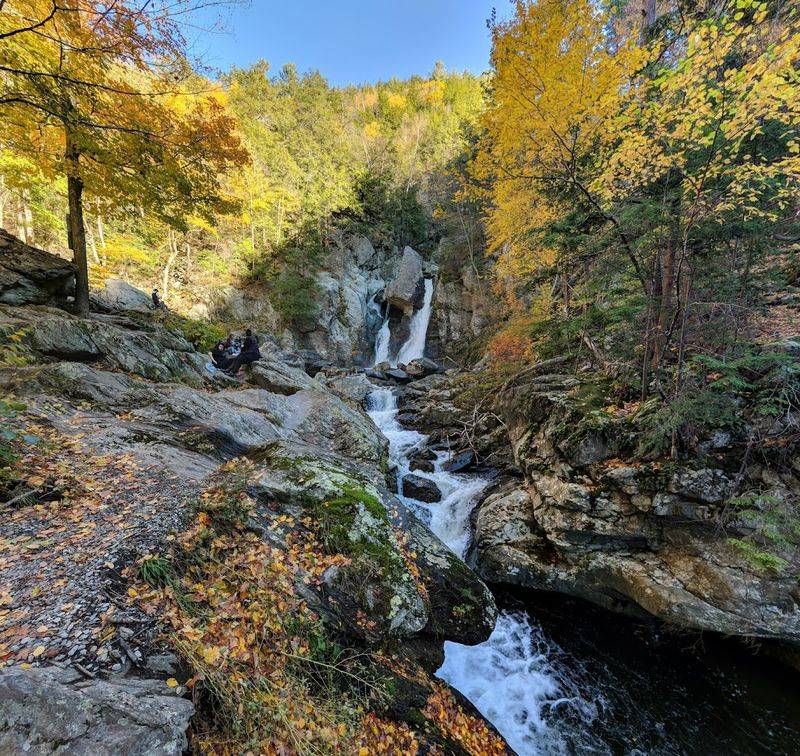
Every season at Bash Bish Falls brings a noticeably different experience, and each one has its own appeal depending on what you are looking for. Summer is the busiest period, with families and weekend hikers filling the parking lots, especially on warm Saturday and Sunday mornings.
Fall is widely considered the most rewarding time to visit. The leaf color across the Taconic Range peaks in October, and the trail from the New York side becomes lined with yellow and orange foliage that makes the whole walk feel like something out of a nature calendar.
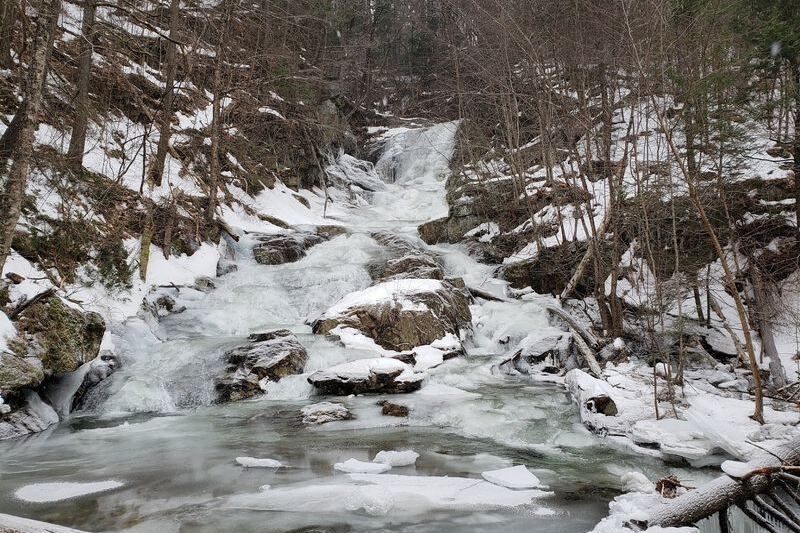
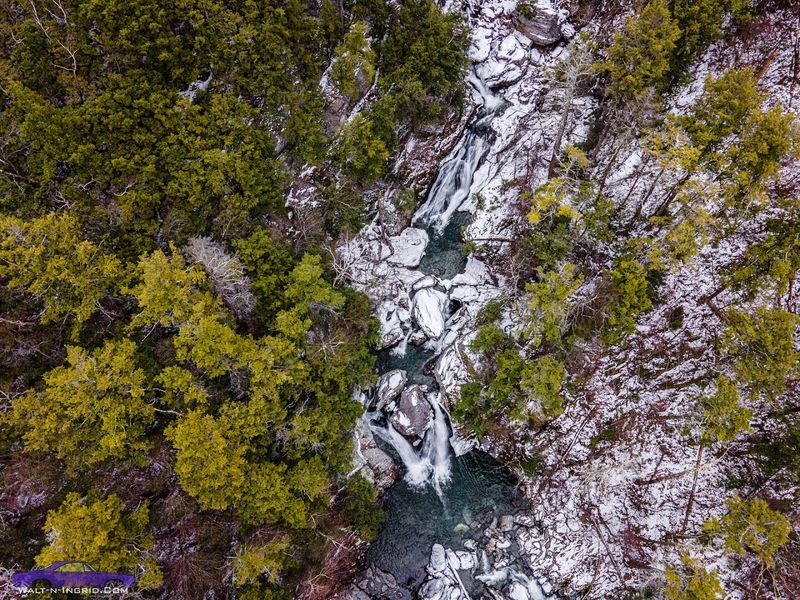
Winter visits are far less crowded, and the trail takes on a completely different character when frost and ice coat the rocks and the falls themselves partially freeze. The frozen cascade under winter light is a striking sight that most people never think to seek out.
Spring brings higher water volume to the falls, which increases the drama of the drop and fills the plunge pool to its fullest, most photogenic state.
Trail Safety Tips Worth Taking Seriously
The trail to Bash Bish Falls is not technically difficult by backcountry standards, but it does have specific hazards that catch unprepared hikers off guard. The Massachusetts side in particular involves jagged, uneven rocks that require steady footing and a reasonable level of physical fitness to navigate safely.
Footwear is the single most important preparation decision. Hiking boots or trail running shoes with solid grip are the right choice.
Open-toed sandals and casual footwear have caused problems on this trail, and the rocky sections do not forgive careless steps.
In winter, ice builds up on portions of the trail, especially near the falls where moisture settles on the rocks. Traction devices that strap onto boots are worth bringing along for cold-weather visits.
The trail is also not considered wheelchair accessible due to the terrain on both approach routes. Arriving early on weekends helps avoid the busiest periods and gives you a much quieter experience at the falls themselves.
The Cross-State Curiosity That Makes This Hike Unusual
One of the more unusual details about the Bash Bish Falls experience is that the trail crosses a state line. Hikers starting from the New York parking lot inside Taconic State Park begin their walk in New York and arrive at the falls in Massachusetts, making it a two-state outing without any extra effort.
This geographic quirk adds a layer of novelty that most waterfall hikes simply cannot offer. The falls themselves sit right at the border, and the surrounding land is managed by both New York and Massachusetts state park systems working in parallel.
The New York side of the trail is maintained by Taconic State Park, while the Massachusetts side falls under the jurisdiction of the state Department of Conservation and Recreation. Both sides are well-signed and reasonably well-maintained throughout the hiking season.
For anyone who enjoys checking off states visited, this particular trail offers a two-for-one deal that feels like a small geographic bonus at the end of an already rewarding hike.
What to Expect at the Observation Area
The main viewing area for Bash Bish Falls is positioned above the plunge pool, giving hikers a clear sightline to the full height of the cascade and the fork in the falls near the top. The perspective from this point captures the entire drop in a single frame, which is actually more complete than the old base-level view ever was.
Photography from this spot is straightforward, and the rocky gorge walls on either side add strong framing to any image. Early morning light hits the falls directly during summer months, which produces the clearest conditions for photos without harsh shadows.
The area around the viewing point has enough space for a group to spread out and take in the falls without crowding. On busy weekends, patience helps, as other hikers cycle through and the flow of people tends to move steadily.
A second smaller cascade is visible slightly off to the side, and scanning the full gorge from the observation point reveals more detail than a quick glance suggests.
The Surrounding Taconic State Park and Nearby Campground
The broader area around Bash Bish Falls offers more than just the waterfall trail. Taconic State Park on the New York side is a fully developed state park with camping facilities at the Copake Falls Campground, which sits just a short distance from the trailhead.
Staying at the campground overnight turns a day trip into a longer outdoor getaway and gives hikers the advantage of arriving at the trailhead early in the morning before crowds develop. The campsite is roughly a mile and a half from the falls along the trail, which makes the hike a natural extension of a camping stay.
The park also features a historic iron furnace nearby with a small interpretive museum that provides context on the industrial history of the region. It is a worthwhile stop for anyone curious about the area beyond the waterfall.
The combination of camping, hiking, and historic sites makes the Bash Bish area a legitimate multi-day destination rather than a simple afternoon excursion.
Winter Visits and the Frozen Cascade
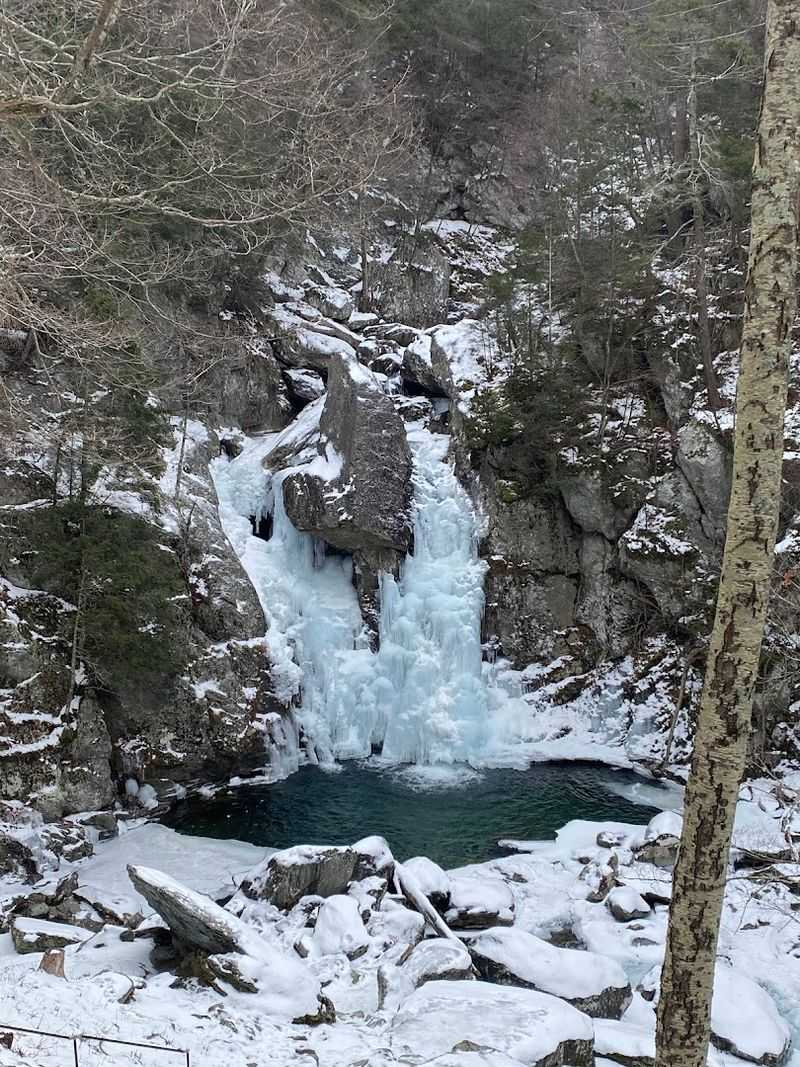
Winter hiking to Bash Bish Falls is a niche experience that draws far fewer people than the warmer months, and that is precisely part of its appeal. The trail takes on an entirely different character when the forest is bare, the ground is frozen, and the falls themselves begin to ice over along the edges.
The frozen sections of the cascade create formations that shift and change with the temperature throughout the season. On clear winter days, the ice catches the available light in ways that make the whole gorge look like a completely different place compared to its summer appearance.
Icy patches on the trail are a real consideration during cold months. The Massachusetts side becomes particularly slick near the steepest sections, and extra caution is needed on the descent and return climb.
The payoff for braving the cold is a largely crowd-free experience at one of the most dramatic natural settings in Western Massachusetts, with a stillness that warmer seasons simply cannot replicate.
The Legend and History Behind the Name
The name Bash Bish is tied to a local legend involving the Mahican people who originally inhabited this region of the Berkshires. The story passed down through the area describes a woman named Bash Bish who, according to the tale, went over the falls and was never seen again, with some versions connecting her spirit to the mist that rises from the plunge pool.
Whether the legend is historically accurate or a later embellishment, the name has stuck firmly to the falls for generations and adds a layer of cultural depth to what is already a striking natural feature. The Mahican people lived throughout the Hudson Valley and western Massachusetts long before European settlement reached the area.
The falls have been a recognized landmark since at least the nineteenth century, when landscape painters from the Hudson River School visited the Berkshires and the Taconic Range in search of dramatic natural subjects.
That history gives the site a resonance that goes well beyond a typical hiking destination.
Photography Tips for Getting the Best Shot
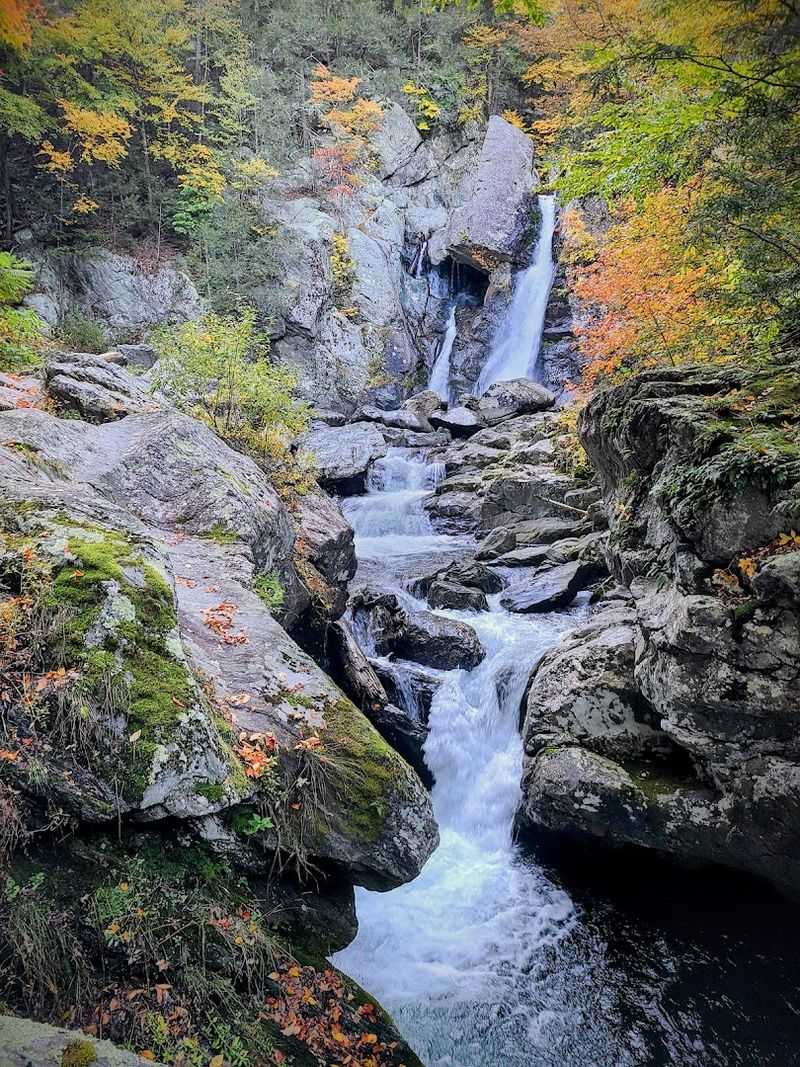
Bash Bish Falls is one of the most photographed natural sites in Massachusetts, and the location rewards hikers who come prepared with a camera and a little patience. The two-pronged drop and the framing provided by the gorge walls give every shot a built-in sense of scale and drama.
Early morning on weekdays offers the clearest conditions, with minimal foot traffic and better light angles depending on the season. A wide-angle lens captures the full width of the falls and the surrounding rock face in a single frame, while a telephoto pulls in the detail of the fork at the top of the cascade.
Long-exposure photography works well here for softening the water movement, and a small tripod or a steady surface near the observation area makes that technique practical without special equipment.
Fall visits add natural color framing to every composition, and even a smartphone camera produces strong results when the light cooperates and the viewing area is not crowded with other hikers.
Practical Details Before You Make the Drive
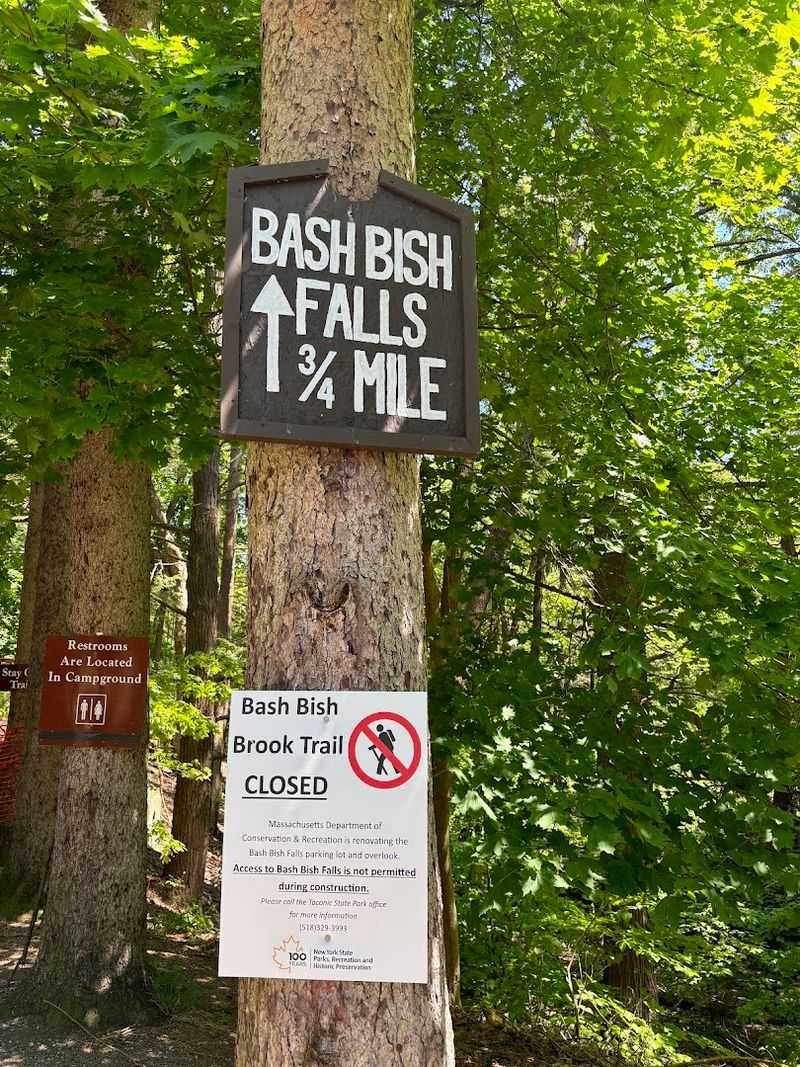
A few practical points make the difference between a smooth visit and an avoidable frustration at Bash Bish Falls. Parking at both lots is free, which is a genuine bonus compared to many popular natural attractions in New England that have shifted to paid entry in recent years.
The falls are open year-round, though the access road conditions in winter can vary depending on recent weather. Checking road conditions before heading out during cold months is a reasonable precaution given the rural location of the trailhead.
Portable restroom facilities are available at both parking lots and at a point near the falls along the trail, which is more infrastructure than many comparable hiking destinations provide.
Swimming at the base of the falls is not permitted, and the access to the lower pool is closed. The trail is not wheelchair accessible due to the terrain on both approach routes.
Arriving before 9 a.m. on weekends during peak season virtually guarantees a parking spot and a quieter experience at the falls.
Where Exactly This Waterfall Sits
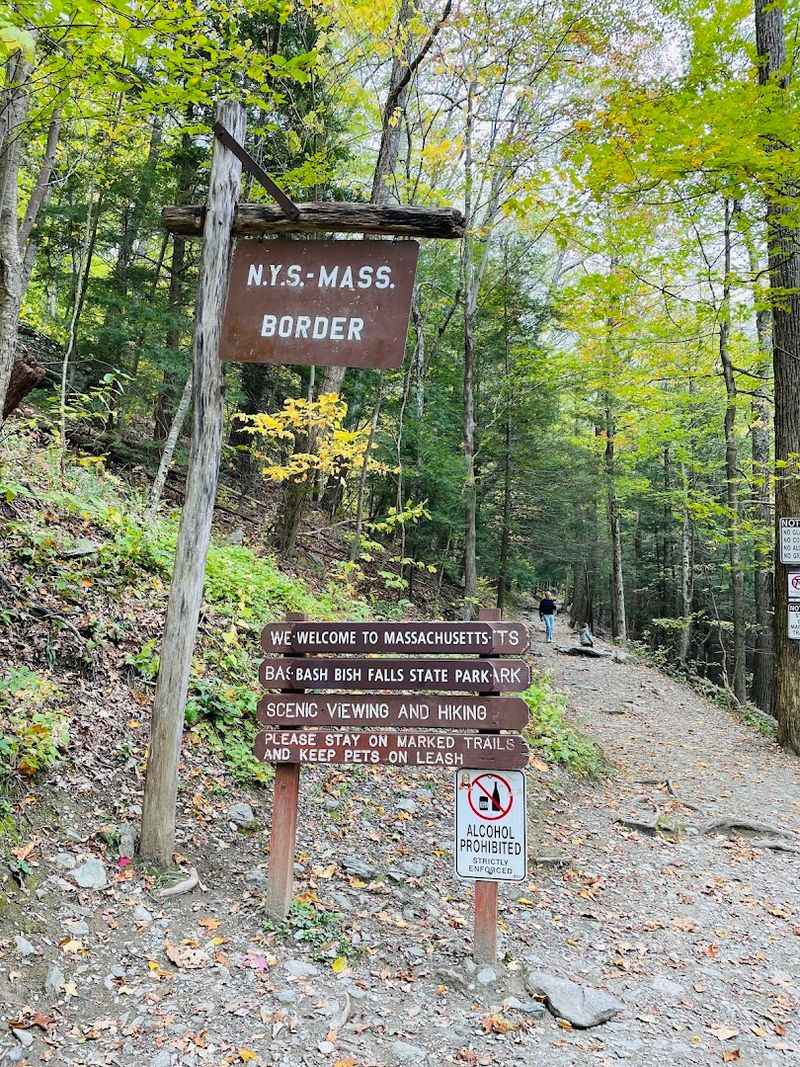
Bash Bish Falls is located within Bash Bish Falls State Park in Mt Washington, MA 01258, positioned in the southernmost tip of Berkshire County in Western Massachusetts.
The falls sit almost directly on the Massachusetts-New York border, which makes this destination genuinely unique among New England waterfalls. You can actually start your hike in one state and arrive at the falls having crossed into another without even realizing it.
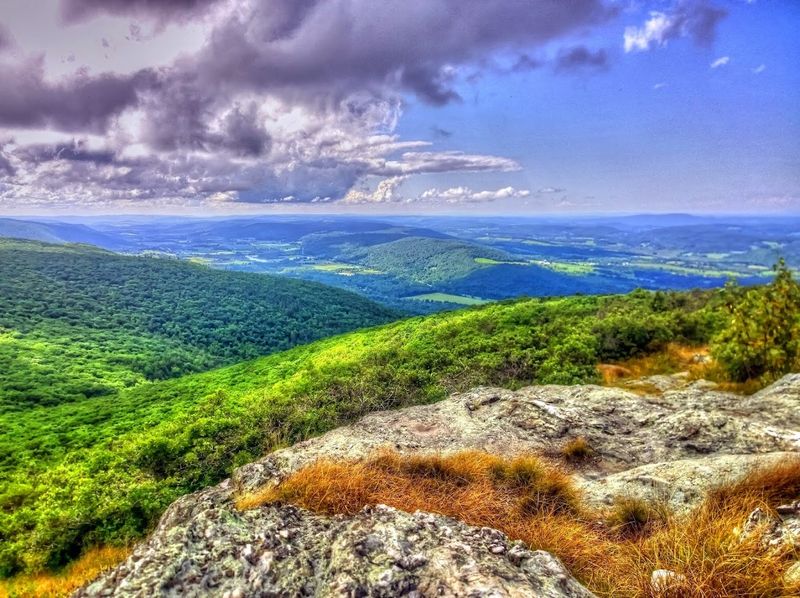
The nearest major town is Copake Falls, New York, just a short drive away. The surrounding area belongs to the Taconic Range, a stretch of hills and forested ridges that runs along the western edge of Massachusetts.
Getting there requires navigating some narrow rural roads, so plugging the destination into a GPS app before leaving home is a smart move. The drive itself, winding through the southern Berkshires, sets the tone for what is waiting at the end of the trail.
Share this story