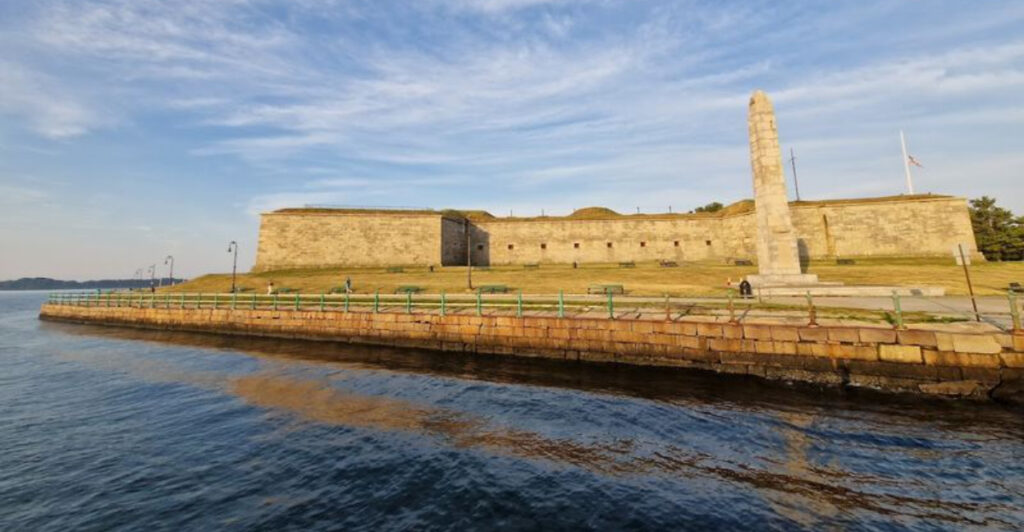
Boston has no shortage of history, but few places pack it as densely as a massive granite fort sitting right on the edge of the harbor. Built on Castle Island in South Boston, this structure has stood watch over the water through wars, political upheaval, and more than four centuries of American history.
The fort has changed shape many times over the years, yet its purpose has remained the same: protect the city. From its cannons to its thick stone walls, every detail tells a story worth knowing, and this article walks through all of it, one fascinating layer at a time.
A Timeline That Stretches Back to 1634
The history of fortifications on Castle Island begins in 1634, making it one of the oldest continuously fortified sites in the entire United States. The earliest structure was a simple wooden fort, nothing like the granite giant that stands today, but it served the same basic purpose.
Over the following two centuries, the fort was rebuilt, expanded, and redesigned multiple times. Each version reflected the military technology and political concerns of its era.
By the time the current granite structure was completed in 1851, the site had already seen more than 200 years of active military use.
That kind of unbroken history is genuinely rare. Most American historic sites can point to one key moment or era, but Fort Independence can point to dozens, stretching from the earliest days of European settlement in Massachusetts all the way through the Civil War and beyond.
Few places carry that much accumulated weight.
The Granite Giant Up Close
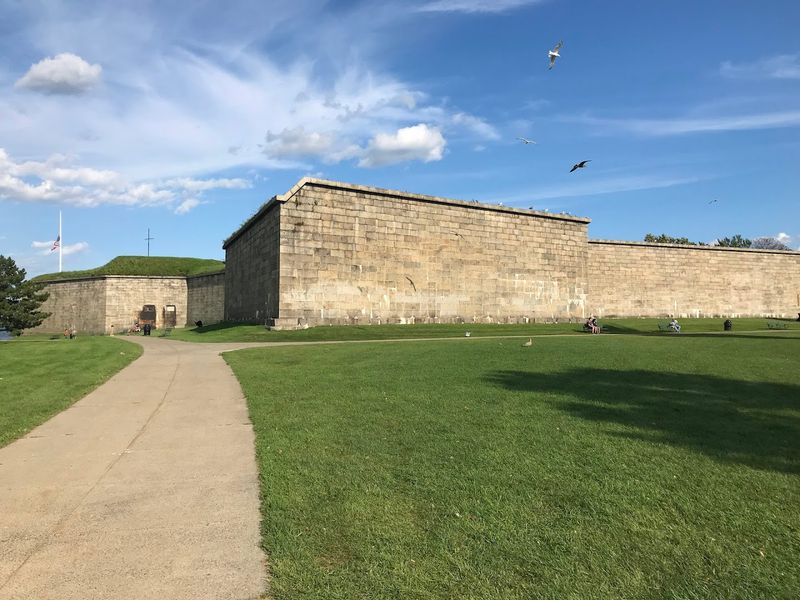
The current fort is a five-sided star-shaped structure built from granite, a design that was standard for serious military fortifications in the 19th century. The star shape was not just for looks.
Each point of the star allowed defenders to cover the walls of the adjacent points with gunfire, eliminating blind spots that older rectangular forts had.
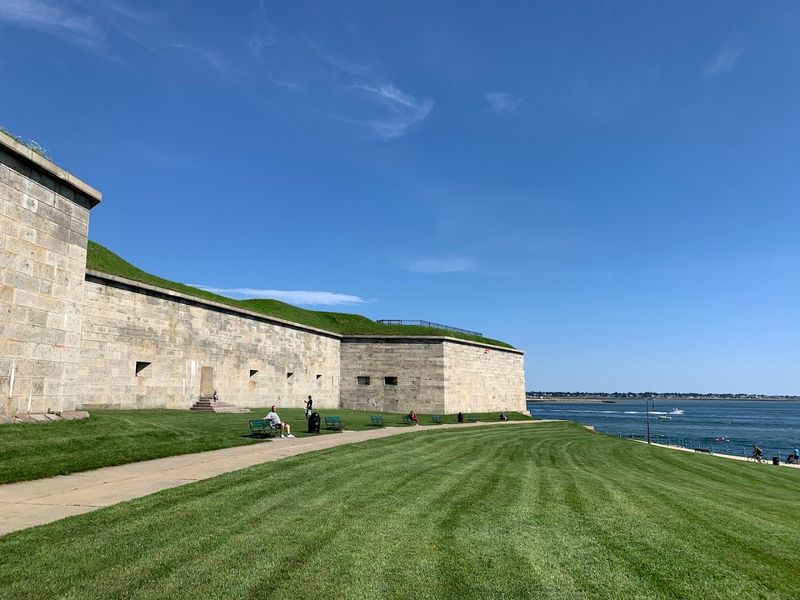
The walls are thick and tall, built to absorb cannon fire rather than crumble under it. The construction used local Massachusetts granite, and the quality of the work is evident in how well the structure has held up after more than 170 years of exposure to coastal weather.
Walking around the exterior gives a real sense of how imposing the fort must have looked to any approaching ship in the 1800s. The raised position and sheer mass of the stonework made it a serious deterrent, and that was entirely the point from the moment the first stone was laid.
The Cannons That Commanded the Harbor
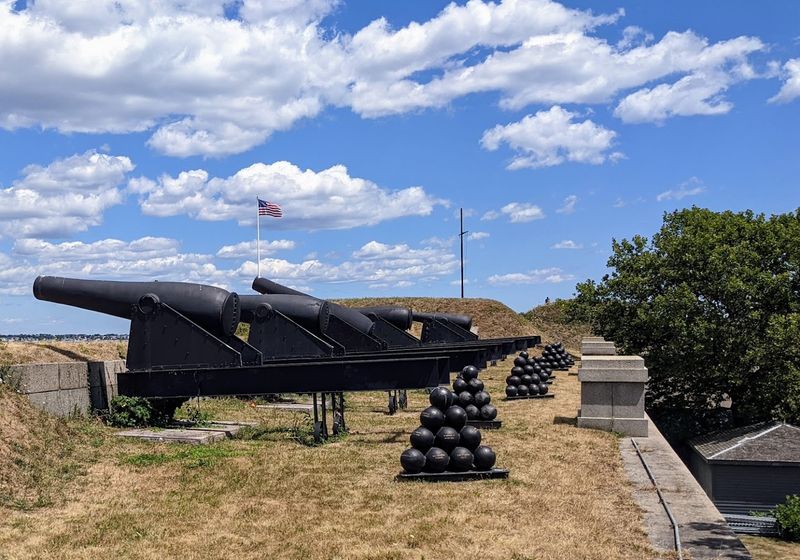
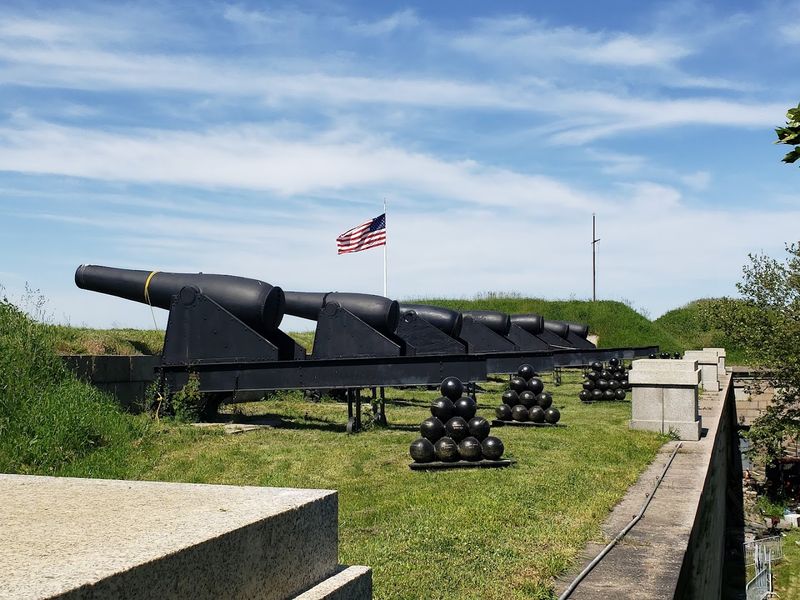
Several cannons are still positioned around the fort, and they remain one of the most visually striking features of the site. These are not replicas placed there for decoration.
They are genuine artifacts that connect the present-day park to the fort’s active military past.
At the height of its operational use, the fort could have mounted dozens of cannons covering multiple angles across the harbor. Any warship attempting to force its way past Castle Island would have faced a serious wall of fire from those positions.
Today, the cannons serve a different purpose. They give visitors a concrete, physical connection to the history that can be hard to grasp from a text description alone.
Standing next to one of those guns and looking out at the same water that colonial and Civil War-era soldiers once watched is one of those moments that makes history feel genuinely immediate rather than distant and abstract. That kind of connection is hard to manufacture.
Edgar Allan Poe and the Fort’s Dark Legend
Fort Independence has a literary connection that surprises most first-time visitors. Edgar Allan Poe was stationed at Fort Independence in 1827 as a young soldier, and local legend holds that a story he heard during his time there inspired one of his most famous works.
The tale involves a soldier named Robert Massie who was challenged to a duel and lost. According to the legend, Massie’s fellow soldiers took revenge on the man they blamed for his passing by sealing him inside a vault within the fort walls.
Poe reportedly heard this story and later used a similar premise in his 1846 short story, “The Cask of Amontillado.”
Whether the legend is entirely accurate is debated, but the connection between Poe and Castle Island is documented. He did serve there.
The rest makes for a genuinely compelling piece of local lore that adds an unexpected layer to what is already a richly historical site. Not every fort comes with its own gothic backstory.
Free Guided Tours and What to Expect
Free guided tours of the fort’s interior are available on a seasonal basis, typically running on weekends from late spring through fall. Tours generally take place between noon and 3 p.m., with groups forming roughly every hour.
Volunteer guides run the tours and tend to be well-informed about the fort’s full history.
The interior is not accessible for self-guided wandering, so joining a tour is the only way to get inside the walls. Arriving at least 10 to 15 minutes before a tour begins is a smart move because groups can fill up quickly on busy weekend afternoons, and guides will stop accepting new visitors once the group reaches capacity.
The tours are thorough and cover everything from the construction history to the military campaigns the fort supported. Guides also field questions, and the depth of their knowledge tends to impress even visitors who already have some familiarity with the site.
A five-dollar book about the fort’s history is available for purchase and supports the volunteer operation.
Castle Island Park: More Than Just the Fort
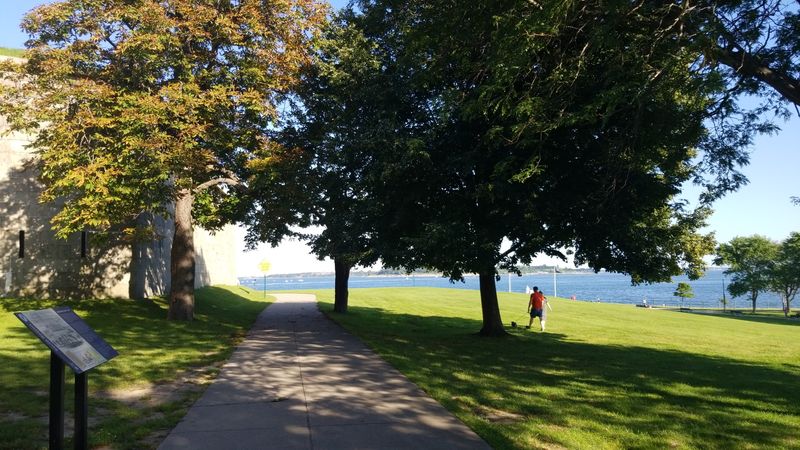
The fort is the centerpiece, but the surrounding Castle Island park offers a full afternoon worth of activity entirely on its own. The grounds include wide open lawn areas, mature trees providing shade, benches positioned along the water, and a dedicated playground that was recently updated.
The park is a popular spot for running, with a paved path looping around the perimeter of the island that offers consistent harbor views throughout. Dog owners use the open lawn areas regularly, and families spread out across the grass on warm weekend afternoons.
Pleasure Bay, the calm lagoon-like area on the south side of the island, provides a sheltered stretch of water that stays relatively calm even when the outer harbor is choppy. The beach along Pleasure Bay is clean and accessible, making it a practical option for anyone who wants to combine a history visit with some time near the water.
The park essentially functions as a full outdoor destination built around the historic anchor at its center.
Harbor Views That Rival Any Overlook in Boston
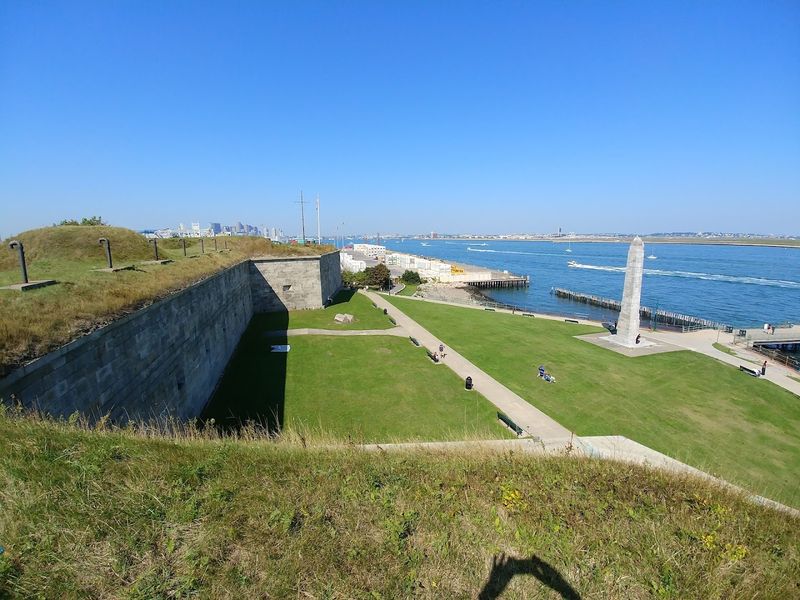
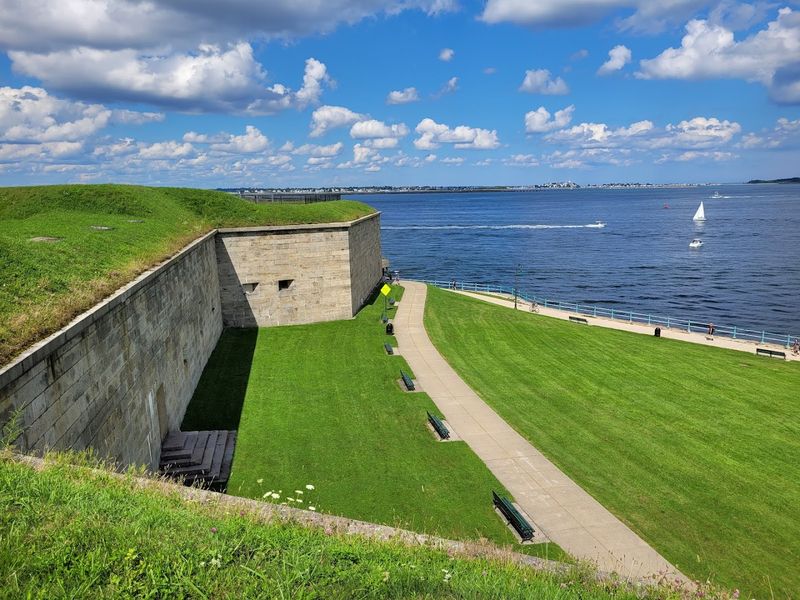
The elevated position of the fort creates one of the better vantage points for viewing Boston Harbor anywhere in the city. The raised mound the fort sits on puts visitors above the surrounding park, and the open water stretches out in multiple directions from that height.
On a clear day, the Boston skyline is visible to the northwest, while the harbor islands dot the water to the east. Logan International Airport sits directly across the water, close enough that planes on approach pass at a noticeably low altitude before landing.
Watching aircraft come in over the harbor from the fort grounds is an unexpectedly compelling experience that draws attention from both aviation fans and curious children.
The combination of historic architecture, open water, city skyline, and active air traffic creates a layered view that changes throughout the day as light conditions shift and activity levels on the water fluctuate. Very few spots in Boston offer that many visual elements in a single frame.
Practical Tips for Planning Your Visit
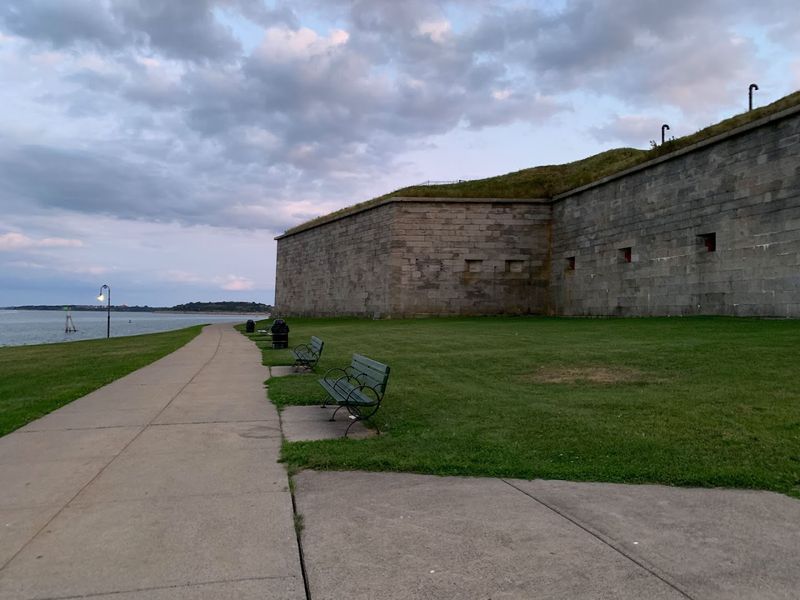
Parking at Castle Island is free but limited, and on warm weekends the lot fills up fast. Arriving early in the morning or on a weekday dramatically reduces the chance of circling for a spot.
The surrounding neighborhood streets offer some overflow parking, but the walk can be longer than expected.
The fort itself is only accessible during tour hours, which are seasonal and typically run on weekends. Checking the Massachusetts Department of Conservation and Recreation website before visiting is the most reliable way to confirm current tour schedules, since hours can vary and tours have been canceled due to weather conditions including fog.
The park surrounding the fort is open year-round and free to enter at any time, so a visit outside of tour season still offers access to the grounds, the cannons, the harbor views, and the walking path. Winter visits are quieter and give the site a different, more contemplative character that regular summer visitors rarely get to experience.
Sullivan’s: A South Boston Institution Next Door
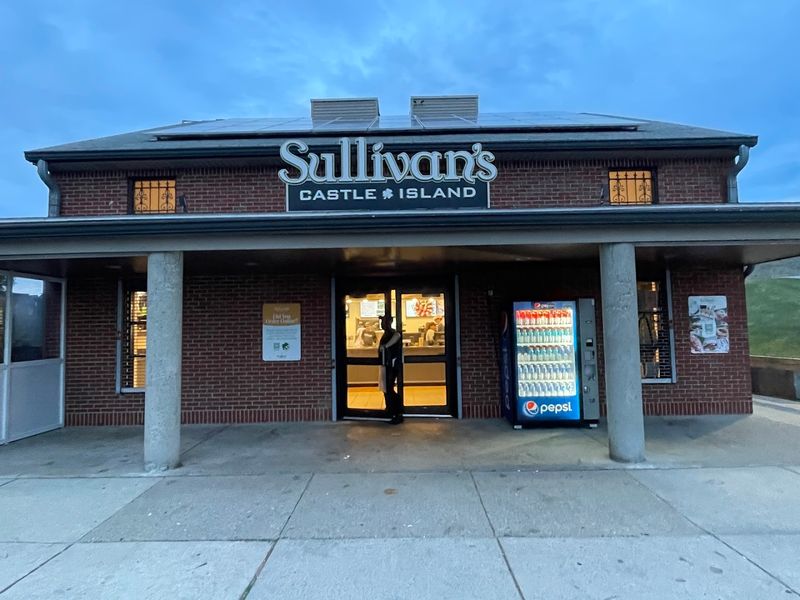
Right at the edge of the Castle Island parking lot sits Sullivan’s, a food stand that has been part of the Castle Island experience for decades. It is not part of the fort itself, but it has become so associated with visits to the area that mentioning one without the other feels incomplete.
Sullivan’s serves classic New England staples and has a loyal following among South Boston residents who have been stopping there since childhood. The lines can get long on busy summer afternoons, which is generally a reliable signal about the quality of what is being served.
Having a quick-service food option right at the park entrance is a practical convenience that makes it easier to spend a full afternoon at Castle Island without needing to leave for a meal. Families in particular tend to appreciate the setup, since it removes one logistical obstacle from an already activity-rich outing.
The combination of historic fort, open park, and easy food access gives the whole area a self-contained quality that keeps people coming back.
The Fort’s Connection to Fallout 4
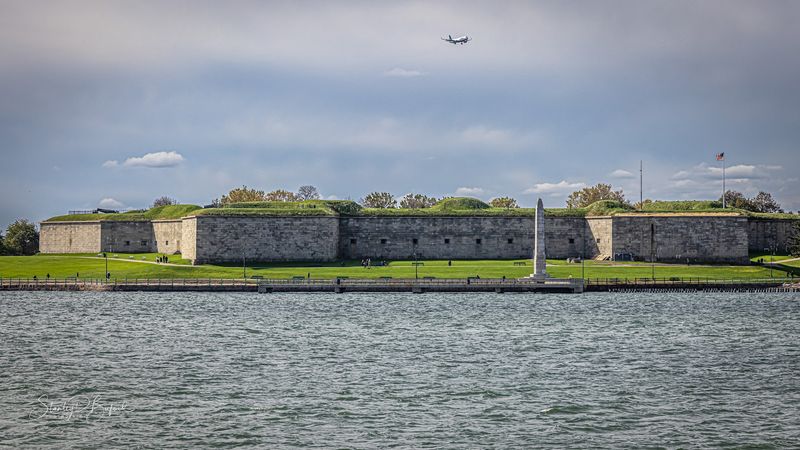
Fort Independence has an unexpected connection to popular culture that brings in a younger crowd of visitors alongside the history buffs and local families. The fort appears as a location in Fallout 4, a widely played post-apocalyptic video game set in a fictionalized version of Boston.
For fans of the game, visiting the real-world version of a location they have explored virtually adds a layer of recognition and curiosity to the trip. The actual fort is considerably more intact than its game counterpart, but the basic layout and position on the waterfront are recognizable enough to register immediately for anyone familiar with the game.
This kind of pop culture crossover is not something the fort’s historical managers planned for, but it has had the practical effect of drawing visitors who might not otherwise have prioritized a historic military fortification on their Boston itinerary. Once they arrive for the game connection, many end up genuinely engaged with the real history, which is a better outcome than it might initially sound.
Year-Round Access and Seasonal Highlights
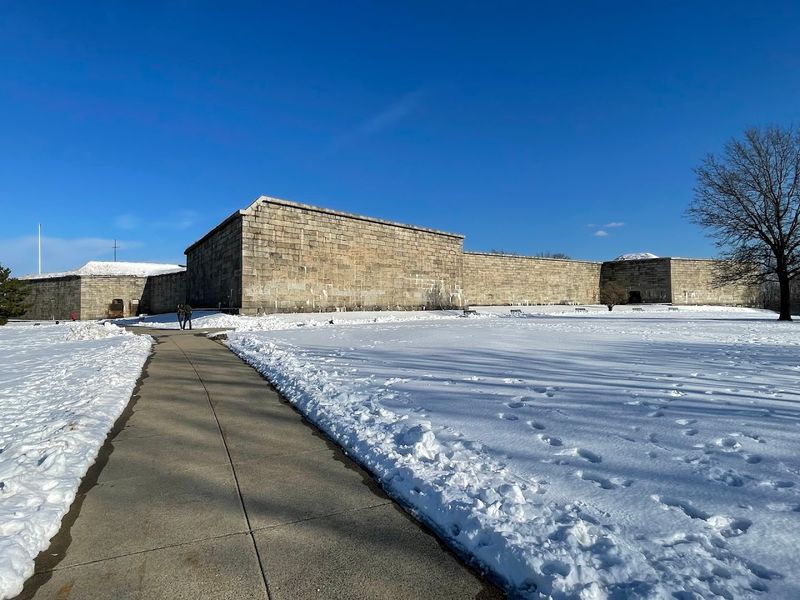
Castle Island and the grounds around Fort Independence are accessible every day of the year, regardless of season. The fort interior follows a more restricted schedule, but the exterior and the surrounding park have no such limitations, making it a viable destination in any month.
Summer brings the largest crowds and the most activity, with tours running regularly and the beach and playground drawing families throughout the week. Fall offers cooler temperatures and noticeably thinner crowds, which makes the walking path and harbor views more enjoyable for those who prefer a quieter outing.
Winter visits are genuinely underrated. The park takes on a stripped-down quality in the colder months, with fewer distractions and a clearer view of the fort’s architecture against the gray winter sky.
The walking path stays open and provides a solid option for anyone looking to stay active outdoors without traveling far from the city. Spring brings the park back to life gradually, with tour season resuming as temperatures climb.
Why This Fort Still Matters Today
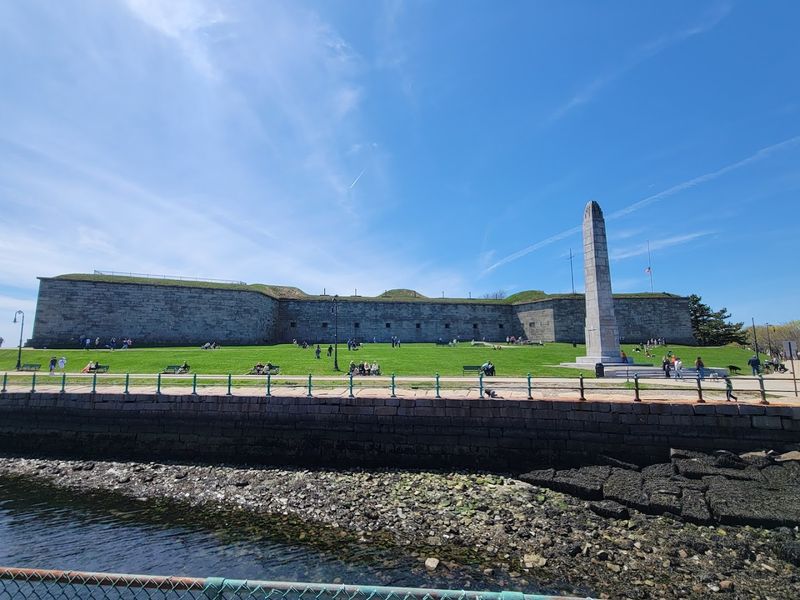
Fort Independence is not just a preserved relic kept behind a fence for occasional viewing. It functions as an active educational site, with volunteer guides dedicating their time to making sure the history reaches new audiences each season.
That ongoing human investment is part of what keeps the place feeling alive rather than static.
The fort represents a physical record of how the United States developed its coastal defense strategy over nearly four centuries. Each phase of construction reflects the military thinking of its time, and the cumulative result is a structure that tells multiple overlapping stories simultaneously.
Preservation efforts have kept the granite walls in solid condition, and the surrounding park ensures that the site remains embedded in the daily life of the neighborhood rather than isolated as a purely tourist destination. Local residents use it regularly for recreation while out-of-town visitors come specifically for the history.
That dual identity, both community park and national historic landmark, is what makes Fort Independence genuinely worth the trip to South Boston.
Getting the Most Out of Your Castle Island Visit
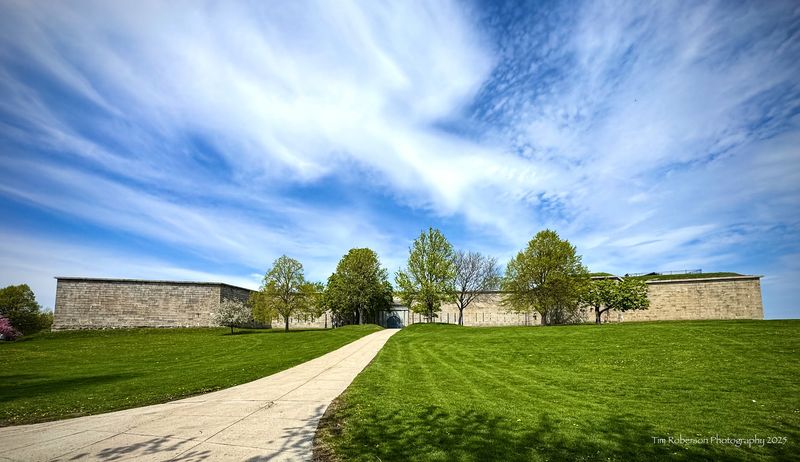
A well-planned visit to Castle Island can cover a surprising amount of ground in a single afternoon. Arriving early enough to secure parking, walking the perimeter path before the midday heat builds, and then timing a tour of the fort interior gives a natural structure to the outing without feeling rushed.
The path around the island is roughly a mile and a half, flat enough for most fitness levels, and offers consistent water views throughout. Combining the walk with a stop at the fort for a guided tour and a visit to the playground or beach covers the main attractions without requiring any special equipment or advance booking.
For those with a strong interest in the history, the five-dollar book available from the tour volunteers provides a deeper level of detail than the tour alone can cover in the time available. Castle Island rewards the visitors who treat it as a destination rather than a quick stop, and the combination of history, outdoor space, and harbor access makes that kind of extended visit genuinely easy to fill.
Where History Meets the Harbor
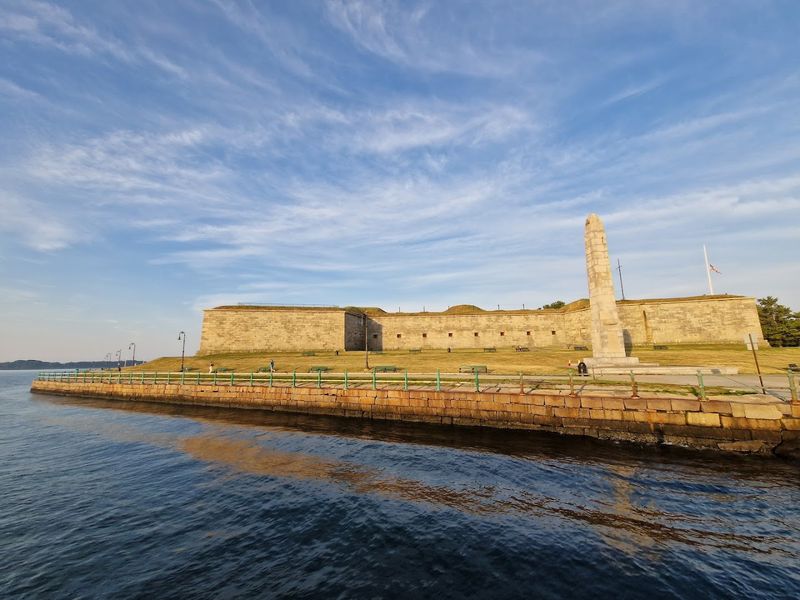
Fort Independence stands at 2010 William J Day Blvd, Boston, MA 02127, on a piece of land called Castle Island in South Boston. Despite the name, Castle Island is no longer a true island.
It was connected to the mainland in the 1930s, making it accessible on foot from the surrounding neighborhood.
The fort sits on a raised mound of land that puts it above the surrounding park, giving anyone standing near the walls a clear view of Boston Harbor and the busy shipping lanes that run through it.
The location was not chosen randomly. Castle Island sits at a natural chokepoint in the harbor, meaning any ship heading toward Boston would have to pass within range of the fort’s guns.
That strategic position made it one of the most important defensive sites in colonial New England, and that importance has never really gone away.
Share this story