Some houses hold furniture. This one holds history so dense you can almost feel it pressing through the walls.
Tucked beside the Concord River in Massachusetts, one historic home witnessed the first gunfire of the American Revolution and later sheltered two of the country’s most celebrated literary minds. Before you learn the address or the full name, consider this: the same windows that framed a battlefield also framed the writing desks of Ralph Waldo Emerson and Nathaniel Hawthorne.
That combination of military drama and literary genius in a single building is rare enough to stop anyone in their tracks. This article walks through every layer of that story, from the house’s founding and its famous residents to the hidden messages scratched into its glass and the garden paths that still lead toward the river today.
The Reverend Who Built It And The Family Who Kept It
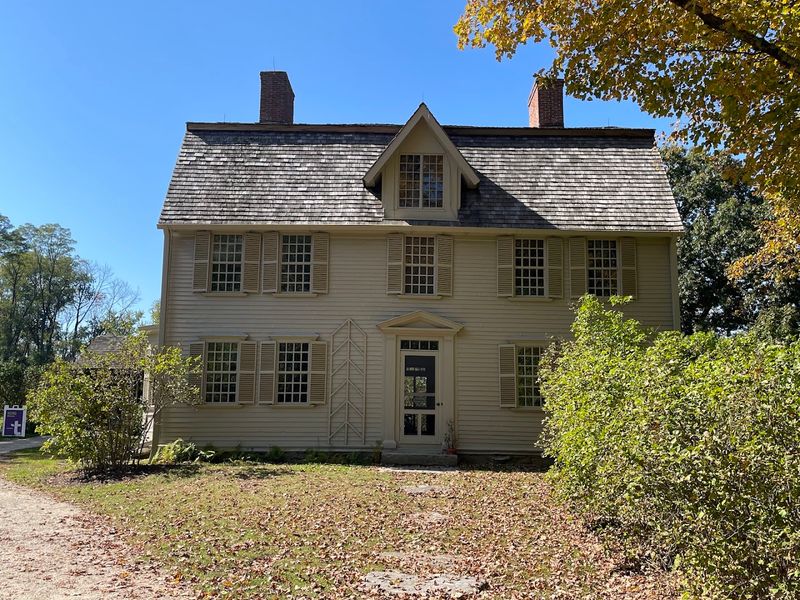
The Old Manse was built in 1770 by Reverend William Emerson, the grandfather of Ralph Waldo Emerson. He constructed it as a parsonage, a home meant to house the local minister, and the Emerson family held onto the property for generations after his death.
William Emerson did not live to see the Revolution’s full course. He served as a chaplain in the Continental Army and passed away in 1776, but not before watching colonial militia gather near his home on the morning of April 19, 1775.
His family kept the house within their circle for decades, which is how it eventually became the temporary home of his famous grandson.
That long family connection gives the house a continuity that many historic properties lack. It was not simply purchased by famous people.
It was inherited, borrowed, and returned across generations, making its story feel more personal than institutional.
Ralph Waldo Emerson Wrote Here Before He Became Famous
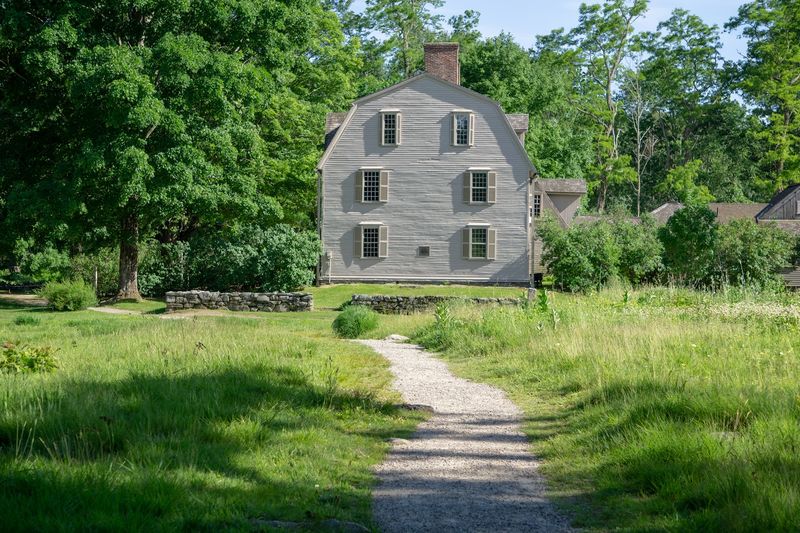
Ralph Waldo Emerson moved into The Old Manse in 1834 after the passing of his first wife. He was in his early thirties and still finding his intellectual footing.
During his time at the house, he wrote his landmark essay “Nature,” which became one of the founding texts of the American Transcendentalist movement.
The essay argued that the natural world offered spiritual insight that organized religion could not fully provide. Writing it in a house surrounded by fields, a river, and open sky must have felt fitting.
Emerson did not stay long, but the work he produced during that period reshaped American thought in ways that echoed for generations.
Visitors today can sit at a reproduction of Emerson’s desk during guided tours. That small act of sitting where he once sat, in a room that still holds original furniture, makes the intellectual history feel grounded and real rather than abstract.
Hawthorne And His Bride Made The House Their Own
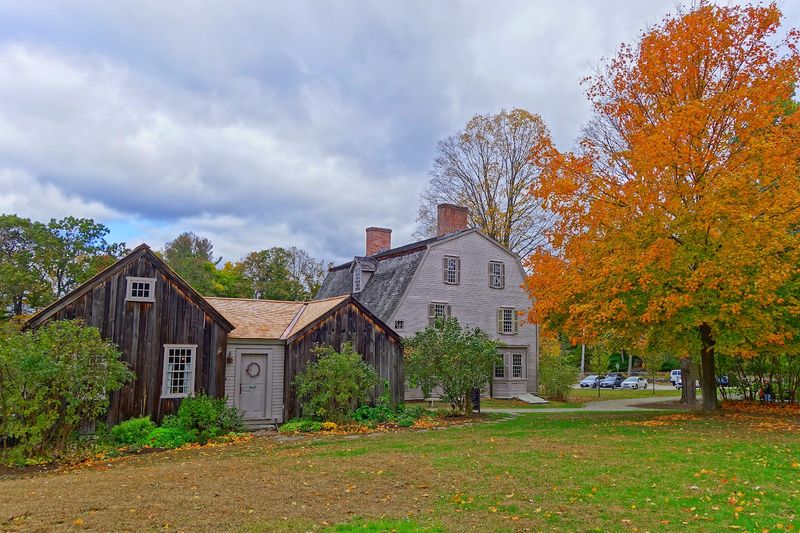
Nathaniel Hawthorne and his new wife Sophia moved into The Old Manse in 1842, renting it from the Emerson family as their first home together. They lived there for three years, and by most accounts those years were among the happiest of Hawthorne’s life.
He described the house and its surroundings with deep affection in his writing.
During that time, Hawthorne produced a collection of short stories he titled “Mosses from an Old Manse,” borrowing the house’s name directly for his work. The collection helped cement his literary reputation and drew wider attention to the property itself.
Sophia was also a painter and an active creative presence in the household. The couple entertained guests including Henry David Thoreau, who reportedly helped them plant a garden on the property.
That garden still exists today in some form, continuing a tradition of cultivation that the Hawthornes began more than 180 years ago.
The Shot Heard Round The World Was Visible From These Windows
On April 19, 1775, colonial militia gathered at the North Bridge just a short distance from The Old Manse. The confrontation that followed between the militia and British regulars produced the first organized armed resistance of the American Revolution.
Reverend William Emerson, who was living in the house at the time, watched the events unfold from these very grounds.
The phrase “shot heard round the world” comes from Ralph Waldo Emerson’s 1837 poem “Concord Hymn,” written to commemorate the battle. That a later resident of the same house would memorialize an event his grandfather witnessed there adds a layer of family and national history that is genuinely unusual.
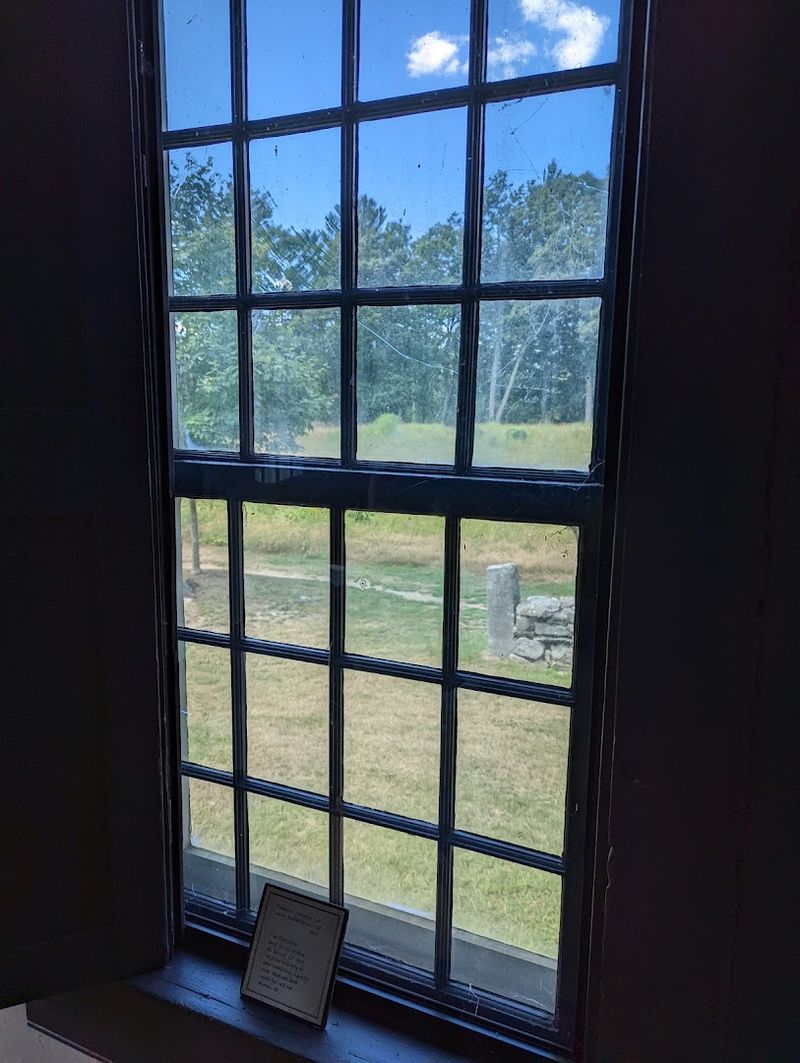
From certain windows inside the house, the Minuteman Statue at the North Bridge is still visible today. That view has not changed dramatically in 250 years, which makes standing at those windows feel like a quiet act of historical connection rather than simple sightseeing.
The Garden Thoreau Helped Plant Still Grows On The Property
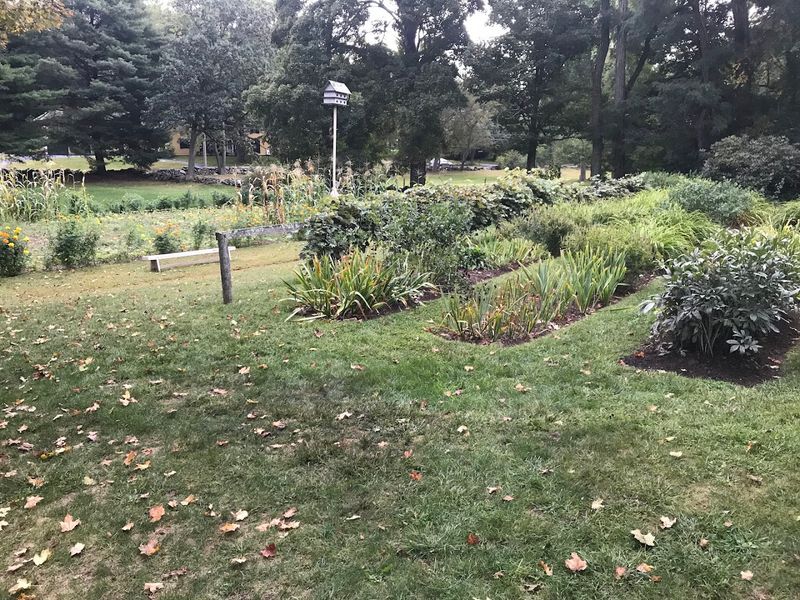
Henry David Thoreau was a frequent visitor to The Old Manse during the Hawthornes’ years there. He helped the couple prepare a vegetable garden on the property as a wedding gift of sorts, turning the soil and planting seeds before Nathaniel and Sophia arrived to move in.
Thoreau was already developing the ideas about self-sufficiency and close observation of nature that would later define his work at Walden Pond. Helping to plant a garden for friends was entirely consistent with how he thought about living.
The gesture was practical and personal at the same time.
The garden area on the property is still maintained today by The Trustees of Reservations. Walking through it with that background in mind changes the experience.
It stops being just a pleasant green space and becomes something closer to a living artifact, a small piece of Thoreau’s philosophy still rooted in Concord soil.
What A Guided Tour Of The Interior Actually Covers
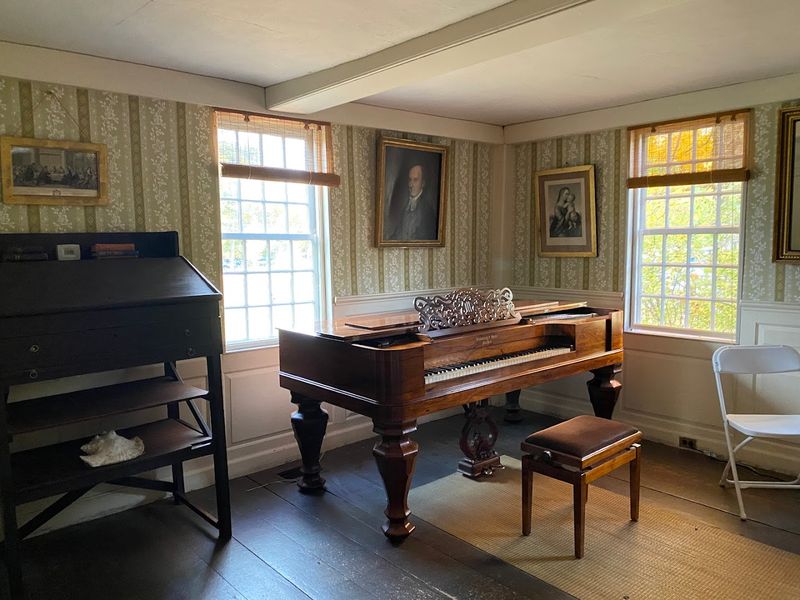
Guided tours of The Old Manse run approximately one hour and cover the first and second floors of the house. The Trustees of Reservations manages the property, and their tour guides are consistently described as knowledgeable and genuinely engaged with the material they present.
Tours include original furniture pieces that belonged to the families who lived there, which gives the rooms a grounded, inhabited feeling rather than the sterile quality of a staged exhibit. Visitors are sometimes invited to sit at the reproduction of Emerson’s desk or play the antique piano in the house, depending on the guide and the group.
The tour also covers the window inscriptions left by the Hawthornes, the history of the Battle of Concord as seen from the property, and stories about the various families who occupied the house over the centuries. Tours start on the hour, so arriving a few minutes early is worth the effort to avoid waiting a full sixty minutes for the next one.
The Georgian Architecture Tells Its Own Story
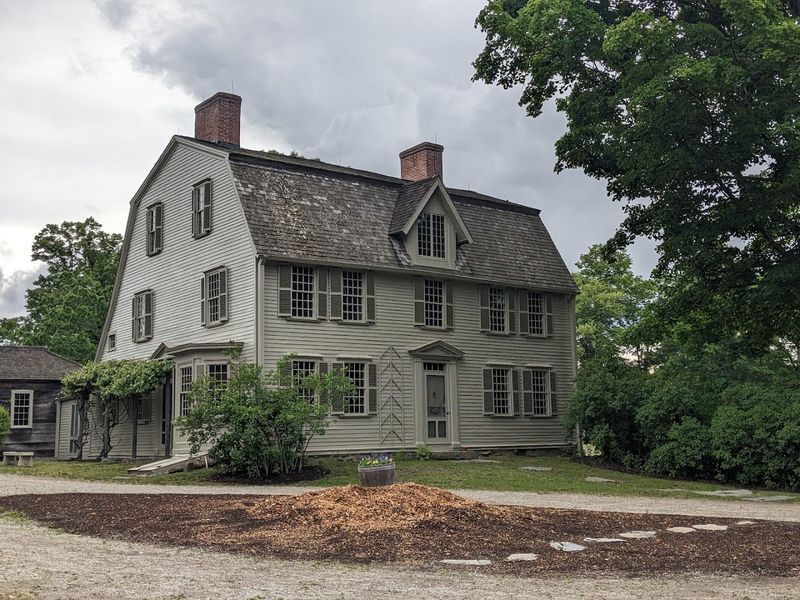
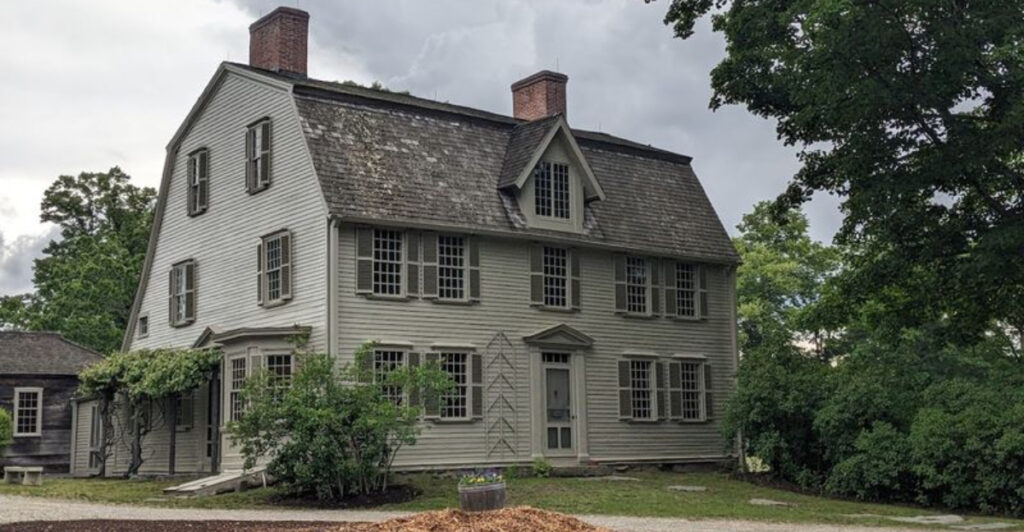
The Old Manse is a Georgian-style house built in 1770, and its architecture reflects the practical, unadorned sensibility of colonial New England. The exterior is clad in white clapboard with a simple roofline and symmetrical windows that are typical of the period.
There is nothing flashy about the building, which is part of what makes it feel authentic.
The interior retains much of its original structure, including wooden floors, low ceilings in certain rooms, and the kind of spatial proportions that remind you people lived differently in the 18th and 19th centuries. Rooms are smaller than modern expectations, and the layout reflects a household organized around practicality rather than display.
For anyone interested in colonial and early Federal-era architecture, the house is a clear and readable example of how educated New Englanders built their homes during that period. The structure itself has survived more than 250 years with enough original material intact to make the architecture genuinely informative rather than merely decorative.
The Grounds Along The Concord River Reward A Slow Walk
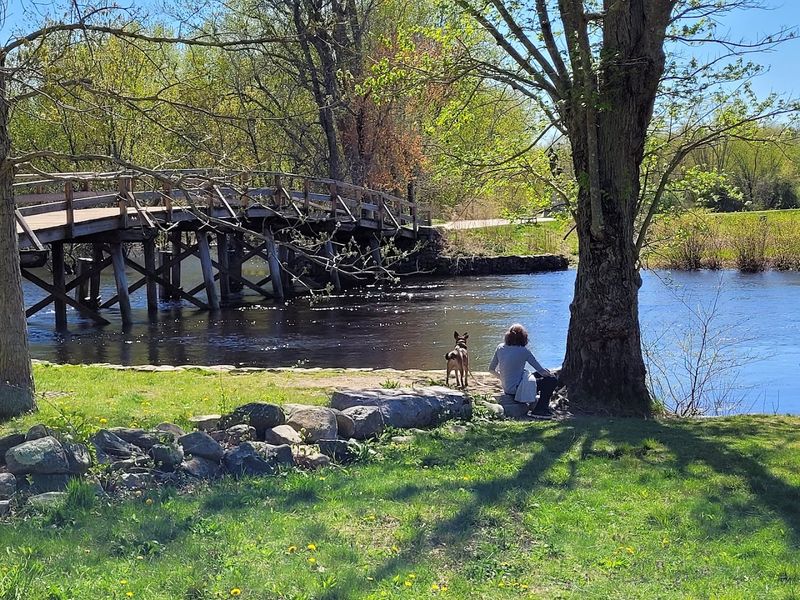
The property surrounding The Old Manse extends toward the Concord River, and the grounds themselves are worth visiting even if you never step inside the house. Open fields, scattered trees, and stone features create a landscape that feels genuinely quiet, the kind of quiet that requires no effort to enjoy.
Birdsong is a consistent feature of the grounds, and wildlife sightings along the river edge are common. Visitors have spent hours on the grass reading, photographing birds, or simply sitting still.
That kind of unhurried time on the property connects directly to the Transcendentalist ideas that Emerson developed while living there, ideas about slowing down enough to actually notice the natural world around you.
The path from the house toward the North Bridge runs through this landscape, making the walk between the two sites feel like a natural extension of the visit rather than a separate errand. The distance is short enough to cover comfortably on foot.
Louisa May Alcott And The Wider Concord Literary Circle
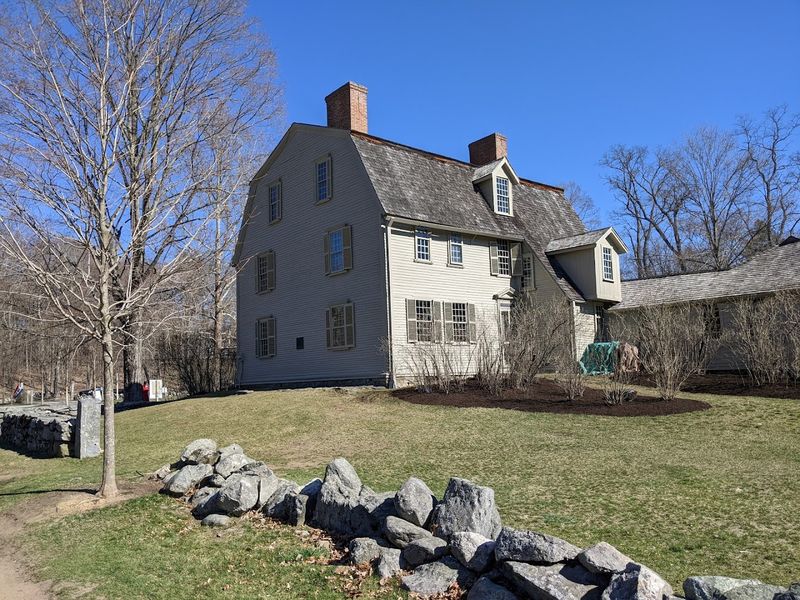
The Old Manse was not an isolated outpost of literary activity. It existed within a broader Concord community that included Louisa May Alcott, whose family home Orchard House is also in town.
Alcott, Emerson, Thoreau, and Hawthorne were all part of an overlapping social and intellectual network centered in Concord during the mid-19th century.
Emerson was in many ways the hub of that network, and The Old Manse was one of the places where those connections formed and deepened. Thoreau was a protege of Emerson’s.
Hawthorne was a friend. Alcott’s father Bronson Alcott was part of the same Transcendentalist conversations that shaped the thinking of everyone in the group.
Visiting The Old Manse with that wider circle in mind gives the house additional context. It was not just one famous person’s residence.
It was a point on a map of American intellectual life during one of its most productive and consequential periods.
Practical Tips For Planning Your Visit To The Old Manse
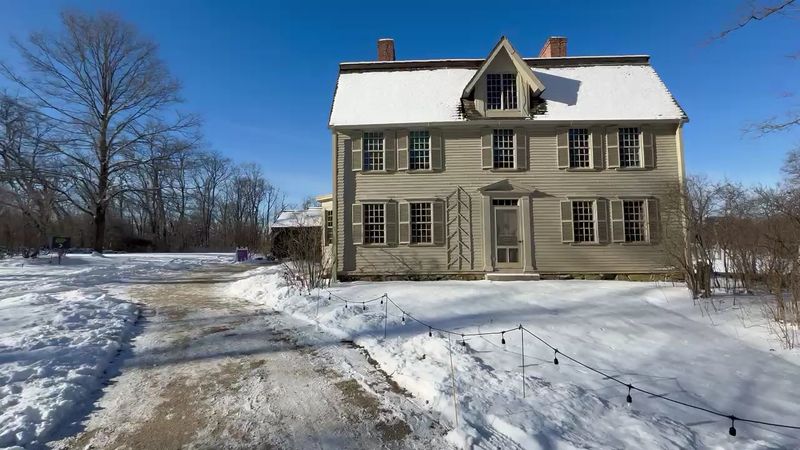
The Old Manse is open Thursday through Monday from 11 AM to 5 PM and is closed on Tuesdays and Wednesdays. Tours run on the hour, so checking the schedule before arriving saves time.
The phone number for the property is 978-369-3909, and more information is available at thetrustees.org.
Admission for tours is around twenty dollars for non-members. Members of The Trustees of Reservations get in free, which is worth knowing if you plan to visit multiple Trustees properties in Massachusetts.
The grounds themselves are free to walk, so even a visit without a tour offers real value.
Parking is available near the property, and the North Bridge is a short walk away, making it easy to combine both stops in a single outing. Fall and spring are particularly good seasons to visit, when the landscape around the house is at its most visually compelling and the walking conditions along the river path are comfortable.
Why This House Stands Apart From Other Historic Homes
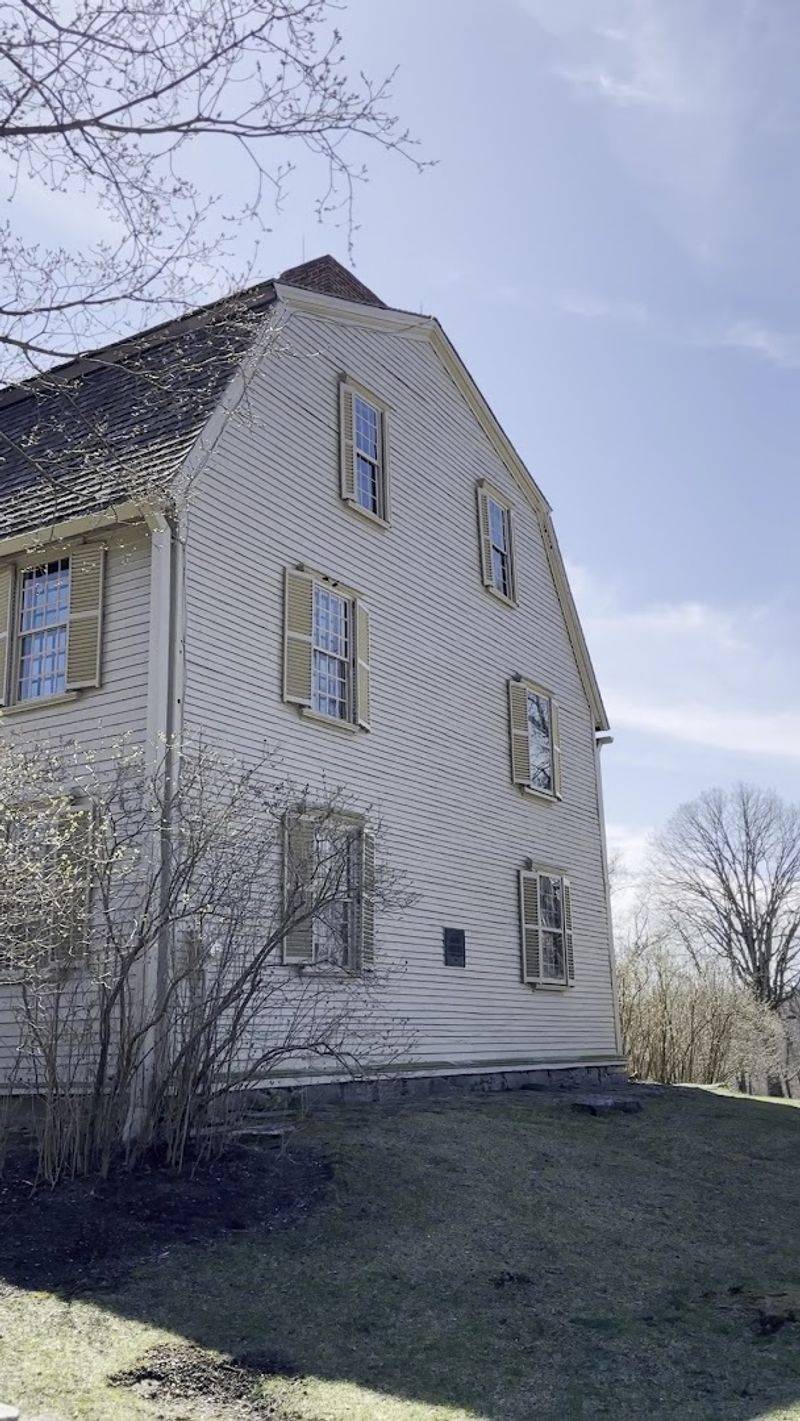
Many historic houses in the United States can claim one significant connection, a famous resident, a notable event, or an architectural distinction. The Old Manse holds several of those connections simultaneously, which is genuinely uncommon and worth stating plainly.
The house was present at the opening of the American Revolution. It sheltered the man who wrote one of the most influential essays in American intellectual history.
It housed the novelist who gave it its enduring name. It received visits from Thoreau, Alcott, and others who shaped how Americans thought about nature, individuality, and literature.
All of that happened within the same set of walls.
That density of verified, documented history makes The Old Manse more than a pleasant afternoon stop. It is one of the few places in the country where military history, literary history, and philosophical history converge in a single modest building beside a quiet river.
That combination is worth the drive to Concord on its own terms.
Where The Old Manse Sits And Why That Location Matters
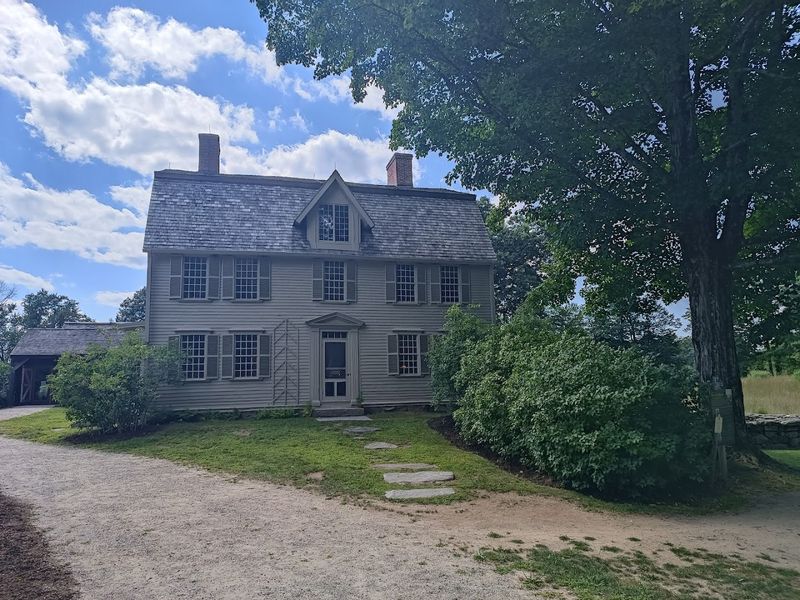
The Old Manse stands at 269 Monument Street in Concord, Massachusetts, a quiet address that carries enormous historical weight. Managed by The Trustees of Reservations, the property sits close enough to the North Bridge that visitors can actually see the Minuteman Statue from inside the house.
That proximity to the bridge is not accidental. The house was built in 1770, just five years before colonial militia gathered at that very bridge and fired what became known as the shot heard round the world.
Standing on the grounds today, the connection between the house and that moment feels immediate rather than distant.
The Concord River runs nearby, and open fields spread around the property in a way that feels almost unchanged from earlier centuries. The address places visitors within easy walking distance of the North Bridge battlefield, making it a natural anchor point for anyone exploring Concord’s layered past.
Share this story