New Bedford, Massachusetts has a reputation that stretches back centuries, and it has everything to do with the sea. Long before oil wells changed the world, this coastal city was the whaling capital of the planet, and one museum has made it its mission to keep that legacy alive in the most dramatic way possible.
At the heart of it all sits a half-scale model of an actual whaling ship so large it lives inside the building permanently. From whale skeletons to scrimshaw art to a 3D movie theater, this museum packs enough history, science, and spectacle into its three floors to fill an entire day.
Whether you are a history enthusiast, a curious traveler passing through southeastern Massachusetts, or a parent looking for something genuinely educational and fun, this place delivers on every level. Read on to find out exactly what makes it worth the trip.
The Ship That Could Not Fit Outside: The Half-Scale Whaling Vessel
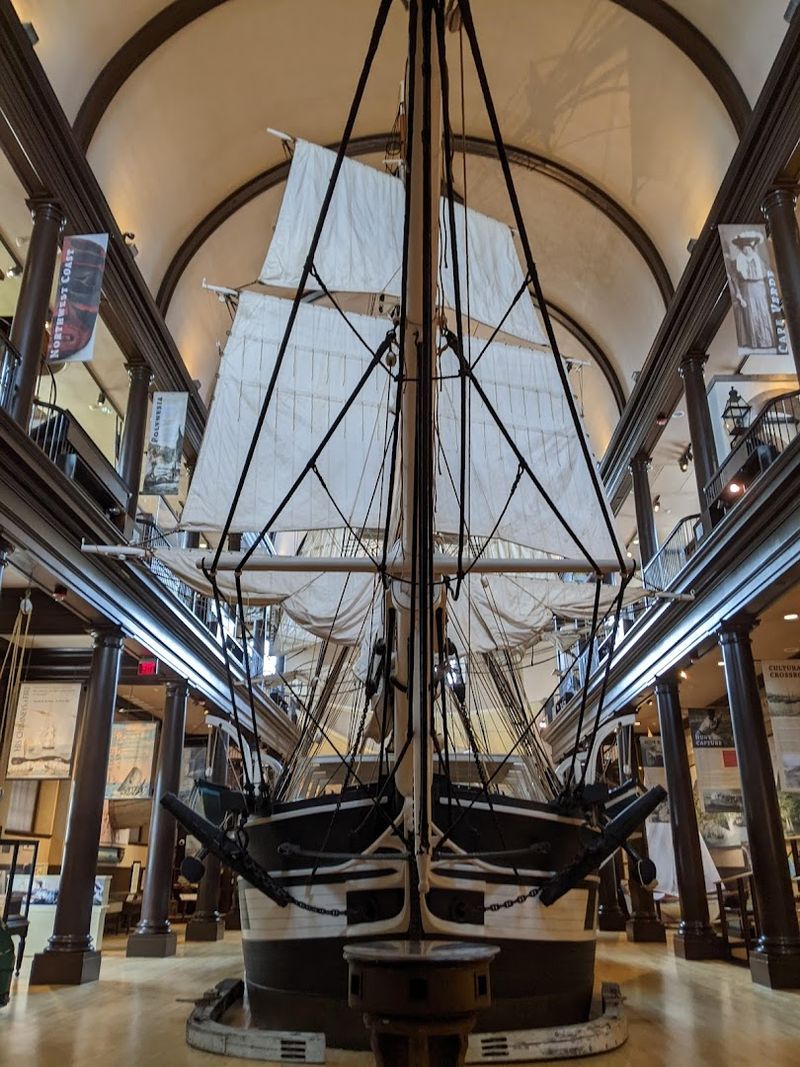
The centerpiece of the entire museum is a half-scale model of the whaling bark Lagoda, and it is genuinely one of the most striking things you will find inside any museum in New England. Built in 1916, this replica is widely considered the world’s largest ship model of its kind, and it takes up an entire wing of the building.
The Lagoda is fully walk-on, meaning you can actually board the ship and explore its deck. Standing on the replica gives a clear picture of just how compact life at sea really was for the crews who spent years away from home chasing whales across the Pacific and Atlantic oceans.
The craftsmanship on display here is remarkable, from the rigging down to the hull details. It is the kind of exhibit that works equally well for a curious ten-year-old and a retired maritime historian, landing somewhere between art installation and time machine in the best possible way.
Three Floors of History: How Big Is This Place, Really
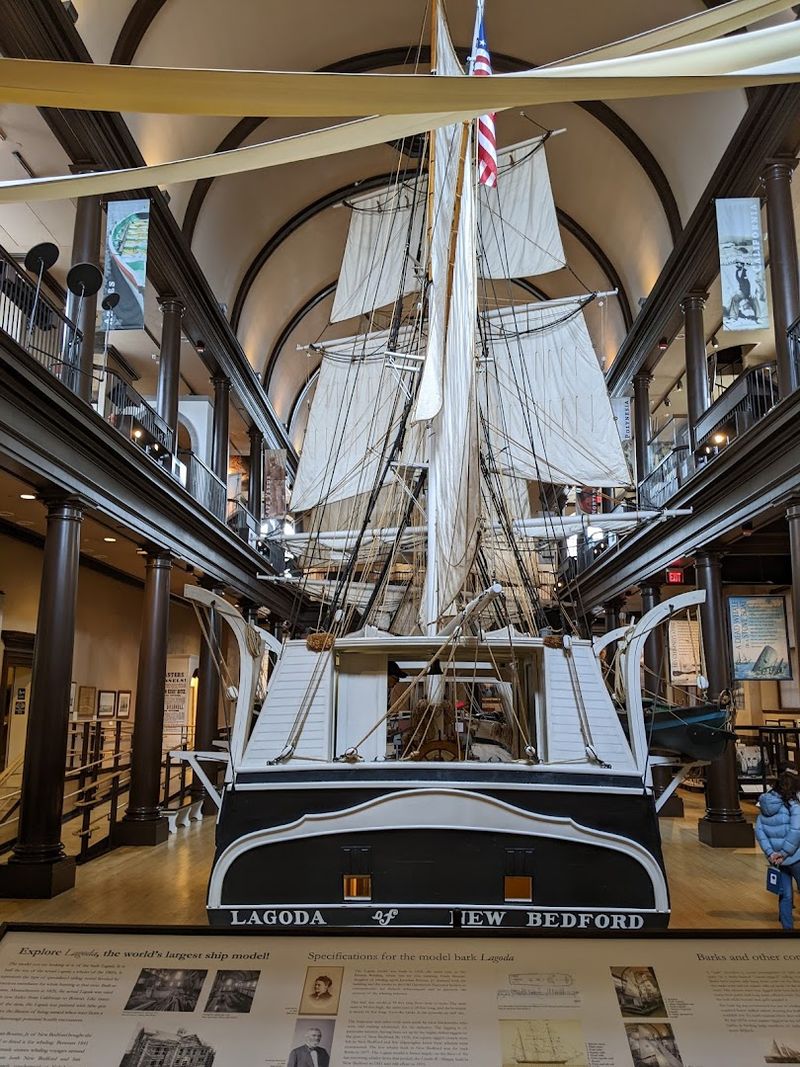
First-time visitors are often caught off guard by the sheer scale of the museum. What looks manageable from the outside reveals itself as a sprawling, multi-floor institution packed with artifacts, paintings, skeletons, and interactive displays that stretch from floor to ceiling.
The museum spans three floors, each one dedicated to different aspects of whaling history, New Bedford’s local culture, marine biology, and global trade. Room after room opens into another unexpected collection, whether it is navigational instruments, oil-processing equipment, or personal journals from sailors who spent years at sea.
Plan for at least three hours if you want to move through the exhibits at a comfortable pace, and budget more time if you plan to catch the 3D film or attend a scheduled program. Many people who thought they were stopping in for a quick visit end up staying most of the day, which says a lot about how much there is to see here.
Scrimshaw: The Art Form That Sailors Carved Into History
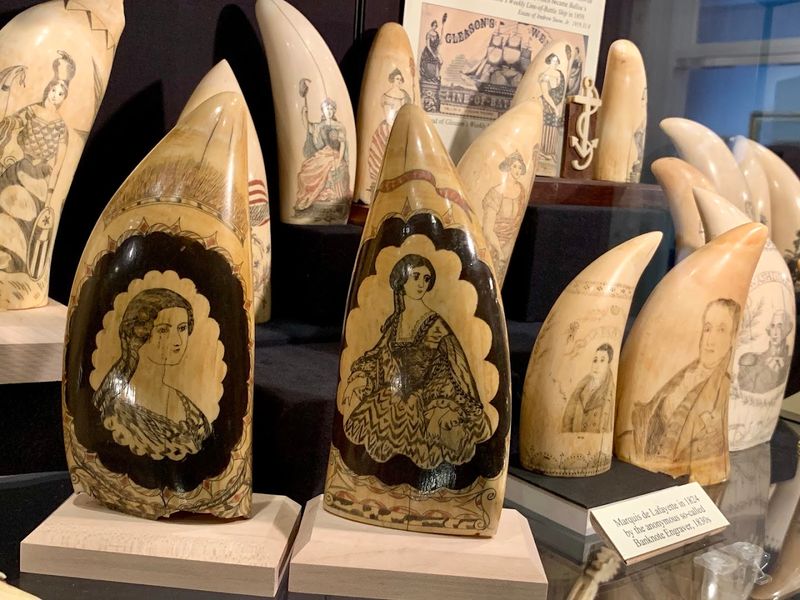
Scrimshaw is one of those art forms that most people have heard of but rarely get to see up close in any meaningful quantity. The New Bedford Whaling Museum changes that completely with what is widely regarded as one of the finest scrimshaw collections in the world.
Sailors on long whaling voyages had enormous amounts of downtime between sightings and hunts, and many of them filled those hours by carving intricate designs into whale teeth, bone, and ivory. The results range from simple geometric patterns to detailed portraits, ships, and scenes from daily life at sea.
The museum’s scrimshaw room draws people in and tends to hold them there far longer than expected. The level of detail in some of the older pieces is genuinely hard to process, especially knowing these were made with basic tools by men who had no formal art training.
It is easy to spend an hour in this room alone without realizing how much time has passed.
Whale Skeletons and Marine Specimens That Stop You Mid-Step
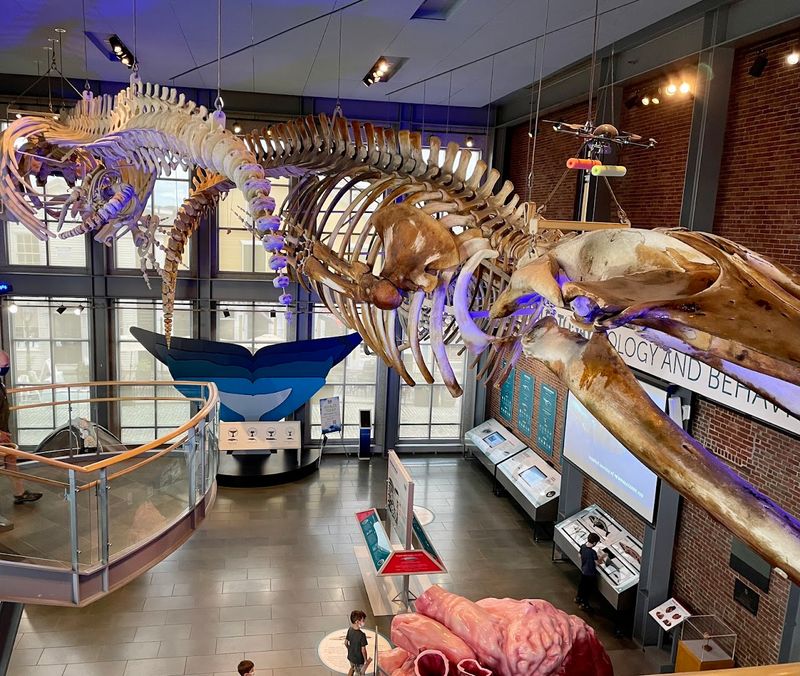
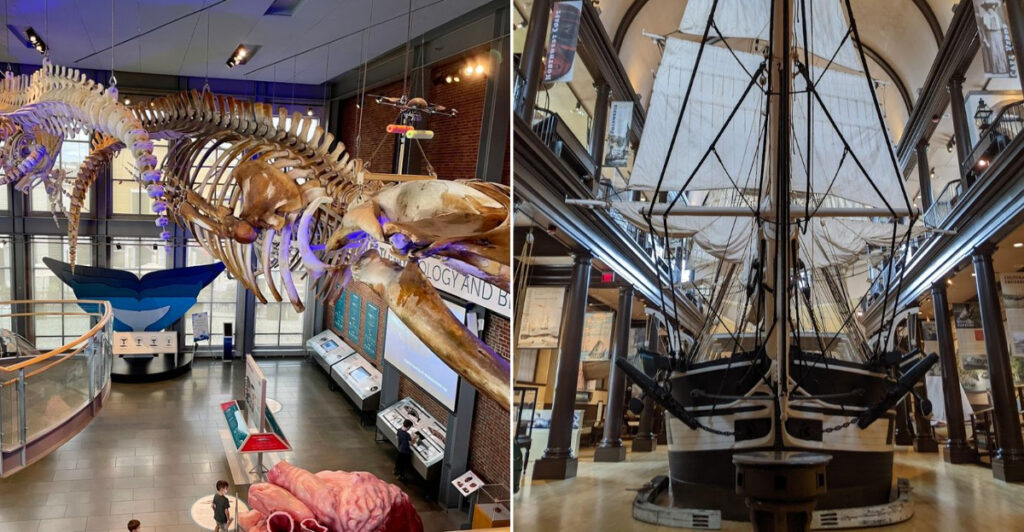
There is something about standing next to a full whale skeleton that immediately reframes your understanding of how large these animals actually are. The museum has several marine specimens on display, and the skeletons are among the most photographed features in the entire building.
Beyond the skeletons, the museum also maintains live and preserved marine specimens that connect the historical whaling narrative to the present-day understanding of ocean ecosystems. Taxidermied animals, including a penguin and a seal that have developed a bit of a fan following online, are displayed with care and accuracy.
The marine biology component of the museum is not an afterthought. It runs parallel to the historical exhibits in a way that helps visitors understand both what was lost during the peak whaling era and what conservation efforts have accomplished since.
The contrast between past exploitation and current protection efforts gives the collection a meaningful, layered quality that stays with you after you leave.
New Bedford’s Multicultural Past: More Than Just Whaling
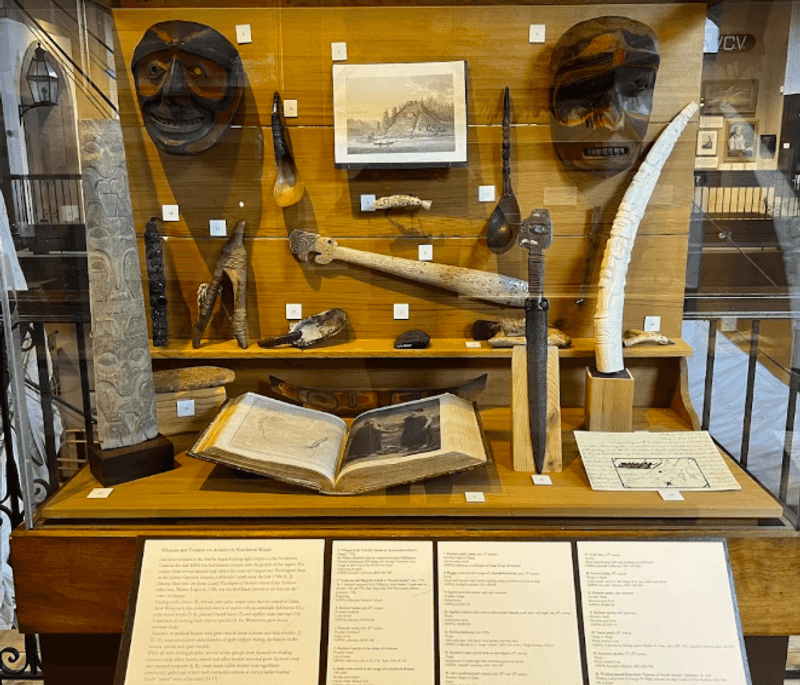
The museum does not limit itself to the mechanics of whaling. A significant portion of its exhibits explore the deeply multicultural character of New Bedford during its peak whaling years, when the city attracted workers from the Azores, Cape Verde, Indigenous communities, and beyond.
Crews on whaling ships were remarkably diverse for their era, drawing men from across the Atlantic world who were united by the dangerous, grueling work of hunting whales across open ocean. The museum documents these stories with artifacts, personal accounts, and carefully curated exhibits that give voices to people who were often left out of mainstream historical narratives.
The Indigenous peoples’ exhibit, in particular, offers a thoughtful look at the relationship between Native communities and the whaling industry, covering both cooperation and conflict with honesty. This dimension of the museum elevates it beyond a simple industry showcase and turns it into a genuine exploration of American social history during one of the country’s most economically transformative periods.
The Observation Deck: A View That Puts Everything in Perspective
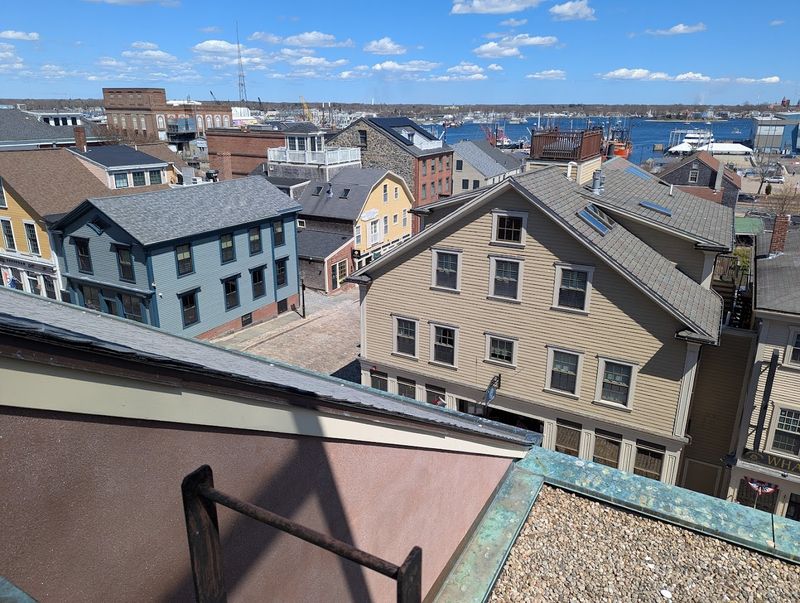
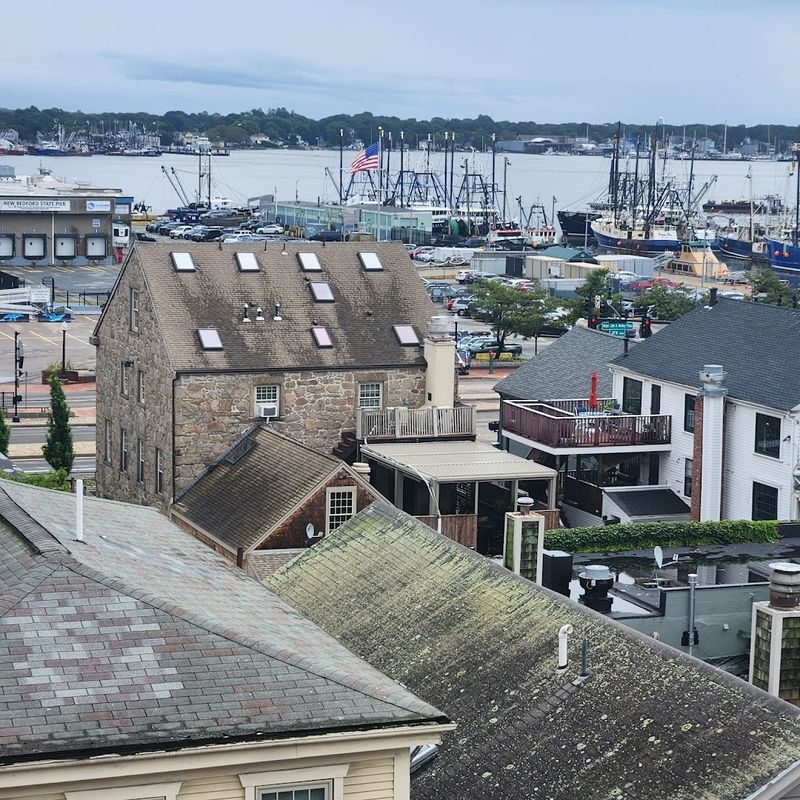
On the third floor of the museum, an observation deck offers a direct view over the historic boatyard and the working waterfront of New Bedford. It is one of those spots that quietly becomes a favorite part of the visit for people who stumble upon it.
From that elevated vantage point, the scale of what New Bedford once was starts to make more sense. The boatyard below has been active for generations, and the combination of old architecture and working maritime infrastructure creates a picture of continuity that no exhibit panel can fully replicate.
The view is especially striking on clear days when the harbor stretches out in the distance. It also provides useful context for everything you have just seen inside, connecting the artifacts and stories to a real, physical place that is still alive and functioning.
It is a short detour that costs nothing extra and adds a lot to the overall experience of the museum visit.
Programs for All Ages: Homeschool Days, Squid Dissections, and More
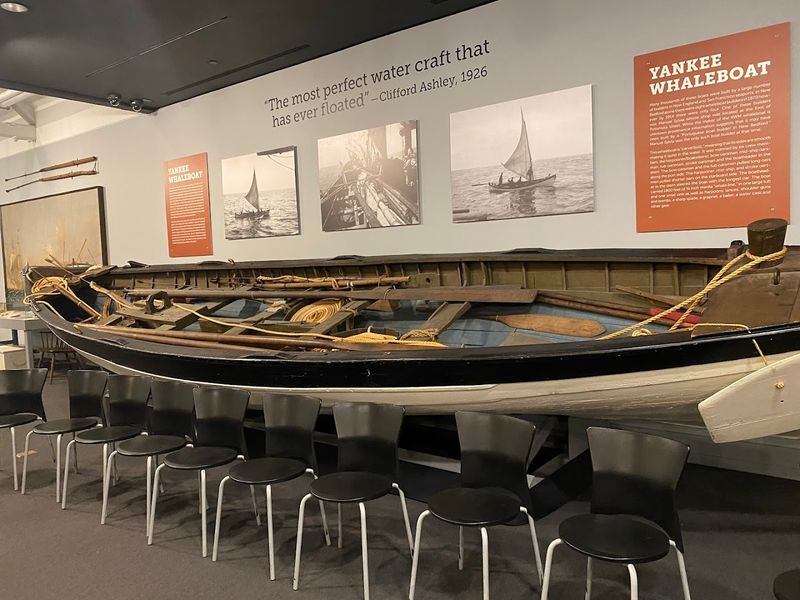
The museum runs a robust calendar of educational programming that extends well beyond the standard self-guided visit. Homeschool days are particularly well-organized events that families return to repeatedly, with structured activities that align with the museum’s collections and themes.
One of the more memorable offerings is a squid dissection class that gives participants a hands-on look at marine biology. It is the kind of program that tends to be the highlight of the trip for younger visitors, and it reflects the museum’s broader commitment to active, participatory learning rather than passive observation.
The feeding tank, where live marine animals are on display, is another interactive element that holds attention across age groups. Staff members are knowledgeable and generally willing to answer questions in depth, which adds value to the experience for visitors who want more than what the exhibit panels provide.
The overall programming makes the museum genuinely useful for educators and families planning a curriculum-connected outing.
Conservation and Reflection: The Museum’s Honest Look at Whaling’s Impact
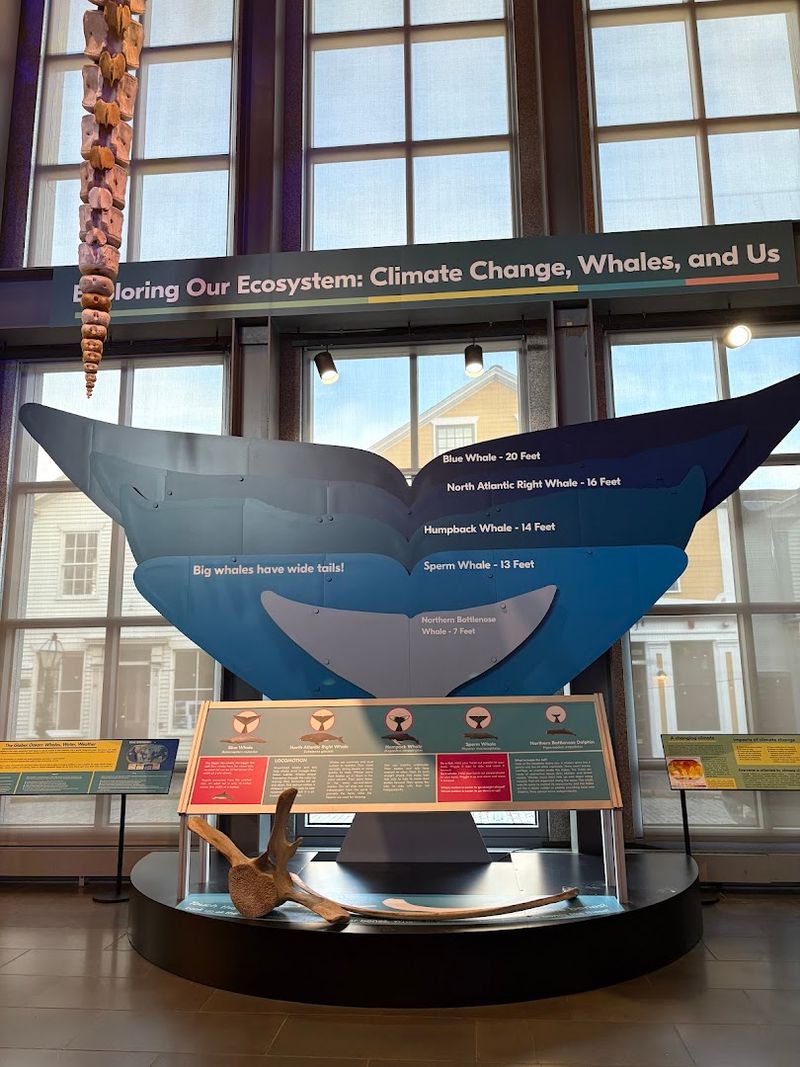
The New Bedford Whaling Museum does not shy away from the complicated legacy of the industry it documents. Alongside the artifacts and historical accounts, the museum includes exhibits that address the near-extinction of multiple whale species as a direct result of commercial whaling at its peak.
This honest approach gives the collection a moral weight that distinguishes it from a simple celebration of maritime heritage. The exhibits on ocean ecosystems and conservation efforts help visitors connect the historical record to present-day environmental realities, making the experience educational in a way that extends beyond dates and names.
For many people, the museum inspires a renewed interest in whale watching or ocean conservation after they leave, which suggests the exhibits are doing exactly what good museum programming should do. Confronting difficult history without flinching, while still honoring the human stories embedded in that history, is a balance the museum manages with consistent thoughtfulness throughout its three floors.
The Neighborhood Around It: Making a Full Day Out of the Visit
The museum sits within the New Bedford Whaling National Historical Park, and the surrounding neighborhood is worth exploring before or after your visit. The historic district has retained much of its 19th-century architectural character, with cobblestone streets and preserved commercial buildings that date back to the height of the whaling era.
Several restaurants and cafes are within easy walking distance of the museum entrance, making a lunch break straightforward to plan. The area is compact enough that you can cover a lot of ground on foot without needing to move your car between stops.
Small shops and galleries in the surrounding blocks add to the appeal of spending a full day in the district rather than limiting the outing to the museum alone. New Bedford as a city has invested in its waterfront and historic core in ways that make the neighborhood feel genuinely alive, rather than a preserved-but-empty heritage zone that closes up after the last tour group leaves.
Why This Museum Keeps Pulling People Back for Return Visits
There are museums you visit once and feel satisfied, and then there are places that leave you with a running list of things you did not get to see. The New Bedford Whaling Museum firmly belongs in the second category, and the number of people who describe planning a return trip says a lot about the depth of what it offers.
The rotating special exhibits mean that the museum is never entirely the same twice, and the breadth of the permanent collection is large enough that a single visit rarely covers all of it thoroughly. Some people come back specifically for the Moby-Dick Marathon, others for homeschool programming, and others simply because they ran out of time on their first trip.
At its core, the museum succeeds because it treats its subject with seriousness without becoming inaccessible, and it respects its audience enough to present complicated history without oversimplifying it. That combination is rarer than it should be, and it is exactly what makes 18 Johnny Cake Hill worth returning to again and again.
Where It All Begins: Address, Location, and What to Expect at the Door
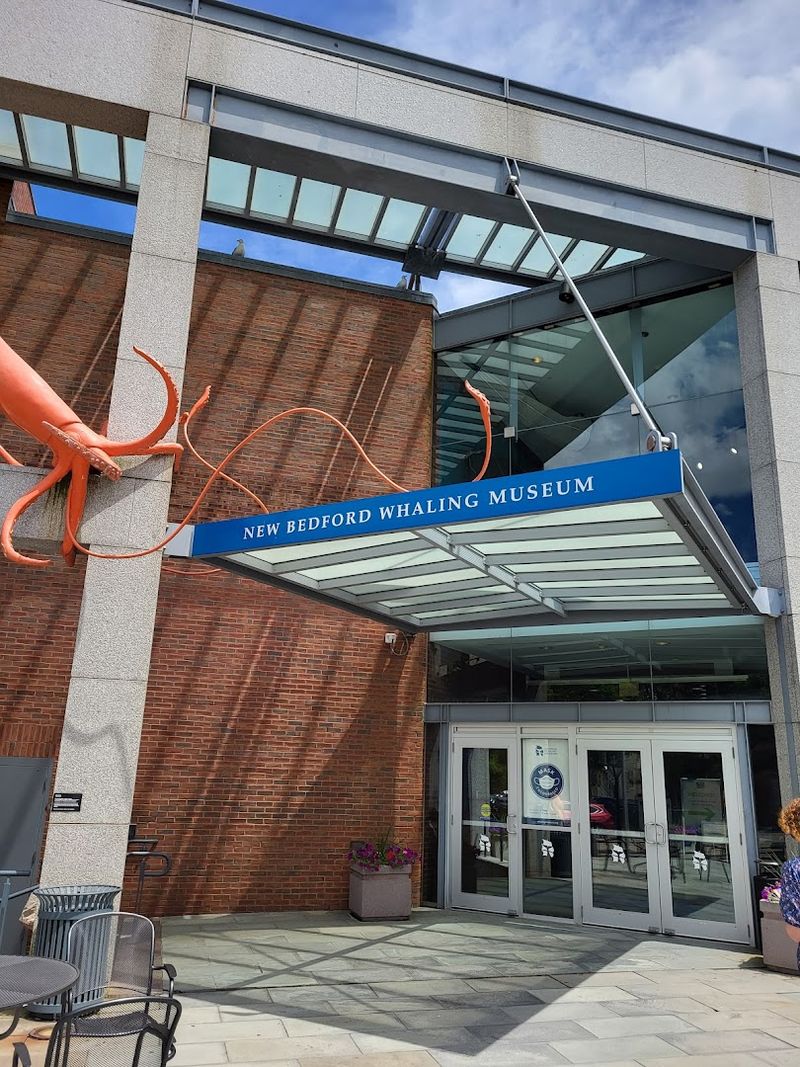
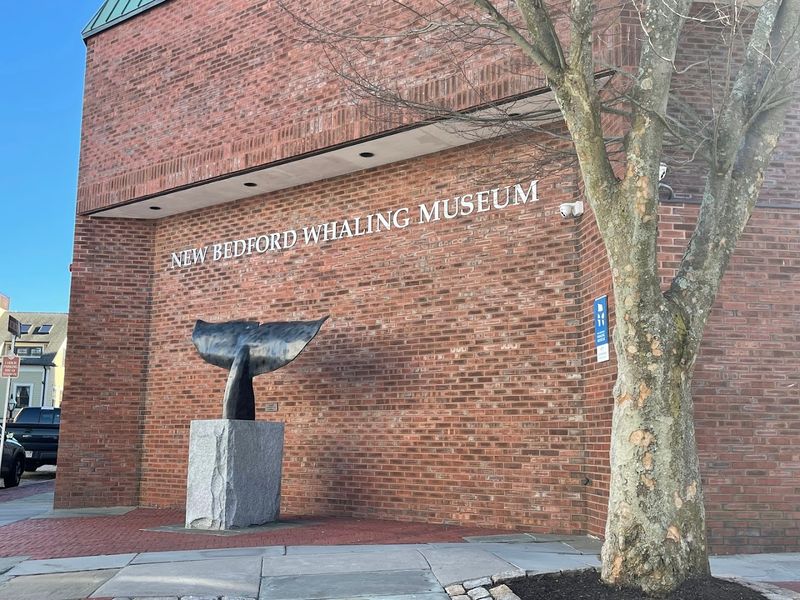
The New Bedford Whaling Museum sits at 18 Johnny Cake Hill, New Bedford, MA 02740, right in the heart of the city’s historic waterfront district. The address alone feels like a clue that something interesting is about to happen, and the building does not disappoint from the outside either.
Open every day of the week from 9 AM to 5 PM, the museum keeps a consistent schedule that makes planning a visit straightforward. Street parking in the area is available and free for a few hours, though arriving early on busy days gives you the best shot at a good spot near the entrance.
The museum is part of the New Bedford Whaling National Historical Park, which means the surrounding neighborhood adds its own layer of historical texture to the experience. A National Park Service visitor center nearby offers stamps for NPS passport collectors, making the area a natural stop for that crowd as well.
Share this story