Tucked away in a small Massachusetts town about an hour west of Boston, there is a museum that holds something no other institution in the United States can claim: the largest collection of Eastern Christian art open to the public. Thousands of icons, sacred objects, and liturgical treasures fill three floors of a beautifully designed building, drawing art lovers, historians, and curious travelers from across the country.
The collection spans centuries and cultures, from Russian Orthodox panels to Byzantine-era pieces, and the building itself has a surprisingly layered history. Whether or not sacred art is usually on your radar, this place has a way of making even the most casual visitor stop and look twice.
The Story Behind the Collection
Gordon Lankton, a retired toy company executive, founded the Icon Museum and Study Center after developing a deep personal passion for Eastern Christian art during his travels. His collection grew over decades into one of the most significant assemblages of icons in the Western Hemisphere.
The museum opened in 2006, and since then it has become a recognized destination for scholars, artists, and general visitors alike. Lankton’s commitment to the subject went far beyond casual collecting.
He invested in the building, the educational programs, and the research infrastructure with the kind of focus that transforms a private hobby into a public institution.
The collection includes works primarily from Russia, dating from the 15th through the 19th centuries, along with Greek, Byzantine, and other Eastern Christian traditions. That breadth gives the museum a scope that surprises most first-time visitors, who often expect something much smaller and more narrowly focused.
Three Floors of Eastern Christian Art
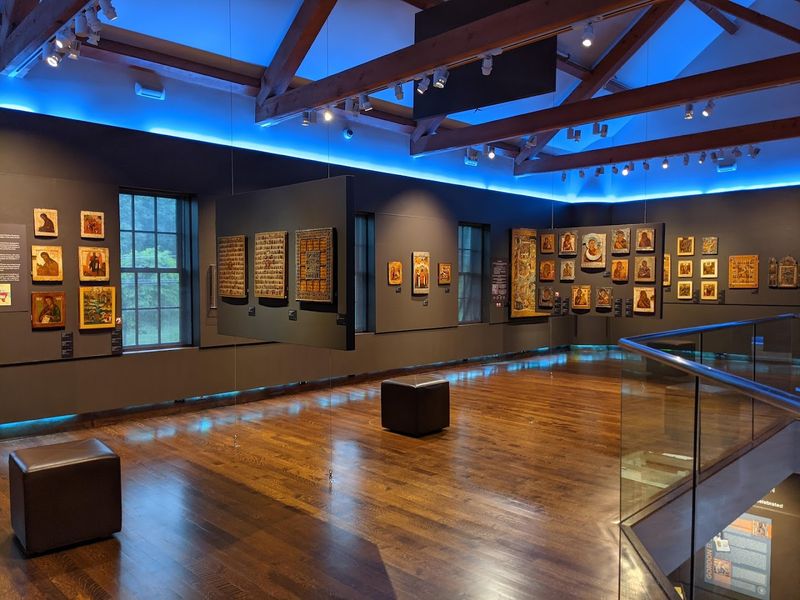
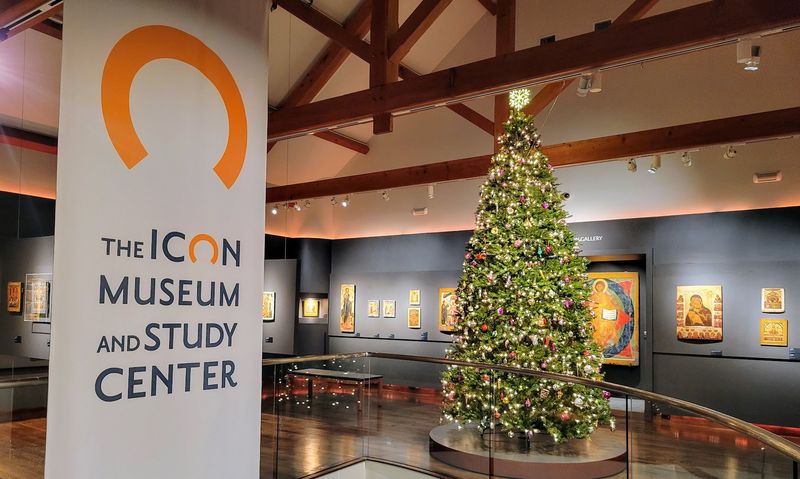
The museum spreads across three full floors, and each level offers a different layer of the broader story of Eastern Christian iconography. The layout is thoughtful, guiding visitors through the collection in a way that builds context gradually rather than overwhelming them all at once.
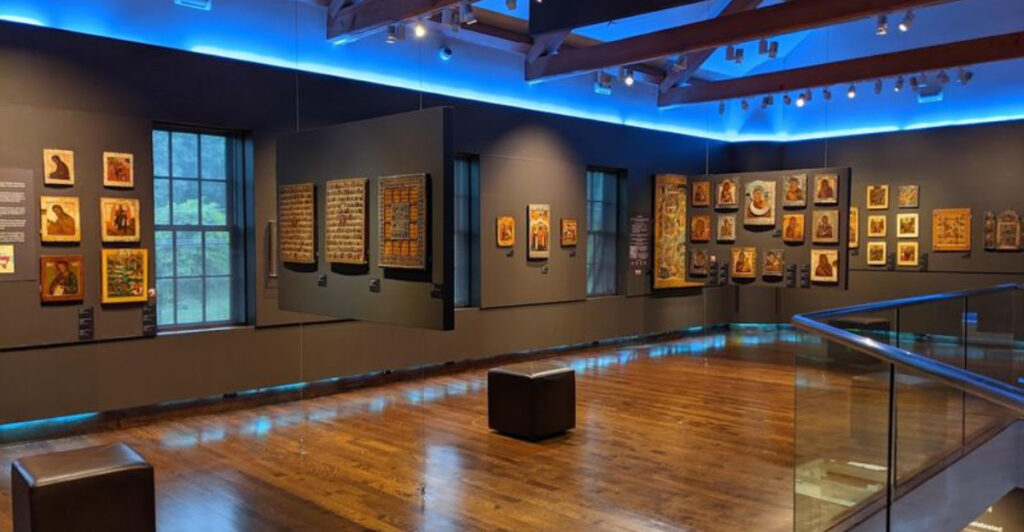
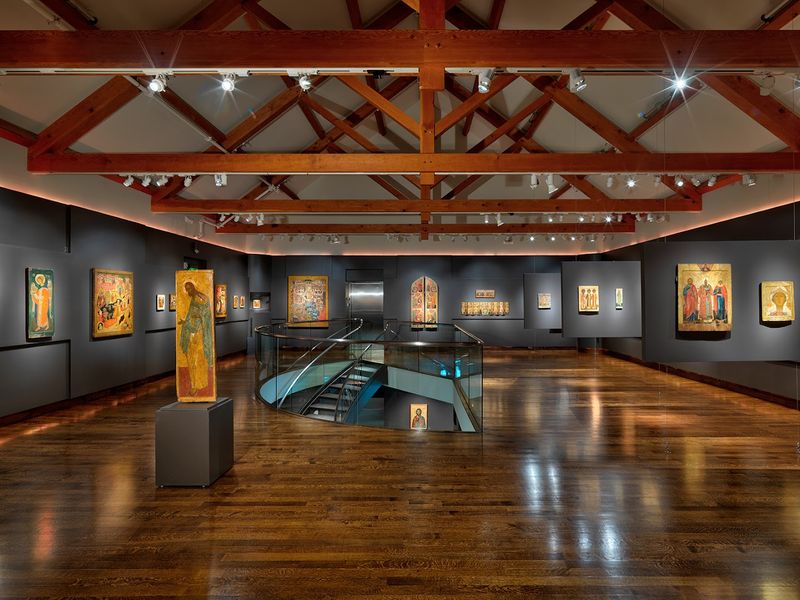
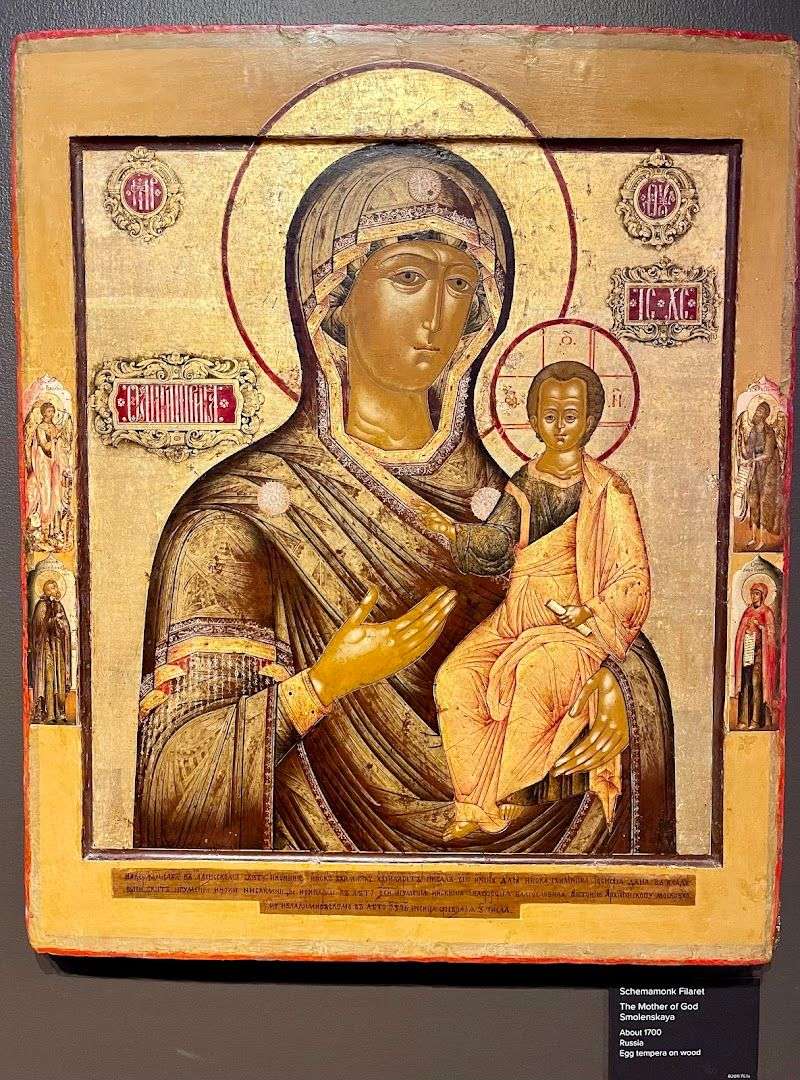
Most of the permanent collection consists of Russian icons, which account for roughly 80 percent of what is on display. These works range from intimate portable panels to larger devotional pieces, and many are displayed at close range without glass barriers, allowing for a level of visual detail that larger institutions rarely permit.
Greek icons and objects from other Eastern Christian traditions round out the permanent galleries, adding cultural variety that enriches the overall experience. Audio stations and magnifying glasses are available throughout the museum, giving visitors tools to engage more deeply with individual works.
The building’s interior design keeps the focus on the art without distraction.
What Makes an Icon Different from Regular Religious Art
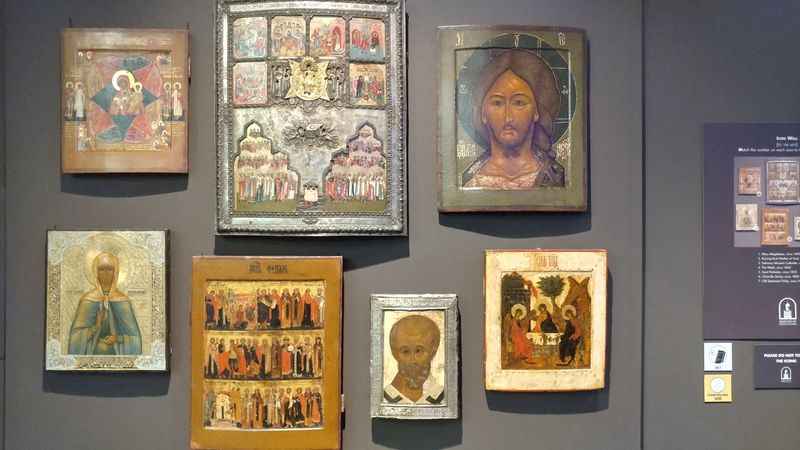
Not every religious painting qualifies as an icon. The term refers specifically to sacred images produced within the Eastern Christian tradition, following strict theological and artistic conventions that have been refined over more than a thousand years.
Icons are not simply decorative objects. Within Orthodox Christianity, they function as windows into the divine, and their creation traditionally involves prayer, fasting, and adherence to established visual formulas.
The figures depicted follow specific rules of proportion, color, and gesture that carry theological meaning rather than purely aesthetic intent.
The museum does a strong job of explaining this distinction through its interpretive materials, making the subject accessible to visitors who arrive with no background in Eastern Christian theology or art history. Signage, video presentations, and knowledgeable staff members all contribute to an educational environment that adds real depth to the viewing experience.
Understanding the context transforms what might otherwise feel like unfamiliar territory into something genuinely compelling.
The Tea Room: A Surprising and Welcoming Stop
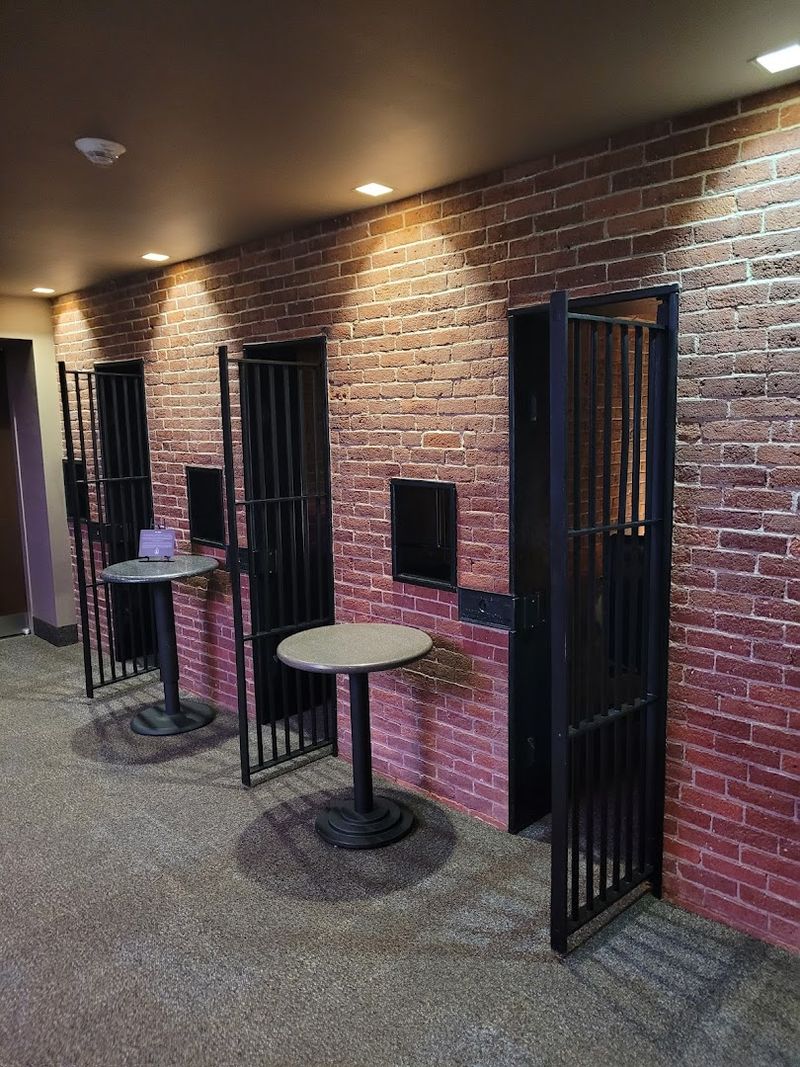
Somewhere between the second and third floors, the museum offers something that catches nearly every visitor off guard: a tea room. It is not a cafe in the commercial sense, but rather a warm, carefully designed space where guests can sit and enjoy a complimentary cup of tea.
The room features an illuminated ceiling and a collection of decorative samovars, the traditional Russian urns used to heat water for tea. The combination of the architectural detail and the cultural artifacts makes the tea room feel like a genuine extension of the museum’s educational mission rather than a simple amenity.
What makes the space even more interesting is its history. The building once served as a jail, and three restored jail cells are accessible within the tea room area, available for research and quiet contemplation.
They are compact, historically intact, and genuinely thought-provoking as a contrast to the art displayed throughout the rest of the building. It is an unexpected pairing that somehow works perfectly.
Rotating Exhibits That Keep the Collection Fresh
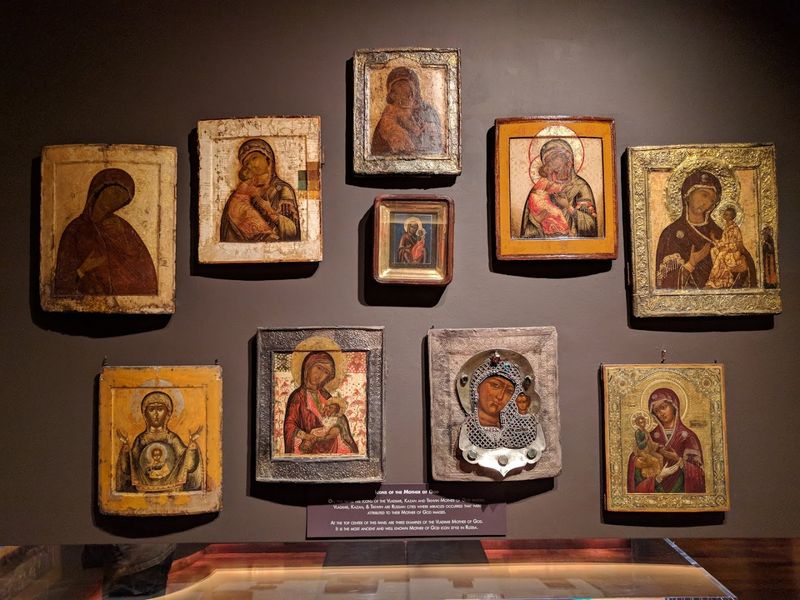
The permanent collection alone could justify multiple visits, but the museum’s rotating temporary exhibitions give returning guests a reliable reason to come back. These shows have covered an impressive range of subjects over the years, from wartime iconography to contemporary sacred art projects.
Past exhibitions have included a display of WWII-era Russian posters, a show called “Artists for Ukraine: Transforming Ammo Boxes into Icons,” and a botanical series titled “Tree of Life: Birch Icons Through the Ages.” Each of these brought a fresh angle to the core subject matter without straying from the museum’s focused mission.
Traveling exhibitions from other institutions also make appearances, adding external perspectives and works that the permanent collection does not cover. The curatorial team clearly approaches these programming decisions with care, selecting topics that expand the visitor’s understanding of Eastern Christian culture rather than simply filling wall space.
Checking the museum’s website before visiting is the best way to catch a current show.
Educational Programs and Hands-On Workshops
The museum’s name includes the words “Study Center” for good reason. Beyond the galleries, a robust calendar of educational programs runs throughout the year, targeting audiences that range from school-age children to adult researchers and practicing artists.
Workshops have included sessions on Pysanky, the traditional Eastern European art of decorative egg painting, taught by instructors with deep roots in the craft. These hands-on events attract participants who want to engage with Eastern European cultural traditions directly rather than simply observing them through glass cases.
Children’s programs introduce younger visitors to the history and meaning of icons in age-appropriate ways, helping build an audience for this art form that extends well beyond the current generation of enthusiasts. The museum also functions as a legitimate research center, with resources available for scholars studying Eastern Christian art, history, and culture.
That dual identity as both a public museum and an academic resource gives the institution an unusual depth for its size and location.
Who Visits and Why It Matters to Non-Religious Guests
A common assumption about the Icon Museum is that it caters exclusively to Eastern Orthodox Christians or deeply religious visitors. That assumption dissolves pretty quickly once you start looking at who actually shows up on any given Thursday afternoon.
Art historians, cultural anthropologists, travelers with a taste for the unusual, and people who simply appreciate fine craftsmanship all find something worth their time here. The icons themselves represent extraordinary technical skill, and the materials used, including egg tempera, gold leaf, and hand-prepared wooden panels, tell their own story about craft traditions that stretch back centuries.
The museum’s interpretive approach is deliberately inclusive, framing the collection as a window into cultural history rather than a strictly devotional experience. Staff members are quick to engage with questions from visitors of all backgrounds and belief systems.
Admission is $15 for most adults, and the first Sunday of each month offers free admission, which is a practical detail worth knowing before planning a visit.
The Building’s Own Fascinating History
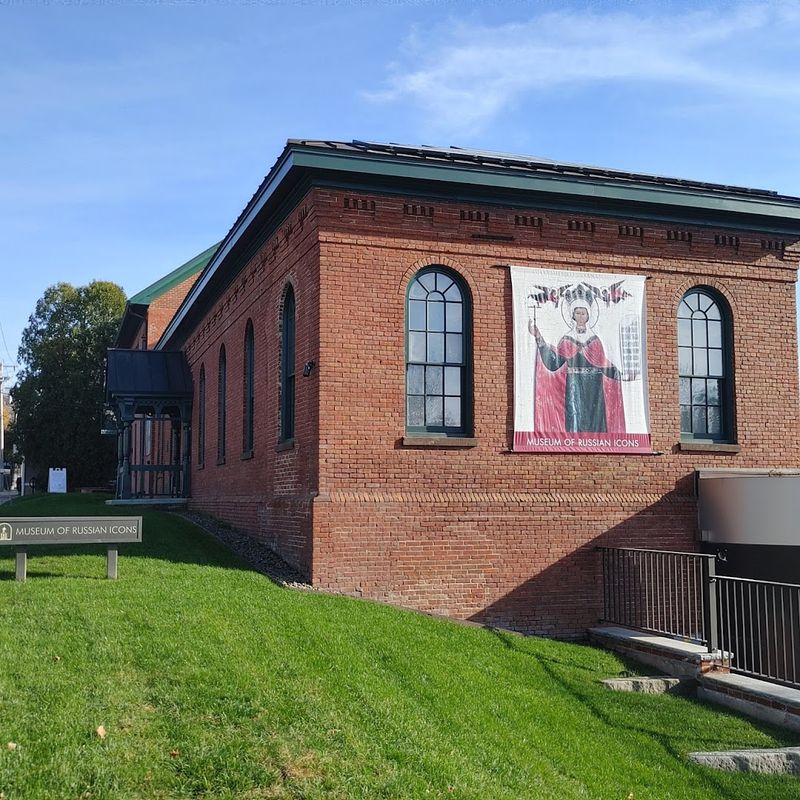
The building that houses the Icon Museum carries its own story, one that adds an unexpected layer to the overall visit. Before it became a cultural institution, the structure served as a municipal facility, and the preserved jail cells in the tea room area are the most visible reminder of that earlier life.
Clinton itself was once a nationally recognized center of textile production, particularly the manufacture of carpets and woven goods. That industrial heritage shaped the town’s architecture, its workforce, and its identity for much of the 19th and early 20th centuries.
The museum’s presence in this context feels like a deliberate act of cultural reinvention, repurposing a piece of civic infrastructure for an entirely different kind of public purpose.
The interior renovation that transformed the building into gallery space is modern and well-executed, with dark walls and controlled lighting that suit the intimate scale of most icons. The contrast between the historic bones of the structure and the contemporary presentation design gives the space a character that is genuinely hard to replicate.
Planning Your Visit: Tips Worth Knowing
A few practical details can make the difference between a smooth visit and a wasted drive. The museum is open Thursday through Sunday from 10 AM to 4 PM and is closed Monday through Wednesday, so midweek plans will need to be adjusted accordingly.
General admission is $15, but several categories of visitors qualify for free entry, including members of various affiliated organizations. The first Sunday of each month is free for everyone, which makes it a popular day for first-time visitors and families.
Calling ahead or checking the museum’s website at iconmuseum.org is always a smart move, particularly if you are traveling a significant distance.
The museum is located about an hour from both Boston and Providence, making it a reasonable day trip from either city. Clinton’s historic downtown is worth a short walk after the museum, and the surrounding central Massachusetts landscape offers a quieter pace that complements the reflective nature of the collection.
Arriving early gives the most time with the permanent galleries before closing.
Where It All Begins: Address, Location, and Setting
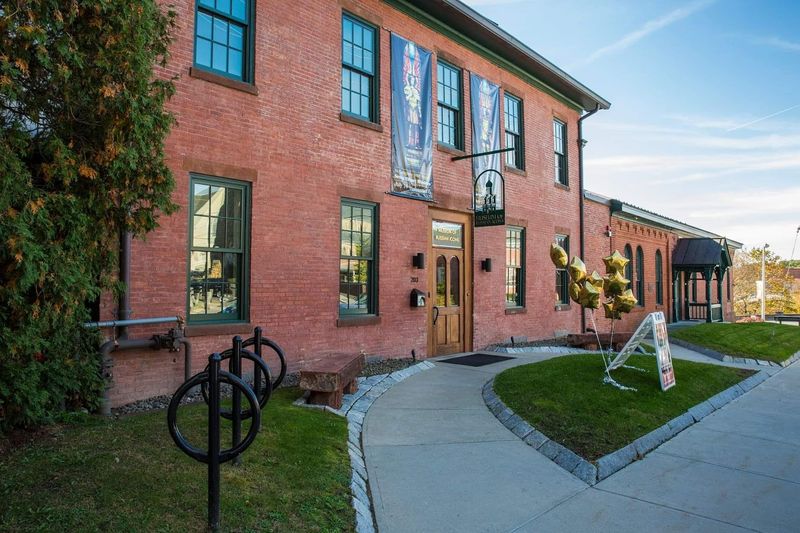
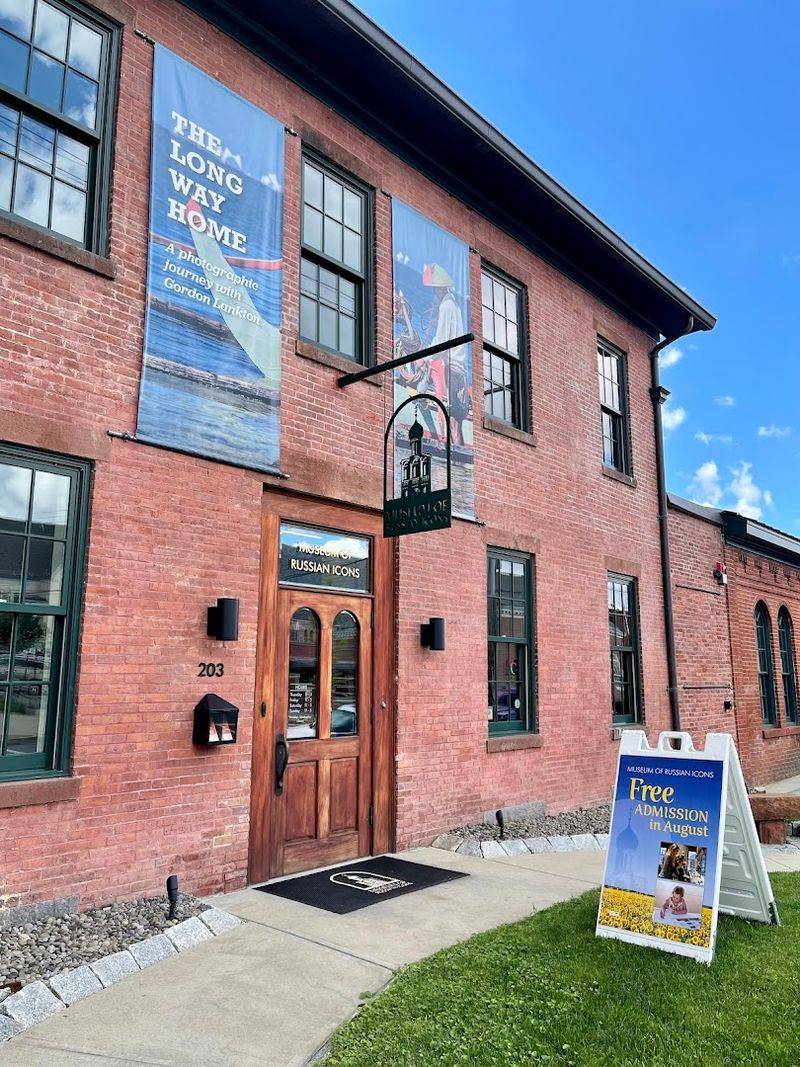
The Icon Museum and Study Center sits at 203 Union St, Clinton, MA 01510, a small central Massachusetts town that most people drive past without a second thought. That is exactly what makes finding this place feel like such a discovery.
Clinton is located roughly an hour west of Boston and about an hour north of Providence, making it accessible from several major New England cities. The museum occupies a building that carries real architectural character, and its presence on Union Street gives the surrounding block an unexpected cultural weight.
The town itself has a layered history rooted in textile manufacturing, and some of that old industrial charm still lingers in the architecture nearby. Parking is generally easy to find, and the neighborhood is calm and walkable.
The museum is open Thursday through Sunday from 10 AM to 4 PM, so planning ahead is essential before making the trip.
Share this story