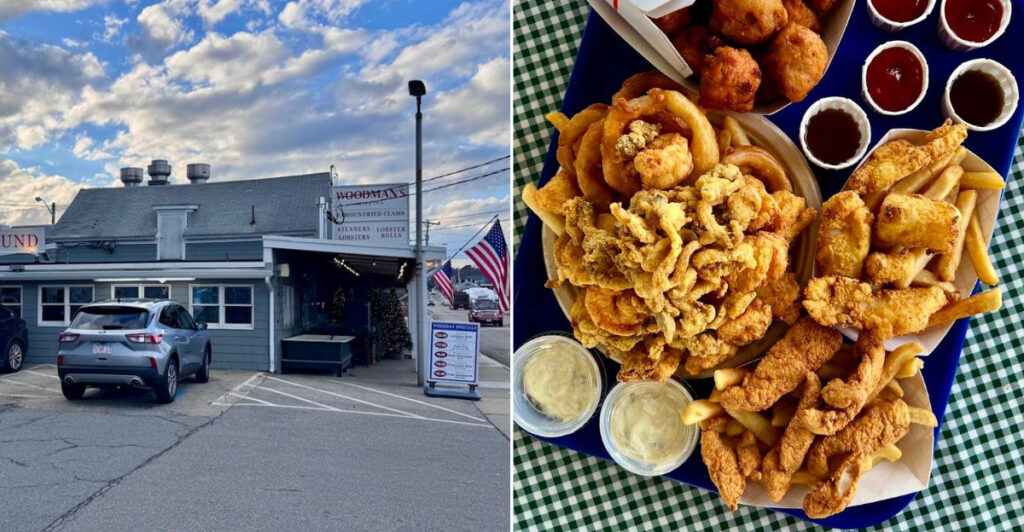
There is a small coastal town in Massachusetts where a single restaurant has been doing one thing exceptionally well for over a century. The story starts in 1916, when a man named Lawrence “Chubby” Woodman reportedly fried the first batch of clams in a new way that would change New England seafood forever.
That origin story has drawn curious eaters, loyal regulars, and road-trippers from across the country to a counter-serve spot on the North Shore. The restaurant operates every day of the week, never seems to slow down, and still uses recipes that are more than 110 years old.
Whether it is the history, the no-frills setup, or the legendary fried clams that keep pulling people back, one thing is clear: this place has earned its reputation the old-fashioned way, one order at a time.
The Origin Story Behind the Fried Clam
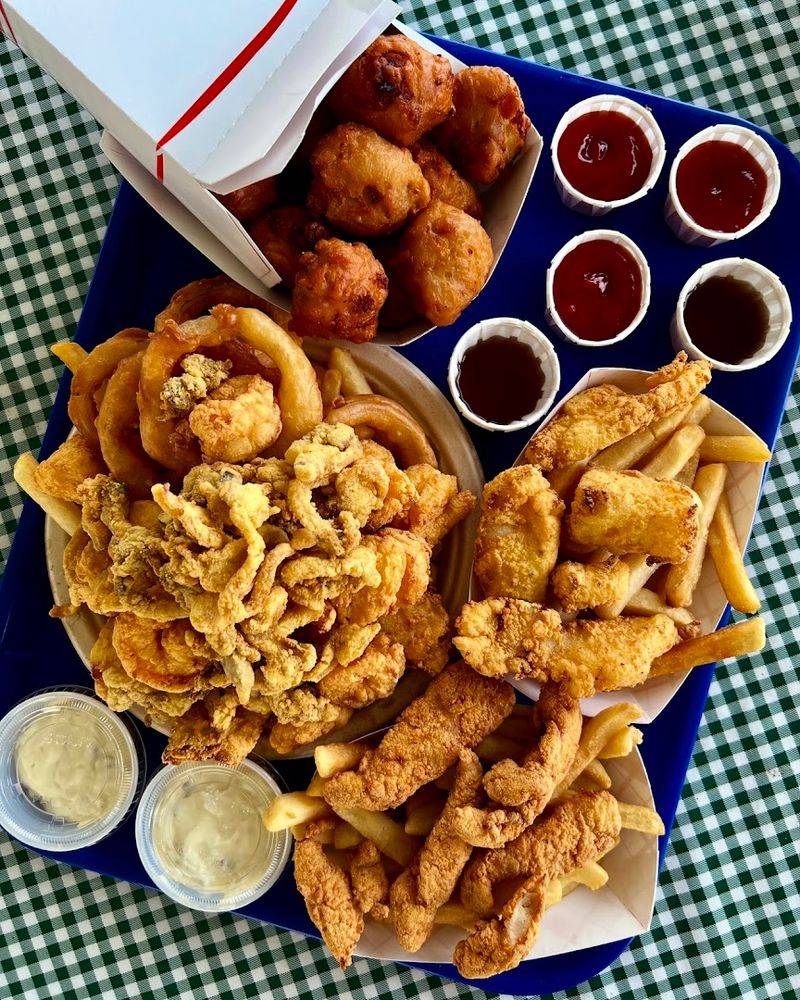
The fried clam as most people know it today has a direct connection to this restaurant. In 1916, Lawrence “Chubby” Woodman and his wife Bessie are credited with creating the first batch of fried whole-belly clams, a preparation that would go on to define New England seafood culture for generations.
The story goes that Chubby experimented with frying clams in the same fat used for potato chips, and the result was something nobody had tasted before. That single experiment launched a culinary tradition that spread up and down the New England coast.
More than a century later, the restaurant still uses the original recipes from that era, including the same corn flour breading with no added seasonings, a deliberate choice meant to let the natural flavor of the seafood come through without interference.
That commitment to the original method is not just a marketing point; it is the foundation the entire restaurant is built on.
A Counter-Serve Setup That Has Stood the Test of Time
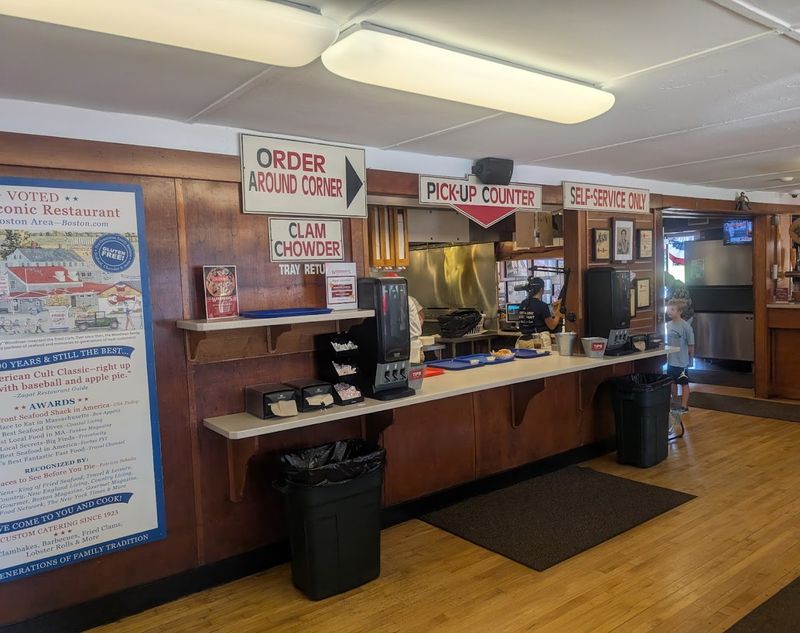
There are no tableside menus, no servers taking orders, and no elaborate dining room at Woodman’s. The setup is counter-serve, which means you walk up, place your order, and wait for your name to be called.
That format has been part of the experience since the beginning, and it gives the whole operation a straightforward, unpretentious character that regulars clearly appreciate. The pace is efficient, and the kitchen moves quickly even when the line stretches out the door.
First-time visitors sometimes feel the sticker shock of the menu prices before their food arrives, but the portion sizes tend to shift that reaction quickly. Plates arrive loaded, and the value becomes clearer once the food is actually in front of you.
The counter-serve model also keeps things moving at a pace that suits a busy seafood spot. It is not the place for a slow, leisurely dinner, but it is exactly the right setup for a satisfying New England seafood meal done right.
The Fried Clams That Started It All
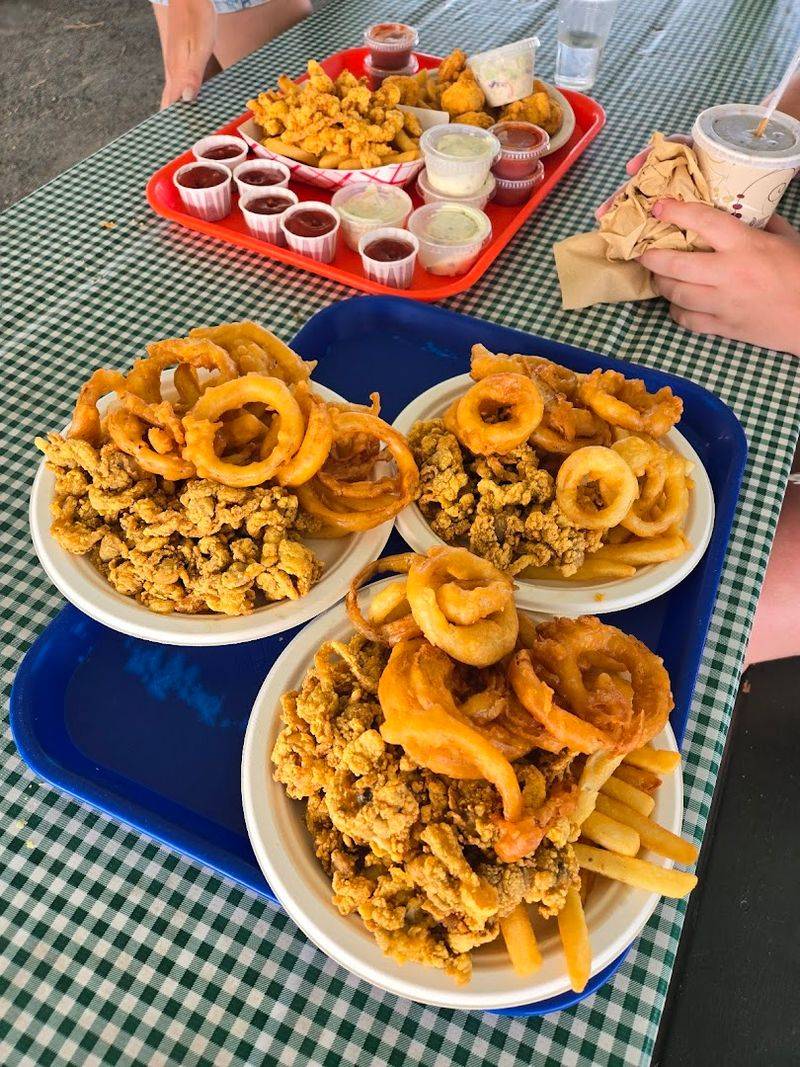
Whole-belly fried clams are the centerpiece of the menu, and they have been since the very beginning. The clams used are Ipswich clams, sourced locally, which sets them apart from the frozen or imported options used at many other seafood spots.
The breading is made with corn flour and contains no added seasonings, a recipe choice that has remained unchanged for over 110 years. The idea is to let the clam itself do the talking rather than masking it with spice or heavy coating.
The result is a fried clam that arrives without excess grease and carries a clean, natural flavor that long-time New England seafood fans recognize immediately. Clam strips are also available for those who prefer them, but the whole-belly version is what the restaurant built its name on.
For anyone curious about what made fried clams a regional staple in the first place, this is the plate that answers that question most directly.
What the Menu Actually Looks Like
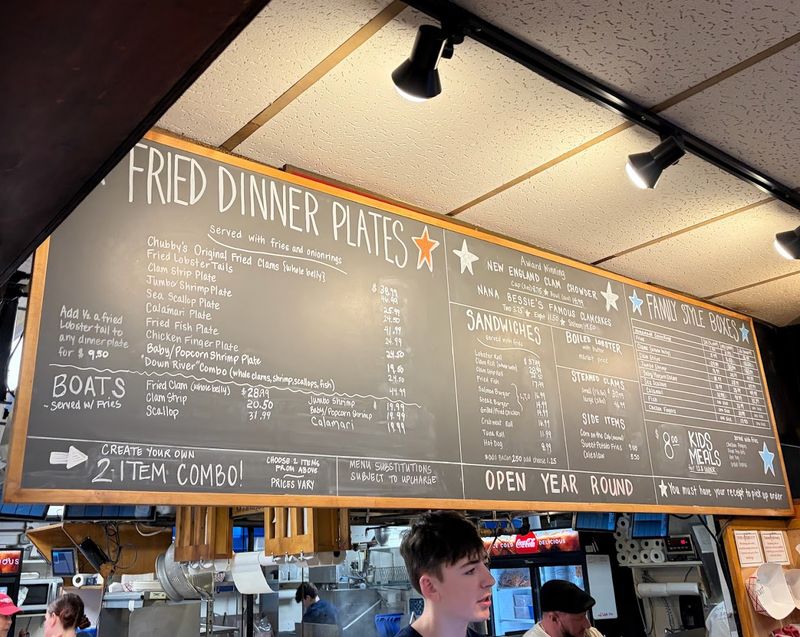
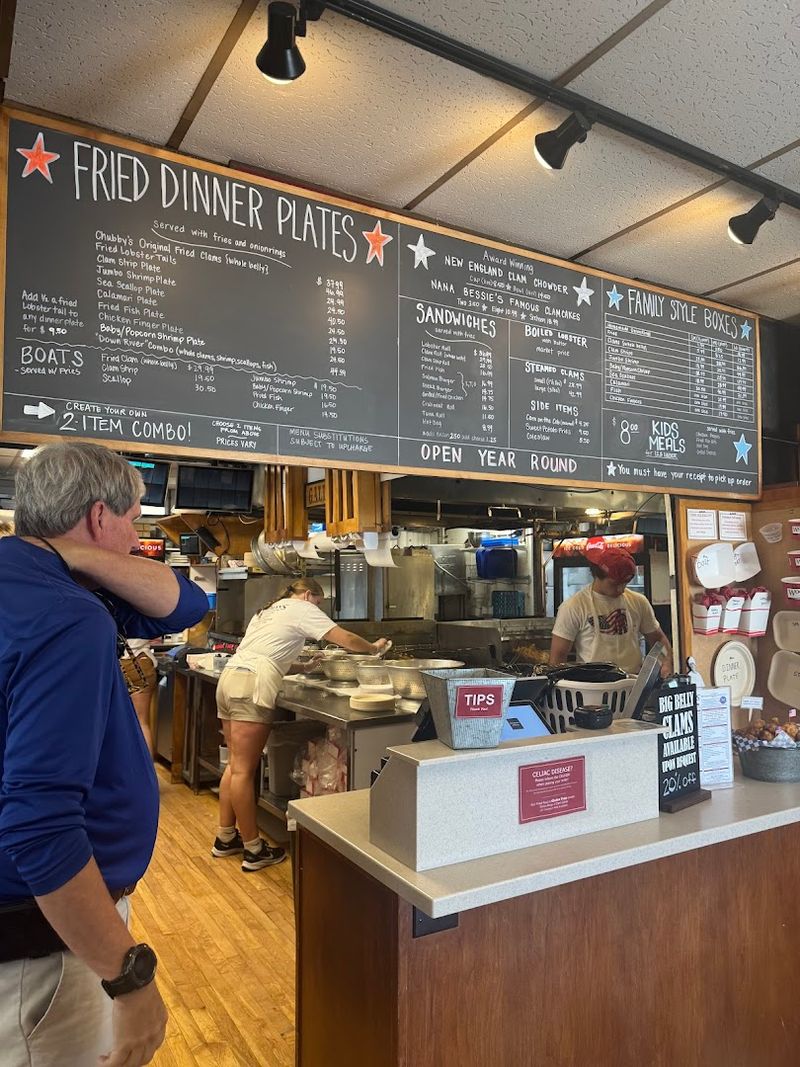
The menu at Woodman’s is built around fried seafood, but the options extend well beyond the signature clams. Lobster rolls, clam chowder, fried scallops, haddock, shrimp, calamari, and fried lobster tails all appear regularly, giving the menu enough range to satisfy different preferences within a group.
Side options include french fries and onion rings, which are included with most platters. The onion rings are large and made with the same corn flour breading used on the seafood.
The clam chowder is notably thin compared to thicker, cream-heavy versions found elsewhere. That is intentional; the restaurant does not add flour or heavy cream as thickeners, which keeps the potato and clam flavors at the front without being weighed down by richness.
Portions across the menu are consistently described as generous, which matters when the prices sit at the higher end of what most casual seafood spots charge. The menu reflects a kitchen that has refined its output over decades without straying far from what it does best.
The Lobster Roll Situation
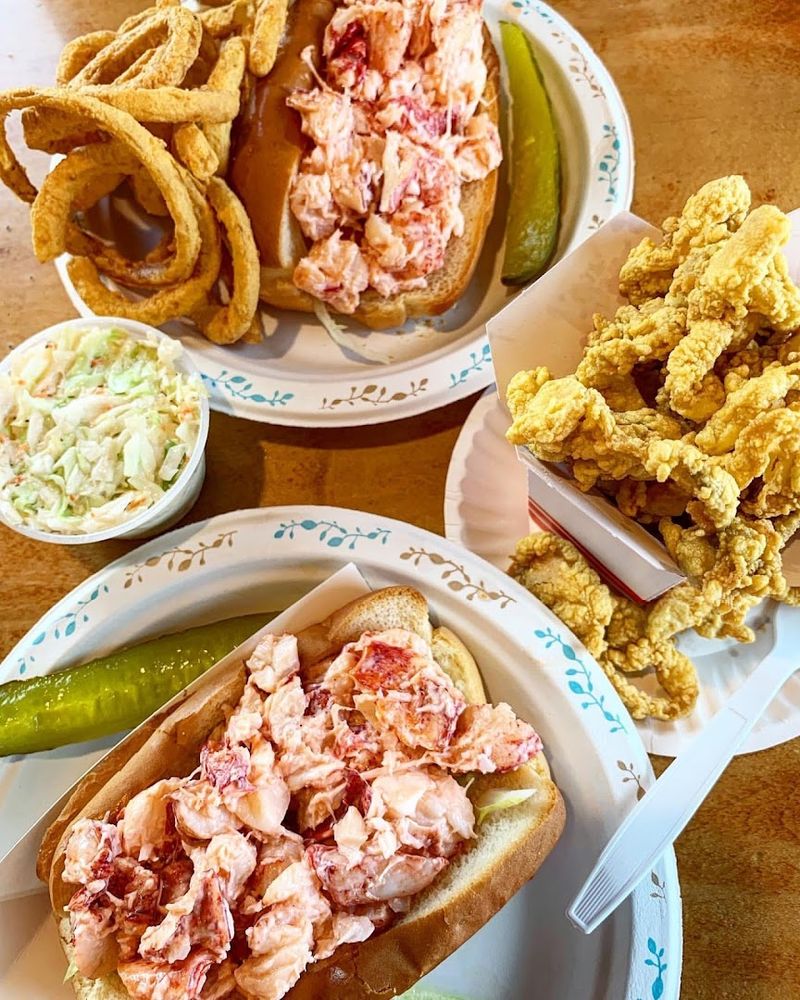
Lobster rolls at Woodman’s arrive loaded with meat, which is something that stands out in a market where many restaurants charge premium prices for underwhelming portions. The preparation is straightforward, with butter as the standard option, letting the lobster flavor carry the dish without competition.
The price point for a lobster roll here reflects both the quality of the ingredient and the restaurant’s position as a well-known destination spot. It is not the cheapest lobster roll on the North Shore, but the amount of lobster packed into each roll tends to justify the cost for most people who order it.
For those who love plain, unadulterated lobster flavor without heavy sauces or fillers, the preparation style at Woodman’s hits that mark consistently. The bun is a traditional split-top style, toasted to hold everything together.
The lobster roll has become one of the most talked-about items on the menu alongside the fried clams, drawing its own loyal following separate from the restaurant’s historic reputation.
The Setting Along the Essex River
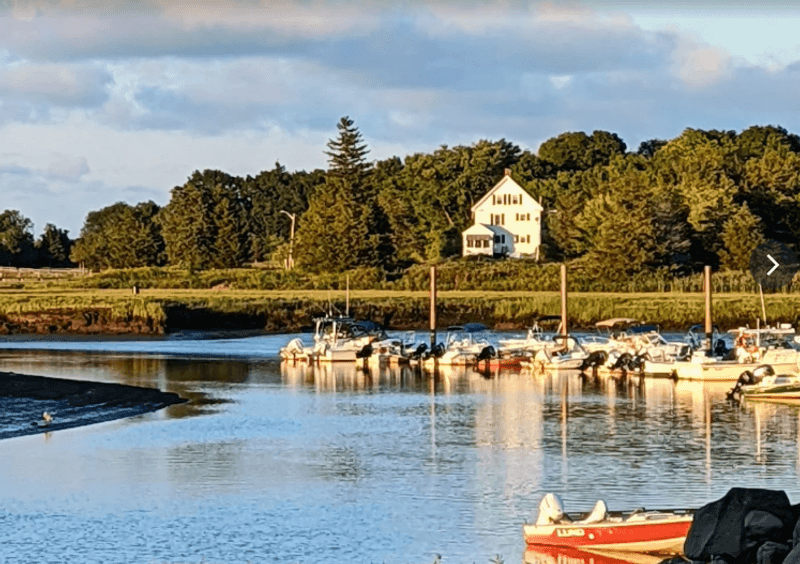
The physical location of Woodman’s adds a layer to the experience that goes beyond the food. The restaurant sits near the Essex River, and the outdoor seating area offers a direct view of the water and the surrounding salt marshes that define this stretch of the North Shore coastline.
Essex is one of the least developed towns on the Massachusetts coast, which means the scenery around the restaurant has not been crowded out by commercial development. The marshes and tidal flats visible from the outdoor tables are the same landscape that has framed this spot for over a century.
Eating outside at Woodman’s on a clear day puts the meal in a natural context that feels specific to this part of New England. There are no manufactured views or curated backdrops; the setting is simply what the geography of Essex provides.
That combination of historic food and genuine coastal scenery is part of what makes the restaurant feel like a place worth seeking out rather than just stumbling upon.
Year-Round Operations and Off-Season Advantages
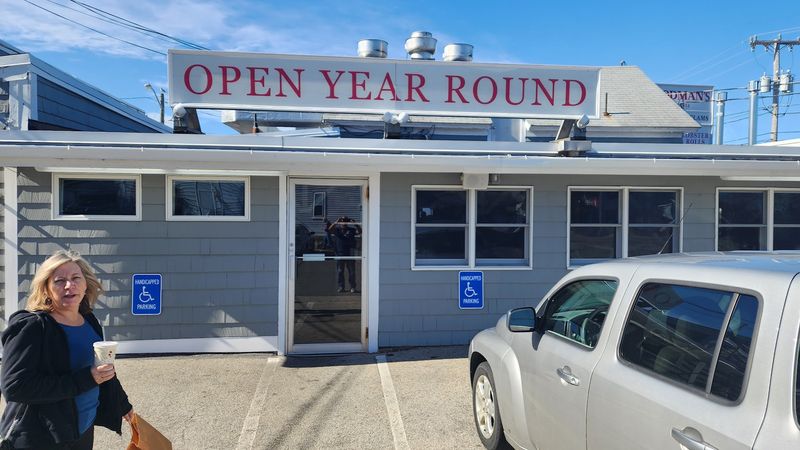
Many seafood spots along the New England coast close for the winter, which makes Woodman’s year-round schedule a notable advantage for locals and off-season travelers. The restaurant operates every day from 11 AM to 9 PM regardless of the time of year.
During peak summer months, the lines can stretch considerably, and the parking lot fills up fast. Visiting on a rainy weekday or during the fall and winter months changes the experience significantly.
The wait times drop, the crowd thins out, and the food quality remains consistent.
Off-season visits give a different perspective on the restaurant, one that feels less like a tourist attraction and more like a neighborhood seafood spot that happens to have an extraordinary backstory. The staff is the same, the recipes are the same, and the portions do not shrink just because the summer rush has passed.
For anyone within driving distance of Essex, a quiet off-season visit might actually be the best way to experience what Woodman’s is really about on a day-to-day basis.
Over a Century of the Same Recipes
Staying consistent for over 110 years is not an accident. The Woodman family has made a deliberate choice to keep the original recipes intact rather than updating them to follow trends or accommodate changing tastes.
The corn flour breading, the unseasoned preparation, the thin chowder without added thickeners; all of these are features of the original method that have been preserved without modification. That level of consistency is rare in any food business, let alone one that has operated for more than a century.
The owner responses to feedback about the menu reflect this philosophy clearly. When people question the thin chowder or the lack of seasoning in the breading, the answer is always the same: that is how it has always been done, and the choice is intentional.
There is a certain confidence in that position, a willingness to stand behind a 110-year-old formula even when current food culture might push in a different direction. That confidence is one of the things that makes Woodman’s feel genuinely different from restaurants chasing the next trend.
The Crowd and the Wait
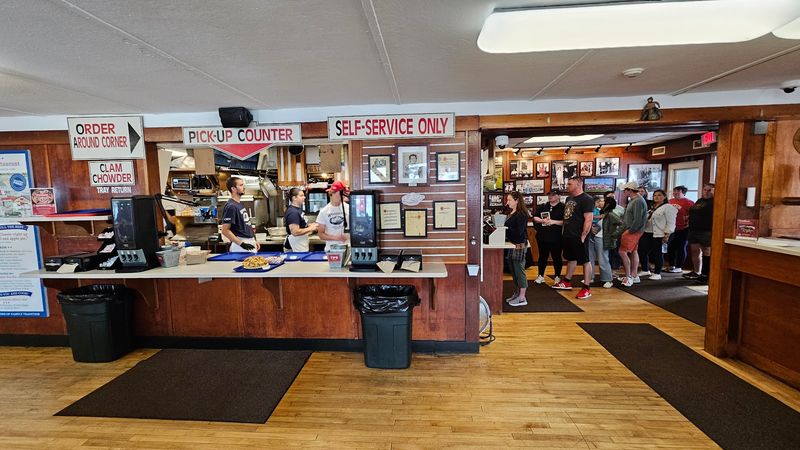
Woodman’s draws consistent crowds, and the wait times during peak season can be substantial. Summer weekends in particular bring long lines that stretch outside the building, reflecting both the restaurant’s reputation and the volume of North Shore tourism during warm months.
The kitchen runs efficiently, and the counter-serve format keeps things moving faster than a traditional sit-down restaurant would. Even with a visible crowd, orders tend to come out at a pace that prevents the wait from feeling unreasonable.
Seating is available both indoors and outdoors, and the capacity is large enough to absorb a significant number of diners at once. Finding a table is rarely a problem even when the line outside suggests otherwise.
The best strategy for a lower-stress visit is straightforward: come on a weekday, avoid peak summer afternoons, or make the trip during the fall and winter months when the tourist traffic drops off and the experience becomes noticeably more relaxed without any sacrifice in food quality.
The No-Frills Philosophy That Keeps People Coming Back
Woodman’s has never tried to be something it is not. The interior is rustic, the seating is functional rather than decorative, and the focus is entirely on the food rather than the atmosphere around it.
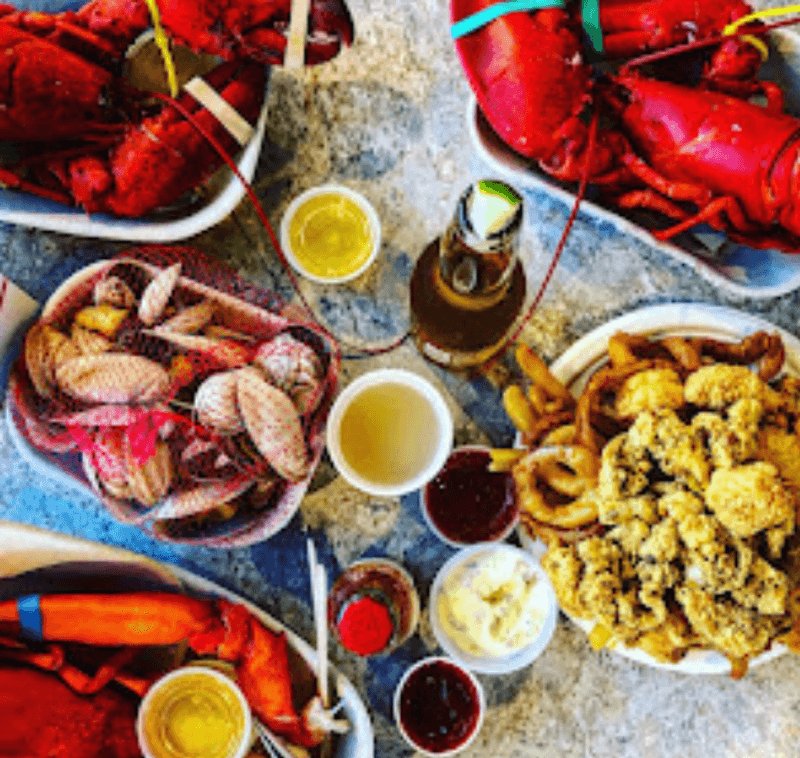
That no-frills approach extends to the condiment situation, which is basic, and the overall presentation, which prioritizes quantity and quality over visual styling. The food arrives in practical containers, the setup is efficient, and nothing about the experience is designed to feel upscale.
For some visitors, that simplicity is exactly the appeal. There is something reassuring about a place that has been doing the same thing the same way for over a century without feeling the need to reinvent itself for each new generation of diners.
The restroom signs, which reportedly read Gulls and Buoys instead of the standard designations, are a small detail that captures the personality of the place well. Lighthearted, practical, and rooted in the coastal New England identity that has defined Woodman’s since the very beginning.
Parking, Access, and Planning Your Visit
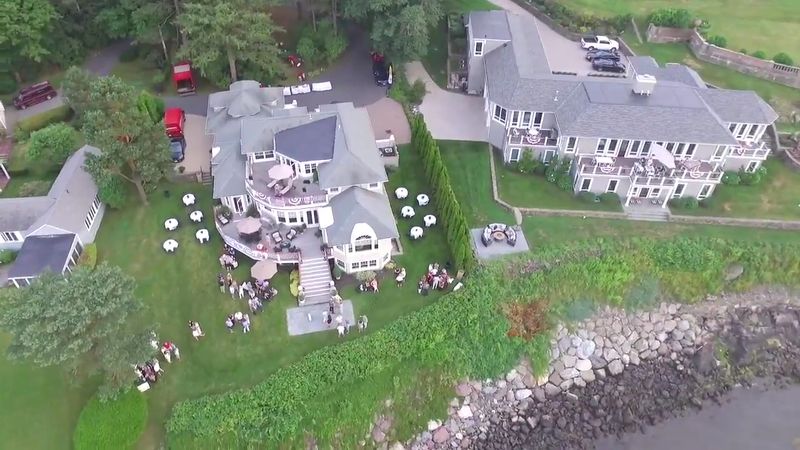
Logistics matter when visiting a busy destination restaurant, and Woodman’s handles the practical side reasonably well. The parking lot is on-site and described consistently as spacious, which is a genuine advantage for a spot that draws the volume of traffic this one does.
Access from the main road is straightforward, and the lot is large enough that finding a space is not typically a problem even during busy periods. That removes one layer of stress from what can otherwise be a hectic summer visit.
The restaurant is open seven days a week from 11 AM to 9 PM, which gives a wide window for planning. Coming earlier in the day tends to result in shorter lines, and mid-week visits during non-summer months offer the most relaxed experience overall.
The website at woodmans.com provides current information on hours and menu details. For those planning a longer trip to the North Shore, Essex is close enough to Gloucester, Rockport, and Ipswich to make Woodman’s a natural addition to a full day of coastal exploration.
Why This Place Still Matters After More Than a Century
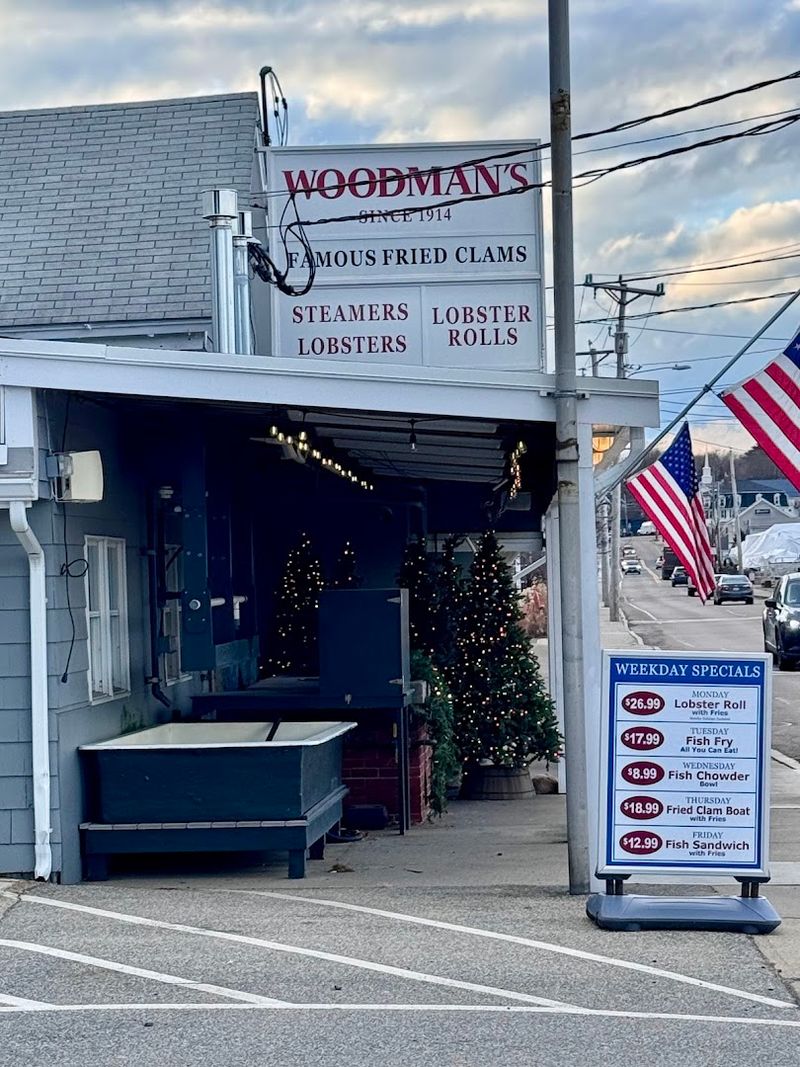
A restaurant that survives for over 100 years is not doing so by accident. Woodman’s of Essex has remained relevant because it occupies a specific and irreplaceable position in the story of American seafood culture.
The fried whole-belly clam, which is now found on menus across New England and beyond, traces its modern form back to this exact spot. That is not a small claim, and the restaurant does not overstate it; the history simply speaks for itself at this point.
The Woodman family has maintained ownership and kept the original recipes intact through multiple generations, which is a level of institutional continuity that very few food businesses achieve. The result is a restaurant that feels like a living document of New England culinary history rather than a nostalgic recreation of one.
For anyone with a genuine interest in where regional food traditions come from, Woodman’s is not just a meal stop. It is a direct connection to a moment in 1916 that changed the way New England eats, and that connection is still fully intact today.
Where to Find This North Shore Legend
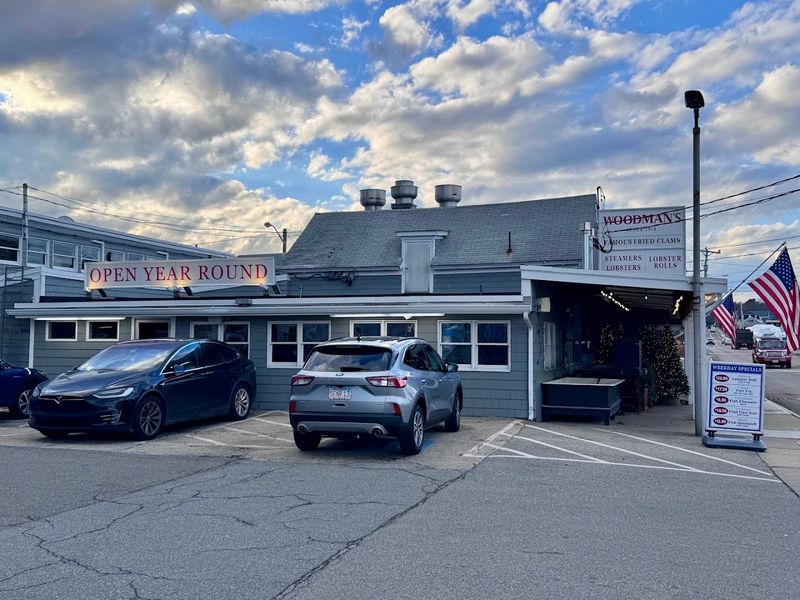
Tucked along the main road of a quiet coastal town, Woodman’s of Essex sits at 119 Main St, Essex, MA 01929, right in the heart of Essex on Massachusetts’s North Shore.
Essex is a small town known for its salt marshes, antique shops, and deep ties to New England maritime culture. The restaurant is easy to spot from the road, with its well-worn exterior and the kind of no-fuss setup that signals this place has nothing to prove.
Parking is available on-site, and the lot is surprisingly spacious for a spot that draws consistent crowds. The restaurant is open every day from 11 AM to 9 PM, which makes it a reliable stop whether you are passing through on a weekday or planning a weekend seafood outing.
Essex itself is worth the detour, and Woodman’s has become one of the main reasons people make the trip to this corner of the North Shore.
Share this story