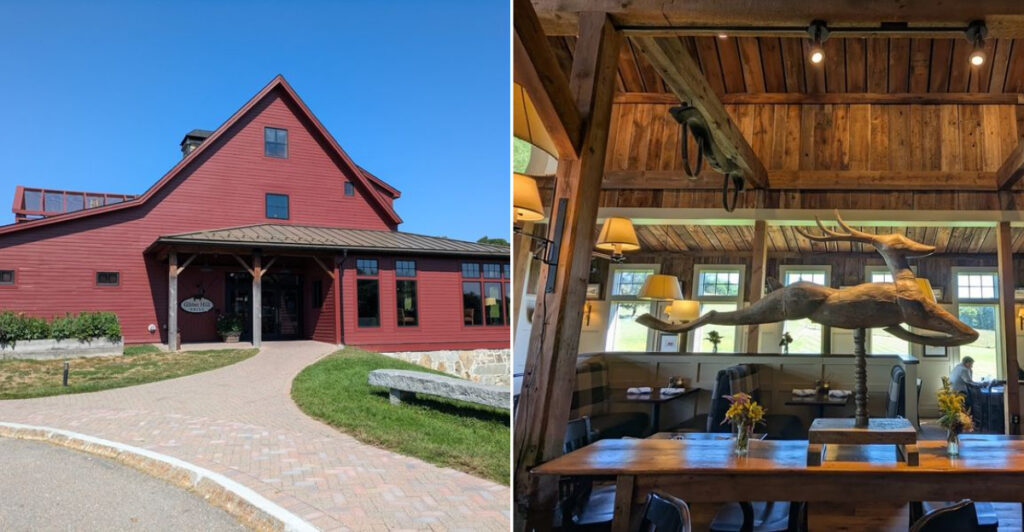
There is a cattle barn in north-central Massachusetts that has been standing for over a century, and today it does something rather unexpected: it serves some of the most talked-about farm-to-table meals in New England. The building sits on a working farm, surrounded by rolling pastures and stone walls, and the kitchen draws directly from the land around it.
Most restaurants claim a connection to local ingredients, but this one actually grows them steps from your table. The story behind this place is equal parts history, ambition, and good food, and it is worth every mile of the drive to Groton.
Keep reading to find out what makes this converted barn one of the most compelling dining destinations in Massachusetts.
The Century-Old Barn That Became a Dining Room
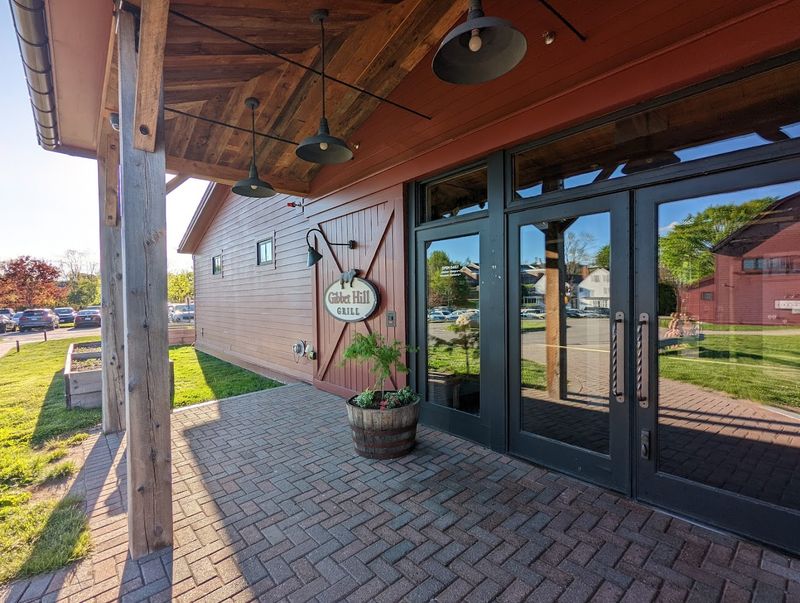
The barn at the center of Gibbet Hill Grill is not a decoration. It is the actual structure, and its age shows in the best possible way.
Original beams, stone foundations, and the overall architecture of a working cattle barn have been preserved and repurposed into a full-service dining room that manages to feel both rustic and refined at the same time.
Converting a historic agricultural building into a restaurant is not a simple undertaking. Every detail, from the ceiling height to the layout of the dining floor, reflects the original construction while accommodating the needs of a modern kitchen and full-capacity dinner service.
The result is a room that carries genuine character. There is no manufactured charm here, no faux-vintage furniture or artificially aged wood.
The barn earned its patina over more than a hundred years, and the restaurant has done the work of honoring that history rather than covering it up.
A Working Farm That Actually Feeds the Kitchen
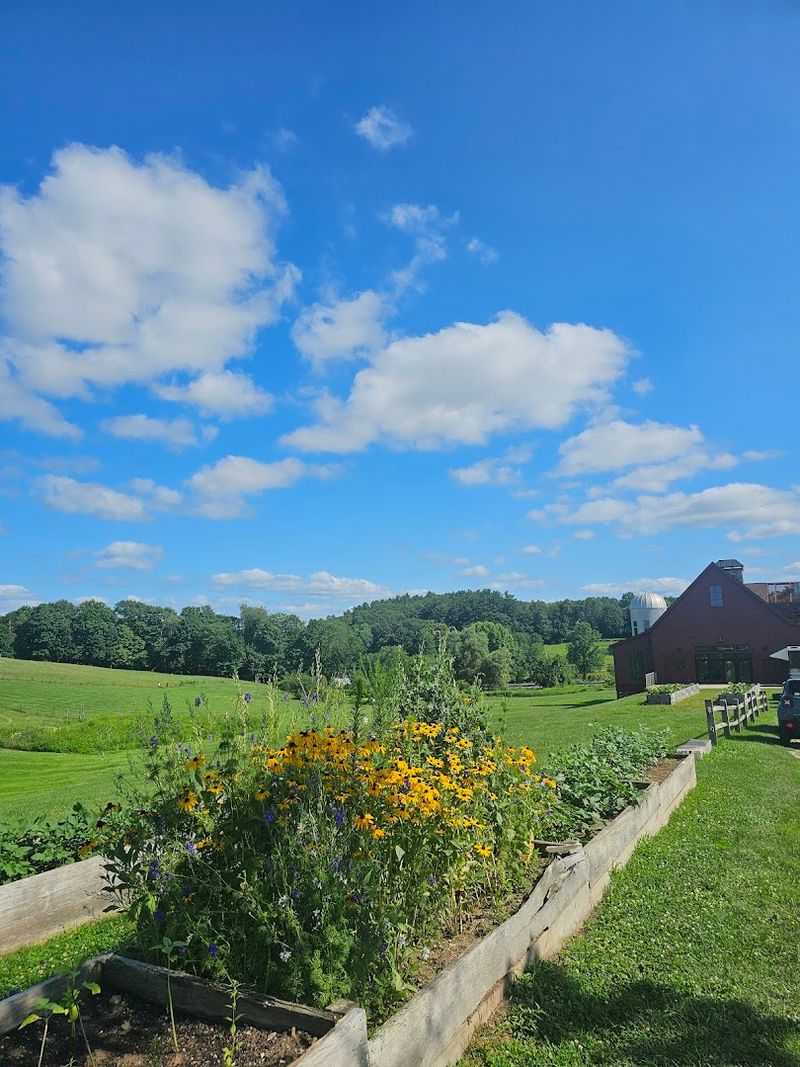
The phrase farm-to-table gets used loosely by a lot of restaurants, but at Gibbet Hill Grill, the farm is literally on the property. The kitchen sources produce directly from the land surrounding the barn, which means the distance between harvest and plate is measured in footsteps rather than miles.
This kind of direct sourcing has a real effect on the menu. Ingredients that come from the same soil the restaurant sits on tend to be fresher, and the kitchen builds its dishes around what is actually available from the farm at any given time of year.
The farm also adds a layer of transparency that is rare in the restaurant industry. Guests can walk the grounds before or after a meal and see firsthand where the food comes from.
That connection between land and table is not something that can be replicated by a well-written menu description alone.
The Upscale New England Menu Worth Talking About
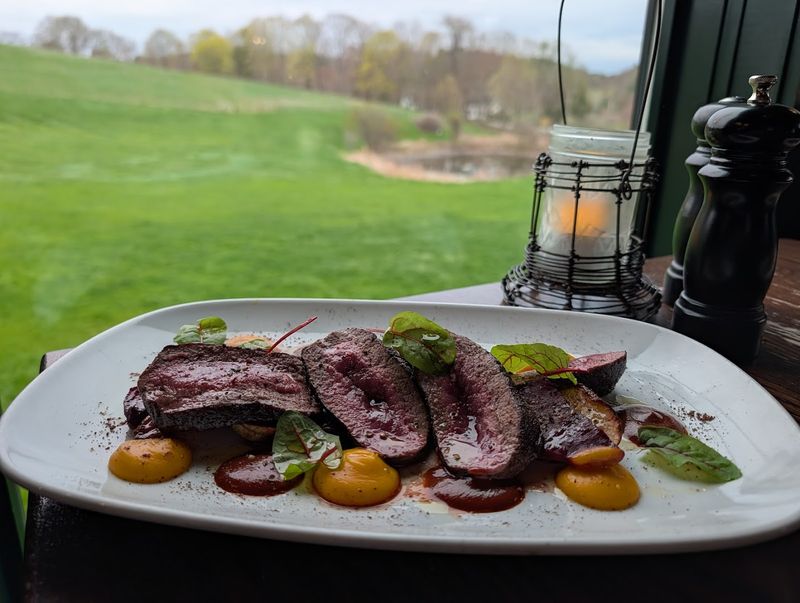
The menu at Gibbet Hill Grill is built around refined New England fare, which means it draws on regional traditions while pushing toward something more polished and considered. The kitchen treats local ingredients as the foundation and builds upward from there.
The result is a menu that changes with the seasons and reflects what the farm and the surrounding region actually produce. Dishes are thoughtfully composed, and the kitchen clearly puts effort into both flavor and presentation without tipping into the kind of fussiness that makes dining feel like a performance.
The range of options covers enough ground to satisfy different preferences at the same table, which is one of the practical strengths of a menu like this. Whether someone is drawn to the steakhouse side of the kitchen or the broader New England dishes, there is genuine depth to explore.
The kitchen earns its upscale classification through consistent execution rather than just price.
Steakhouse Credentials That Stand on Their Own
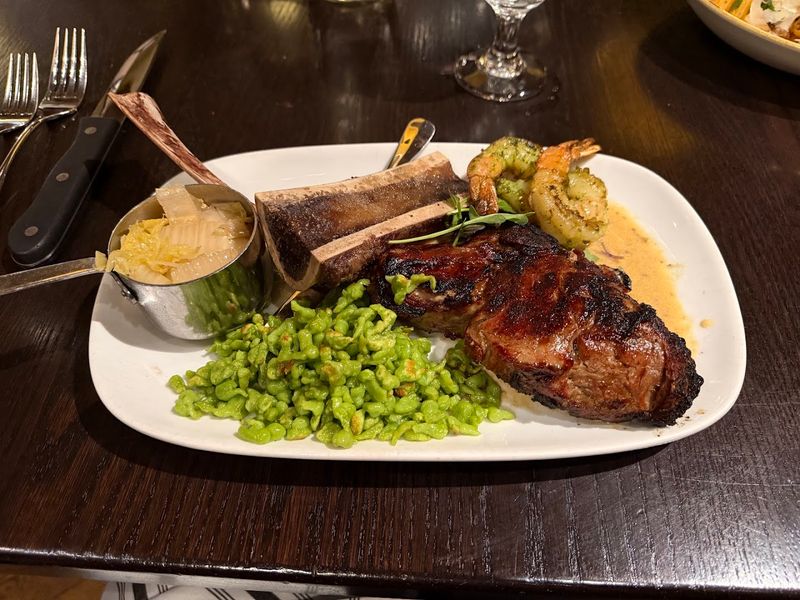
The steakhouse identity of Gibbet Hill Grill is not an afterthought. The kitchen takes its beef seriously, and the wood-grilled preparations have developed a strong following among regulars who return specifically for the cuts.
Wood grilling adds a layer of complexity that gas cooking cannot replicate, and the kitchen uses it to its advantage. The char and the heat distribution from a wood fire interact with the meat differently, and the results are noticeable on the plate.
Steaks arrive with a crust that holds up and an interior that reflects careful temperature management.
Getting a steak cooked correctly every time is genuinely harder than most people realize, and it is one of the markers of a kitchen that knows what it is doing. At Gibbet Hill, the steakhouse side of the menu carries the same level of care as the broader farm-to-table offerings, which is not always the case when a restaurant tries to do both.
The Farm Grounds Are Part of the Visit
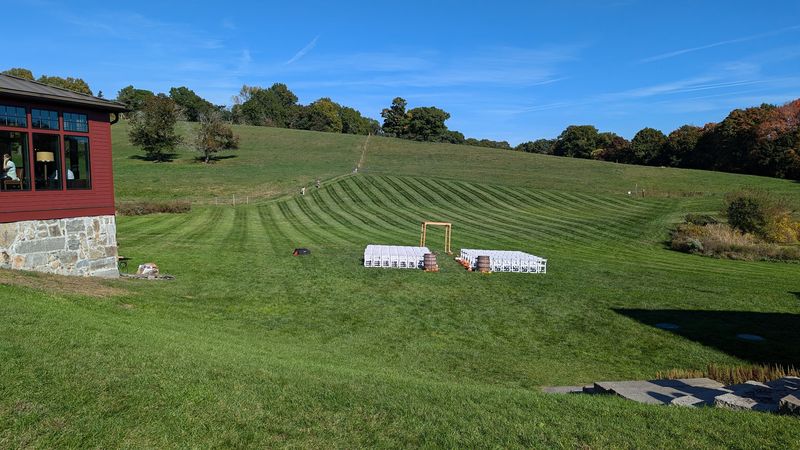
Arriving at Gibbet Hill Grill early enough to walk the farm grounds before a meal is one of the better decisions a guest can make. The property stretches across open pastures, and the landscape around the barn gives a clear sense of the agricultural setting that the restaurant is built around.
The grounds have a natural appeal that changes with the seasons. Late summer brings a particular kind of lushness to the fields, while fall foliage turns the surrounding area into something that feels almost theatrical in its color.
Winter views across snow-covered pastures from the restaurant windows have their own quiet appeal.
Nearby, Bancroft Castle sits atop Gibbet Hill itself, making the area a destination that offers more than just a meal. Guests who combine a walk up to the castle ruins with lunch or dinner at the grill get a fuller picture of what makes this corner of Groton worth the trip.
Bancroft Castle and the History Above the Restaurant
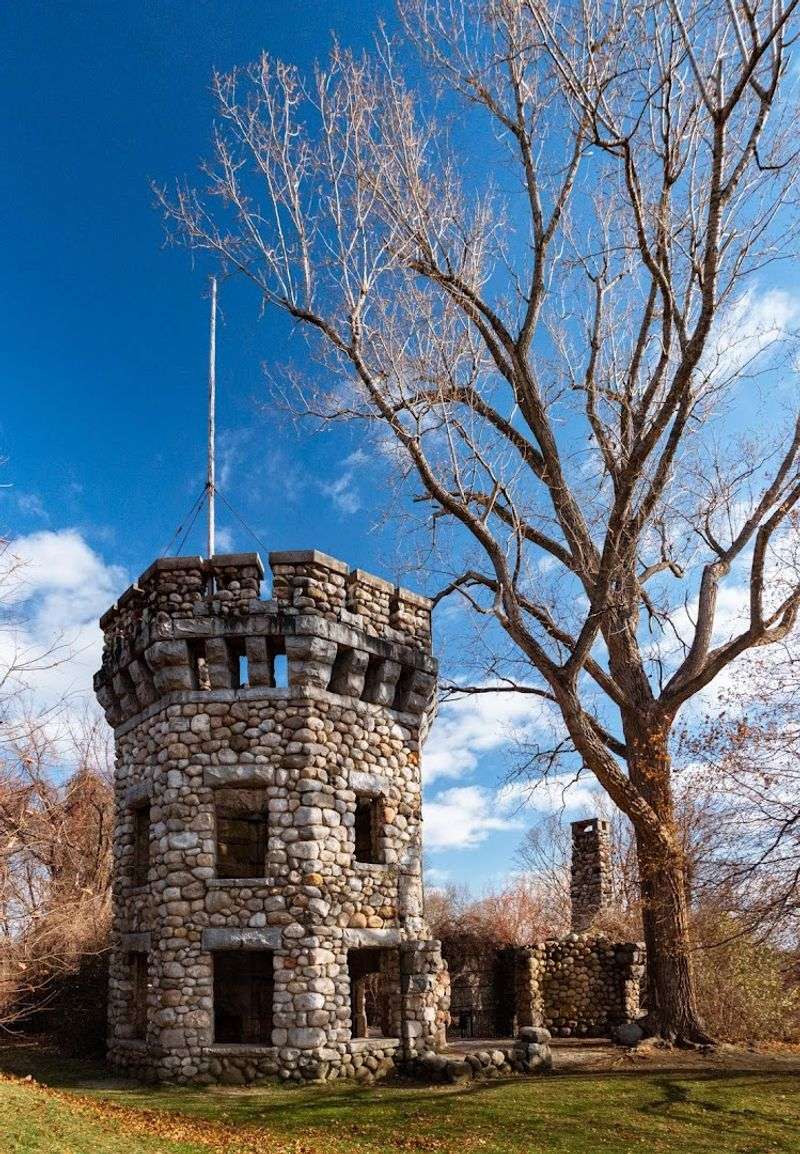
Directly above the restaurant, at the top of Gibbet Hill, stand the stone ruins of Bancroft Castle. The structure was built in the early twentieth century by New England historian George Bancroft’s family as a summer retreat, and its ruins have become a local landmark worth the short hike to reach.
The connection between the castle and the restaurant below is not just geographic. Both the castle and the barn represent layers of history that have accumulated on this particular piece of Massachusetts land over more than a century.
The farm, the hill, and the ruins together form a setting that is genuinely unusual for a restaurant destination.
Combining a hike to the castle with a meal at the grill has become a natural pairing for people visiting the area. The physical context of the hill and its history adds meaning to the meal below, turning a dinner reservation into something that feels more like a full afternoon or evening out.
The Atmosphere Inside the Converted Barn
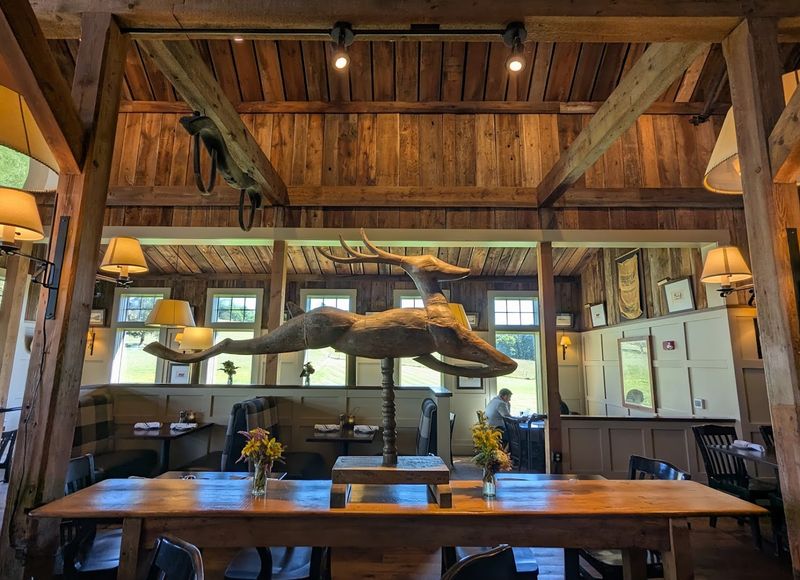
The atmosphere inside Gibbet Hill Grill is one of its most consistent talking points, and it is easy to understand why. The combination of original barn architecture with a well-designed dining room creates a setting that feels both substantial and comfortable.
Stone walls and wooden beams give the room its character, while the layout and lighting bring it into the present without erasing what makes the building distinctive. The overall effect is a space that manages to be elegant without feeling stiff, which is a balance that takes real effort to achieve in a historic structure.
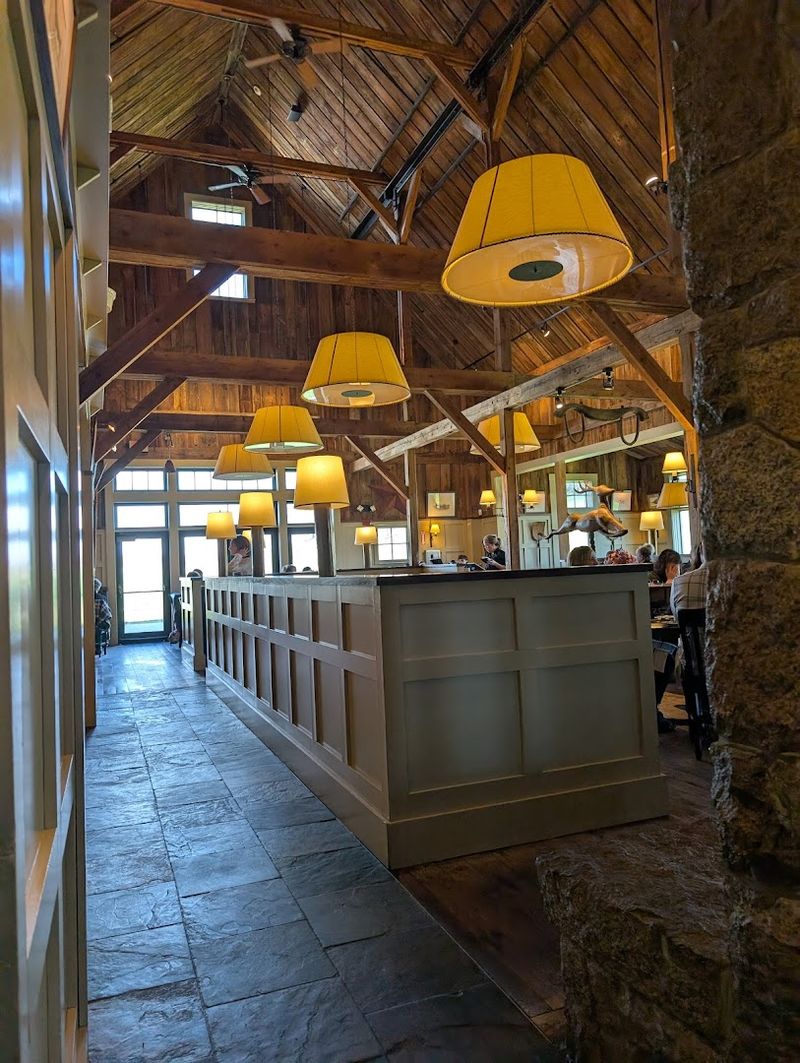
The barn also has a natural spaciousness that works in its favor during busy service. High ceilings and the original open floor plan of an agricultural building translate well into a dining room that does not feel cramped even when fully occupied.
The space itself becomes part of the reason guests remember the meal.
Operating Hours and When to Plan Your Visit
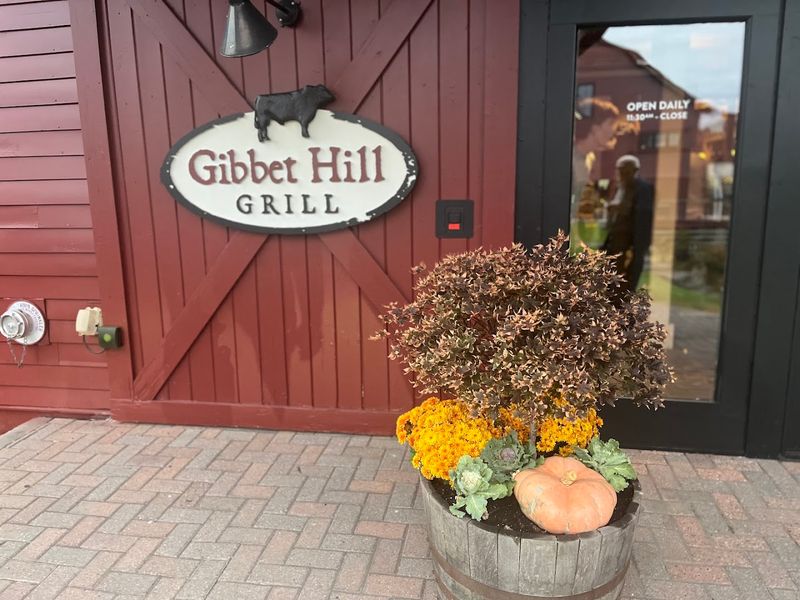
Gibbet Hill Grill is open seven days a week, which makes scheduling a visit relatively flexible regardless of the day. The restaurant opens at 11:30 AM each day and runs service through 9:00 PM, covering both lunch and dinner without a midday break.
This consistent schedule across all seven days is genuinely convenient for guests who are planning around travel or combining the visit with other activities in the area. There is no need to check for unusual weekday closures or holiday exceptions in the regular weekly calendar.
The sweet spot for a more relaxed experience tends to be weekday lunches, when the crowd is lighter and the pace of service reflects that. Weekend dinners are the most popular time slot and carry the full energy of a busy dining room.
Either option delivers the same kitchen and the same barn, so the choice comes down to what kind of experience fits the plan.
The Family-Style Warmth Behind the Formal Setting
Despite its upscale positioning, Gibbet Hill Grill carries a warmth that prevents it from feeling distant or overly formal. The staff across the floor have been consistently described as attentive and knowledgeable, and the overall tone of a meal here leans toward genuine hospitality rather than performance.
The management team appears to be actively present during service, which matters in a restaurant that sees high volume on a regular basis. When something at a table needs attention, the response tends to be quick and handled with care rather than deflection.
There is a particular quality to a restaurant where the staff seems to actually enjoy the work, and Gibbet Hill Grill has that quality on most nights. Guests who come in celebrating a birthday or a special occasion tend to find that the team pays attention to those details without being asked twice.
It creates a dining experience that feels personal even in a full room.
Seasonal Dining With Views That Change All Year
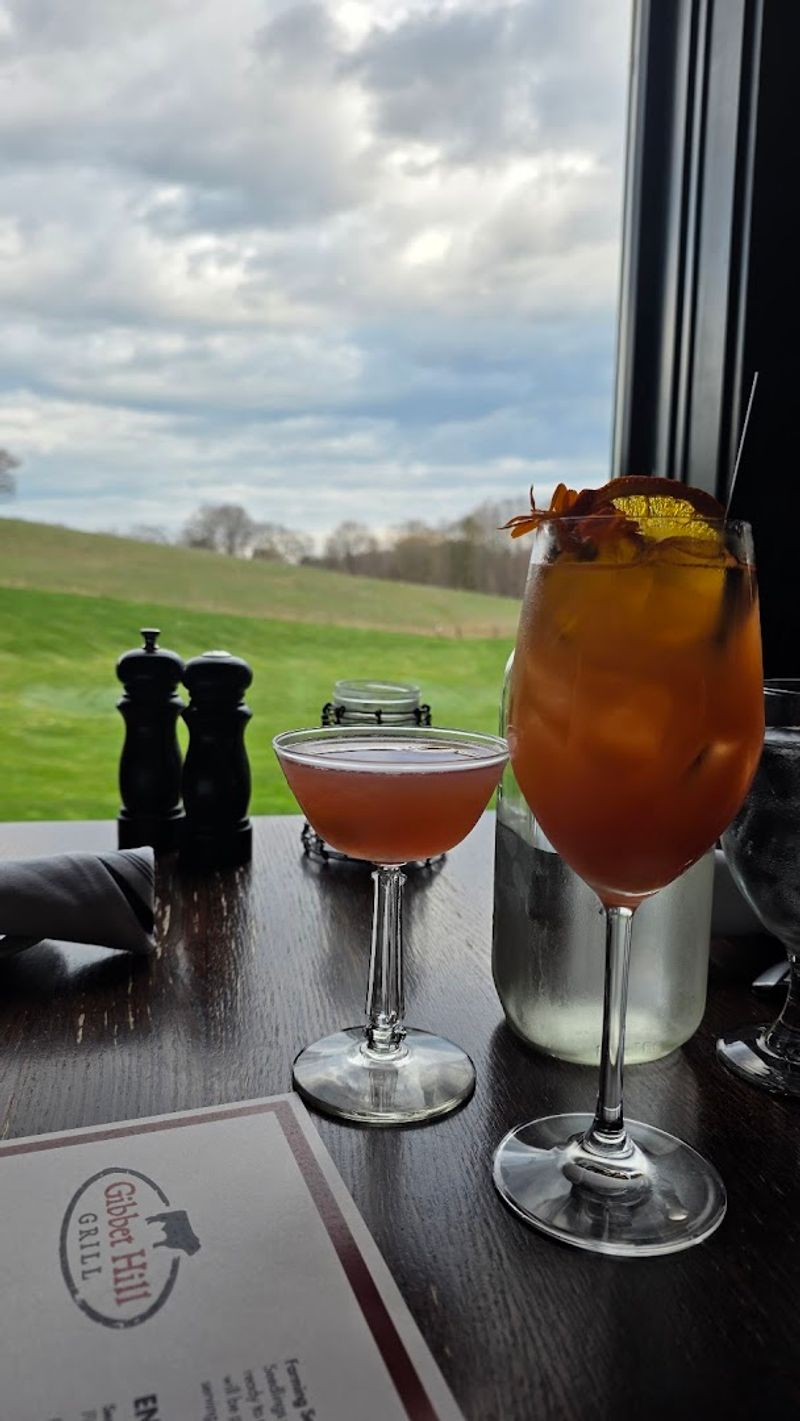
One of the quiet advantages of a restaurant built inside a working farm is that the view from the windows is never static. At Gibbet Hill Grill, the pastures visible from the dining room shift through the seasons in ways that make each visit feel different from the last.
Late summer brings green fields and the full activity of a working farm. Fall turns the surrounding landscape into a display of color that frames the barn windows in a way that no interior designer could replicate.
Winter views across snow-covered pastures carry their own stillness that pairs well with a warm meal inside the barn.
The seasonal changes also affect the menu, which reflects what the farm and the broader region are producing at any given time of year. Returning guests find that the restaurant rewards repeat visits precisely because it does not stay the same, and the land outside the window is the most visible proof of that.
The Price Point and What It Delivers
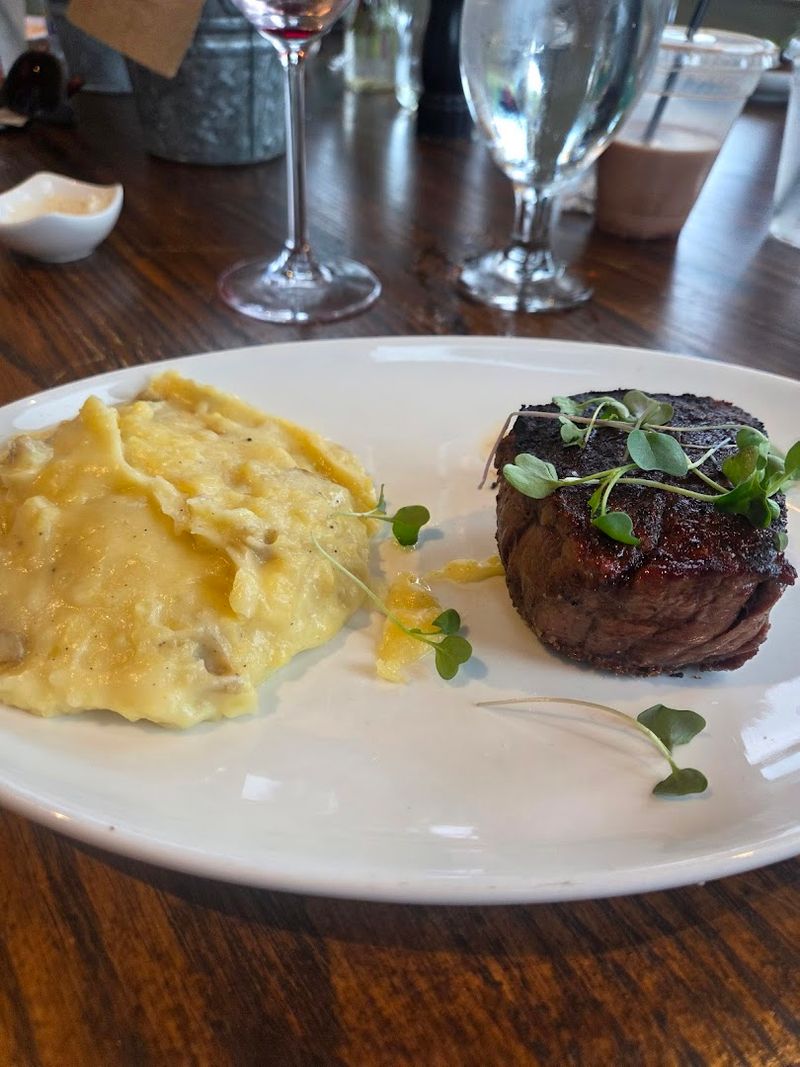
Gibbet Hill Grill sits in the higher price range for the region, and the menu reflects that positioning. The cost of a full meal here is consistent with what an upscale New England restaurant with a farm operation and a historic building requires to sustain itself.
What the price delivers is a combination of factors that go beyond the food itself. The setting, the sourcing, the quality of service, and the overall experience of dining in a converted century-old cattle barn on a working farm all contribute to the value calculation.
For guests who approach the meal with that full picture in mind, the pricing tends to feel justified. The portions are generous enough to leave the table satisfied, and the kitchen’s execution on the core dishes is consistent enough to back up the cost.
It is the kind of restaurant where the bill at the end reflects an experience rather than just a transaction.
Why This Groton Barn Keeps Drawing People Back
A restaurant that consistently fills its reservation book and draws guests back for repeat visits is doing something right, and Gibbet Hill Grill has built that kind of following in Groton. The combination of a genuinely historic building, a working farm, and a kitchen that takes its sourcing seriously is not something that can be easily replicated.
The location itself is part of the draw. Groton sits in a part of Massachusetts that rewards the drive, and the restaurant gives visitors a reason to make that drive deliberately rather than as an afterthought.
What keeps guests coming back is the layered nature of the place. There is always something new on the menu, a different season outside the windows, or a reason to walk the grounds again before sitting down.
Gibbet Hill Grill has managed to build a restaurant that is both a destination and a habit for the people who discover it, and that is a genuinely difficult thing to pull off.
Where the Barn Meets the Address
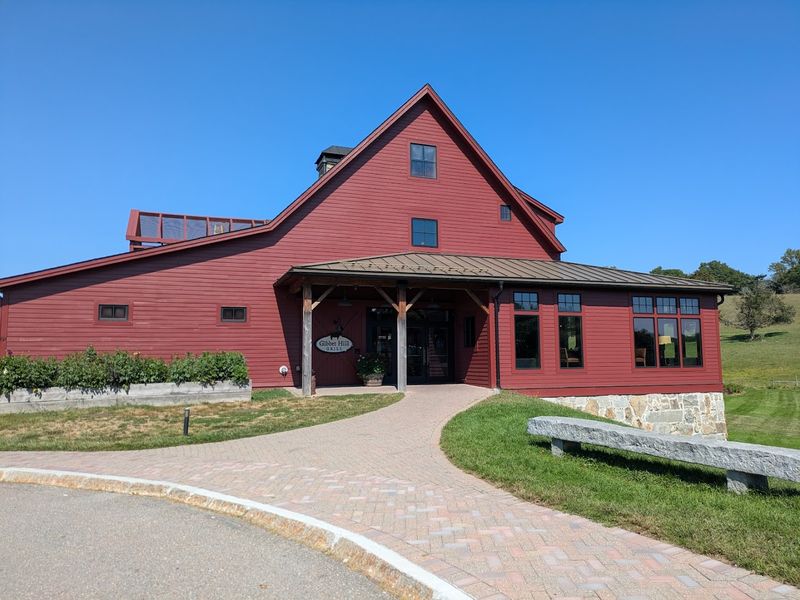
Few restaurants come with a backstory as grounded as this one. Gibbet Hill Grill sits at 61 Lowell Road in Groton, Massachusetts 01450, tucked into the landscape of a working farm that has been part of the local community for generations.
The town of Groton is located in Middlesex County, roughly an hour’s drive northwest of Boston, and the area has a long agricultural history that the restaurant leans into fully. Getting there requires a bit of a country road drive, but the arrival makes it worthwhile.
The farm setting is not just a backdrop. It is the entire reason the restaurant exists where it does.
The land, the barn, and the surrounding fields all tell a story that starts long before the first dinner reservation was ever made. This is a place where the address itself is part of the experience.
Share this story