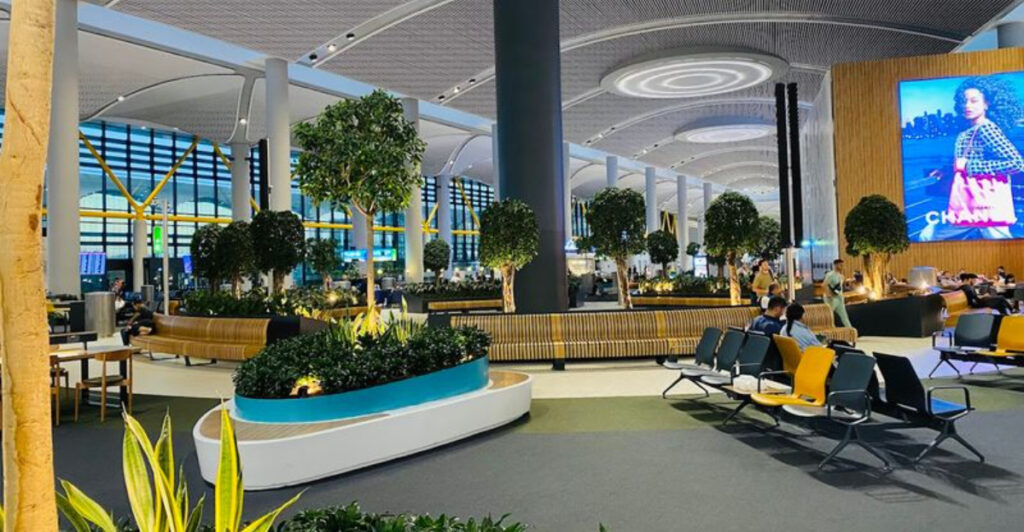
There are airports you pass through, and then there are airports that make you stop and wonder whether you accidentally walked into a high-end shopping district. Turkey’s main international hub is firmly in the second category.
The architecture alone is enough to make you forget you have a flight to catch, and the sheer variety of things to do, eat, and explore inside its walls could fill an entire afternoon. Whether you have a two-hour layover or a full day to spare, this place has a way of turning transit time into something genuinely enjoyable.
Read on to find out exactly what makes this airport one of the most talked-about travel hubs in the world.
A World-Class Hub Right Outside Istanbul
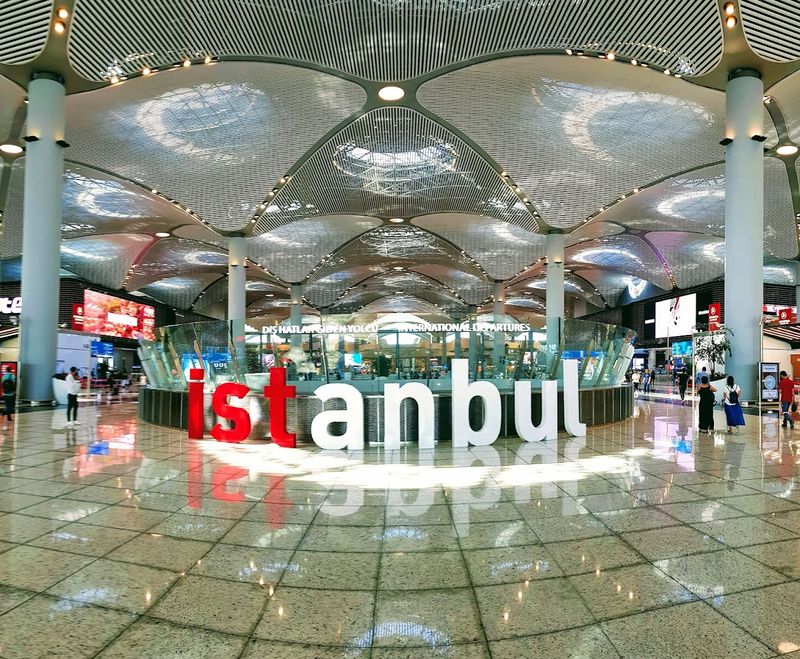
Istanbul Airport sits at Tayakadın, Terminal Caddesi No:1, 34283 Arnavutköy, Istanbul, Turkey, roughly 35 kilometers northwest of the city center. Opened in 2018, it was built to replace the older Ataturk Airport and quickly became one of the busiest aviation hubs on the planet.
The airport serves as the primary base for Turkish Airlines and connects passengers across Europe, Asia, Africa, and the Americas. Its location near the Black Sea coast means the surrounding landscape looks surprisingly green and open, which is a pleasant contrast to the urban sprawl you might expect.
Reaching the airport from central Istanbul takes about 45 to 60 minutes by car, depending on traffic. There is also a metro line under construction that will eventually make the journey even smoother, but for now, most travelers rely on taxis, private transfers, or the Havaist airport bus service.
The Architecture That Stops You Mid-Stride
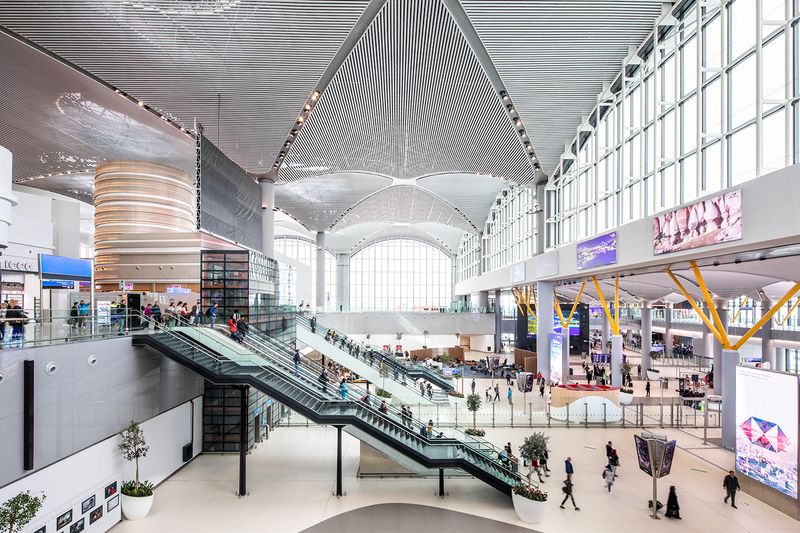
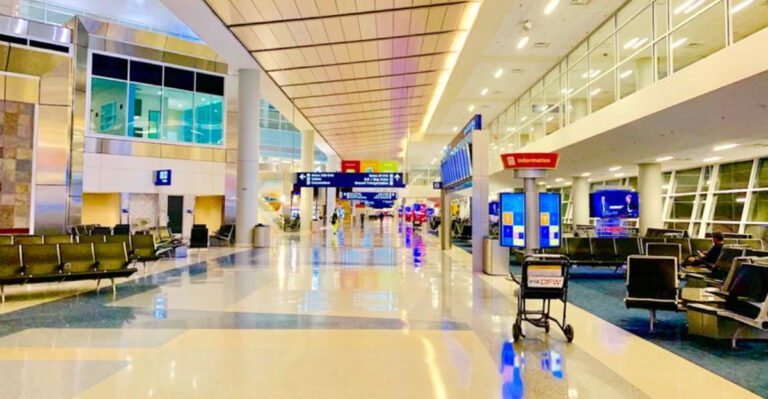
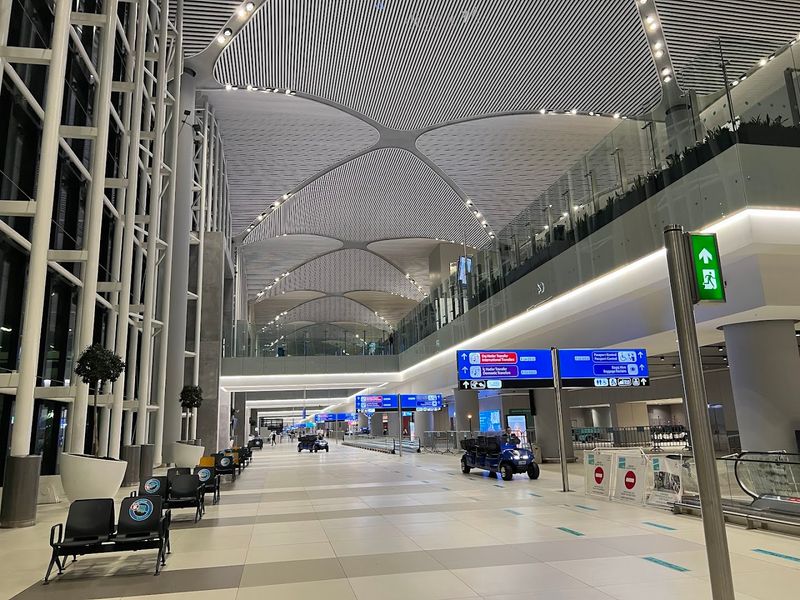
The moment you walk through the main terminal doors, the ceiling does something unexpected: it keeps going up. The roof structure of Istanbul Airport spans an enormous area with wave-like curves and large skylights that flood the interior with natural light throughout the day.
Rather than the harsh fluorescent lighting found in many airports, the design here creates a calm, almost spa-like atmosphere. The ceilings are so high that the space never feels cramped, even when the terminal is packed with thousands of travelers.
The architectural firm behind the project drew inspiration from the Bosphorus strait and the movement of water, which explains the fluid, organic shapes that run throughout the building. Locally sourced materials were incorporated into the design to give the space a distinctly Turkish identity.
For anyone who appreciates thoughtful design, just wandering through the terminal is a worthwhile experience in itself.
Shopping Options That Rival a Luxury Mall

The central section of Istanbul Airport is essentially a luxury retail destination that happens to have departure gates attached. High-end fashion houses, jewelry brands, and premium cosmetic counters line the main concourse, and the presentation is genuinely impressive.
For travelers who prefer something more accessible, local brands like LC Waikiki offer affordable clothing options right alongside the designer boutiques. There is also a well-stocked Lego store and a full-sized Nike outlet, which are easy to spot as you move between zones.
Duty-free shopping here covers the full range, from Turkish sweets and spices to electronics and perfumes. Prices in the duty-free zone are competitive for an international airport, though some specialty items can run higher than expected.
The layout keeps the shopping areas naturally integrated into the flow of foot traffic, so you tend to discover new stores even when you are not actively looking for them.
Dining Choices That Go Well Beyond a Basic Sandwich
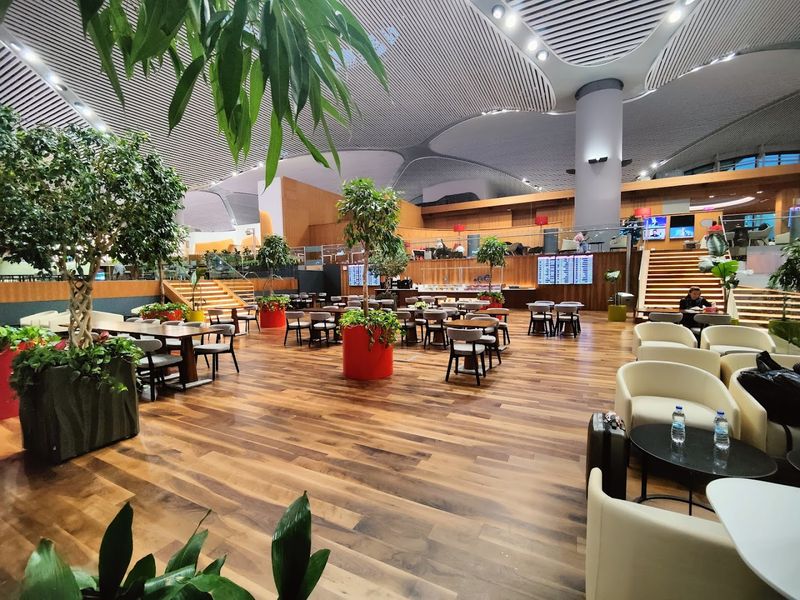
Food options at Istanbul Airport range from familiar international fast-food names to sit-down restaurants serving proper Turkish meals. Burger King, Popeyes, and Sbarro are scattered across the domestic and international terminals, which is genuinely useful when you need something fast between connections.
The more interesting options are the Turkish cuisine spots, where you can find fresh kebabs, gozleme, and traditional breakfast spreads that taste like the real thing rather than an airport approximation. Several cafes serve strong Turkish tea and coffee, which is the best way to reset after a long flight.
Prices across the board are on the higher side, with a basic meal running around 8 to 10 euros and some combo meals pushing past 25 dollars at fast-food counters. That said, the quality generally justifies the cost better than at many other major international airports.
Bringing some cash or a travel card with good exchange rates is a smart move.
Free Wi-Fi That Actually Works
Staying connected at Istanbul Airport is straightforward once you know the process. Free Wi-Fi is available throughout the terminal, but you need to register using your passport to get access.
Dedicated Wi-Fi kiosks are placed at multiple points across all zones, and the process takes about two minutes.
You scan your passport at the kiosk, receive a code, connect to the airport network, and enter the code to activate your session. The connection is reasonably fast for general browsing, video calls, and checking emails, though speeds can dip during peak hours when thousands of passengers are online simultaneously.
For travelers who prefer not to deal with the registration step, international roaming or a local Turkish SIM card from one of the shops near arrivals is a solid backup. The airport also has charging stations at every gate lounge, so keeping your devices powered up throughout a long layover is genuinely easy and stress-free.
The IGA Lounge Experience
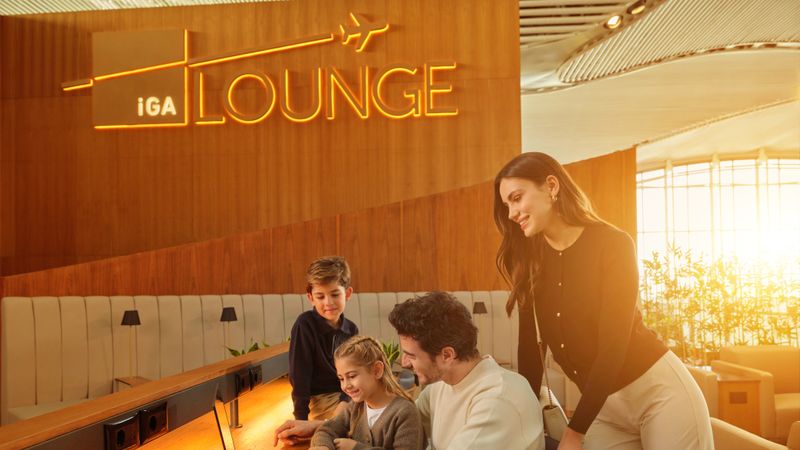
The main lounge at Istanbul Airport, operated by IGA, is one of the largest airport lounges in the world by square footage. The space is divided into different zones for dining, relaxation, and quiet work, and the overall atmosphere feels closer to a boutique hotel lobby than a transit waiting area.
Food at the lounge buffet covers a solid range of Turkish and international dishes, with fresh hot options that do draw a short queue during busy periods. Cold snacks, pastries, and desserts are always available without any wait, which makes it easy to graze throughout a long layover.
Access to the lounge comes through business class tickets, Turkish Airlines status, or paid entry, which runs approximately 200 dollars for a six-hour period. Reclining chairs are available but fill up quickly overnight, and the lounge does direct sleeping passengers toward a dedicated rest area with sleep benches.
Arriving early helps secure the better spots.
Sleep Pods and Overnight Layover Options
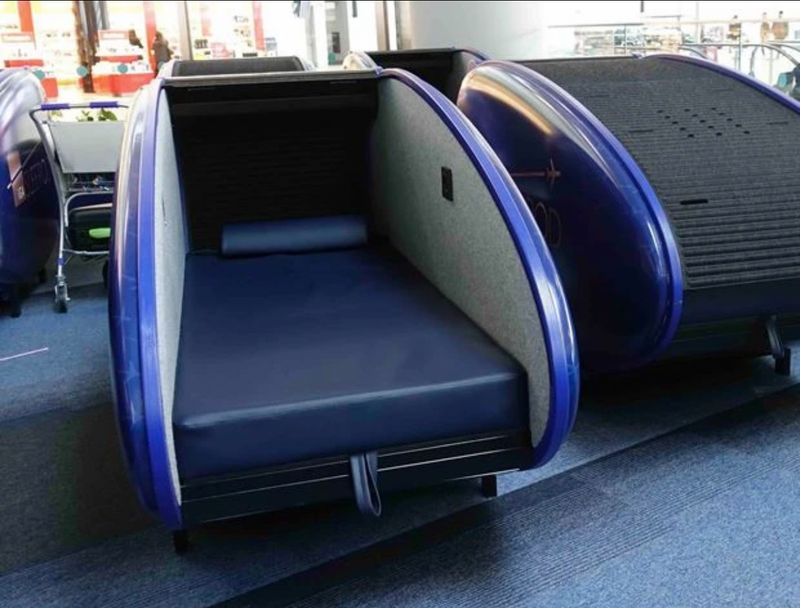
Long layovers at Istanbul Airport do not have to mean an uncomfortable night on a hard chair. The terminal has sleep pods available for short-term rental, which are compact capsule-style units with a bed, basic amenities, and enough privacy to actually rest properly.
Yotel operates a capsule hotel within the airport, offering hourly and overnight rates. Prices for an overnight stay can reach around 400 euros for a full room, while sleep cabins run approximately 200 euros per night, which is steep but reflects the captive-audience reality of airport accommodation anywhere in the world.
For budget-conscious travelers, the lounge has a dedicated room with sleep benches, and long chairs in various seating areas throughout the terminal can work in a pinch. The airport runs around the clock with shops and food outlets open at all hours, so a late-night layover never feels completely isolated or dull.
Navigating the Zones Without Losing Your Mind
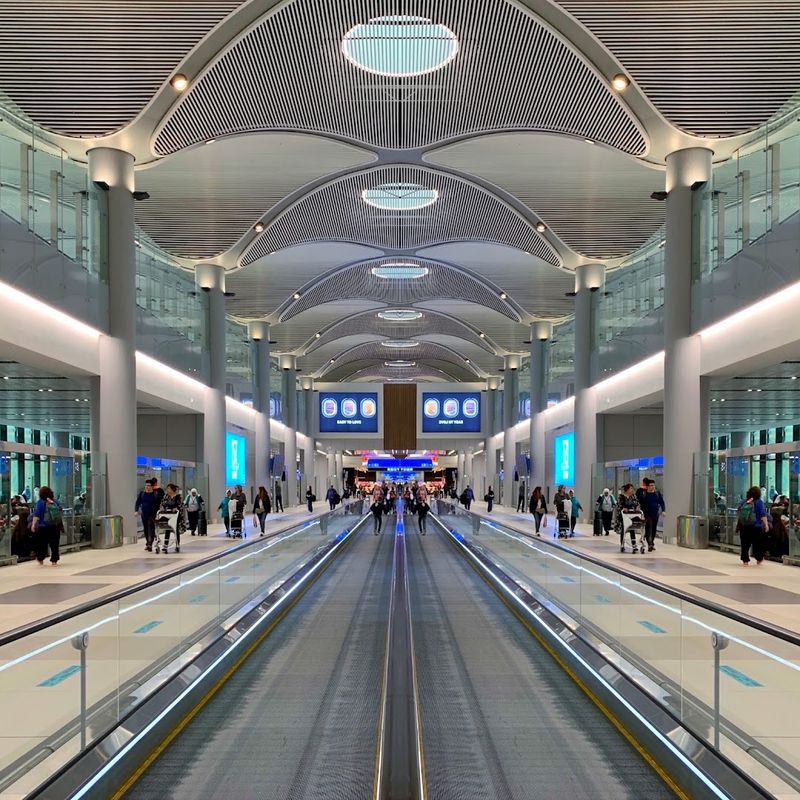
The terminal is divided into lettered zones, with gates running from A through F and beyond. Each zone is clearly marked with large overhead signs, and the color-coded wayfinding system makes it relatively intuitive to follow once you understand the layout.
That said, the sheer size of the airport means that walking from one end to the other can take 30 to 40 minutes at a steady pace. Travelators are placed throughout the main corridors, which cuts down the effort significantly, and electric assistance carts are available for passengers who need help covering the longer distances.
The official Istanbul Airport app is genuinely useful here. It displays real-time flight information and includes a navigation tool that maps your route from your current location to your gate.
First-time visitors should download it before arrival. Comfortable shoes are not optional at this airport; they are an absolute necessity for a smooth experience.
Accessibility Features for All Travelers
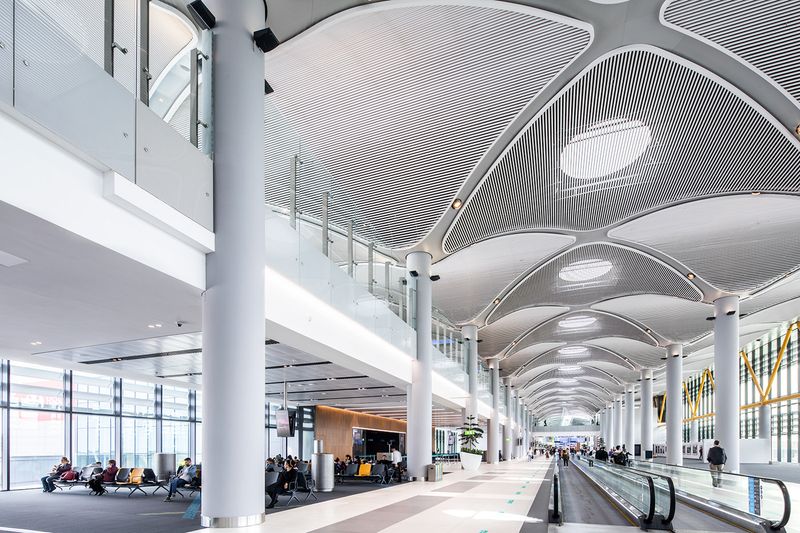
Istanbul Airport has made real efforts to accommodate travelers with mobility challenges, elderly passengers, and families with young children. Electric EV carts are stationed throughout the terminal and can be requested to transport passengers between distant gates without the exhausting walk.
Wheelchair assistance is available, with a dedicated booth located near gate F1 in the international terminal. Elevators and ramps are integrated throughout the building, making the multi-level layout accessible without requiring the use of escalators or stairs.
Children’s play areas are free to use and positioned at several points in the terminal, giving families a place to let younger travelers burn off energy during long waits. Prayer rooms are also available for passengers who need them.
One area worth noting is that the accessibility information kiosk has been reported as inconsistently staffed, so travelers with specific needs are best served by contacting Turkish Airlines or the airport directly before their journey.
What to Do When You Miss a Connection
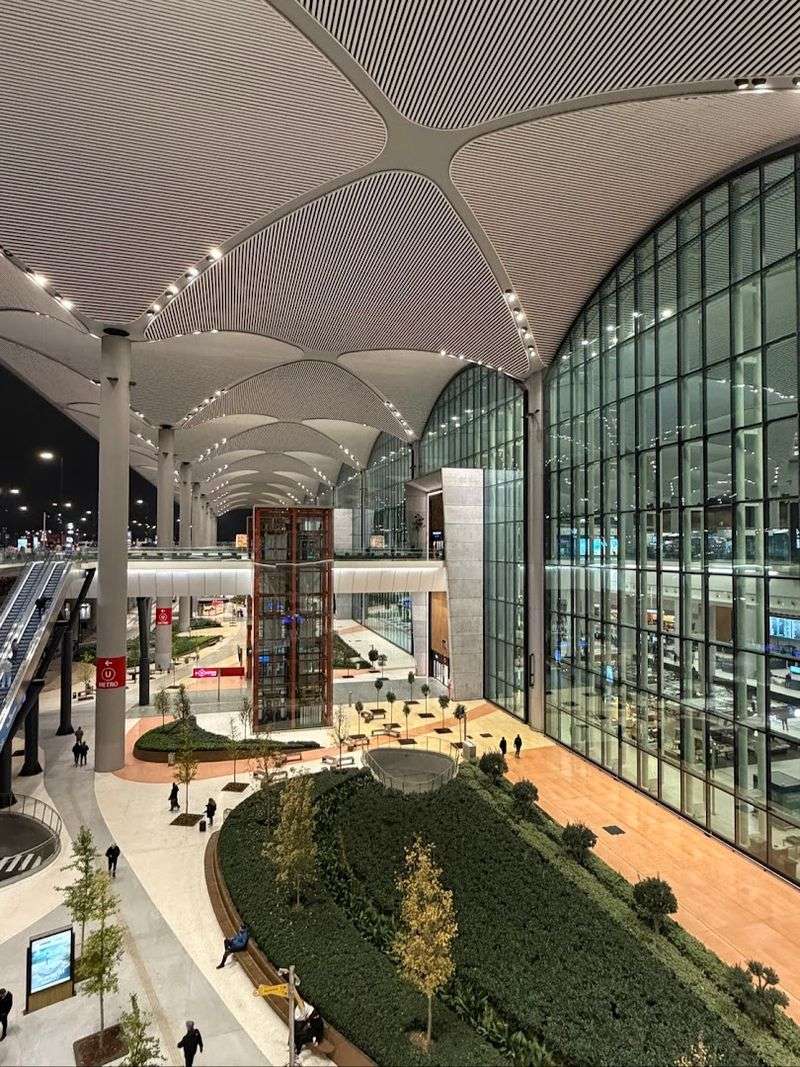
Missed connections happen at busy hubs, and Istanbul Airport has a clear process for handling them, at least for Turkish Airlines passengers. Red-branded Turkish Airlines counters are spread across the terminal, and presenting your ticket at any one of them will get you rebooked onto the next available flight without much drama.
For longer waits of five hours or more, Turkish Airlines typically issues food vouchers redeemable at Popeyes, Burger King, or Sbarro in the domestic terminal. The international terminal has different arrangements, so it is worth asking specifically what is available to you based on your ticket type.
The lounge is an option for eligible passengers during a long wait, though overnight stays there can be crowded. Sleep pods and capsule hotels provide a quieter alternative if you want genuine rest.
Keeping your Turkish Airlines app updated with notifications turned on is the fastest way to stay informed when gate changes or rebooking options become available.
Cleanliness Standards That Set a High Bar
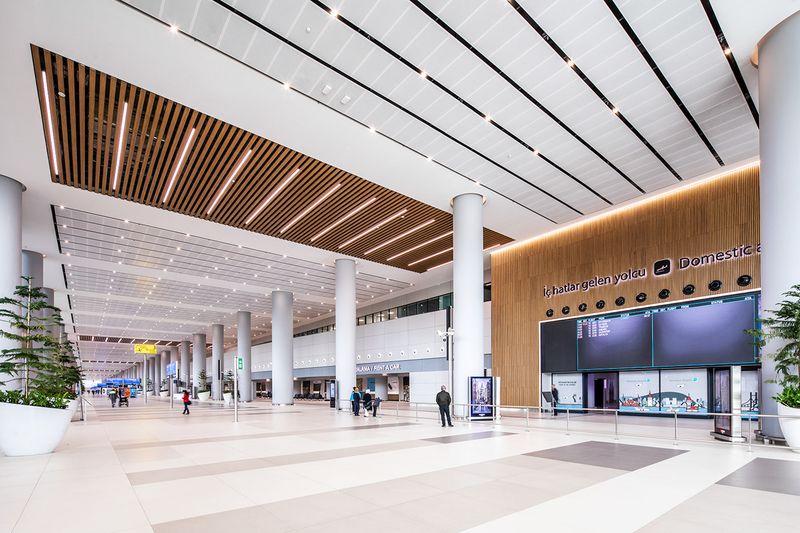
One thing that travelers consistently notice about Istanbul Airport is how clean it is, especially the restrooms. For an airport processing tens of millions of passengers per year, maintaining that standard is no small achievement, and the cleaning crews are visibly active throughout the day and night.
The main terminal floors stay polished and free of the kind of clutter that builds up in busier, older airports. Trash bins are positioned at regular intervals, and the food court areas are cleared quickly after use.
Even during peak hours when the terminal is at its most crowded, the overall cleanliness holds up well.
Restrooms are plentiful across all zones, which prevents the long queues that plague airports with fewer facilities. Soap, paper, and hand dryers are reliably stocked.
For travelers who have passed through airports where hygiene is an afterthought, the consistent cleanliness here genuinely stands out as one of the airport’s strongest practical qualities.
Charging Stations and Practical Amenities
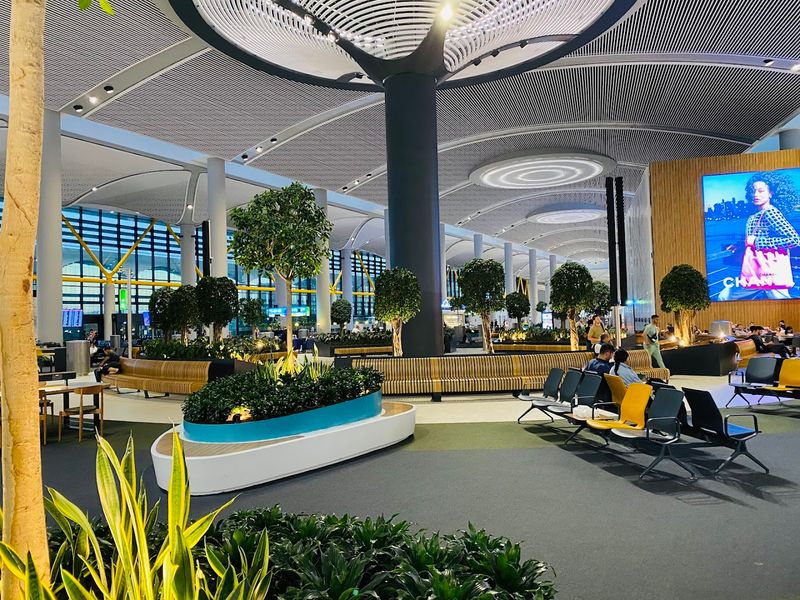
Every gate lounge at Istanbul Airport is equipped with charging stations that include both standard power outlets and USB ports. The placement is thoughtful, with power access built into seating units rather than requiring passengers to hunt for a single outlet on the wall.
Water stations are available in the terminal, though the number of fountains relative to the airport’s size has drawn some criticism. Bringing a refillable water bottle is a practical move, especially for long layovers where buying bottled water at airport prices can add up quickly.
Beyond power and water, the airport has prayer rooms, baby changing facilities, a pharmacy, and currency exchange desks spread across the terminal. ATMs are easy to find near arrivals and in the main shopping concourse.
The overall amenity package is genuinely comprehensive, and most everyday travel needs can be met without leaving the terminal building or spending more than a few minutes locating the right facility.
Security and Passport Control: What to Expect
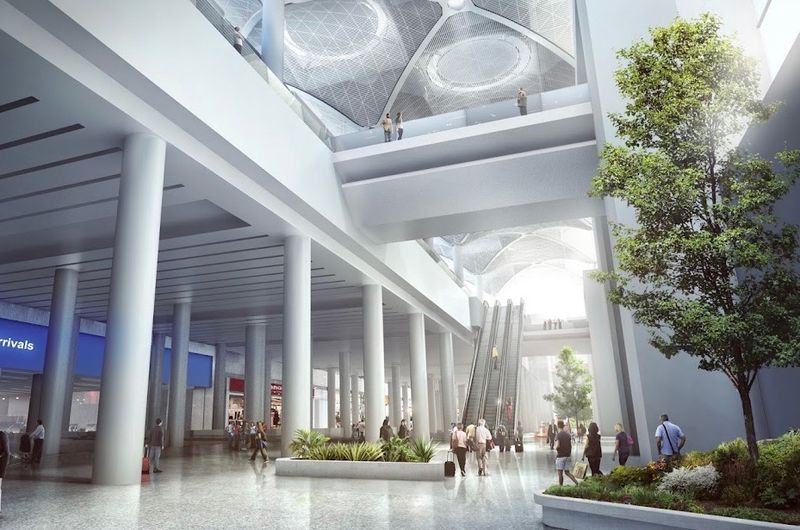
Security at Istanbul Airport operates at the entrance to the terminal rather than at individual gates, which is a different setup from many Western airports. Bags go through scanning before you even reach check-in, which gives the overall process a more organized and less rushed feel once you are airside.
Passport control for international arrivals can move quickly during off-peak hours, with automated e-gates available for eligible passport holders from certain countries. During busy periods, however, lines can stretch significantly and patience becomes necessary.
Arriving with extra time built into your schedule is the most reliable way to avoid stress at this stage.
For transit passengers staying airside, the process is generally smoother, with a dedicated transfer area that bypasses the main immigration hall. The airport processes a high volume of connecting passengers daily, and the infrastructure reflects that with separate lanes and clear signage.
A liquid-friendly security approach means reusable clear bags are accepted without issue.
The Scale of the Place: A Few Numbers Worth Knowing
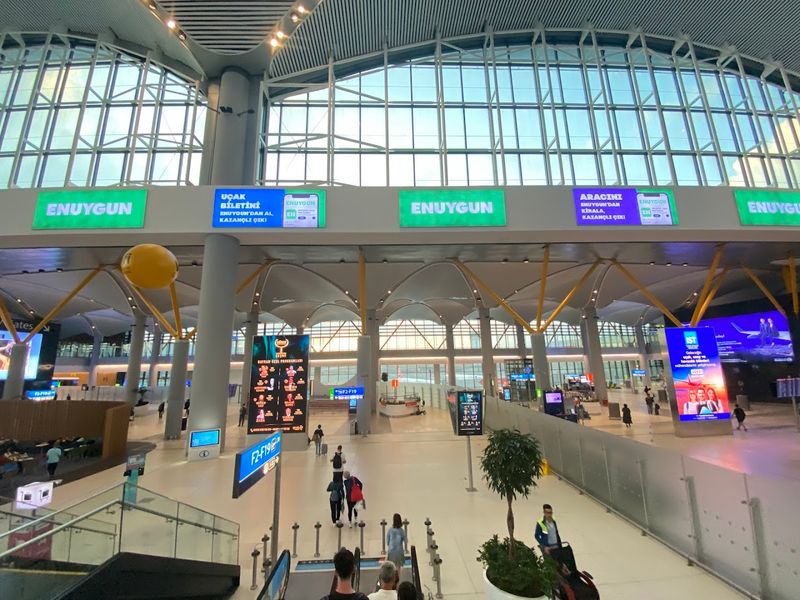
Istanbul Airport covers a total area of approximately 76.5 million square meters across its full campus, making it one of the largest airport complexes ever built. The main terminal alone spans over 1.4 million square meters, which is larger than many city centers and explains why comfortable footwear is mentioned in practically every travel tip about this place.
The airport was designed with a long-term capacity target of 200 million passengers per year once all construction phases are complete. Current annual passenger numbers already place it among the top ten busiest airports globally, with Turkish Airlines operating flights to more countries than any other airline in the world from this single hub.
Understanding the scale before you arrive makes the experience far less overwhelming. Building in at least 90 minutes for connections, and two hours or more during peak travel seasons, is a practical baseline that most frequent flyers through Istanbul recommend to anyone making the journey for the first time.
Final Thoughts on Traveling Through Istanbul’s Gateway
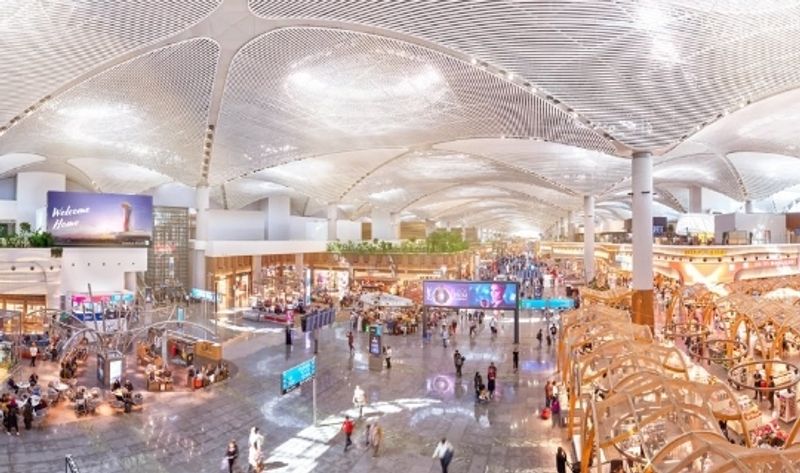
Traveling through Istanbul Airport is an experience that sits somewhere between genuinely impressive and occasionally exhausting, depending on how prepared you are. The architecture is beautiful, the shopping and dining options are extensive, and the cleanliness sets a standard that many older airports could learn from.
The challenges are real too: prices are high once you are airside, the walking distances are serious, and peak-hour crowds can make navigation feel like a full-body workout. Going in with realistic expectations and a good pair of shoes solves most of the problems before they start.
What this airport does well, it does exceptionally well. The lounge quality, the free Wi-Fi setup, the accessibility features, and the overall design reflect a genuine ambition to create something world-class rather than just functional.
For a destination that handles this many passengers from this many countries, that ambition comes through clearly in the experience.
Share this story