Most people assume you need a long road trip to find real wilderness in Minnesota. But tucked just south of the Twin Cities, there is a sprawling 2,000-acre park that makes you forget you are anywhere near a metro area.
The trees close in around you, the lakes shimmer through the branches, and the only sounds you hear are birds and the crunch of trail underfoot. I spent a full day exploring this place and came back with muddy boots, a clearer head, and a long list of reasons why every Twin Cities resident needs to know about it.
Where the Wild Things Are, Just Off Cliff Road
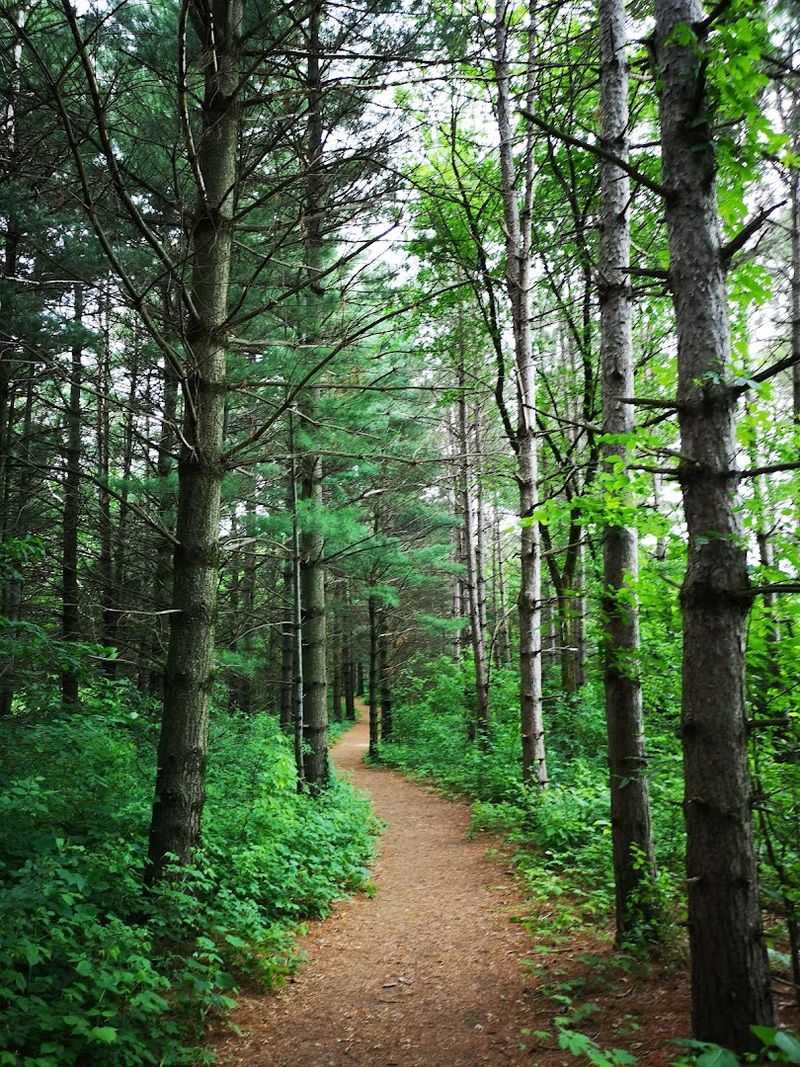
Lebanon Hills Regional Park sits at 860 Cliff Rd, Eagan, and the moment you turn off the main road, the city disappears behind you. The park covers roughly 2,000 acres of Dakota County land, making it one of the largest regional parks in the entire Twin Cities metro area.
The address is easy to find, and the parking areas are well-signed from Cliff Road. Most visitors arrive at the main lot near the visitor center, which is a smart starting point for first-timers.
The park is open every day from 5 AM to 10 PM, so early risers can catch the morning mist rising off the lakes before the crowds arrive. That first quiet hour in the park, when the light is low and the trails are nearly empty, honestly feels like something you would find deep in the Boundary Waters, not minutes from a suburb.
A Trail Network That Keeps Surprising You
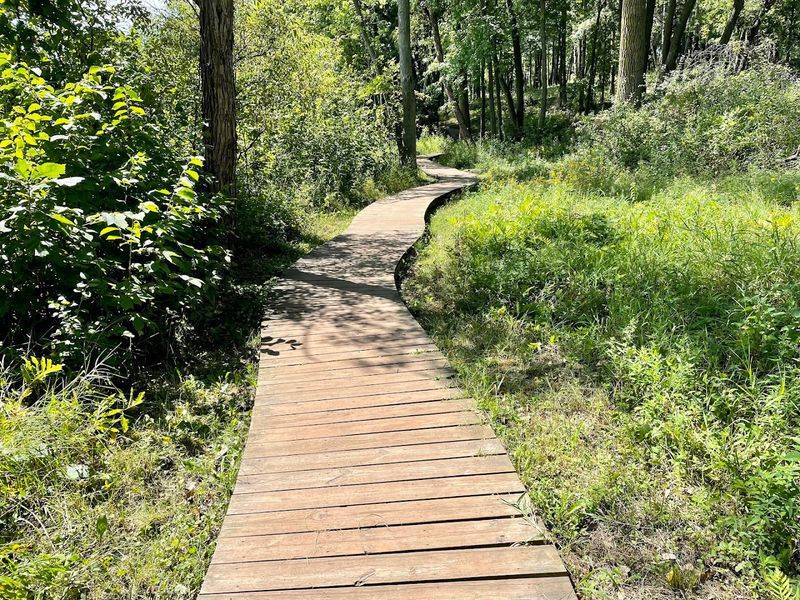
The trail system here is genuinely impressive, and it keeps unfolding the further you walk. With over eight miles of marked paths weaving through forest, wetlands, and open meadows, you can spend a solid half day wandering without covering the same ground twice.
What makes the network especially enjoyable is the variety. Some sections are wide and paved, perfect for a relaxed stroll or a jogging session.
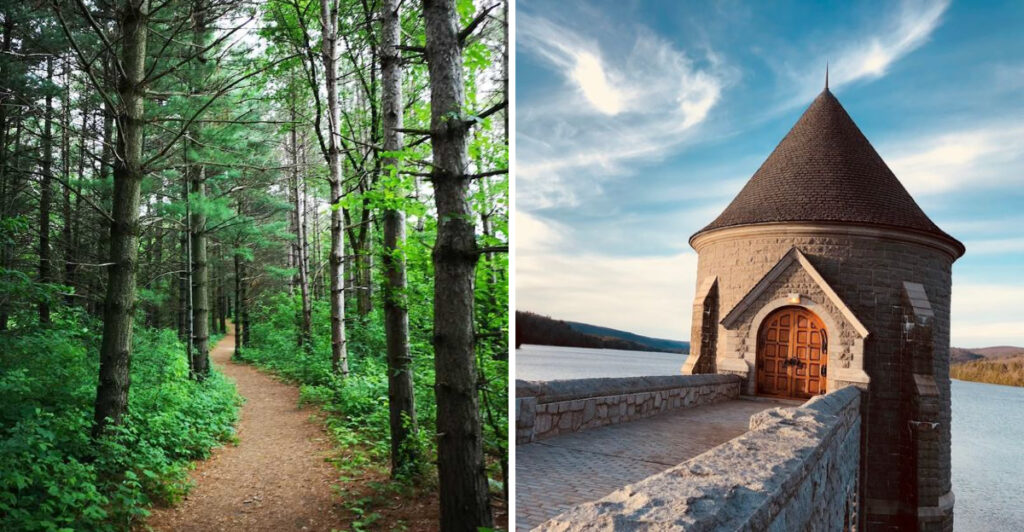
Others narrow into natural dirt paths that wind through dense tree cover, where the canopy blocks most of the sky and everything feels hushed and close.
Numbered trail markers appear at regular intervals, and posted maps are stationed at intersections throughout the park. You will not get lost here, even if the forest makes you feel wonderfully disoriented.
The trails range from short loops to longer routes stretching toward seven miles, so there is genuinely something for every fitness level and mood.
Jensen Lake and the Heart of the Park
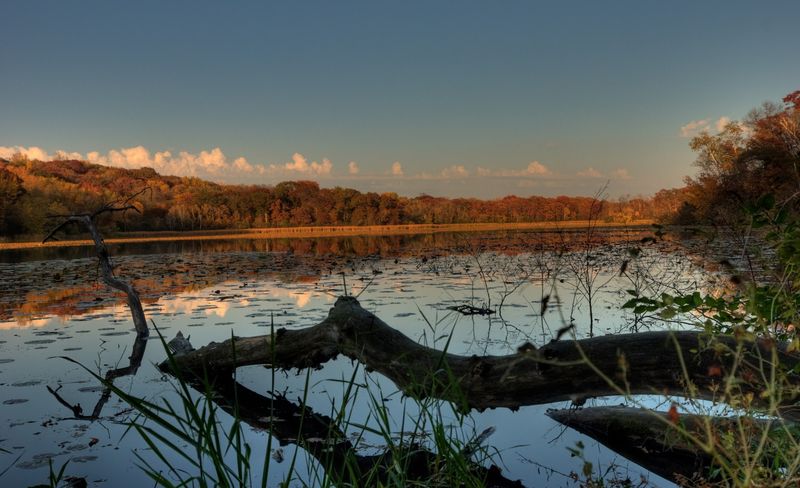
Jensen Lake is the centerpiece of the park, and it earns that title without any argument. The water is calm and clear, surrounded by a loop trail that takes you over wooden boardwalks, through shaded forest sections, and across a long, twisting bridge that stretches above the water.
That bridge is a highlight all on its own. It curves gently over the lake, giving you unobstructed views in both directions, and on a still morning the reflection on the water is almost too perfect to be real.
Wildlife is reliable here, with ducks, herons, and the occasional swan gliding past while you stand on the railing.
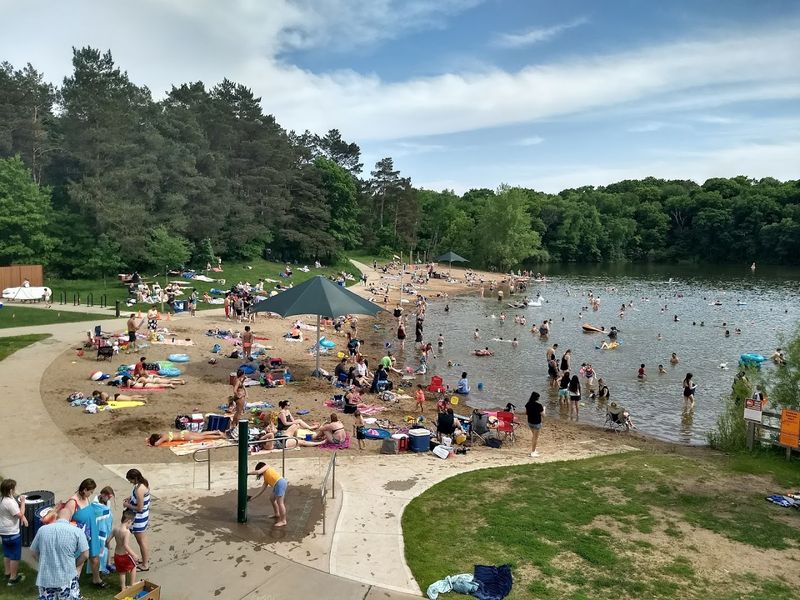
A beach and swimming area near the visitor center makes Jensen Lake a full summer destination for families. Kayak rentals are also available nearby, which means you can get out on the water and see the white water lilies that bloom in late summer from a completely different perspective.
Fall Colors That Make Every Step Feel Worth It
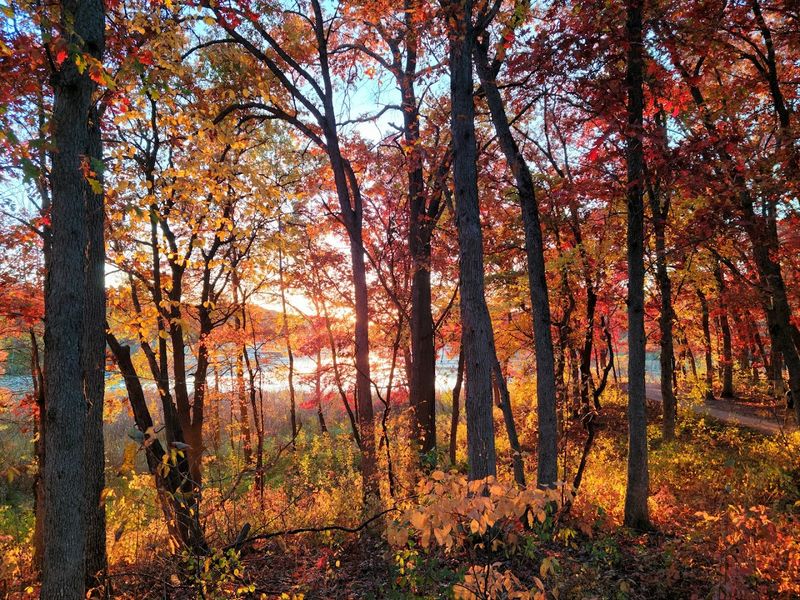
Mid-October at this park is something else entirely. The hardwood trees that line nearly every trail turn into a full-on color show, with deep oranges, burning reds, and soft yellows layered across the hillsides in every direction you look.
The paved trail near Jensen Lake becomes especially popular during peak fall color season, and for good reason. The wide path lets you walk comfortably while looking around without tripping, and the winding bridges frame the foliage over the water in a way that feels almost staged.
Wildlife activity also picks up noticeably in autumn. White-tailed deer move through the tree lines more frequently, wild turkeys appear along the edges of open fields, and migratory birds stop through the wetlands on their way south.
Coming here in the fall is not just a good idea, it is practically a seasonal requirement for anyone who appreciates the full drama of a Minnesota autumn.
Lake McDonough and the Western Side of the Park
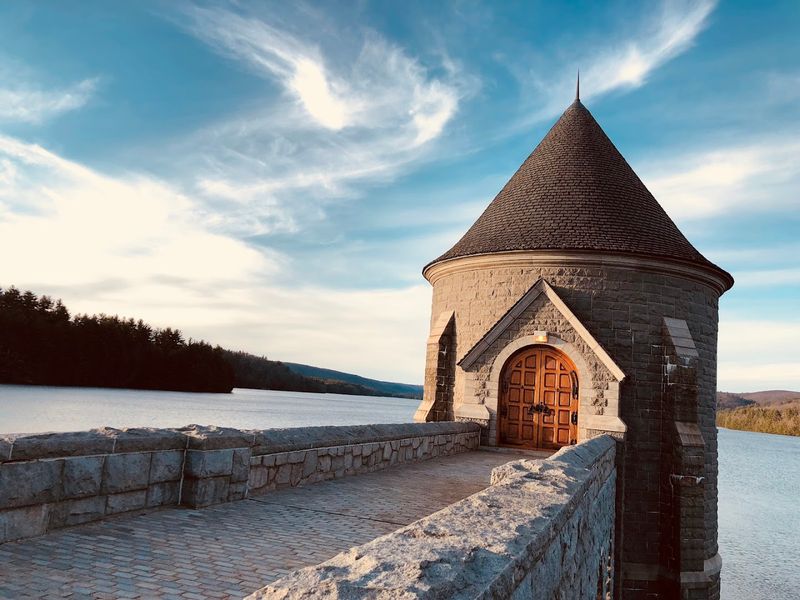
Most first-time visitors head straight to Jensen Lake, but Lake McDonough on the western side of the park deserves equal attention. The loop around McDonough has a different feel, quieter and more open in places, with long views across the water and fewer people on the trail.
Fishing is a draw here, and the lake has a dedicated access area where anglers set up along the shoreline. The calm surface of the water in the early morning reflects the surrounding trees so clearly that it can be genuinely hard to tell where the forest ends and the reflection begins.
The western section of the park also connects to longer trail routes that eventually link back toward the equestrian trails and the northern sections of the network. Walking the full loop around McDonough and then continuing east toward Jensen Lake makes for a satisfying half-day route that covers a solid range of the park’s best terrain.
Mountain Biking Trails With Actual Terrain
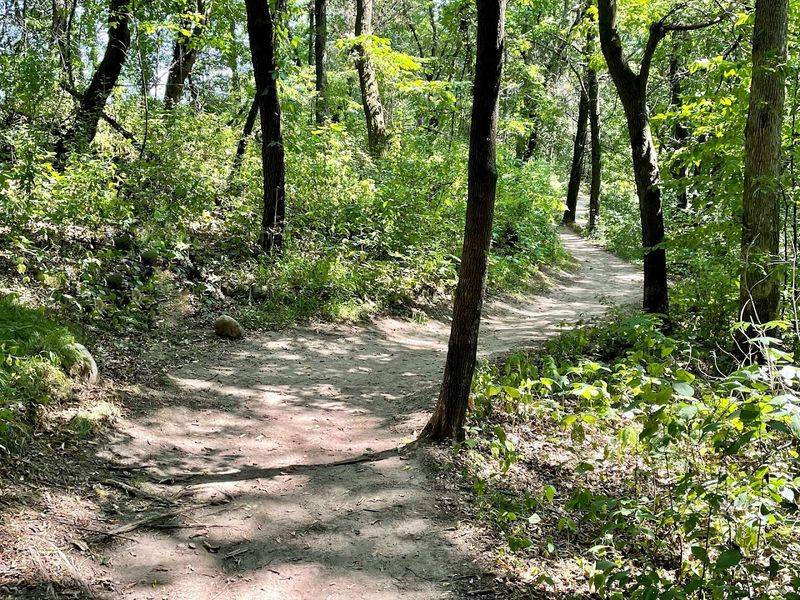
Lebanon Hills is not just a walking park. The mountain bike trails here have a genuine reputation among Twin Cities riders, and they deliver the kind of rolling, technical terrain that keeps experienced cyclists coming back regularly.
The trail system for biking weaves through the same forested landscape as the hiking paths but follows its own dedicated routes, which keeps the two user groups from bumping into each other too often. The terrain includes natural hills, rooted sections, and enough variety to keep a ride interesting from start to finish.
Beginners can find smoother sections to build confidence, while more experienced riders can push into the technical stretches and work up a genuine sweat. The park’s natural topography, with its rolling glacial hills and dense tree cover, creates the kind of riding environment that most metro-area cyclists have to drive an hour to find.
Here, it is practically in the backyard.
Equestrian Trails Through the Quietest Corners
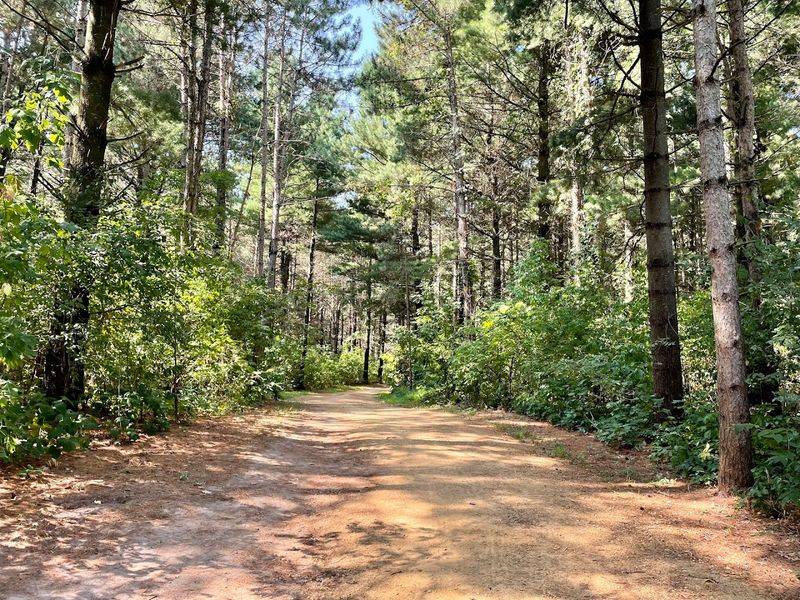
Not every regional park has dedicated equestrian trails, and the ones at Lebanon Hills are a genuine draw for riders in the area. The horse trails run through some of the quietest and most remote-feeling sections of the park, far from the main paved paths and the busier lake areas.
The eastern trailhead is the preferred starting point for many who want to access the equestrian routes, and from there the paths head north and west through dense woodland. The terrain is natural and unpaved, with a softer, more rugged feel than the groomed hiking corridors.
It is worth noting that the equestrian trails are designated for horse use, and hikers occasionally wander onto them by mistake. Numbered markers and posted maps help keep everyone on the right path, but paying attention to trail signs matters here.
The reward for staying on course is access to some of the park’s most genuinely wild and undisturbed stretches of forest.
The Visitor Center as a Starting Point
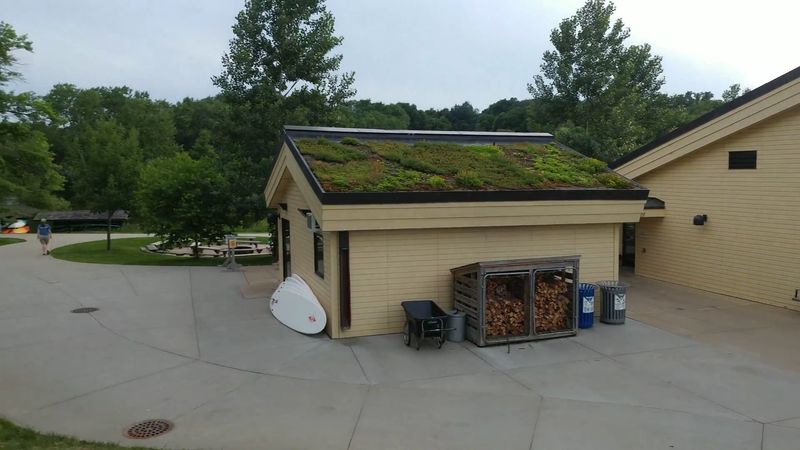
The visitor center near the main entrance is more than just a place to grab a trail map. It serves as the hub for a lot of what makes this park function so well, from equipment rentals to water refill stations to seasonal programming that brings the natural world into clearer focus.
Rangers and naturalists based here run educational programs throughout the year, including guided hikes, winter survival workshops, and snowshoe tours that make the colder months just as engaging as summer. Groups and school field trips regularly come through for hands-on learning experiences in the woods.
The area around the visitor center also has picnic tables, grills, a fire pit, and access to the beach, making it a natural gathering spot for families and larger groups. Sheltered pavilions nearby can be reserved for reunions or events, and the facilities are maintained to a noticeably high standard throughout the year.
Winter at the Park Is a Completely Different Adventure
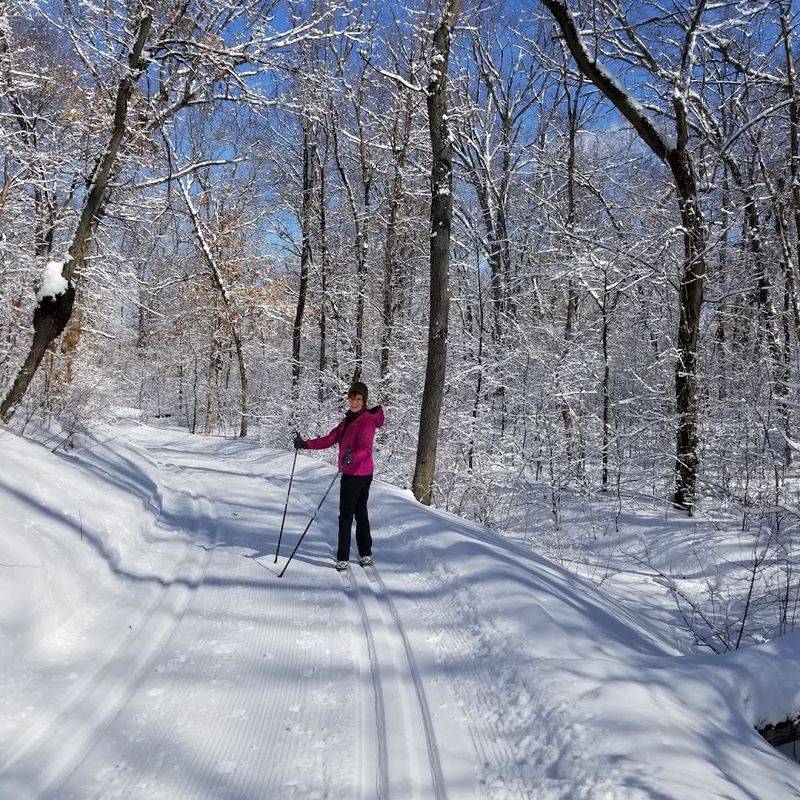
A lot of parks in Minnesota go quiet once the snow arrives, but Lebanon Hills leans into winter with real enthusiasm. Cross-country skiing is one of the most popular cold-weather activities here, with groomed trails that wind through the same forest corridors you walk in summer but feel entirely transformed under a layer of white.
Kick sledding is another winter activity available through the park, and it is exactly as fun as it sounds. Participants sit on a low sled and use one foot to push themselves along groomed paths through the trees, which turns an ordinary trail into something that feels much more like an adventure.
Snowshoeing is also well-suited to the terrain here, and guided snowshoe hikes through the woods have become a popular option for both families and solo visitors. The park’s naturalist-led winter programming adds an educational layer to the experience, making a cold afternoon in the woods feel genuinely rewarding rather than just cold.
Wildlife That Shows Up Without Warning
One of the things that keeps drawing people back to this park is the wildlife. The 2,000 acres of mixed habitat support a surprisingly diverse range of animals, and spotting them feels like a bonus that the park delivers more often than not.
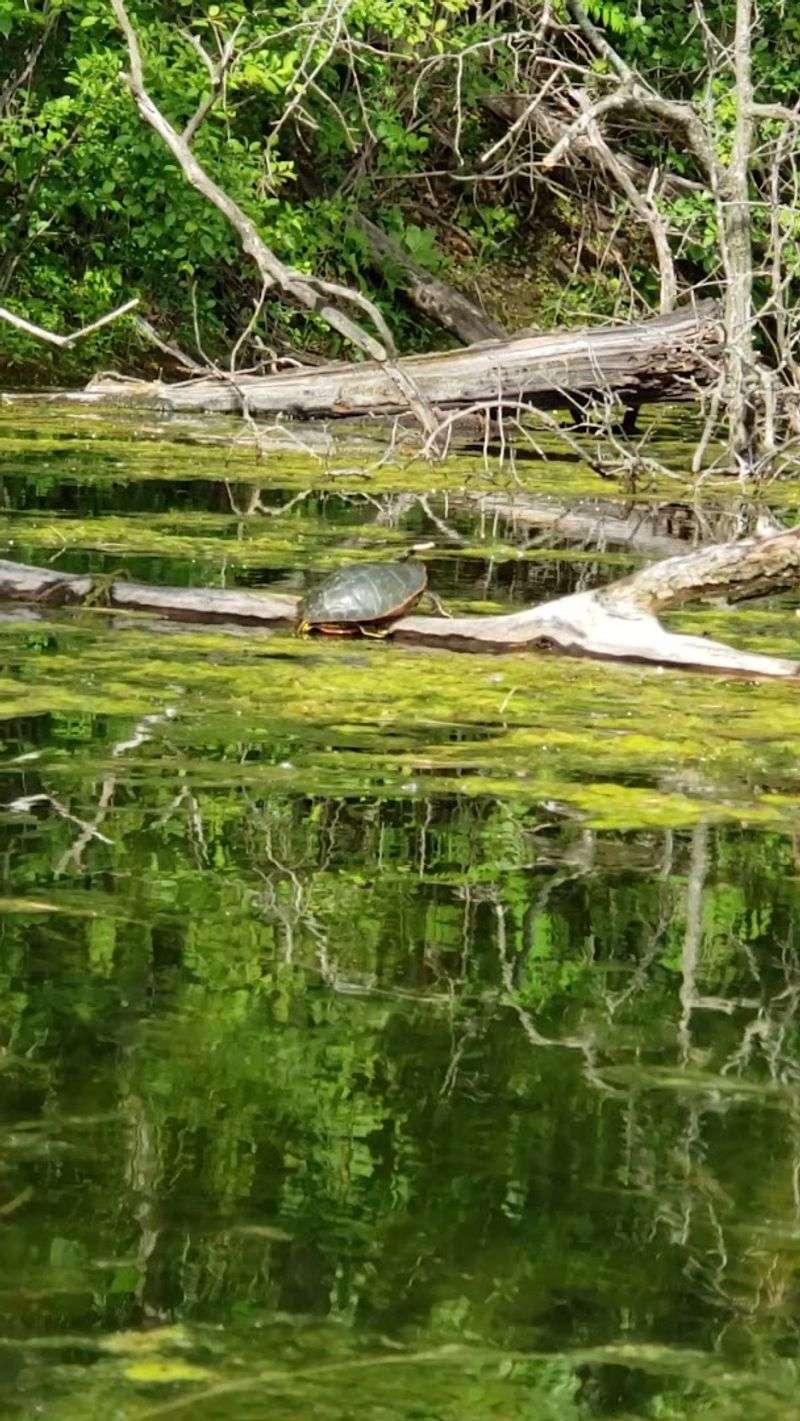
White-tailed deer are the most common sighting, moving through the tree lines at dusk and dawn with the kind of unhurried calm that makes you stop walking and just watch. Wild turkeys strut through open areas near the trail edges, turtles bask on logs along the lake shores, and muskrats cut quiet wakes across the water in the marshy sections.
Swans appear on the lakes with enough regularity that visitors specifically mention them, and a variety of songbirds and waterfowl fill the air with sound throughout the warmer months. On rare occasions, coyotes have been spotted in the more remote sections of the park, which adds a genuine edge of wildness to the whole experience.
Picnicking, Grilling, and Slowing Down
Not every visit to a park needs to be a workout or a nature study. Sometimes the best use of a few hours is a blanket on the grass, a grill going, and nothing on the agenda but eating and talking.
Lebanon Hills is set up beautifully for exactly that kind of afternoon.
Multiple picnic areas are spread across the park, with tables, grill stands, and open green spaces that work well for everything from a solo lunch to a large family gathering. The shelter near the visitor center can be reserved for group events and comes with outlet access along the back wall, which is a practical detail that makes a real difference when you are keeping food warm.
The beach area nearby adds a natural extension to any picnic plan, especially on warm summer days when kids want to get in the water after eating. The whole setup encourages the kind of unhurried outdoor afternoon that is increasingly rare to find this close to a major metro area.
Kayaking and Getting Out on the Water
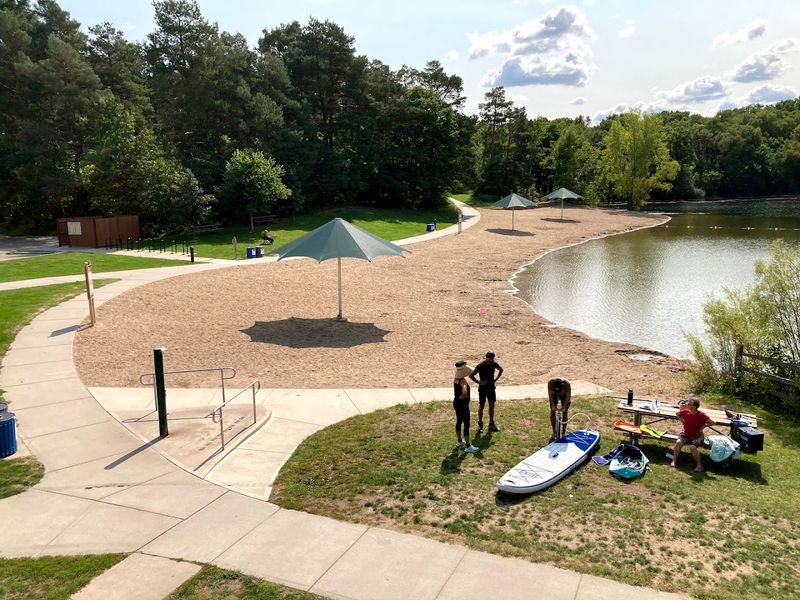
The lakes at Lebanon Hills are not just scenic backdrops, they are places you can actually get out onto. Kayak rentals are available at the park, which means you do not need to haul your own gear to enjoy a paddle on the water.
Jensen Lake is the primary spot for on-water activity, and paddling across its surface gives you a completely different view of the park than you get from any trail. The shoreline looks different from the water, the trees seem taller, and the whole park feels bigger and more immersive from a kayak seat.
Late summer is a particularly good time to paddle here, when white water lilies bloom across sections of the lake surface in clusters of bright white flowers. Getting close to them from a kayak is one of those small, specific pleasures that you cannot replicate from the shore, and it makes the rental fee feel like an easy decision.
Accessibility and Inclusive Trail Options
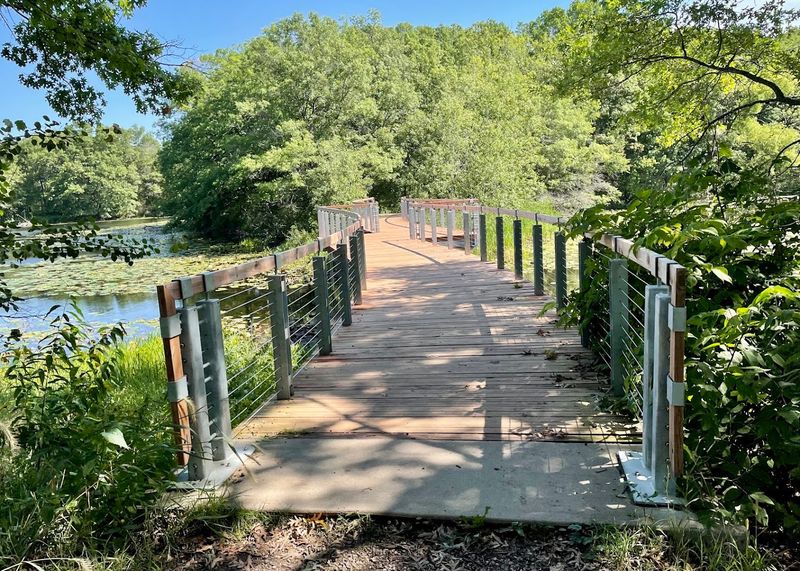
One of the things that makes Lebanon Hills stand out among regional parks is the genuine effort to make the space accessible to a wide range of visitors. Paved trails run through significant portions of the park, and two large decks with wheelchair access provide viewing areas that do not require navigating unpaved terrain.
The main paved loop near Jensen Lake is wide enough for side-by-side walking and smooth enough for strollers, wheelchairs, and visitors who need a more forgiving surface underfoot. This makes the park a realistic option for multi-generational groups where not everyone is up for a rugged trail hike.
Accessible restroom facilities are available at multiple points throughout the park, and the overall infrastructure reflects a level of care and planning that goes beyond the minimum. The result is a park that genuinely welcomes everyone, not just the most physically prepared visitors, which is a detail worth recognizing and appreciating.
Why This Park Keeps Pulling People Back
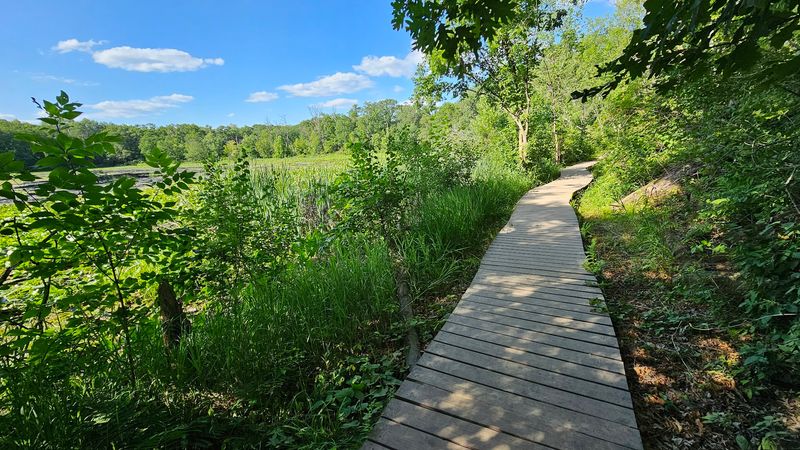
There is something about Lebanon Hills that makes a single visit feel incomplete. The park is large enough that one afternoon only covers a fraction of what is here, and every trail junction presents a choice that leads somewhere new and worth exploring.
The combination of well-maintained facilities, diverse trail options, multiple lakes, reliable wildlife sightings, and seasonal programming creates a park experience that shifts and refreshes itself throughout the year. Summer brings swimmers, paddlers, and picnickers.
Fall brings hikers chasing color. Winter brings skiers and snowshoers.
Spring brings birders and mud-boot enthusiasts who cannot wait another week.
The park is free to enter, open nearly every hour of the day, and located close enough to the Twin Cities that there is no excuse not to visit regularly. Whether you are chasing a long trail run, a quiet morning walk, or a full family day out, this place has a way of delivering exactly what you came for, and then some.
Share this story