 Unearth The Voyage
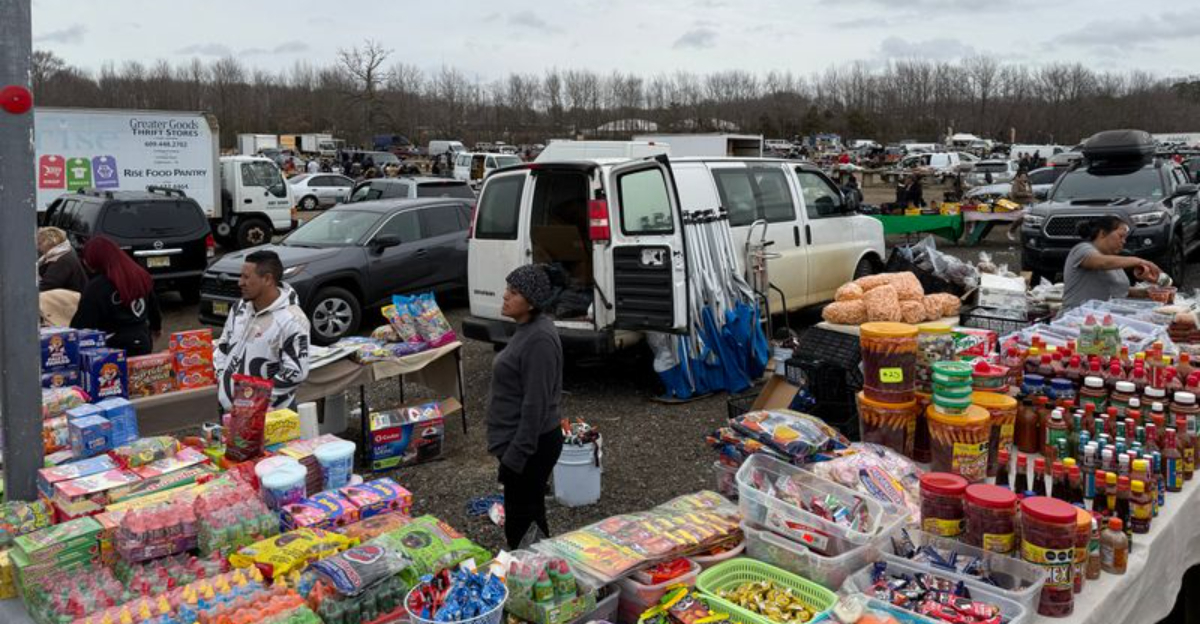
If you love the thrill of a weekend hunt, there’s one spot in New Jersey that keeps pulling people back for more. It’s the kind of place where you can go in with a simple plan and walk out with a quirky find, a practical steal, and a story to tell.
The selection changes fast, the vibe is lively, and the “you never know what’s next” feeling is half the fun.
That’s exactly why Englishtown Auction Sales has built such a loyal following. This sprawling flea market is known for its sheer size, offbeat variety, and the addictive satisfaction of spotting something great before anyone else does.
Whether you’re browsing for hidden treasures or just want an easy, entertaining Saturday outing, it’s a classic New Jersey adventure that rarely disappoints.
1. Go early if you want the best picks
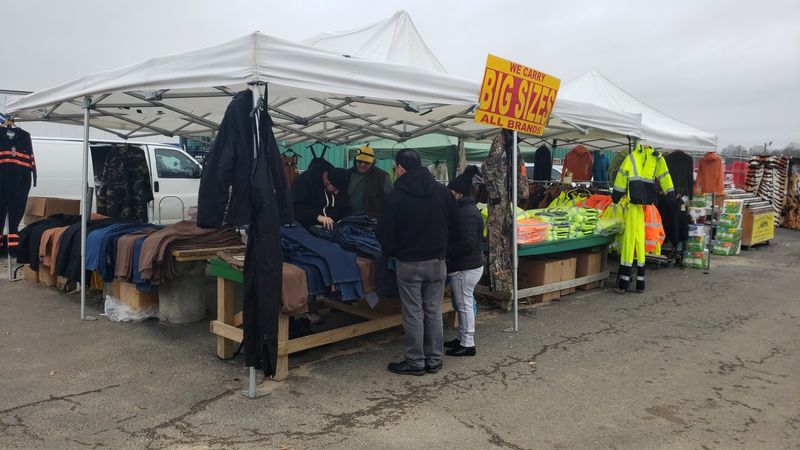
Serious treasure hunters know the secret: showing up when the gates open means you get first dibs on everything. The market runs Saturday and Sunday from 8am to 4pm, and those early hours are golden.
You’ll beat the crowds, snag easier parking, and have your pick of the freshest inventory before other shoppers swoop in.
I learned this the hard way after arriving at noon one Sunday and watching someone walk away with the exact vintage record player I’d been eyeing online for weeks. Early birds really do get the worm here.
Plus, vendors are often more willing to chat and negotiate when they’re not swamped with people.
The morning air is cooler, the aisles are less chaotic, and you can actually take your time examining items without getting elbowed by impatient browsers. If you’re the type who likes a relaxed, methodical hunt, set that alarm clock.
Your future self will thank you when you’re loading your car with amazing finds while latecomers are still circling the parking lot looking for a spot.
2. Know the basics before you pull in
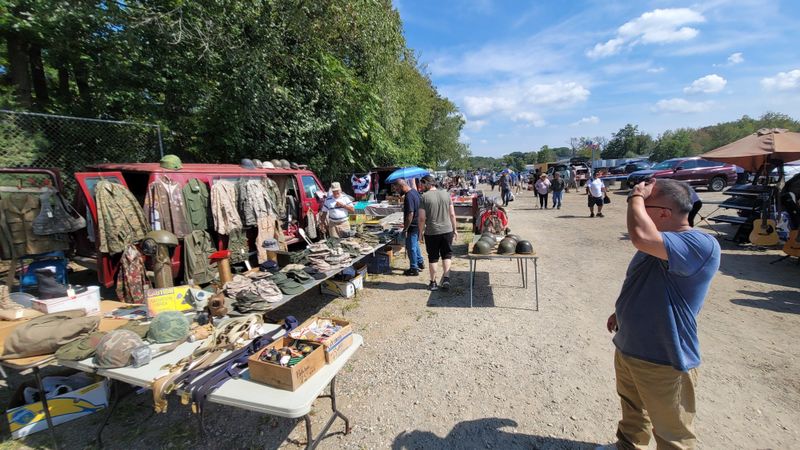
Getting your bearings before arrival saves time and frustration. Englishtown sits at 90 Wilson Ave., Englishtown, NJ 07726, and it’s open every weekend regardless of weather.
Rain or shine, the vendors show up, so you should too.
Here’s the best part: admission is completely free, and so is parking. No gate fees, no parking meters, no hidden costs just to walk around.
That means every dollar you bring goes straight toward actual purchases instead of access charges.
First-timers often waste precious browsing time wandering aimlessly or doubling back because they didn’t realize how massive the place actually is. Knowing these basics upfront lets you plan your attack strategy.
Should you bring an umbrella? Yep, if rain’s forecast, because the show goes on.
Should you worry about showing up late and missing out? Absolutely.
Should you stress about budgeting for parking? Nope.
This straightforward setup makes Englishtown incredibly accessible for everyone, whether you’re a local regular or driving in from out of state for your first visit. Just plug the address into your GPS and go.
3. Start indoors, then hit the outdoor rows
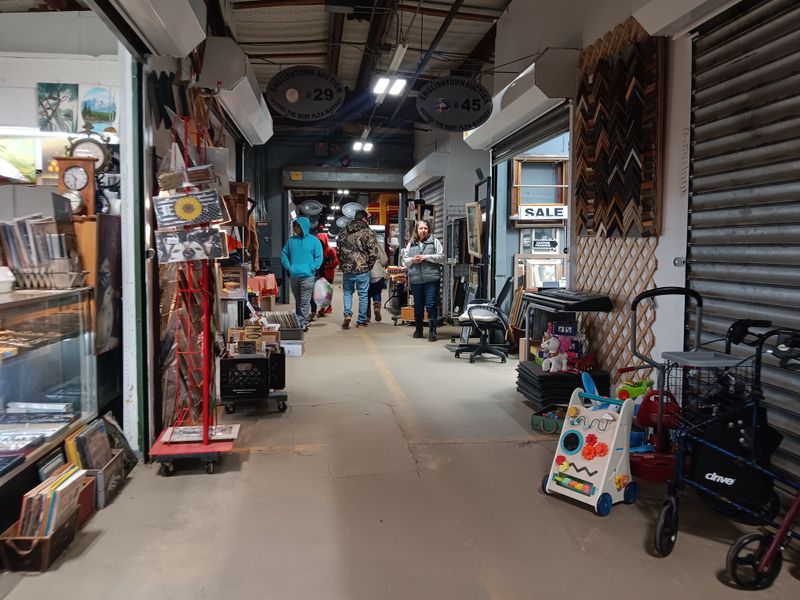
Englishtown’s layout includes five indoor buildings plus sprawling outdoor vendor sections, and tackling them strategically makes a huge difference. Indoor spaces offer climate control, organized aisles, and a calmer vibe that’s perfect for focused browsing.
You can examine delicate items without worrying about wind or weather.
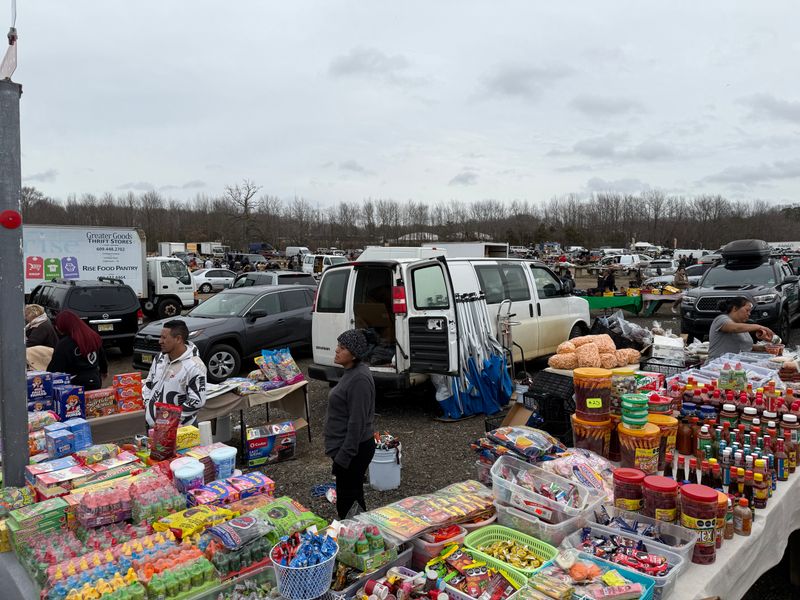
Once you’ve swept the indoor buildings, head outside where the real adventure begins. The outdoor area has that classic flea market energy where vendors spread out eclectic collections on tables, and you never know what oddball treasure might be hiding under a tarp.
It’s messier, louder, and way more exciting.
I always do my indoor lap first because it helps me calibrate my spending mood and get a sense of pricing trends before diving into the outdoor chaos. Plus, if you’re hunting something specific like vintage tools or retro clothing, you’ll quickly learn which sections tend to carry what.
This two-phase approach keeps your shopping efficient without feeling rushed. You’re not backtracking constantly or missing entire sections because you got distracted by one amazing outdoor booth too early.
4. Ask for the building map and shop like a pro
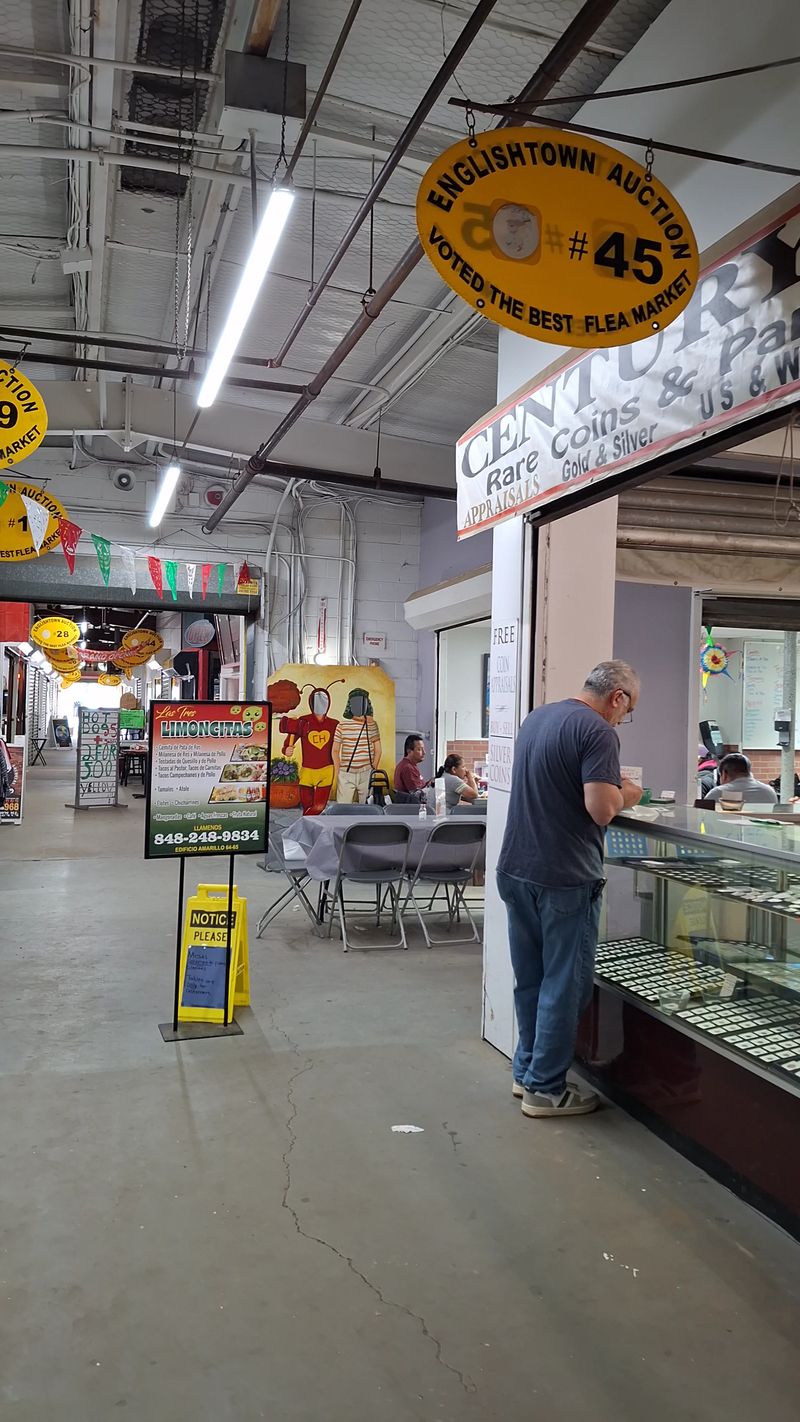
Navigating five buildings without a plan is like wandering a maze blindfolded. The market provides building maps and directories specifically to help shoppers move efficiently and relocate booths they want to revisit.
Grab one at the entrance or information desk.
These maps aren’t fancy, but they’re functional. They show you which buildings focus on which categories and help you plot a logical route instead of zigzagging randomly.
If you spot something interesting but want to keep browsing before committing, you can mark the booth number and circle back later.
I’ve watched countless people frantically search for “that booth with the cool lamps” because they didn’t note the location. Don’t be that person.
A quick glance at the map saves you from retracing your steps through hundreds of vendors.
Pro shoppers use these maps to divide and conquer when they’re visiting with friends or family. You can split up, cover more ground, and text each other when someone finds something worth checking out.
It turns a casual browse into an efficient treasure hunt with actual strategy behind it.
5. Come for the variety, leave with a story
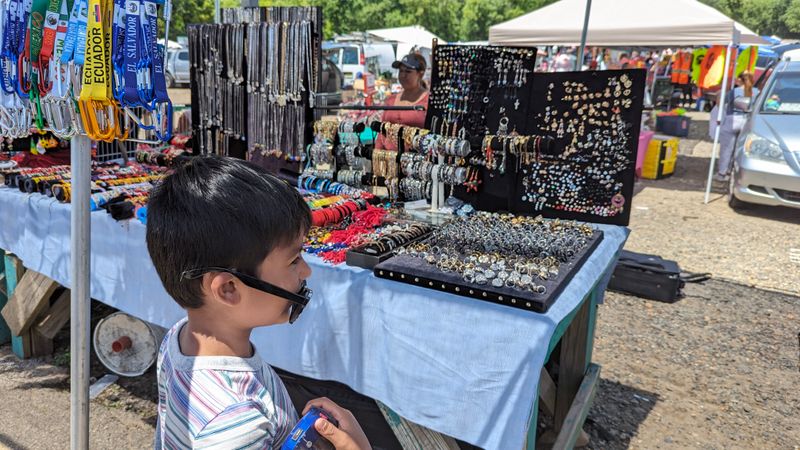
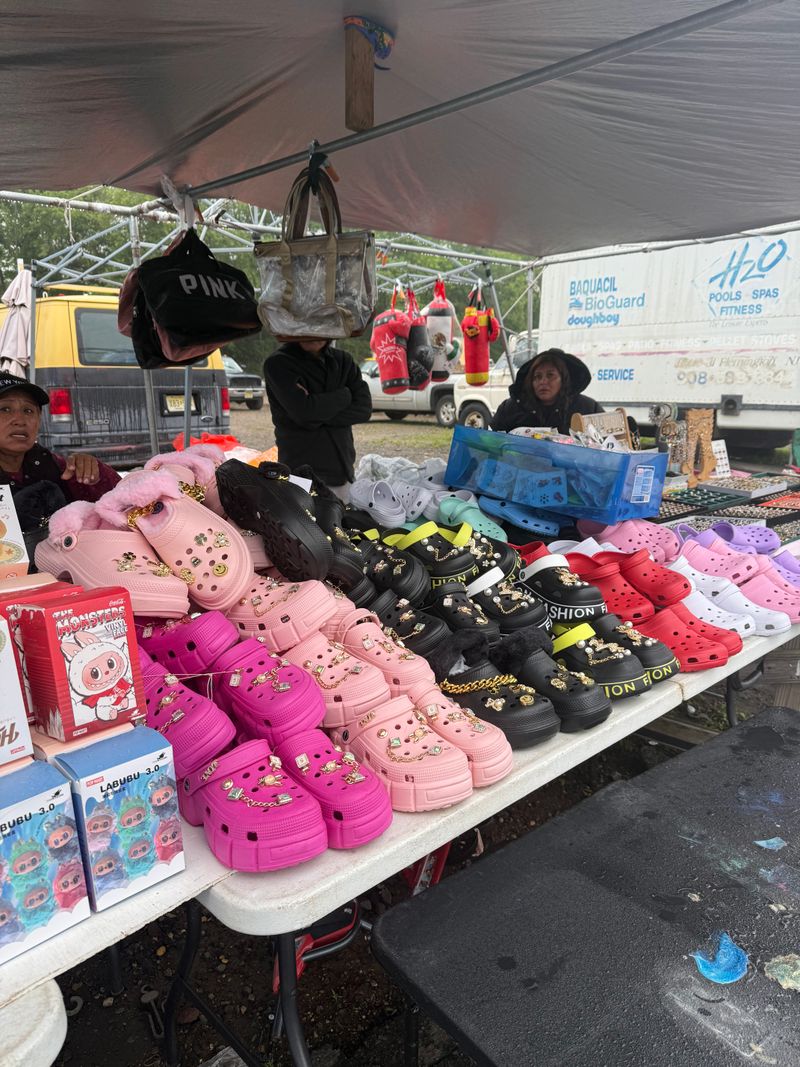
Englishtown’s reputation rests on its ridiculous variety. You’ll find antiques and collectibles sitting next to modern electronics, vintage clothing racks beside automotive tools, home furnishings mixed with handmade jewelry.
There’s no single focus, which is exactly the point.
Forget bringing a strict shopping list. The magic happens when you stumble onto something you didn’t know you needed.
Maybe it’s a retro kitchen gadget your grandmother used to own, or a quirky piece of wall art that perfectly matches your living room vibe.
Every visit becomes its own mini-adventure because the inventory constantly shifts. What you see this weekend might be completely different next time.
That unpredictability keeps regulars coming back and gives first-timers plenty of “you won’t believe what I found” stories to share.
I once went looking for a simple toolbox and left with a vintage typewriter, a hand-painted sign, and zero regrets. That’s Englishtown in a nutshell.
You go with a sharp eye and an open mind, not a rigid agenda. The best finds are the ones you never planned to buy.
6. Don’t skip the services people forget exist
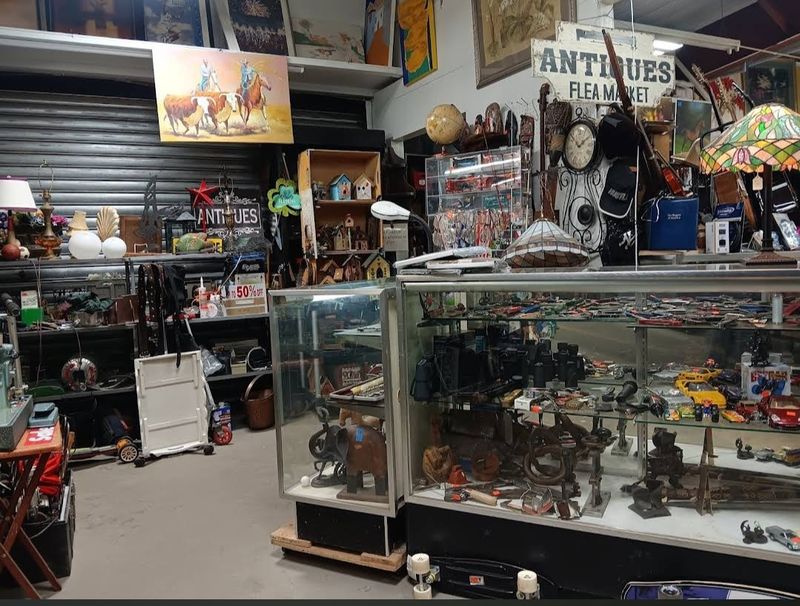
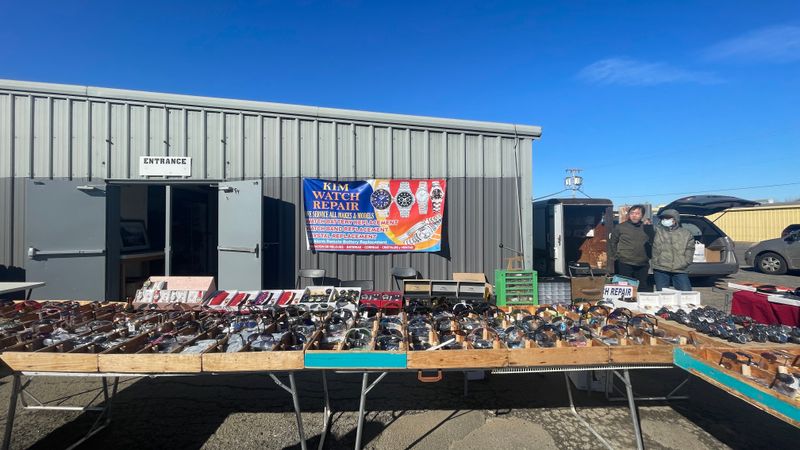
Most people think flea markets only sell stuff, but Englishtown offers practical services that can save you money and hassle. Jewelry repair, tailoring, vacuum repair – these aren’t glamorous, but they’re incredibly useful when you need them.
Instead of shipping your broken necklace to some online service or hunting down a local tailor, you can get it handled right there while you shop. The vendors providing these services are often skilled craftspeople who’ve been doing this work for decades.
I had a jacket zipper replaced while browsing nearby booths, and it cost half what a typical tailor would charge. The convenience factor alone makes it worth remembering these services exist.
You’re already spending your Saturday there anyway.
This is one reason people become regulars. Englishtown isn’t just a place to buy random stuff – it’s a resource for fixing, altering, and maintaining things you already own.
That vacuum sitting broken in your closet? Bring it next weekend.
That vintage ring missing a stone? Someone here can probably fix it.
These hidden services add genuine value beyond the typical flea market experience.
7. Snack breaks are part of the experience
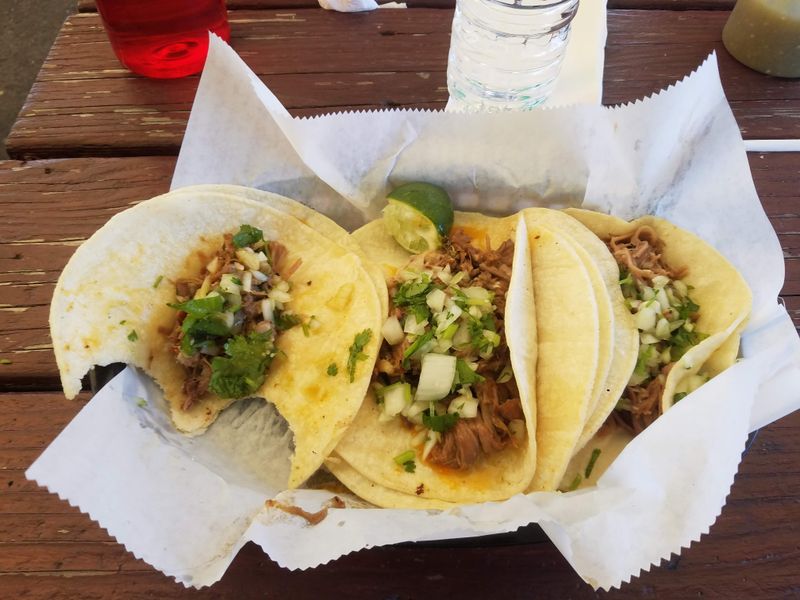
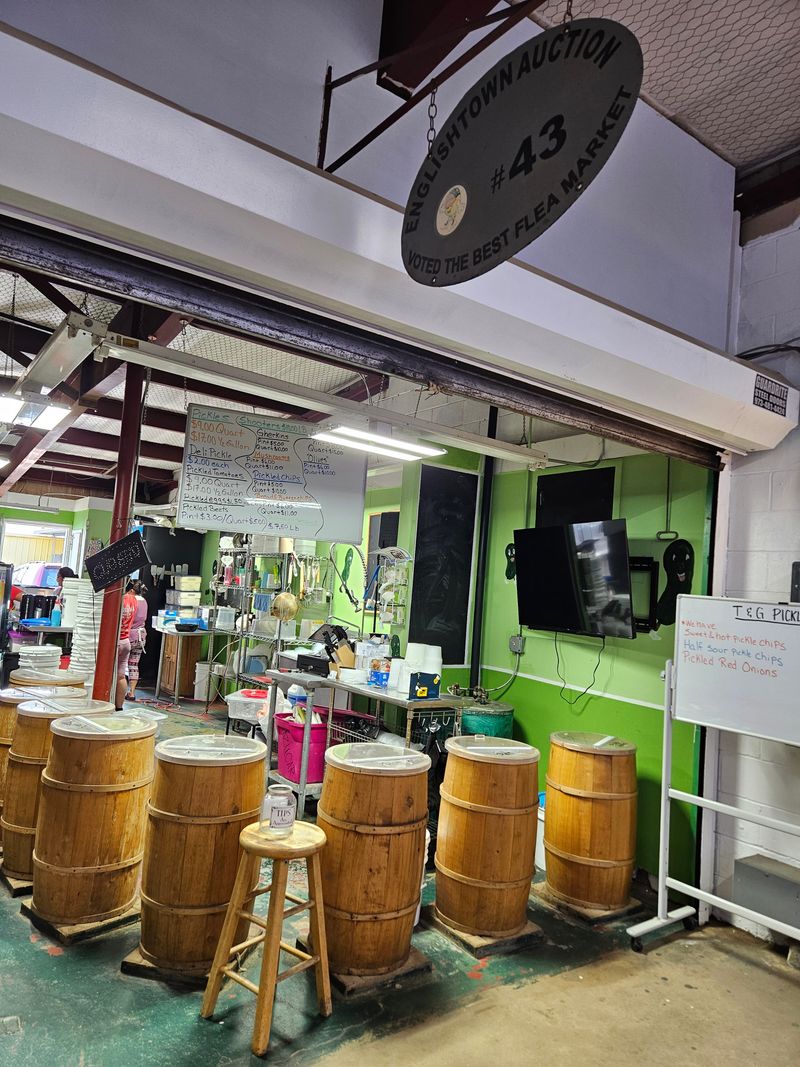
You can’t browse for six hours straight without refueling, and Englishtown has you covered. Fast food options, fresh produce stands, and bakery vendors are scattered throughout, turning a quick shopping trip into an all-day event.
Grabbing a snack and people-watching from a bench is half the fun. You’ll see families debating purchases, vendors swapping stories, and fellow shoppers hauling impressive loads back to their cars.
It’s entertainment with your lunch.
The produce and bakery items are often surprisingly good deals compared to grocery stores. I’ve seen people fill entire bags with fresh vegetables for less than they’d spend at the supermarket.
Some shoppers specifically come for the food vendors and treat the browsing as a bonus.
Pacing yourself with food breaks also prevents decision fatigue. When you’re hungry and tired, everything starts looking either amazing or terrible, and you make weird impulse buys.
Taking time to sit, eat, and recharge helps you shop smarter. Plus, it extends your visit naturally, giving you more time to explore without feeling rushed or exhausted.
8. Bring cash and small bills
Credit cards are convenient, but flea markets still run primarily on cash. Many vendors don’t have card readers, and even those who do might prefer cash to avoid processing fees.
Bringing actual money makes transactions faster and smoother.
Small bills are your secret weapon. Breaking a hundred-dollar bill for a five-dollar purchase creates awkward moments and slows everyone down.
Having twenties, tens, fives, and ones ready means you can buy quickly and move on.
Cash also makes bargaining easier. When you’re negotiating a bundle deal or asking for a vendor’s best price, pulling out exact cash often seals the deal faster than fumbling with a card reader.
There’s something psychologically satisfying about handing over physical money that digital transactions lack.
I always hit the ATM before arriving and organize my bills by denomination in different pockets. It sounds overly prepared, but it genuinely improves the shopping experience.
You’re not constantly searching for the right bill or holding up lines. You can make split-second decisions without worrying whether a vendor accepts cards.
Cash is king at flea markets, and small bills are royalty.
9. Haggle politely and you’ll do better
Negotiating is baked into flea market culture, and vendors actually expect it. Asking “What’s your best price?” isn’t rude – it’s part of the game.
The key is being friendly and respectful rather than aggressive or insulting.
Bundling multiple items gives you leverage. If you’re buying three things from one vendor, they’re usually happy to knock a few dollars off the total.
It’s easier for them to make one sale than haggle individually over each piece.
Don’t overthink it. The worst that happens is they say no and you decide whether to pay full price or walk away.
Most vendors would rather negotiate a bit and make a sale than watch you leave empty-handed. Just be genuine and quick with your decision once they counter.
I’ve saved hundreds over the years simply by asking politely and being willing to meet vendors halfway. You don’t need to be a master negotiator – just friendly and honest.
Say something like, “I love this, but I’m trying to stay under budget. Can you do any better?” More often than not, they’ll work with you.
10. Wear the shoes you’d pack for a theme park
Your feet will log serious mileage between indoor aisles and outdoor rows. Cute sandals or stiff dress shoes are a terrible idea.
Think theme park footwear: broken-in sneakers or supportive walking shoes that can handle hours of standing and moving.
Bring water too. You’ll be outside in the sun during warmer months, and staying hydrated prevents that mid-afternoon crash where everything feels overwhelming and you just want to leave.
A refillable bottle saves money and keeps you browsing longer.
Comfortable shoes and hydration sound obvious, but I’ve watched countless people hobbling around by noon, clearly regretting their footwear choices. Don’t let sore feet or dehydration cut your visit short when simple preparation solves both problems.
Dress in layers if the weather’s unpredictable. Indoor buildings might be warm while outdoor sections are breezy.
You want to focus on finding great deals, not obsessing over blisters or overheating. Treating Englishtown like a casual hiking trip in terms of comfort prep makes the whole experience way more enjoyable.
Your body will thank you, and you’ll actually have energy left to explore those final rows.
11. Treat it like a repeat-visit market
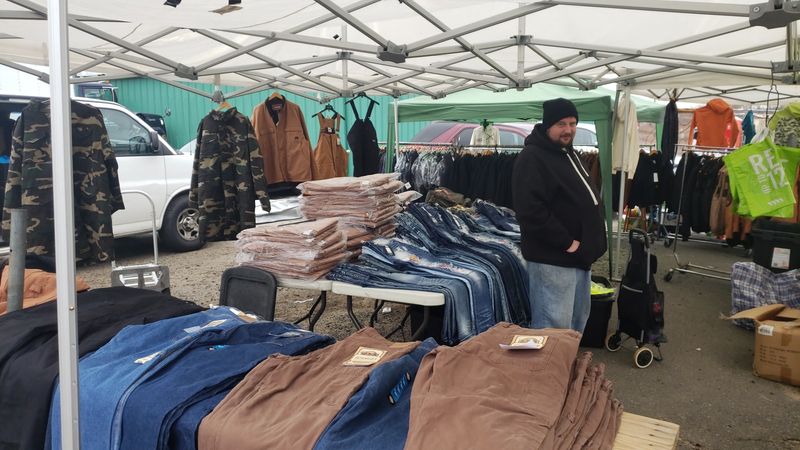
Englishtown changes every weekend because vendors rotate and inventory constantly shifts. What you don’t find today might show up next Saturday.
That rotating cast of sellers and goods is exactly why regulars keep returning week after week.
If you’re hunting something specific and strike out, don’t get discouraged. Come back in a couple weeks and you’ll see completely different booths with fresh merchandise.
The market’s size and vendor turnover create endless opportunities for discovery.
I’ve returned multiple times chasing specific vintage items and eventually found exactly what I wanted. Patience pays off when you’re dealing with a market this dynamic.
Plus, each visit reveals new favorite vendors and hidden corners you missed before.
Think of Englishtown as an ongoing relationship rather than a one-time destination. You’re not going to see everything or find everything in a single trip, and that’s perfectly fine.
The repeat-visit nature is part of the appeal. It gives you reasons to keep coming back, and each visit feels fresh rather than redundant.
You’re never really done exploring this place.
12. It’s popular for a reason
Englishtown Auction Sales has built a serious reputation over the years. One listing shows a 4.4-star rating based on 3,196 reviews from Google users, which reflects a massive amount of visitor feedback.
That’s not a small sample size – it’s thousands of people weighing in.
High ratings don’t guarantee you’ll love every single booth or find exactly what you’re hunting. But they do signal that you’re heading to a well-established, heavily visited market with a proven track record.
People keep showing up and generally leaving satisfied.
The sheer volume of reviews also means the market has staying power. It’s not some fly-by-night operation that disappears after a season.
Englishtown has been around long enough to build a loyal following and earn consistent feedback across thousands of visits.
When I’m trying a new flea market, I always check reviews first. Englishtown’s numbers gave me confidence it was worth the drive, and that confidence paid off.
You’re not gambling on an unknown quantity here – you’re visiting a New Jersey institution that’s earned its popularity through variety, size, and that addictive treasure-hunt atmosphere that keeps people coming back.



