 Unearth The Voyage
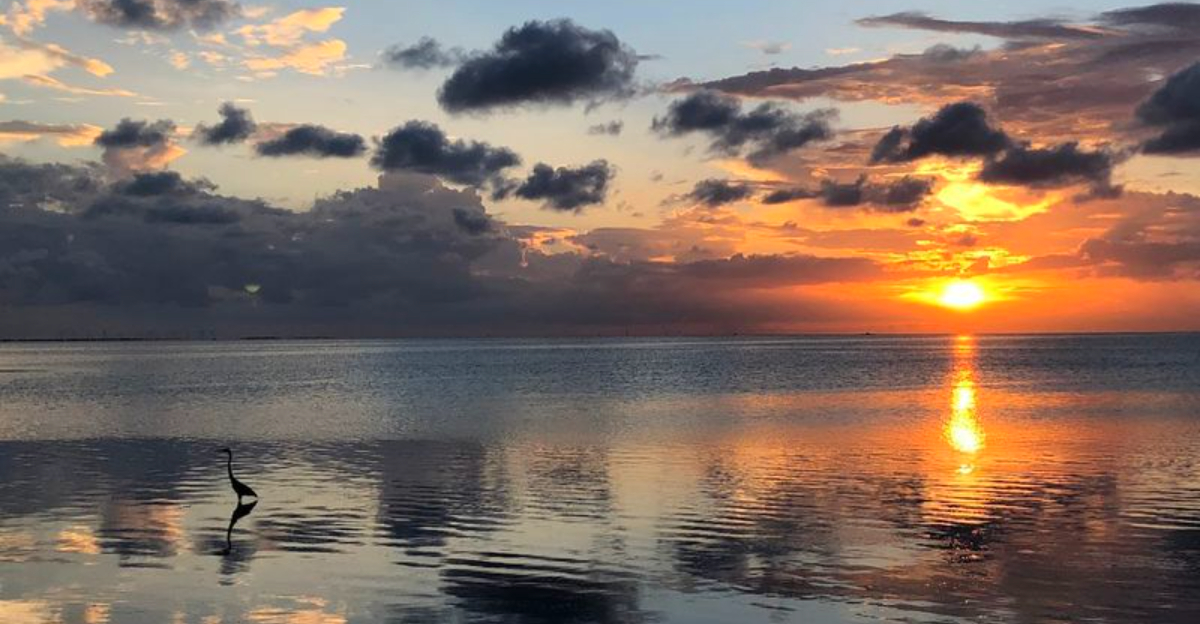
There is a body of water along the Texas coast so large and so wild that it makes most other lagoons look like backyard ponds. Stretching for roughly 130 miles between the southern tip of Texas and the barrier island of Padre Island, this place holds a serious title: the largest lagoon in the entire United States.
The water is shallow, the skies are enormous, and the wildlife is almost impossible to believe until you see it with your own eyes. Families drive hours from across Texas, and even from neighboring states, just to spend a single day here.
By the time you finish reading this, you will understand exactly why that drive is worth every mile.
What and Where Is Laguna Madre
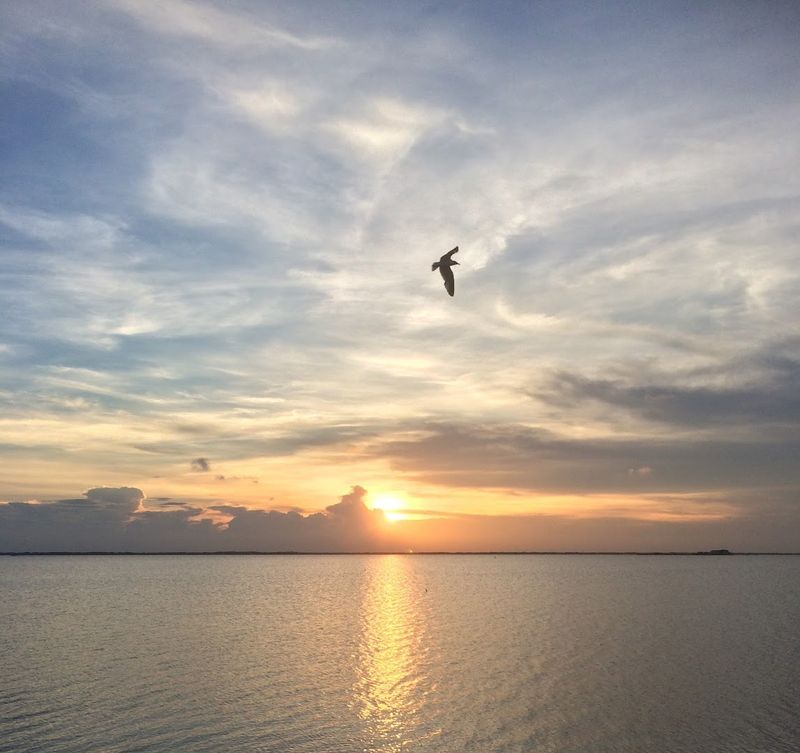
Most people have never heard of Laguna Madre until they stumble across it on a map and do a double take. This long, narrow lagoon runs along the southern coast of Texas, nestled between the Texas mainland and Padre Island, the longest barrier island in the world.
The full address and region place it along the Gulf Coast of South Texas, with coordinates near 26.6850599, -97.4273195, putting it squarely in one of the most ecologically rich zones in North America.
Unlike deeper coastal bodies of water, Laguna Madre is famously shallow, averaging just about three feet in depth. That shallowness is actually one of its greatest strengths, creating a warm, calm environment that fish, birds, and families all love equally.
The lagoon is sometimes called a hypersaline lagoon because its salt content runs higher than the Gulf of Mexico itself. Only a handful of hypersaline lagoons exist on the entire planet, making this Texas waterway genuinely rare.
Visitors from Oklahoma and beyond are often surprised to learn that such a remarkable natural feature sits quietly along the Texas coast, waiting to be explored.
The Record-Breaking Size of This Lagoon
Numbers can sometimes feel abstract until you actually stand at the water’s edge and look out at a horizon that seems to go on forever. Laguna Madre stretches approximately 130 miles along the Texas coastline, making it the largest lagoon in the United States by a significant margin.
To put that in perspective, you could drive from the Oklahoma border to the heart of Austin in roughly the same time it would take to cruise the full length of this lagoon by boat. The width varies considerably, but the overall surface area covers hundreds of square miles of shallow, sun-warmed water.
What makes the size even more impressive is how the lagoon manages to feel both vast and intimate at the same time. From certain spots along the shore, the water stretches so far that the far bank disappears completely.
Yet the shallowness keeps it feeling accessible rather than overwhelming, especially for families with younger children who want to wade in and feel the sandy bottom beneath their feet.
The Wildlife That Will Absolutely Stop You in Your Tracks
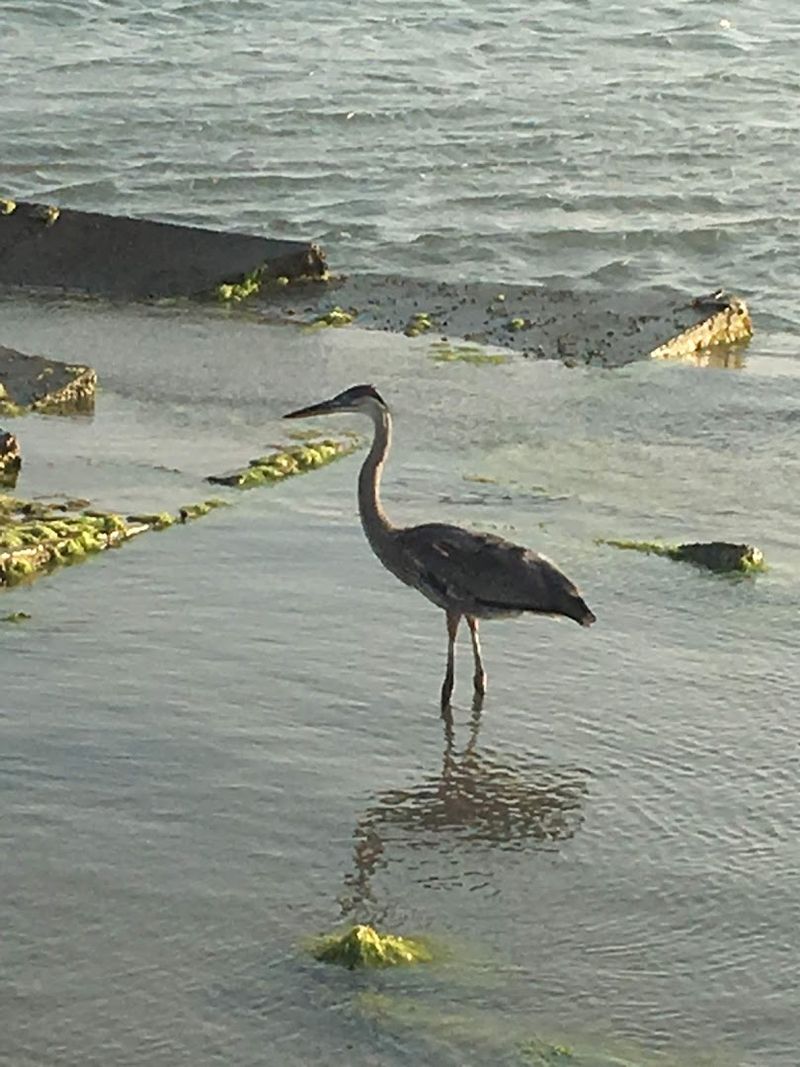
Few places in the continental United States can match Laguna Madre when it comes to sheer variety of wildlife. The lagoon sits directly along the Central Flyway, one of the major migratory bird routes in North America, which means that at almost any time of year, the skies and shallows are busy with feathered visitors.
Roseate spoonbills flash their brilliant pink wings in the morning light. Brown pelicans cruise low over the water with almost lazy elegance.
Whooping cranes, one of the rarest birds in North America, make their winter home here, drawing birders from Oklahoma, California, and beyond who travel specifically to catch a glimpse of these tall, striking birds.
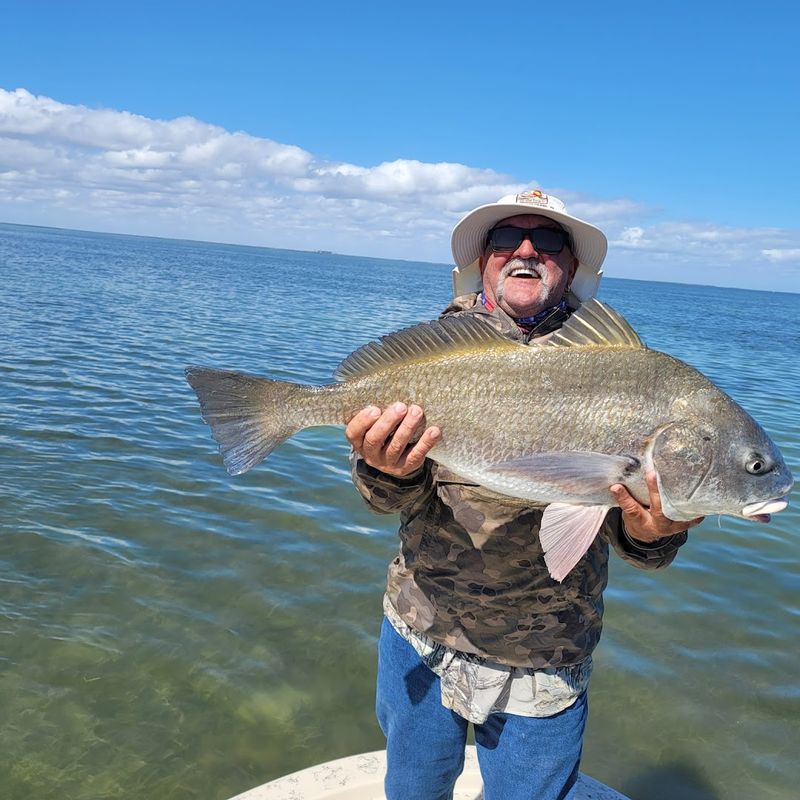
Below the waterline, the story is just as rich. Spotted seatrout, redfish, and black drum populate the seagrass beds in enormous numbers.
Bottlenose dolphins cruise the shallower channels with casual confidence, often close enough that you can hear them breathe. A morning spent watching the lagoon wake up is the kind of experience that genuinely changes how you see the natural world.
Fishing on the Laguna Madre: A True Texas Tradition
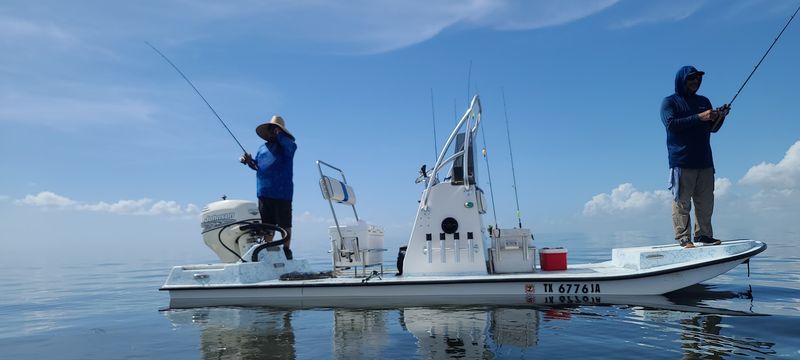
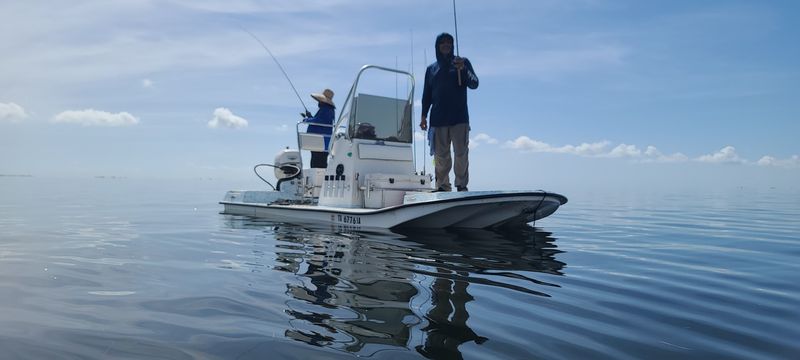
Ask any serious angler in South Texas where they go when they want a genuine challenge and a real reward, and Laguna Madre will almost always come up. The lagoon’s shallow, clear water makes it one of the premier wade-fishing and flats-fishing destinations in the entire country, and the local fishing culture runs deep.
Redfish and spotted seatrout are the two trophy species that keep anglers coming back season after season. The seagrass beds provide ideal habitat for both, and on calm days you can actually sight-fish, spotting the fish before you cast.
That kind of fishing requires patience and skill, but the payoff is enormous.
Guided fishing trips are easy to book from several launch points along the lagoon, and local captains know these waters with the kind of familiarity that only comes from years on the water. Families visiting from Oklahoma and other inland states often book a half-day guide trip as their first experience on the lagoon, and nearly everyone comes back for a second round before the weekend is over.
Kayaking and Paddleboarding the Calm Flats
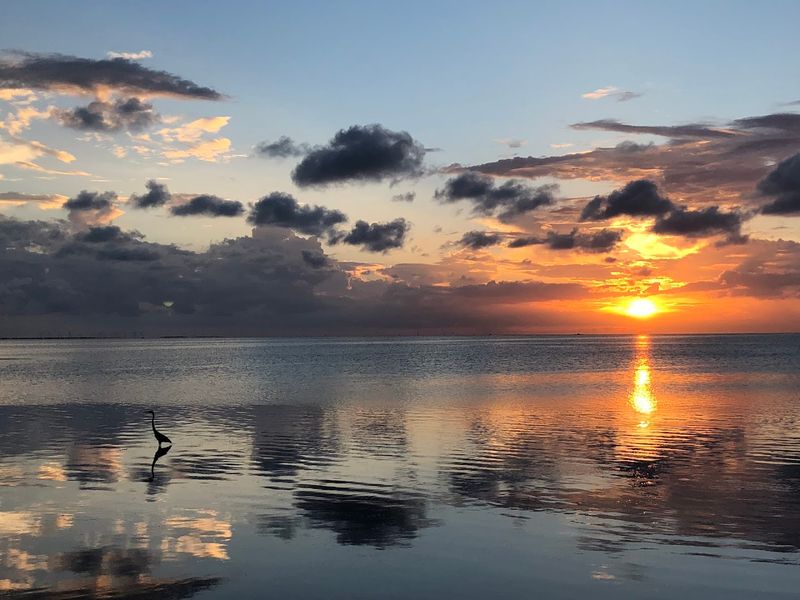
The lagoon’s shallow, calm water turns out to be almost perfectly designed for paddle sports. Kayaking and paddleboarding on Laguna Madre feel less like an athletic challenge and more like gliding through a living aquarium, because the water clarity on a calm day lets you see straight to the sandy bottom below.
Rental outfitters operate near Corpus Christi and along the Padre Island National Seashore, making it easy for day-trippers to grab a board or kayak without hauling their own gear. Beginners find the flat, sheltered water forgiving and fun.
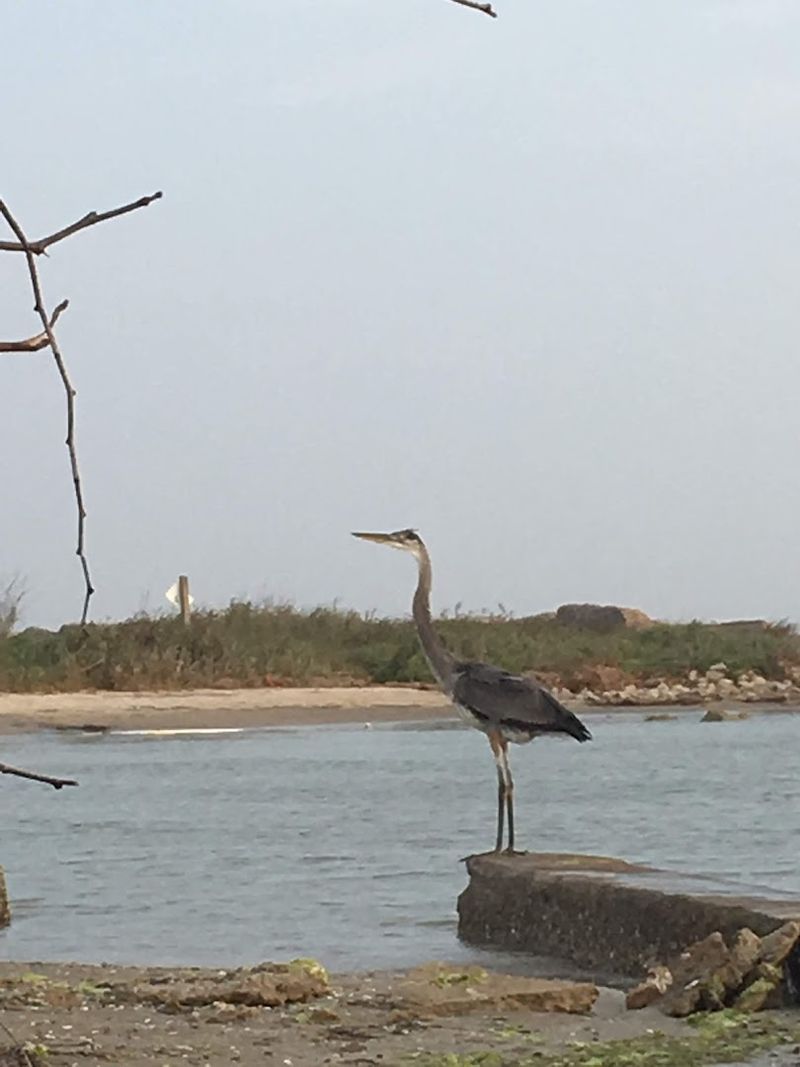
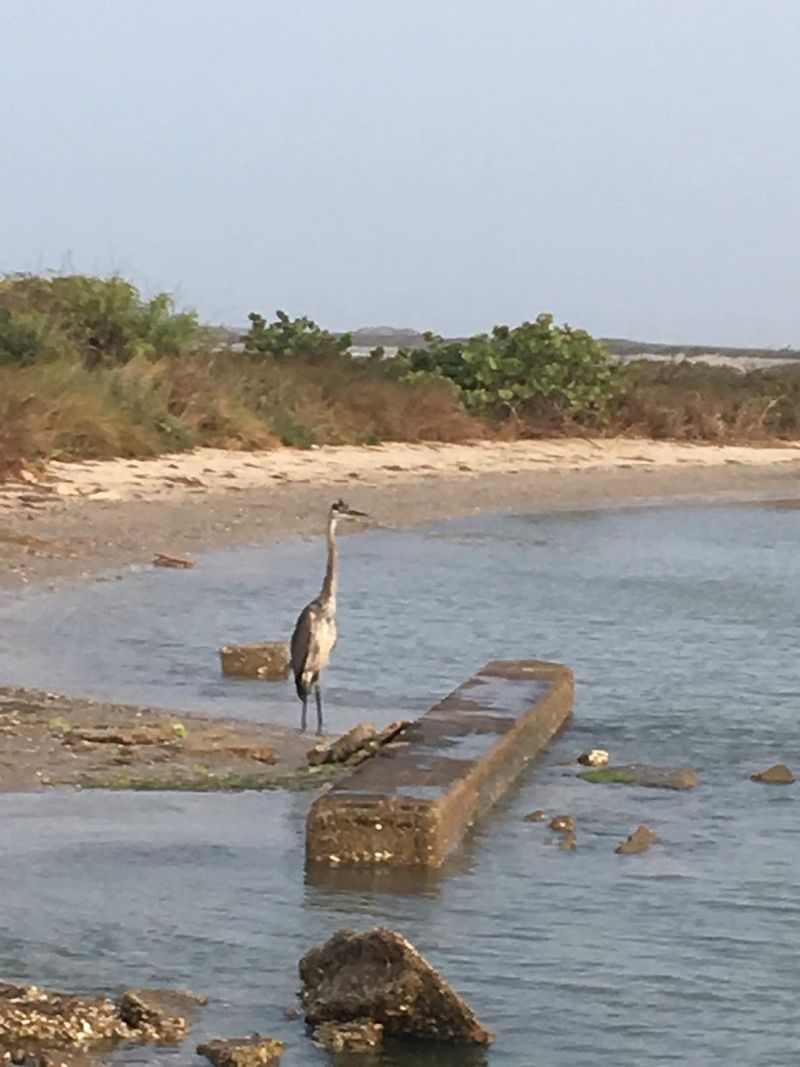
More experienced paddlers can explore the winding tidal channels that cut through the seagrass, finding quiet corners where herons stand perfectly still and mullet jump in silver arcs.
Early morning is the sweet spot for paddling, before the afternoon wind picks up and the surface gets choppy. The light at that hour hits the water at a low angle, turning the whole lagoon into something that looks almost too beautiful to be real.
Families with kids as young as six or seven regularly enjoy tandem kayak trips together.
The Seagrass Beds: The Hidden Engine of the Lagoon
Beneath the surface of Laguna Madre lies one of the most important and least celebrated ecosystems in the entire Gulf Coast region. The lagoon contains the largest continuous seagrass meadow in the United States, covering hundreds of thousands of acres of the lagoon floor with dense, waving grass beds.
Seagrass might not sound glamorous, but these underwater meadows are the foundation that holds the entire food chain together. Young fish and shrimp hide and feed among the grass blades.
Turtles graze on the vegetation. The grass also stabilizes the sediment, keeps the water clear, and absorbs enormous amounts of carbon dioxide from the atmosphere.
Scientists from universities across Texas and even from institutions as far away as Oklahoma study these seagrass beds regularly because they are considered one of the healthiest and most extensive examples of this habitat in North America. For visitors, the seagrass is most visible from a kayak or shallow-draft boat on a sunny day, when the green meadows seem to glow softly beneath the water’s surface like a living carpet.
Padre Island National Seashore: The Perfect Companion Destination
Right next door to Laguna Madre sits one of the most underrated national parks in the country. Padre Island National Seashore protects 70 miles of undeveloped barrier island coastline, making it the longest stretch of undeveloped barrier island in the world, and it forms the physical boundary between the lagoon and the open Gulf of Mexico.
A day at the national seashore can run in two very different directions. The Gulf side offers big waves, wide sandy beaches, and serious shelling opportunities.
The lagoon side offers calm water, seabirds, and that distinctive shallow-water peace that Laguna Madre is known for. Families often spend the morning on the lagoon side and the afternoon on the Gulf beach, getting two completely different coastal experiences in a single day.
The park also runs a Kemp’s ridley sea turtle hatchery program, releasing hundreds of endangered hatchlings each summer in a public event that families absolutely love. Campsites along the beach let visitors extend a day trip into an overnight adventure, and the dark skies over the island at night produce a stargazing experience that rivals anything you will find in rural Oklahoma or the Texas Hill Country.
Birdwatching Along the Shore: A World-Class Experience
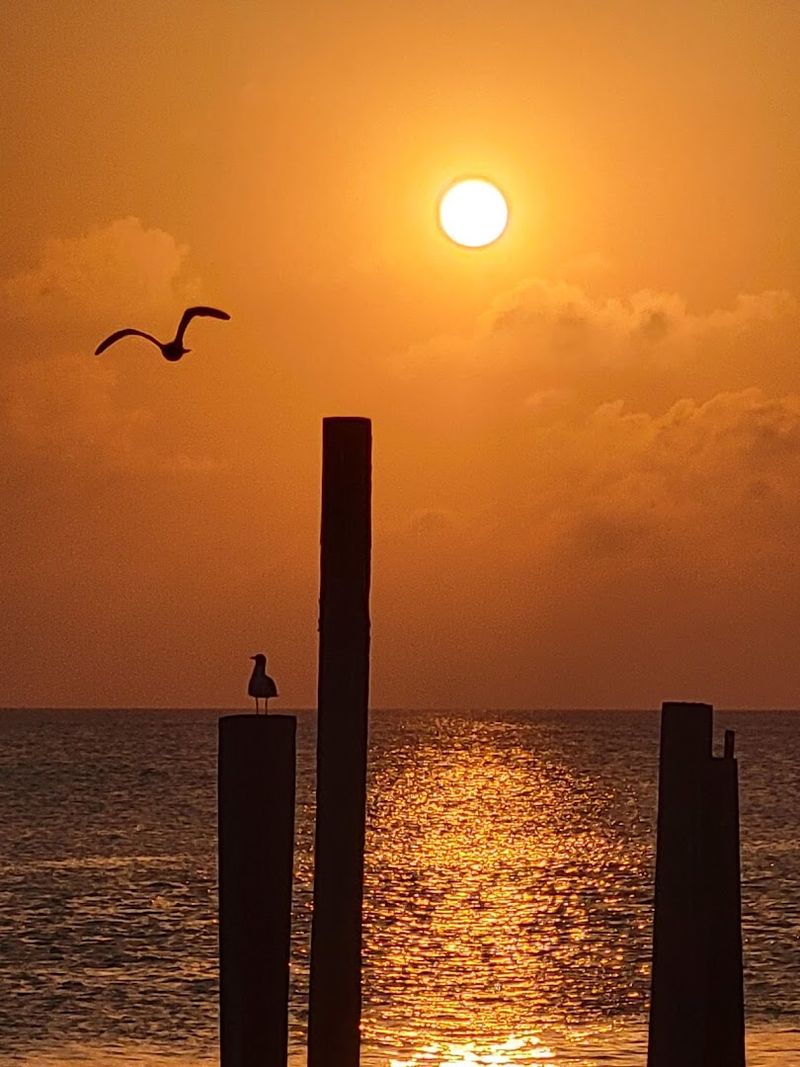
Birding at Laguna Madre is not a casual hobby activity. It is a full-on event that draws dedicated birders from across the United States, Mexico, Canada, and even Europe.
The lagoon’s position along the Central Flyway and its rich food supply make it a critical stop for hundreds of species throughout the year.
Winter months bring the whooping cranes, and their arrival is practically a local celebration. These birds stand nearly five feet tall and have a wingspan that can reach eight feet, making them impossible to miss even from a distance.
The Aransas National Wildlife Refuge, located on the northern end of the lagoon system, is the primary wintering ground for the only naturally migrating whooping crane flock in the world.
Spring migration turns the shores into a blur of warblers, shorebirds, and raptors moving through in waves. Roseate spoonbills nest in the area and are visible much of the year.
Even casual visitors who have never held a pair of binoculars tend to find themselves rooted to the spot, staring at birds they have never seen before, quietly wishing they had packed a field guide.
Best Times to Visit and What to Expect Each Season
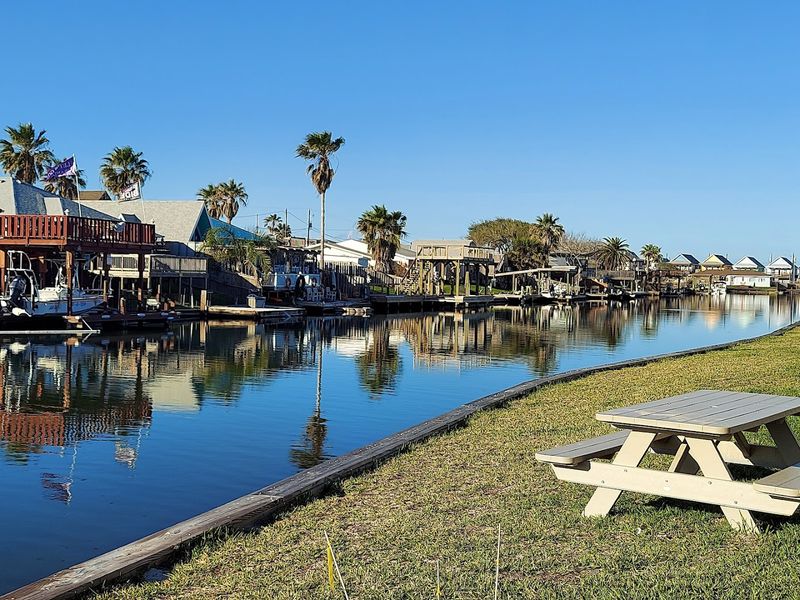
Laguna Madre is genuinely a year-round destination, but each season offers a noticeably different experience. Knowing what to expect before you go makes the difference between a good trip and a truly great one.
Fall and winter are the prime seasons for birdwatching, especially if seeing whooping cranes is on your bucket list. Temperatures are mild and comfortable, usually sitting in the 60s and 70s Fahrenheit, which makes outdoor activities pleasant without the brutal heat of midsummer.
Fishing also tends to be excellent in the cooler months, as redfish and trout are more active in the shallower water.
Spring brings migration season, which is nothing short of spectacular for anyone who enjoys watching nature in motion. Summer is the hottest and busiest period, with families from Texas, Oklahoma, and beyond flooding the area during school breaks.
If you visit in summer, early morning is your best friend. The heat becomes intense by midday, so arriving at sunrise, spending the morning on the water, and retreating to a shaded lunch spot by noon is the smartest strategy for a comfortable day.
Eating Near the Lagoon: Local Flavor Worth the Trip Alone
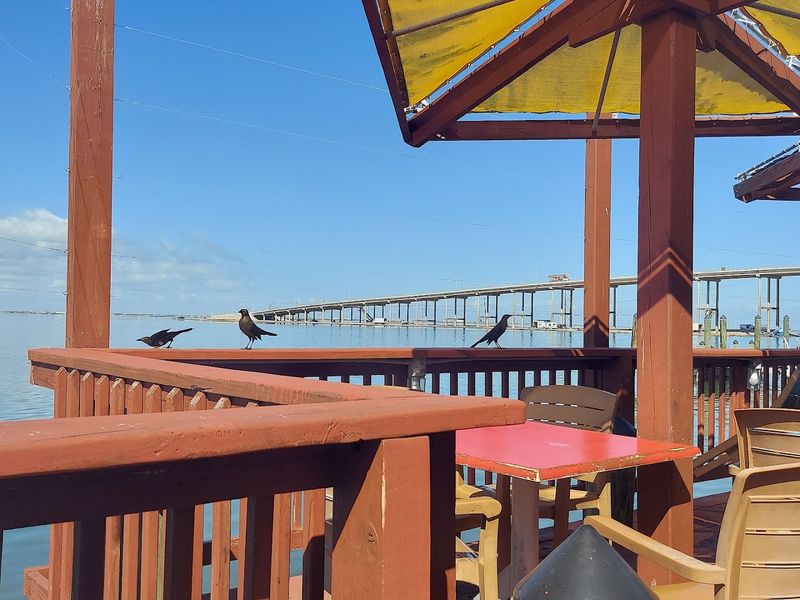
A day on the water works up a serious appetite, and the good news is that the restaurants near Laguna Madre deliver on the promise of fresh, satisfying coastal food. The Corpus Christi area and the communities along the lagoon’s edge have a strong tradition of no-fuss seafood done right.
Snoopy’s Pier, a local favorite near the lagoon, has earned a devoted following for its relaxed atmosphere and solid seafood plates. The place is dog-friendly, which immediately wins points with families traveling with their four-legged members.
Fish tacos arrive with fresh-caught flavor, and the fried shrimp baskets are the kind of thing you think about on the drive home.
Beyond Snoopy’s, the broader Corpus Christi area offers everything from casual waterfront spots to sit-down seafood restaurants with views of the water. Local ceviche, grilled redfish, and Gulf shrimp show up on menus throughout the region, and nearly everything tastes better with the salt air coming through an open window.
Families visiting from Oklahoma often say that the food alone justifies the road trip down to the Texas coast.
Practical Tips for Planning Your Family Day Trip
A little planning goes a long way when visiting a place as expansive as Laguna Madre. The lagoon covers a lot of ground, and without a rough itinerary, it is easy to spend half the day just figuring out where to go first.
Sun protection is non-negotiable. The South Texas sun reflects off the shallow water with impressive intensity, and the combination of water glare and open sky means you will burn faster than you expect.
Pack reef-safe sunscreen, wide-brimmed hats, and light long-sleeve shirts for everyone in the group, including the kids.
Bring plenty of water, more than you think you need. Insect repellent is useful in the warmer months, especially near marshy edges of the lagoon.
A pair of binoculars dramatically improves the birdwatching experience and costs nothing extra once you own a pair. If you plan to fish, a Texas fishing license is required for anyone 17 and older, and you can purchase one online before you leave home.
Families driving down from Oklahoma or other states should plan for a full day rather than a half day, because the lagoon has a way of making time disappear.
Why This Lagoon Deserves a Spot on Every Texas Bucket List
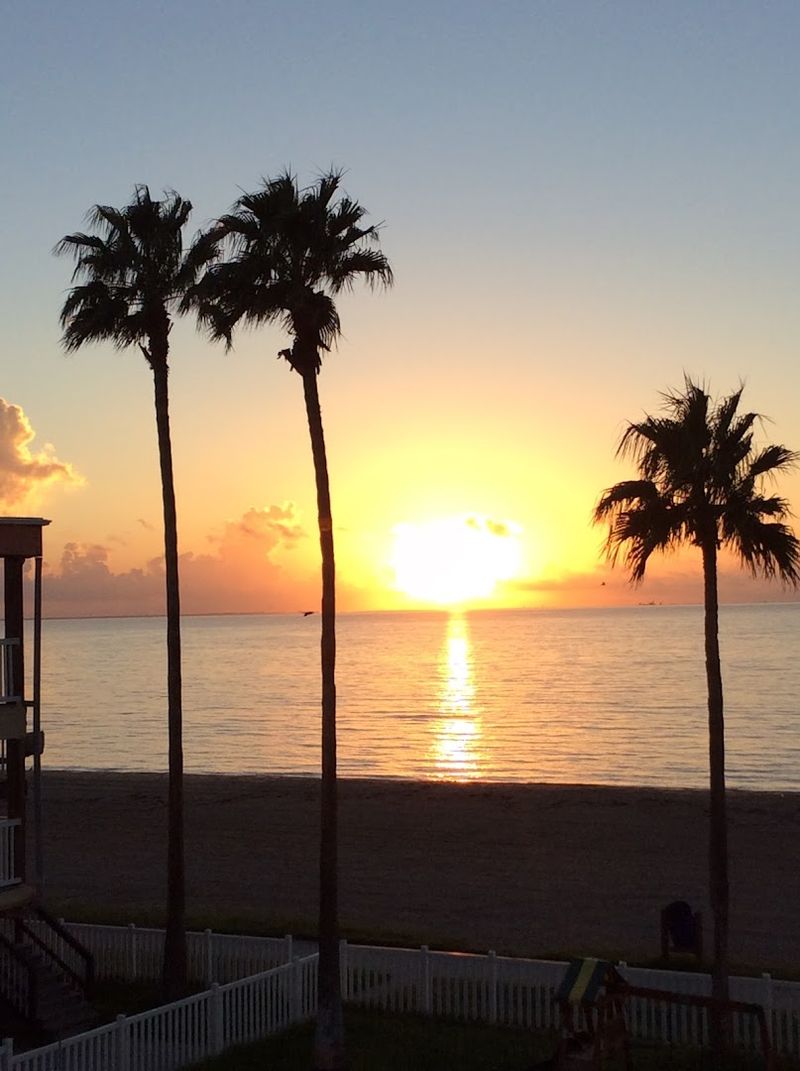
Some places earn their reputation through marketing. Laguna Madre earned its reputation through sheer ecological force and a landscape that does not need any embellishment to impress.
The largest lagoon in the United States sits right here in Texas, and most of the country still has no idea it exists.
The combination of rare wildlife, world-class fishing, calm paddling water, and accessible beaches creates a destination that works for almost every type of traveler. Birders, anglers, kayakers, beachcombers, and families looking for a low-key adventure all find something here that feels tailored to exactly what they were looking for.
Road-trippers from Oklahoma making their way down to the Texas coast often list Laguna Madre as the unexpected highlight of the whole journey, the place that surprised them most. That reaction makes sense, because the lagoon’s scale and beauty are the kind of thing that only fully registers when you are standing at the edge of it, watching a roseate spoonbill land in the shallows twenty feet away, and realizing that this remarkable stretch of Texas water has been here all along, quietly waiting for you to show up.



