 Unearth The Voyage
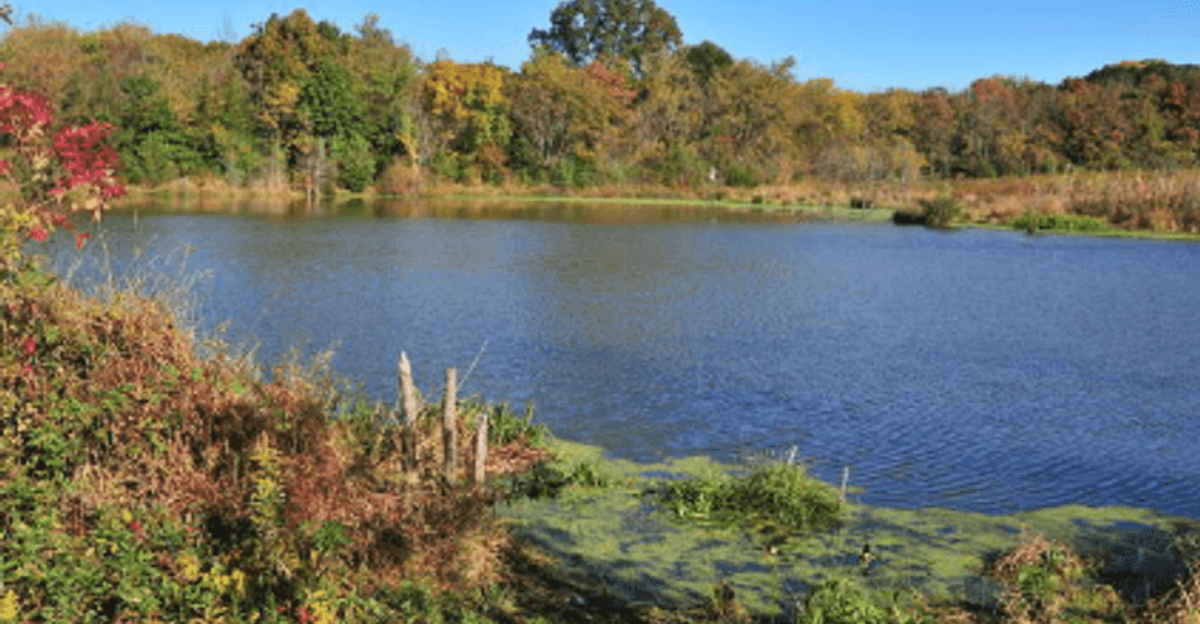
New Jersey does not always get credit for its wild spaces, but tucked into the heart of the Pine Barrens sits a place that changes that story fast. Spanning roughly 13,000 acres of forests, swamps, open fields, and lakes, this wildlife management area in Ocean County is one of the largest and most varied natural areas in the state.
It draws hikers, anglers, hunters, photographers, and families who just want to get outside without fighting a crowd. The landscape shifts quietly from dense pinelands to open water, and every visit tends to turn up something unexpected.
Whether it is a great blue heron standing at the edge of a pond or a dirt road that leads to a tucked-away dam at golden hour, the surprises here are the quiet kind, and they tend to stick with you long after you have driven home.
Where Exactly This Place Sits
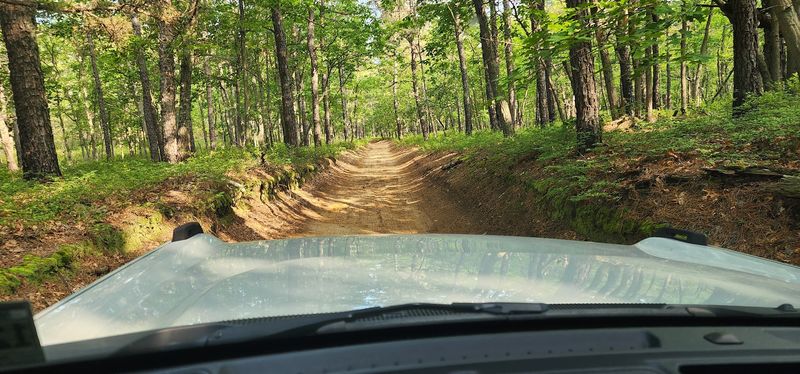
Colliers Mills Wildlife Management Area is located at 401 Hawkin Rd, New Egypt, NJ 08533, in Ocean County, right on the edge of the New Jersey Pine Barrens. It falls under the management of the New Jersey Division of Fish and Wildlife, which is part of the NJ Department of Environmental Protection.
The area sits in central New Jersey, roughly equidistant from the shore towns to the east and the suburbs of Trenton to the west. Getting there involves turning off paved roads onto dirt and sand lanes fairly quickly, which sets the tone for what lies ahead.
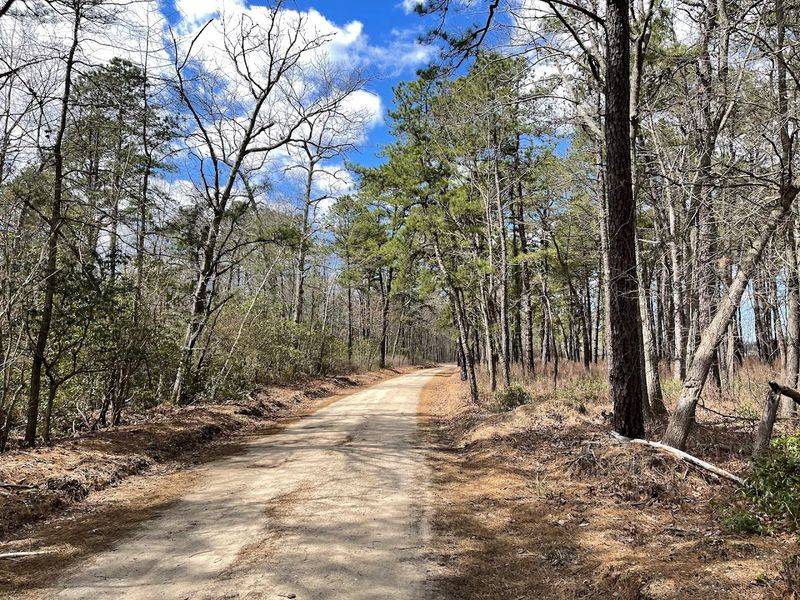
Most of the roads inside the property are unpaved, and some sections can get soft or swampy after heavy rain. A vehicle with decent ground clearance is helpful, though not always required.
The entry point on Hawkin Road is the main gateway into this sprawling natural area.
The Sheer Scale of the Land
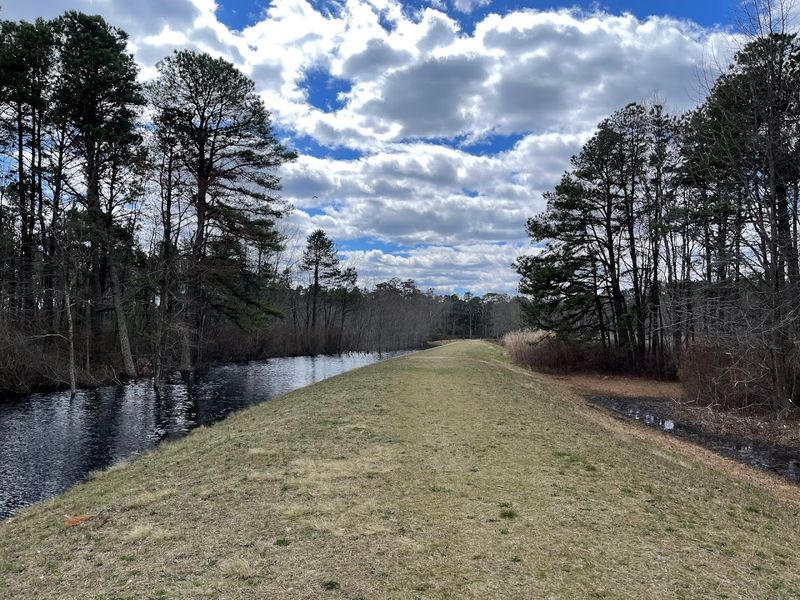
Thirteen thousand acres is a number that is easy to say and hard to fully grasp until you are actually driving through it. Colliers Mills stretches across a patchwork of habitats that includes upland pine and oak forest, cedar swamps, freshwater wetlands, sandy open fields, and several lakes.
That variety is part of what makes the area so appealing to such a wide range of outdoor enthusiasts. A hiker following a trail through dry pinelands can suddenly find themselves at the edge of a quiet lake with no other person in sight.
The property is so large that it absorbs visitors easily, which means crowding is rarely an issue even on weekends. Families, solo walkers, anglers, and wildlife watchers all tend to find their own corner of the land without much overlap.
The scale of the place is genuinely one of its most underrated qualities.
Fishing the Lakes and Ponds
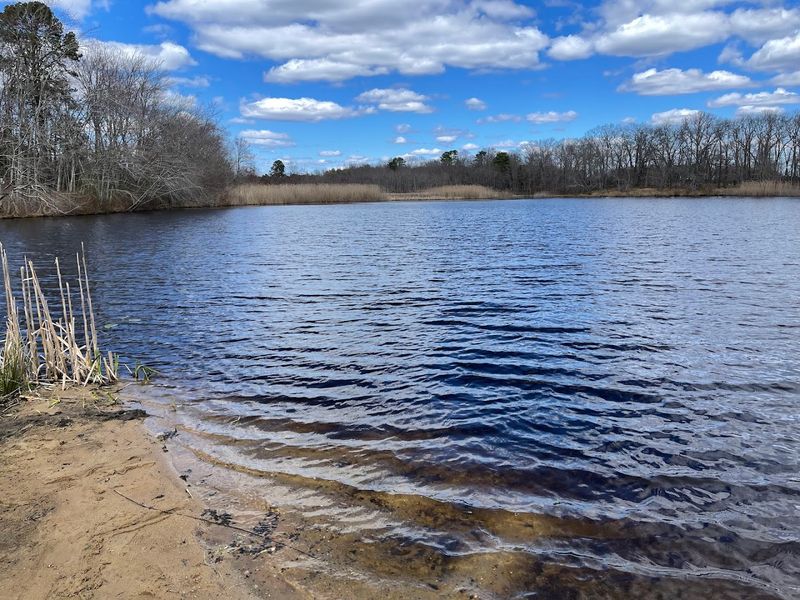
The fishing at Colliers Mills has built a loyal following over the decades, and for good reason. The area contains several lakes and ponds, with Turnmill Pond being one of the most frequently visited.
Pickerel and pike are the species most associated with these waters, and both put up a real fight on light tackle.
Bank fishing is accessible at multiple spots around the property, and the calm, tannin-stained water typical of Pine Barrens lakes gives the whole experience a distinct character. Minnows used with a bobber are a go-to setup for targeting pickerel along the weedy edges of the lakes.
Some anglers have been coming to these same waters for forty or more years, which says something about the consistency of the fishing here. There are no boat launch facilities with docks, so canoes and small non-motorized craft work best for reaching the middle of the larger water bodies.
Trails Worth Lacing Up For
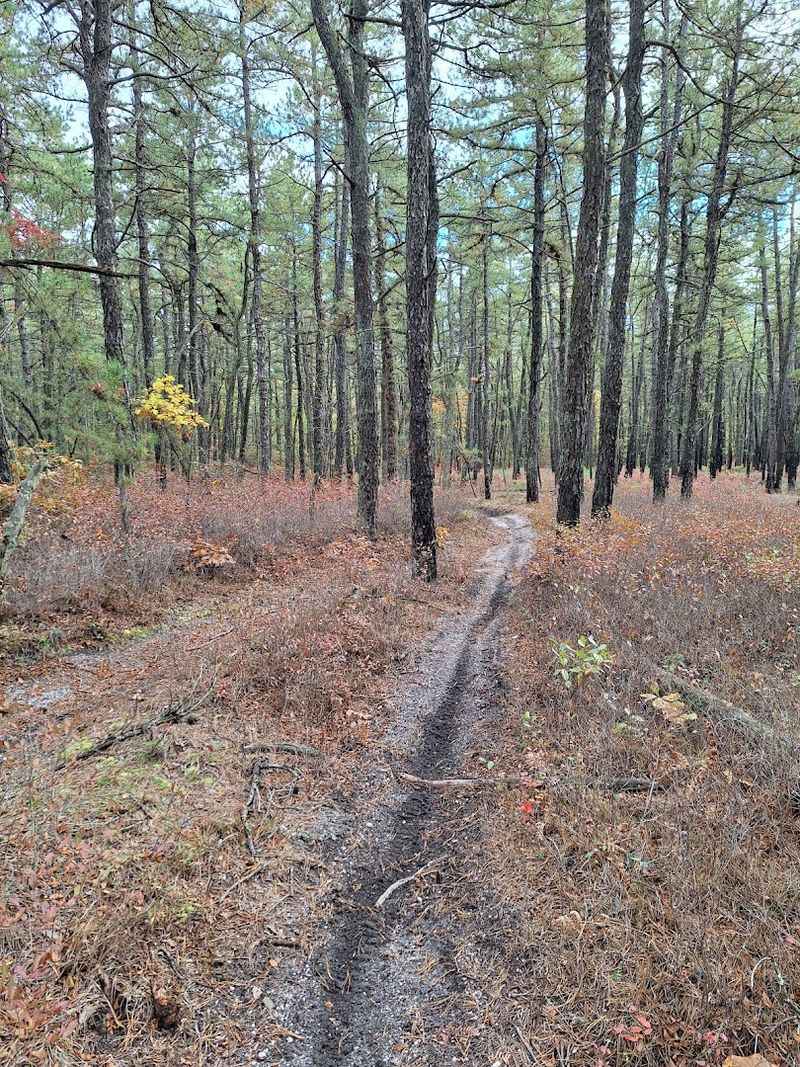
The trail network at Colliers Mills covers a range of distances and terrain types, making it accessible for casual walkers and more serious hikers alike. One of the highlights is a loop segment of the New Jersey State Long Trail that passes through the property, with a particularly rewarding stretch running alongside Turnmill Pond.
The terrain is mostly flat, as is typical of the Pine Barrens, but the variety of surroundings keeps the walk interesting. Dense stands of pitch pine and scrub oak give way to open sandy clearings, and wetland edges appear without much warning along some routes.
Dogs are welcome on the trails, and the wide, open character of many paths makes it easy to let them roam a bit. The trails are not heavily marked, so bringing a basic map or having a downloaded offline version on a phone is a smart move before heading out for a longer loop.
What the Wildlife Scene Actually Looks Like
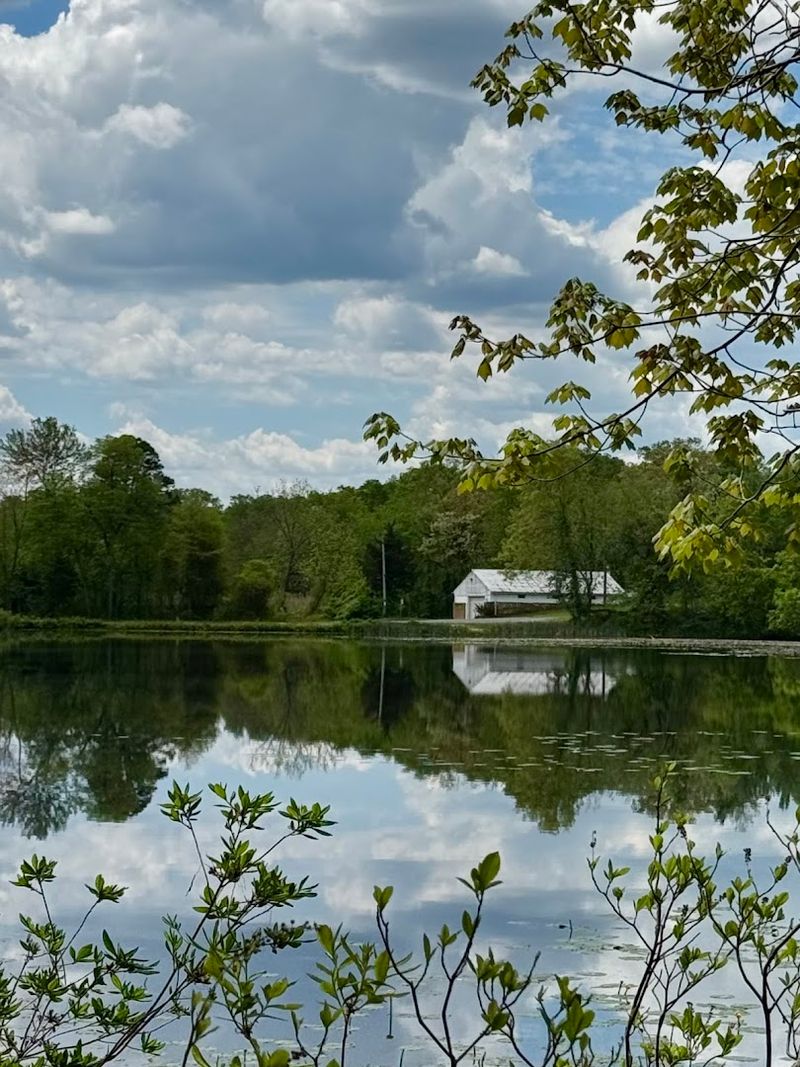
The name says wildlife management area, and the wildlife part is not exaggerated. The combination of forest, wetland, open field, and open water creates ideal conditions for a wide range of species.
Birds are especially abundant, with waterfowl, raptors, and shorebirds all making regular appearances depending on the season.
White-tailed deer are common throughout the property, and the open fields in the area provide good opportunities to spot them at dawn or dusk. Reptiles, amphibians, and smaller mammals round out the resident population, and the Pine Barrens ecosystem supports several species that are rare elsewhere in the state.
Wildlife observation does not require any special equipment or expertise here. Simply parking near one of the lakes and sitting quietly for a while tends to produce results.
The area rewards patience, and the lack of heavy foot traffic in the more remote sections means animals are not particularly spooked by calm, quiet observers.
Hunting Across the Seasons
Hunting has been a core activity at Colliers Mills for generations, and the area is managed with that tradition in mind. White-tailed deer, wild turkey, pheasant, waterfowl, and small game are all pursued here across different seasons, and the diverse habitat provides legitimate opportunities for each.
The property is popular enough that opening day of pheasant season tends to draw a crowd, and experienced hunters suggest timing visits to avoid those peak days if a quieter experience is the goal. Archery hunters also use the area during the bow season, taking advantage of the dense forest cover.
Non-hunters sharing the trails during active hunting seasons should wear blaze orange as a standard precaution, and being aware of the hunting calendar before a visit is a practical step. The NJ Division of Fish and Wildlife publishes season dates on its website, which is the reliable source for current regulations and any access changes.
The Public Shooting Range on Site
Colliers Mills includes a public archery and firearm range that adds another dimension to the property. The range accommodates .22 caliber rifles, muzzleloaders, and shotguns, making it a practical resource for hunters who want to practice before a season opens or for sport shooters looking for a free, accessible option.
The range is managed by the state and is generally well-regarded, though it is worth checking ahead for any closures or scheduled maintenance before making the trip specifically for that purpose. Past visitors have arrived to find the range closed without much posted notice, so a quick call or check of the NJDEP website saves the frustration of a wasted drive.
Hikers and photographers using the trails near the range should be aware that the sound of shooting carries across the property. It is not constant, but it is noticeable.
Planning a trail route that stays further from the range area is a reasonable option for those who prefer a quieter walk.
Bringing the Family Along
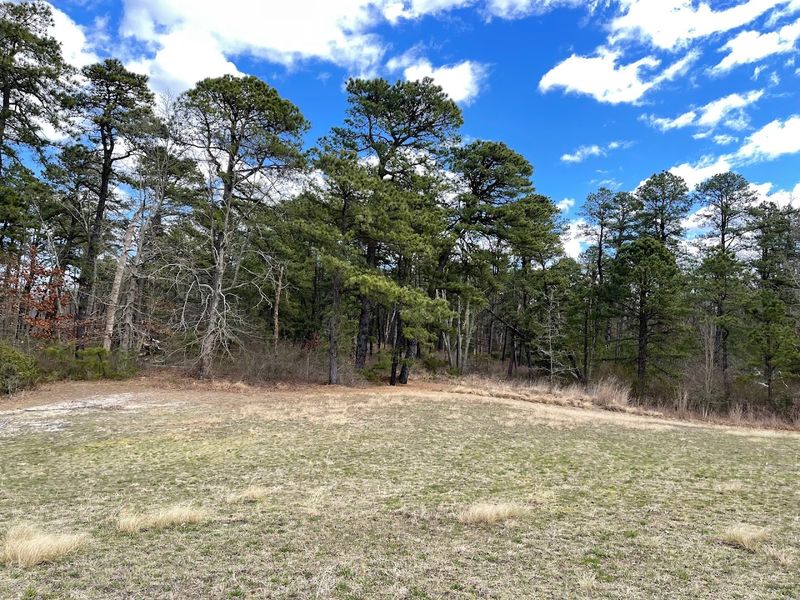
Colliers Mills works well as a family outing, particularly for parents who want to introduce kids to the outdoors without the structure of a formal park. The open fields, sandy shores near the lakes, and wide dirt roads give children room to move around freely and explore at their own pace.
Young kids enjoy the sand near the water areas, and the flat terrain makes walking with toddlers manageable. Families sometimes pack a simple meal and settle near one of the lakes, turning the outing into a low-key picnic with the surrounding landscape as the backdrop.
There are no restroom facilities anywhere on the property, which is standard for a wildlife management area of this type. Planning accordingly, especially with young children, is simply part of the preparation.
The multiple parking areas scattered across the property make it easy to access different sections without a long walk from the car, which helps when little legs are involved.
Photography Opportunities Around Every Bend
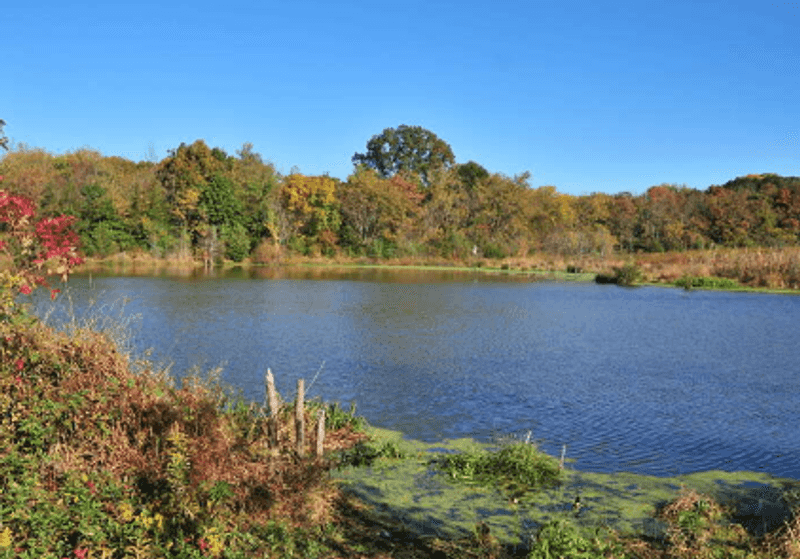
The visual variety packed into 13,000 acres gives photographers a lot to work with. The tannin-stained, dark water of the Pine Barrens lakes creates a striking contrast against the sandy soil and pale-barked birch trees that line the shores.
Early morning light hitting the still surface of Turnmill Pond is a particularly strong subject.
Wildlife photography is productive here, especially in the quieter sections of the property where animals are less disturbed by human activity. Birds in flight over the open water, deer at the edge of a clearing, and turtles basking on logs are all recurring subjects for anyone willing to move slowly and wait.
The unpaved roads and open fields also make for compelling landscape shots, especially in autumn when the colors shift across the mixed forest. The lack of crowds means a photographer can set up and work a scene without interruption, which is a practical advantage over more heavily visited natural areas in the region.
Practical Tips Before Your First Visit
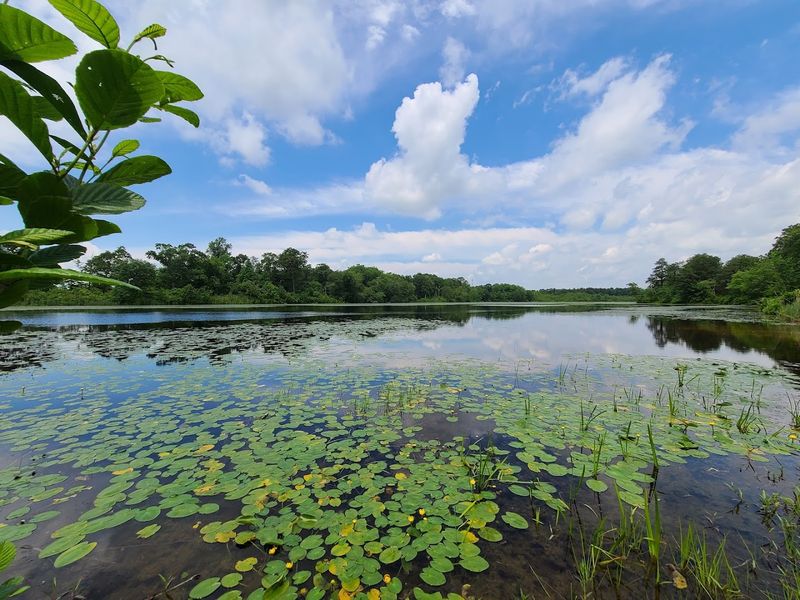
A few practical details make a real difference at Colliers Mills. The roads inside the property are mostly dirt and sand, and some sections of High Bridge Road can become soft and wet after sustained rainfall.
A vehicle with reasonable ground clearance handles the terrain without issues, but standard passenger cars can manage the main roads during dry conditions.
There are no restroom facilities anywhere on the property, so planning ahead is necessary. Multiple parking areas are spread across the land, which makes it easy to access different zones without committing to a single entry point.
The main entrance is off Hawkin Road, and the first stretch is the only paved section.
Cell service can be spotty in parts of the property, so downloading an offline map before arriving is a useful step. The NJDEP website at dep.nj.gov/njfw provides current information on season dates, range closures, and any access restrictions, and checking it before a visit prevents unnecessary surprises on arrival.



