A newly opened trail system in Cheboygan County is already becoming a favorite among northern Michigan hikers and mountain bikers. Set between two popular lakes, the trails wind through oak and beech forests, rolling terrain, and scenic overlooks that make the area feel far more remote than it actually is.
What makes the project stand out is the effort behind it. A local family, regional land conservancy, and more than 130 donors helped transform nearly 150 acres into a public outdoor space designed for both recreation and conservation.
Since officially opening in April 2024, the trail system has quickly earned praise for its well-built routes, natural scenery, and mix of features that appeal to beginners and experienced riders alike.
Where Exactly You Will Find This Trail System
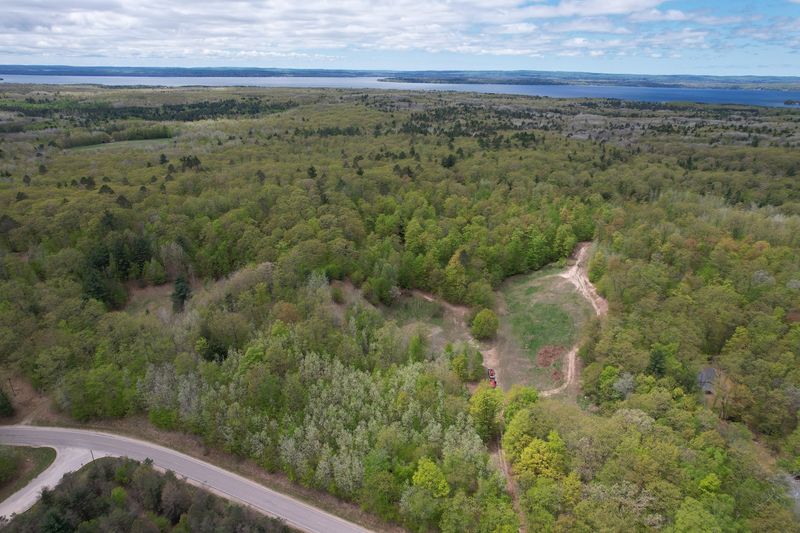
The address is straightforward: 3151 Bennett Rd, Cheboygan, MI 49721. The trails sit on a nearly 150-acre parcel north of Indian River, nestled between Burt Lake and Mullet Lake near the small village of Topinabee in Cheboygan County, Michigan.
The location itself is part of the appeal. You are not fighting city traffic or crowded parking lots to get there.
The surrounding countryside is quintessential northern Michigan, with forested hills, clean air, and that particular stillness you only notice when you are far enough from the highway.
The Little Traverse Land Conservancy owns and manages the property, which means the land is protected and cared for with a long-term vision in mind. The trails are open 24 hours a day, every day of the week, so whether you want an early morning ride or a late afternoon hike, the option is always there waiting for you.
The Family and Community Story Behind the Trails
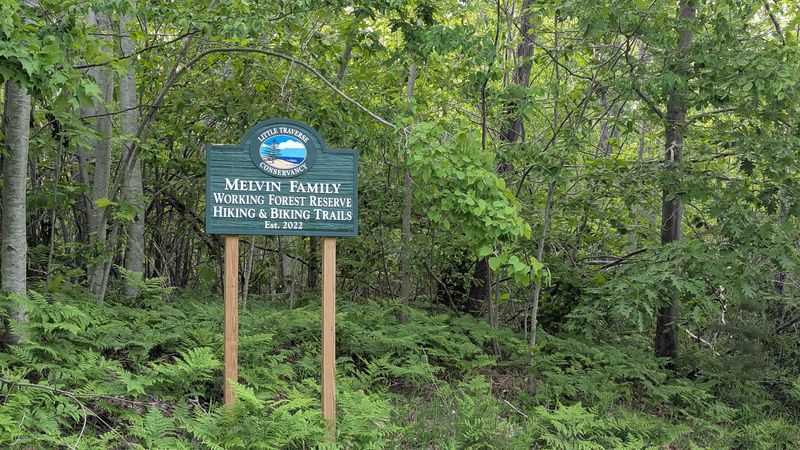
Not every trail system has a proper origin story, but this one does. The Melvin Family of Burt Lake spearheaded the entire project, bringing a personal passion for the outdoors into something that now benefits an entire region.
What happened next is genuinely impressive. More than 130 individual donors stepped up, and together the community raised over $400,000 to make the trails a reality.
That kind of grassroots support does not happen by accident; it happens when people believe in a project deeply enough to open their wallets and their hearts.
The Little Traverse Land Conservancy officially launched the trail system on April 26, 2024, marking the moment with a celebration that reflected years of planning, fundraising, and hard work. Knowing that the trails exist because of real people with real dedication to this land makes every step and every pedal stroke feel a little more meaningful than your average trail outing.
Why the Construction Quality Stands Out
The craftsmanship here is immediately noticeable. Rock Solid Contracting, LLC handled the construction, a company with a strong reputation for building high-quality trail systems across the region.
Their fingerprints are all over this place in the best possible way.
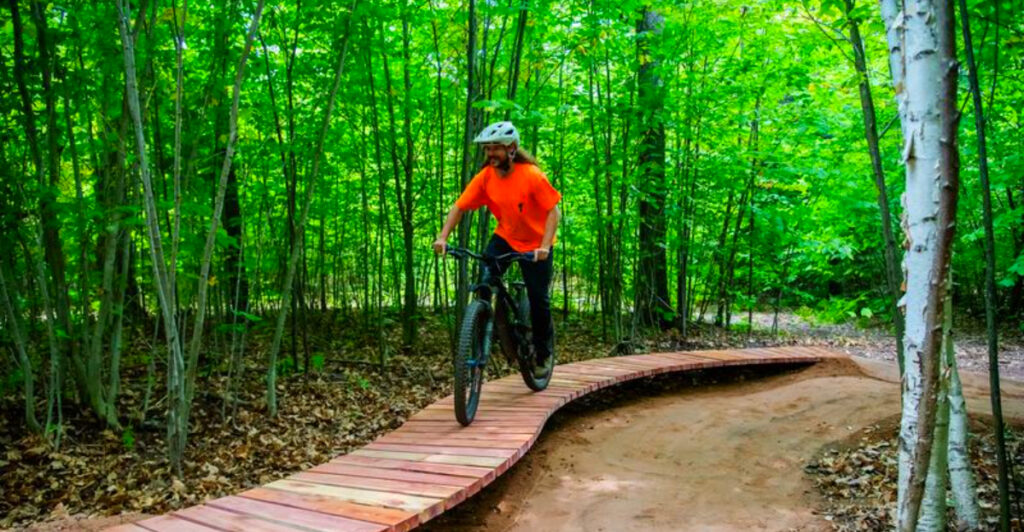
The mountain biking trails include gravity trails, sidewinder segments, skills features, rollers, and berms. These are not improvised paths worn down by foot traffic over the years; they are purpose-built features designed to challenge riders in a controlled and intentional way.
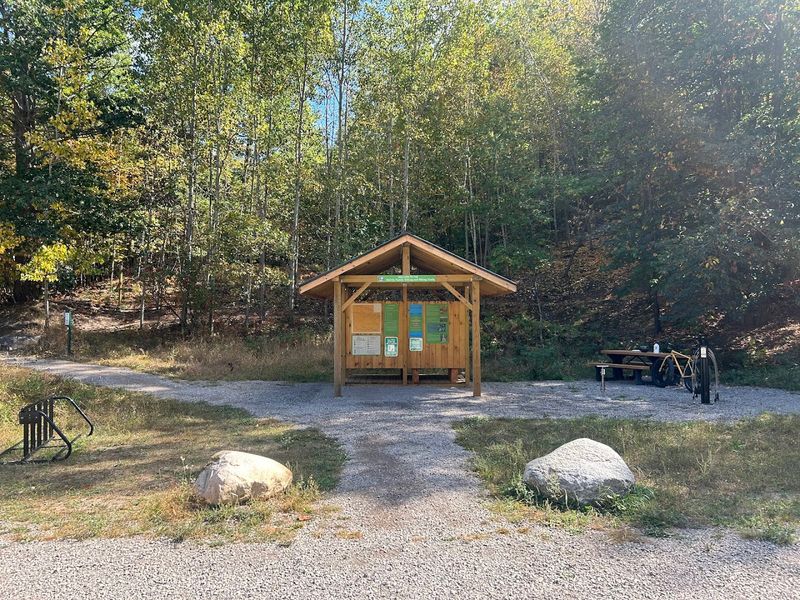
The result is a trail surface that feels smooth and predictable even when the terrain around it is doing something interesting. Trail markers and maps are posted throughout the system, which means you are unlikely to get turned around even on your first visit.
That combination of professional design and clear wayfinding is exactly what separates a great trail system from a frustrating one, and this one lands firmly in the great category.
How Many Miles Are Here and What the Trail Layout Looks Like
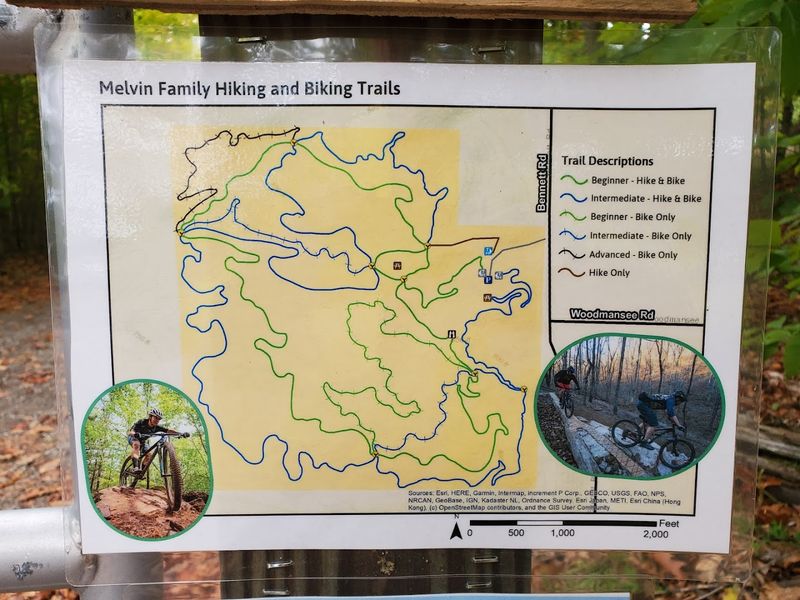
The numbers are solid for a trail system of this age. There are over 8 miles of trails in total, with approximately 7.4 miles dedicated to mountain biking and an additional 1.5 miles of designated hiking trails that follow old logging roads through the property.
The layout rewards repeat visits. Riders and hikers report that doing two loops gets you close to 6 miles, and the trail directions are set up so that you can mix and match routes to keep things fresh each time you go.
The one-way sections for bikes are clearly marked, and most of the rest of the system is open to both hikers and cyclists moving in either direction.
That kind of flexibility is rare and genuinely useful, especially for groups where some people want a casual walk and others want a longer, more technical ride. The trail network handles both without making either group feel like an afterthought.
What the Scenery Actually Looks Like Out There
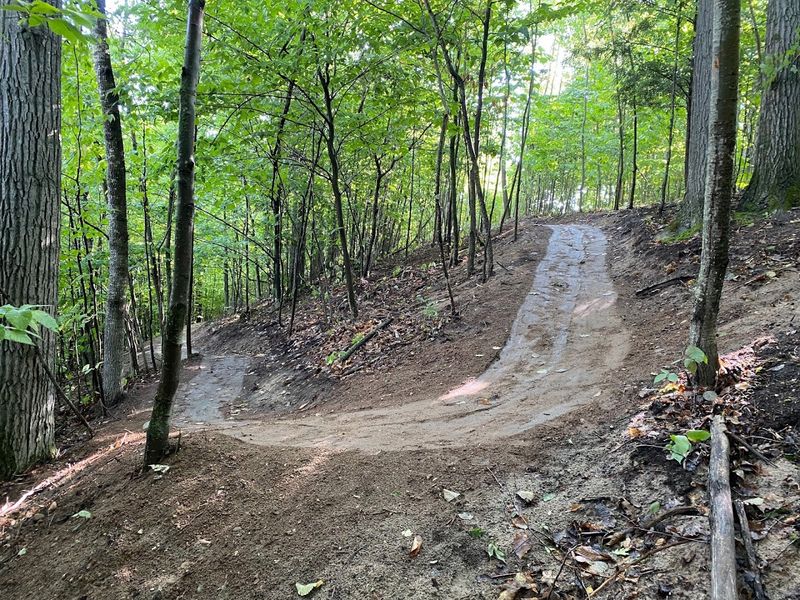
The landscape does a lot of the heavy lifting here. The trails wind through forested rolling terrain dominated by oak, beech, aspen, and regenerating red maple, and the canopy shifts enough that you get genuine variety in light and texture as you move through the property.
Mullet Lake is visible from certain points along the route, and those glimpses of open water framed by trees are the kind of views that make you slow down involuntarily. The hills between Burt Lake and Mullet Lake give the terrain its character, creating natural elevation changes that make the trails feel dynamic rather than flat and repetitive.
In autumn, the hardwood trees put on a show that northern Michigan is genuinely famous for, and the Melvin Family Trails are positioned perfectly to catch it. Even in other seasons, the forested setting has a quiet, unhurried quality that feels like a proper escape from whatever you left behind at the trailhead.
Skill Levels Welcome Here and What Each Rider or Hiker Can Expect
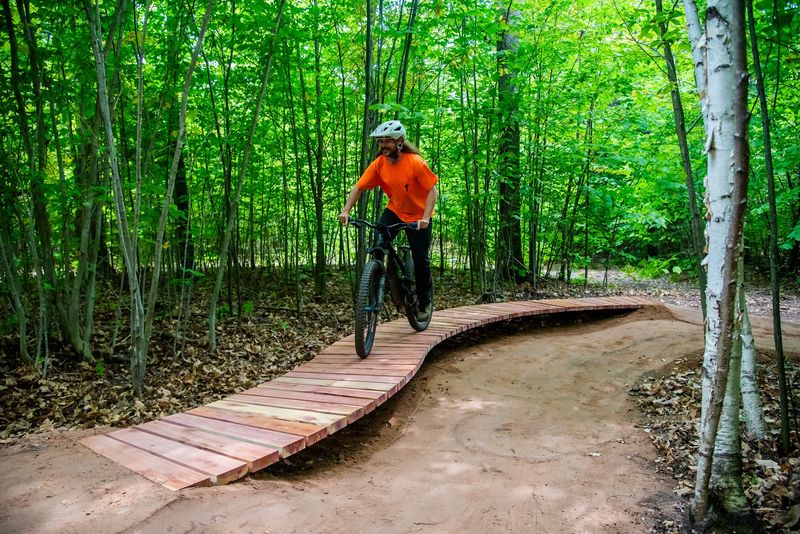
One of the most honest things you can say about this trail system is that it genuinely welcomes all skill levels rather than just claiming to. The beginner trails are smooth and manageable, while the more advanced sections introduce features that will test experienced riders without feeling reckless.
The trail signage includes hazard warnings at key points, so you always have a heads-up before something technical. That kind of transparency is helpful whether you are a seasoned mountain biker or someone who just bought a trail bike and wants to build confidence on real terrain.
Hikers get their own designated paths along old logging roads, which offer a quieter, more contemplative experience than the bike-heavy sections. Trail runners also use the system regularly, and the rolling terrain makes for a workout that is far more interesting than a flat road run.
There is enough variety here that your second visit will feel different from your first.
Year-Round Access and What Each Season Brings
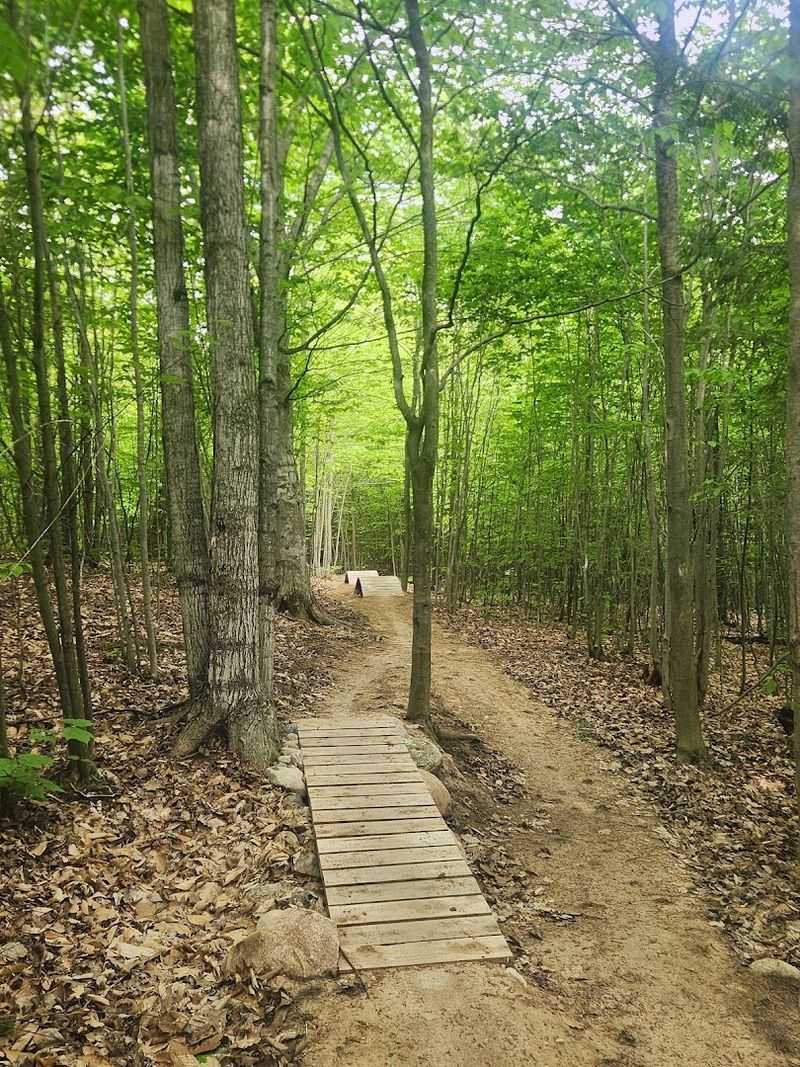
The trails are open year-round, which is a detail worth celebrating. Many trail systems in the Midwest close seasonally or become inaccessible in mud season, but the professional construction here means the surface holds up across different weather conditions better than a typical trail would.
Spring brings fresh green growth and cool temperatures that make long rides comfortable. Summer fills the canopy out completely and turns the forest into a shaded corridor that stays cooler than the surrounding open land.
Autumn is arguably the peak season, when the oak, beech, and aspen trees shift into their full color range and the views toward Mullet Lake become even more striking.
Winter riding is possible on packed snow, and the bare trees open up sightlines that are completely hidden during leafy months. Each season offers a genuinely different experience on the same trails, which is one of the better arguments for adding this place to your regular rotation rather than treating it as a one-time visit.
The E-Bike Policy and What It Tells You About How This Place Is Managed
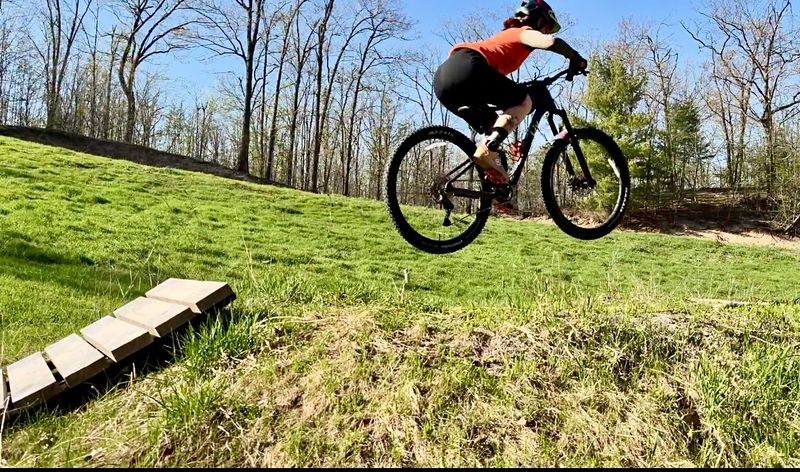
E-bikes are currently not permitted on the Melvin Family Trails, and the reasoning behind that decision is actually worth understanding. The Little Traverse Land Conservancy is actively collecting initial use data and monitoring trail durability before making any decisions about motorized assist bikes.
That measured, evidence-based approach says a lot about how this trail system is managed. Rather than making a blanket rule or rushing to accommodate every possible user group, the conservancy is taking the time to understand how the trails are holding up and what the data actually shows.
It is a patient, thoughtful stance that prioritizes long-term trail health over short-term convenience, and most regular trail users will recognize that as a sign of good stewardship. The policy may change as more information becomes available, so it is worth checking the Little Traverse Land Conservancy website at landtrust.org before your visit if e-bikes are relevant to your plans.
Bow Hunting Is Allowed Here and What That Means for Visitors
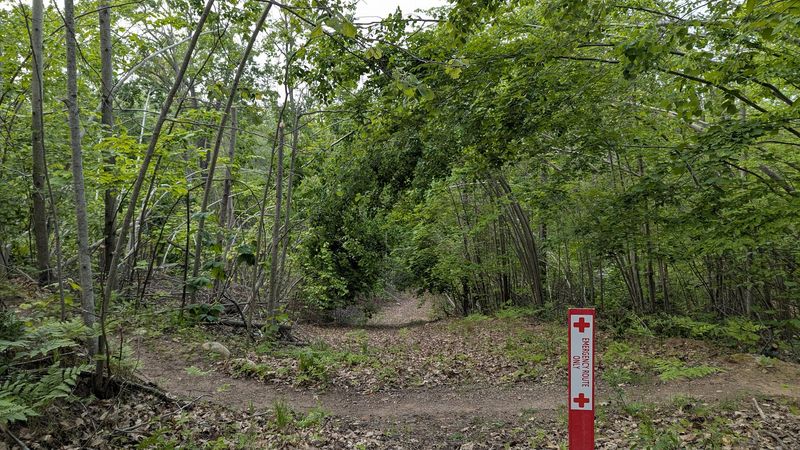
Bow hunting is permitted within the preserve, which is a practical detail that visitors should know before heading out, especially during deer season in the fall. It does not restrict hiking or biking access, but it is useful context for planning your visit.
Northern Michigan has a strong hunting culture, and the Little Traverse Land Conservancy’s decision to allow bow hunting on the property reflects a balanced approach to land use that respects multiple outdoor traditions. The trails and the hunting areas coexist on the nearly 150-acre parcel without significant conflict in practice.
If you are visiting during archery season and feel uncertain about sharing the woods with hunters, wearing bright colors is a simple and sensible precaution. Most trail users report no issues, and the property is large enough that the different activities tend to spread out naturally.
Checking the Michigan DNR website for current hunting season dates before a fall visit is always a smart move.
What First-Time Visitors Should Know Before Arriving
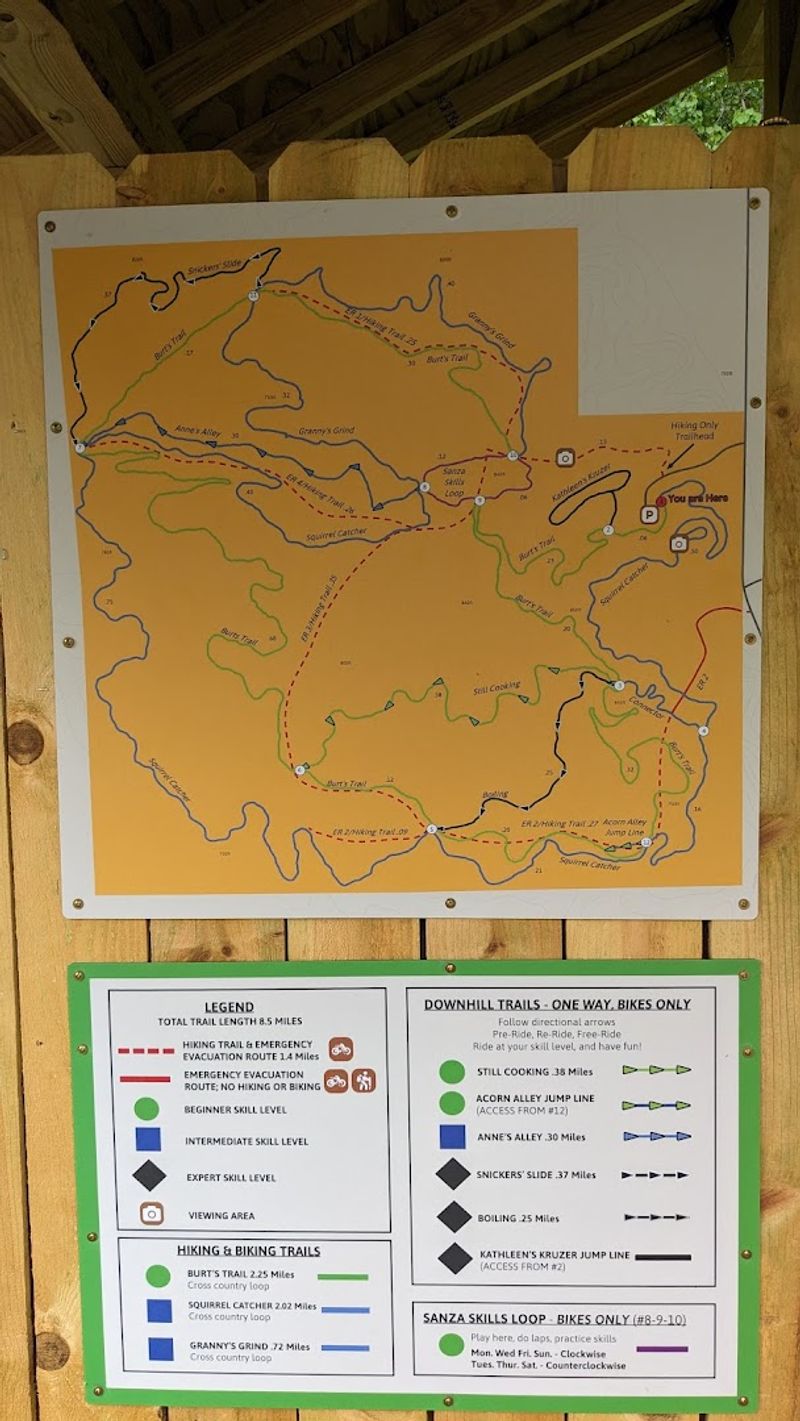
A few practical details will make your first visit go more smoothly. The trailhead is on Bennett Road, and trail maps are posted on-site, so you do not need to download anything in advance, though having a digital backup is never a bad idea in areas with spotty cell service.
The trails are open 24 hours a day, every day, but natural light is still your friend on technical terrain. Morning visits on weekdays tend to be quieter, and the light filtering through the canopy in the early hours has a quality that afternoon visits simply cannot match.
Bring water, especially on warm days, because the rolling terrain will work your legs more than a flat trail would. The hiking sections along the old logging roads are less clearly marked than the bike trails, so first-time hikers should pay close attention to the posted maps before heading in.
The bike trails, by contrast, are well-signed and easy to follow from the start.
Why This Trail System Matters for the Broader Region
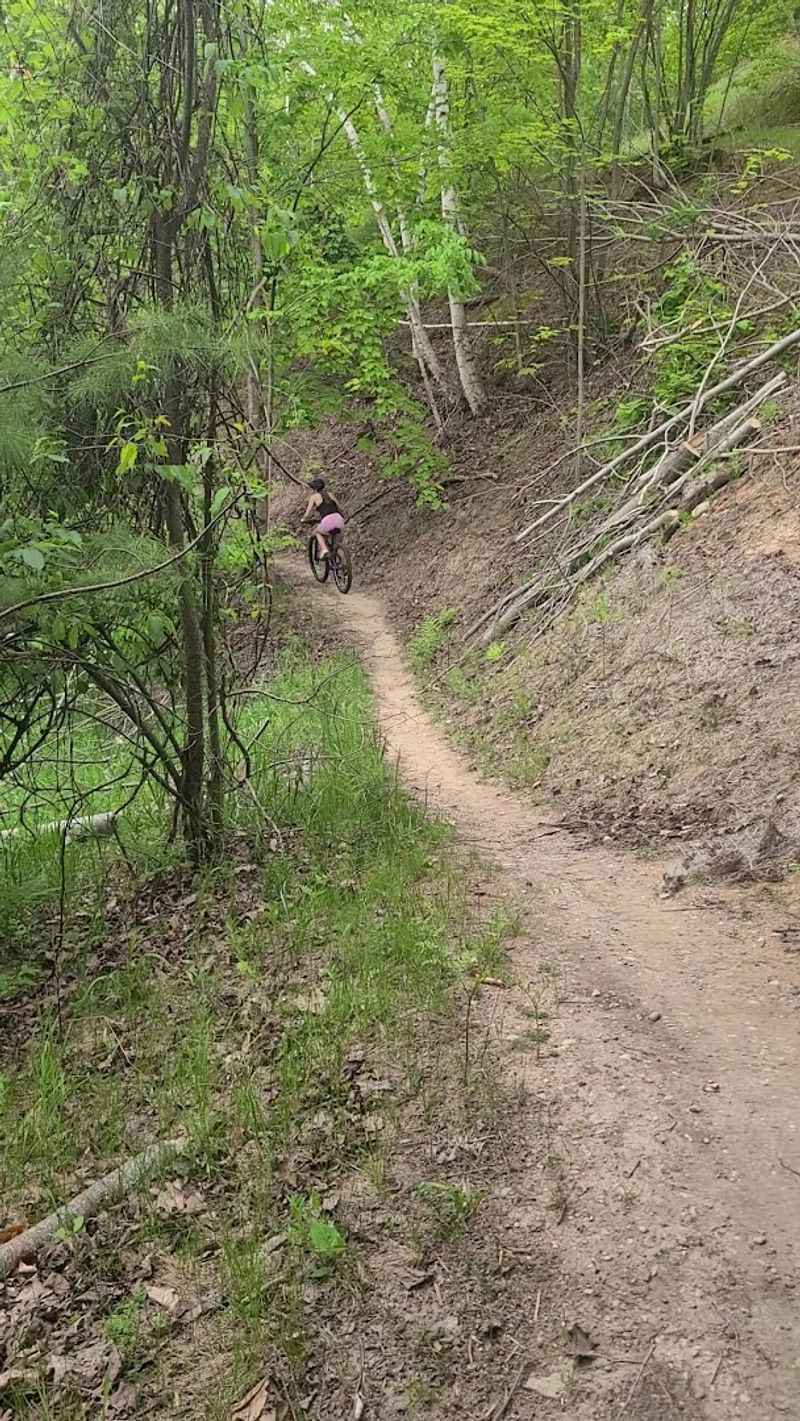
The Tip of the Mitt region in northern Michigan has no shortage of natural beauty, but dedicated mountain biking infrastructure has historically been harder to find than the scenery that surrounds it. The Melvin Family Trails fill a real gap in the local outdoor recreation landscape.
For the cycling community around Burt Lake and Mullet Lake, this trail system represents something that did not exist before April 2024: a professionally built, well-maintained, close-to-home option that does not require a long drive to a more established trail hub. That kind of local access changes how people relate to the outdoors in their own backyard.
Beyond cycling, the trails add value for hikers, trail runners, and anyone who simply wants to spend time in a protected natural area that will not be developed or degraded over time. The Little Traverse Land Conservancy’s ownership ensures that the land stays wild and accessible for generations ahead, which is perhaps the most important thing this trail system offers to the region.
Share this story