 Unearth The Voyage
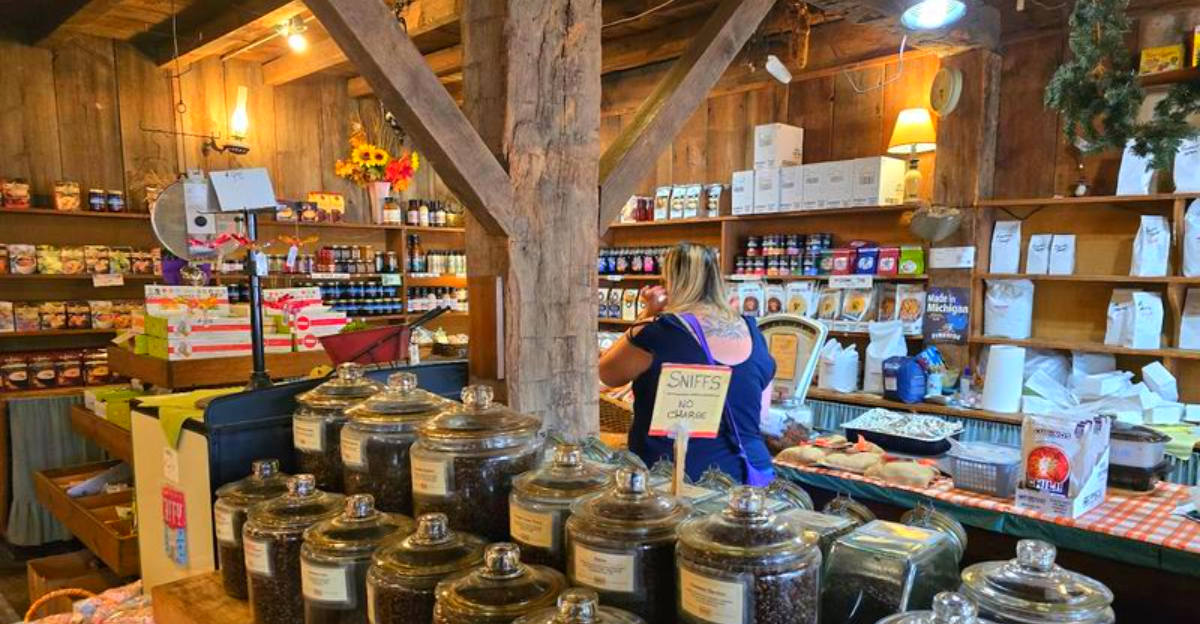
The first thing that caught me off guard here was not a table full of antiques or a pile of vintage tools – it was the strange, delightful feeling that I had wandered into a small Western movie set in the middle of Michigan. One minute you are expecting a typical flea market, and the next you are surrounded by porch fronts, country-style storefronts, sweet shops, baked treats, and enough oddball treasures to keep your eyes busy for hours.
I kept finding details that made the place feel bigger than a simple shopping stop, including family-run stores, seasonal bustle, and a mix of nostalgia and everyday fun that somehow works without trying too hard. Keep reading and I will show you what makes this market memorable, what to browse first, where the best little breaks happen, and why this roadside stop feels like its own tiny town.
A Wild West Surprise on Van Dyke
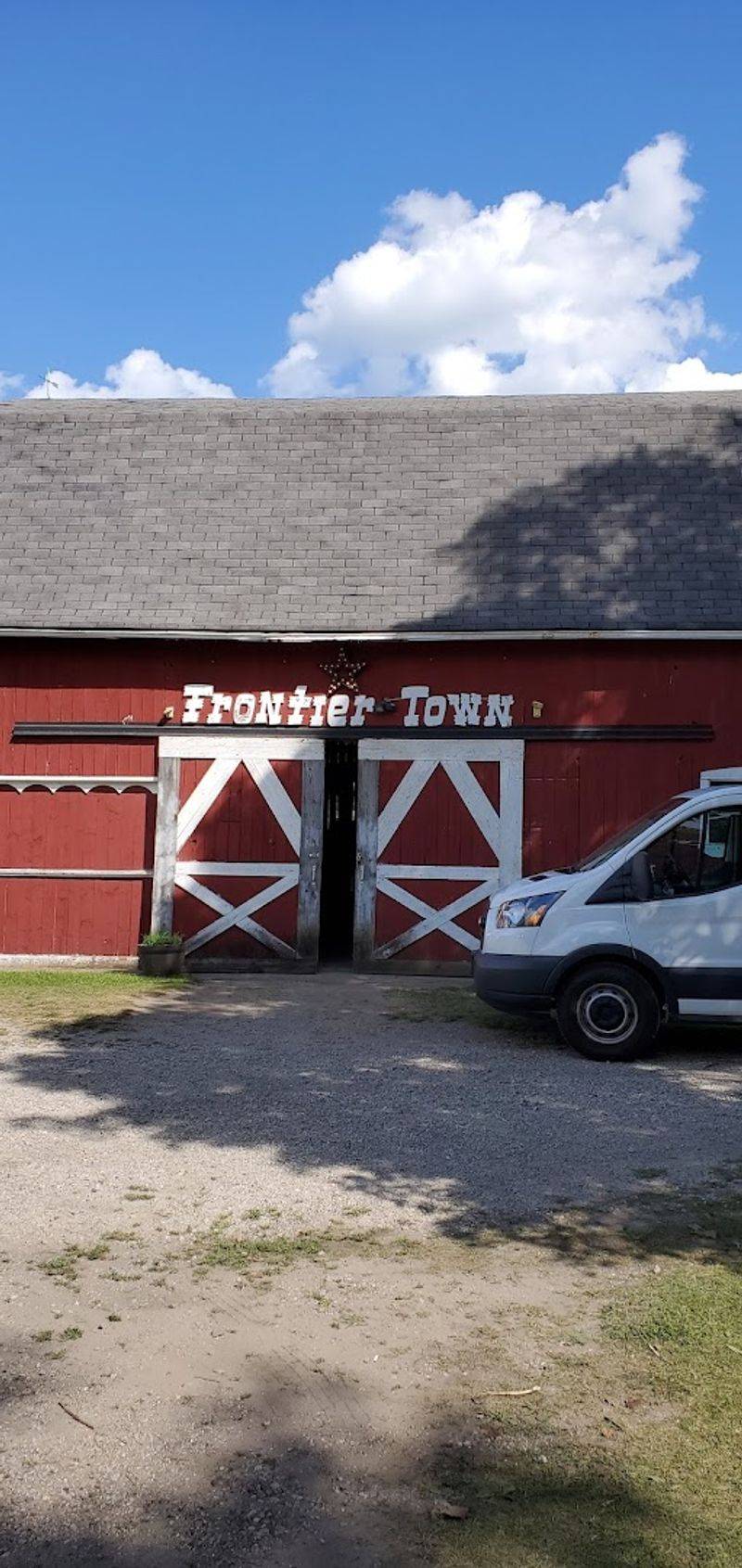
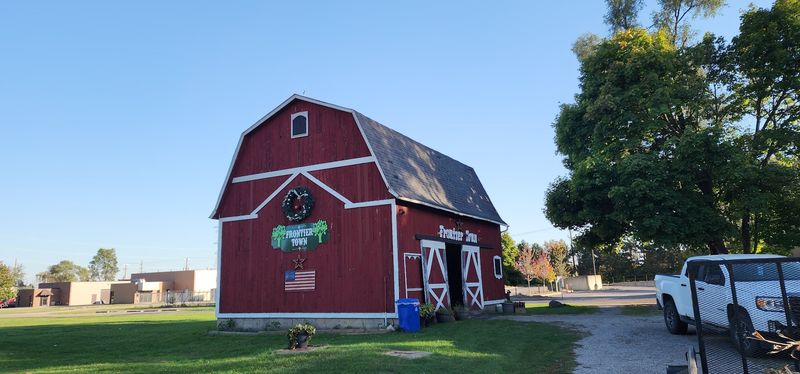
A flea market with a frontier facade is not something I expect to find on an ordinary Michigan outing, yet that is exactly what I found at Romeo Flea Market at Frontier Town, 67300 Van Dyke Ave, Washington, MI 48095, in the United States. The address matters because this place feels like a destination, not a random stop you notice only after passing it twice.
From the moment I arrived, the setting did more than provide a backdrop for shopping. Wooden storefronts, porch spaces, and a country-style layout created the feeling of a small themed village where browsing becomes part stroll, part scavenger hunt, and part nostalgic detour.
I liked that the market did not rely on one single attraction to hold my attention. Instead, it unfolded gradually through shops, vendors, snack stops, and little corners worth peeking into, which is exactly why the next part of the experience kept pulling me farther in.
The Main Street Feeling That Sells the Mood
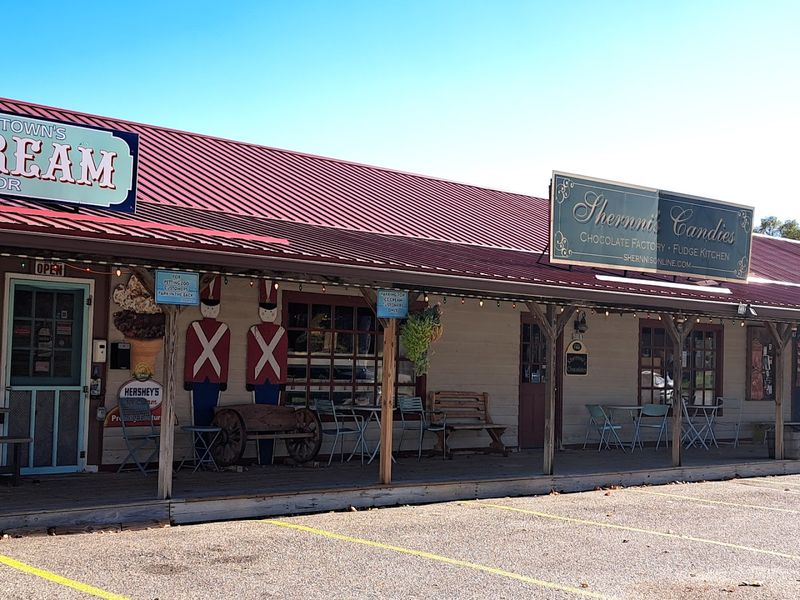
What stayed with me most was the layout, because it turns a shopping trip into a wandering experience. Instead of one plain warehouse feel, I moved through an old-time village setup that encouraged me to slow down, look around, and notice details like signs, porches, and storefront trim.
The Western theme is playful without feeling overdone, and that balance makes a difference. I never felt like I was in an amusement attraction pretending to be a market, because the place still works first as a real cluster of shops and vendor spaces where people come to browse, chat, and spend a relaxed afternoon.
That sense of place changes your pace in the best way. I found myself lingering longer than planned, doubling back to corners I had skipped, and treating each storefront like another chapter instead of another aisle, which sets up the treasure-hunting part beautifully.
Treasure Hunting Beyond the First Table
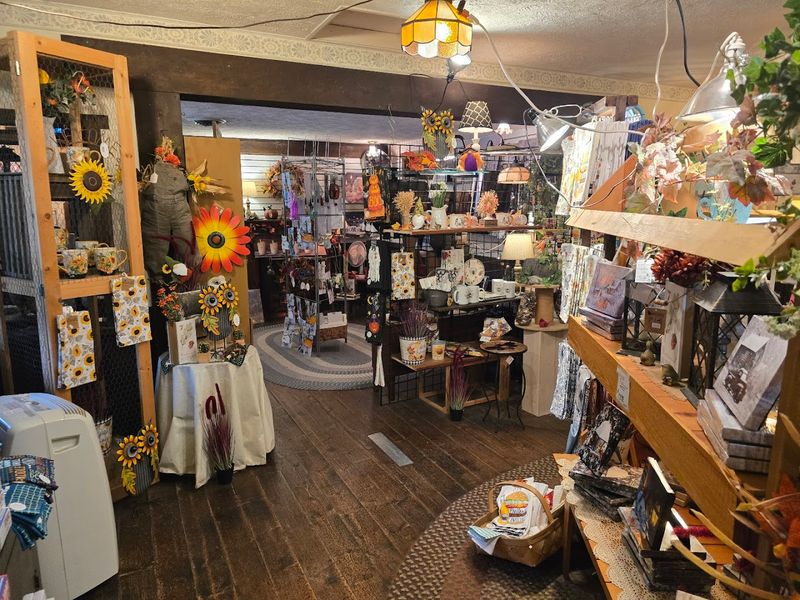
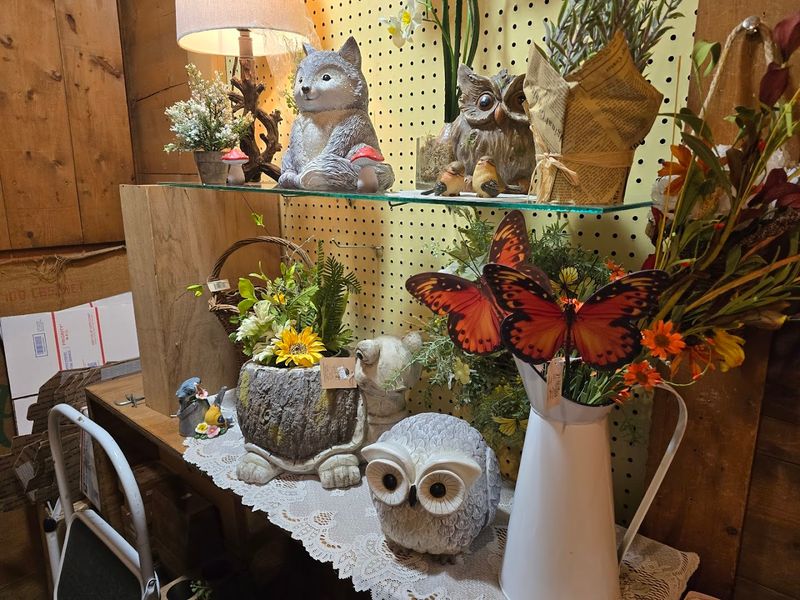
Every flea market promises surprises, but this one kept delivering them in a way that felt pleasingly unpolished. I saw vintage shirts, CDs, handmade items, household oddities, decorative pieces, and the kind of objects that make you pause long enough to invent a use for them on the spot.
Some stalls felt carefully curated, while others had the happy jumble that flea market regulars secretly hope for. That mix is important, because it means you can come with a shopping list and still leave talking more about the thing you never intended to buy in the first place.
I also appreciated that the browsing rhythm changed from booth to booth. One minute I was scanning for practical goods, and the next I was grinning at a creative local item that made the whole market feel personal, which is where the family-run character really starts to show itself.
Family-Run Shops Give It a Heartbeat
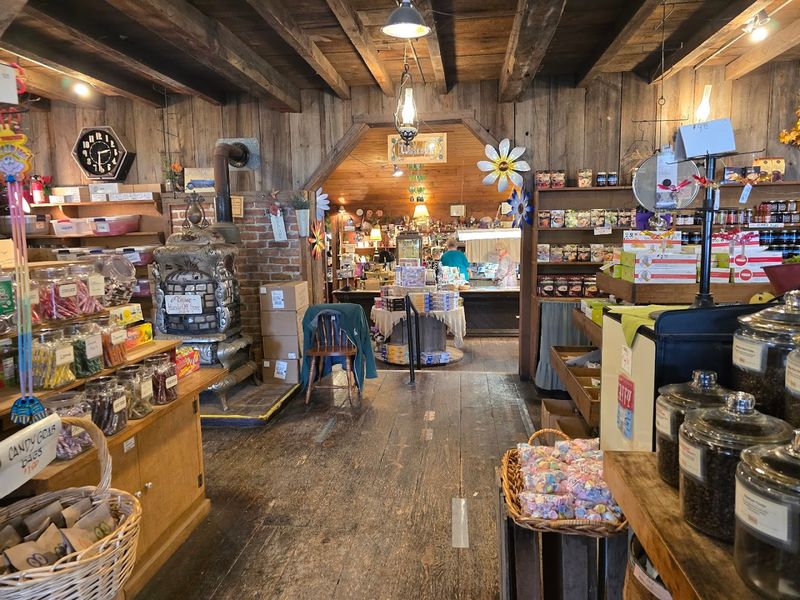
Plenty of markets have vendors, but fewer places feel stitched together by small independent shops the way this one does. I could sense that the appeal is not only about bargain hunting, because the permanent storefronts add personality and make the visit feel more rooted and more local.
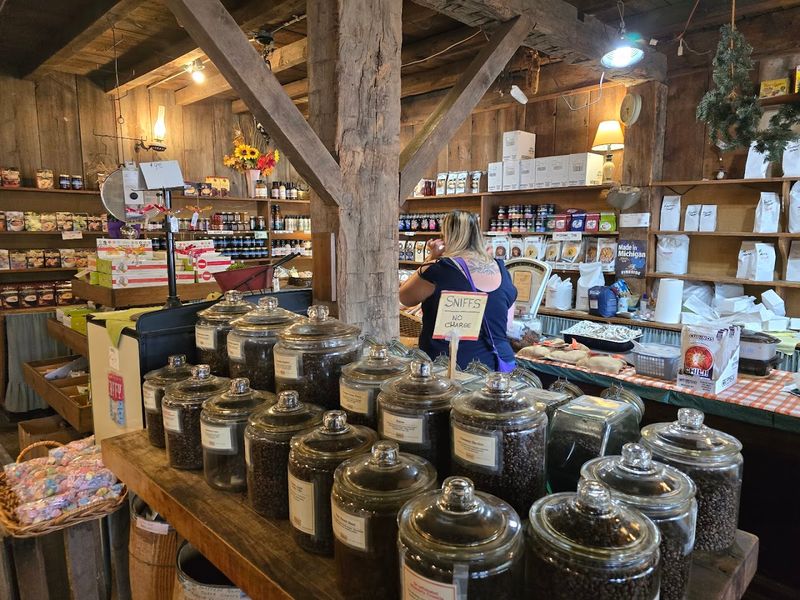
The general store atmosphere stood out right away, especially with its old-fashioned touches and nostalgic energy. Around it, the mix of candy, baked goods, sweets, and specialty finds created the sort of stop where different generations can split up for a while, then reunite carrying entirely different treasures.
That variety kept the place from becoming repetitive. Even when two areas sold very different things, they still fit the same easygoing village mood, and that makes it simple to imagine staying longer than expected once the snack stops start calling your name.
Candy, Cookies, and a Very Good Excuse to Pause
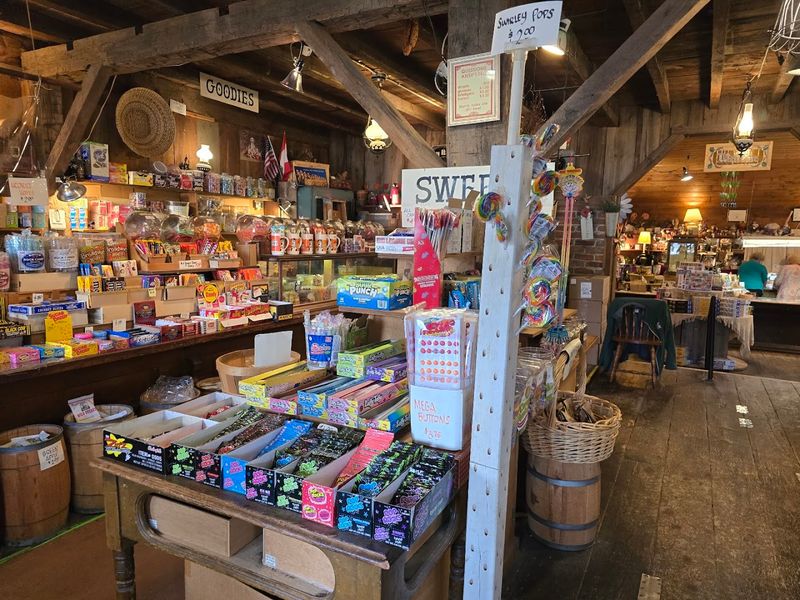
A place like this understands an important truth: treasure hunting goes better with sugar nearby. I found the candy and bakery side of the experience especially charming, because it added another layer of old-time fun without turning the market into something too polished or too precious.
Fresh-made sweets, old-fashioned candy, and bakery treats give the village a sensory pull that reaches you before you even decide what to buy. I liked seeing people leave with bags of candy, baked goods, and desserts, because it reinforced the feeling that this is part market, part nostalgic outing, and part comfort-food detour.
There is also something smart about placing treats among all the browsing. A quick stop for a cookie or chocolate break resets your energy, gives you a reason to sit for a moment, and makes the next round of shopping feel less like an errand and more like an adventure with dessert.
Ice Cream and Porch Time Done Right
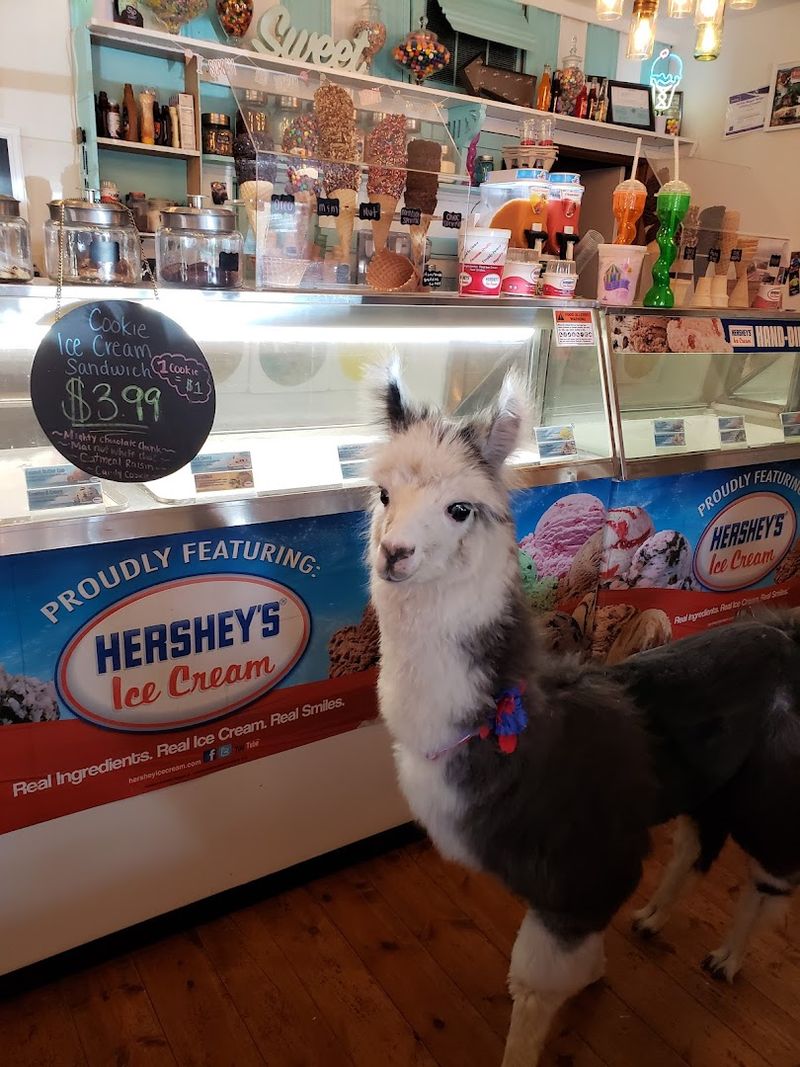
Not every memorable detail here comes from what you carry home in a shopping bag. Some of the best moments happen when I slow down with a cold treat, claim a seat on or near a porch, and simply watch the village rhythm move around me.
The ice cream stop has become part of the identity of the place, and I understand why. In a setting full of wooden storefronts and small-town styling, a cone or cup feels less like a side purchase and more like a proper part of the visit, especially when the weather is warm and the crowd is happily lingering.
I enjoy destinations that let me alternate between doing and resting, and this one gets that balance right. After a stretch of browsing vendor tables and shop interiors, a quiet pause with something sweet gives the whole outing a gentle pace, just before the seasonal side of Frontier Town starts to show more clearly.
Why Seasonal Weekends Feel Bigger Here
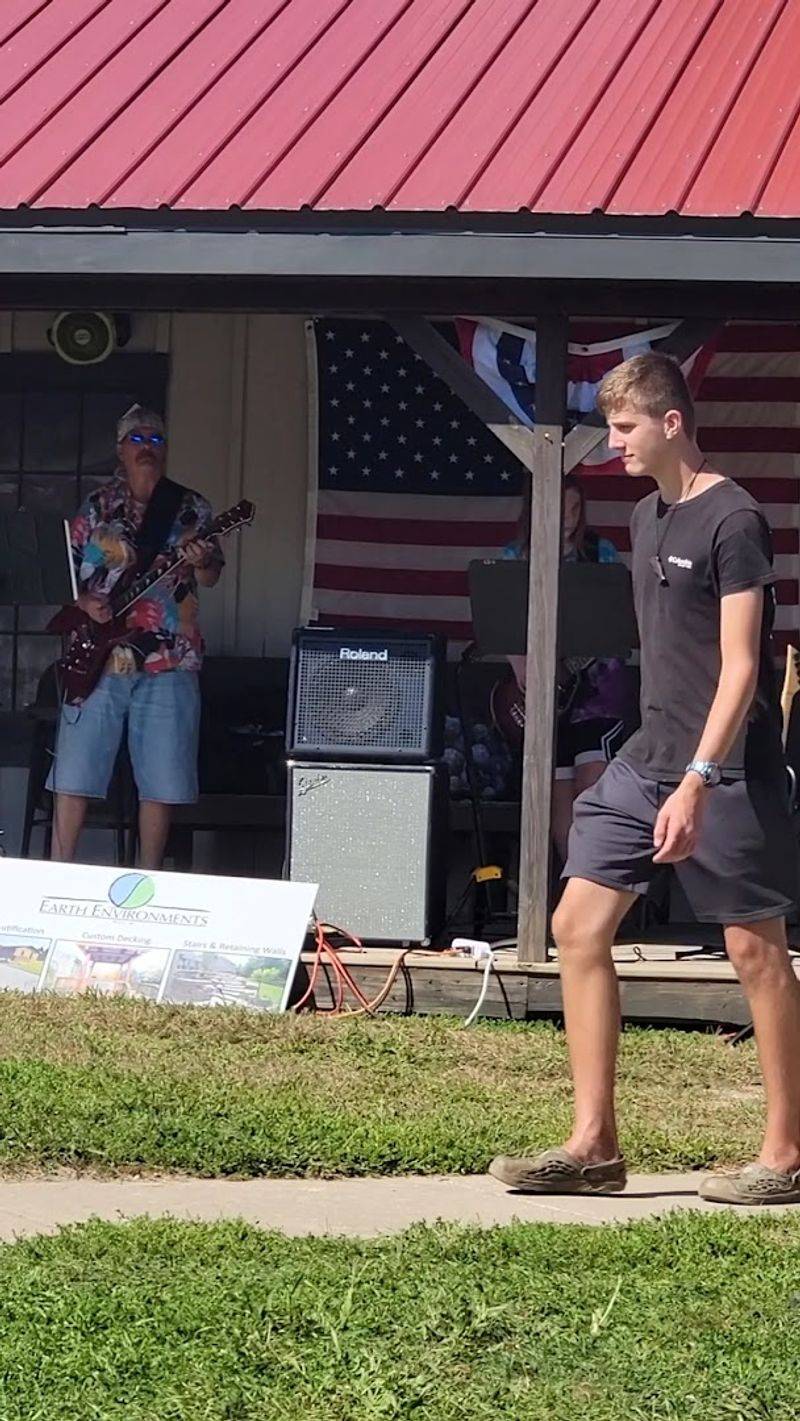
On busier weekends, the place expands from quirky shopping stop into a full social scene. I could feel how much seasonal traffic shapes the experience, especially when vendor numbers grow, foot traffic picks up, and the little village atmosphere becomes more animated and more festive.
That matters because Romeo Flea Market at Frontier Town is not frozen into one mood all year. Some visits are calm and easygoing, while others bring a denser mix of booths, family outings, food stops, and event-style energy that can make the market feel closer to a community tradition than a casual browse.
I think that variety is part of its charm, though it does help to plan around your own tolerance for crowds. If you like a lively atmosphere and more people-watching, busy dates are rewarding, and if you prefer breathing room, quieter times may suit you better, especially before festival season steals the spotlight.
Peach Festival Energy Without Losing the Charm

Late summer gives this place an extra layer of excitement thanks to its connection to the Romeo Peach Festival season. I like markets that can absorb a larger event without losing their own personality, and Frontier Town seems especially suited to that because the village setup already feels celebratory.
During festival time, the crowds, crafts, and shopping opportunities create a stronger sense of occasion. Even if you come mainly for browsing, the added movement and seasonal buzz make the storefronts and vendor rows feel more theatrical in the best possible way, as though the town had decided to put on its favorite annual outfit.
At the same time, the appeal is still grounded in simple pleasures. I am still looking at goods, choosing snacks, and drifting from porch to booth, but the event atmosphere adds momentum that can turn an ordinary stop into a day with a little more sparkle, and the animal area becomes part of that conversation too.
The Animal Area Adds a Different Kind of Stop
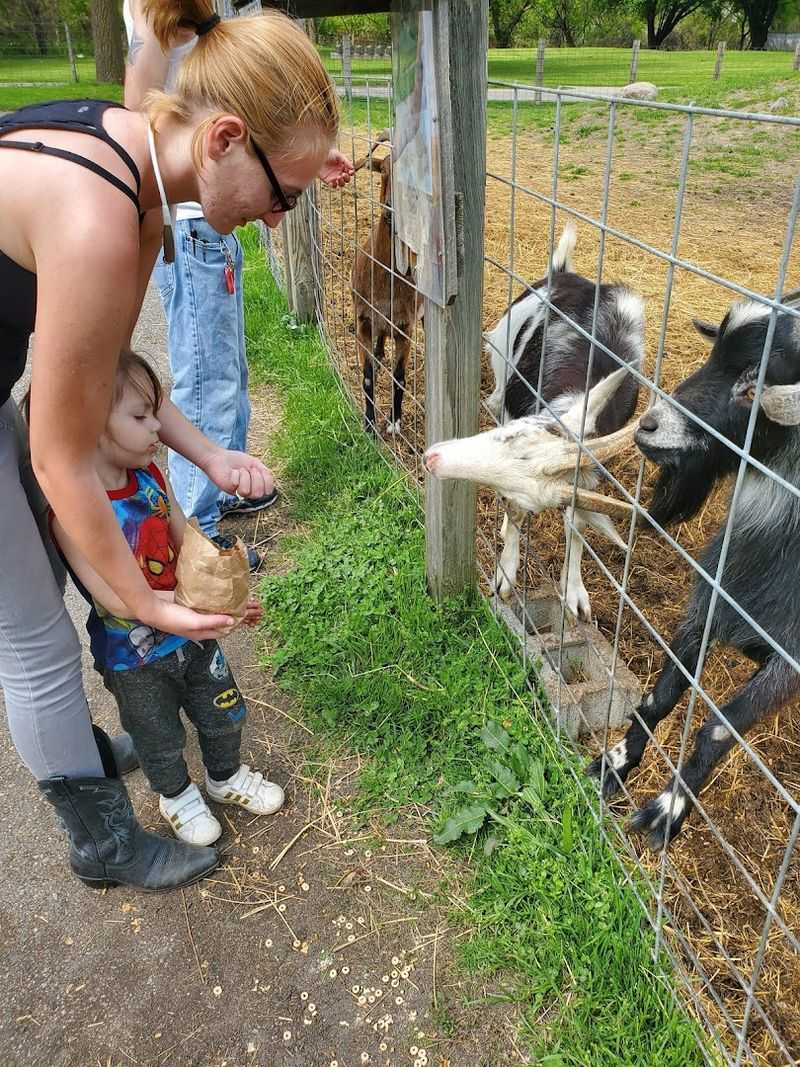
One detail that makes this destination feel broader than a standard market is the presence of an animal area behind the shops. I noticed that families are drawn to it because it breaks up the shopping routine and gives younger visitors something concrete to focus on besides waiting for adults to finish comparing prices.
For me, it works best as a brief side stop rather than the main event. The stronger pull of Frontier Town is still the village atmosphere, snack breaks, and browsing experience, so I treat the animals as one more part of the overall country setting and not the entire reason to come.
That approach keeps expectations realistic and the day more balanced. A short visit there, followed by another loop through the stores, feels like the right rhythm, and it reminds me that the place succeeds because it mixes small experiences together instead of relying on only one feature to carry everything.
Practical Tips for a Better Browse
A little strategy goes a long way here, especially if you want the visit to feel relaxed instead of rushed. I would wear comfortable shoes, bring a little patience for busier periods, and leave enough time to explore both the vendor spaces and the permanent shops without treating the place like a quick in-and-out errand.
Because the market mixes outdoor and village-style browsing, weather can shape the experience more than you might expect. I like arriving with room in my schedule, a flexible mindset, and a plan to take breaks, since part of the fun comes from wandering, snacking, doubling back, and noticing spots that do not stand out at first glance.
It also pays to keep an eye on where foot traffic is heaviest, particularly during bigger weekends. Once I stopped trying to see everything in one sweep and let the place reveal itself in stages, the visit became smoother, and that slower rhythm unlocked the nostalgia factor even more.
Nostalgia Is the Secret Ingredient
Some destinations are memorable because they are huge, polished, or packed with headline attractions. This one sticks with me for a different reason: it taps into a familiar small-town nostalgia through simple ingredients like porch seating, old-fashioned sweets, village storefronts, and a pace that encourages lingering.
I kept noticing how often the atmosphere did the heavy lifting. Even when I was not actively buying anything, the place gave me enough to enjoy through its visual details and easy rhythm, which made the outing feel more complete than a market trip built only around transactions and bargain hunting.
That mood is probably why people return across seasons and over the years. You are not just chasing a deal here, you are revisiting a setting that feels pleasantly out of step with modern rush, and by the time I reached the end of my visit, the closing impression was already taking shape.
Why I Would Go Back Again
By the time I left, I realized the best way to describe Romeo Flea Market at Frontier Town is as a place that layers small pleasures until they become a full outing. Shopping matters, of course, but so do the storefronts, the sweet stops, the porch moments, the event energy, and the simple novelty of finding all of it wrapped in a Wild West village look.
I would return for the atmosphere as much as the merchandise, and that says a lot. Michigan has plenty of places to browse for goods, yet not many combine market wandering with themed architecture and family-run personality in a way that feels this relaxed, a little quirky, and genuinely easy to enjoy.
If you like destinations that give you more than one reason to stay awhile, this one delivers. I came for a flea market and left feeling like I had spent time inside a tiny roadside town with its own rhythm, which is exactly the kind of era-hopping detour I never mind repeating.



