The Packard Proving Grounds in Shelby Township is one of Michigan’s most overlooked historic sites. Behind the gates of this former testing facility, world speed records were set, military vehicles were developed during World War II, and Charles Lindbergh once helped test aircraft engines connected to Packard’s aviation work.
What makes the property stand out is how much of the original site still exists. Visitors can see the restored Tudor Revival lodge, sections of the historic test track, and buildings tied directly to some of the most important decades in American automotive engineering.
For car enthusiasts and history fans alike, it offers a far more immersive experience than a traditional museum.
Where History Still Has a Street Address
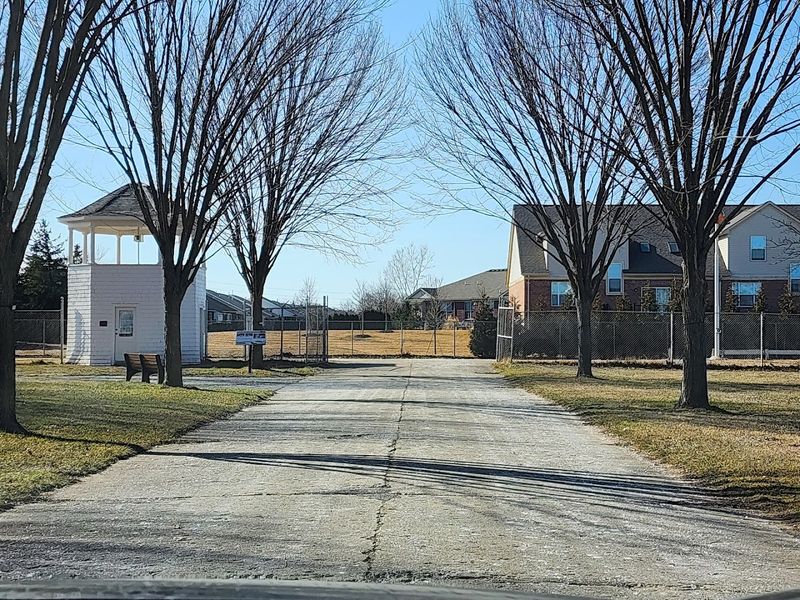
The Packard Proving Grounds Historic Site sits at 49965 Van Dyke Ave, Shelby Township, MI 48317, and the moment you turn into the tree-lined entrance, something shifts. The drive feels deliberate, almost ceremonial, as if the grounds themselves are preparing you for what is inside.
Packard purchased 504 acres here between 1926 and 1928, spending $1 million on a facility that was designed to be far more than a simple test track. Renowned industrial architect Albert Kahn was brought in to create something worthy of the Packard name, and he delivered a site that blended function with genuine architectural beauty.
Today, the non-profit Packard Motor Car Foundation manages 17 acres of the original property, working tirelessly to restore and preserve what remains. The site holds a 4.7-star rating from nearly 1,000 visitors, which tells you everything about how well this place connects with the people who show up.
The address is easy to find, and the parking situation is refreshingly simple.
The Day They Called It the World’s Fastest Speedway
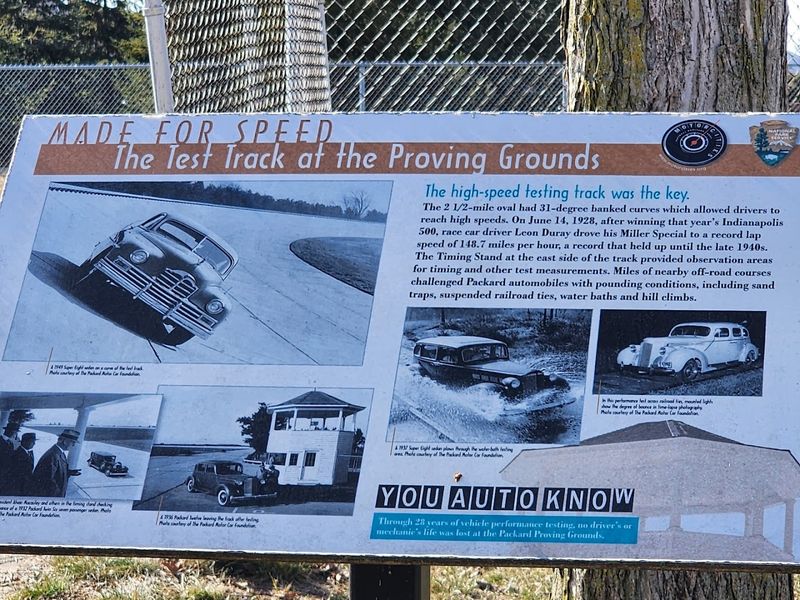
In 1928, Indy driver Leon Duray pointed a Packard-powered car down the 2.5-mile concrete oval and hit 148.17 miles per hour. That single run earned the track the title of the world’s fastest closed-course speedway, a record it held for 24 years.
The oval was built with banked turns specifically designed to push vehicles to their absolute limits, and Packard used it hard. Engineers ran cars day and night to simulate years of real-world driving in a controlled environment, which was a genuinely revolutionary idea for the late 1920s.
The track itself was just one piece of a much larger puzzle. The full facility originally included 12 miles of varied test roads, each one designed to replicate different driving conditions that Packard customers might encounter across the country.
Speed records are exciting, but the real story here is about how seriously Packard took engineering excellence at a time when most automakers were still figuring things out on the fly.
Albert Kahn’s Blueprint for Automotive Ambition
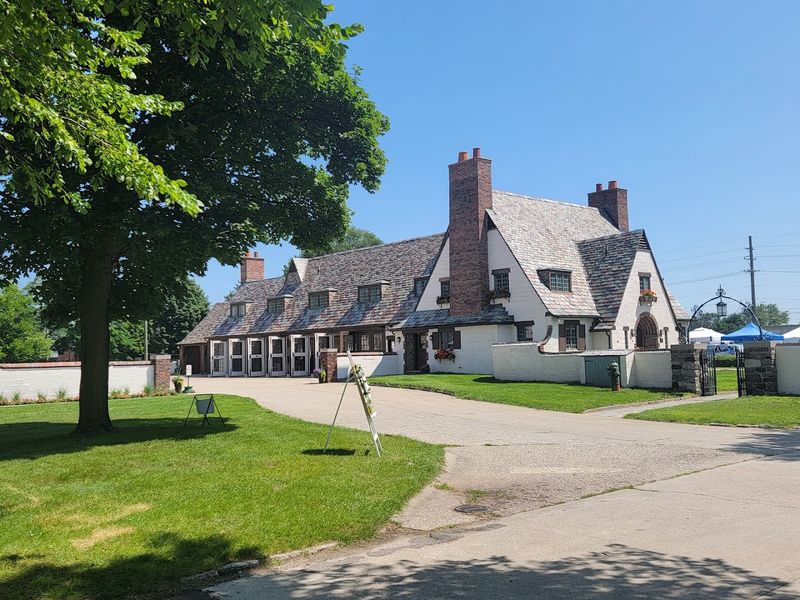
Albert Kahn was not just any architect. By the time Packard hired him for the proving grounds project, he had already reshaped industrial design across Michigan, and his fingerprints on this site are unmistakable.
The Tudor Revival gate lodge is the most photographed structure on the property, and rightfully so. Its brick detailing, arched windows, and steeply pitched roofline look more like an English country estate than a working automotive test facility, which was entirely the point.
Packard wanted the world to know that its standards extended to every single detail, including the building where visitors first arrived.
The engineering garage, the airplane hangar, and the supporting structures all carry that same sense of purpose and craftsmanship. Kahn understood that a building could communicate values just as powerfully as any advertisement.
Visiting today, you can still feel that original intention in the proportions of the rooms and the quality of the surviving materials, and that kind of architectural honesty is genuinely rare to find in a working historic site.
Charles Lindbergh Walked These Grounds
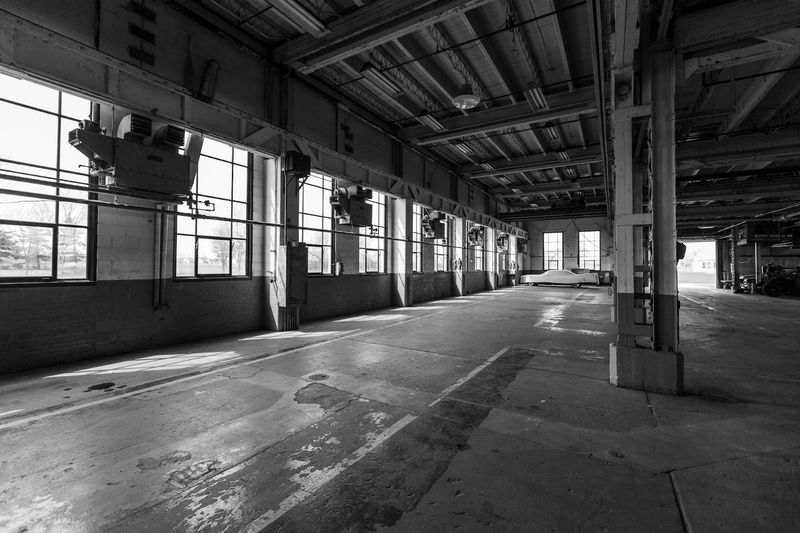
Most people associate Charles Lindbergh with the Spirit of St. Louis and his 1927 transatlantic crossing. Far fewer know that just two years later, he showed up at the Packard Proving Grounds in Shelby Township to test-fly an aircraft powered by a Packard engine.
That single visit says a great deal about the reputation Packard had built by the late 1920s. Lindbergh was not someone who casually wandered into facilities out of curiosity.
He came because Packard’s aviation engineering was considered among the best in the world at that moment.
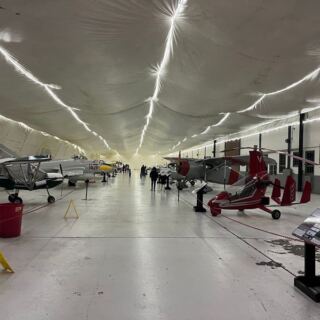
The airplane hangar that once hosted that kind of aviation activity is still part of the historic site, and standing inside it while knowing that history adds a layer to the visit that no exhibit panel can fully replicate. Packard’s aircraft engine division was producing genuinely groundbreaking work during this period, and the connection between that hangar and one of the most famous pilots in American history makes this spot feel almost impossibly layered with significance.
The Diesel Engine That Won a Trophy
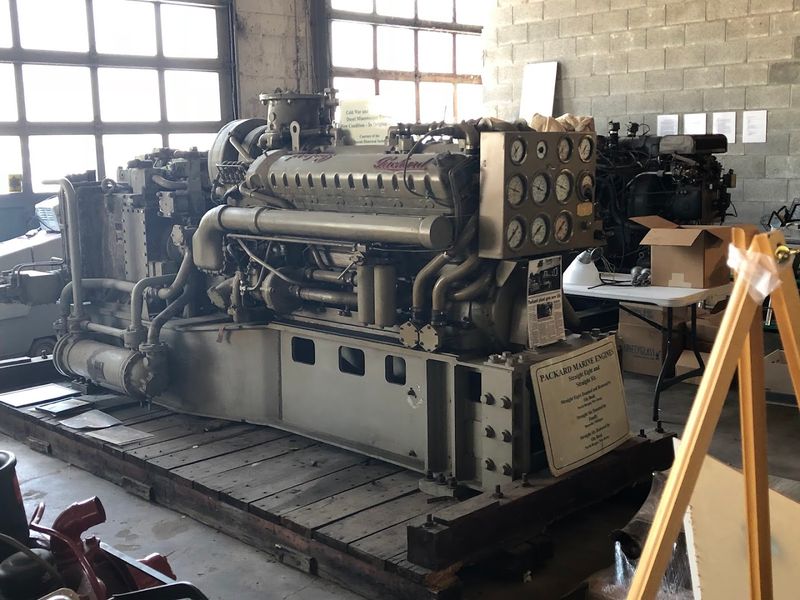
The Collier Trophy is one of aviation’s most prestigious awards, given annually for the greatest achievement in American aeronautics. Packard won it in 1931, and the story behind that win is remarkable.
Engineers at the proving grounds developed the Model DR-980, the first diesel aircraft engine of its kind, and then proved its reliability in the most dramatic way possible. A plane powered by the DR-980 flew for 84.5 hours straight without refueling, setting a world record that stopped the aviation community in its tracks.
That achievement was not just a publicity stunt. It demonstrated that diesel-powered flight was a genuinely viable option for long-distance aviation, and it pushed the entire industry to rethink what was possible.
The engine itself is part of the story told at the historic site today, and seeing it up close makes the 84.5-hour flight feel startlingly real. Records on paper are interesting, but a physical engine that actually did the work is something else entirely.
Tanks on the Test Track: The World War II Chapter
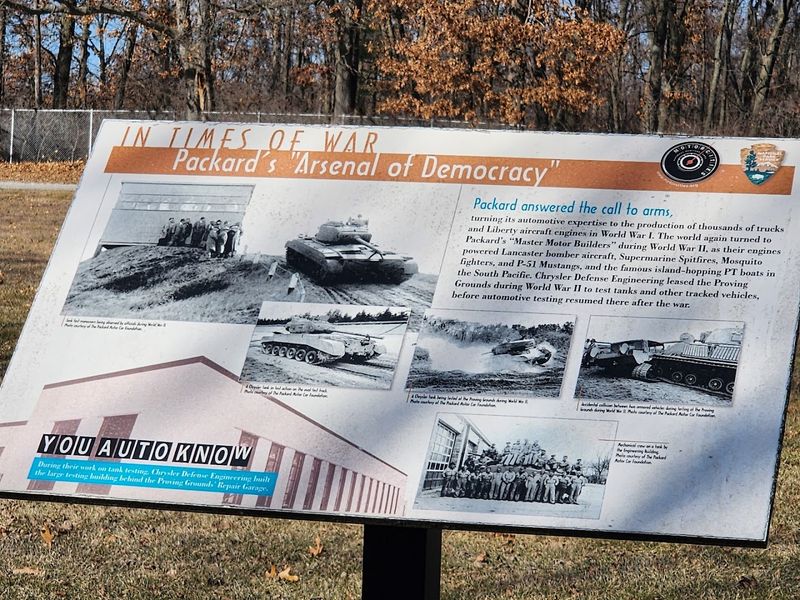
When the United States entered World War II, the proving grounds shifted gears entirely. Chrysler Defense Engineering leased the entire facility to test tanks and other military vehicles, turning what had been a showcase for luxury automobiles into a critical piece of the American war effort.
Chrysler even constructed a new building specifically for servicing tanks on the property. The test roads that Packard had designed to simulate challenging civilian driving conditions turned out to be perfectly suited for pushing military vehicles to their limits under controlled circumstances.
The World War II Tank Test Center is one of the ongoing restoration projects at the site today, and the foundation has been working to bring that chapter of the grounds’ history back into focus for visitors. It is a fascinating reminder that American industrial sites rarely have just one story.
The same roads where Packard engineers once chased speed records also carried military hardware destined to support one of the most consequential conflicts in world history.
From Ford’s Hands to the Foundation’s Care
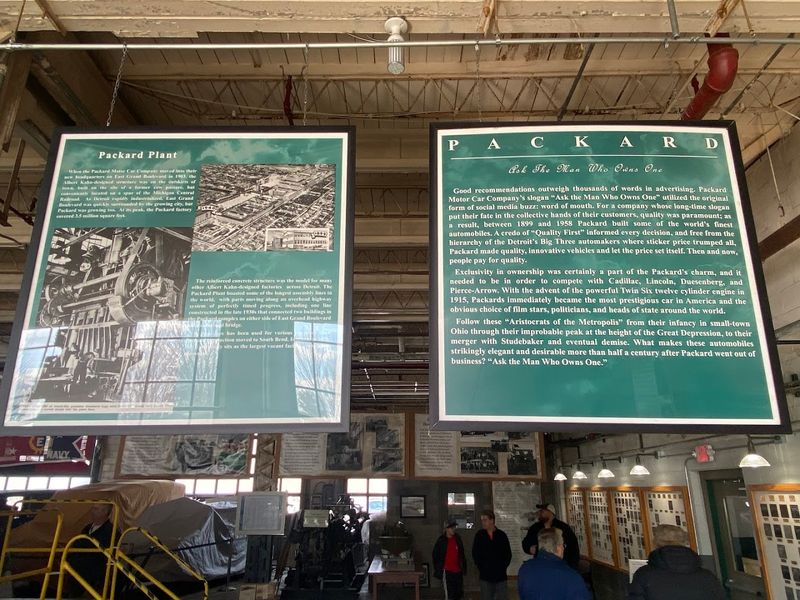
After Packard ceased operations at the proving grounds on August 15, 1956, the property passed through several hands. Curtiss-Wright held it for a period, and then Ford Motor Company took ownership of a significant portion of the site.
In 2002, Ford gifted 14.5 to 17 acres of the original grounds to the Packard Motor Car Foundation, the non-profit organization that had been formed in the late 1990s specifically to preserve the site. That gift was the turning point that made the current historic site possible.
The foundation has since earned recognition on the National Register of Historic Places, added in 2007, and the State of Michigan designated it a Historic Site in 2005. Both designations matter because they bring resources, visibility, and a formal commitment to long-term preservation.
What could have become another forgotten industrial ruin instead became a carefully managed piece of American heritage, and that outcome required years of determined work from dedicated volunteers and supporters who refused to let it disappear.
Tours That Actually Teach You Something
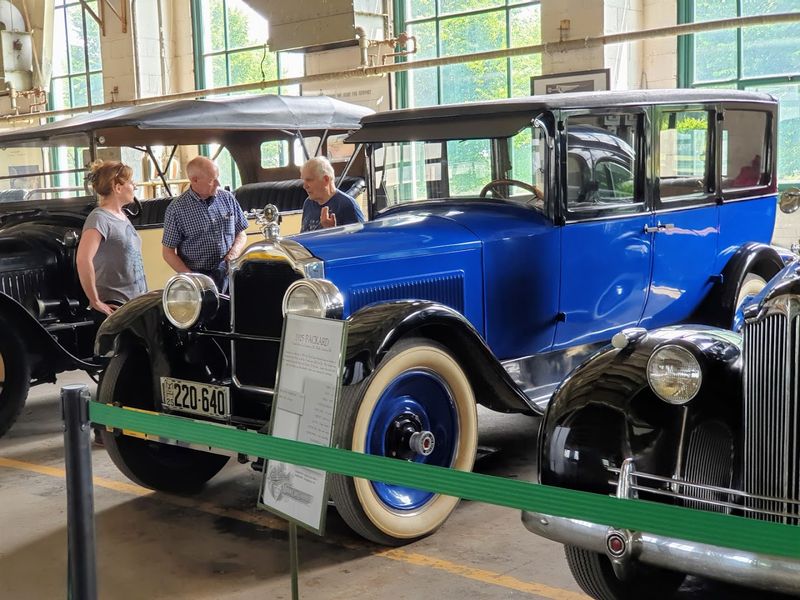
Free tours at a historic site of this caliber are not something you expect to find, but that is exactly what the Packard Proving Grounds offers. The catch is that you need to schedule in advance, which is a small logistical step that is absolutely worth the effort.
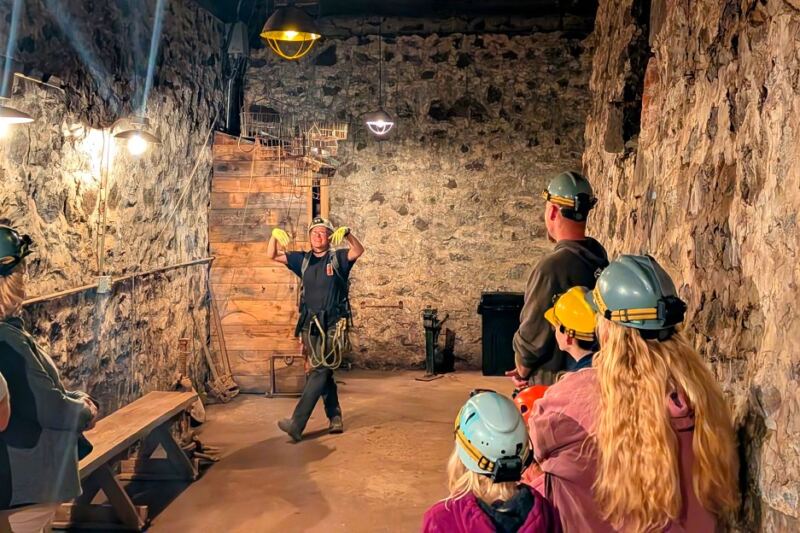
The tour guides here are the kind of people who have clearly spent years absorbing everything there is to know about Packard’s history. They walk you through the car collection, explain the engineering milestones, and connect the physical spaces to the stories in ways that make the whole experience click together.
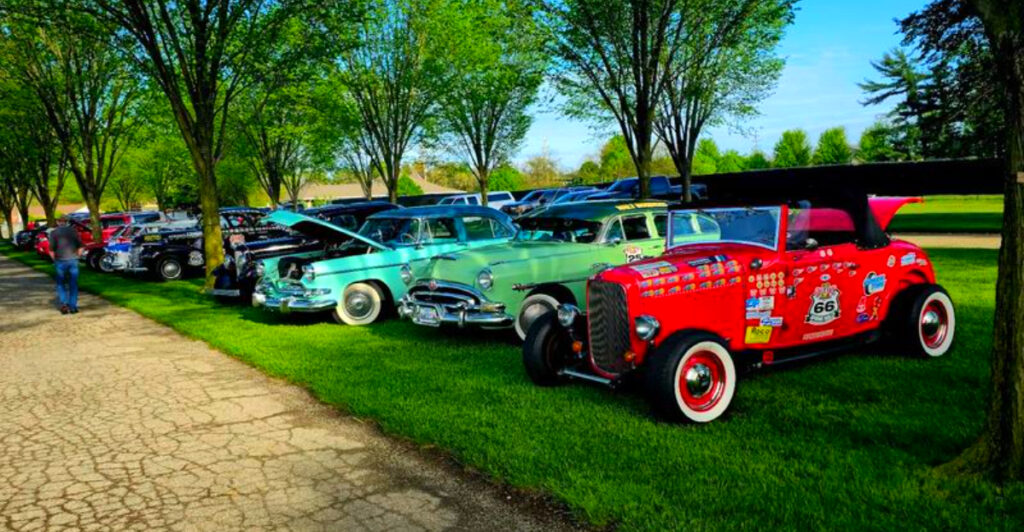
Vintage Packard vehicles are displayed throughout the facility, ranging from the 1920s through the late 1950s, and the guides can speak knowledgeably about each one. Some visitors have even been driven around the grounds in an actual Packard, which is the kind of detail that turns a good tour into a genuinely memorable afternoon.
Hours run from 9 AM to 3 PM most days, with extended hours on Mondays and Thursdays until 7 PM.
An Event Venue Unlike Anything Else in the Region
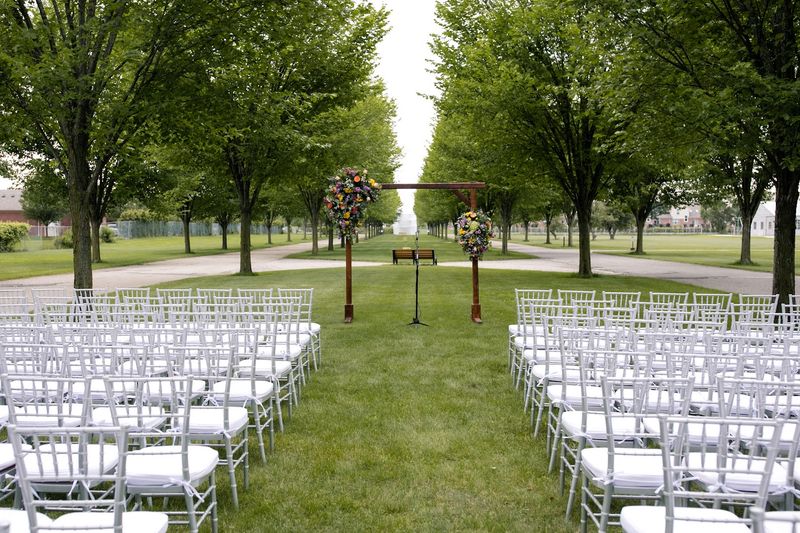
Weddings at the Packard Proving Grounds have become a genuine phenomenon. Couples keep choosing this venue because no other space in the region offers the same combination of restored industrial architecture, tree-lined outdoor courtyards, and the kind of character that only comes from nearly a century of real history.
The tree-lined boulevard that leads into the property creates a natural ceremony backdrop that photographers consistently describe as one of the most versatile settings they work in. Inside the historic garage, chandeliers hang above open floor space that accommodates dining and dancing with room to spare.
The staff and volunteers here have built a reputation for being genuinely accommodating, the kind of team that pivots smoothly when unexpected situations arise and makes sure every event runs without visible stress. Birthday parties, corporate events, and fundraisers have all found a home here alongside the weddings.
The venue’s combination of historic significance and practical flexibility is a pairing that most event spaces simply cannot replicate, no matter how hard they try.
Saturday Mornings and Farmers Market Finds
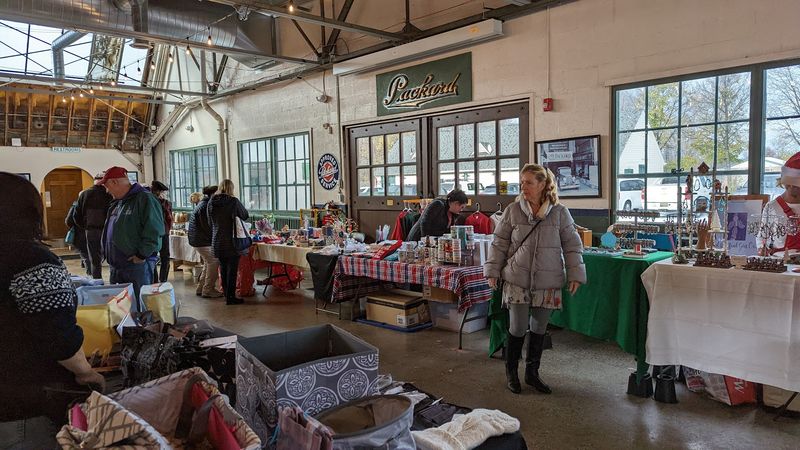
Not every reason to visit the Packard Proving Grounds involves automotive history or event planning. On Saturday mornings, the grounds host a farmers market that draws a regular crowd of locals who come for fresh produce, handmade goods, and the straightforward pleasure of a well-run outdoor market.
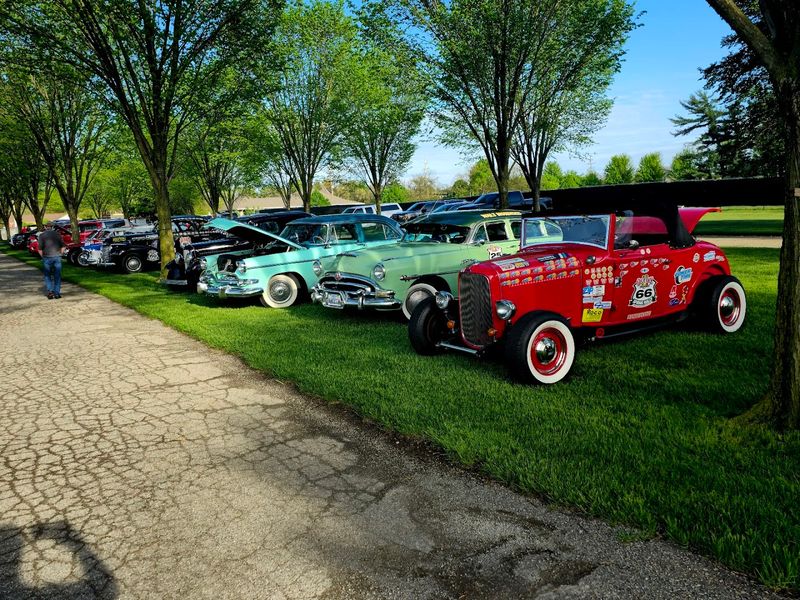
The shaded boulevard that runs through the property turns out to be an ideal setting for market stalls. Vendors spread out under the tree canopy, and the whole scene has a relaxed energy that feels completely at home against the backdrop of the historic buildings.
Past markets have featured everything from local food vendors to yarn sellers and artisan crafters, which gives the market a pleasantly unpredictable quality. You never quite know what you will find until you show up, and that element of surprise keeps regulars coming back week after week.
The farmers market is one of the ways the foundation keeps the site woven into everyday community life rather than treating it as a place only for special occasions.
Why This Place Deserves a Spot on Your Michigan Road Trip
Michigan has no shortage of automotive history destinations, but the Packard Proving Grounds occupies a category of its own. The combination of a genuine world speed record, a Collier Trophy-winning engine, a Charles Lindbergh connection, and a World War II military testing chapter makes this site unusually layered for its modest footprint.
The restored architecture, the car collection, the knowledgeable guides, and the ongoing preservation work all contribute to an experience that feels active rather than static. This is not a place where history has been frozen behind glass.
It is a working site where the story is still being told and expanded by the people who care about it most.
The phone number is +1 586-739-4800, and the website at packardprovinggrounds.org has current event schedules and tour booking information. A 4.7-star rating from nearly 1,000 visitors is not an accident.
It reflects a site that consistently delivers more than people expect, and that kind of reliable satisfaction is the best reason to make the drive out to Shelby Township.
Share this story