 Unearth The Voyage
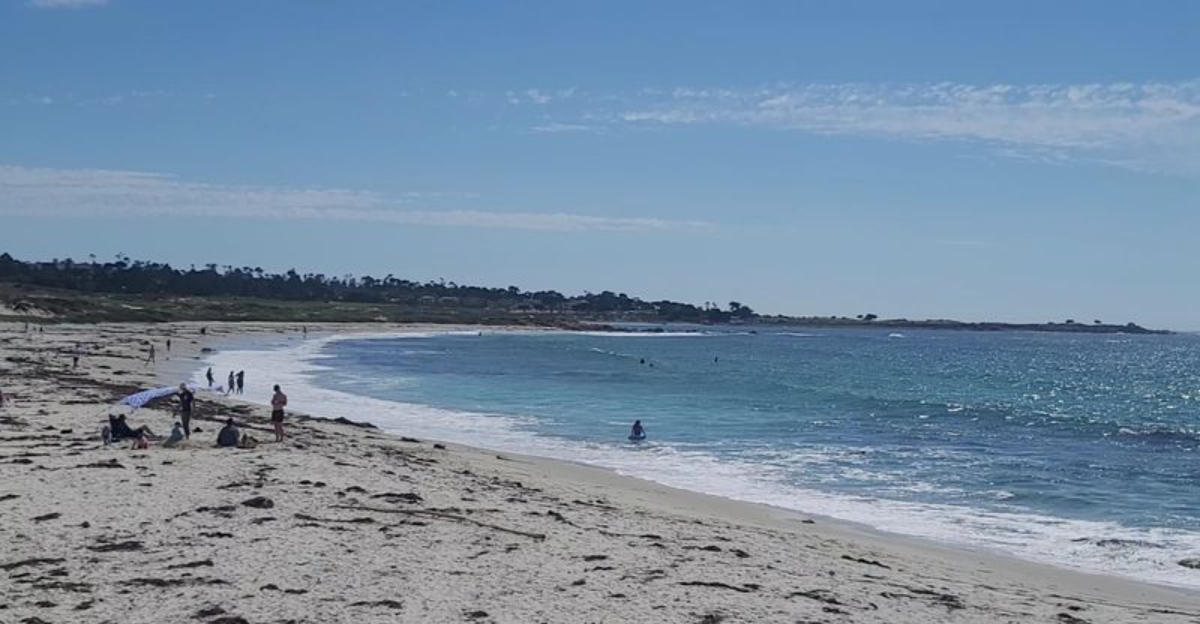
There is a stretch of California coastline that makes you stop mid-step and just stare. White sand, turquoise water, crashing waves, and more wildlife than you can count from a single viewpoint.
I have visited a lot of beaches up and down the West Coast, and this one keeps pulling me back every single time. The dunes roll in gently, the tide pools shimmer with tiny sea creatures at low tide, and on a clear evening, the sunset turns the whole sky into something almost unreal.
Whether you are a first-time visitor or someone who has been coming here for years, this beach has a way of feeling brand new with every visit. Keep reading, because I am about to walk you through everything that makes this place so special.
Where Exactly You Will Find This Stunning Beach
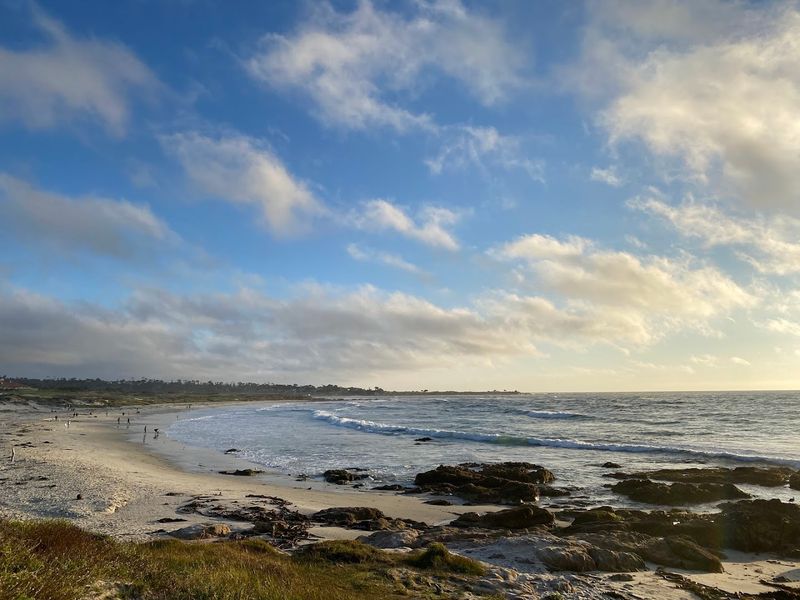
Asilomar State Beach sits along Sunset Drive in Pacific Grove, right on the edge of the Monterey Peninsula. The address is straightforward, but nothing about the scenery is ordinary.
This beach is part of the California State Parks system, and it stretches for roughly one mile along the rugged Central Coast.
Pacific Grove itself is a small, charming town tucked between Monterey and Pebble Beach. The beach is easy to reach by car, and free roadside parking lines Sunset Drive for most of its length.
Turnouts with ocean viewpoints are scattered along the route, so even the drive to the beach feels like a reward.
The park opens at 6:30 AM every day and closes at 9 PM on weekdays and Sundays, with a slightly later 10 PM closing on Saturdays.
The White Sand and What Makes It So Different
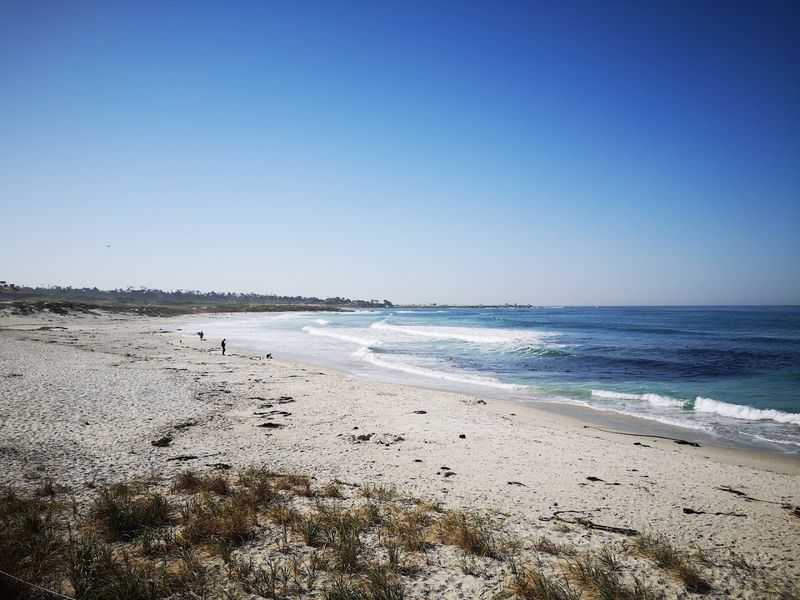
Not every California beach earns the label of white sand honestly, but this one delivers. The sand here is genuinely pale and soft underfoot, with a fine texture that feels almost powdery when dry.
It is the kind of sand that you notice immediately when you step off the boardwalk trail.
The beach itself is compact rather than sprawling, which actually works in its favor. Because the sandy section is tucked between rocky outcroppings, it never feels exposed or windswept in an unpleasant way.
The natural rock formations on either side act almost like windbreaks, giving the beach a sheltered, intimate feel.
Low tide is the best time to access the widest stretch of sand, and that timing also opens up the tide pools along the edges. High tide pulls the water closer to the dunes, creating a completely different atmosphere that feels almost dramatic in its own right.
The Coastal Dunes That Frame the Shoreline
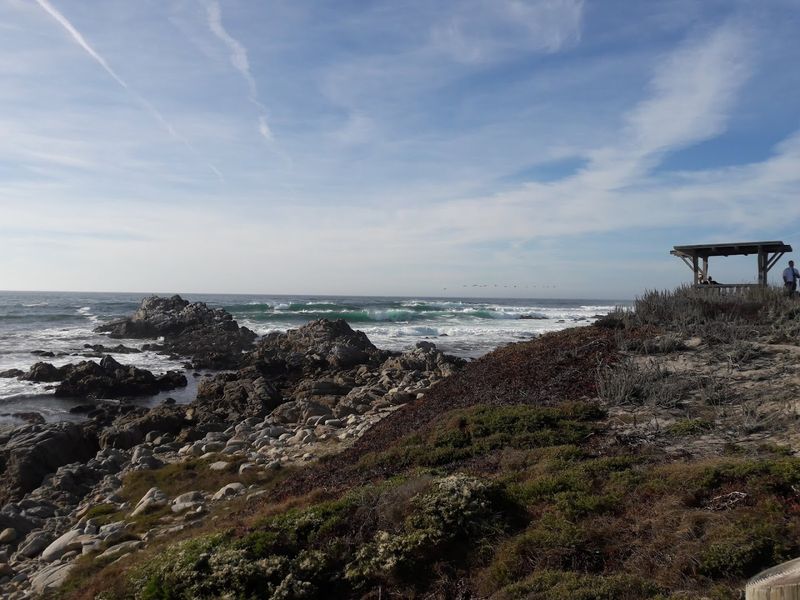
The dunes at this beach are not just pretty backdrops. They are active, living ecosystems that shift with the wind and support a surprising variety of native plants.
Beach grass, sea rocket, and low coastal shrubs anchor the dunes and keep them from eroding too quickly under the constant ocean breeze.
Walking along the boardwalk trail that runs parallel to the beach, you pass right through these dune areas. The elevated wooden path gives you a clear view down onto the sand and out toward the water without disturbing the fragile plant life below.
It is a genuinely smart design that balances access with preservation.
On foggy mornings, the dunes take on a quiet, almost mysterious quality. The mist softens everything, and the only sounds are wind and waves.
It is worth arriving early just to experience that version of the beach before the crowds arrive later in the day.
Tide Pools Filled with Miniature Ocean Life
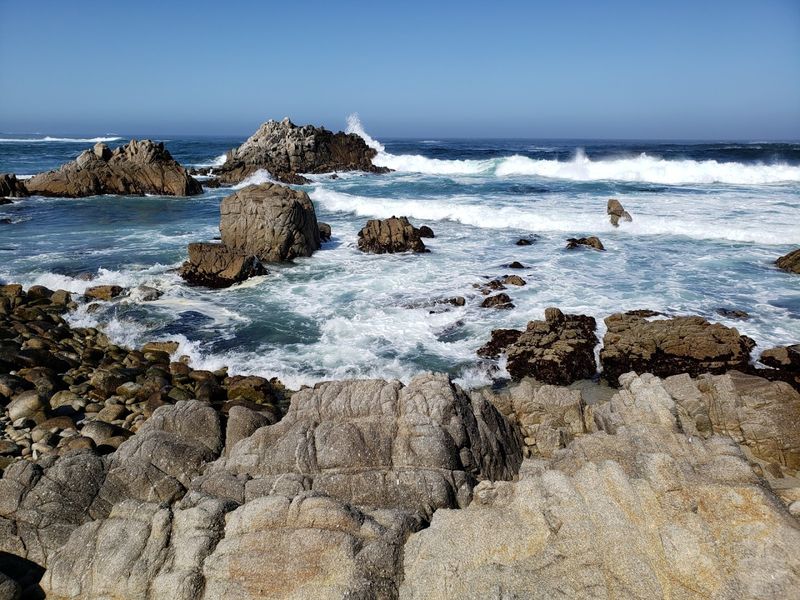
Few things at this beach generate as much excitement as the tide pools, and that enthusiasm is completely justified. The rocky coves on either side of the sandy beach area are packed with marine life that thrives in the shallow, wave-carved basins.
Tiny crabs, sea anemones, hermit crabs, sea urchins, and the occasional small fish are all regular residents.
The key to a great tide pool visit is timing. Low tide exposes the most pools and gives you the longest window to explore without the water rushing back in.
Checking a local tide chart before your visit is genuinely worth the two minutes it takes, because the difference between a low and high tide experience here is significant.
Kids go absolutely wide-eyed at these pools, and honestly, so do adults. The rule is always look but do not touch, which keeps the ecosystem healthy and ensures the next visitor gets the same thrill you did.
Wildlife Sightings That Will Genuinely Surprise You
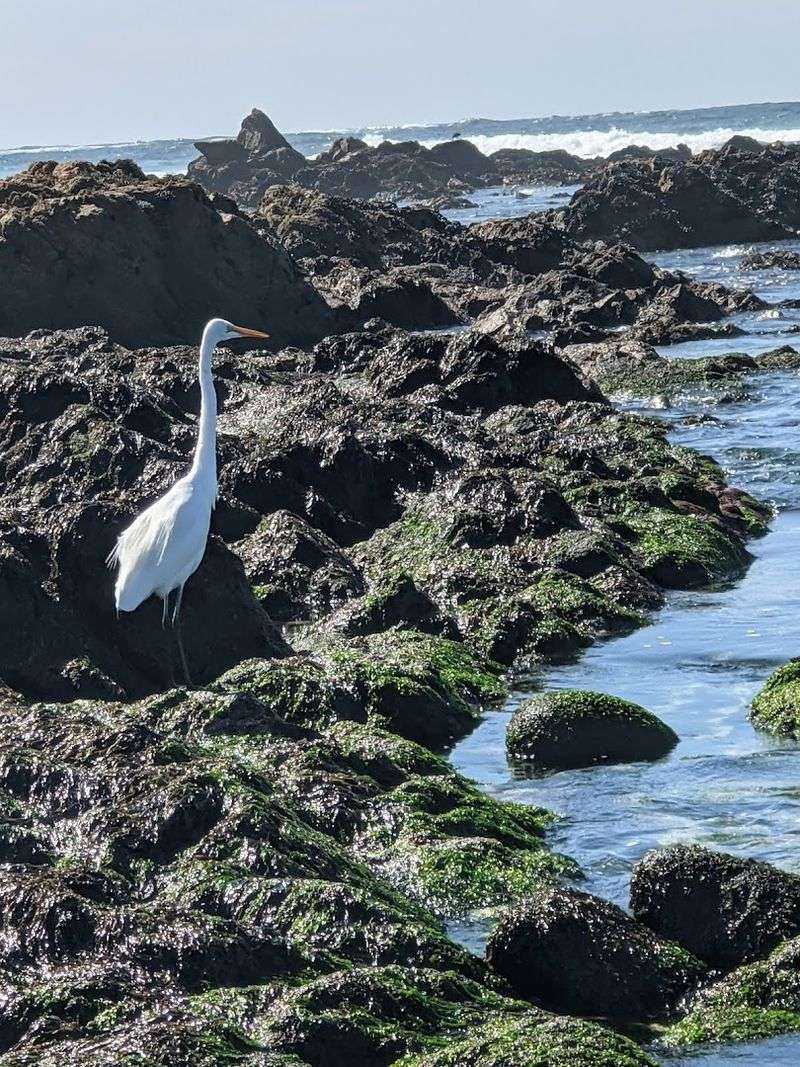
The wildlife at this beach is not something you have to search hard to find. Sea otters float lazily in the kelp beds just offshore, often visible from the trail without any binoculars.
Seals and sea lions occasionally haul out onto the rocks, and shorebirds patrol the tide line with impressive efficiency.
During higher tides, when the tide pools are submerged, the marine mammals tend to move closer to the rocks near the beach. That shift in behavior makes high tide visits worthwhile in their own right, even if you miss the pools.
The otters in particular are endlessly entertaining, cracking shells on their chests and wrapping themselves in kelp to keep from drifting.
Brown pelicans glide in low formation over the waves, and cormorants perch on the exposed rocks with their wings spread wide. This beach is genuinely one of the better wildlife-watching spots on the entire Monterey Peninsula without requiring any special equipment or guided tour.
The Coastal Trail That Runs the Full Length of the Beach
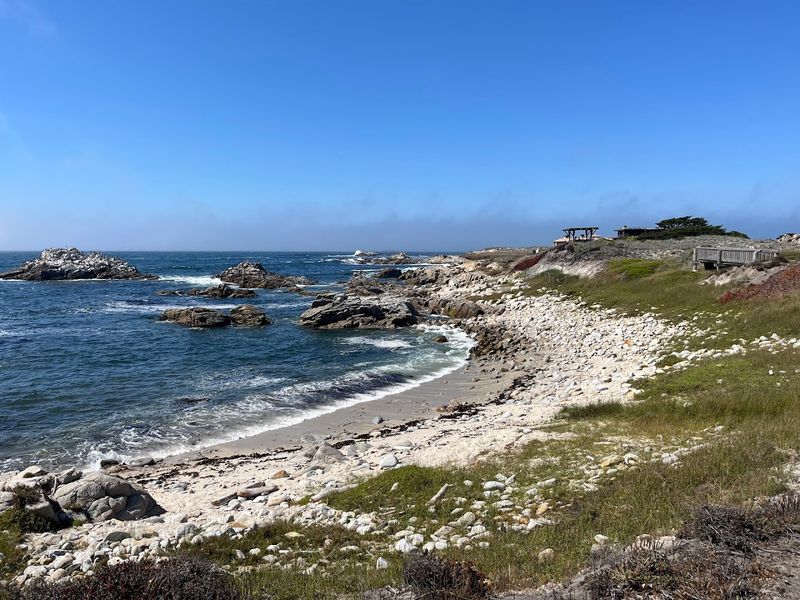
The trail that runs along Asilomar State Beach is one of its most underappreciated features. It combines a wooden boardwalk section with hard-packed dirt paths, creating a route that is accessible for most fitness levels and easy enough to handle with kids in tow.
The full out-and-back walk from one end to the other takes roughly an hour and a half at a comfortable pace.
Multiple beach access points branch off from the main trail, so you can drop down to the sand whenever the mood strikes. The trail never feels overcrowded even on busy days, partly because those access points spread people out naturally along the length of the beach.
Ocean views accompany you the entire way, with the trail hugging close enough to the cliff edge that you can hear the waves clearly throughout the walk. Runners use it regularly in the mornings, and photographers tend to linger at the rocky overlook sections where the light hits the water at interesting angles.
Sunsets That Justify the Drive Alone
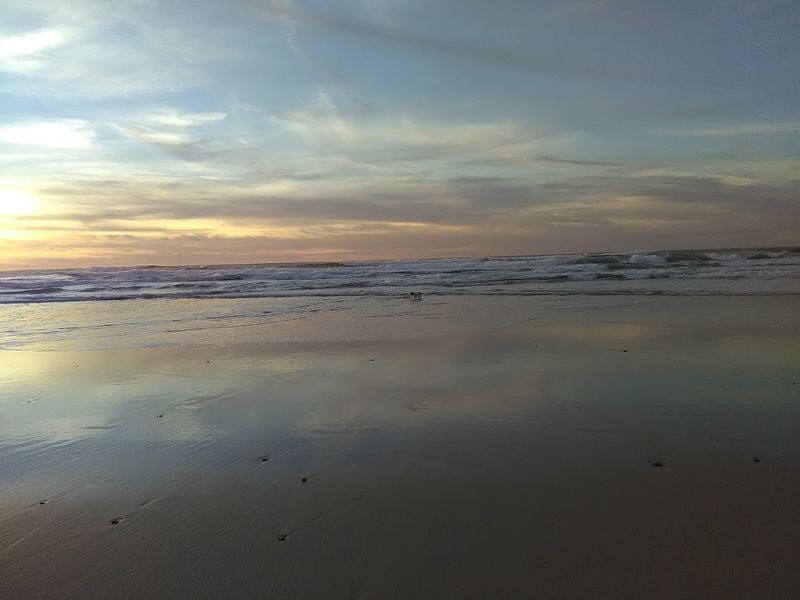
The name Sunset Drive is not just a street name at this beach. It is practically a promise.
West-facing and unobstructed by development, the beach offers one of the cleanest sunset views on the Central Coast. On clear evenings, the sun drops directly into the Pacific horizon in a way that feels almost staged.
Arriving at least thirty minutes before sundown is the move here. Parking along Sunset Drive fills up fast as sunset approaches, especially on weekends and during summer.
Getting there early means you can secure a good spot, walk down to the sand, and settle in before the sky starts its color show.
Bonfires are permitted on one section of the beach after sunset, which adds a warm, communal energy to the evenings. The combination of crashing waves, fading light, and the smell of a beach fire makes for an evening that is genuinely hard to top anywhere on this stretch of California coastline.
The Turquoise Water and the Waves That Command Attention
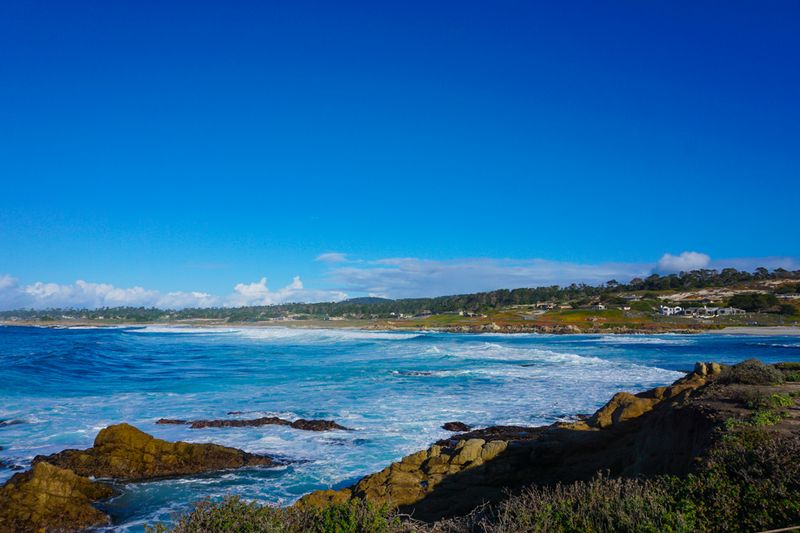
The color of the water here catches most first-time visitors off guard. On sunny days, the shallower sections near the rocks take on a genuine turquoise tone that looks almost tropical against the white sand.
The deeper water shifts to a rich navy blue, and the contrast between the two is striking from any point along the trail.
The waves here are not gentle. They arrive with real force, especially during winter swells, and crash against the rocks with a sound that carries well up onto the trail.
Surfers do use certain sections of the beach, drawn by the consistent break and the relatively uncrowded lineup compared to spots closer to Santa Cruz.
Swimming is not recommended for most visitors due to the strong currents and cold water temperatures, but the visual experience of watching those waves roll in and explode against the rocks is its own kind of entertainment. The beach earns its reputation through drama as much as beauty.
Parking, Hours, and Planning Your Visit
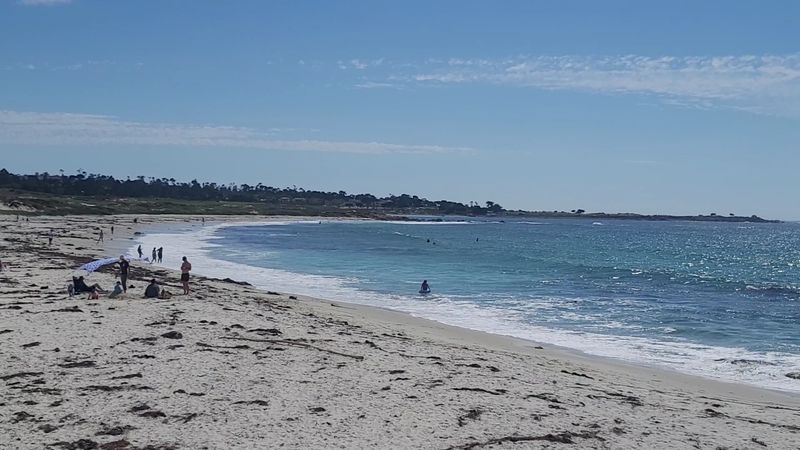
One of the genuinely pleasant surprises at this beach is the parking situation. Free roadside parking runs along most of Sunset Drive, with dedicated turnouts at several ocean viewpoints.
On a weekday or during the off-season, finding a spot is rarely a problem. Weekend afternoons and sunset hours are the exception, so earlier arrival pays off.
The beach is open from 6:30 AM to 9 PM Monday through Friday and Sunday, with an extended closing time of 10 PM on Saturdays. That Saturday hour makes a real difference if you want to stick around after sunset without rushing back to your car.
There are no entrance fees, which makes this one of the better free outdoor experiences on the Monterey Peninsula. Restrooms are limited near the main beach area, so it is worth planning ahead.
The nearest facilities are located back toward the golf course, a short drive from the main trail access points.
Bringing Dogs to the Beach
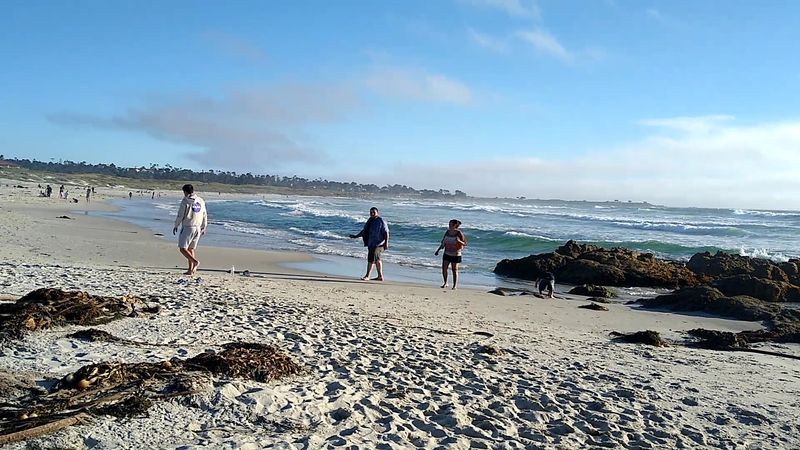
Dogs are welcome at Asilomar State Beach, which is a detail that brings a lot of four-legged visitors to the trail on any given morning. The official rule is that dogs must be kept on a leash at all times while on the beach and trail.
The leash rule exists to protect the wildlife and nesting birds that use the coastal habitat year-round.
That said, the trail is genuinely enjoyable for dogs and their owners alike. The variety of smells, the sound of the waves, and the fresh ocean air seem to agree with most dogs in a visible way.
The hard-packed sections of the trail are easy on paws, and the boardwalk portions provide a nice elevated view for curious dogs who like to peer over the edge.
Early morning walks with a dog here are particularly peaceful. The beach has a calm, unhurried energy before 9 AM that feels like a reward for getting up before everyone else decides to show up.
What to Expect in Each Season
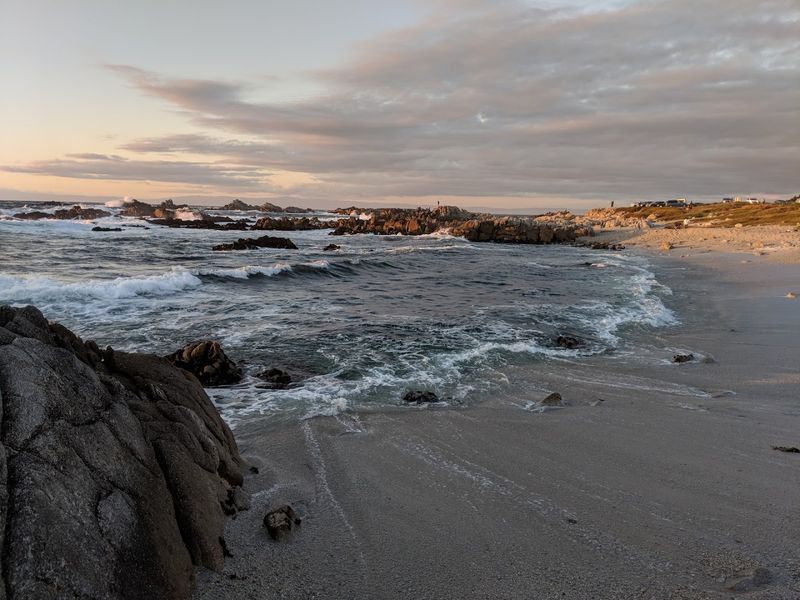
Every season brings a genuinely different version of this beach, which is part of what keeps it interesting for repeat visitors. Winter delivers powerful swells, dramatic skies, and almost no crowds.
The tidepools are at their most accessible during winter low tides, and the wildlife is active and visible close to shore.
Spring brings wildflowers to the dune areas and longer daylight hours that make evening walks comfortable without requiring a jacket. Summer is the busiest season, with more visitors, warmer afternoons, and the famous Central Coast marine layer that rolls in most mornings and burns off by midday.
Fall is quietly the best-kept seasonal secret here. The fog thins out, the crowds drop, and the light in October and November has a golden quality that photographers specifically time their visits around.
Regardless of when you show up, the beach rewards you with something worth seeing that you did not fully expect.



