Most food courts serve the same rotating lineup of familiar chains. But there is one place in Minneapolis where a single afternoon can take your taste buds through Jamaica, Morocco, Mexico, Somalia, and beyond, all without leaving the building.
The variety is real, the vendors are passionate, and the energy inside feels more like a street market in a global city than anything you would expect to find in the Midwest. That place is Midtown Global Market, and it genuinely earns every bit of curiosity it attracts.
A Historic Building With a Second Life
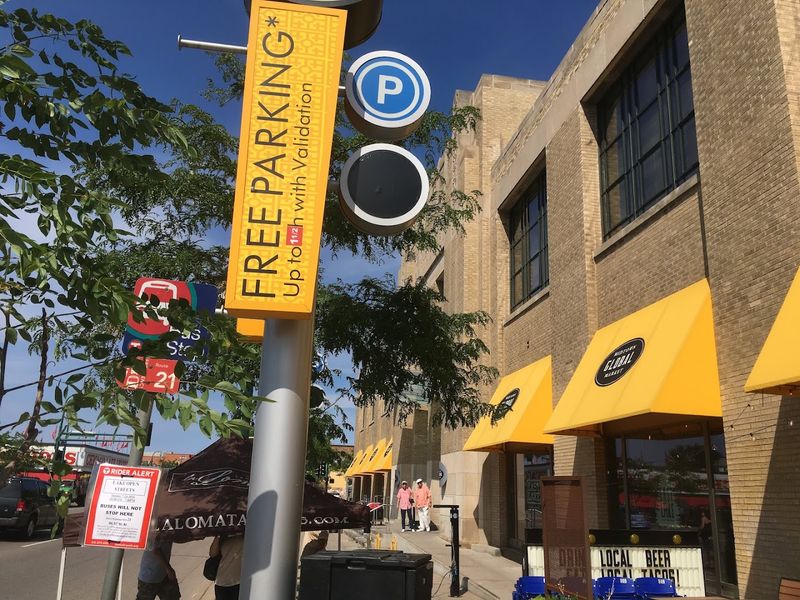
Not every great market starts from scratch. Midtown Global Market found its home inside the Midtown Exchange, a massive former Sears department store and catalog distribution center on East Lake Street in Minneapolis, Minnesota.
The building, located at 920 E Lake St, Minneapolis, MN 55407, was saved from demolition and transformed into a mixed-use space that now includes affordable housing, offices, and the bustling market floor at street level.
Knowing that history makes walking inside feel a little more meaningful. The bones of an old retail giant now shelter dozens of small, independent vendors from communities around the world.
That kind of reuse is rare, and it gives the market a grounded, community-rooted character that newer purpose-built spaces rarely achieve. The transformation is genuinely impressive.
What the Market Actually Looks Like Inside
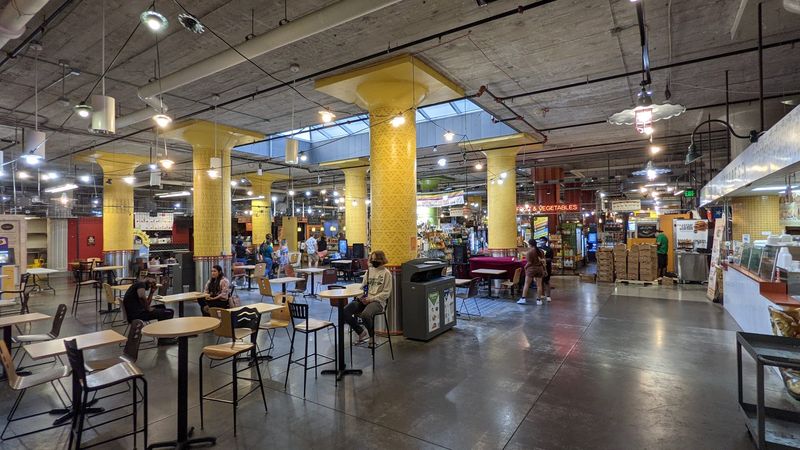
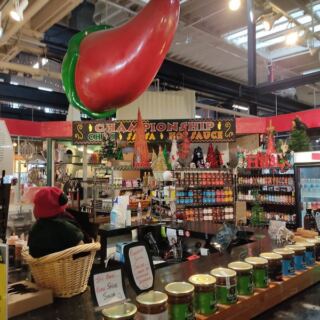
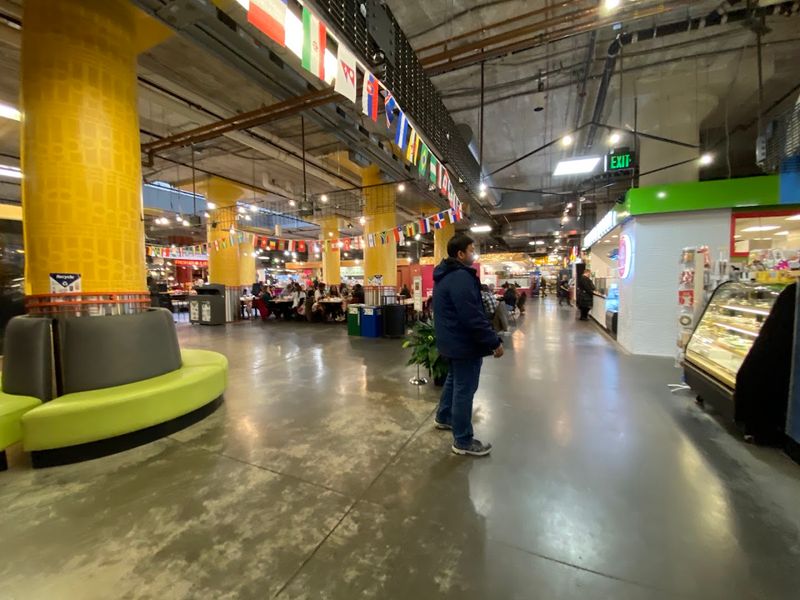
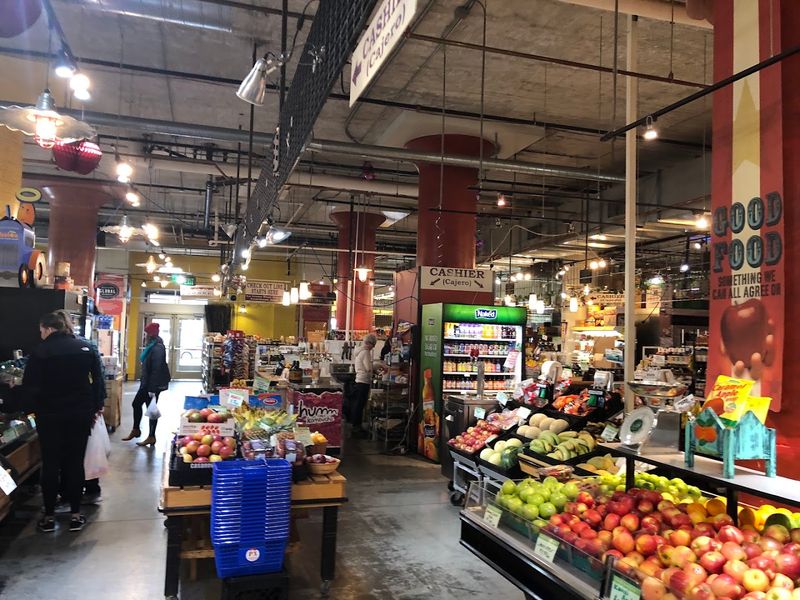
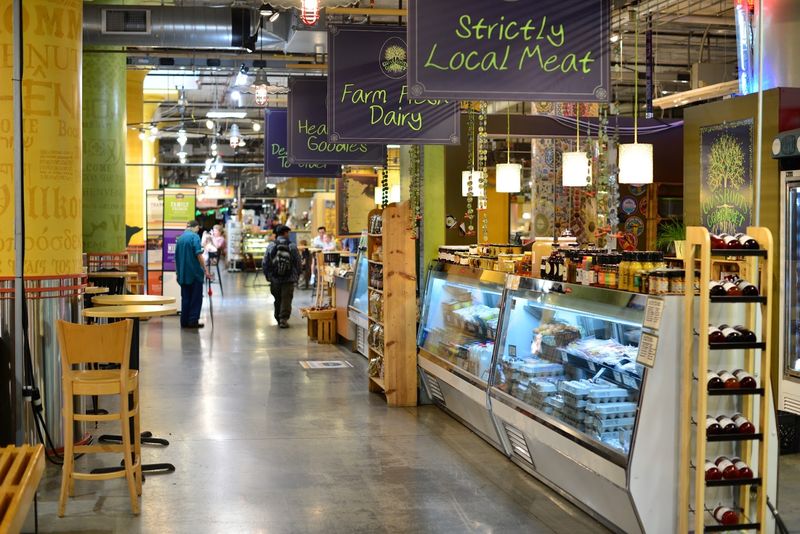
The layout feels more like an indoor street market than a traditional food hall. Vendor stalls line the open floor, and the mix of colors, smells, and sounds hits you immediately when you walk through the doors.
There are food counters, small retail shops, grocery items, handmade goods, and seating areas scattered throughout. The space is busy without feeling chaotic, and it is easy to spend an hour just wandering before you even order anything.
Benches and communal tables give you a place to sit down and take it all in. On weekends, live music sometimes fills the space, adding to the atmosphere.
The market hosts themed events that bring extra energy on certain days, making each visit feel a little different from the last. First-timers often say they wish they had come sooner.
Moroccan Food That Keeps People Coming Back
Ask regulars what they always order, and Moroccan food comes up often. The chicken couscous is a standout, arriving perfectly seasoned and filling enough to satisfy without feeling heavy.
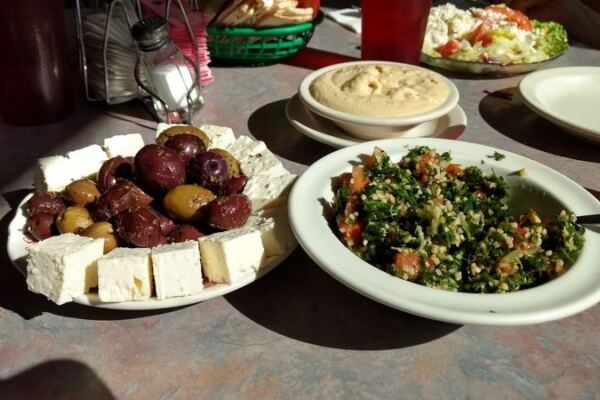
Visitors have also raved about the tasting platters of Moroccan sides, which offer a great way to sample multiple flavors at once. Mint tea served alongside the meal adds a warm, aromatic touch that makes the whole experience feel complete.
One particularly charming detail is that the cooks at the Moroccan stall have been known to offer generous hospitality even near closing time, sharing extras with guests who arrive late. That kind of warmth is hard to manufacture.
Whether you are new to Moroccan cuisine or already a fan, this is one of the market stops that tends to convert first-timers into repeat visitors without much effort at all.
Jamaican Jerk Chicken Worth the Trip Alone
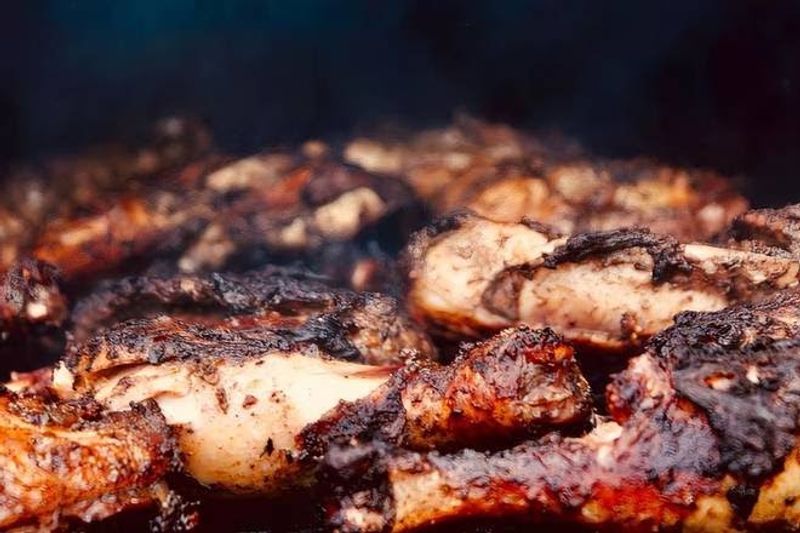
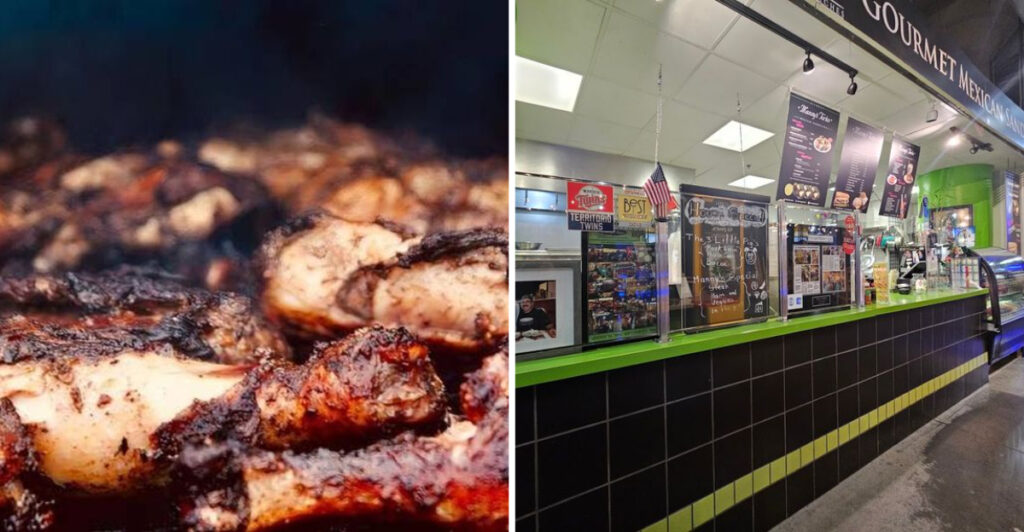
Irie Jamaican Express is one of those stalls that earns its reputation bite by bite. The jerk chicken arrives with just the right amount of char on the outside, and the seasoning goes all the way through rather than sitting on the surface.
It is the kind of cooking that takes real skill and attention, and you can taste the difference immediately. The cook clearly knows what they are doing, and the result is a plate that feels authentic rather than toned down for a general audience.
Mango drinks from the same stall pair well with the heat of the jerk seasoning, giving you a cool, sweet contrast that balances the meal nicely. For anyone who has never tried Jamaican jerk prepared this way, this stall offers a genuinely memorable introduction.
Regulars tend to circle back here every single visit without fail.
Momo Dosa and the Joy of South Asian Street Food
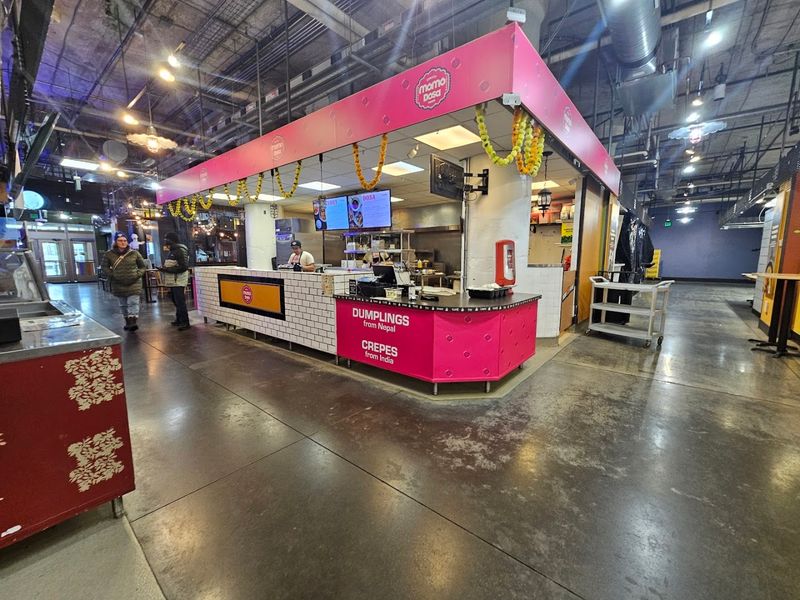
Momo Dosa is exactly the kind of vendor that makes a global market worth visiting. The menu draws from South Asian street food traditions, offering momos, which are steamed dumplings popular across Nepal and parts of India, alongside crispy dosa.
The lamb curry has drawn particular attention from visitors who appreciate a well-spiced dish with real depth of flavor. The portion of meat has been described as modest, but the flavors are bold enough that a little goes a long way.
Mango drinks round out the experience with something cool and refreshing.
South Asian street food is notoriously difficult to replicate outside of its home regions, which makes a vendor this committed to getting it right stand out. First-time visitors to this style of cooking will find the menu approachable, while those already familiar will recognize the care and technique behind each dish.
Mexican Food With Real Personality
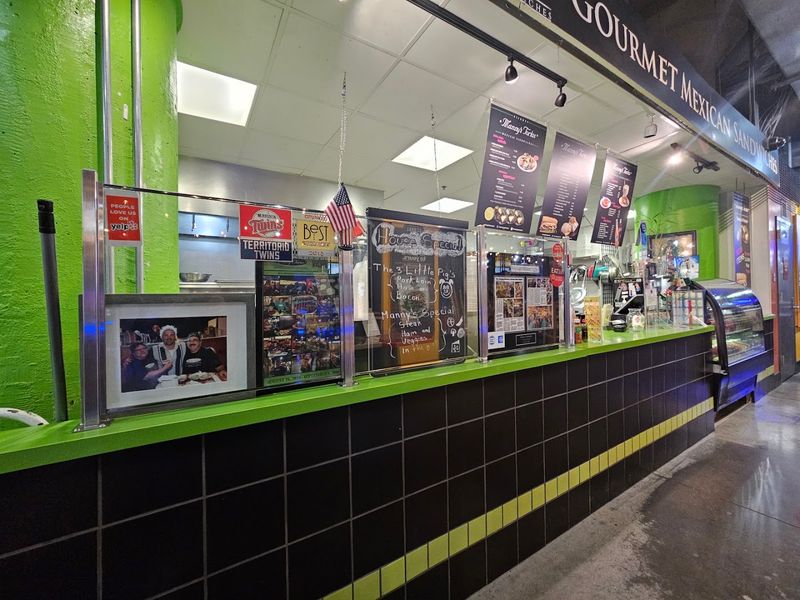
Manny’s Tortas is one of those market staples that regulars return to without even debating other options. The tortas are substantial, layered sandwiches that deliver bold Mexican flavors in every bite, and the prices make them an easy choice even for a casual weekday lunch.
The stall has a reputation for being genuinely welcoming, and the food reflects the same no-frills, honest approach. There is no performance here, just well-made food served with care.
That combination tends to build loyalty fast.
Beyond Manny’s, the market also features other Mexican vendors that round out the options for anyone craving that particular cuisine. Having multiple Mexican food options under one roof means visitors can compare styles and find their personal favorite.
For a market that celebrates global variety, the depth of representation from any single cuisine is always a welcome sign of how seriously the vendors take their craft.
Handmade Goods, Textiles, and Local Art
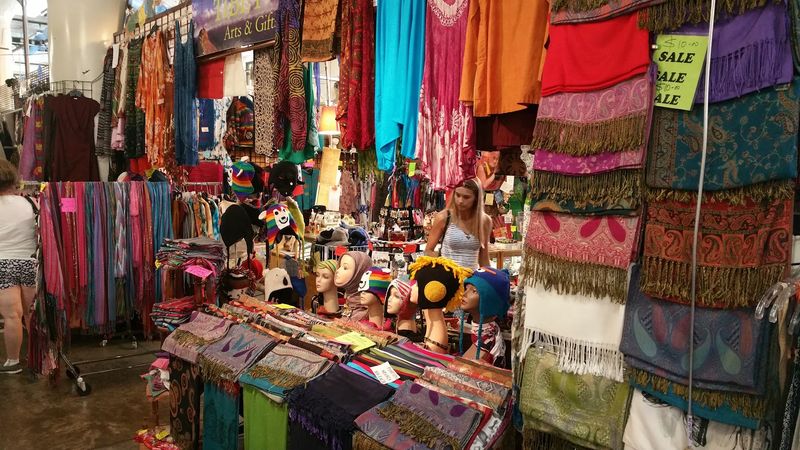
Food is the main draw, but the market is also home to vendors selling handmade goods that are genuinely hard to find anywhere else. One small corner stall carries felt and knitted hats crafted by local artists, and the quality and creativity on display there consistently surprises first-time visitors.
Leather goods, textiles from various cultures, and handmade art pieces also appear throughout the market floor. These are not mass-produced souvenirs.
Most items are made by the vendors themselves or sourced directly from artisan communities, which gives every purchase a sense of meaning beyond the transaction.
Browsing the non-food vendors adds a completely different layer to a market visit and can easily extend your time there by another hour. Visitors who come purely for the food often leave with something unexpected tucked under their arm, a hat, a scarf, or a piece of art that tells a story.
Live Music and Themed Events That Change the Atmosphere
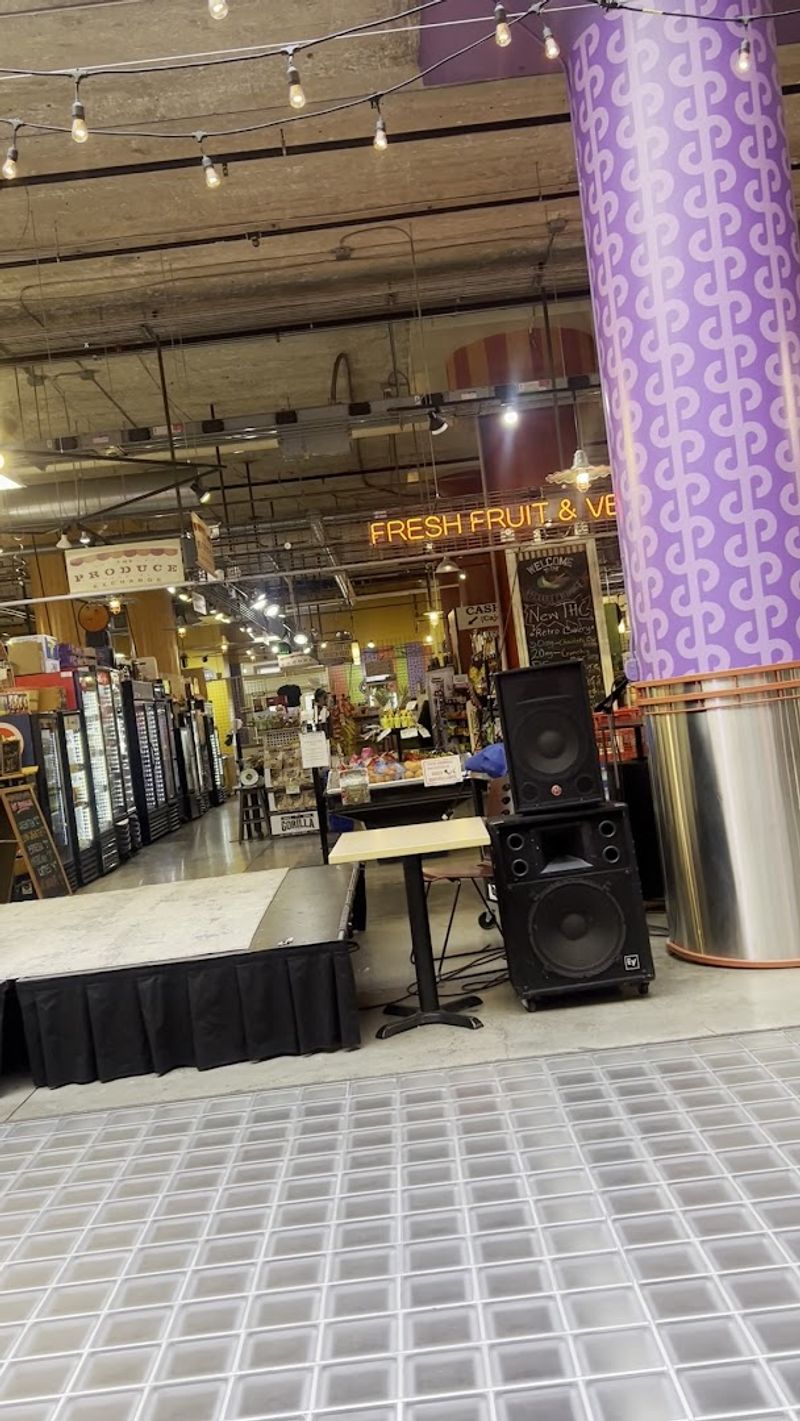
On Saturdays, the market comes alive in a different way. Live music fills the open floor, and the combination of sound, food aromas, and foot traffic creates an atmosphere that feels genuinely festive without being overwhelming.
Open mic sessions have also been part of the programming, giving local musicians a stage and visitors an unexpected soundtrack to their meal. Themed cultural events appear throughout the year, offering another reason to check the market’s calendar before assuming any given visit will look like the last one.
These events are particularly well-suited for families. Bringing kids to a space where live music, global food, and handmade art all exist in the same room makes for an afternoon that covers a lot of ground without requiring a lot of planning.
The market rewards spontaneous visits just as much as carefully scheduled ones, which is part of its lasting appeal to locals.
A Gathering Place for Minneapolis Southside Communities
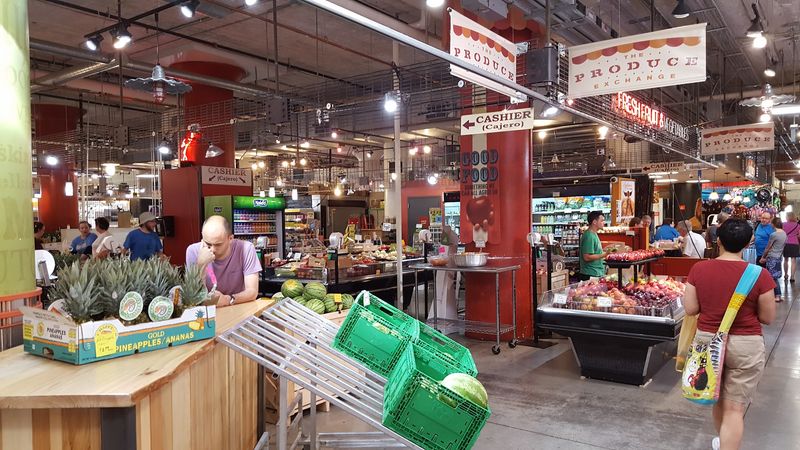
The market has always been more than a place to eat. It sits at the heart of one of Minneapolis’s most culturally diverse neighborhoods, and its vendor roster reflects that directly.
Latino, East African, Caribbean, South Asian, and Indigenous communities all have a presence on the market floor.
That diversity is not incidental. The market was designed from the beginning to provide affordable commercial space for small business owners from immigrant and minority communities, giving entrepreneurs a place to establish themselves without the enormous overhead of a standalone storefront.
Walking through the space, you sense that most vendors have a personal connection to what they are selling, whether it is a family recipe, a craft tradition passed down through generations, or a product that reflects their cultural identity. That authenticity is exactly what makes the market feel different from a standard food court.
The community built it, and the community keeps it going.
Practical Tips for Your First Visit
A few practical details can make your first visit much smoother. The market is open Monday through Saturday from 10 AM to 8 PM, with Sunday hours running from 11 AM to 6 PM.
Visiting on a weekday gives you a quieter experience, while Saturdays bring more vendors, more energy, and the possibility of live music.
Parking is available in the structure on the east side of the building, and validation is available inside the market for the first hour at no charge. The lot charges a modest hourly rate after that, making it an affordable option even for a longer visit.
Come hungry and bring a little extra time. The market rewards wandering, and the temptation to try one more stall after you have already eaten is very real.
Arriving with a plan to explore rather than a plan to rush makes the whole experience significantly more enjoyable and memorable.
Why This Market Stays on People’s Minds Long After They Leave
There is something specific that separates Midtown Global Market from other food halls and markets around the country. The vendors are not performing a version of their culture for outside consumption.
They are cooking the food they grew up eating, selling the goods they genuinely believe in, and building real businesses in a space that was created to support them.
That sincerity shows in every transaction, whether you are ordering a Moroccan sandwich to take back to your hotel room or picking up a handmade hat from a local artist. The market does not try to be everything to everyone, but it ends up meaning a great deal to a wide range of people anyway.
Visitors who make it to Midtown Global Market once almost always say they plan to return. The pull is simple: good food, real culture, and a building full of people who genuinely care about what they are sharing.
Share this story