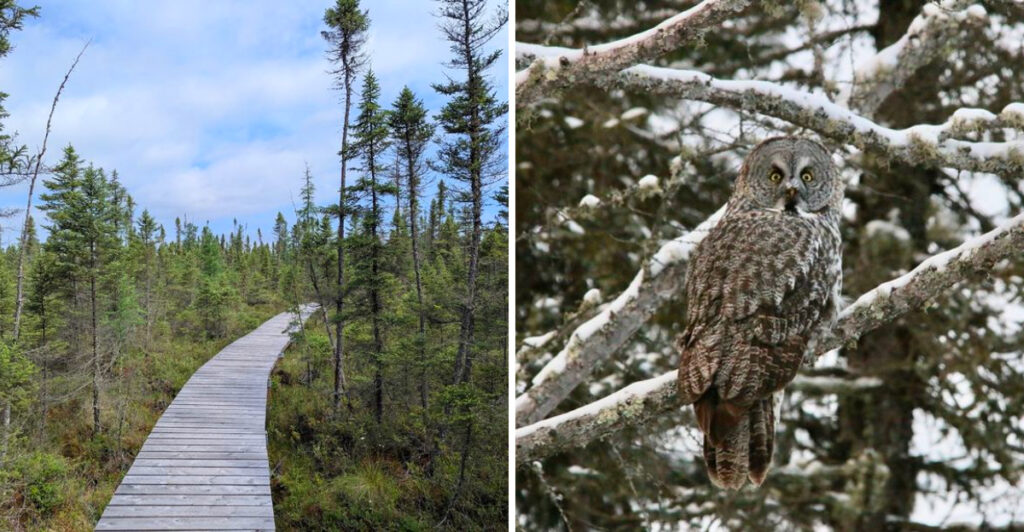
Most people don’t expect a bog in northern Minnesota to land on any birder’s bucket list, but this one keeps showing up there year after year. During winter months, a massive owl with piercing yellow eyes and a wingspan stretching nearly five feet quietly hunts across a frozen landscape that few tourists ever think to visit.
The Great Gray Owl is one of North America’s most awe-inspiring birds, and this particular bog draws them in numbers that genuinely surprise first-time visitors. Once you learn what makes this place so special, it’s hard not to start planning a trip.
What Makes Sax-Zim Bog So Unique
Not every wetland earns a reputation that reaches birders across the country, but Sax-Zim Bog has done exactly that. Located at 8793 Owl Ave in Meadowlands, Minnesota, this sprawling boreal bog sits in St. Louis County and covers tens of thousands of acres of open peatland, shrubby wetland, and conifer forest.
The bog’s name comes from two small communities, Sax and Zim, that once existed within its boundaries. Today, it functions as one of the most ecologically rich birding areas in the entire Upper Midwest.
What sets it apart is the combination of boreal habitat and open bog that attracts species rarely seen further south. The Friends of Sax-Zim Bog nonprofit actively manages the area and welcomes visitors year-round, making it accessible to everyone from casual nature lovers to serious listers chasing rare northern species.
The Great Gray Owl and Why It Comes Here
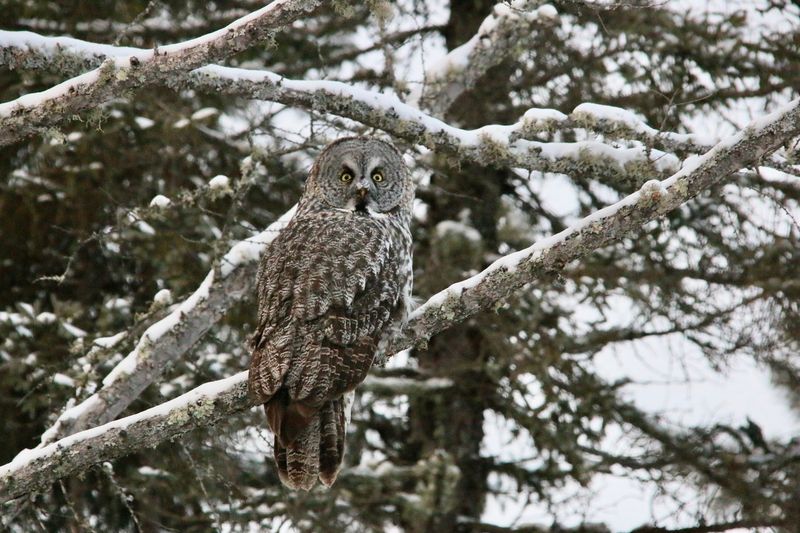
The Great Gray Owl is not a bird you forget. Standing nearly 27 inches tall with a broad facial disc that looks almost satellite-dish-like, it has a presence that stops people cold the moment they spot one.
These owls breed in the boreal forests of Canada and Alaska but regularly move southward into northern Minnesota during winter, especially in years when prey populations shift. Sax-Zim Bog offers exactly what they need: open bog habitat where voles tunnel beneath the snow, giving the owls a reliable hunting ground.
The owl’s hearing is so precise it can detect a vole moving under nearly two feet of snow and plunge directly through the surface to catch it. Watching that happen in real time is something birders describe as one of the most remarkable wildlife moments they have ever witnessed.
Sax-Zim delivers that experience more reliably than almost anywhere else in the lower 48 states.
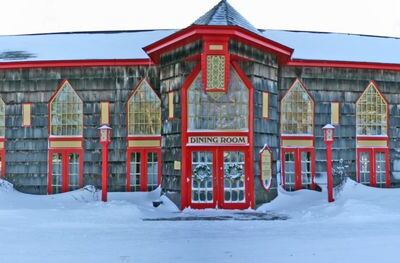
The Welcome Center on Owl Avenue
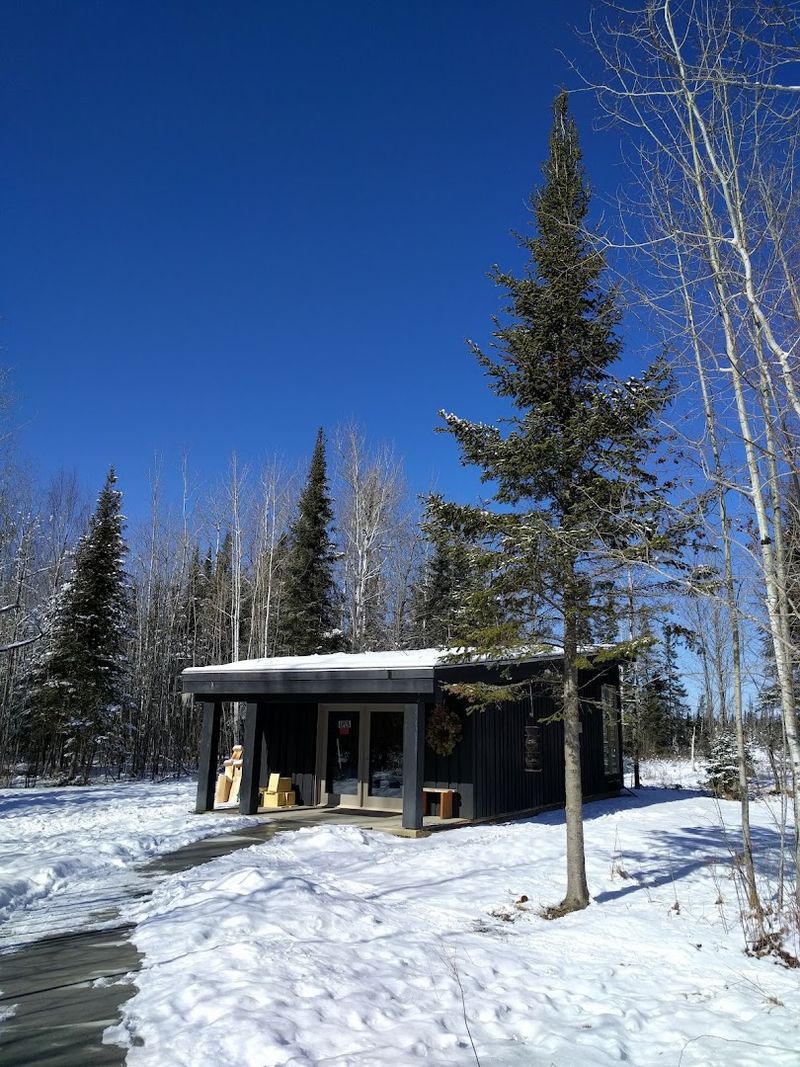
The address alone tells you something about this place. The Welcome Center sits right on Owl Avenue, and that is not a coincidence.
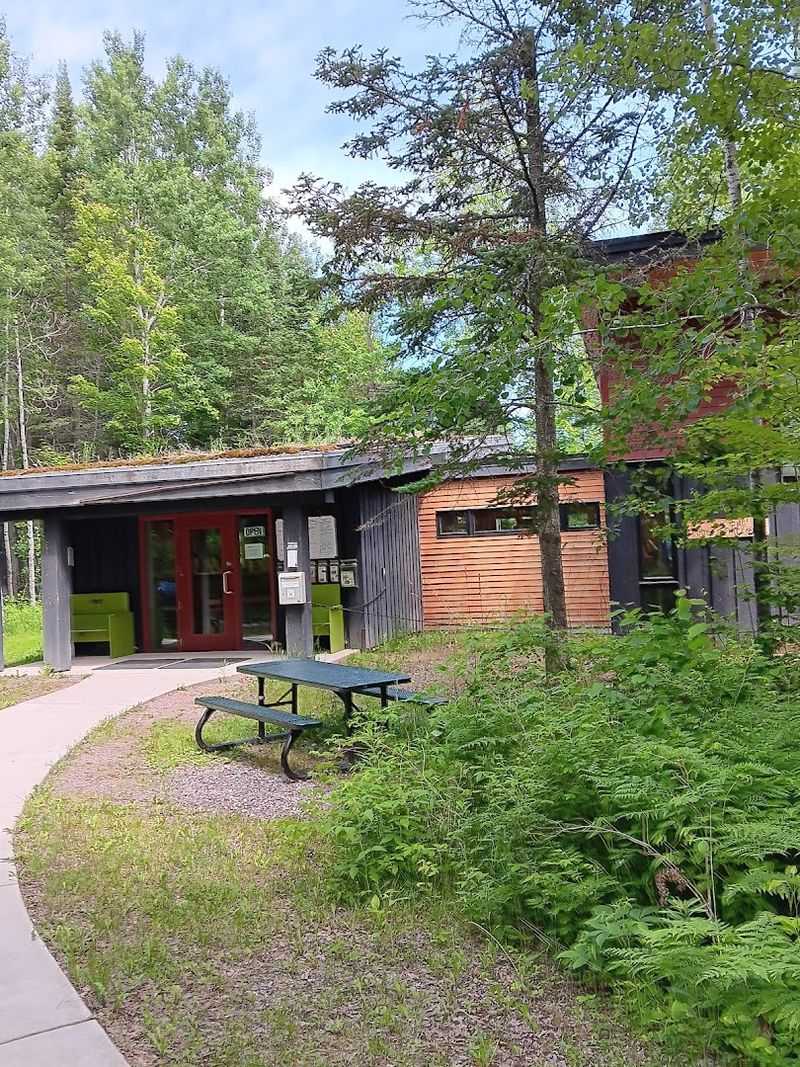
The building serves as the gateway to the bog and is genuinely worth stopping at before you head out to explore.
Inside, you will find exhibits about the bog’s ecology, a gift shop stocked with field guides and local items, and hot beverages that feel like a gift on a cold January morning. Staff members post updated sighting reports on a board near the entrance, showing exactly where owls and other notable birds have been spotted recently.
There is also a bird feeder station visible from inside the center, so you can watch chickadees, woodpeckers, and other species without even stepping outside. The half-mile trail behind the building winds through the woods to another feeding station and gives visitors a gentle, unhurried introduction to the bog ecosystem.
Winter Birding Season at Its Finest
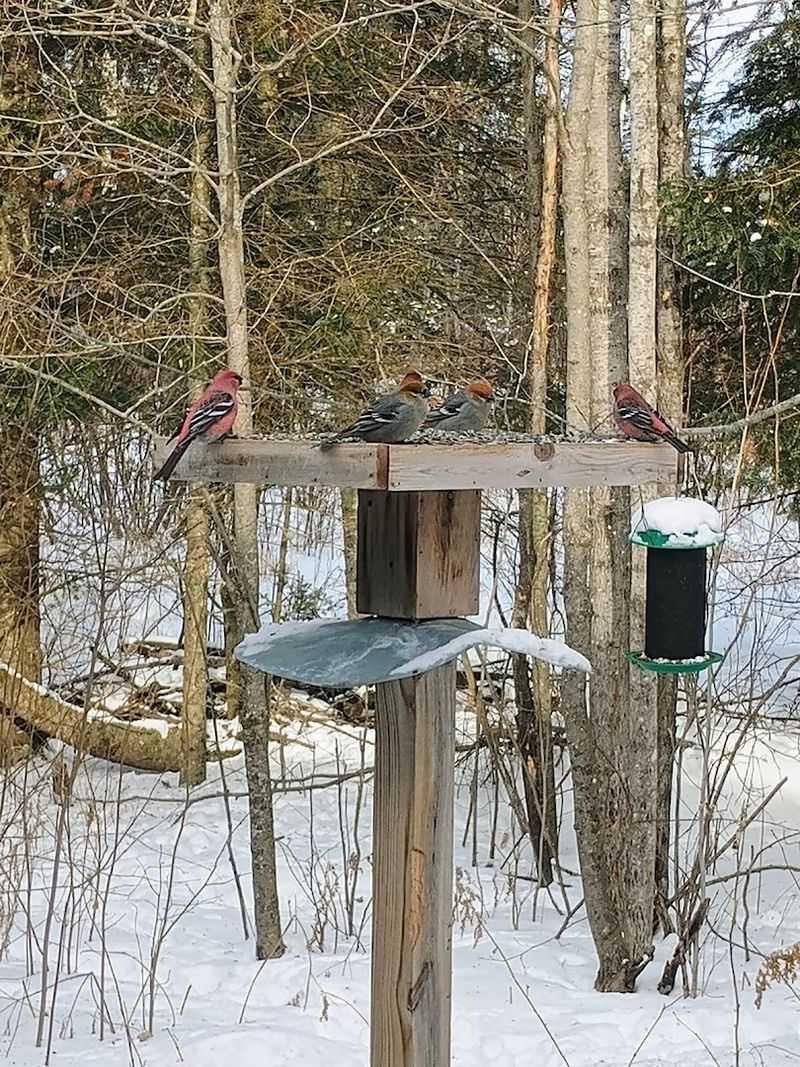
Winter is the season that puts Sax-Zim Bog on the map for serious birders. From roughly November through March, the bog transforms into one of the most productive birding landscapes in the country.
Cold temperatures and deep snow are not deterrents here. They are part of the draw.
Beyond Great Gray Owls, winter visitors regularly encounter Northern Hawk Owls perched prominently at treetops, Boreal Owls tucked into cavities, and Snowy Owls scanning open fields. Rare finches like Pine Grosbeaks, Common Redpolls, and Hoary Redpolls move through in flocks that can number in the hundreds during irruption years.
The bog roads become a slow-drive birding circuit during peak season, with cars pulling over every few hundred yards as someone spots something worth stopping for. It has a communal, unhurried energy that feels completely different from birding in a crowded park or nature center closer to the city.
Other Owls You Might Encounter
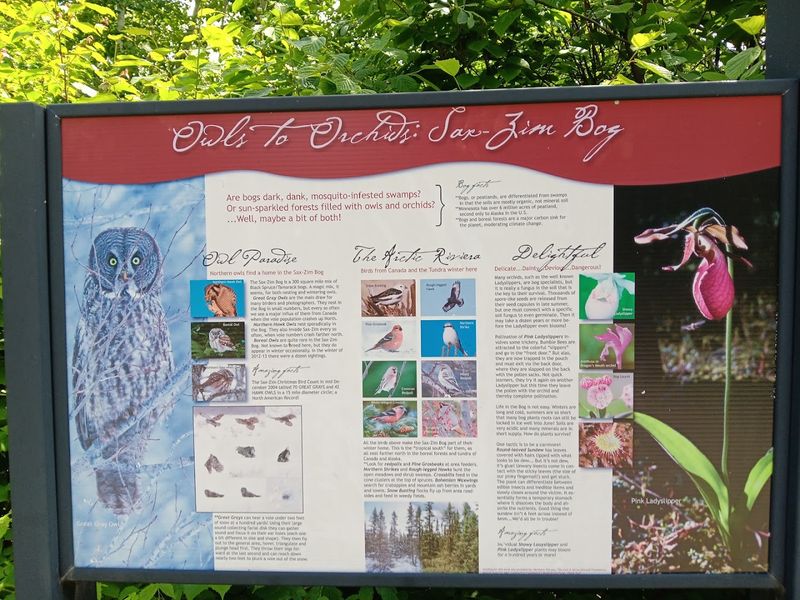
Great Gray Owls get most of the attention, but Sax-Zim Bog is genuinely a multi-owl destination. The Northern Hawk Owl is one of the bog’s most charismatic regulars.
Unlike most owls that hunt at dawn and dusk, this species hunts in full daylight, perching at the very tip of a tall dead snag and scanning the ground below with hawk-like intensity.
Boreal Owls are smaller and far more secretive, often hiding deep inside tree cavities during the day. Spotting one requires patience and a good tip from someone who has been out on the roads earlier that morning.
The Welcome Center’s sighting board is invaluable for tracking them down.
Long-eared Owls and Short-eared Owls also appear during certain winters, and the open bog edges at dusk can produce flyover sightings that feel almost cinematic against a pink northern sky. The variety here is genuinely hard to match anywhere else in the Midwest.
How to Drive the Bog Roads
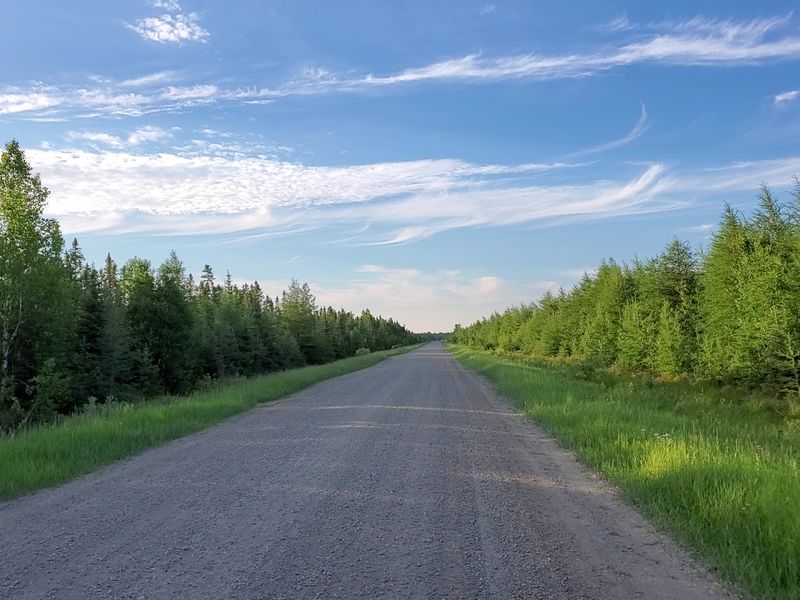
Most of the birding at Sax-Zim happens from the road, which makes it accessible even for people who cannot walk long distances. The bog road network covers a significant area, and driving slowly with your windows down is genuinely the most effective strategy.
The roads are rural and largely unpaved, so a vehicle with decent clearance is helpful during heavy snow years. Most people drive at a crawl, scanning the treeline and open areas for movement.
When someone spots something good, cars stop and word spreads quickly among other birders on the road.
Starting at the Welcome Center and picking up a current map is strongly recommended. Staff members customize routes based on recent sightings and can tell you which roads have been most productive that week.
Dawn is consistently the best time to be out, especially if Great Gray Owls are your primary target. Arriving early pays off more often than not.
The Boardwalk Trail and Bog Ecology
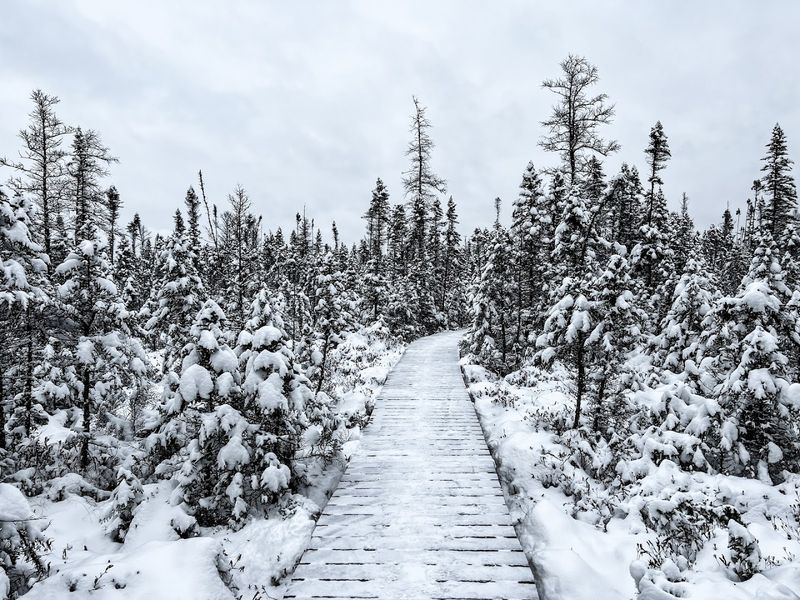
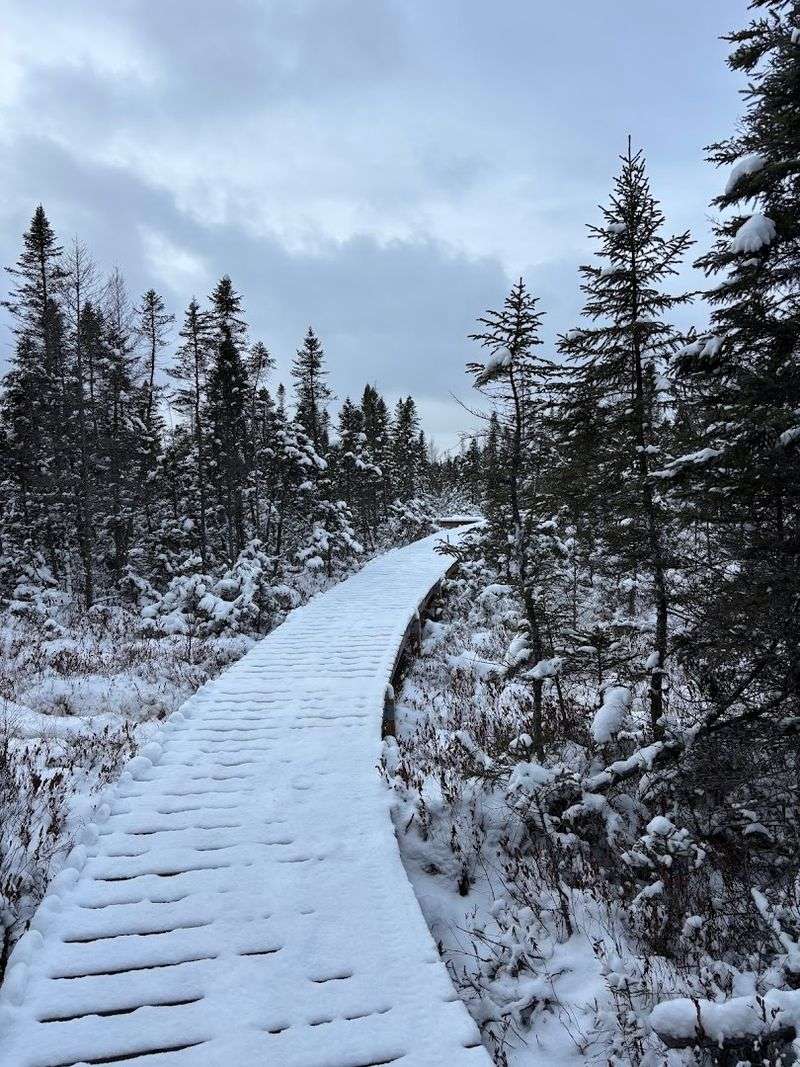
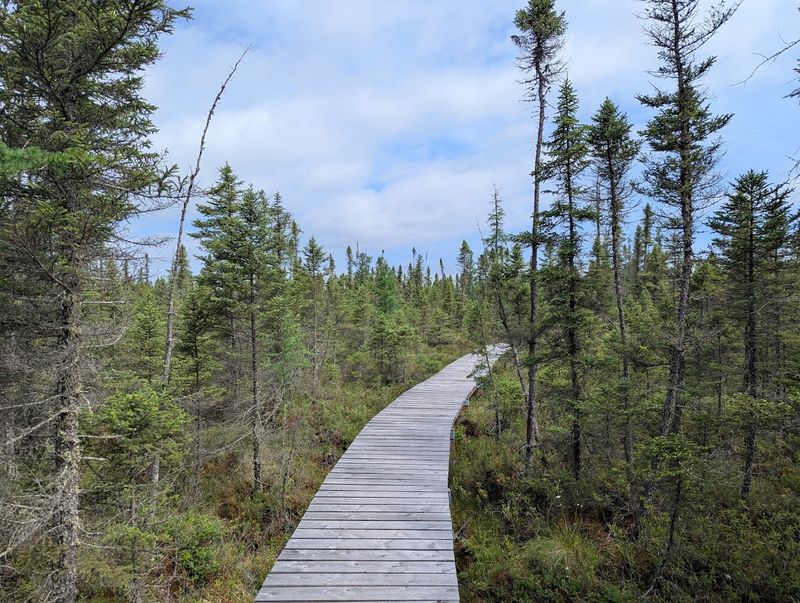
The bog is not just a place to drive through slowly with binoculars. The boardwalk trail near the Welcome Center offers a chance to get out and actually stand inside the bog ecosystem, which has a character entirely its own.
Sphagnum moss carpets much of the ground, creating a spongy, slightly springy surface that feels unusual underfoot. Black spruce trees grow in clusters, often stunted and widely spaced due to the nutrient-poor, waterlogged soil beneath them.
Tamarack trees, which are among the only deciduous conifers in North America, turn golden in autumn before dropping their needles entirely.
The boardwalk keeps your feet dry and gives you a clear view of the open bog mat stretching outward. In winter, the landscape becomes quieter and more stark, but that stillness is part of its appeal.
You get a real sense of just how wild and undisturbed this corner of Minnesota actually is.
What to Bring for a Winter Visit
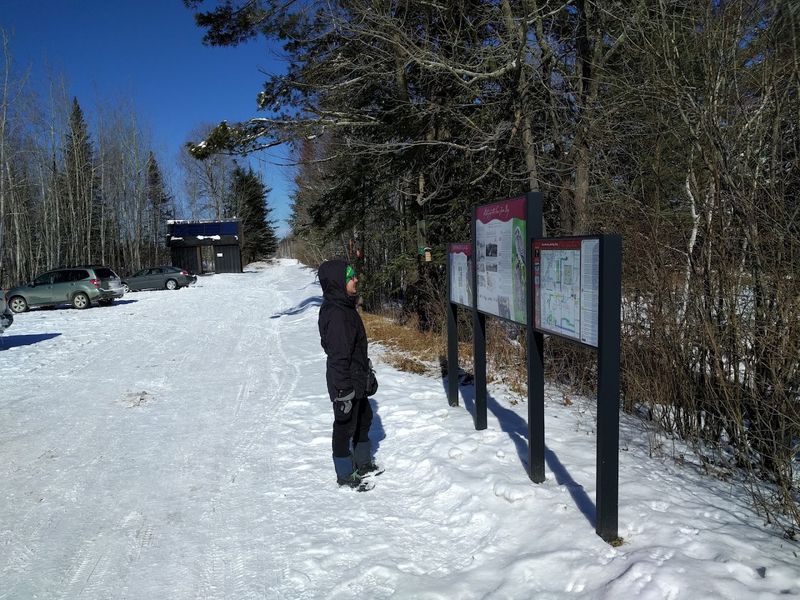
Northern Minnesota in January is not the place to show up underprepared. Temperatures regularly drop well below zero, and wind chill on the open bog can make it feel even colder.
Layering properly is not optional. It is the difference between a great day and a miserable one.
Hand warmers tucked inside gloves are a small investment that makes a huge difference when you are standing outside for twenty minutes waiting for an owl to make its move. Insulated, waterproof boots rated for extreme cold are worth every penny.
A good balaclava or face covering keeps the wind off during extended roadside stops.
Bring food and water since services are limited in the area surrounding the bog. A full gas tank before you arrive is strongly advised.
Binoculars are essential, and a spotting scope or telephoto lens will let you appreciate the owls without disturbing them at a respectful distance.
The Sax-Zim Bog Birding Festival
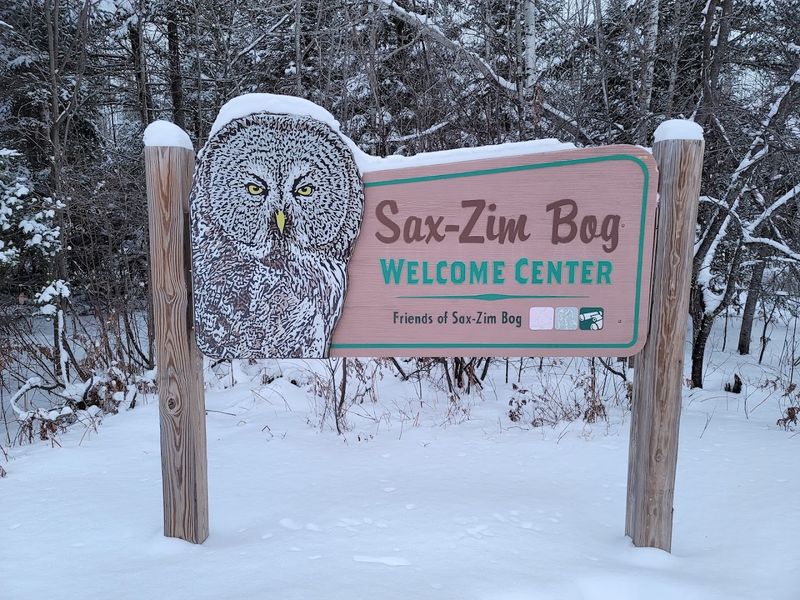
Every February, the Friends of Sax-Zim Bog hosts the Sax-Zim Bog Birding Festival, which draws birders from across the country for a weekend of guided tours, presentations, and communal owl-watching in the field. It has grown steadily in popularity over the years and now serves as one of the premier winter birding events in the Upper Midwest.
The festival offers guided field trips led by experienced naturalists who know the bog’s roads and hotspots intimately. Attendees get access to information and sighting updates that would take an independent visitor days to piece together on their own.
Evening programs feature talks on boreal ecology, owl biology, and conservation topics.
Booking early is essential since spots fill up well in advance. Even if you cannot attend the festival itself, visiting during that same week means the bog is buzzing with knowledgeable birders willing to share tips and point out species you might otherwise miss entirely.
Wildlife Beyond the Birds
Sax-Zim is primarily known as a birding destination, but the mammals that move through this landscape add a layer of wildness that catches many visitors off guard. Moose are present in the region and occasionally cross bog roads, their enormous dark forms appearing suddenly from the tree line in a way that makes your heart jump.
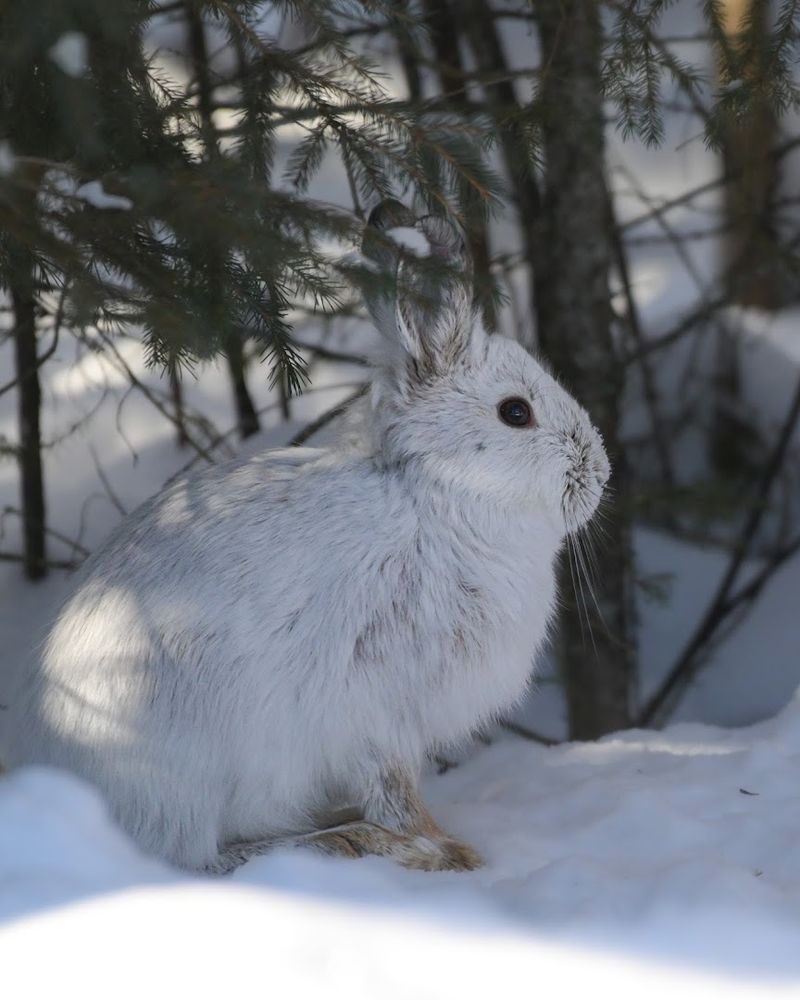
Gray wolves are part of the ecosystem too, and tracks in fresh snow along the bog roads are a reminder that this is genuine northern wilderness. White-tailed deer and snowshoe hares are common sights, and the hares’ winter-white coats make them surprisingly hard to spot against the snow until they move.
River otters use the waterways threading through the bog, and beaver activity is visible at many of the ponds and slow-moving channels. The bog rewards slow, attentive travel.
The more carefully you look, the more the landscape gives back in unexpected and genuinely thrilling ways.
The Conservation Story Behind the Bog
Sax-Zim Bog exists as a thriving wildlife area today in part because of deliberate conservation effort. The Friends of Sax-Zim Bog, a nonprofit organization, has worked for years to protect habitat, install and maintain bird feeders, develop trail infrastructure, and operate the Welcome Center as a public resource.
Land acquisition has been a key part of their mission, with the organization purchasing private parcels within the bog to prevent development and ensure long-term habitat protection. Donations from visiting birders and gift shop purchases directly support those ongoing efforts.
The bog’s ecological importance extends well beyond owls. Peatlands store enormous amounts of carbon, making their preservation relevant to broader environmental conversations.
Sax-Zim also provides critical habitat for species that are losing ground across North America as boreal forests face increasing pressure. Visiting the bog and supporting the Friends organization is one of the more direct ways a traveler can contribute to meaningful conservation work.
Planning Your Trip to Meadowlands, Minnesota
Meadowlands is a small community in St. Louis County, and the surrounding area offers a genuinely remote northern Minnesota experience. The nearest larger city is Duluth, roughly an hour to the southeast, which makes it a natural base for visitors who want comfortable lodging and easy access to the bog.
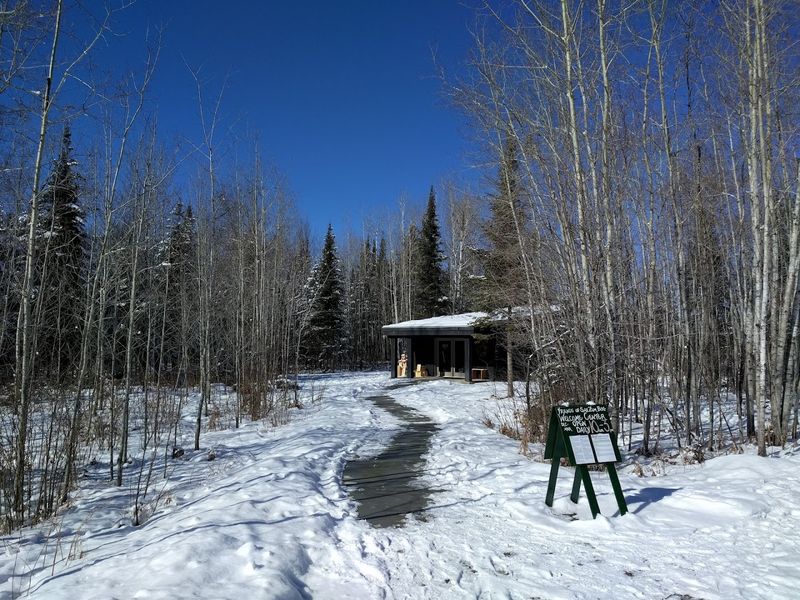
The Welcome Center is open year-round and serves as the best starting point for any visit. Arriving on a weekday during winter can mean having certain sections of the bog almost entirely to yourself, which is a very different experience from the busy festival weekend in February.
Plan for a full day at minimum. The bog is large and the roads reward slow, unhurried exploration.
Cell service can be spotty in parts of the area, so downloading offline maps before you leave is a practical step. Most visitors who come once end up returning the following winter with better gear and longer plans.
Why Birders Keep Coming Back Season After Season
There are birding destinations that deliver once and then feel familiar on a return visit. Sax-Zim Bog is not one of those places.
The combination of unpredictable irruption years, shifting owl territories, and constantly rotating species keeps every winter visit feeling genuinely fresh and uncertain in the best possible way.
One year the bog might be packed with Snowy Owls. The next, Pine Grosbeaks dominate the feeders while Great Gray Owls hunt the open areas in numbers that feel almost surreal.
That variability creates a sense of anticipation before each trip that is hard to replicate at more predictable destinations.
The community of birders who visit regularly adds something too. There is a shared generosity among people who come here, a willingness to share sightings and point strangers toward something special just spotted down the road.
That spirit, combined with one of North America’s most compelling winter landscapes, keeps people returning to this remarkable corner of Minnesota year after year.
Share this story