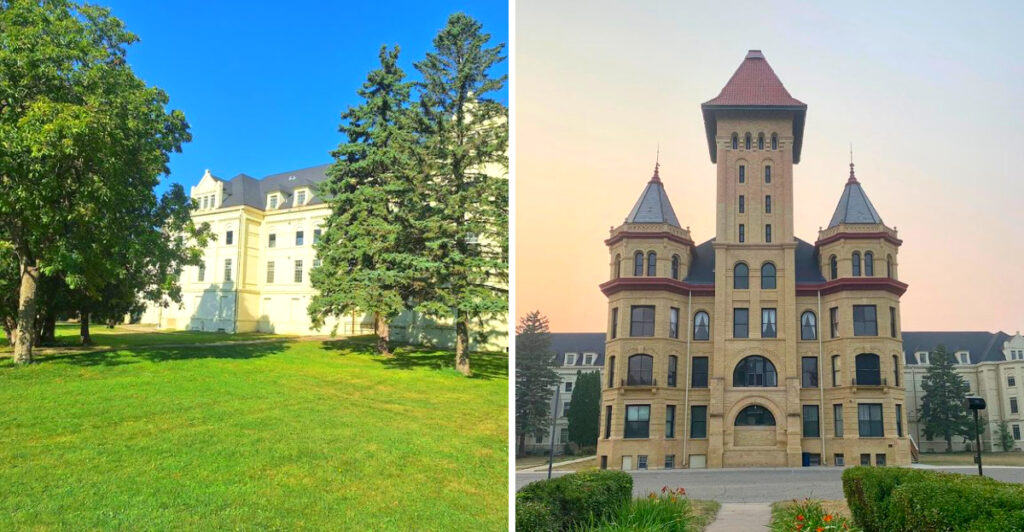
There is a building in a small Minnesota town that stops people cold the first time they see it. It is not a skyscraper, not a stadium, and not a castle, yet it carries the same jaw-dropping quality as all three.
The structure spreads across the landscape in a long, sweeping arc of red brick and Victorian towers, measuring close to a quarter mile from one end to the other. I had read about it before I visited, but no photo fully prepared me for the sheer scale of what greeted me on that quiet afternoon.
The Fergus Falls Historic State Hospital is one of those rare places where architecture, history, and human story all collide in one extraordinary location, and once you start learning about it, you will not want to stop reading.
A Building That Refuses to Be Ignored
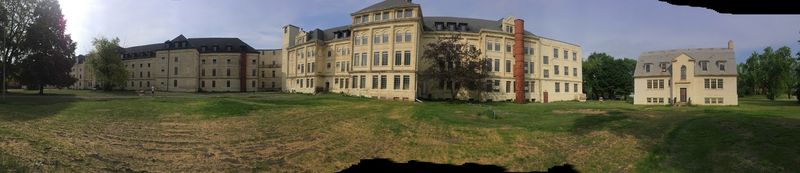
The first thing you notice is the sheer length of it. Standing at one end of the Fergus Falls Historic State Hospital and looking toward the other feels a bit like standing at one end of a runway, except the view is filled with red brick, arched windows, and ornate towers instead of asphalt.
The building runs approximately 1,300 feet from end to end, which is close to a quarter mile, making it one of the longest single structures in Minnesota. That measurement alone sets it apart from almost every other building in the state.
What makes the size even more striking is the setting. The hospital sits on open grounds, so there is nothing nearby to shrink its appearance or break up the view.
You get the full, unobstructed impact of its scale all at once, and it hits hard.
The Address and Setting You Need to Know
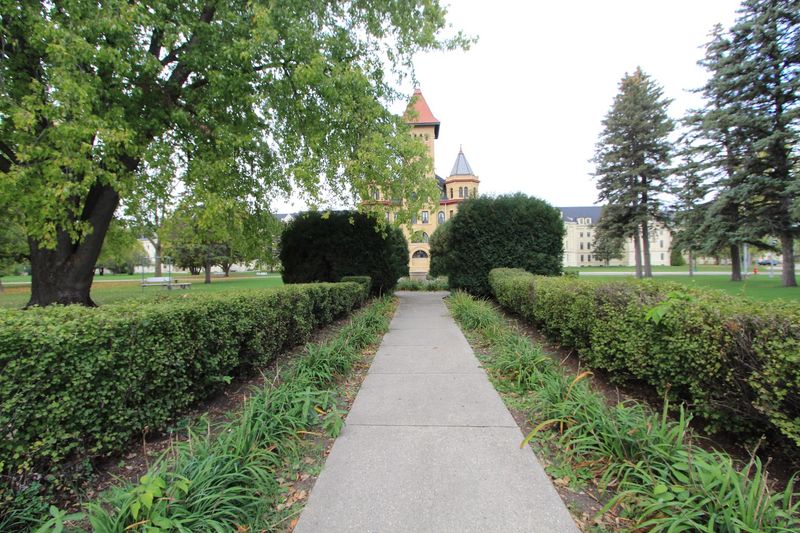
The hospital sits at Cottage Drive, Fergus Falls, MN 56537, in Otter Tail County in west-central Minnesota. Fergus Falls is a city of roughly 13,000 people, and the hospital complex occupies a significant chunk of elevated land on the west side of town.
Getting there is straightforward. The grounds are accessible from Cottage Drive, and the property is visible from several surrounding roads, so you are unlikely to drive past it without noticing something massive looming above the treeline.
The location itself adds to the experience. The hospital sits on a gentle rise, which means the building appears to grow taller and longer the closer you get.
The surrounding grounds include open lawns, mature trees, and quiet paths that make the whole property feel more like a campus than a single building site. It is genuinely worth the detour.
The Kirkbride Plan and Why It Matters
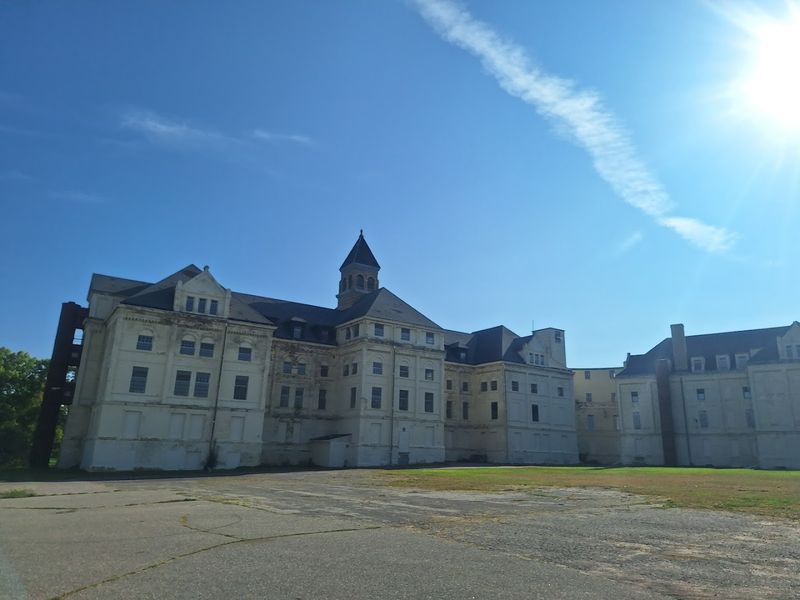
The hospital was designed according to the Kirkbride Plan, a 19th-century architectural philosophy developed by Philadelphia psychiatrist Thomas Story Kirkbride. His idea was radical for the time: that the building itself could help patients recover.
Kirkbride believed that light, fresh air, open views, and well-organized spaces were therapeutic tools just as important as any medical treatment. His plan called for long, angled wings extending from a central block, which allowed sunlight and ventilation to reach every ward throughout the day.
The Fergus Falls building follows this layout precisely. Each wing steps back slightly from the one before it, creating that distinctive staggered silhouette you can see from a distance.
Only a small number of true Kirkbride buildings remain standing in the United States today, which makes this one especially significant as a surviving example of that visionary approach to care.
Construction History and the Hands That Built It
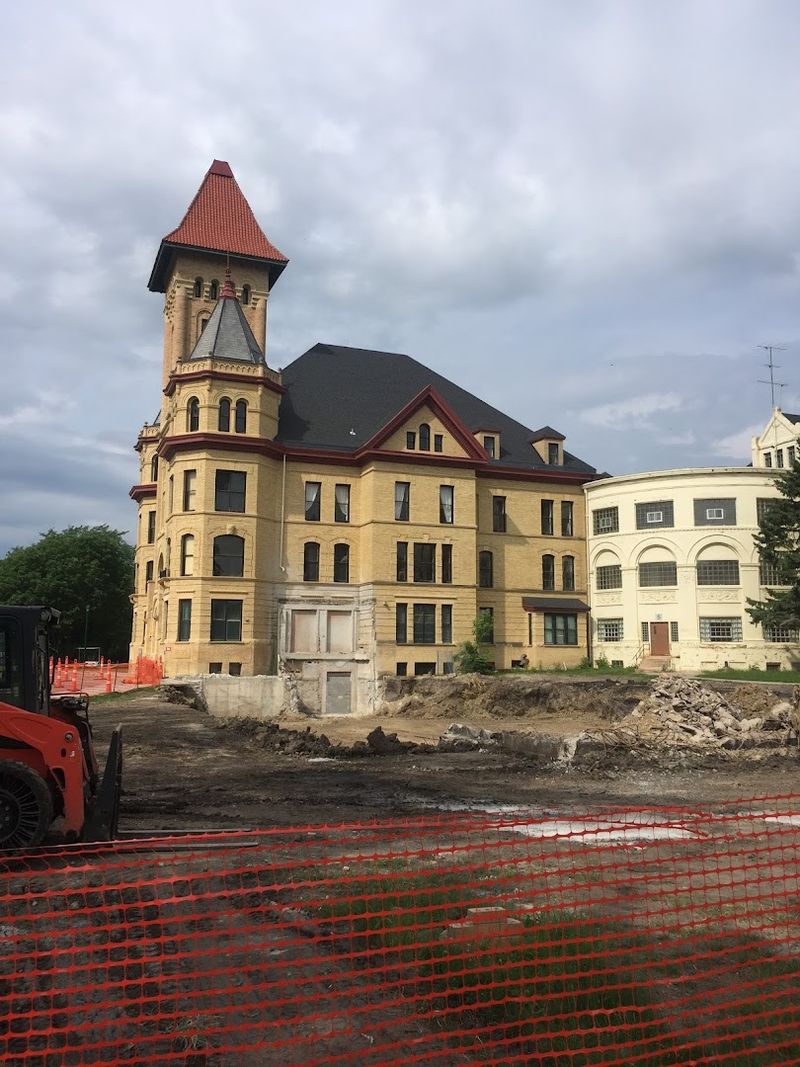
Construction on the Fergus Falls State Hospital began in 1887, and the first patients arrived in 1890. Building a structure of this size in rural Minnesota during that era was no small feat, requiring enormous quantities of brick, skilled labor, and careful planning.
The architect was Warren B. Dunnell, a prominent Minnesota designer who worked on several state institutions during the late 19th century.
His work at Fergus Falls is considered among his most ambitious, given the scale and complexity of the Kirkbride layout he was asked to execute.
The construction unfolded in phases over many years, with additional wings and support buildings added as the patient population grew. At its peak, the complex housed well over a thousand patients and employed hundreds of workers, essentially functioning as a self-contained community with its own farm, power plant, and support infrastructure right on the grounds.
Victorian Architecture at Its Most Dramatic
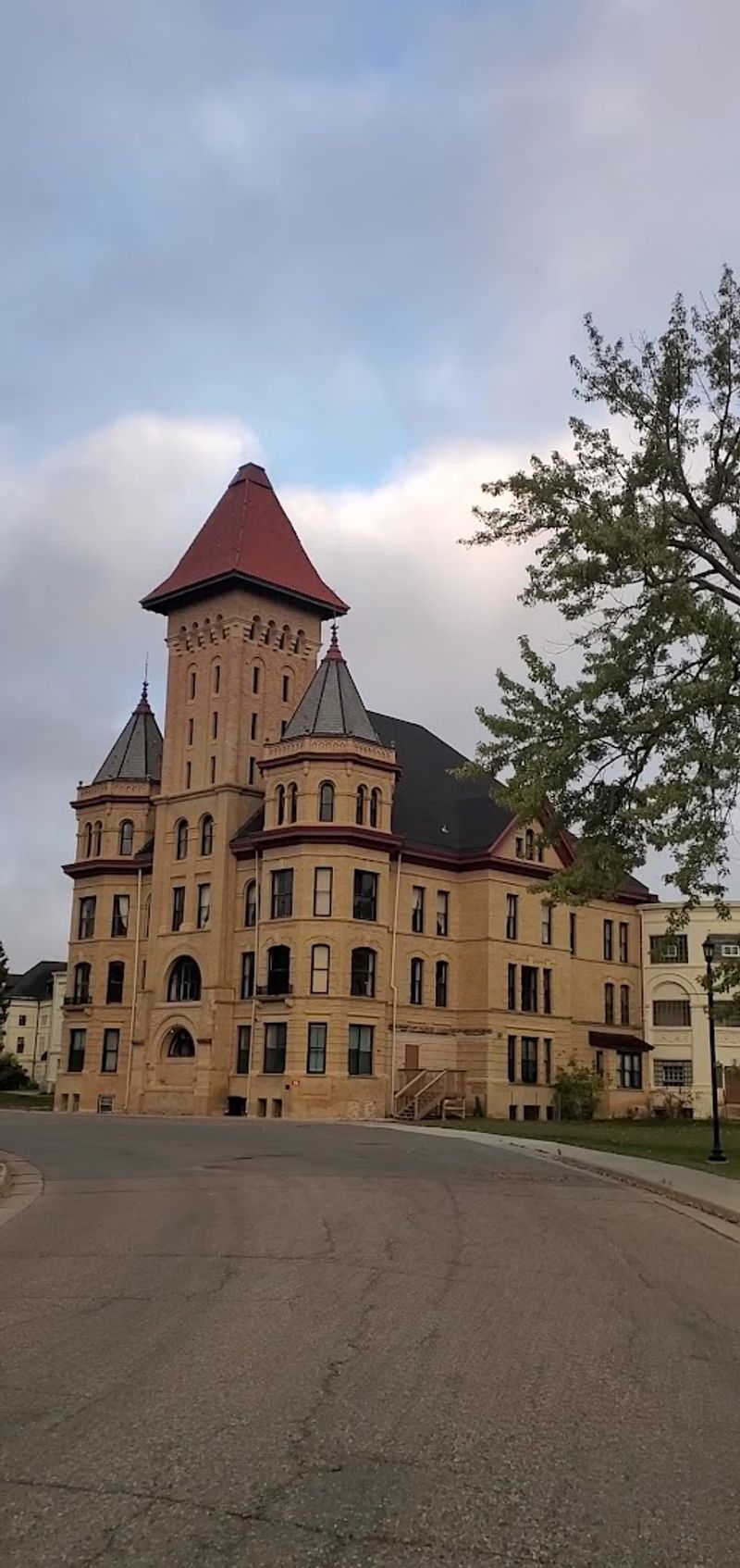
Up close, the building rewards careful attention. The red brick exterior is layered with decorative stonework, arched window surrounds, and corbeled cornices that give the facade a richly textured appearance most modern buildings simply cannot match.
The central section rises into a pair of towers that anchor the composition and give the whole structure a sense of formal grandeur. These towers are visible from a considerable distance and serve as a landmark that orients you within the sprawling complex.
The windows are one of the most satisfying details. Tall, narrow, and topped with arched brick headers, they run in long rhythmic rows down each wing, creating a visual cadence that makes the building feel almost musical when you let your eye travel from one end to the other.
Few structures in Minnesota deliver this level of architectural drama outside of a major city.
The Grounds That Invite You to Slow Down
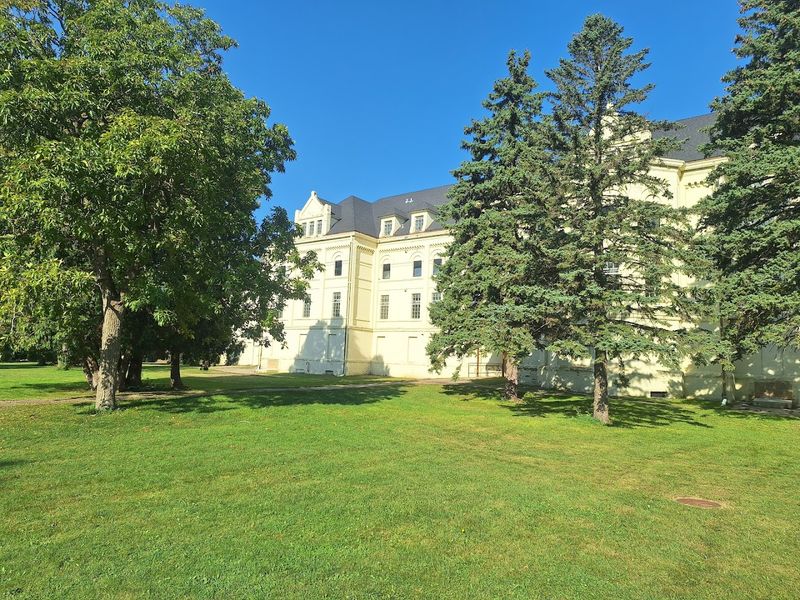
Even if you cannot enter the building, the grounds alone make the visit worthwhile. The property covers a large area with open lawns, clusters of mature trees, and quiet paved paths that loop around the complex at a comfortable walking pace.
A slow walk around the perimeter takes about 20 to 30 minutes depending on how often you stop to look up. And you will stop often, because the building changes character as you move around it.
New angles reveal different rooflines, window groupings, and brick details that you completely missed from the previous vantage point.
The grounds also work well for a casual picnic. The grass is well-maintained in many areas, and the shade from the surrounding trees makes it a pleasant spot on a warm Minnesota afternoon.
Bring a blanket, some snacks, and a good sense of curiosity, because this place will keep your eyes busy.
Photography Opportunities That Are Hard to Beat
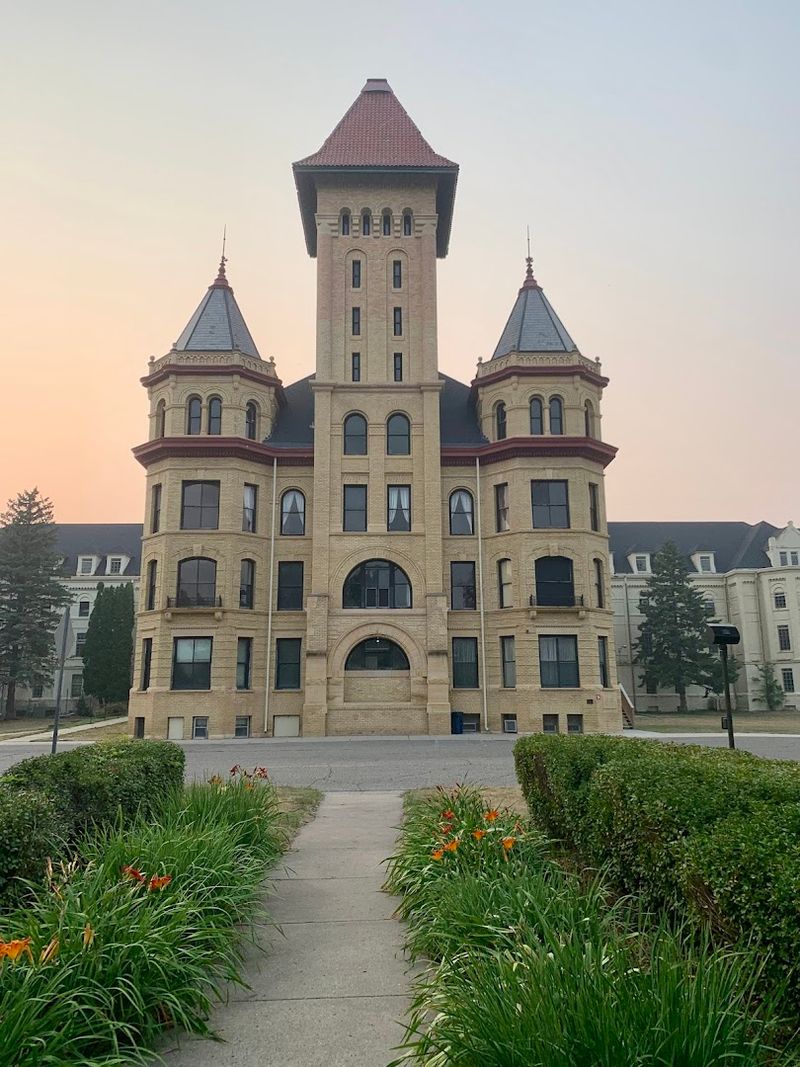
For anyone who enjoys photography, this location is a genuine playground. The sheer length of the building creates compelling compositional opportunities that are almost impossible to find elsewhere in the region, from sweeping wide-angle shots to tight detail studies of the brickwork and windows.
Golden hour light is particularly rewarding here. When the late afternoon sun hits the red brick at a low angle, the facade glows with a warmth that makes even a phone camera produce stunning results.
The long horizontal lines of the building contrast beautifully against a dramatic Minnesota sky.
Low-light and nighttime photography also draw visitors to the grounds. The building takes on a completely different character after dark, with shadows deepening the texture of the brick and the towers silhouetted against the sky.
If you enjoy night photography, this location offers a subject that very few other buildings in the state can match.
The Patient History Preserved in These Walls
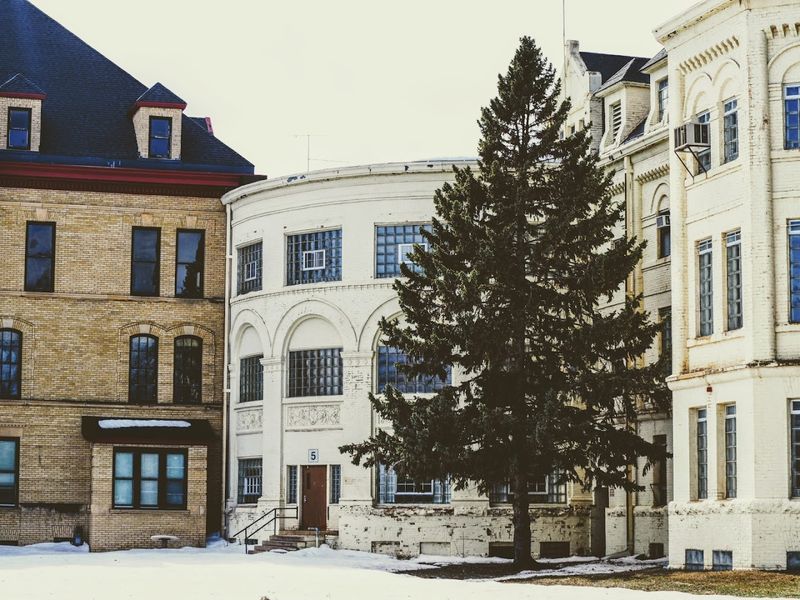
The Fergus Falls State Hospital operated as a psychiatric facility for over a century, from its opening in 1890 until it was decommissioned in the late 20th century. During that time, it served thousands of patients from across Minnesota who came with a wide range of mental health conditions.
The history of psychiatric care in the United States during this period is complex and often difficult to reflect on. Early approaches to treatment look very different from modern standards, and institutions like this one were at the center of changing ideas about how people in mental health crises should be supported.
The building itself stands as a physical record of that long evolution. Walking the perimeter with that history in mind adds a layer of meaning to every window and doorway you pass.
The architecture was designed with genuine care for patient wellbeing, which was a genuinely progressive idea when these walls first went up.
National Recognition and Preservation Efforts
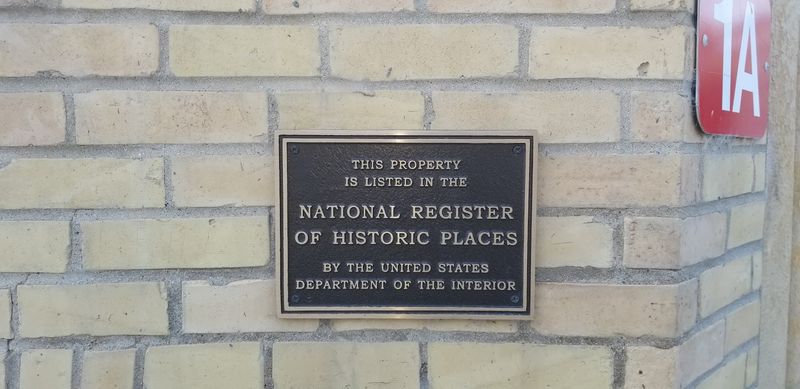
The Fergus Falls State Hospital has been recognized on the National Register of Historic Places, which reflects the significance of both its architecture and its history within the broader story of American institutional design.
The National Park Service maintains a dedicated page for the site, acknowledging its importance as one of the surviving examples of Kirkbride-plan hospital construction in the country. That kind of federal recognition is not handed out casually, and it speaks to how rare and valuable this building is considered to be by preservation professionals.
Local advocates have long pushed for the building’s preservation, and the community of Fergus Falls has shown strong attachment to the site as a landmark that defines the city’s identity. Partial demolition of some sections over the years has been a painful subject for many residents, making the remaining structure all the more precious to those who care about the town’s architectural heritage.
How the Building Has Been Used in Recent Years
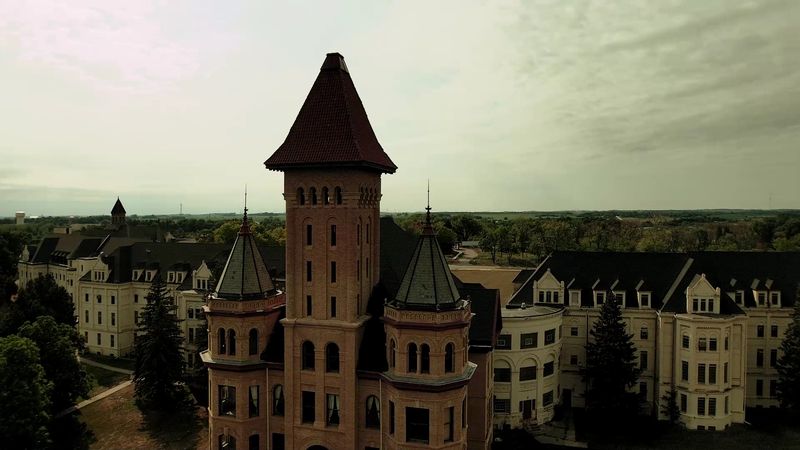
The Fergus Falls State Hospital has attracted attention well beyond the local community in recent years. The building served as a filming location for a notable production, which brought national and international attention to the site and introduced many people to its extraordinary appearance for the first time.
The complex has also been the subject of architectural photography projects, historical research, and preservation advocacy efforts that have kept it in public conversation. Its visual drama and historical weight make it a natural subject for anyone working in documentary, photography, or historical writing.
Various proposals for adaptive reuse of the building have been discussed over the years, with ideas ranging from residential conversion to cultural and community spaces. The challenge of repurposing a structure this large while honoring its history is significant, but the conversation itself reflects how seriously people take the building’s potential future.
Few abandoned structures generate this much genuine community investment.
What to Expect When You Visit Today
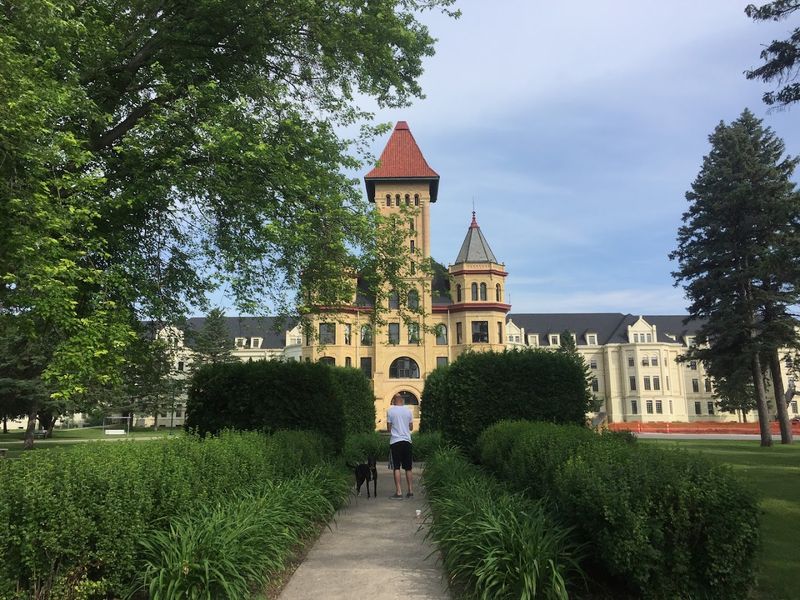
The grounds of the Fergus Falls Historic State Hospital are accessible to the public, though the interior of the building is not open for general entry. Most visitors explore the exterior and the surrounding property on foot, which is a satisfying way to spend an hour or two.
There is no formal entrance fee or ticketing process for walking the grounds. You simply arrive, park nearby, and start exploring at your own pace.
The open layout means you can approach the building from multiple directions and find the angles and views that interest you most.
Comfortable walking shoes are a smart choice, especially if you plan to cover the full perimeter of the complex. The grounds are generally flat, but the distance adds up quickly given the scale of the property.
Bring water on warm days, and do not underestimate how long you will want to stay once you are actually there.
Why This Building Deserves a Place on Your Minnesota Road Trip
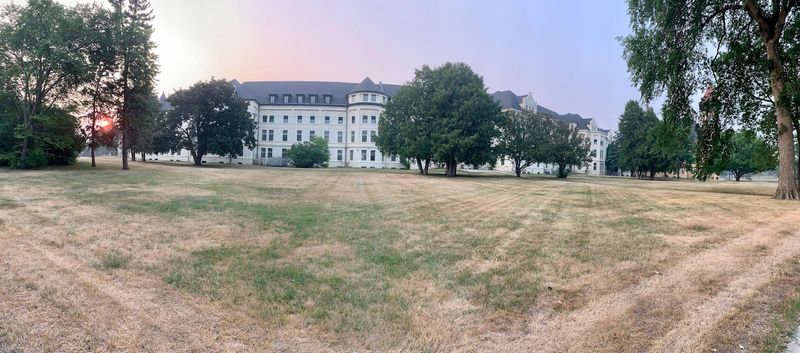
Minnesota has no shortage of interesting stops, but very few of them deliver the kind of immediate, visceral impact that this building provides the moment it comes into view. The combination of architectural ambition, historical depth, and sheer physical scale puts it in a category of its own.
It works well as a standalone destination or as part of a broader west-central Minnesota road trip. Fergus Falls itself has a charming downtown, parks along the Otter Tail River, and other points of interest that can round out a full day of exploring without any trouble.
The hospital is the kind of place that sticks with you long after you drive away. The image of that long red brick facade stretching across the horizon tends to resurface in your memory at unexpected moments, which is exactly what the best travel experiences do.
Some buildings just have that effect, and this one earns it completely.
Share this story