There is a place in central Minnesota where you can stand next to a World War II tank, sit inside a Vietnam-era helicopter, and trace the full arc of American military service from the mid-1800s all the way to the Gulf War era. The collection is enormous, the stories are real, and the experience stays with you long after you leave.
What makes it even more remarkable is that the whole thing sits on an active military installation, which gives it a weight and authenticity that most museums simply cannot match. If you have ever wanted to truly understand what American service members carried, wore, drove, and fought with across generations, this is a visit worth planning.
A Museum Built on Active Military Ground
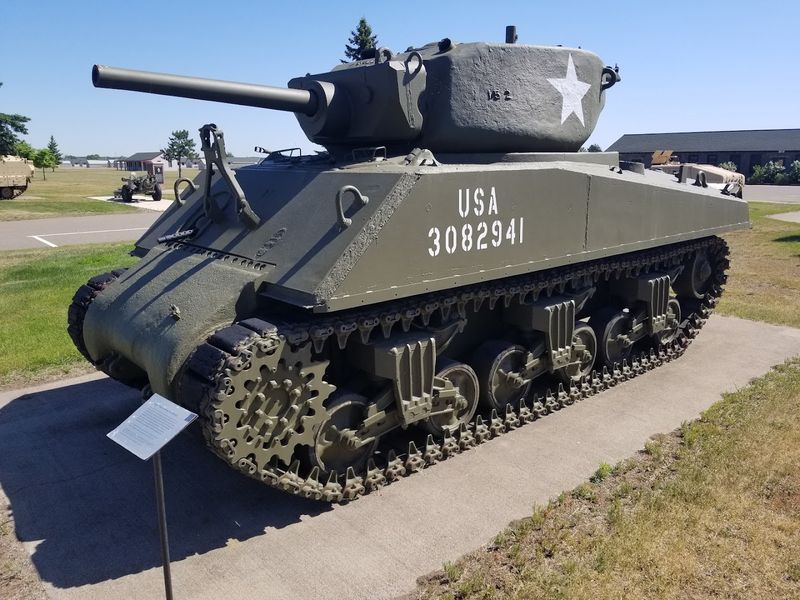
Not every museum asks you to show your ID before you walk through the front gate. The Minnesota Military Museum, located at Camp Ripley, 15000 Highway 115, Little Falls, Minnesota, sits on an active National Guard installation, and that detail alone sets the tone before you even reach the front door.
Arriving at Camp Ripley means passing through a real military checkpoint. You will need a valid photo ID for every adult in your vehicle, so make sure everyone has one ready before you pull up.
That small requirement pays off immediately. Once inside, the landscape shifts into something that feels genuinely purposeful.
The grounds are orderly, the air carries a sense of history, and the museum building sits surrounded by military equipment that immediately signals this is no ordinary roadside attraction.
A Chronological Journey Through American Military History
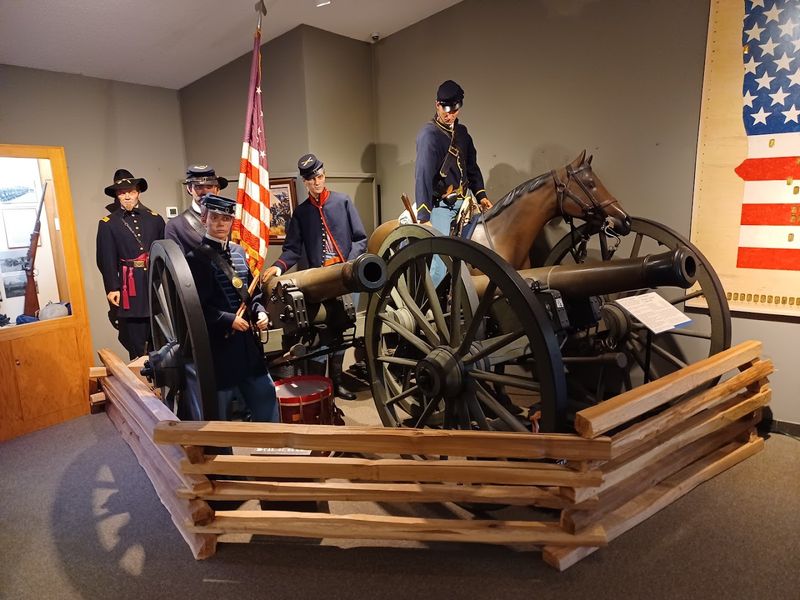
One of the smartest things the museum does is organize its indoor exhibits in chronological order. You start near the Civil War period and move steadily forward through every major American conflict, ending around the Desert Shield and Desert Storm era.
Walking that timeline feels like flipping through a massive history book, except everything is real. Uniforms, weapons, medals, photographs, personal letters, and equipment line the walls and cases in a way that connects each era to the one before it.
The National Guard has a substantial section of its own, which makes sense given the museum’s location on a National Guard base. That section adds a layer of regional pride that residents of Minnesota will find especially meaningful.
By the time you reach the later exhibits, the full weight of what American service has looked like across nearly two centuries starts to genuinely sink in.
The Outdoor Equipment That Stops You in Your Tracks
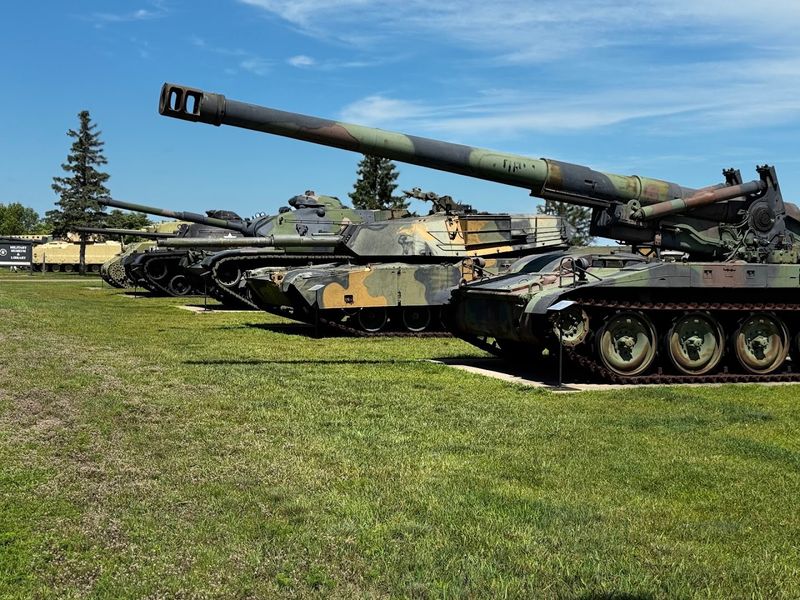
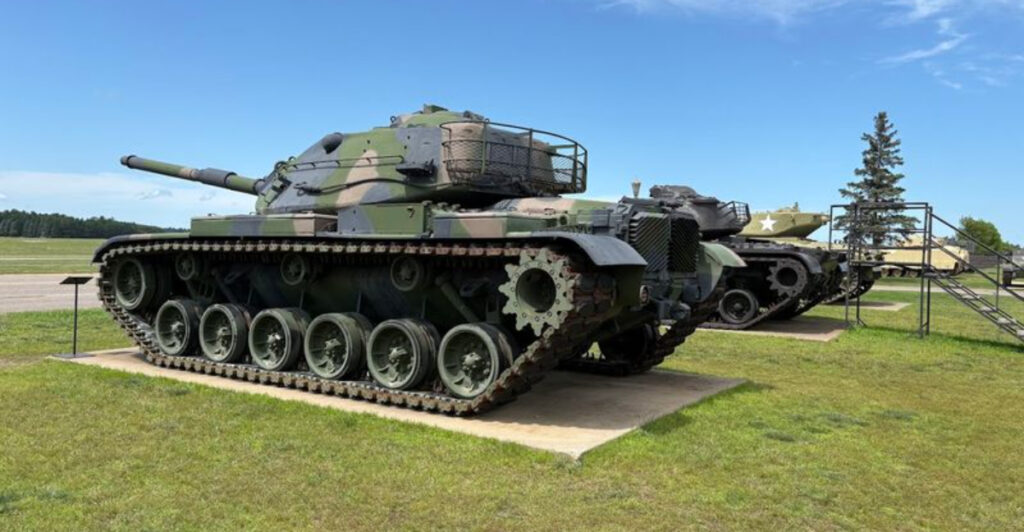
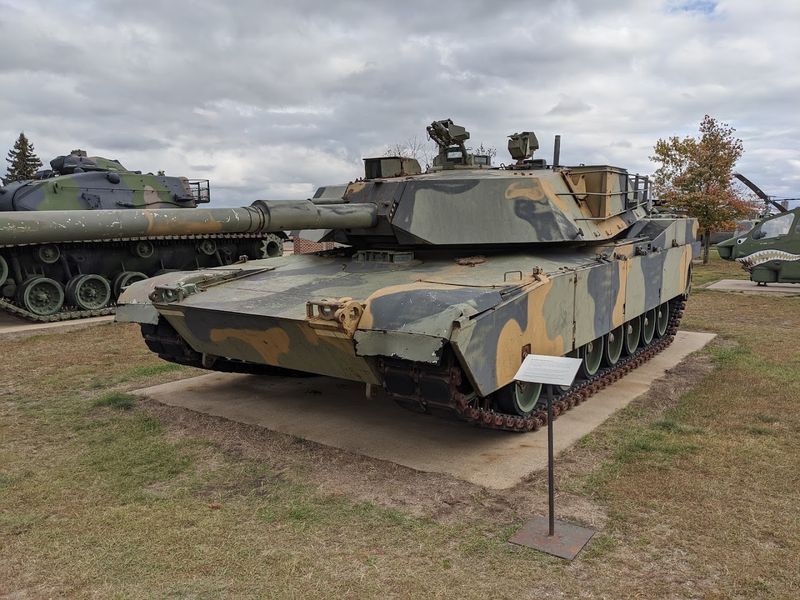
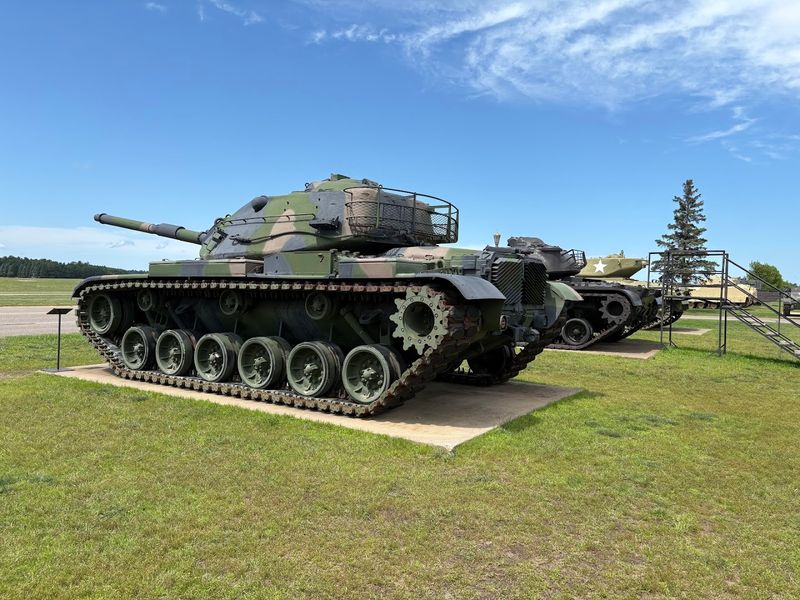
Nothing quite prepares you for the first moment you walk outside and see the row of tanks lined up on the lawn. They are massive, detailed, and close enough to touch, which is exactly what visitors are encouraged to do with several of them.
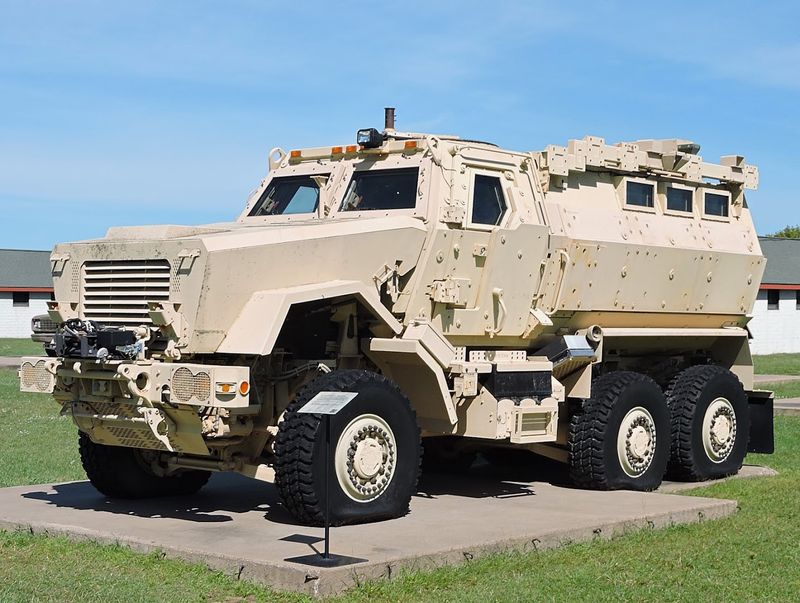
The outdoor collection includes tanks, howitzers, transport vehicles, helicopters, and other heavy equipment spread across the grounds. The sheer variety is impressive, and the scale of each piece reminds you just how large and complex military operations truly are.
Families with kids tend to spend a lot of time out here. Climbing on a World War II tank for a photograph is the kind of memory that sticks with a child for years.
Even adults who did not expect to be moved by heavy machinery often find themselves spending far more time outside than they originally planned.
Helicopters That Tell Their Own Stories
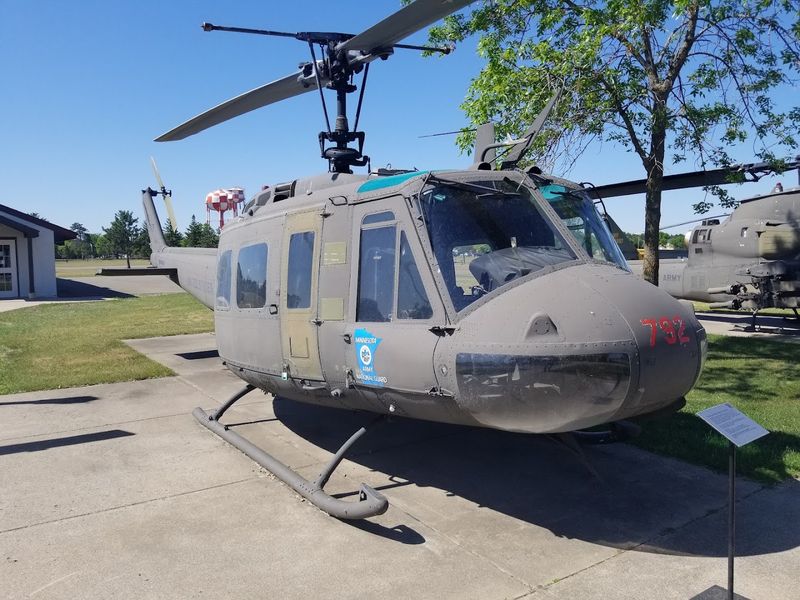
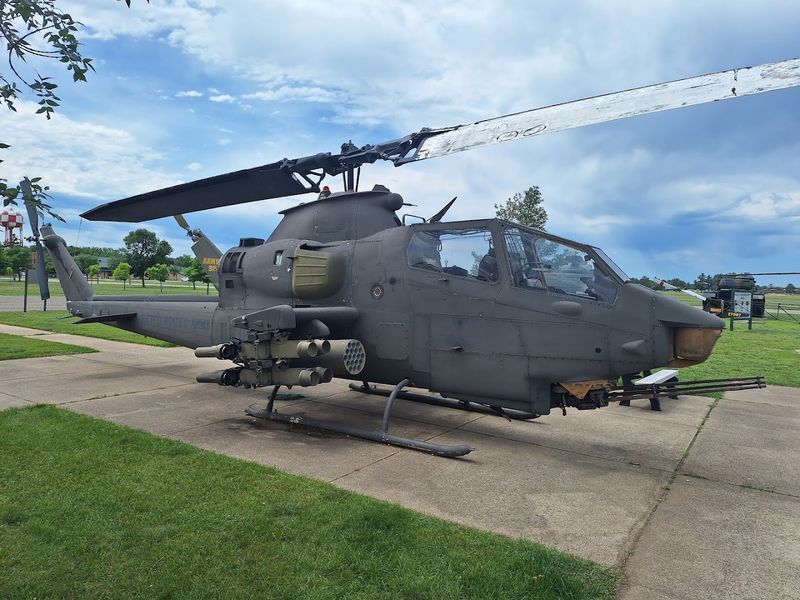
The helicopter collection at this museum deserves its own moment of attention. Several rotary-wing aircraft sit outside, and at least one allows visitors to actually climb inside the cockpit area and get a feel for what pilots and crew members experienced.
The Huey helicopter, a symbol of the Vietnam War era, is among the aircraft on display. Getting up close to one of these machines shifts your understanding of that conflict in a way that photographs and documentaries simply cannot replicate.
There is something about the worn metal, the tight interior, and the sheer mechanical complexity of these aircraft that makes the history feel immediate rather than distant. Visitors who served in the military during those eras often pause longer at the helicopters than anywhere else on the grounds, and that says something powerful about what this collection actually means to people.
Weapons and Small Arms From Every Era
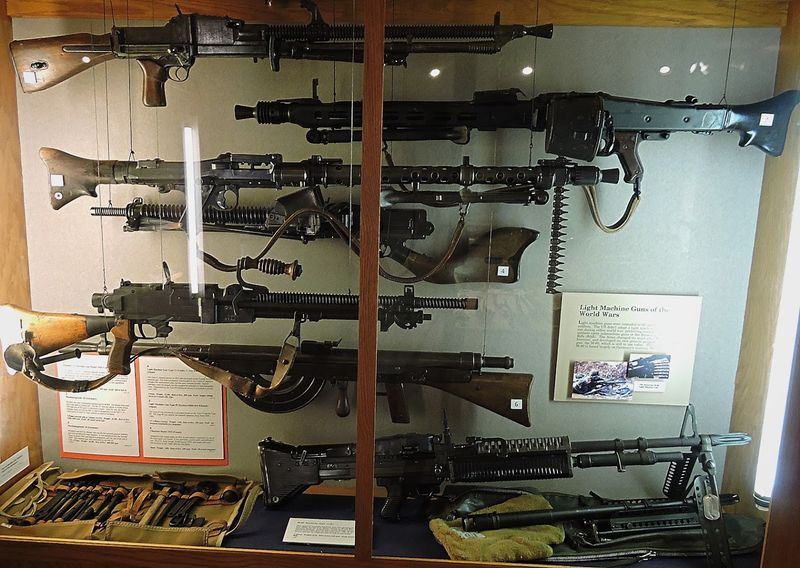
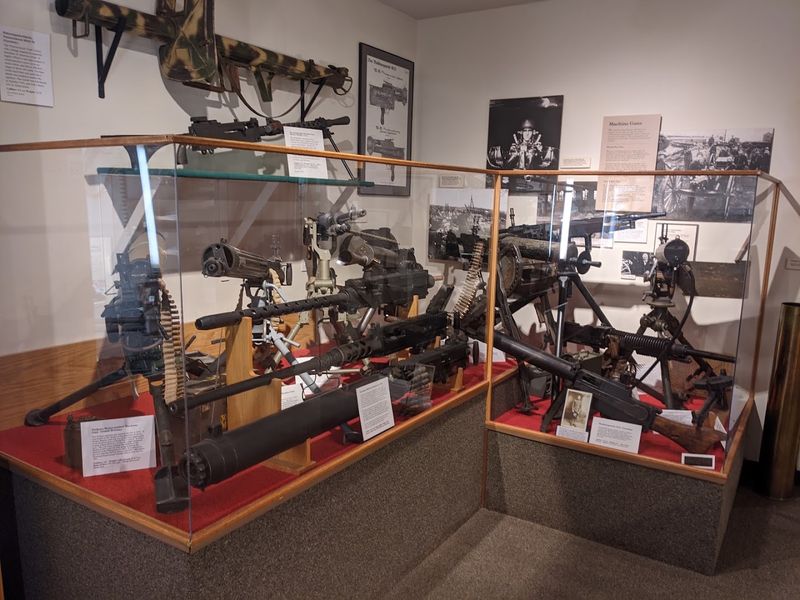
History enthusiasts who appreciate the technical side of military service will find the small arms collection genuinely absorbing. Firearms from virtually every era of American conflict are displayed in organized cases, allowing visitors to compare how weapons evolved across generations of warfare.
The variety is striking. Rifles, pistols, and other arms from the Civil War period sit alongside weapons from World War I, World War II, Korea, Vietnam, and beyond.
Each piece is labeled with context that helps even casual visitors understand its significance.
What stands out most is how the collection avoids feeling like a simple inventory. The exhibits frame each weapon within its historical moment, connecting the technology to the human beings who carried it.
That approach transforms what could feel like a dry display into something that genuinely prompts reflection about the people behind the equipment and the conflicts that shaped them.
Uniforms and Helmets That Carry Real Weight
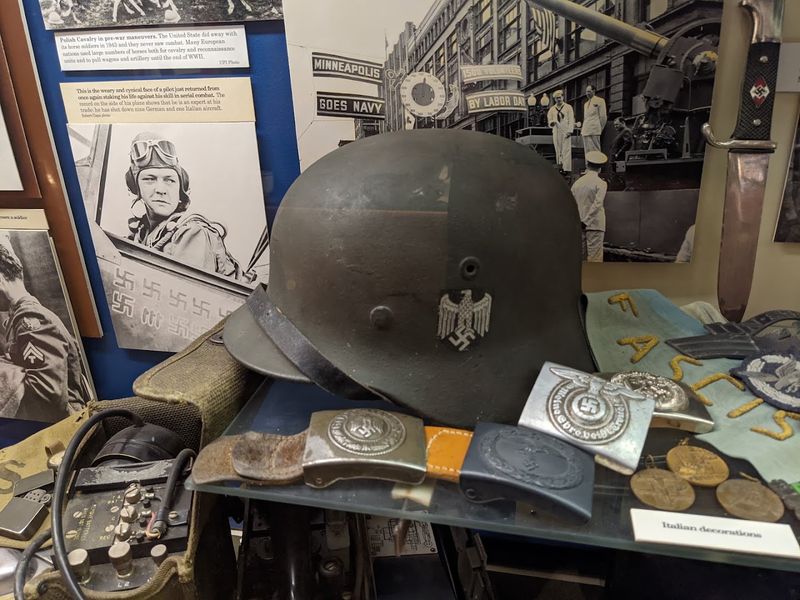
Clothing tells a story that numbers and dates sometimes cannot. The uniform collection at this museum spans from early American conflicts through the late 20th century, and seeing how gear changed over time reveals just how much the nature of warfare shifted with each generation.
Mannequins dressed in period-accurate uniforms stand throughout the indoor exhibits, giving visitors a visual sense of what soldiers actually looked like in the field. Helmets from different eras sit nearby, and the evolution from early steel pots to modern ballistic designs is visually striking even to someone with no prior military knowledge.
Medal displays add another layer of depth. Seeing decorations earned by real service members, some of them Minnesota residents, makes the exhibits feel personal rather than purely academic.
Each ribbon and badge represents a specific act of service, and the museum presents them with the respect they deserve.
Living Quarters Recreated in Authentic Detail
One of the more unexpected elements of the indoor exhibits is the recreation of military living spaces. The museum includes displays that show what soldiers’ quarters actually looked like, right down to the personal items and bathroom facilities that were part of daily life on a base or in the field.
Most people think about battles and equipment when they picture military history. Fewer stop to consider what it was like to sleep, eat, and live in those environments day after day, often far from home.
These recreations fill that gap in a way that feels respectful and genuinely illuminating.
Seeing the tight bunks, the basic furnishings, and the small personal touches that soldiers kept with them adds a human dimension to the museum experience. It moves the narrative beyond conflict and into the everyday reality of military service, which is a perspective that resonates with visitors of all ages.
The Chance to Hear Real Stories From Veterans
On certain visits, something happens that no exhibit case or information placard can replicate. Veterans who served in various conflicts are sometimes present at the museum, and their willingness to share personal experiences transforms a visit into something much more significant.
One visitor account describes encountering a Colonel who served as a tank commander in Iraq. Conversations like that turn historical artifacts into living memory.
Hearing firsthand what it felt like to serve, to lead, and to return home adds an emotional layer that stays with people long after they leave the museum.
These moments are not guaranteed on every visit, but the possibility alone is worth keeping in mind. The museum’s connection to an active military base means that real service members and veterans are genuinely part of the fabric of the place, not just honored in photographs and plaques.
Why Families Keep Coming Back
Families with children consistently find that this museum holds attention in a way that surprises them. Kids who might drift through a typical history museum tend to stay fully engaged here, largely because so much of the collection can be touched, climbed on, and explored up close.
The outdoor vehicles are the biggest draw for younger visitors. Tanks, transport trucks, and helicopters that children can approach and examine at eye level create a hands-on experience that textbooks simply cannot deliver.
Parents appreciate that the exhibits are educational without feeling like a classroom.
The admission price is notably affordable for families, making it an accessible outing for groups of any size. Many families who visit once return for a longer look, particularly those who had young children in tow the first time around and want to read through more of the detailed indoor exhibits without rushing.
The Gift Shop Worth Browsing
Near the end of a visit, the gift shop offers a pleasant final stop that feels curated rather than commercial. The selection includes books, memorabilia, and souvenirs that connect back to the museum’s themes, making it easy to bring home something meaningful rather than just a generic keepsake.
Prices in the shop are described by visitors as very reasonable, which fits the overall spirit of the museum. Nothing about this place feels like it is trying to extract extra money from visitors.
The focus stays on the collection and the history throughout.
Books on Minnesota military history and specific conflicts make particularly good purchases for anyone who leaves wanting to learn more. The gift shop is small enough to browse quickly but thoughtful enough to reward a few minutes of genuine browsing, especially for visitors who connected with a specific era or exhibit during their tour.
Practical Tips Before You Visit
A few practical details make a real difference in how smoothly a visit goes. Because the museum sits on an active military installation, every adult in your vehicle must present a valid photo ID at the checkpoint.
Forgetting an ID means turning around, so double-check before you leave home.
The museum is open Thursday and Friday from 10 AM to 4 PM and Saturday from 10 AM to 4 PM. It is closed Sunday through Wednesday, so plan accordingly.
Arriving earlier in the day gives you the most time to work through both the indoor exhibits and the outdoor displays without feeling rushed.
Wear comfortable shoes if you plan to spend time outside with the vehicles. The grounds require some walking, and certain pieces of equipment involve a bit of climbing.
Bringing a camera is highly recommended, as the outdoor collection offers some genuinely striking photo opportunities.
What Makes This Museum Different From the Rest
Plenty of military museums exist across the United States, but very few sit on active National Guard bases with working aircraft flying overhead during your visit. The sound of a C-130 passing above while you stand next to a row of tanks is the kind of detail that makes this place feel alive rather than preserved.
The combination of a thoughtfully organized indoor collection and a sprawling outdoor display gives the museum a depth that rewards both casual visitors and serious history enthusiasts. You can spend an hour here or you can spend most of a day, and either approach will leave you with something worthwhile.
Minnesota’s military history is rich and often underappreciated, and this museum treats it with the seriousness it deserves. The experience is specific, honest, and genuinely moving in ways that are hard to put into words until you have actually walked through it yourself.
Share this story