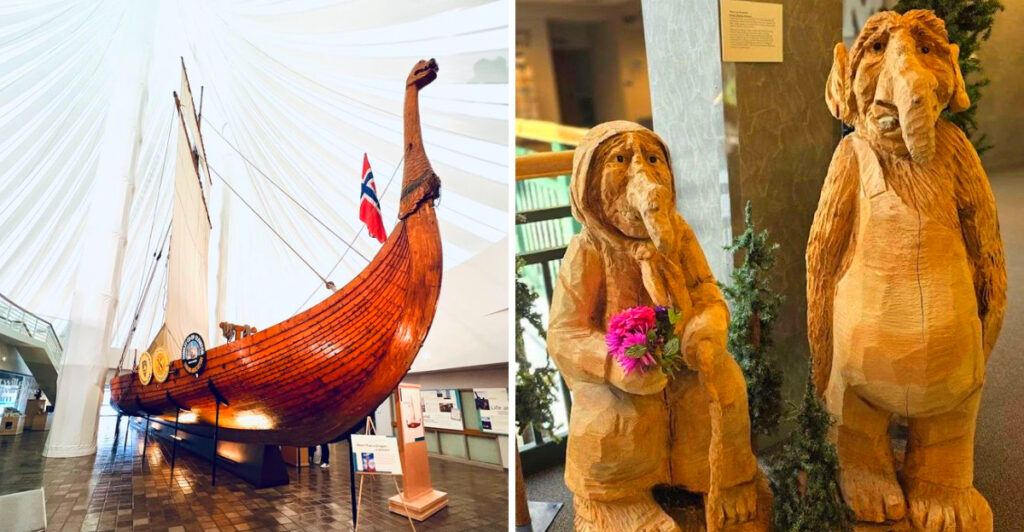
Most people driving through the Red River Valley of Minnesota would never guess that a full-size Viking ship sits just off the highway, resting inside a museum that quietly holds one of the most remarkable stories in American history. A man with a dream, a woodworking shop, and an ocean to cross built something that most engineers would call impossible.
The result is a vessel that actually sailed across the Atlantic Ocean and arrived in Norway, completing a journey that began in a landlocked Minnesota garage. That ship, along with a hand-carved Norwegian stave church, now lives at a museum that rewards curious travelers with a genuinely moving experience.
The Story Behind the Ship
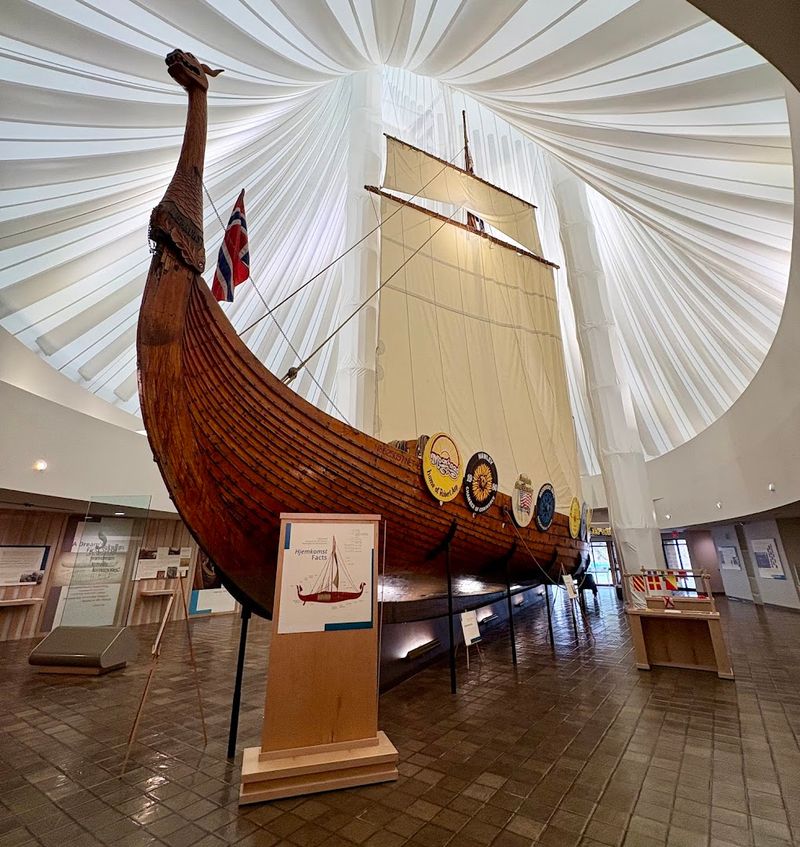
Bob Asp was a high school woodshop teacher from Hawley, Minnesota, who spent years building a full-size replica of a Viking ship largely by hand. He named the ship Hjemkomst, a Norwegian word meaning “homecoming.” His goal was to sail it across the Atlantic Ocean to Norway, the ancestral homeland of so many Midwesterners in the region.
Asp was diagnosed with leukemia before the voyage could be completed, and he passed away in 1980 before the ship set sail. His family carried his dream forward, and in 1982, the Hjemkomst completed its historic crossing, sailing from Duluth, Minnesota, to Bergen, Norway.
The journey covered thousands of miles and took the ship through the Great Lakes, down the St. Lawrence Seaway, across the North Atlantic, and into Norwegian waters. Today, the ship rests permanently inside the museum that bears its name, preserved for future generations to witness.
Where the Museum Stands
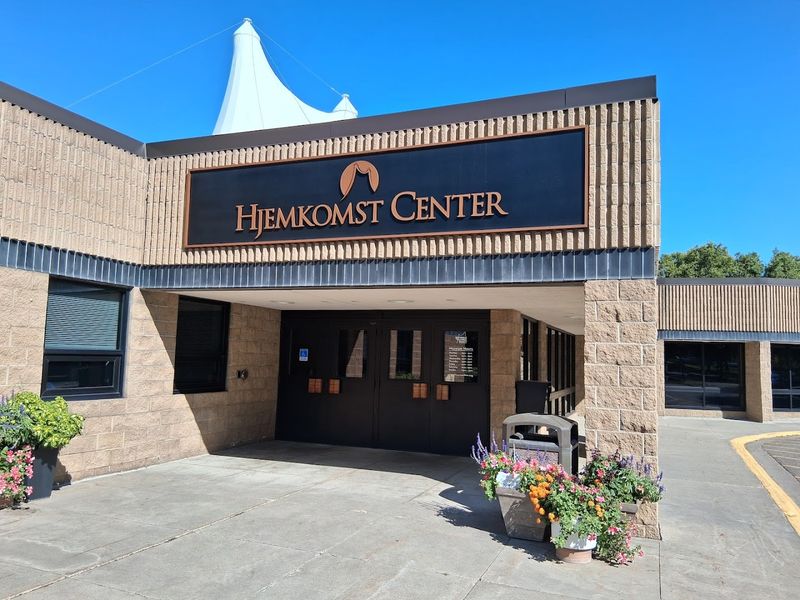
The Hjemkomst Center sits at 202 1st Ave N, Moorhead, Minnesota 56560, United States, just a short walk from the Red River and roughly ten minutes on foot from downtown Fargo, North Dakota. The location makes it an easy stop whether you are visiting the Fargo-Moorhead metro area for work or for a weekend trip.
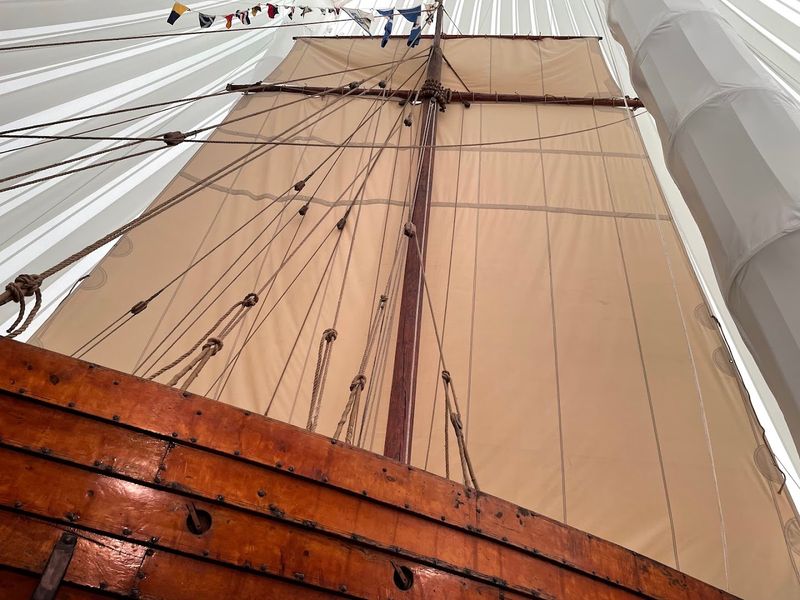
The building was designed specifically to house the massive Viking ship, which is why the interior ceiling soars high enough to showcase the full height of the mast. Walking through the entrance, the scale of the ship catches you off guard in the best possible way.
The surrounding grounds are well-kept and open, giving the museum a welcoming, campus-like feel. Parking is available on-site, and the lot is large enough to accommodate small RVs and trailers, which makes it convenient for road-trippers passing through the region.
Standing Face to Face with the Hjemkomst Ship
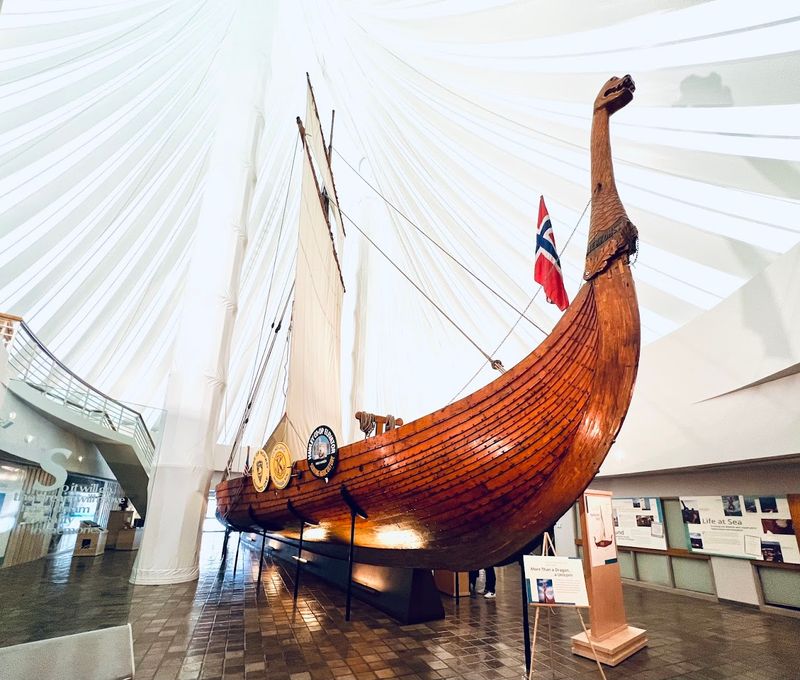
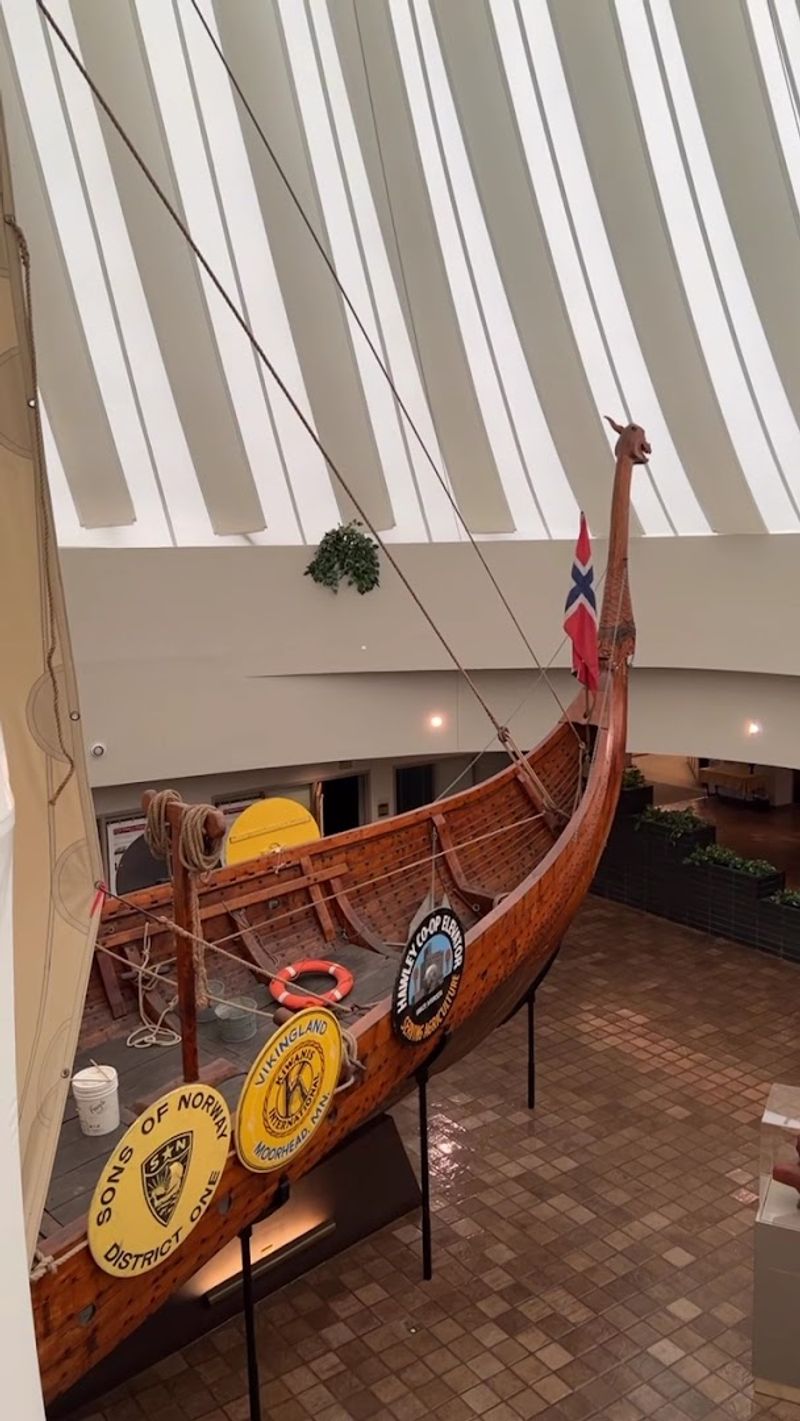
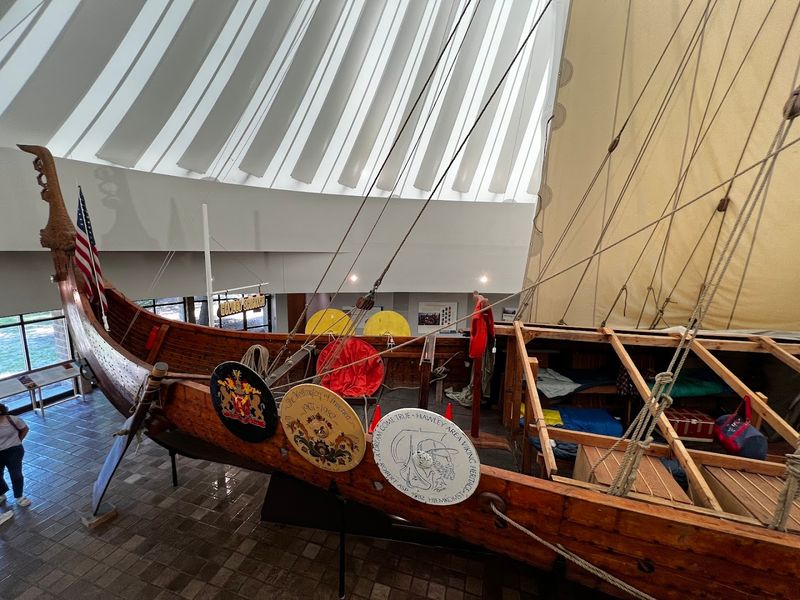
Nothing quite prepares you for the moment you walk into the main hall and see the Hjemkomst ship up close. The vessel stretches 76 feet long and was built using traditional Viking shipbuilding techniques, with white oak planks and hand-forged iron rivets.
The craftsmanship is jaw-dropping when you consider it was built by one man working largely alone in a potato warehouse.
Exhibits surrounding the ship explain the construction process in detail, with photographs, tools, and written accounts that trace each stage of the build. Video footage plays on-site, giving visitors a chance to see the actual Atlantic crossing as it happened in 1982.
You can view the ship from the main floor level as well as from an upper viewing area that gives a bird’s-eye perspective of the hull and deck. Either angle reveals just how seaworthy and beautifully proportioned this handmade vessel truly is.
The Norwegian Heritage Exhibits
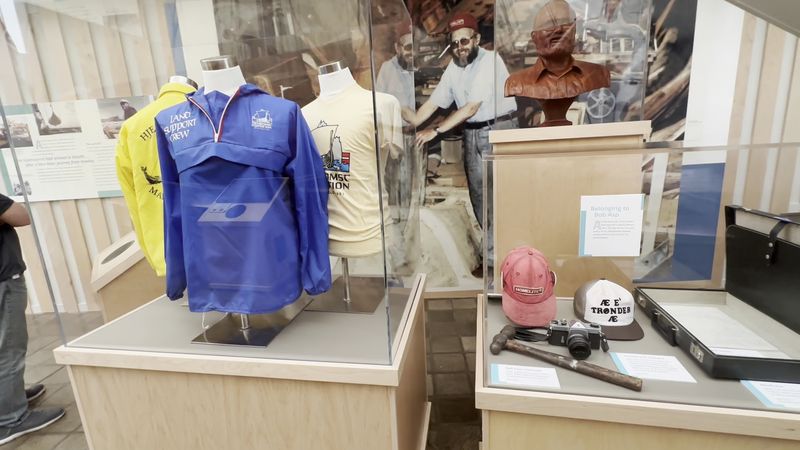
Beyond the ship, the Hjemkomst Center tells the broader story of Norwegian immigration to the Red River Valley. The exhibits feature personal belongings that settlers carried with them from Norway, including clothing, tools, religious items, and family keepsakes that give a deeply human dimension to the history of the region.
Clay County, Minnesota, was settled heavily by Scandinavian immigrants in the late 1800s, and many families in the area today can trace their roots directly back to Norway. These exhibits put that heritage on full display in a way that feels personal rather than textbook-dry.
Handwritten letters, vintage photographs, and carefully preserved everyday objects line the gallery walls. Each artifact tells a quiet story about the courage it took to leave everything behind and start over in a flat, cold, unfamiliar landscape thousands of miles from home.
The emotional weight of these displays sneaks up on you.
The Hopperstad Stave Church Replica
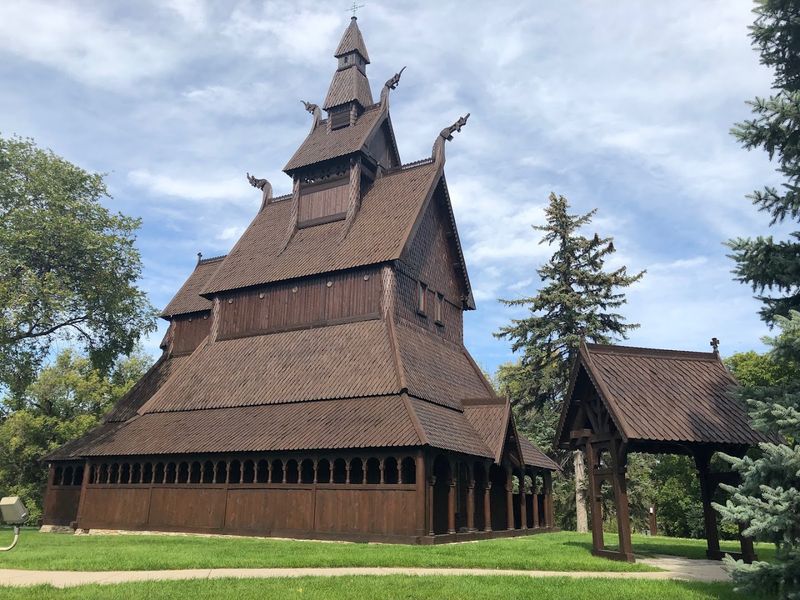
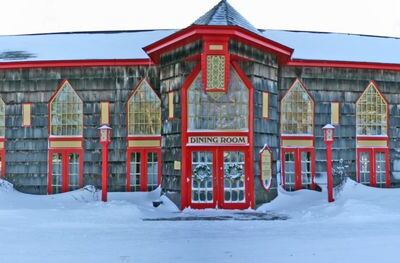
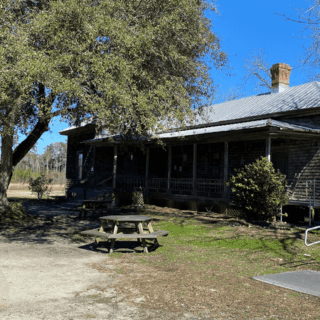
One of the most visually striking features of the Hjemkomst Center property is the full-size replica of the Hopperstad Stave Church, which stands just behind the main museum building. The original Hopperstad church in Norway dates back to the 12th century, and this replica captures its dark timber framing, layered rooflines, and carved dragon-head details with remarkable precision.
The church was built by the same spirit of dedication that produced the Viking ship, and seeing it in person feels genuinely transportive. The architecture is unlike anything else you will find in the American Midwest, and it draws an immediate double-take from first-time visitors.
Guided tours of the church interior are included with general admission and run regularly throughout the day. The tour guides are knowledgeable and enthusiastic, walking visitors through the architectural details and the religious and cultural significance of stave church construction in medieval Scandinavia.
Inside the Stave Church
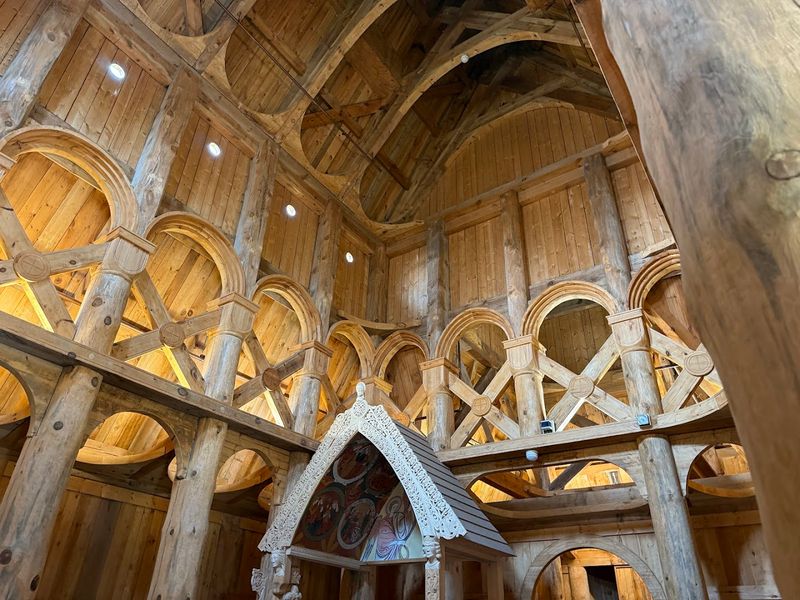
Stepping inside the stave church replica is one of those quiet, memorable moments that travel writers struggle to put into words. The interior is dim and rich with the smell of aged timber.
Carved wooden columns rise from the floor to support an intricate ceiling structure that took years of skilled carpentry to complete.
The craftsmanship inside the church is extraordinary up close. Every joint, every carved detail, and every fitted beam reflects a level of patience and skill that feels almost meditative.
The guides point out construction techniques that were used in 12th-century Norway and explain how the builders of this replica worked to recreate them as faithfully as possible.
One practical note worth remembering: the church is an outdoor structure, so dress for the weather when visiting during cooler months. A winter visit has its own quiet beauty, but a warm coat will help you enjoy the tour fully.
The Clay County History Gallery
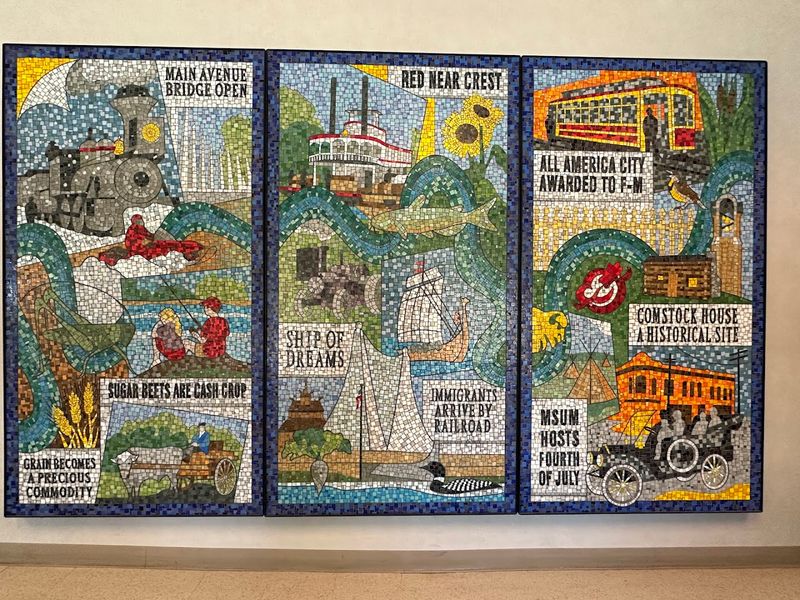
The Hjemkomst Center also houses a regional history gallery dedicated to Clay County, Minnesota. This section of the museum covers the broader story of the area, from its early settlement days through the agricultural boom that shaped the modern Red River Valley landscape.
The gallery includes maps, photographs, and objects that trace how the land changed as immigrants arrived, farms took root, and small towns grew into the communities that exist today. It rounds out the Viking ship and stave church experience by grounding everything in a specific place and time.
Even visitors who come primarily for the ship tend to linger longer than expected in this gallery. The local history on display has a grassroots quality that feels genuine and unpolished in the best sense.
It is the kind of museum section that local kids might walk past quickly but that adult visitors quietly circle back to for a second look.
The Short Film on the Atlantic Crossing
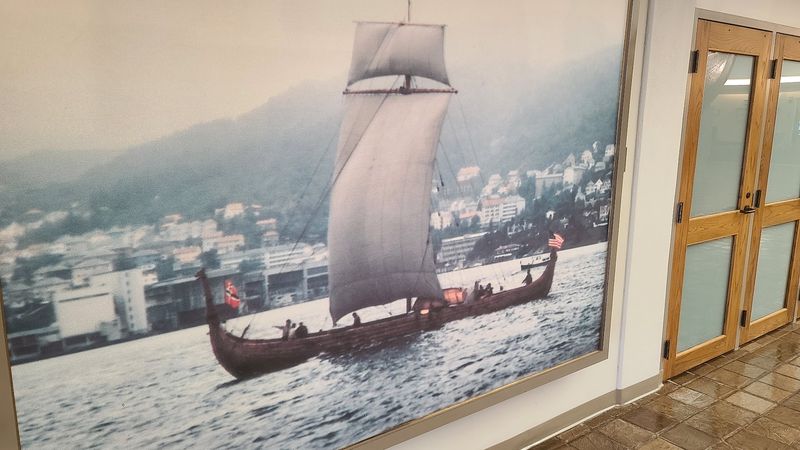
A short documentary film plays on-site at the Hjemkomst Center, and it is worth every minute of your time. The footage covers the 1982 voyage of the Hjemkomst ship, showing the crew navigating the Great Lakes, fighting open-ocean weather, and finally arriving in Bergen, Norway, to a reception that reportedly moved many of the sailors to tears.
Watching the film after seeing the ship in person adds a powerful layer to the experience. You go from admiring a static wooden object to suddenly understanding what it felt like to be aboard that vessel in the middle of the North Atlantic, far from any shore.
The film also tells Bob Asp’s personal story, including his diagnosis and his determination to finish the ship before his health declined further. It is a genuinely moving piece of documentary work that gives the entire museum visit a deeper emotional context that stays with you long after you leave.
Visiting Hours and Practical Tips
The Hjemkomst Center is open Monday through Saturday from 9 AM to 5 PM, with extended hours on Tuesdays until 8 PM. Sunday hours run from noon to 5 PM.
The Tuesday evening option is a useful one for travelers whose schedules do not allow for a daytime visit earlier in the week.
General admission is reasonably priced and includes access to the Viking ship exhibit, the regional history gallery, and the guided stave church tour. Arriving with at least two hours to spare gives you enough time to take in the ship, browse the exhibits, and catch the church tour without feeling rushed.
The museum is accessible and well-organized, with clear signage throughout. Families with children will find the exhibits engaging at multiple age levels, and the scale of the ship alone tends to hold younger visitors’ attention far longer than most indoor museum displays typically manage.
The Gift Shop

The gift shop at the Hjemkomst Center is genuinely worth a browse, not just a quick glance on your way out. The inventory leans heavily into Scandinavian culture, with books on Viking history, Norwegian folk art, handcrafted items, and specialty goods that you are unlikely to find at a standard souvenir shop.
There are items that appeal to serious history buffs as well as casual visitors looking for a meaningful keepsake. The selection feels curated rather than generic, which is a refreshing change from the typical museum store experience.
On occasion, the museum hosts hands-on demonstrations that tie into the gift shop experience. One visitor had the chance to help make a rope during a demonstration and went home with a piece they had made themselves.
That kind of tangible, take-home memory is exactly the sort of thing that makes a museum visit feel complete rather than just educational.
Special Events and Seasonal Programming
Throughout the year, the Hjemkomst Center hosts a range of cultural events that draw visitors from well beyond the Fargo-Moorhead area. The annual Hjemkomst Scandinavian Festival is among the most popular, bringing together music, traditional crafts, storytelling, and food in a celebration of the region’s Nordic roots.
The festival atmosphere transforms the museum grounds into a lively gathering space, with performers in traditional dress explaining Norse mythology, regional legends, and cultural practices that date back centuries. It is a noticeably different experience from a standard museum visit and appeals strongly to families.
Celtic events have also been held at the center, reflecting the broader European heritage of the surrounding community. Checking the museum’s event calendar before your visit is a smart move, since arriving on a festival day can turn a good trip into a genuinely memorable one.
Seasonal programming changes regularly, so there is often something new to discover on a return visit.
The Architecture of the Museum Building
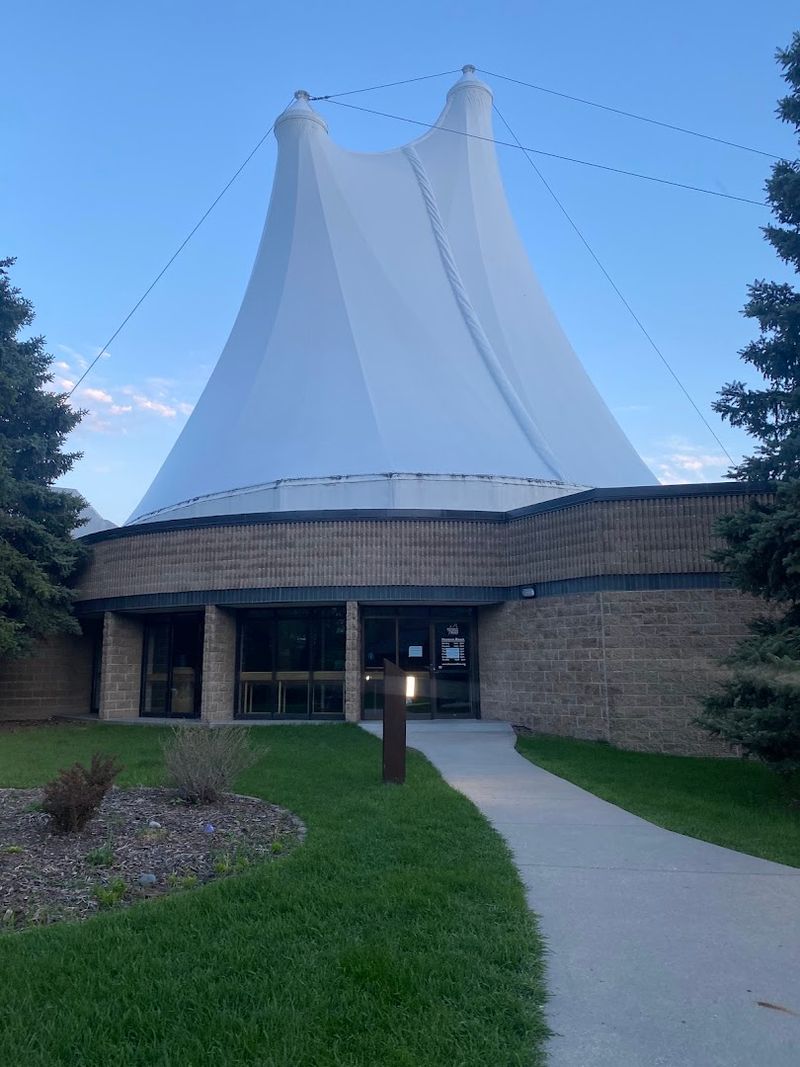
The Hjemkomst Center building itself deserves attention as a piece of architecture. The structure was designed with the Viking ship in mind, which means the interior volume is unusually large for a regional museum.
The ceiling height allows the ship’s full mast to stand upright, creating a display space that feels more like a cathedral than a conventional exhibit hall.
Natural light and well-placed interior lighting work together to highlight the ship’s curves and the warm tones of the oak planking. The visual effect when you first enter the main hall is striking, and the building earns its reputation as one of the more thoughtfully designed museum spaces in the upper Midwest.
The exterior is clean and modern, which creates an interesting contrast with the ancient-looking stave church standing nearby on the same grounds. That contrast between old and new is part of what makes the overall complex so visually interesting to explore.
Why This Museum Deserves More Attention
The Hjemkomst Center punches well above its weight for a regional museum in a mid-size Midwestern city. The combination of a ship that actually crossed the Atlantic, a full-size medieval church replica, and deeply personal immigrant history creates an experience that is hard to replicate anywhere else in the country.
What makes it especially compelling is the human story at the center of everything. Bob Asp did not have corporate funding or a team of engineers.
He had determination, woodworking skills, and a belief that something this extraordinary was worth attempting. That spirit comes through in every exhibit, every artifact, and every inch of the ship itself.
The Fargo-Moorhead area has plenty of other worthwhile stops, from riverside parks to local dining worth exploring. But the Hjemkomst Center is the kind of place that earns a spot at the top of any itinerary, not as an afterthought, but as the reason to make the trip in the first place.
Share this story