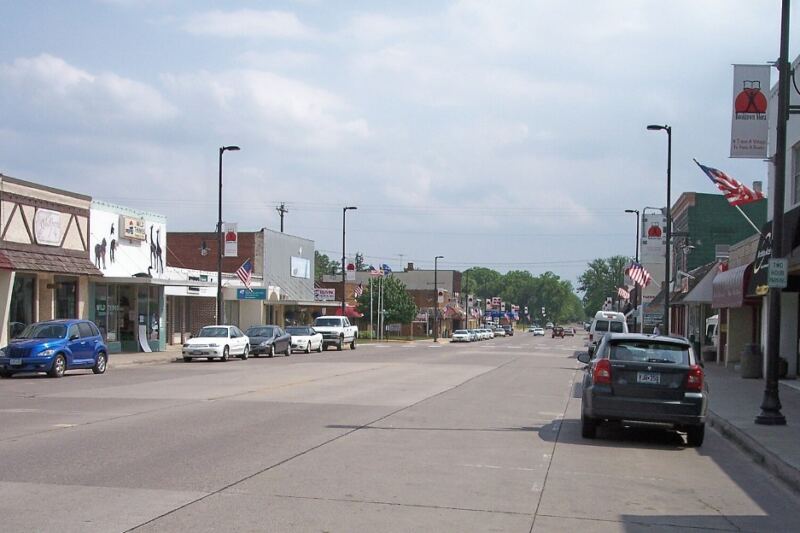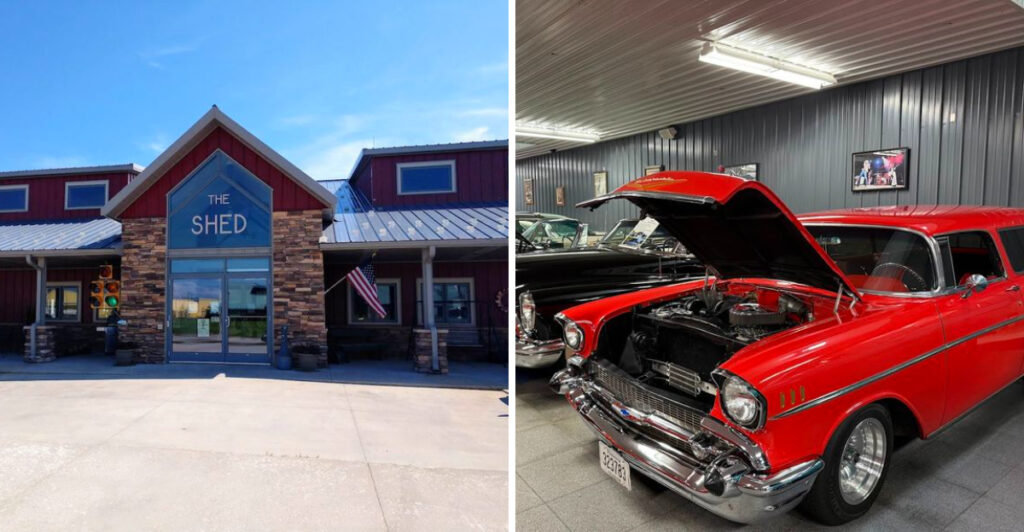
Most people pass through Warroad, Minnesota without expecting to find one of the most jaw-dropping private car collections in the entire country. Yet right off State Avenue, behind an unassuming building, sits more than 100 classic and muscle cars that would make any automotive enthusiast stop dead in their tracks.
The collection spans decades of American automotive history, featuring everything from presidential limousines to rare prototypes that almost nobody has seen in person. Once you know this place exists, it is nearly impossible not to plan a visit.
The Story Behind The Shed
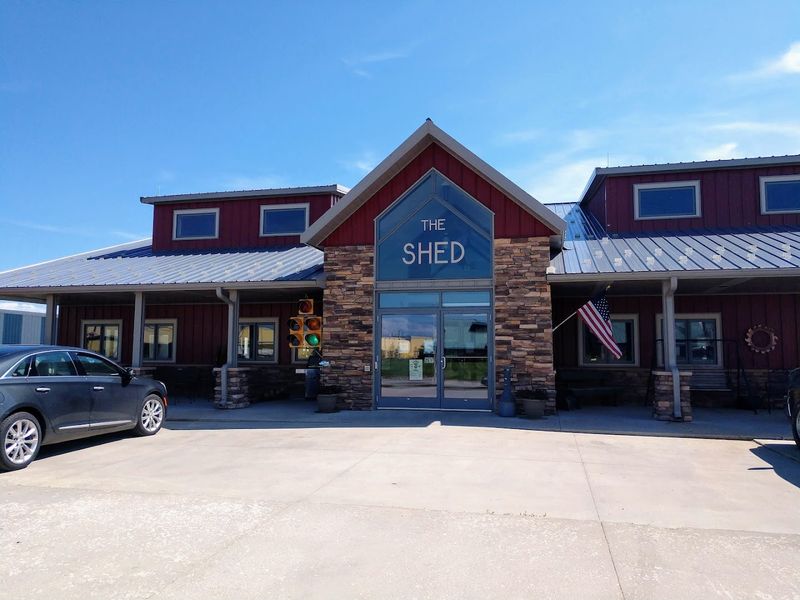
A private car museum in a small northern Minnesota town sounds like something out of a road trip fantasy, but The Shed at 1099 State Ave, Warroad, Minnesota 56763 is completely real. The collection belongs to Bob Marvin, a Warroad businessman and partial owner of the Minnesota Wild hockey team, who turned his passion for rare American automobiles into a public attraction.
What started as a personal obsession quietly grew into one of the most impressive collections of classic and muscle cars anywhere in the Midwest. Bob has spent years tracking down vehicles with remarkable stories, unusual provenance, and jaw-dropping rarity.
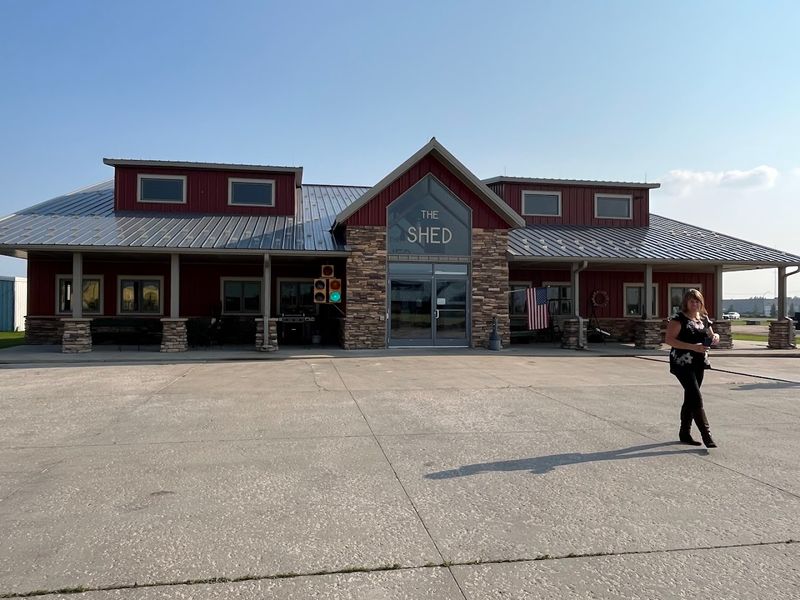
The museum operates on a donation basis, meaning admission is free, though contributions go directly to local charities. A green stoplight mounted outside the building signals when the museum is open, which is one of the most charmingly unconventional welcoming signs you will ever encounter.
How the Green Light System Works
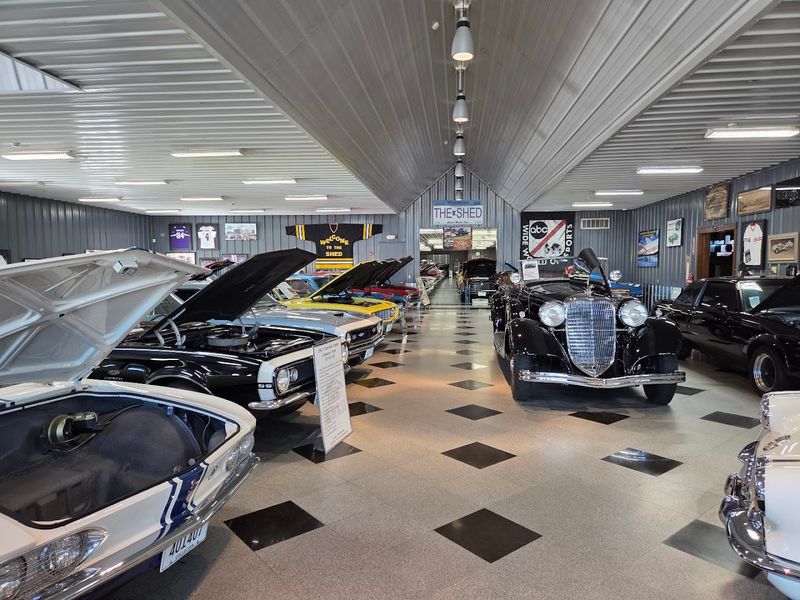
One of the first things you notice about The Shed is that it plays by its own rules. There are no rigid ticket booths or automated entry systems here.
Instead, a single green stoplight mounted outside the building tells you everything you need to know.
When the light is green, the museum is open and someone is inside ready to give you a tour. When it is dark, the doors are closed.
It is a beautifully simple system that fits perfectly with the laid-back, community-spirited character of Warroad itself.
The museum runs entirely on volunteer staff, which means hours can vary. Calling ahead or checking the website before arriving is always a smart move, especially if you are driving a long distance.
That said, plenty of visitors have stumbled upon the green light unexpectedly and walked away saying it was the best surprise of their trip.
More Than 100 Cars Under One Roof
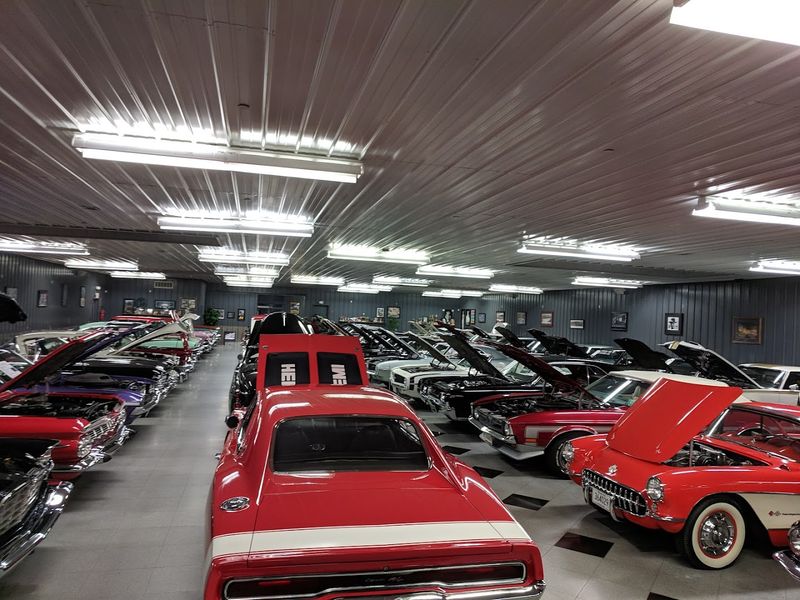
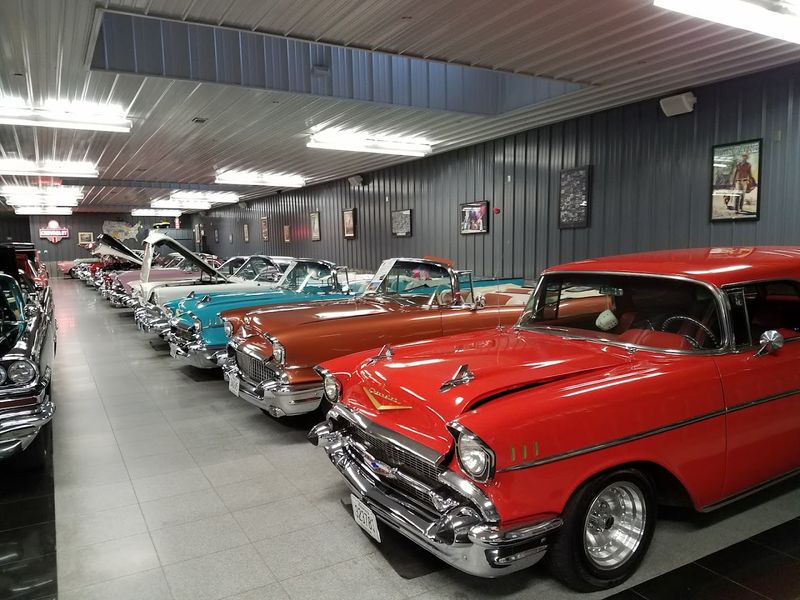
The sheer volume of vehicles packed inside The Shed is the first thing that hits you when you walk through the door. Over 100 cars fill the space in a way that feels both organized and wonderfully overwhelming, like every square foot has been put to work celebrating American automotive craftsmanship.
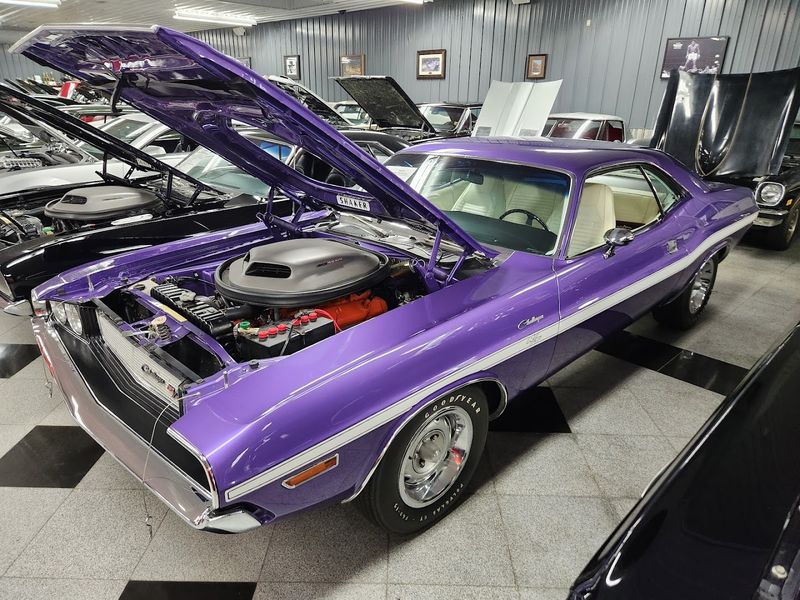
The collection leans heavily toward mid-century American muscle, with a particular focus on cars built between 1966 and 1970. That era produced some of the most iconic and powerful vehicles ever to roll off an assembly line, and seeing so many of them gathered in one place creates an atmosphere that is genuinely electric.
Cars are packed in tightly, which only adds to the sense of abundance. Moving through the collection feels like flipping through the pages of the most incredible automotive history book ever assembled, except every page is a real, tangible machine you can stand next to.
The Presidential and Celebrity Vehicles
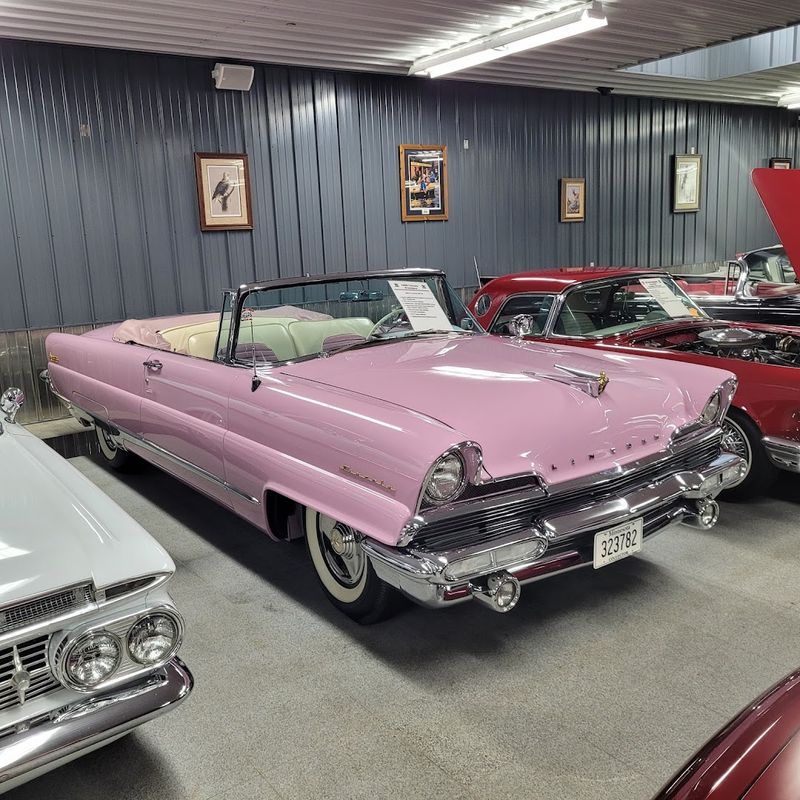
Some of the most conversation-starting cars in the collection are the ones tied to famous names. A 1933 V12 Lincoln that reportedly served presidents and military figures including FDR, Eisenhower, and Admiral Halsey sits among the exhibits, carrying the kind of historical weight that makes you slow down and look twice.
Then there is the pink Lincoln that appeared in the television series Laverne and Shirley and Happy Days, a pop culture artifact that instantly transports you back to a specific moment in American entertainment history. Seeing a car you recognize from a TV screen sitting right in front of you in a small Minnesota town is genuinely surreal.
Bob Marvin has also received gifts from various entertainers he has worked with over the years, and some of that memorabilia is on display alongside the vehicles, adding an extra layer of storytelling to an already rich collection.
Rare Muscle Cars That Are Almost Never Seen
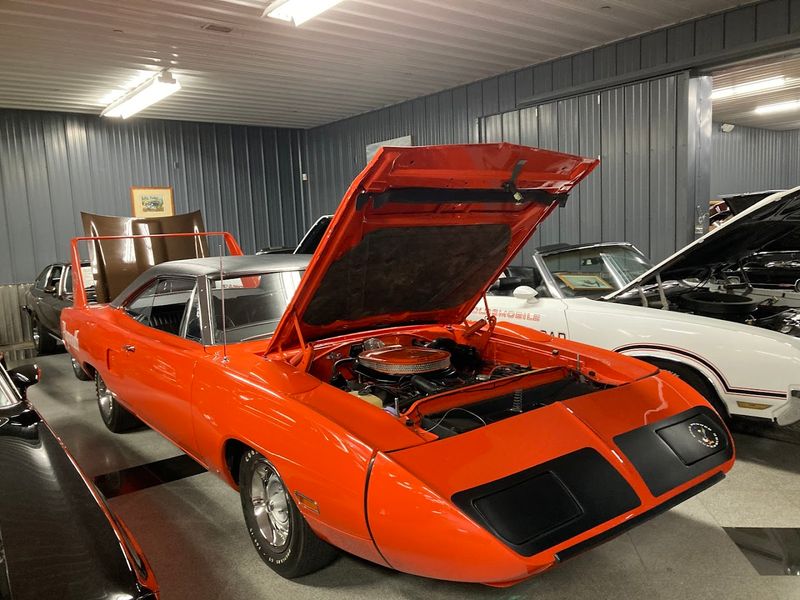
Car enthusiasts who know their history will immediately recognize several of the rarest finds in the collection. A 1970 Plymouth Superbird, complete with its unmistakable tall rear wing, is one of those cars that most people only ever see in photographs.
Finding one in person is a legitimately rare event.
The collection also includes a Yenko Corvair, which represents one of the more obscure chapters of American performance car history. Yenko Chevrolet was a Pittsburgh-based dealership that created custom high-performance versions of standard Chevrolet models, and surviving examples are extraordinarily uncommon today.
A Dodge GSX, a Ford GT, and a Viper round out some of the headline performers, each carrying its own chapter of racing and performance heritage. Every one of these cars has a story, and the volunteer guides at The Shed know those stories well enough to keep you listening for hours without checking your watch once.
The Judge, the Boss, and the Grand National GNX
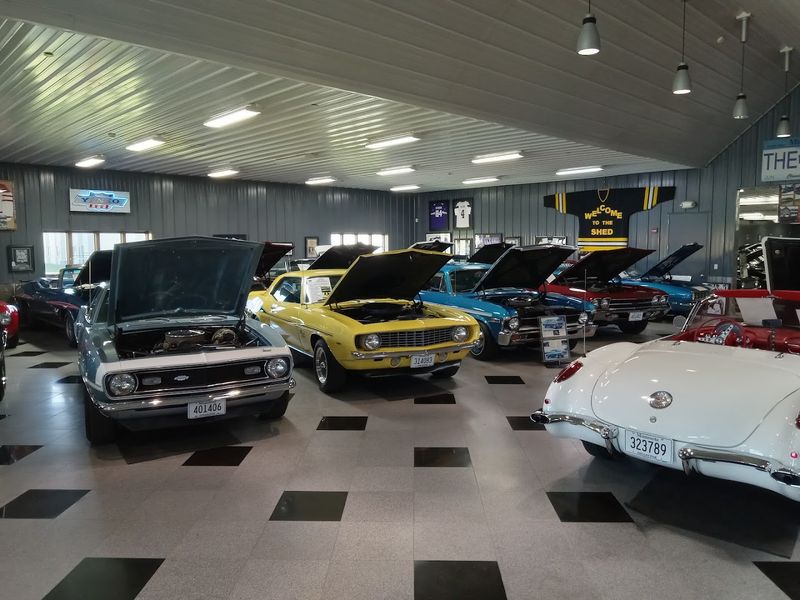
Three names in the muscle car world carry a kind of mythological status: the Pontiac GTO Judge, the Ford Boss Mustang, and the Buick Grand National GNX. All three are represented in the collection at The Shed, which tells you something important about the depth and intentionality behind what Bob Marvin has assembled here.
The GTO Judge was Pontiac’s answer to the demand for maximum performance at a price regular buyers could afford. The Boss Mustang was Ford’s high-revving, track-ready counterpart to the Shelby lineup.
The Grand National GNX was Buick’s turbocharged swan song, a car that shocked the muscle car world when it debuted in 1987.
Having all three under the same roof creates a kind of informal competition that car lovers naturally enjoy. Standing between them and comparing lines, proportions, and personalities is one of those experiences that stays with you long after you have driven back home.
Classic Camaros and 57 Chevys on Display
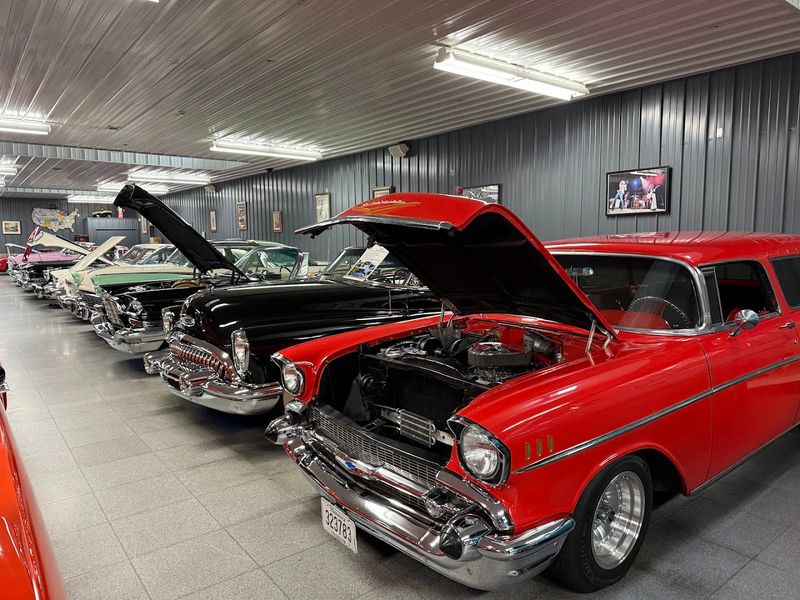
Few cars in American history are as instantly recognizable as the 1957 Chevrolet. Its tailfins, chrome trim, and two-tone paint combinations made it a symbol of postwar optimism and prosperity, and it remains one of the most beloved collector cars in existence.
The Shed has examples that remind you exactly why the 57 Chevy became such an enduring icon.
Camaros from the first generation are also well represented, and seeing multiple examples side by side gives you a real sense of how Chevrolet refined the design across model years. Each one has its own personality, its own combination of options and colors that made it unique to its original owner.
These are not dusty barn finds. Every car in the collection is clean and well-maintained, presented with obvious care and respect.
The attention to condition throughout the museum signals that this collection is taken seriously, not just as a hobby but as a genuine piece of American cultural heritage worth preserving.
The Cuda and Its Place in Muscle Car History
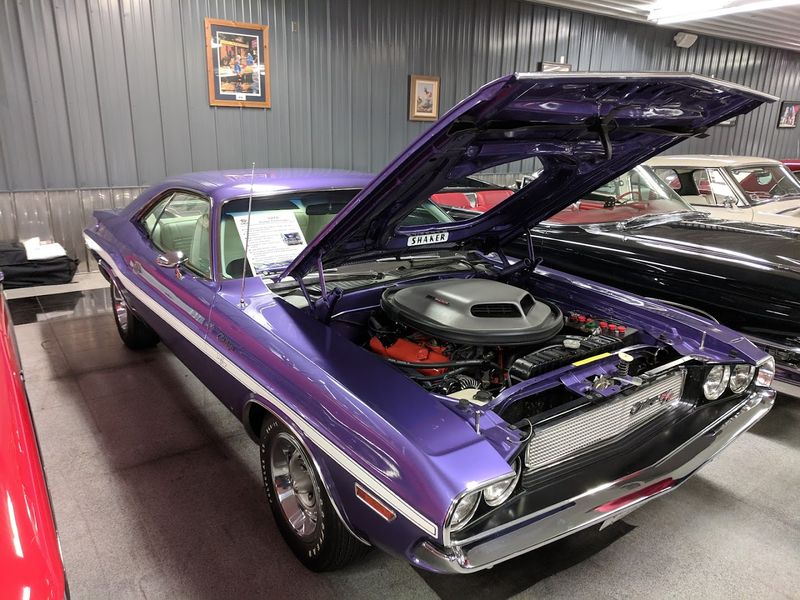
The Plymouth Barracuda, known among enthusiasts simply as the Cuda, occupies a special place in the muscle car conversation. Built between 1970 and 1971 with the largest engines Chrysler could fit into its pony car platform, the Cuda represented the absolute peak of the horsepower wars that defined that era of American automotive culture.
Surviving high-option Cudas are genuinely rare today, especially those with big-block engines and original paint. Finding one on display in a museum setting, where you can walk around it at your own pace and study every detail, is the kind of opportunity that does not come along often.
The guides at The Shed can walk you through the specific history of the car in the collection, including engine specs, production numbers, and the story of how it ended up in Warroad, Minnesota. That combination of access and context is what separates this museum from a simple parking lot of pretty cars.
The Man Cave and Memorabilia Room
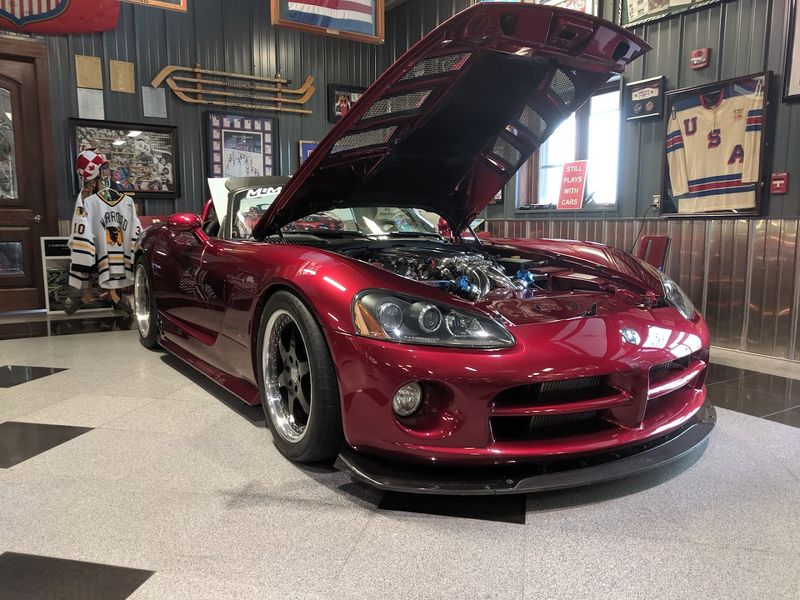
Not every highlight at The Shed has four wheels and a V8 engine. Tucked within the museum is a space visitors have affectionately called the Man Cave, a room filled with memorabilia, comfortable seating, and collectibles that add a personal dimension to the experience.
Bob Marvin’s connection to the Minnesota Wild hockey organization means some hockey memorabilia makes an appearance, giving the space a distinctly Minnesota flavor alongside all the American automotive history. Sports and cars turn out to be a natural combination, and the room feels like a genuine reflection of the personality behind the collection.
The space can reportedly be rented out for private events, which speaks to the community-oriented spirit that runs through everything about The Shed. This is not a cold, corporate museum experience.
It is a personal, welcoming place where the stories feel real because they genuinely are, and the atmosphere invites you to stay longer than you planned.
What a Tour Actually Feels Like
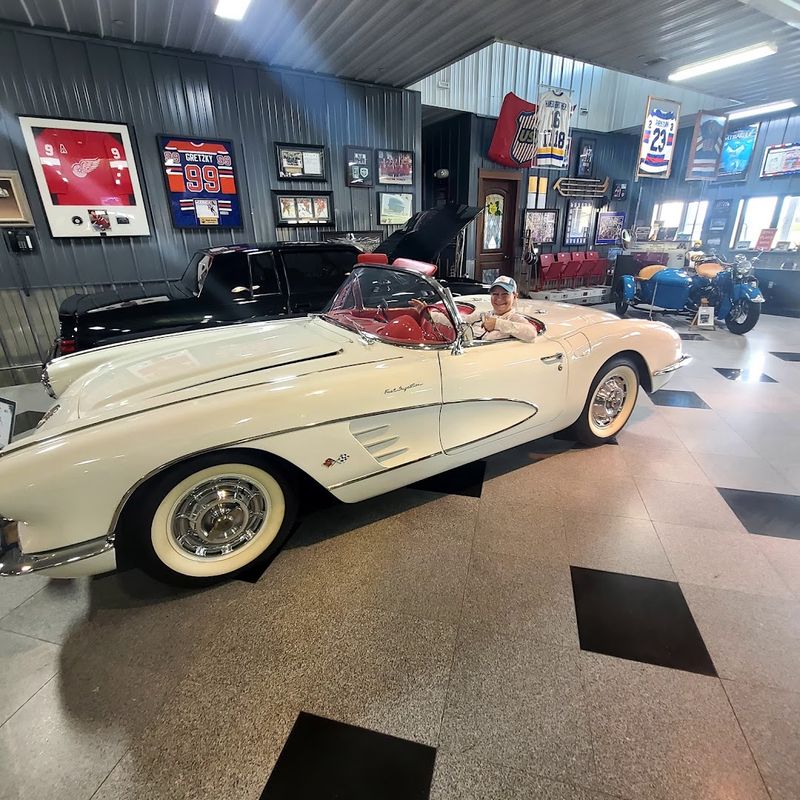
Touring The Shed is not a self-guided, read-the-placard kind of experience. The volunteer guides bring the collection to life in a way that transforms a walk through rows of cars into a genuinely engaging storytelling session that can last two to three hours without feeling long at all.
Guides have been known to start engines so visitors can hear the rumble of a muscle car at idle, and some have invited guests to sit inside certain vehicles. Those moments of direct interaction create memories that stick in a way that simply looking at a car behind a rope never could.
Every car has a backstory, and the guides know those stories in detail, covering where the car came from, who owned it, what makes it rare, and why Bob Marvin wanted it in the collection. That depth of knowledge transforms the visit from a passive viewing into an active conversation about American history told through machines.
The Ford GT and Viper: Modern Legends in the Mix
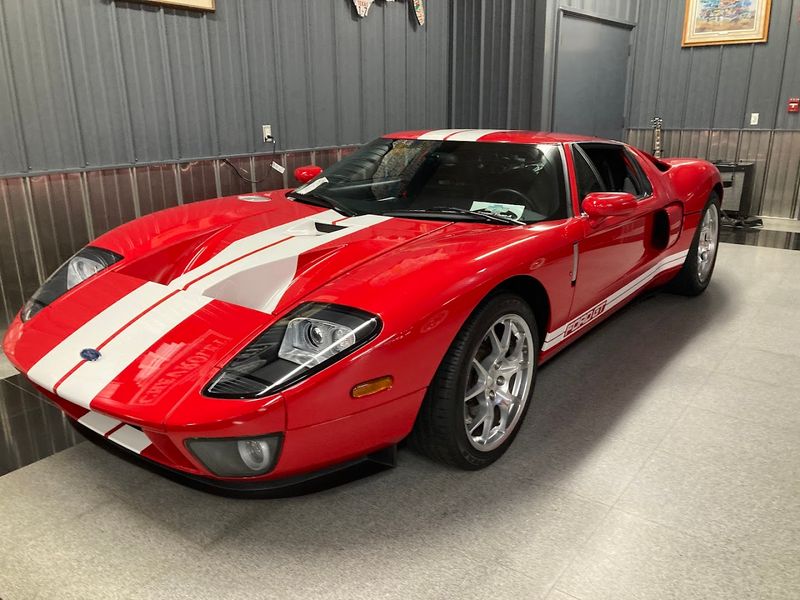
While the heart of the collection beats loudest in the late 1960s and early 1970s, The Shed does not stop the story there. A Ford GT and a Dodge Viper represent the continuation of American performance car culture into more recent decades, and their presence in the collection shows that Bob Marvin’s interests span more than just one golden era.
The Ford GT, in particular, is a car that commands attention wherever it appears. Its mid-engine layout, low roofline, and racing-derived proportions make it look fast standing still.
Seeing it parked among the muscle cars of the 1960s creates an interesting visual timeline of how American performance philosophy evolved over fifty years.
The Viper brings its own brand of drama, with a massive V10 engine and a reputation for rewarding skilled drivers while punishing inattentive ones. Together, these two cars remind visitors that the American love affair with outrageous performance never really ended, it just changed shape.
Admission by Donation and the Charity Connection
There is something genuinely refreshing about a world-class attraction that asks only for a voluntary donation at the door. The Shed operates entirely on that model, with all proceeds going directly to local charities rather than lining anyone’s pockets.
It is a generosity that feels consistent with everything else about the place.
For families, this makes The Shed one of the most accessible and affordable outings imaginable. A two to three hour tour through more than 100 remarkable vehicles, guided by knowledgeable and enthusiastic volunteers, for whatever you feel comfortable contributing, is an extraordinary value by any measure.
That said, the quality and scope of what Bob Marvin has assembled here absolutely deserves a meaningful contribution if you can manage one. The collection is maintained with obvious care, the tours are genuinely excellent, and the charitable mission behind the whole operation gives your donation a purpose well beyond keeping the lights on.
Planning Your Visit to Warroad
Warroad sits in the far northwest corner of Minnesota, close to the Canadian border and on the shores of Lake of the Woods. Getting there requires a deliberate effort, which is part of why The Shed remains one of the most surprising discoveries for travelers passing through the region.
The drive through northwestern Minnesota is flat, open, and surprisingly beautiful in the way that wide prairie skies can be. Warroad itself is a small, welcoming town with a strong hockey culture and a genuine small-town character that makes the whole trip feel like a step back to a quieter pace of life.
The museum is open Tuesday through Saturday from 10 AM to 4 PM, though calling ahead or checking the website at theshedwarroad.com before making the drive is strongly recommended given the volunteer-based staffing. Arriving during open hours and catching a full tour is well worth building an entire road trip around.
Why The Shed Stays With You Long After You Leave
Most museums leave you with a pleasant memory and maybe a postcard. The Shed leaves you with something harder to shake, a genuine sense of wonder at what one person’s passion and determination can build over a lifetime of searching for the right cars and the right stories.
The combination of rarity, accessibility, personal history, and volunteer-driven enthusiasm creates an atmosphere that feels completely unlike any other museum experience. You are not looking at exhibits behind glass.
You are standing next to machines that changed American culture, guided by people who genuinely love them.
Long after you have driven back home, you will find yourself telling people about the green stoplight, the presidential Lincoln, the Superbird, the Yenko Corvair, and the volunteer who started up a muscle car just so you could hear it breathe. That is the kind of place The Shed is, and that is exactly why it deserves far more visitors than it currently gets.
Share this story