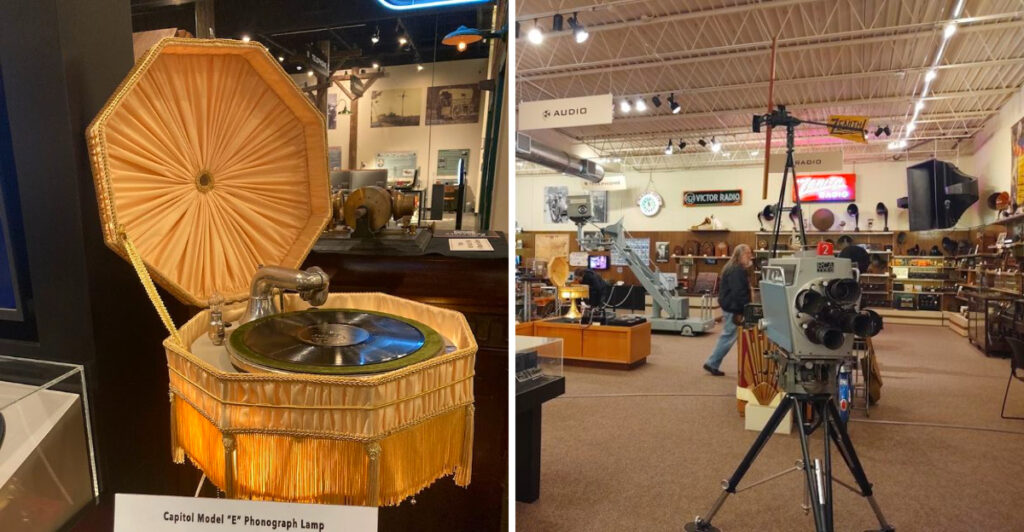
There is a small building in suburban Minneapolis where you can hear the crackle of an original Edison phonograph, play a theremin with your own hands, and trace the entire arc of modern communication from telegraph wires to the first transistor radio. Most people drive past it without a second glance, and that is exactly what the regulars prefer.
The Pavek Museum of Electronic Communication in St. Louis Park, Minnesota, is one of those rare places that makes you stop mid-step and think, how have I never been here before? Whether you are a tech enthusiast, a history lover, or simply someone who grew up watching Saturday morning cartoons on a boxy television set, this museum has something genuinely surprising waiting for you around every corner.
A Museum That Quietly Changed How I Think About Technology
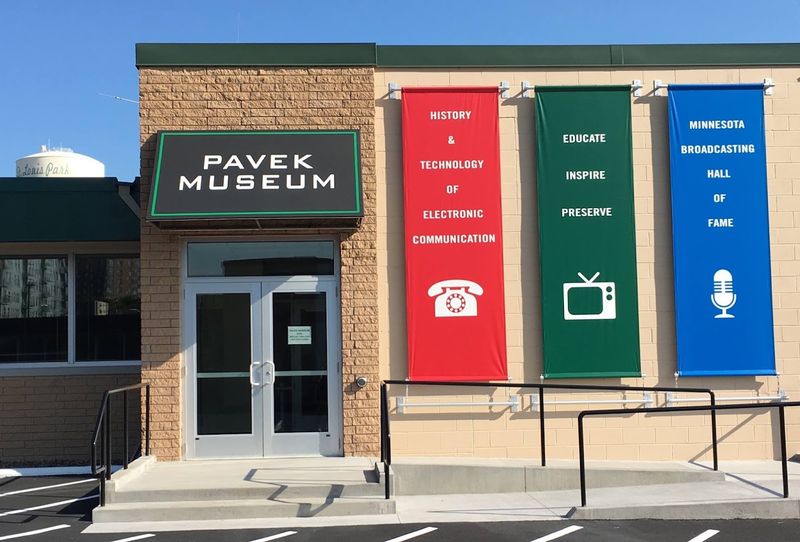
Most museums announce themselves loudly. The Pavek Museum of Electronic Communication at 3517 Raleigh Ave, St. Louis Park, Minnesota 55416 does the opposite.
From the outside, it looks almost too ordinary, which makes the moment you step inside feel genuinely surprising.
The collection spans more than a century of electronic communication history, from early telegraphy all the way through broadcast television. Every artifact has a story attached to it, and the displays make those stories easy to follow even if you have never touched a vacuum tube in your life.
What struck me immediately was how the museum treats technology not as cold machinery but as a deeply human story. Each invention on display represents a moment when someone figured out how to connect people across impossible distances.
That framing changes everything about how you experience the exhibits.
The Telegraph Room and the Birth of Instant Communication
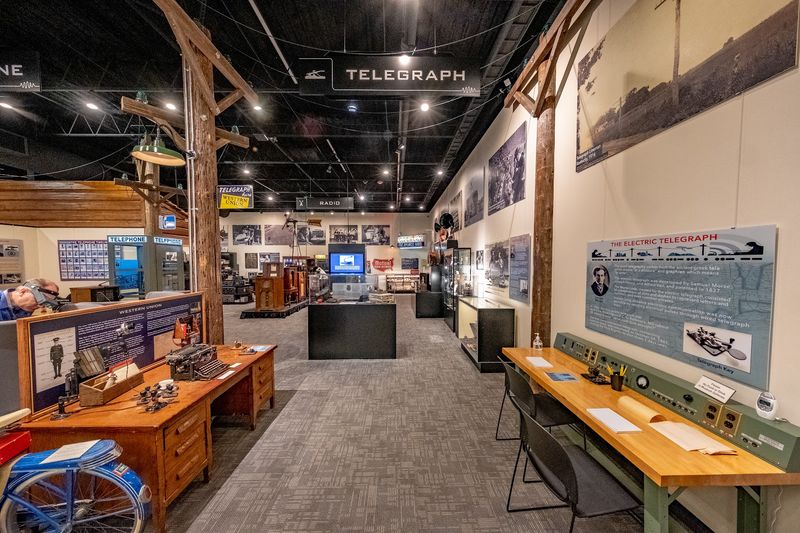
Long before radio waves carried voices across the country, the telegraph was the original miracle of instant communication. The Pavek Museum dedicates meaningful exhibit space to this chapter, and it is genuinely one of the most compelling starting points in the building.
Seeing the actual hardware of early telegraphy up close reframes how dramatic that invention really was. Before the telegraph, news traveled only as fast as a horse could run.
Suddenly, a message could cross hundreds of miles in seconds. That leap was as significant in its time as the internet was in ours.
The exhibit does a thoughtful job of showing how telegraphy laid the groundwork for everything that came after it. Without the telegraph, there is no radio.
Without radio, there is no television. The museum traces that chain of innovation in a way that makes the whole story click into place.
Spark Gap Transmitters and the Earliest Days of Radio
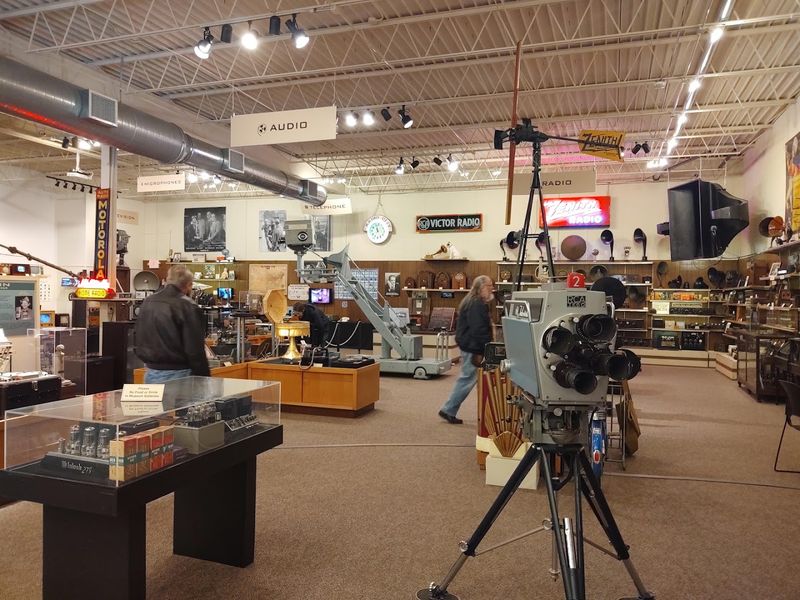
There is something almost theatrical about a spark gap transmitter. These early radio devices worked by generating literal sparks to produce electromagnetic waves, and the Pavek Museum has examples that make you genuinely grateful for how far wireless technology has come.
The early radio section of the museum is packed with artifacts that most people have never seen outside of history books. Spark gap transmitters were used in the earliest days of wireless communication, and they represent a period when radio was still a wild, unregulated frontier that inventors were racing to tame.
What I found most fascinating was learning how quickly this technology evolved. Within just a few decades, radio went from crackling experimental signals to nationwide broadcast networks reaching millions of listeners.
The museum captures that acceleration beautifully, making the exhibit feel less like a static display and more like a timeline you can physically walk through.
The Electron Tube Collection That Serious Enthusiasts Travel to See
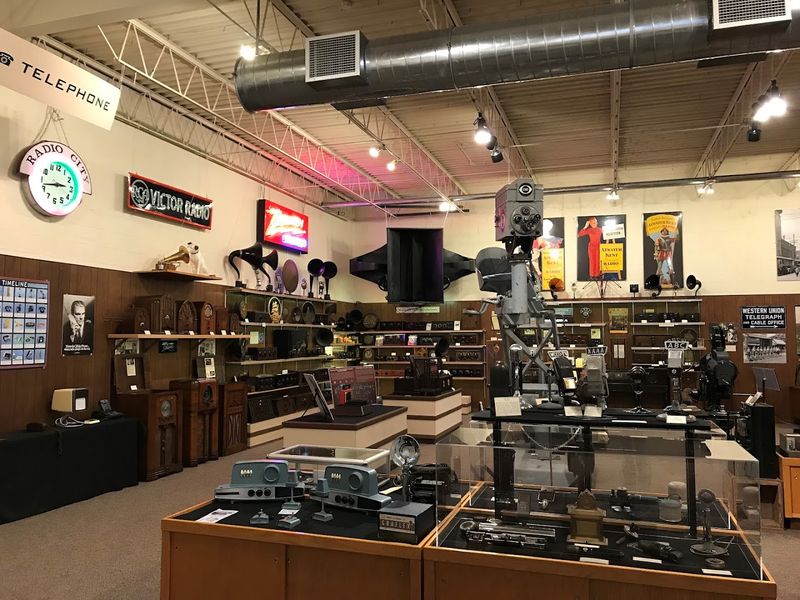
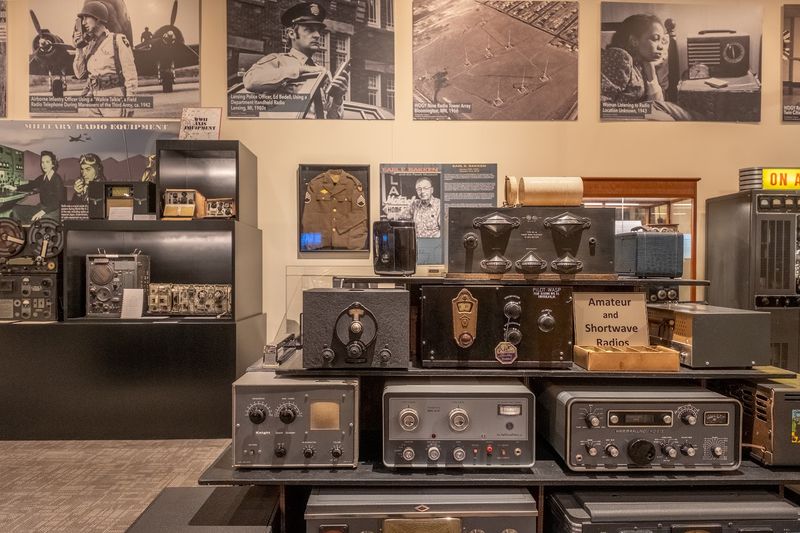
Vacuum tubes do not exactly have a reputation for being crowd-pleasers, but the Pavek Museum makes a genuinely compelling case for why they matter. The electron tube collection here is the kind of thing that serious radio and electronics enthusiasts make special trips to see.
Each tube in the collection represents a specific moment in the development of electronic amplification and signal processing. Before transistors changed everything, these fragile glass cylinders were the beating heart of every radio receiver, amplifier, and broadcasting console on the planet.
The museum does not just display the tubes in a case and walk away. The context provided around each piece explains what it did, why it mattered, and how it fit into the broader story of electronic communication.
Even if you arrived knowing nothing about vacuum tubes, you leave with a clear sense of why engineers once treated these objects like precious cargo.
The First Transistor Radio on Display and What It Meant for the World
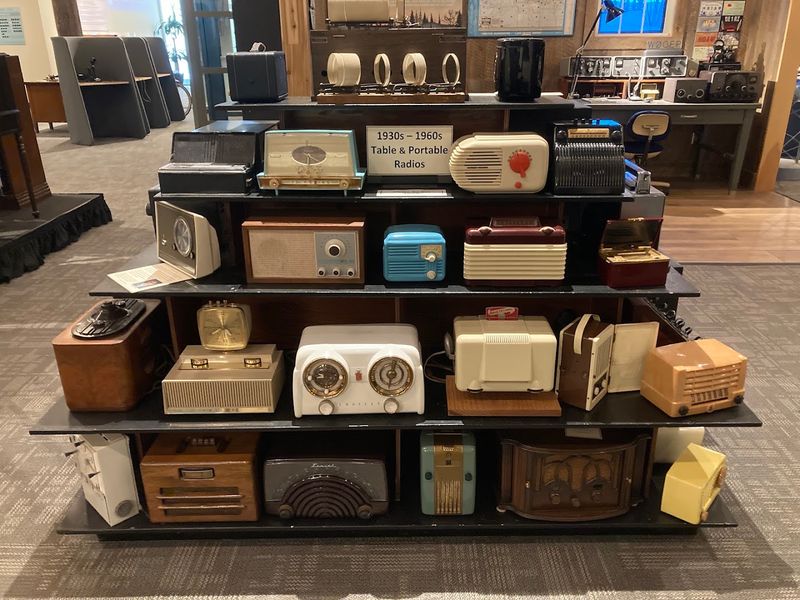
The transistor radio changed the world in a way that is easy to underestimate today. Before it arrived, listening to music or news meant sitting near a large, stationary device in your living room.
Suddenly, radio fit in your shirt pocket, and that shifted culture in ways nobody fully predicted.
The Pavek Museum includes early transistor radios in its collection, and seeing them in person is a surprisingly emotional experience. These small, plastic objects look almost toy-like by modern standards, but they represented a genuine revolution in personal freedom and access to information.
Teenagers in the late 1950s could take their music outside for the first time. Families could carry news broadcasts into kitchens and backyards.
The transistor radio quietly dismantled the idea that electronic media required a dedicated room and a large piece of furniture. That shift still echoes in every smartphone we carry today.
An Impressive Early Television Collection That Covers Decades of Change
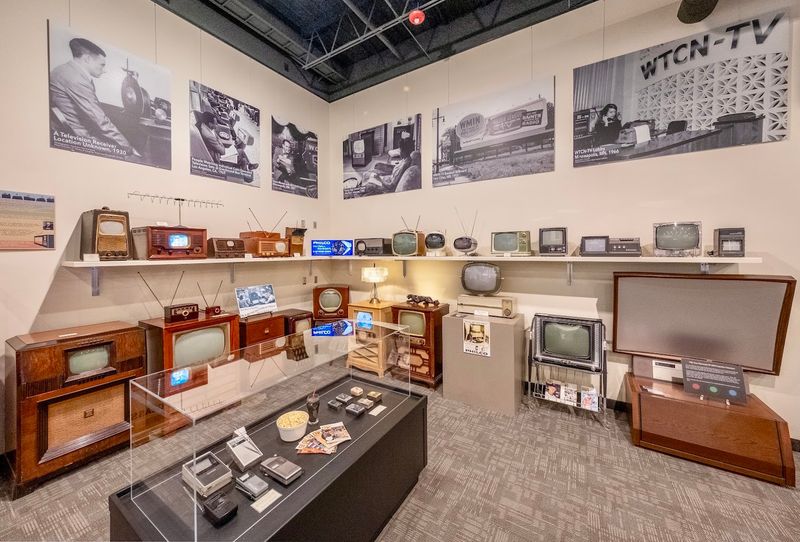
The television collection at the Pavek Museum is one of its most visually striking features. Rows of early TV sets, spanning decades of design evolution, line the exhibit space in a way that makes the history of the medium feel tangible and real.
What makes this section particularly interesting is how dramatically television design changed in a relatively short time. The earliest sets look almost like furniture, with elaborate wooden cabinets surrounding tiny round screens.
Within a generation, those gave way to sleek rectangular sets with chrome accents and eventually the boxy plastic designs most people remember from the 1970s and 1980s.
Each television on display tells you something about the era that produced it. The materials, the proportions, the dial placement, even the brand names reflect the economic and cultural mood of their time.
Walking through this section feels genuinely like flipping through a visual history of American living rooms.
Professional Broadcasting Equipment That Once Went Out Over the Airwaves
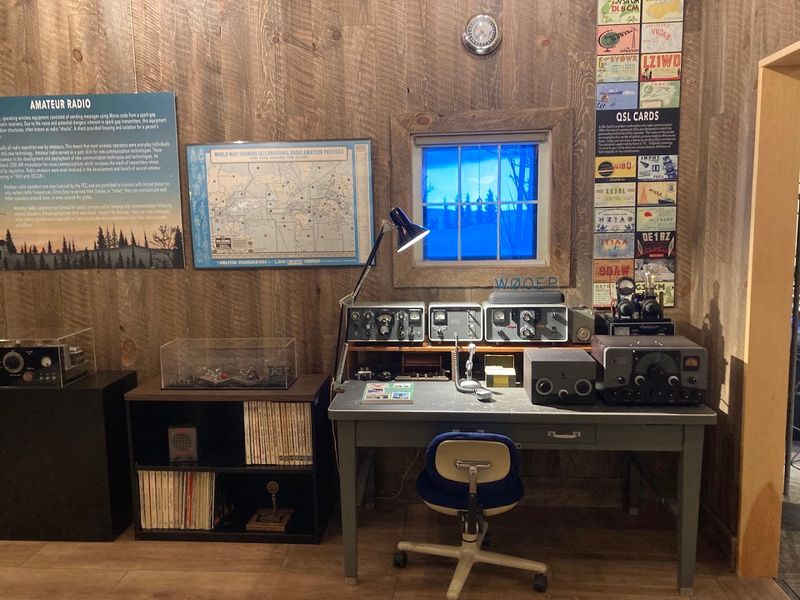
One corner of the Pavek Museum feels like walking into a time-preserved radio studio. Professional broadcasting equipment, the kind that once carried voices to thousands of listeners across the Midwest, sits on display with enough context to make the whole setup come alive.
Broadcast consoles from the mid-twentieth century are genuinely impressive objects up close. The sheer number of dials, switches, and signal meters on a single panel speaks to how much skill and technical knowledge early radio engineers had to carry in their heads every single day.
The museum does a particularly good job of connecting this equipment to the real human stories behind it. These were not just machines.
They were the tools that carried news of wars, sporting events, presidential speeches, and musical performances to audiences who had no other way of experiencing those moments in real time. That context makes every knob and dial feel significant.
Playing the Theremin and Other Hands-On Experiences Worth Seeking Out
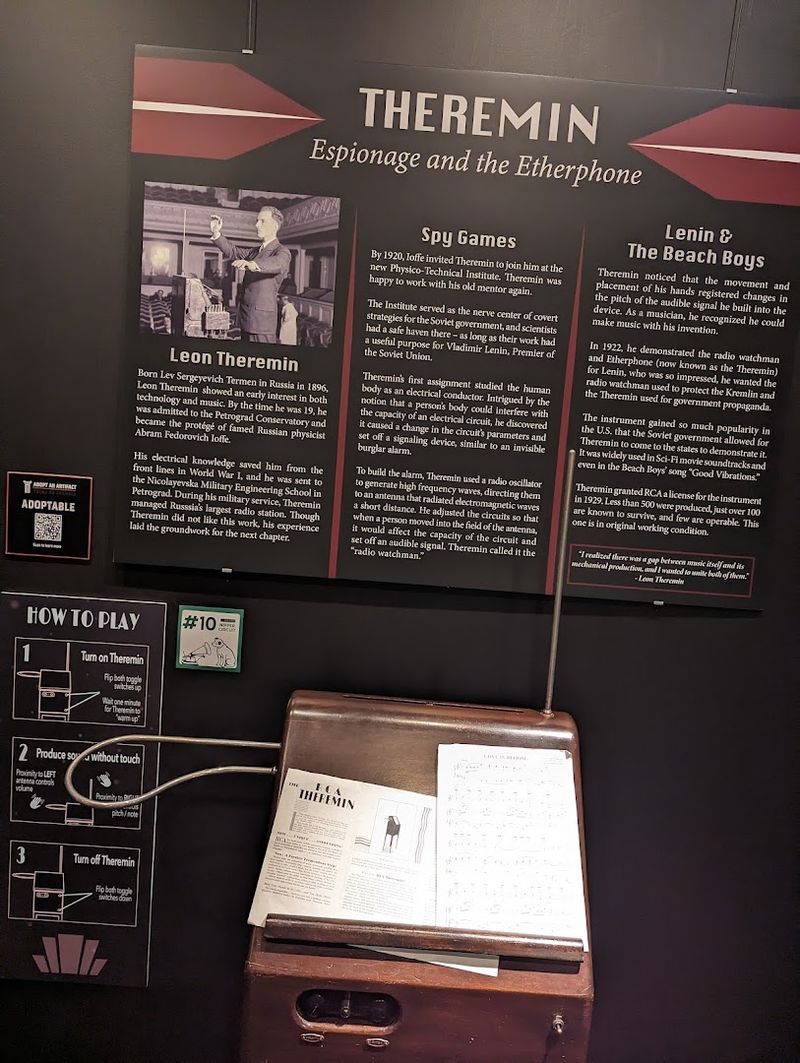
Not many museums let you actually play the instruments on display. The Pavek Museum is refreshingly different in that regard, and the theremin is the undisputed star of the hands-on section.
The theremin is one of the strangest and most fascinating electronic instruments ever invented. You play it without touching it at all, moving your hands through the air near two antennas to control pitch and volume.
The result is an eerie, wavering sound that has appeared in science fiction films and classical compositions alike.
Getting to produce actual music from a theremin, even accidentally, is the kind of moment that makes a museum visit genuinely memorable. The museum includes several other hands-on displays throughout the building, and the signs pointing them out are easy to spot.
Kids and adults alike tend to linger in these areas far longer than they planned, which is exactly how a good museum should work.
Hearing an Original Edison Phonograph in Action
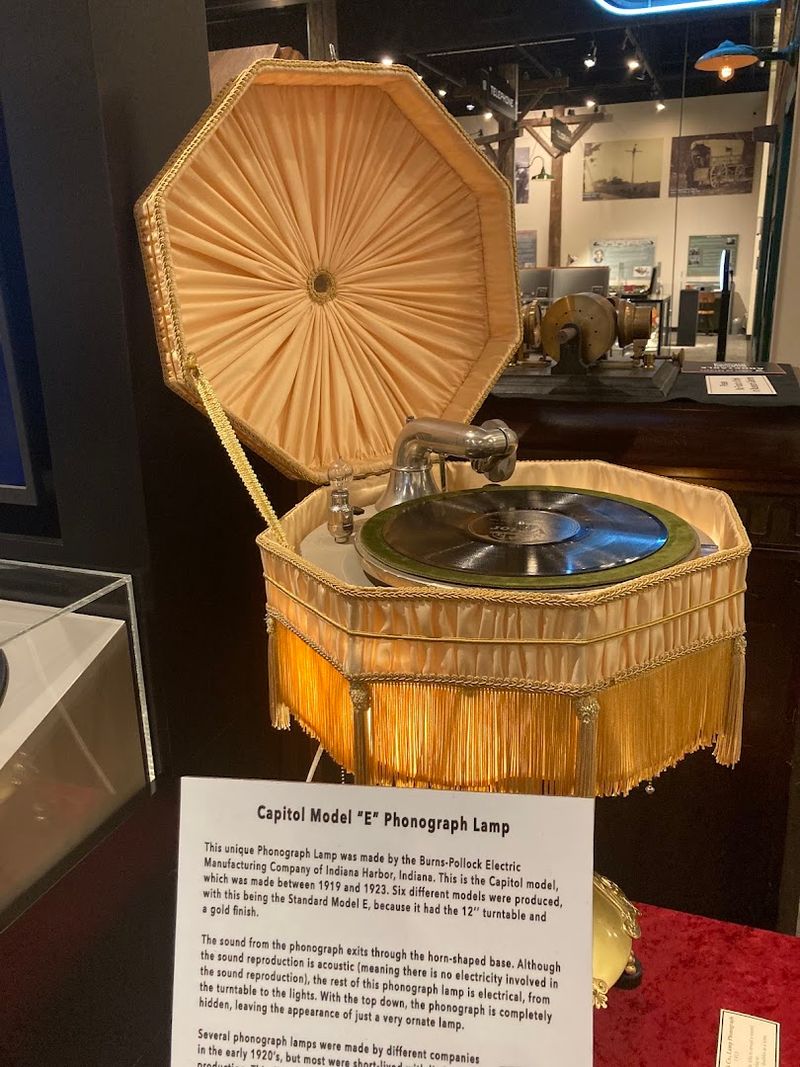
There are museum experiences you read about, and then there are the ones that genuinely stop you in your tracks. Hearing an original Edison phonograph play an actual recording is firmly in the second category.
The Pavek Museum has one of these remarkable machines, and the experience of listening to it is difficult to describe without sounding overly dramatic. The sound that emerges from the horn is thin and crackling by modern standards, but knowing that you are hearing audio technology from more than a century ago makes it feel almost miraculous.
Thomas Edison invented the phonograph in 1877, and the basic principle, using a stylus to trace grooves on a rotating cylinder, remained the foundation of recorded audio for decades. Hearing it work in person collapses the distance between that era and now in a way that no photograph or description ever quite manages to do.
The Minnesota Broadcaster Hall of Fame Connection
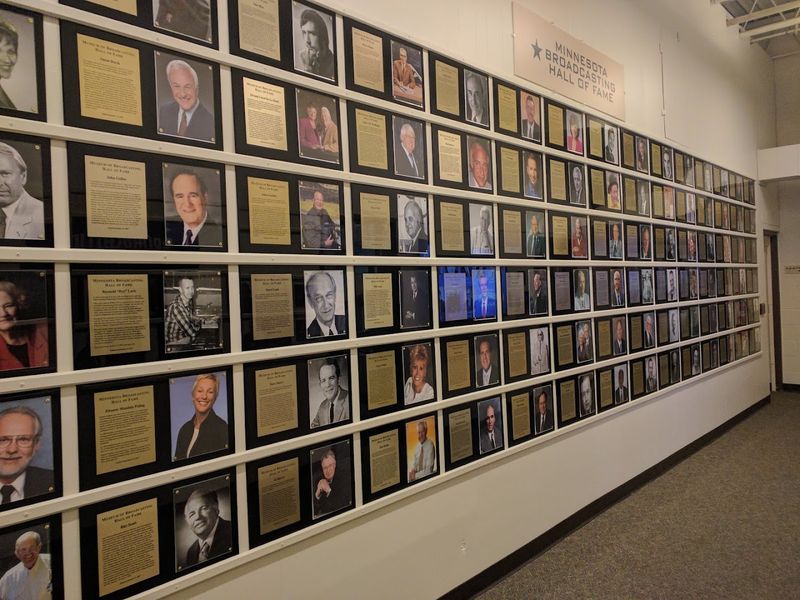
The Pavek Museum has a deeper connection to Minnesota broadcasting history than most first-time visitors realize. The museum has hosted induction ceremonies for the Minnesota Broadcaster Hall of Fame, which adds a layer of living history to an already impressive collection.
That connection means the museum is not just a repository of old equipment. It is also a place where the people behind the broadcasts are recognized and remembered.
Minnesota has a rich broadcasting tradition, and the Hall of Fame component honors the voices, engineers, and producers who shaped what audiences heard and watched for generations.
Visiting during or after a Hall of Fame event gives the museum a noticeably different energy. The artifacts on the walls and in the display cases suddenly feel less like antiques and more like tools that real people used to do real, meaningful work.
That human dimension is part of what makes this place so worth your time.
TTY Machines, Phonographs, and the Surprising Range of the Collection
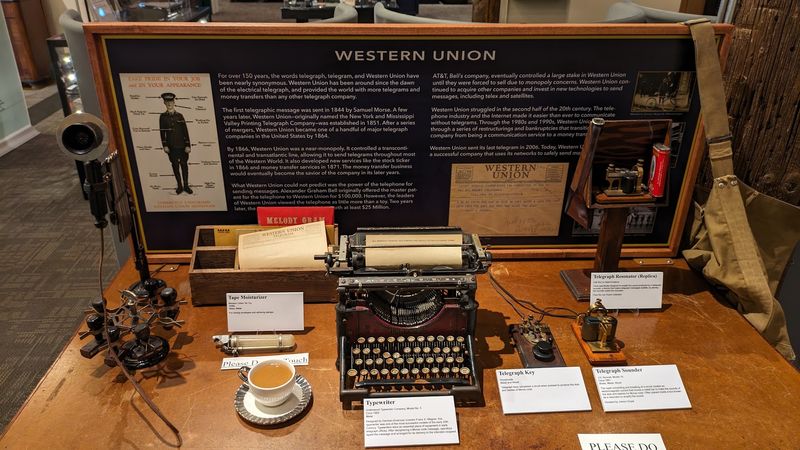
One of the things that genuinely surprised me about the Pavek Museum was how far the collection extends beyond radios and televisions. TTY machines, early phonographs, and professional recording equipment all have dedicated space here, and each one adds a different thread to the overall story.
TTY machines, which allowed deaf and hard-of-hearing individuals to communicate over telephone lines using typed text, represent an important and often overlooked chapter in communication history. Seeing one in person is a reminder that the evolution of electronic communication was never just about entertainment.
It was also about access and inclusion.
The breadth of the collection means that repeat visits tend to reveal things you missed the first time. The museum is compact enough to feel manageable, but dense enough with interesting artifacts that a single hour rarely feels sufficient.
Most visitors end up staying longer than they originally planned, which is a reliable sign of a well-curated space.
How the Museum Traces the Full Arc from Telegraphy to Mobile Phones
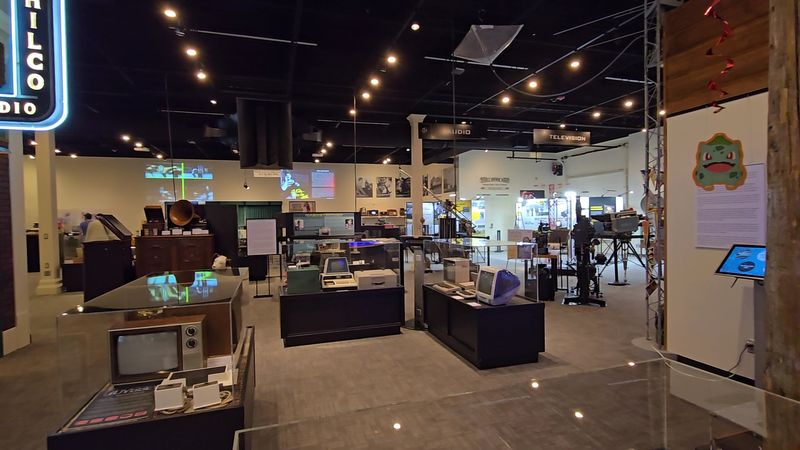
The most ambitious thing the Pavek Museum attempts is also the thing it pulls off most successfully: tracing the complete arc of electronic communication from the telegraph era all the way to the mobile phone. That is roughly 150 years of technological history presented in a single, walkable space.
The timeline approach works because it shows not just what each invention was, but how each one grew out of the limitations of what came before it. Radio emerged because telegraphs required wires.
Television emerged because radio left out the visual dimension. Mobile phones emerged because even portable transistor radios could not let you talk back.
Walking that timeline from one end to the other gives you a sense of momentum that is genuinely exciting. Technology rarely arrives in a vacuum, and the museum makes that point clearly without ever feeling like a lecture.
By the time you reach the mobile phone display, the whole journey makes complete sense.
What Makes This Museum Work for Kids and Adults Equally Well
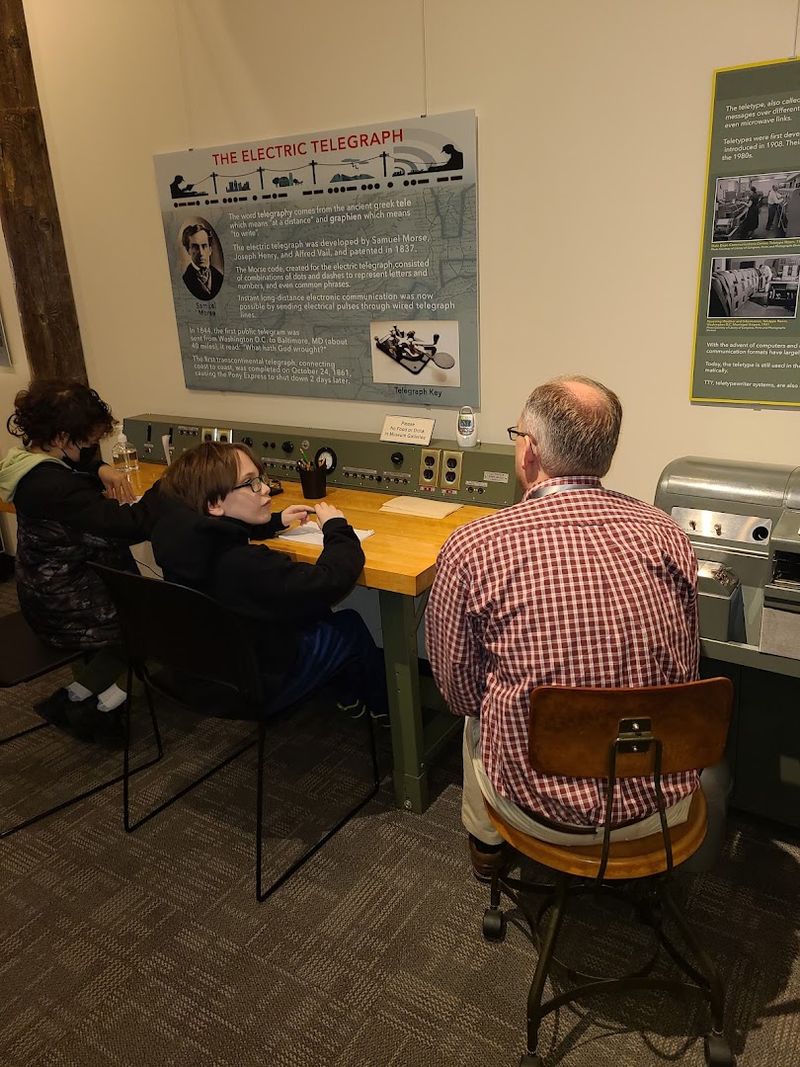
Getting a seven-year-old and a sixty-year-old equally excited about the same museum is no small achievement. The Pavek Museum manages it through a combination of hands-on activities, visually interesting artifacts, and displays that are written clearly enough for younger visitors without talking down to adults.
Kids are particularly drawn to the wired telephones and vintage video games on display. There is something instinctively appealing about picking up a heavy rotary phone handset or pressing the buttons on an early electronic game, even if you have never seen one before.
The tactile quality of older technology turns out to be a powerful teaching tool.
Adults, meanwhile, tend to get pulled into the deeper context provided by the exhibits. The explanatory panels are well-written and genuinely informative rather than just decorative.
A family that visits together often ends up having conversations afterward that they would not have had otherwise, which is exactly the kind of outcome a good museum aims for.
Special Events and the Havoc at the Pavek Halloween Experience
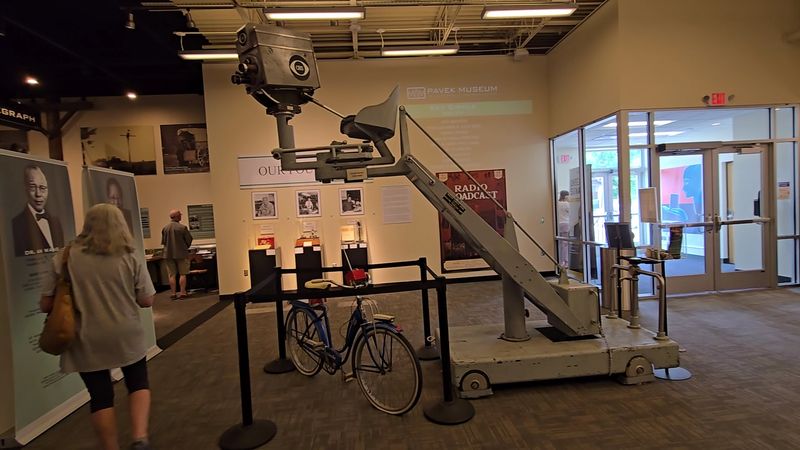
The Pavek Museum is not just a Wednesday-through-Saturday destination for quiet browsing. The organization runs special events throughout the year that give the space an entirely different energy and attract visitors who might not otherwise walk through the door.
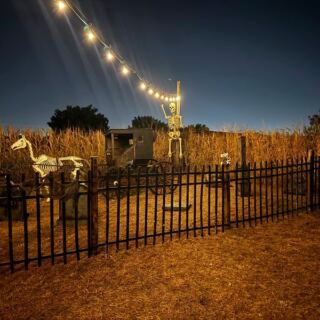
The Havoc at the Pavek Halloween event is one of the most talked-about of these. The museum sets up an elaborate scavenger hunt that sends kids and adults through the exhibits in search of clues, turning the collection into an interactive game rather than a passive display.
It is the kind of event that makes children genuinely excited to learn about old technology without realizing that is what is happening.
Educational programs and guided public tours round out the programming calendar. The tours in particular are worth seeking out because the guides bring the artifacts to life with stories and demonstrations that go well beyond what the exhibit labels provide.
Checking the museum website before your visit helps you plan around these opportunities.
Practical Tips for Planning Your Visit to the Pavek Museum
The Pavek Museum is open Wednesday through Saturday from 10 AM to 5 PM, which makes it a natural fit for a weekday or Saturday outing. The museum is closed Sunday through Tuesday, so timing your visit matters if you are coming from out of town.
Plan to spend at least one to two hours inside, though many visitors find themselves staying longer. The collection is dense with interesting detail, and the hands-on displays tend to add time in the best possible way.
There is also a gift shop worth browsing before you leave.
Parking is available on site, and the museum layout is easy to navigate. Admission is reasonably priced for what you get, and the experience scales well whether you are visiting solo, with a partner, or with children in tow.
For anyone spending time in the Twin Cities area, this is a stop that genuinely rewards the small detour it requires.
Share this story