Deep beneath the forests and lakes of northern Minnesota lies a story most Americans have never heard, one built on iron ore, immigrant sweat, and an industry that helped shape the modern world. For decades, the Iron Range region produced more iron ore than almost anywhere else on the planet, and the communities that grew around those mines became melting pots of cultures, languages, and traditions.
One museum in Chisholm has dedicated itself to preserving every layer of that story, from the geology underground to the families who lived above it. What makes this place truly remarkable is not just the size of its collection, but the way it brings a vanished way of life back to vivid, tangible reality.
Where the Iron Range Story Begins
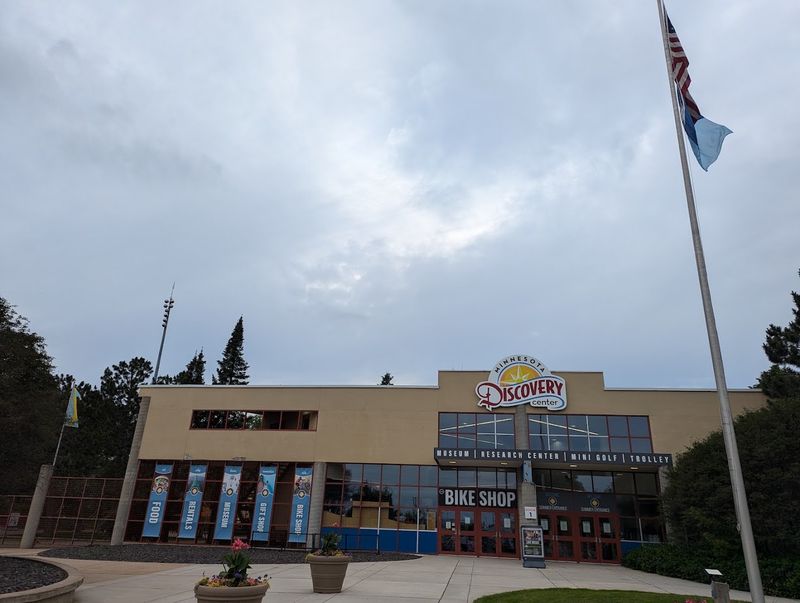
Most people driving through northern Minnesota have no idea they are passing over one of the most mineral-rich landscapes in North America. The Minnesota Discovery Center, located at 1005 Discovery Dr, Chisholm, MN 55719, sits right at the heart of that story.
The museum was originally known as Ironworld, and that earlier name still carries weight with longtime locals who remember visiting as kids. Today, the center has grown into a full cultural campus that goes well beyond a traditional museum experience.
The building itself is surprisingly large from the inside, with multiple floors of exhibits, a theater, a genealogy research center, and access to outdoor areas that stretch across the surrounding landscape. First-time visitors often walk in expecting a modest regional museum and walk out genuinely amazed by how much ground the place covers, both literally and historically.
The Iron Ore Exhibits That Put Everything in Context
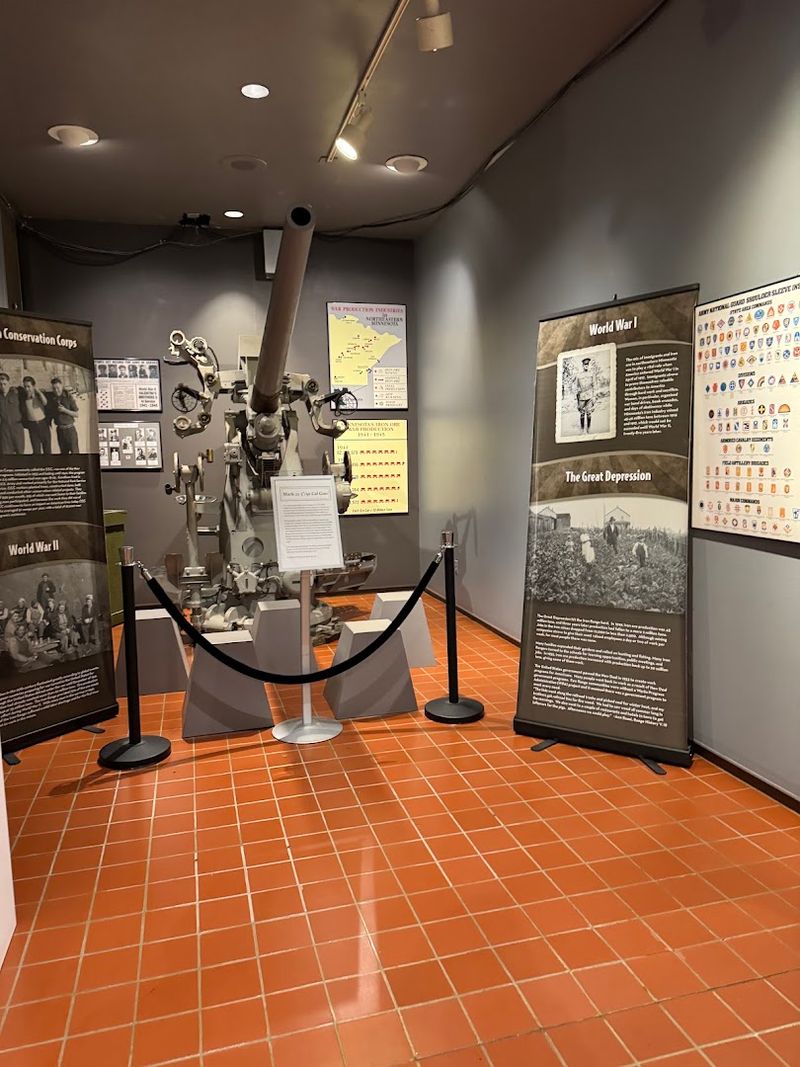
The mining history exhibits at the Minnesota Discovery Center are the backbone of the entire experience. They trace the full arc of iron ore extraction on the Iron Range, from the earliest open-pit operations to the massive industrial machinery that defined the twentieth century.
What sets these displays apart is the level of detail. Visitors can examine actual mining tools, study cross-sections of the earth showing ore deposits, and read firsthand accounts from miners who worked underground in brutal conditions.
The exhibits do not sanitize the story. The physical demands, the dangers, and the economic forces that drove men into the mines are all presented honestly.
Walking through these rooms, you get a real sense of what it meant to depend on iron ore for your livelihood, your community, and your family’s future. It is history told without shortcuts.
The Immigrant Experience on the Range
One of the most emotionally powerful sections of the museum focuses on the waves of immigrants who came to the Iron Range from dozens of countries in search of work and a better life. Finns, Slovenians, Croatians, Italians, and many others all arrived with little more than determination.
The exhibits bring their stories forward through photographs, personal objects, and written accounts that reveal what daily life actually looked like in those early mining communities. A theater on-site runs an informative film on a loop about the immigrant experience, and it is worth sitting through the whole thing.
What lingers after leaving this section is the sheer variety of cultures that somehow managed to build a shared community in such a remote and demanding place. The Iron Range was never just one story.
It was dozens of stories woven together over generations, and this museum honors all of them.
The Trolley Ride Through History
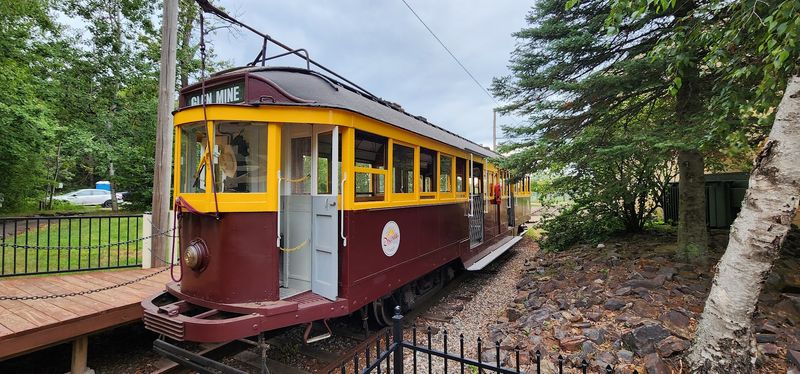
The trolley ride at the Minnesota Discovery Center is the kind of experience that sneaks up on you. You board expecting a simple tour and end up genuinely absorbed in the story unfolding outside the windows.
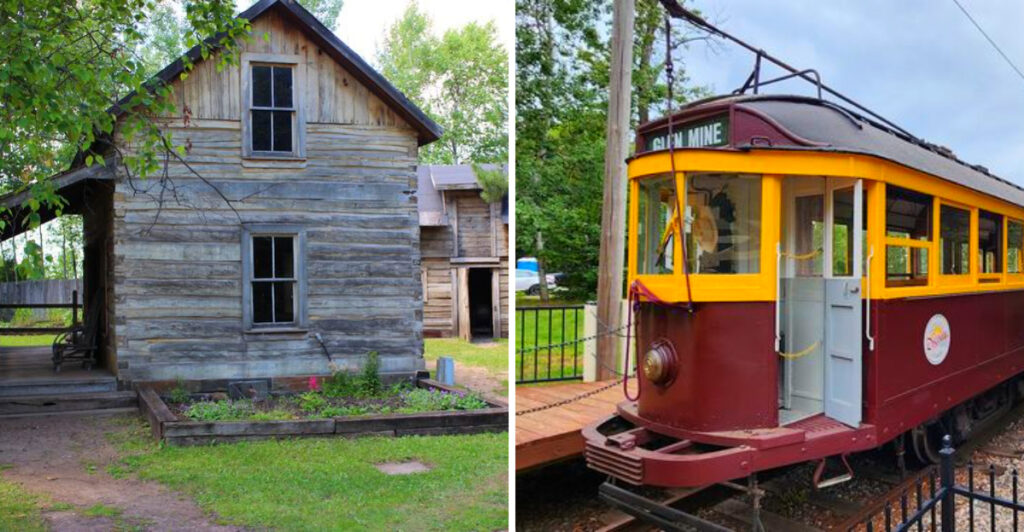
The ride takes visitors through the outdoor grounds and past the Glen Location, a recreated historic mining settlement that shows what life looked like for miners and their families in the early days of the Iron Range. The guides on these tours know their material cold, delivering facts and stories with the confidence of someone who has spent years living inside this history.
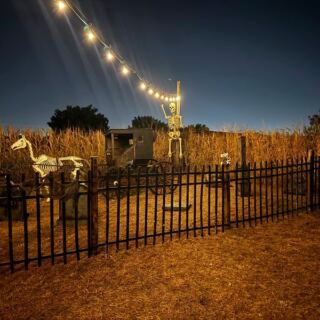
Seasonal events also use the trolley as a centerpiece, including a popular Pumpkin Festival that draws families from across the region. Whether you ride during a regular visit or a special event, the trolley manages to make history feel immediate and personal rather than distant and dusty.
The Glen Location Historic Site
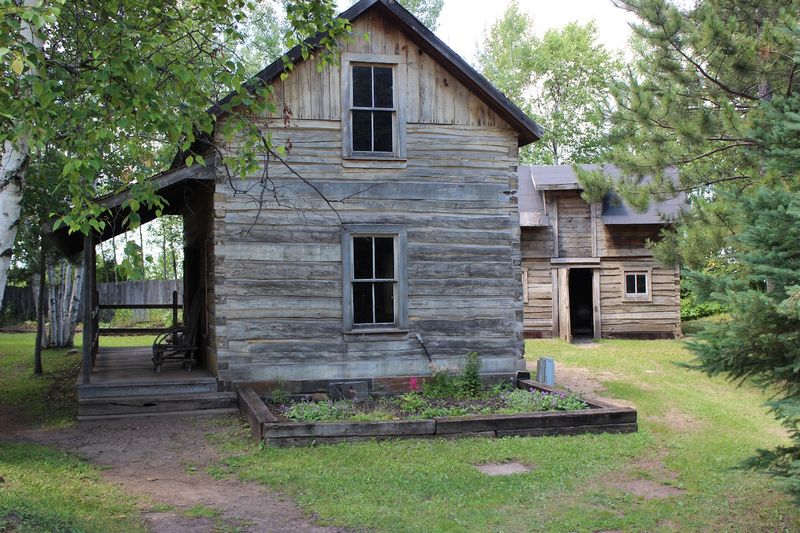
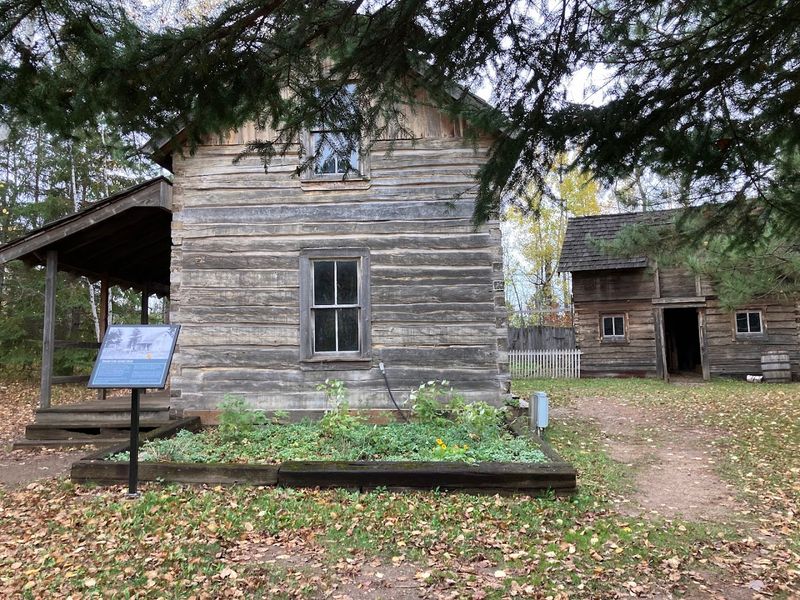
Beyond the museum walls, the Glen Location historic site offers a rare chance to walk through a physical recreation of an early Iron Range mining community. The structures and settings give visitors a tangible sense of how miners and their families actually lived day to day.
This is not a polished theme park version of history. The site has a weathered, honest quality that makes it feel closer to real than most outdoor historic attractions manage to achieve.
You can picture the daily rhythms of life here in a way that no indoor exhibit fully replicates.
The surrounding landscape adds to the effect. The woods, the open sky, and the remnants of mining activity in the terrain all contribute to the atmosphere.
Spending time at the Glen Location is one of those experiences that quietly stays with you long after you have driven away from Chisholm and headed back to wherever you came from.
A Genealogy Center Worth Hours of Your Time
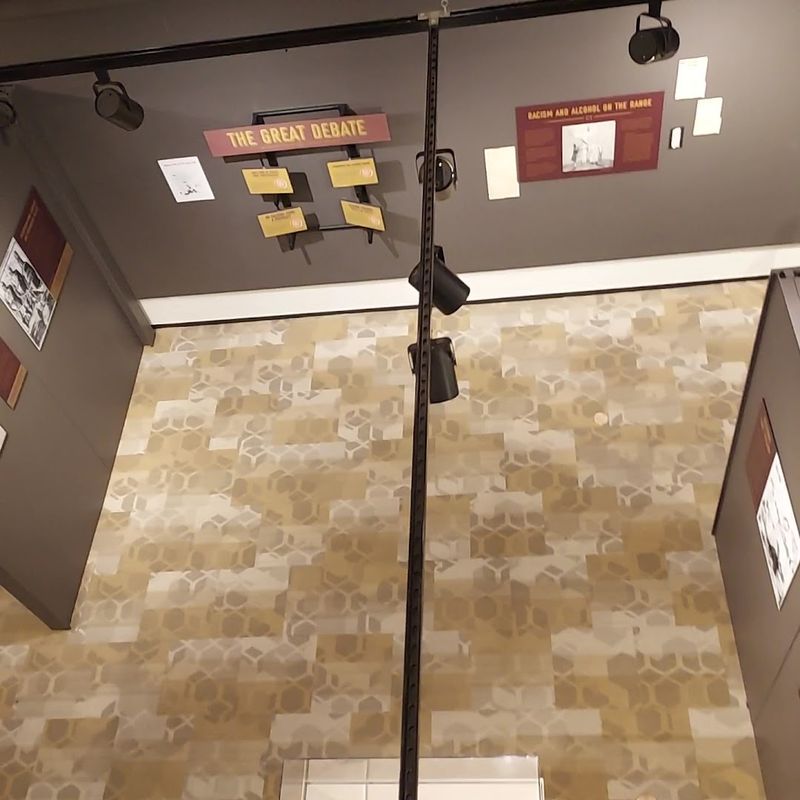
Few people expect to find a serious genealogy research center inside a regional museum, but that is exactly what the Minnesota Discovery Center offers. The center holds an extensive collection of records, documents, and archival materials related to families who lived and worked on the Iron Range.
For anyone with roots in northern Minnesota, this room can turn into an hours-long rabbit hole. Visitors have reportedly found themselves completely absorbed in binders and file cabinets filled with detailed information that goes far beyond what appears on the main exhibit walls.
The genealogy department has been a feature of this institution for decades, and its depth reflects just how seriously the center takes its mission of preservation. If you have any family connection to the Iron Range, even a distant one, setting aside extra time for this section is genuinely worthwhile.
Some visitors say it ends up being the most personally meaningful part of their entire visit.
Hiking, Biking, and Kayaking on the Grounds
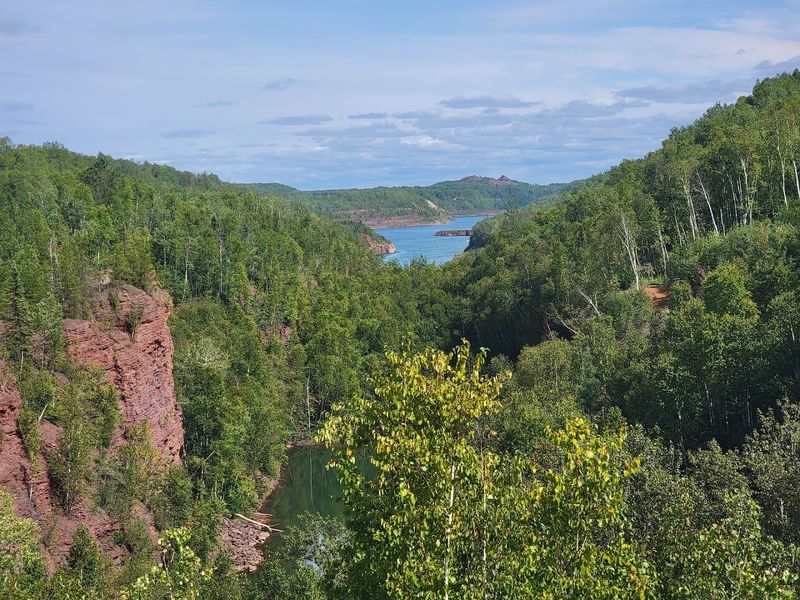
The Minnesota Discovery Center is not just a place to look at things behind glass. The surrounding outdoor areas include hiking trails, biking paths, and kayaking opportunities in and around the Glen Mine landscape that many visitors completely overlook.
The terrain in this part of Minnesota has been shaped by a century of mining activity, and the result is a landscape unlike anything you find in most parks. Flooded pit areas, reclaimed land, and forested ridgelines create a setting that is both unusual and genuinely beautiful in its own rugged way.
Outdoor enthusiasts who visit the museum and then head outside often say the grounds feel like a separate destination entirely. The Redhead Mountain Bike Park nearby adds even more options for active visitors.
Combining a few hours inside the museum with time on the trails outside makes for a surprisingly full and satisfying day in Chisholm.
The Theater and the Film That Ties It All Together
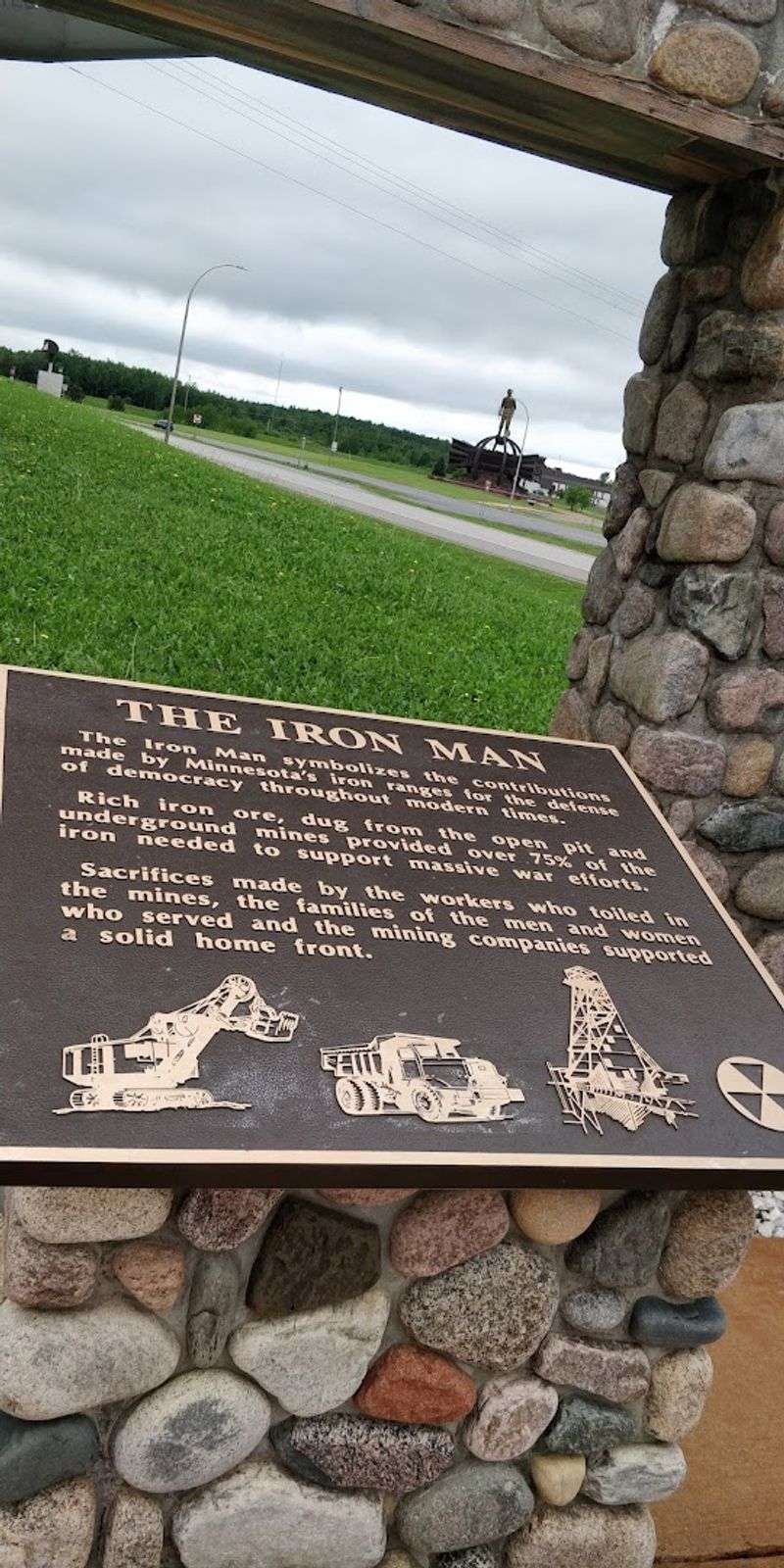
Tucked inside the museum is a theater that runs a documentary film about the Iron Range on a continuous loop. It covers the immigrant experience, the rise of the mining industry, and the transformation of the landscape and communities over more than a century.
The film is well-produced and genuinely informative without feeling like a school filmstrip. It pulls together threads from across the museum’s exhibits and gives visitors a broader context for everything they are seeing in the galleries.
Watching it early in your visit helps the rest of the exhibits land with more weight.
The theater itself is comfortable, and the pacing of the film makes it easy to stay engaged from start to finish. For visitors who prefer absorbing history through storytelling rather than reading panels, this is the highlight of the indoor experience.
It is one of those quiet museum moments that ends up sticking with you.
Mini Golf With a Mining Twist
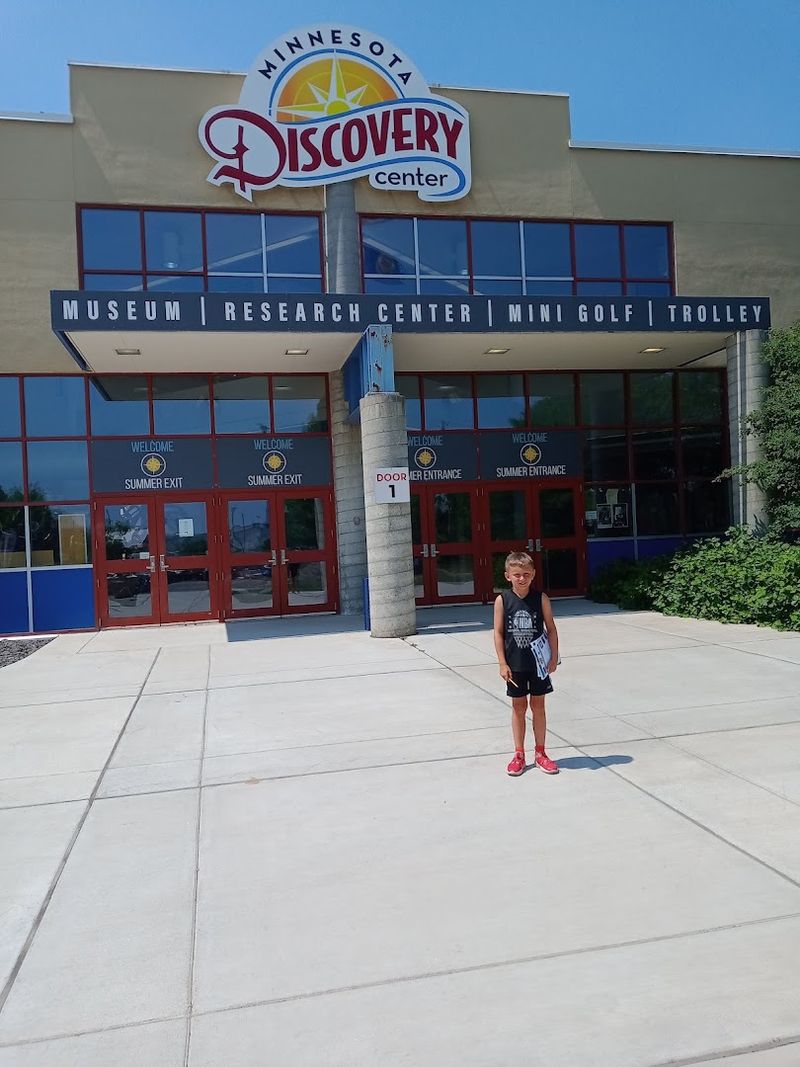
Not every great museum moment happens in front of an exhibit. The Minnesota Discovery Center includes a mini golf course on its grounds, and it manages to be both genuinely fun and surprisingly challenging in equal measure.
The course fits naturally into the broader setting of the campus, making it a good way to decompress after spending time with heavier historical content. Families with younger kids especially appreciate having an active, low-pressure option that keeps everyone engaged without requiring another round of reading informational placards.
It might sound like an odd addition to a serious history museum, but it works. The combination of educational depth inside and outdoor recreation outside is part of what makes the Minnesota Discovery Center feel like a full day destination rather than a quick stop.
Finishing a visit with a round of mini golf on a warm northern Minnesota afternoon turns out to be a genuinely pleasant way to end the day.
Events and Concerts That Bring the Community Together
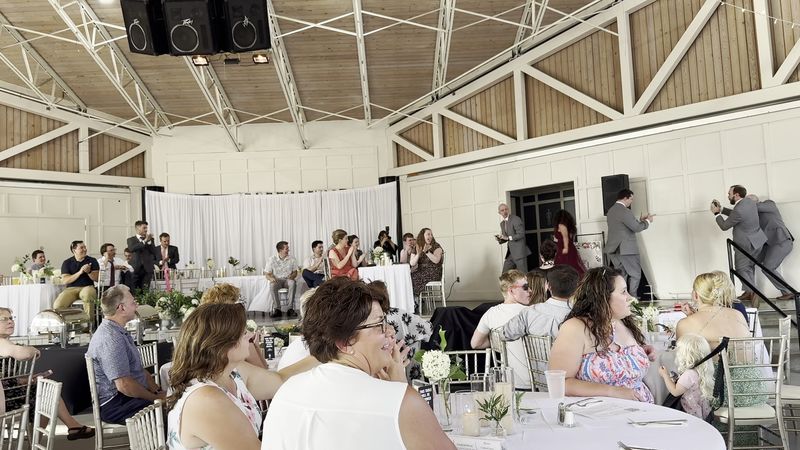
The Minnesota Discovery Center functions as more than a museum. Throughout the year, the campus hosts concerts featuring well-known acts, seasonal festivals, butterfly release events, and community gatherings that draw people from across the Iron Range and beyond.
The summer concert series in particular has built a strong following. The outdoor setting on the museum grounds creates a relaxed, open-air atmosphere that suits live music well, and the events tend to attract a genuinely enthusiastic crowd.
Seasonal programming like the Trolley Ride Pumpkin Festival adds a family-friendly dimension that keeps the campus busy well into autumn. The museum has also hosted weddings and other private events, which speaks to how versatile and well-maintained the facilities are.
Checking the event calendar before you visit is worth doing, since the right timing can add a completely different layer to the experience beyond the standard museum visit.
Why This Place Deserves a Spot on Your Northern Minnesota Itinerary
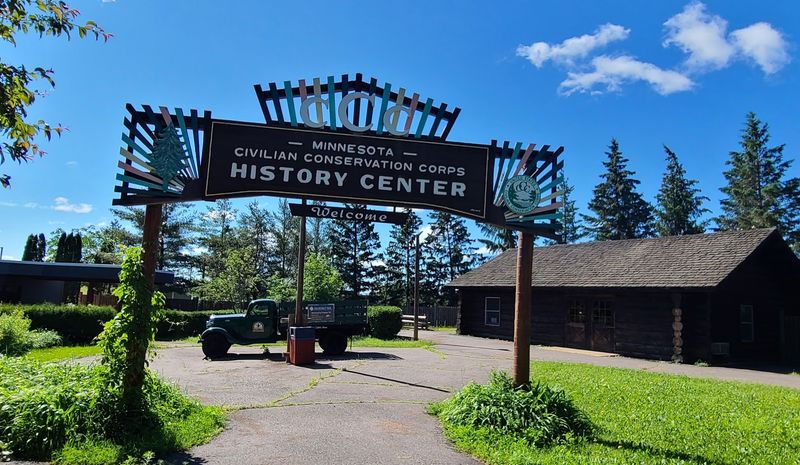
The Minnesota Discovery Center earns its place on any serious northern Minnesota travel list not because it checks every box, but because it does something rare. It takes a specific, regional story and tells it with enough depth and honesty that even visitors with no prior connection to the Iron Range come away genuinely moved.
The combination of indoor exhibits, outdoor grounds, trolley tours, genealogy research, live events, and recreational trails makes this campus one of the most layered cultural destinations in the entire region. Very few museums in rural America offer this much variety in a single location.
The Iron Range shaped American industry in ways most history books gloss over, and Chisholm is one of the best places in the country to understand why that matters. A visit here rewards curiosity, and it has a way of making the past feel surprisingly close to the present.
Share this story