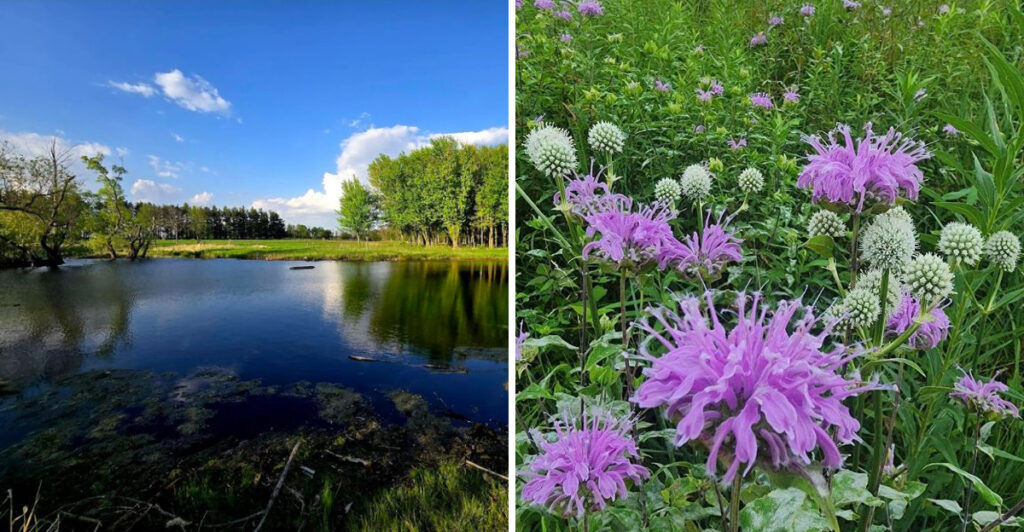
Most people driving through Austin, Minnesota are thinking about one thing: SPAM. But just a few minutes from downtown, there is a place that quietly protects more than 500 acres of woodlands, prairies, and wetlands that most travelers never even notice.
The Jay C Hormel Nature Center is one of those rare spots where kids learn, families reconnect, and serious nature lovers find something genuinely worth returning to. Once you know it exists, it is hard to believe you went this long without visiting.
The Story Behind the Land
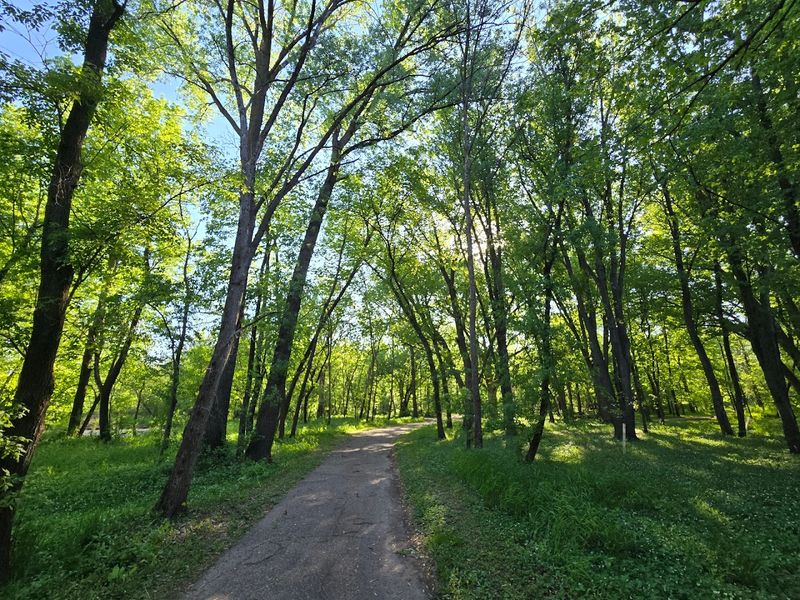
Long before paved trails and interpretive exhibits, this land had a different kind of life. The property has roots connected to the Hormel family, the same name behind the global meat-processing company that put Austin, Minnesota on the map.
Jay C. Hormel, son of Hormel Foods founder George A.
Hormel, had a deep personal connection to this land. The original homestead where the Hormel farm once stood is still visible on the property, and locals are happy to point it out to curious visitors.
That historical layer adds real weight to a walk through the trails. You are not just hiking through pretty scenery.
You are moving through land that carries over a century of local history. The nature center at 1304 21st St NE, Austin, Minnesota, stands as a living tribute to that legacy.
What 500 Acres Actually Looks Like
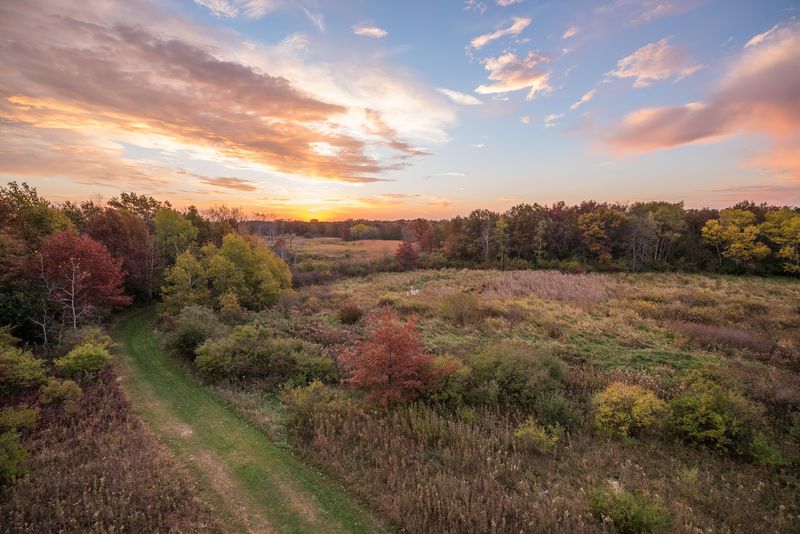
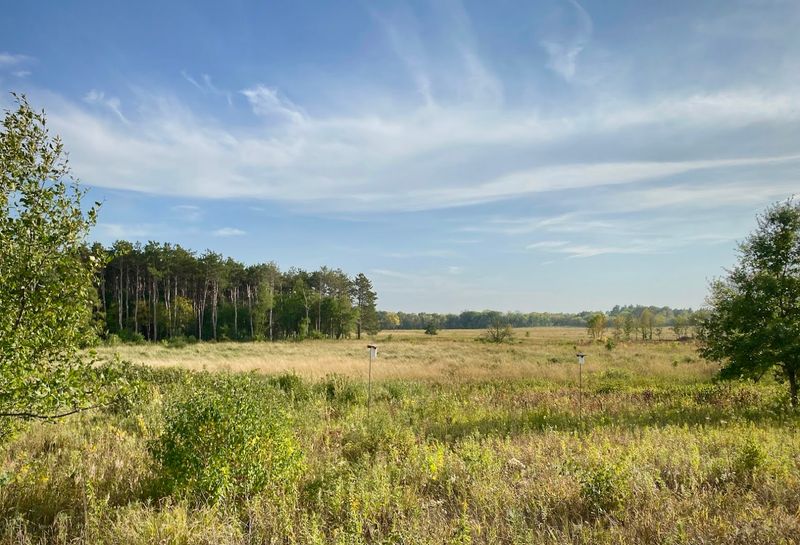
Five hundred acres sounds like a big number, but standing at the edge of one of the nature center’s open prairie sections makes it feel real. The land stretches in multiple directions, shifting from dense tree cover to open sky with surprising speed.
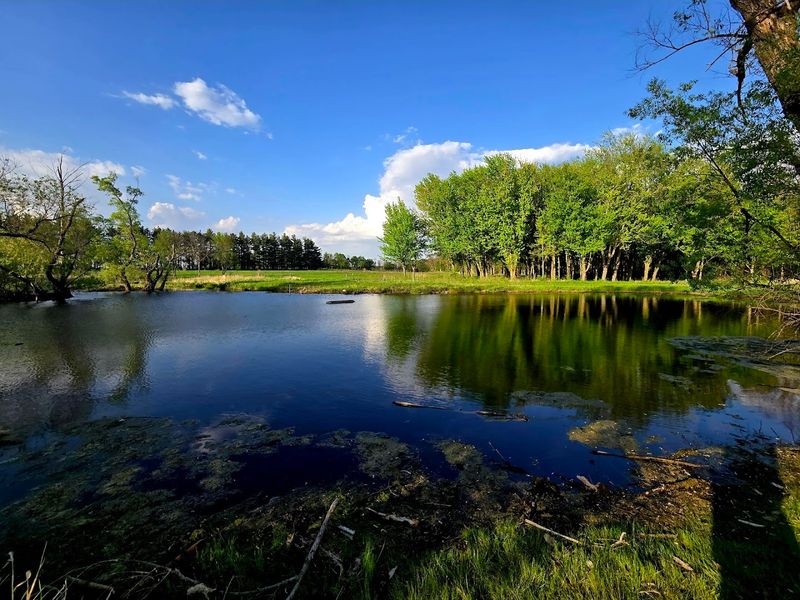
The property includes a remarkable variety of ecosystems packed into one connected space. Woodlands give way to restored prairies, and those prairies eventually soften into wetland edges near Bean Lake.
Each zone has its own personality, its own sounds, and its own cast of wildlife.
Walking from one landscape to another without ever leaving the property is something that keeps people coming back. One section feels like a forest walk, and twenty minutes later you are standing in an open meadow watching a hawk circle overhead.
The sheer variety of the land is the nature center’s strongest argument for a longer visit.
The Trail System That Works for Everyone
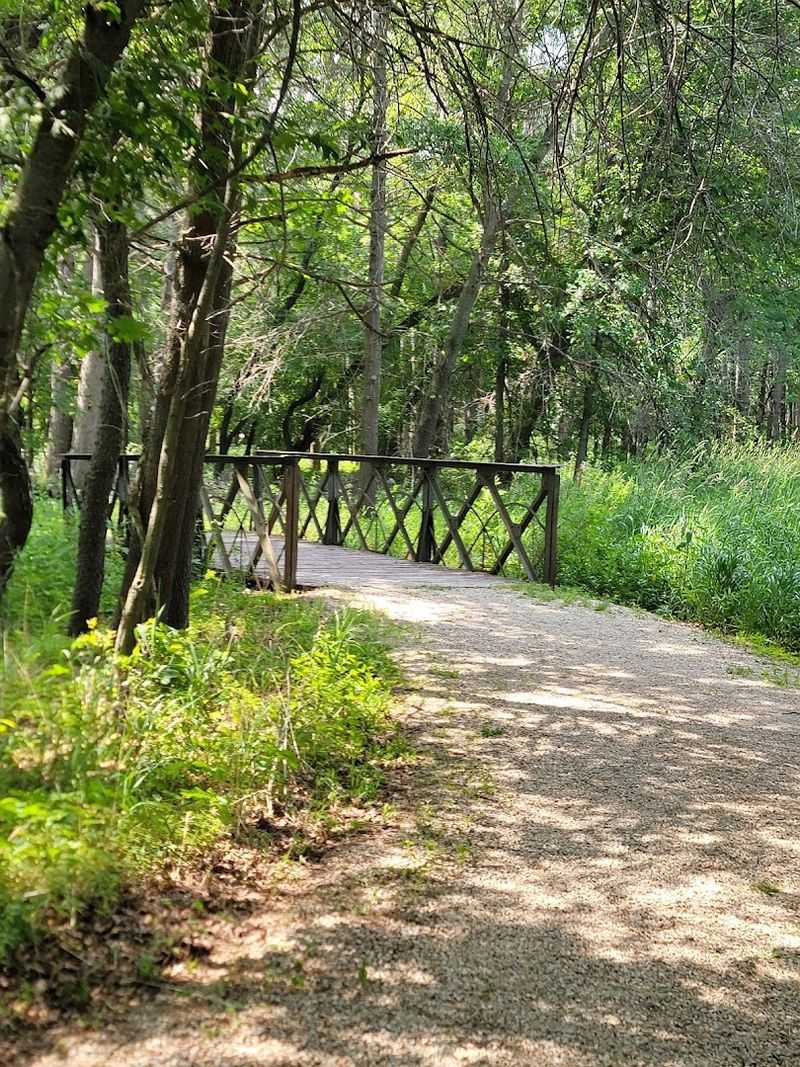
Not every trail system lives up to its reputation, but the one here genuinely delivers. The network includes both paved and unpaved paths, making it possible for stroller-pushing parents, casual walkers, and more determined hikers to all find a route that suits them.
Some paths are smooth and flat, ideal for a relaxed morning stroll. Others push deeper into the woods where the terrain gets a little more interesting and the sounds of the interstate fade just enough to feel like you have left the world behind.
The trails are well-maintained throughout the seasons, which matters a lot in Minnesota where spring mud and winter ice can turn a pleasant walk into an obstacle course. Whether you have thirty minutes or a full afternoon, the trail network scales to your schedule without making you feel like you missed something important.
Bean Lake and the Quiet Shoreline
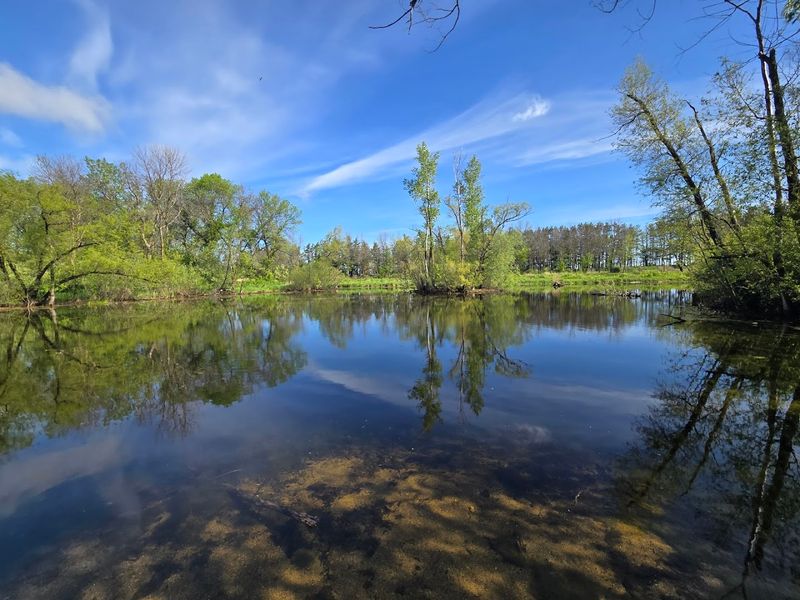
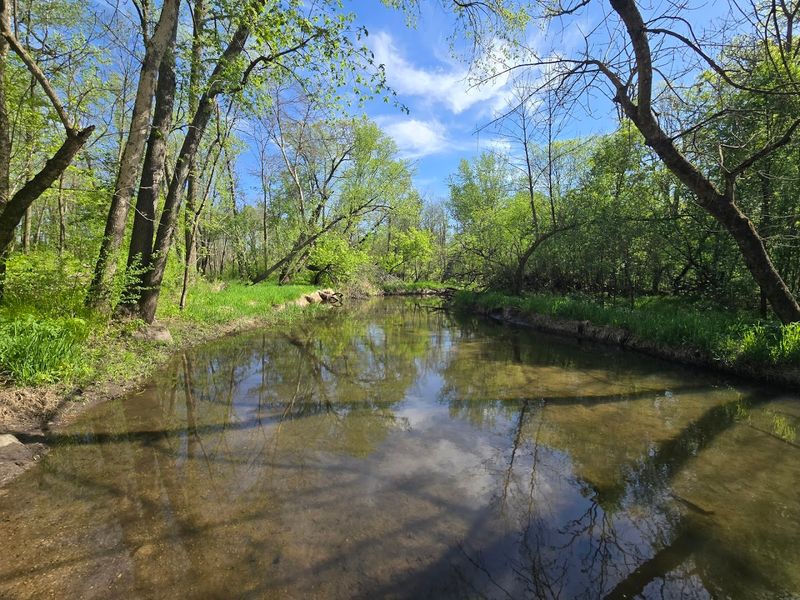
There is a particular kind of quiet that only comes from standing near still water surrounded by trees. Bean Lake, tucked within the nature center’s boundaries, offers exactly that kind of moment.
The lake is not dramatic or sprawling. It is the kind of water that rewards patience.
Spend a few minutes watching the surface and you will start noticing things: a ripple from a fish, a great blue heron standing motionless at the edge, or the reflection of clouds drifting overhead.
The trail that runs along the shoreline is one of the more popular routes on the property, and it is easy to understand why. The combination of water, trees, and the occasional burst of wildflowers along the bank makes it feel like a completely different world from the parking lot just a short walk away.
It is a spot worth slowing down for.
The Interpretive Center Inside
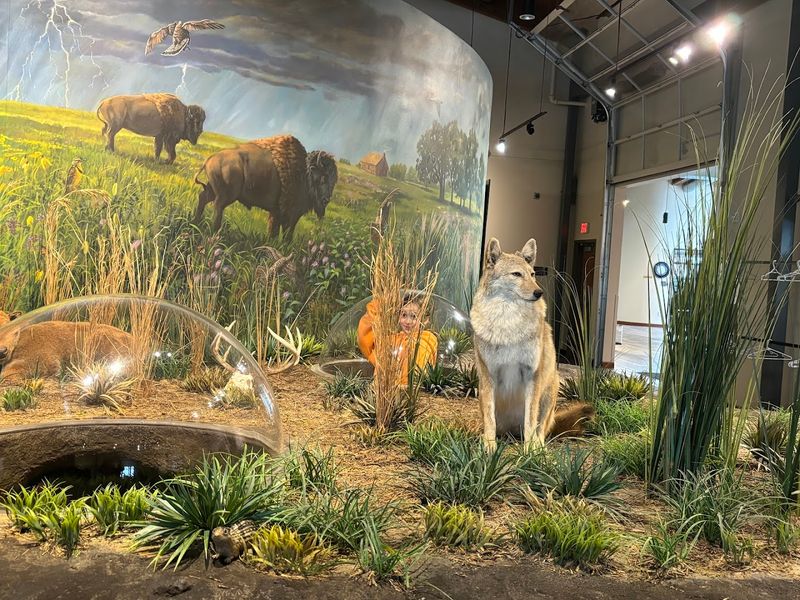
The building itself is worth spending time in before hitting the trails. The interpretive center is modern, clean, and thoughtfully designed, with exhibits that explain the local environment in ways that actually hold a kid’s attention.
Interactive displays cover local wildlife, plant life, and conservation topics without talking down to visitors. There is enough depth for adults who want to learn something new and enough hands-on activity for younger visitors who need to touch everything to stay engaged.
The center also functions as a practical starting point for the trails. Staff can point you toward the right path based on your group’s pace and interests, and the building provides a welcome shelter on hot summer days or cold autumn afternoons.
A gift shop rounds out the indoor experience with nature-themed items that feel appropriate rather than kitschy. It is a well-considered space from the moment you walk in.
Wildlife That Shows Up Without an Invitation
One of the best things about a property this size is that wildlife does not need to be coaxed or scheduled. Animals simply live here, and if you move quietly and pay attention, encounters happen naturally.
White-tailed deer are common throughout the property. Birdwatchers find the variety impressive, with songbirds, raptors, and waterfowl all using different parts of the landscape depending on the season.
The wetland areas near Bean Lake attract species that would never appear in the drier woodland sections.
Wildlife photography is a genuine draw here. The mix of open prairie, forest edge, and water creates the kind of habitat diversity that puts multiple species within reach during a single visit.
Bring binoculars if you have them. The observation opportunities are real, not just something mentioned in a brochure.
Quiet mornings tend to produce the best sightings, especially in spring and early fall.
Wildflowers That Stop You Mid-Trail

Spring and summer bring a floral display across the prairie sections that genuinely catches visitors off guard. The restored prairie areas are planted and managed to support native wildflowers, and the results are hard to walk past without stopping.
Coneflowers, black-eyed Susans, and a rotating cast of other native species create bursts of color across the open areas. The wildflower display is not just decorative.
It supports pollinators, provides habitat for insects and birds, and represents a real conservation effort to restore what southern Minnesota’s prairies once looked like.
Timing matters if wildflowers are your main reason for visiting. Peak bloom varies by year and species, but mid-summer typically offers the most dramatic color.
Even outside peak season, the prairie sections have a textured, living quality that feels different from a conventional park lawn. It is the kind of scenery that makes people reach for their phones without thinking.
Accessibility Features That Go Beyond the Basics
Most parks say they are accessible. This one actually proves it.
The Jay C Hormel Nature Center offers motorized all-terrain wheelchairs available for visitors to use free of charge, which is not something you find at most outdoor spaces in Minnesota or anywhere else.
The program means that visitors with mobility challenges can access trails that would otherwise be difficult or impossible to navigate. That is a meaningful commitment, and it changes the experience for entire families who might otherwise assume a nature center with unpaved trails is not for them.
The paved trail sections also provide reliable access for standard wheelchairs and strollers. The combination of terrain options and adaptive equipment makes this one of the more genuinely inclusive outdoor spaces in the region.
It reflects a clear understanding that nature should be accessible to everyone, not just those who can manage rugged terrain on their own.
Educational Programs for Every Age Group
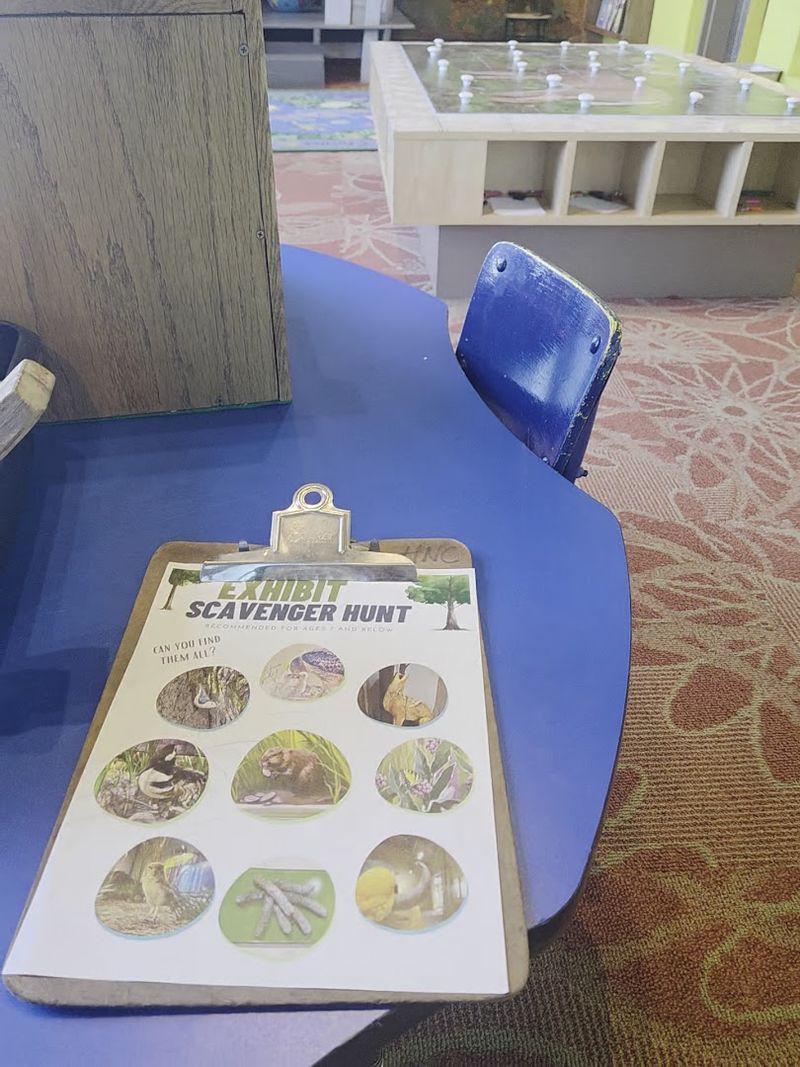
The nature center runs a full calendar of programs that go well beyond a typical park’s offering. Homeschool groups, school field trips, summer nature play sessions, and adult programs all find a place in the schedule throughout the year.
The educational content focuses on local ecology, wildlife identification, and conservation, topics that connect directly to what visitors can observe on the trails. That alignment between classroom and outdoor experience makes the learning feel relevant rather than abstract.
Both free and paid programming options are available, which lowers the barrier for families working with a tight budget. The programs are run by knowledgeable instructors who cover material in ways that resonate with younger audiences without losing the interest of adults in the group.
For homeschooling families especially, this is the kind of resource that earns a permanent spot on the annual calendar. The variety of topics keeps return visits feeling fresh.
Winter on the Trails
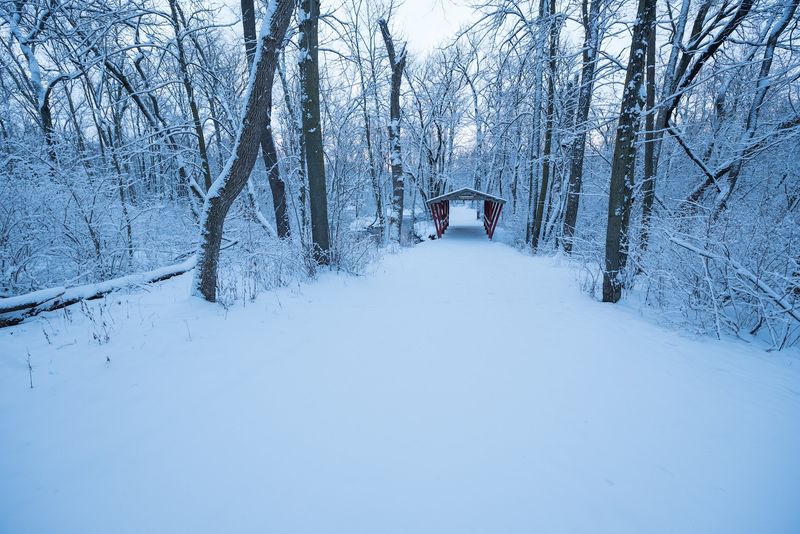
Minnesota winters are not for the faint of heart, but they do create a version of the nature center that feels completely different from any other season. The trails take on a hushed, monochromatic quality when snow covers the ground and the deciduous trees stand bare against a gray sky.
Snowmobile trails operate on the property during winter months, which gives the season its own distinct recreational identity. Cross-country skiers and snowshoers also use the trail network, and the quiet that settles over the land in January and February is genuinely striking compared to the busy summer months.
Wildlife tracking becomes a real activity in fresh snow, with deer, rabbit, and bird prints appearing across the trails in readable patterns. Winter visits require appropriate gear and some tolerance for cold, but they reward visitors with a perspective on the land that the warmer months simply cannot offer.
The Observation Tower on the Property
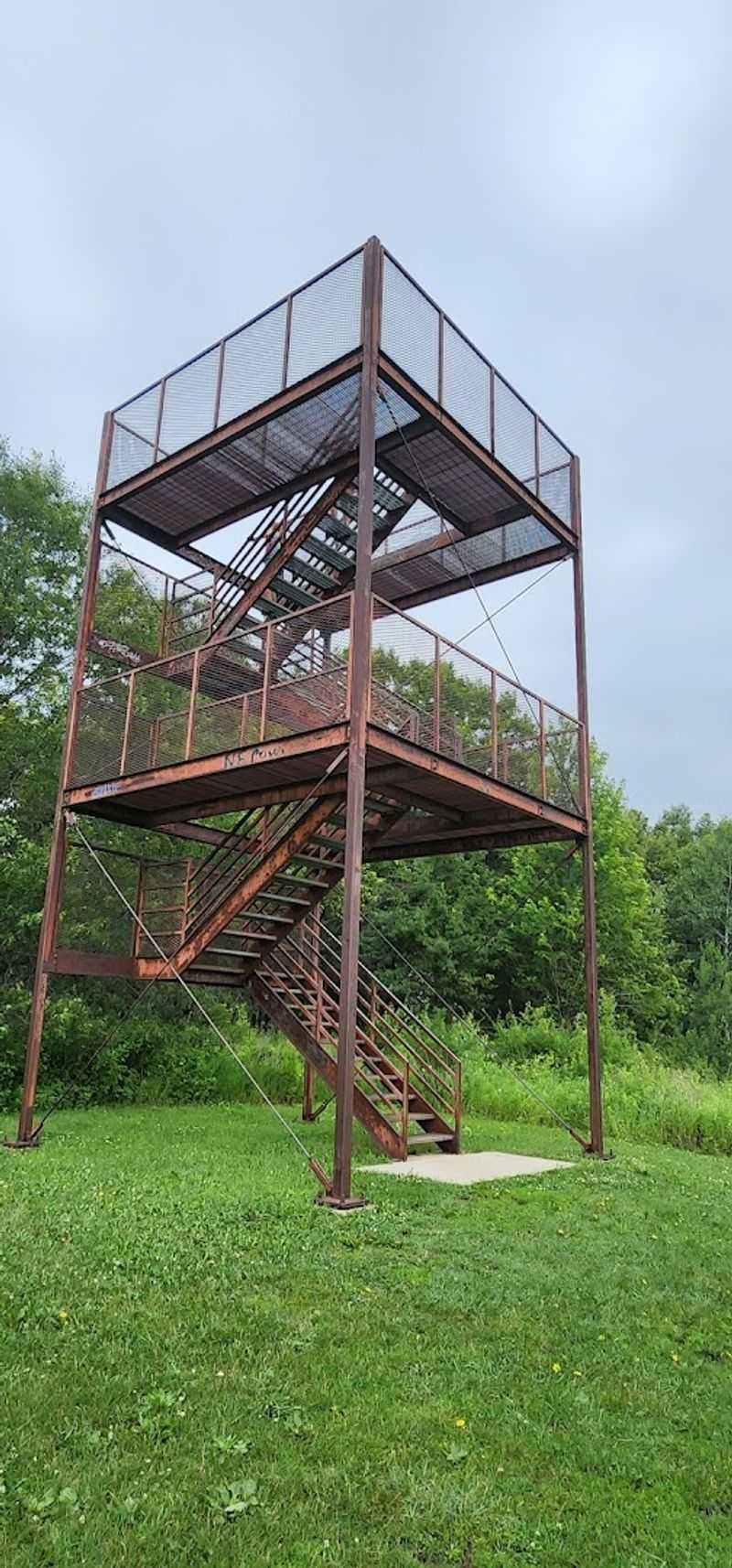
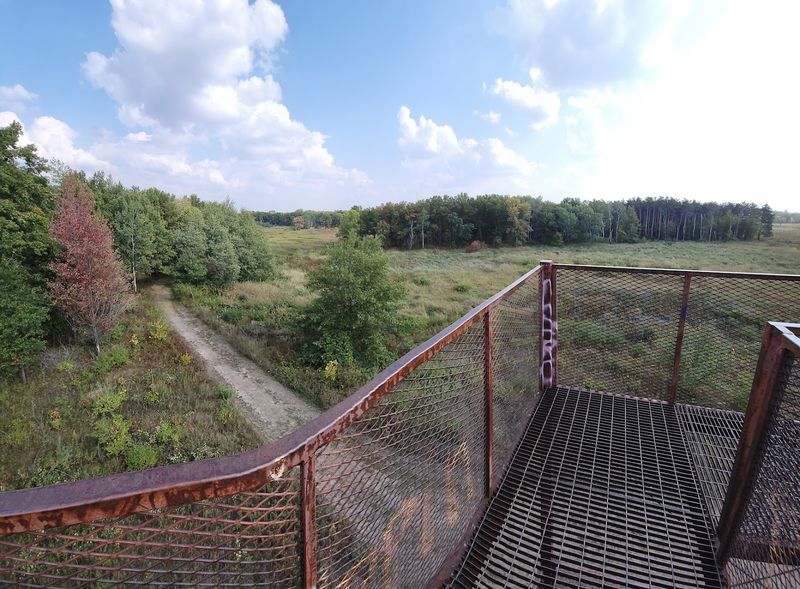
There is an observation tower on the property that offers an elevated view of the surrounding landscape. It is not a towering structure that dominates the skyline, and some visitors arrive expecting something more dramatic, but the perspective it provides is still worth the short climb.
From the top, the patchwork of woodlands, prairie, and wetland becomes more visible as a connected whole. You can trace the trail network below and get a sense of how the different ecosystems fit together across the property.
On a clear day, the view extends well beyond the nature center’s boundaries.
The tower works best as a mid-hike pause rather than a destination in itself. Pair it with the Bean Lake trail loop and the prairie sections for a route that makes the most of what the property offers.
It is a small feature, but it adds a useful layer to the overall experience.
A Place That Belongs to the Community
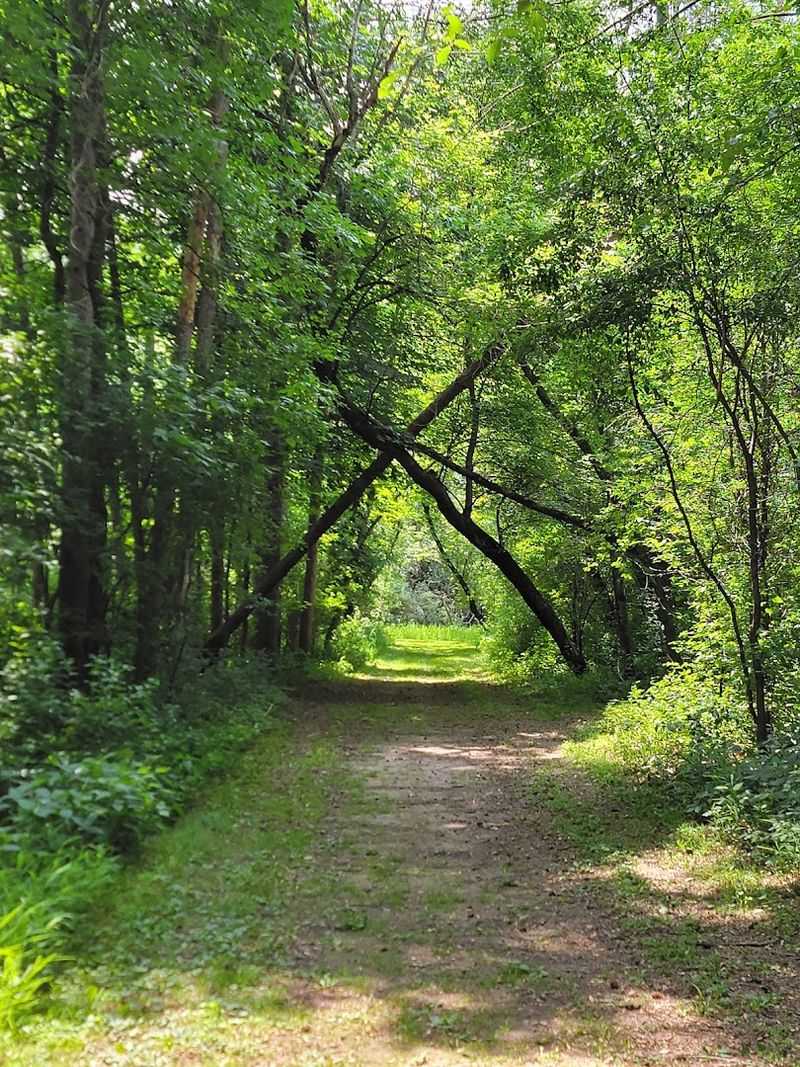
There is something different about a place that has been woven into a community for generations. The Jay C Hormel Nature Center is not just a park that residents visit occasionally.
For many Austin families, it is part of the rhythm of life in a way that is hard to fully explain to someone who grew up somewhere else.
Multiple generations of the same families have walked these trails. Adults who came here on school field trips now bring their own children on weekend mornings.
That continuity gives the place a warmth that newer attractions simply cannot manufacture.
The nature center operates as a genuine community resource, not just a tourism asset. That distinction matters.
It means the trails are maintained with real care, the programming responds to what local families actually need, and the overall atmosphere feels welcoming rather than curated for an outside audience. You feel it from the first visit.
Practical Tips for Planning Your Visit
The nature center is open Tuesday through Saturday from 9 AM to 5 PM, with Sunday hours running from 1 PM to 5 PM and Monday hours matching the weekday schedule. Arriving early on weekday mornings tends to mean quieter trails and better wildlife sightings.
Wear comfortable shoes with some grip, especially if you plan to venture onto the unpaved sections of the trail network. The paved paths are smooth, but the natural surface trails can get soft after rain.
Bringing water is always a good idea, particularly during summer visits when the open prairie sections offer less shade.
There are no picnic tables on the property, so pack your lunch with the understanding that you may need to eat back at your vehicle. The building itself is a comfortable place to rest between trail segments.
Admission to the trails is free, making this one of the most accessible outdoor spaces in the region.
Why This Place Stays with You After You Leave
Some places are pleasant in the moment and forgotten by the next morning. The Jay C Hormel Nature Center tends to linger a little longer than that.
There is something about the combination of genuine natural variety, thoughtful programming, and real community investment that makes the experience feel more substantial than a typical park visit.
The land itself earns that feeling. Moving through 500 acres of connected ecosystems in a single afternoon gives you a sense of how much southern Minnesota’s natural landscape has to offer when it is protected and managed with care.
If the nature center leaves you wanting more of what this corner of Minnesota has to offer, Myre-Big Island State Park sits roughly twenty minutes to the west and provides a different but complementary outdoor experience. The two together make a strong case for Austin as a destination worth more than just a quick stop on the way somewhere else.
Share this story