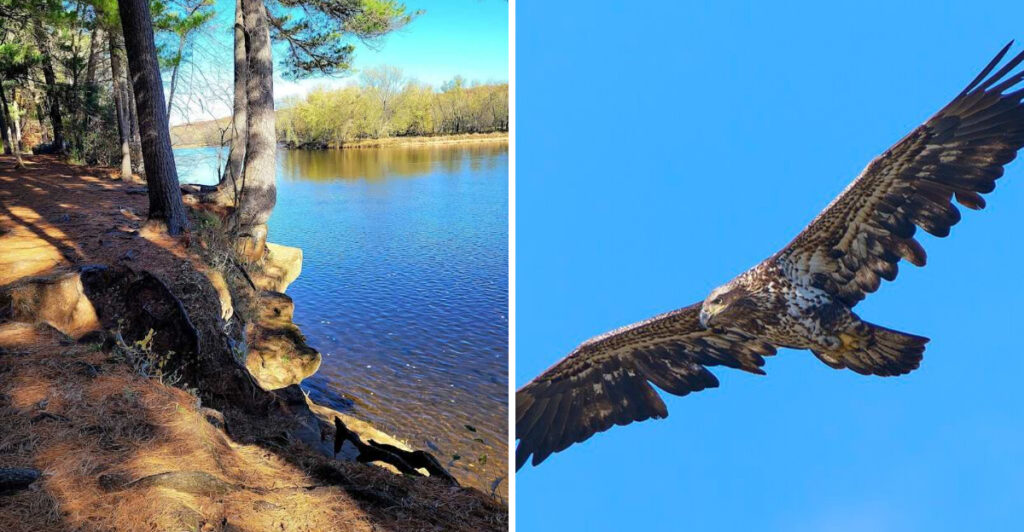
There is a stretch of riverbank in eastern Minnesota where bald eagles circle overhead while kayakers drift quietly along the current below. Most people passing through the Twin Cities have no idea this place exists just a short drive away.
The St. Croix River forms the eastern edge of this park, and the combination of wooded bluffs, open prairies, and calm water makes it one of the most rewarding outdoor stops in the state. Whether you visit for a single afternoon hike or a multi-night camping trip, William O’Brien State Park near Marine on St. Croix delivers the kind of natural scenery that genuinely surprises first-time visitors.
William O’Brien State Park and Its Riverside Setting
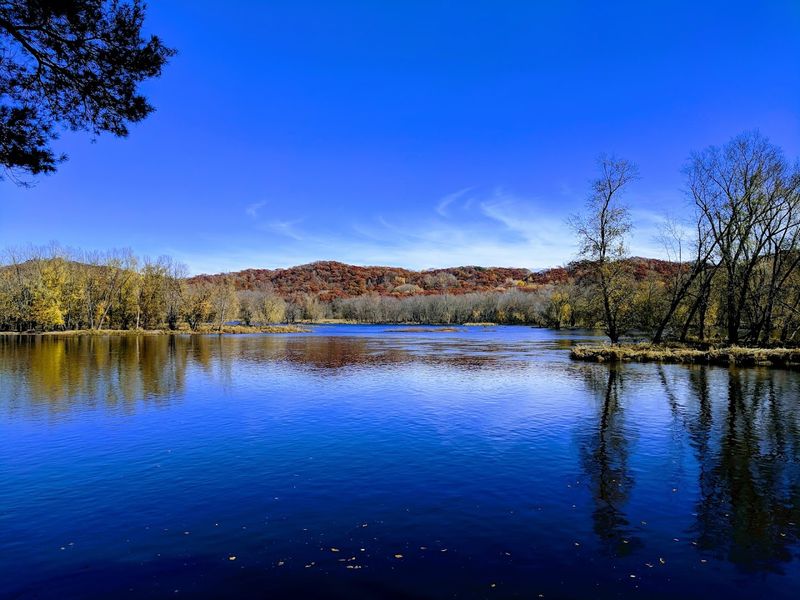
Few state parks sit this close to a major metro area and still manage to feel completely removed from city life. William O’Brien State Park, located at 16821 O’Brien Trail N, Marine on St. Croix, Minnesota 55047, hugs the western bank of the St. Croix River and offers a landscape that shifts between dense forest, open grassland, and quiet waterfront.
The park sits roughly 35 miles northeast of the Twin Cities, making it one of the most accessible natural retreats in the region. That proximity is part of what makes it special.
You can leave the suburbs behind and find yourself standing on a riverbank trail within the hour.
The St. Croix River itself is a federally designated Wild and Scenic River, which adds a layer of significance to every visit. The setting alone gives the park a character that is hard to replicate elsewhere in the metro area.
Bald Eagle Sightings Along the St. Croix River
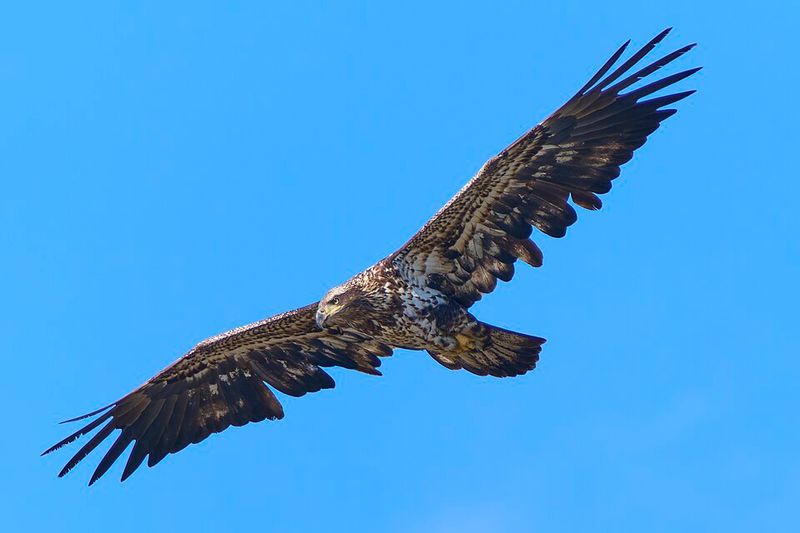
Spotting a bald eagle in the wild never gets old, and the St. Croix River corridor at this park is one of the more reliable places to see one. Eagles are drawn to the river because of its fish population, and the tall cottonwoods and oaks along the bank give them excellent perching spots.
Early morning visits tend to produce the best sightings. The river is quieter then, and eagles are often active before boat traffic picks up.
Bringing a pair of binoculars makes a real difference, especially when scanning the treetops along the opposite bank.
Fall and winter months can be particularly rewarding for eagle watching because the bare trees make it easier to spot large raptors perched high above the water. Many visitors who come for the hiking end up pausing along the riverside trail just to watch the sky for several minutes at a time.
The Riverside Trail and What Makes It Stand Out
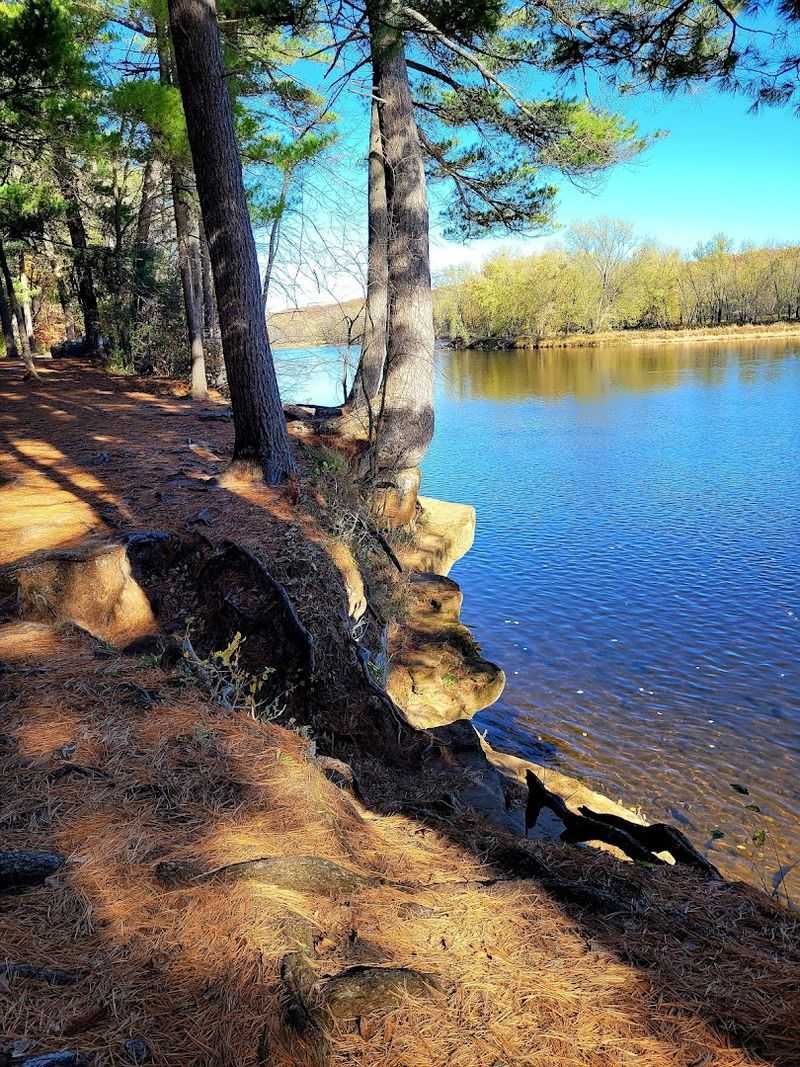
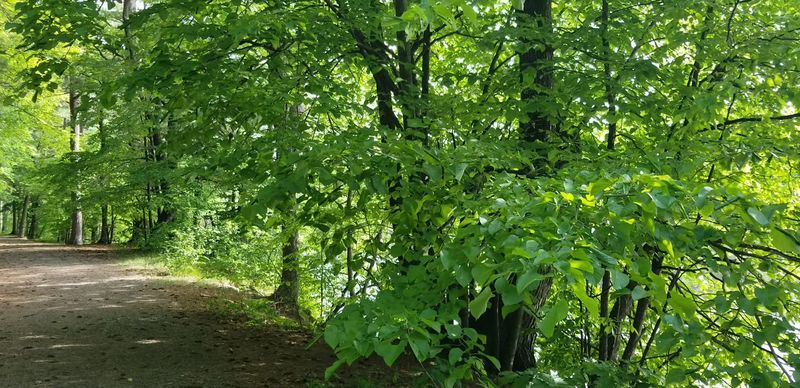
The Riverside Trail is the most popular path in the park, and it earns that reputation quickly. Running roughly 1.6 miles as a loop, the trail stays close to the St. Croix River and offers multiple spots to stop and take in the water views.
The surface is mostly flat and gravelly, which makes it accessible to a wide range of visitors.
Trees along the trail show off thick, textured bark and some grow at unusual angles over the water. One reviewer noted a tree with what looked like a natural slide formed by years of growth, which gives the trail a quirky, storybook quality in spots.
The trail is wide enough that families with strollers and solo hikers can share the path comfortably. Even on a weekday afternoon, the sound of the river keeps the atmosphere calm and easy.
It is the kind of walk that people describe as simple but quietly satisfying.
The Hiking Club Trail and Its Varied Terrain
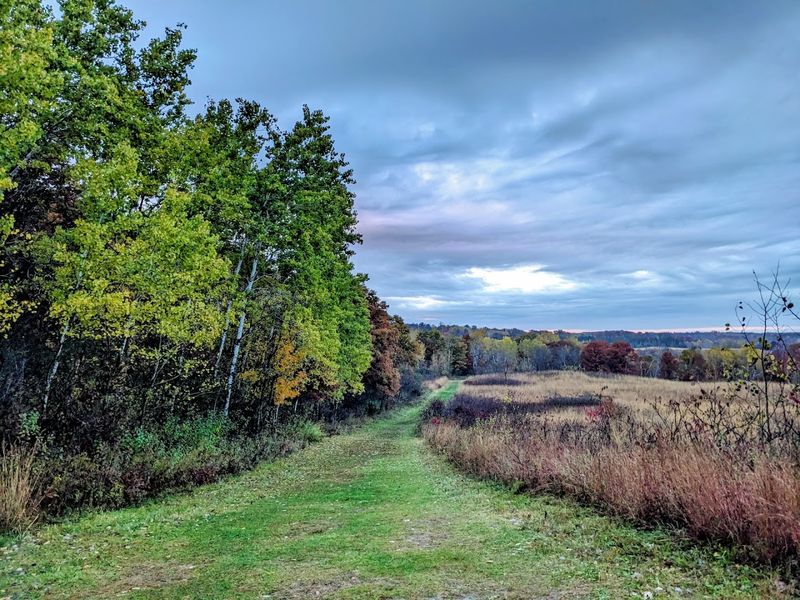
Beyond the easy riverside loop, the park offers a more demanding option for hikers who want a real workout. The Hiking Club Trail winds through the western and northern sections of the park, covering steeper hills, forested ridges, and open prairie patches that give the route a genuine sense of variety.
Good boots are worth the investment here. Some sections involve noticeable elevation changes, and the terrain can be uneven in spots.
The reward is a much more immersive experience with the landscape, including views across rolling grasslands and stretches of quiet woodland that feel far removed from the trailhead parking lot.
The trail also passes through areas where Minnesota’s native prairie ecosystem is still visible. Wildflowers bloom along the edges in late spring and summer, and the sound of wind through white pines adds a natural soundtrack that hikers tend to remember.
Carrying enough water is genuinely important on this route.
Lake Alice and the Wetland Views
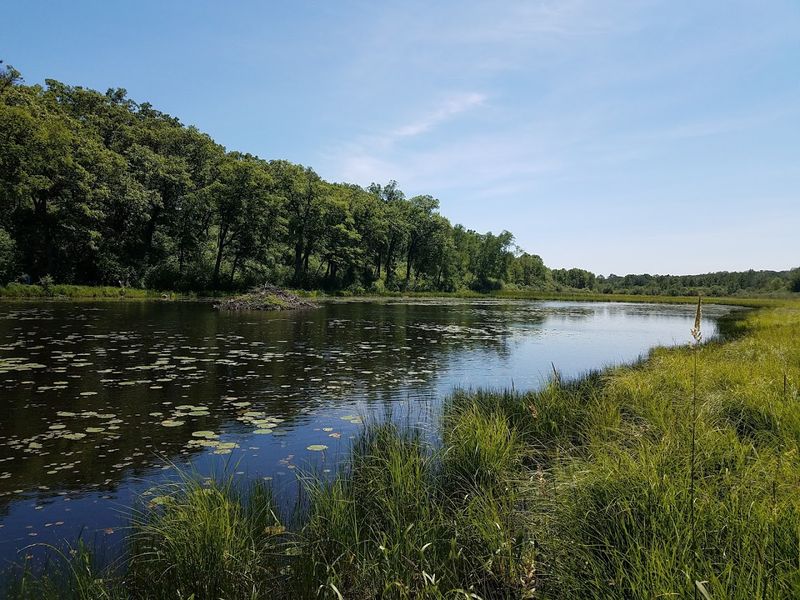
Lake Alice sits near the heart of the park’s day-use area and has become a topic of conversation among visitors in recent years. The lake has been drained as part of park management activities, which initially surprises hikers who expect to find open water.
What they find instead is something unexpectedly interesting.
The exposed lakebed and surrounding wetlands attract a variety of bird species, including shorebirds that would not normally be visible in a typical lake setting. Birders have taken particular notice, and the area rewards patient observers with sightings that shift depending on the season and water level.
Kayakers can still access Alice Lake when water levels allow, though the landing area is better suited for smaller watercraft. The wetland habitat surrounding the lake also supports frogs, turtles, and other wildlife that thrive in transitional environments.
It is one of those spots where the unexpected condition turns into the highlight of the visit.
Kayaking and Canoeing on the St. Croix River
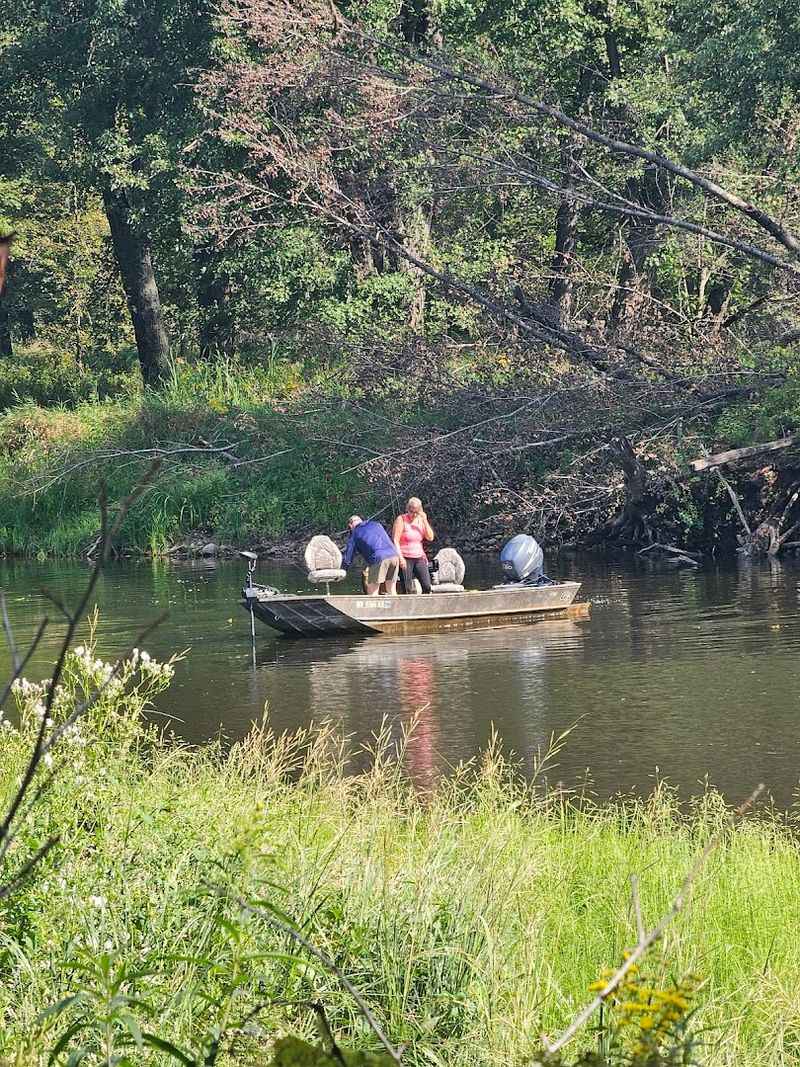
Getting on the water is one of the best ways to experience this park, and the St. Croix River provides a genuinely enjoyable paddling environment. Kayaks and canoes are available for rent at the park, giving visitors who did not bring their own gear a straightforward way to get out on the water.
The river current is gentle enough that paddling upstream for a stretch and then drifting back down is a relaxing option. Fish are visible jumping near the surface on warm afternoons, and the riverbanks seen from the water offer a different perspective on the forested bluffs above.
Boat traffic on the river is present, particularly on weekends, but other boaters tend to be respectful of space. A four-hour rental gives plenty of time to explore at a comfortable pace.
The combination of easy paddling, wildlife, and scenery makes this one of the more memorable ways to spend a few hours at the park.
Camping at the Riverway and Savannah Campgrounds
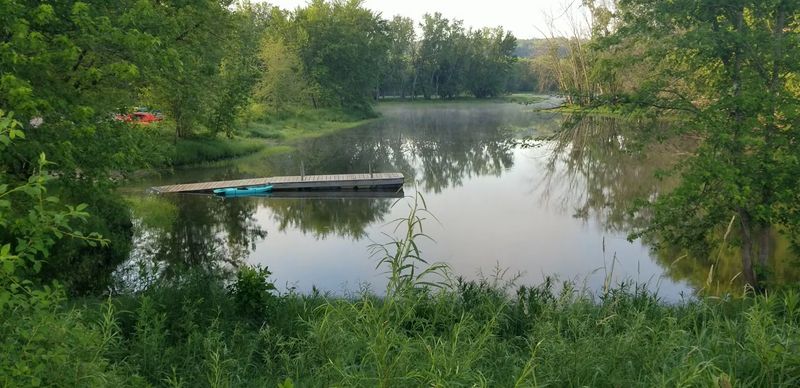
Camping at this park tends to feel more personal than the large, crowded campgrounds found at some Minnesota state parks. The Riverway Campground is positioned close to hiking trails that lead directly to the St. Croix River, which means mornings can start with a short walk to the water before the rest of the park wakes up.
The Savannah Campground offers a quieter, more secluded feel, particularly on weekdays when fewer sites are occupied. Tent campers have described waking up to bird songs and a genuine sense of privacy, even though the park is not far from suburban development.
RV campers have also found the park accommodating during off-peak periods, with enough space between sites to feel comfortable. Weekends in summer fill up quickly, so booking ahead is a practical necessity.
The park’s proximity to the Twin Cities means it serves as both a quick overnight trip and a longer seasonal retreat.
Prairie Trails and Native Grassland Scenery
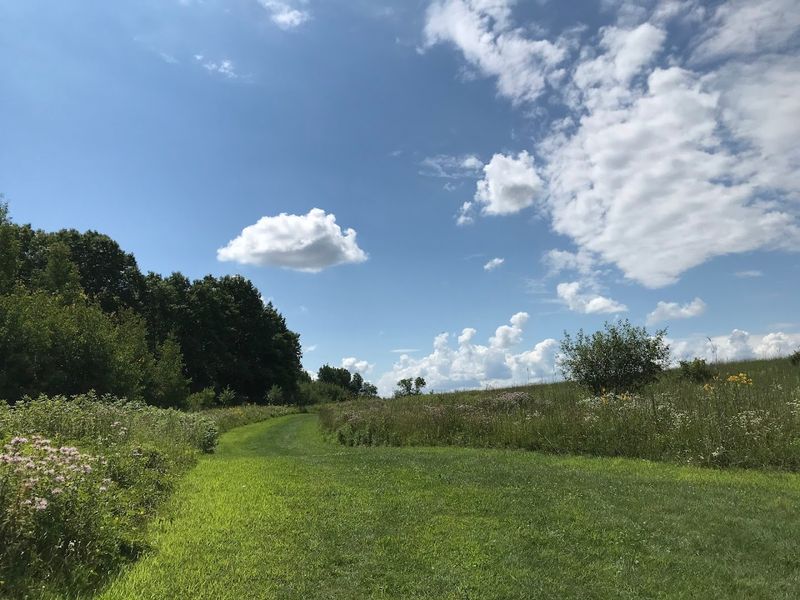
Not every visitor expects to find a working example of Minnesota’s native prairie inside a riverside state park, but that is exactly what the western trails deliver. The prairie sections of the park feature tall grasses, seasonal wildflowers, and the kind of open sky that feels genuinely different from the wooded sections near the river.
Walking through the prairie trails in late summer, the grasses sway in a way that makes the landscape feel alive and unhurried. The contrast between the open meadow and the dense tree cover on nearby ridges gives this part of the park a distinct personality.
Wildflowers tend to bloom along the trail edges from late spring through early fall, adding color and attracting pollinators that make the walk more interesting. The prairie area is also where white pines stand tall enough to create a natural sound when the wind picks up, which is one of those small details that stays with you after the visit.
Fall Colors and Seasonal Highlights
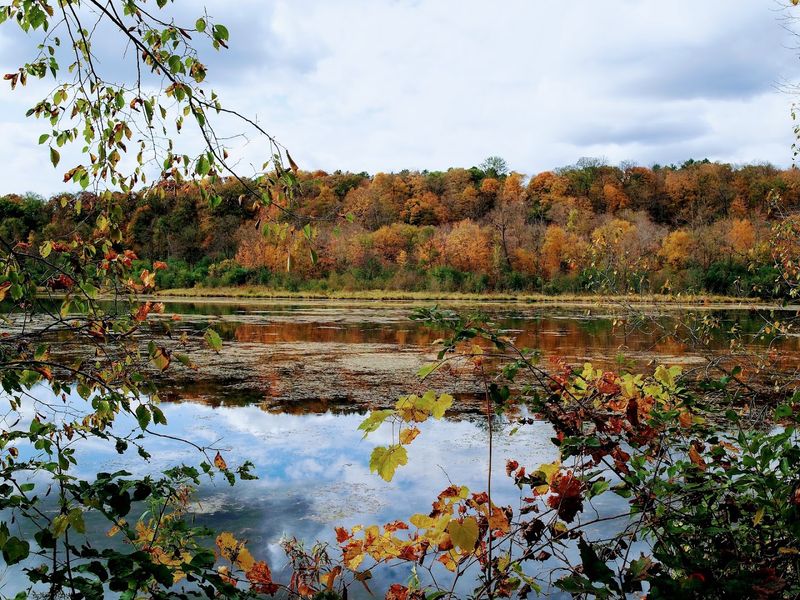
Autumn transforms this park into something that draws visitors specifically for the foliage. The combination of oaks, maples, and cottonwoods along the river corridor produces a layered display of color that peaks typically in early to mid-October in this part of Minnesota.
Walking the riverside trail during peak fall color is a noticeably different experience than visiting in summer. The light filters through the changing leaves and reflects off the river, and the cooler temperatures make longer hikes feel comfortable.
Several visitors have noted that the park looks especially striking from the elevated sections of the Hiking Club Trail, where you can look down over the treetops toward the water.
Winter visits are also possible, and the park remains open year-round. Bare trees in December and January actually improve eagle watching conditions, and the quiet of an off-season visit has its own appeal for people who prefer the park without summer crowds.
Accessibility Features and the All-Terrain Chair
One of the more quietly remarkable features at this park is the availability of an all-terrain chair that visitors can rent. The chair is battery-powered and designed to navigate natural surface trails that a standard wheelchair cannot handle, opening up sections of the park to people with mobility challenges who would otherwise be limited to paved areas.
The battery reportedly lasts up to five hours, which is enough time to cover a meaningful portion of the trail system. Seeing the chair in use on the wooded paths gives a real sense of how thoughtfully the park has approached accessibility.
Wide trails throughout the park also contribute to an experience that accommodates visitors of different physical abilities. Families with young children, older adults, and people with varying mobility levels have all noted that the trail surfaces and widths make exploration feel genuinely welcoming rather than restrictive.
That kind of inclusive design is worth acknowledging.
Wildlife Beyond Eagles: What Else You Might See
Bald eagles get most of the attention, but the wildlife list at this park extends well beyond raptors. White-tailed deer are common throughout the wooded sections, particularly in the early morning and late afternoon hours when they move through the understory near the trails.
The wetland areas around Lake Alice attract frogs, turtles, and a variety of waterfowl that shift with the seasons. Shorebirds have been spotted in the exposed lakebed during periods when the water level is lower, which adds an unexpected birding opportunity for those who know to look for it.
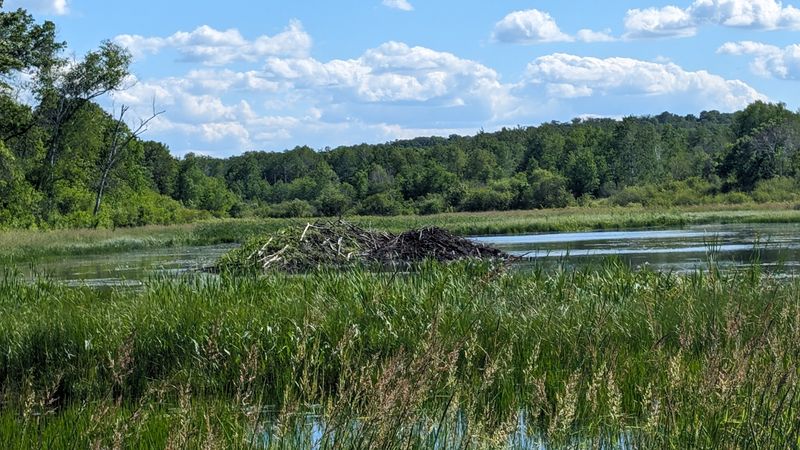
Beaver activity is also present in the park, with the Beaver Lodge Trail referencing habitat that supports these large rodents in the quieter corners of the property. Fish are visible in the river on clear days, particularly near the bank where the current slows.
The park rewards visitors who move slowly and pay attention to what is happening just off the main path.
The Day-Use Area: Beach, Picnics, and River Access
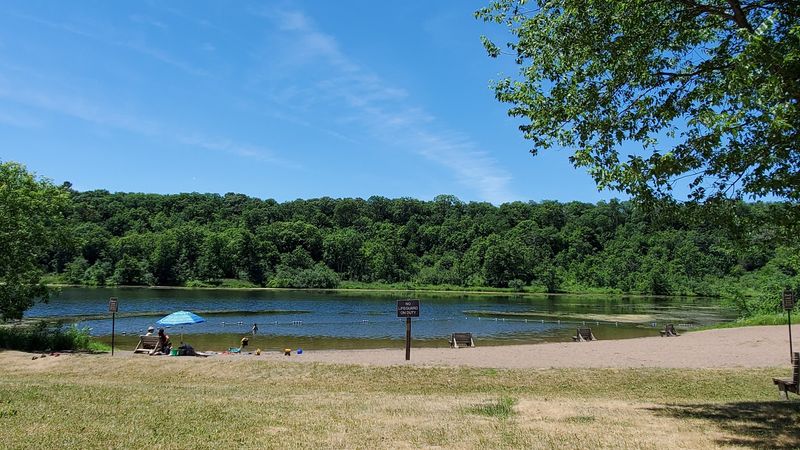
The day-use area at this park is one of the more fully equipped in the Minnesota state park system. A swimming beach on the lake provides a summer focal point for families, with picnic tables and shelters nearby that make it easy to spend a full day without needing to leave the park.
Horseshoes and sand volleyball are also available in the day-use area, which gives the space a casual, social energy on warm weekends. A boat access point to the St. Croix River sits close by, allowing anglers and paddlers to launch without a long carry from the parking area.
Fishing from the riverbank is a popular activity, and fly fishing has been observed in the shallower sections near the shore. The day-use parking area is described as one of the larger ones in the state park system, which helps manage the volume of visitors who arrive on busy summer days without creating a bottleneck at the entrance.
The Visitor Center and Park Orientation
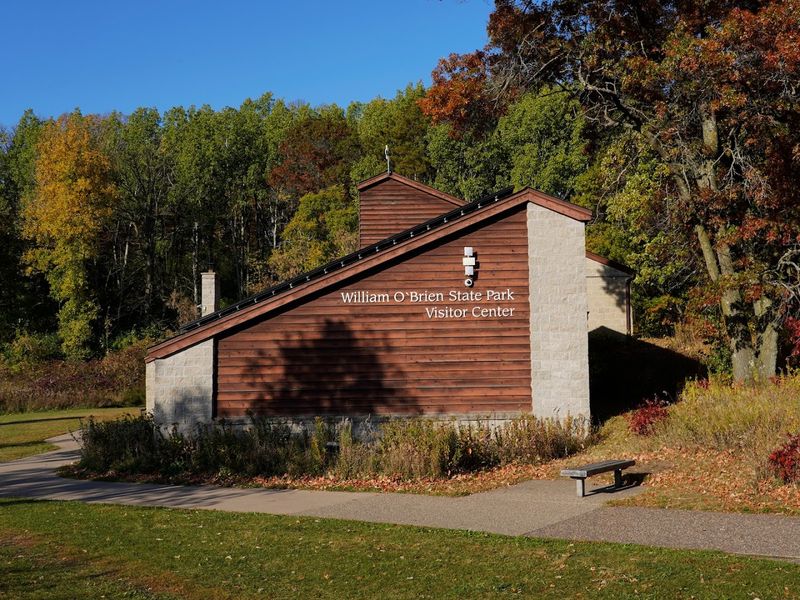
Starting a visit at the visitor center is a genuinely useful habit at this park. The building provides maps, trail information, and staff who can point visitors toward the sections of the park that match their interests and fitness level.
For first-time visitors, that guidance saves time and helps avoid the trail intersections that lack signage in certain sections.
The interpretive displays inside give context to the natural and cultural history of the St. Croix River corridor, which adds meaning to what you see on the trails. Understanding the ecology of the river and the prairie before you walk through them makes the experience more engaging.
A Minnesota State Parks vehicle permit is required for entry, with daily and annual options available. The annual pass is a practical investment for anyone who plans to visit multiple parks throughout the year.
Hours run from 8 AM to 10 PM daily, giving visitors a generous window to explore at their own pace.
Trail Signage Tips and What to Bring
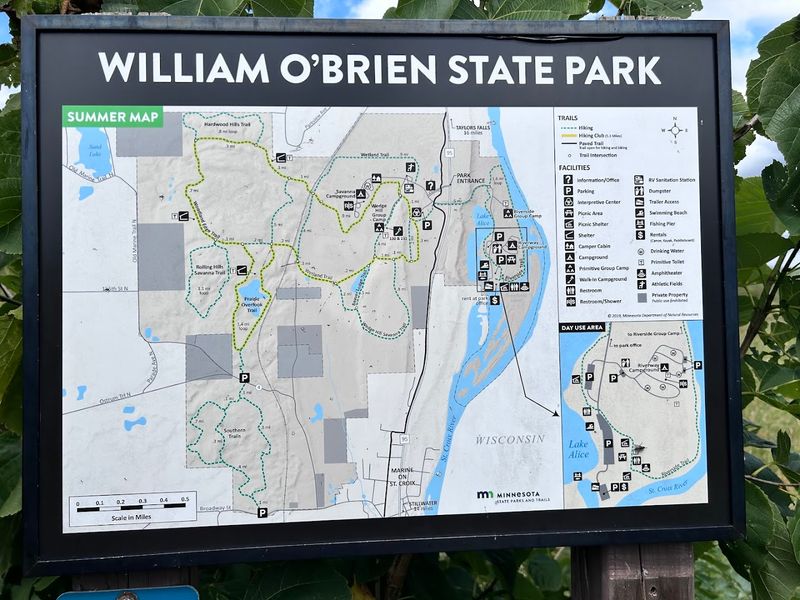
A few trail intersections in the park lack directional signage, which can briefly disorient hikers who are not paying close attention to their maps. The prairie viewing area has a split path with no marker, and the grassy knoll near the railroad crossing on the way back to the visitor center is another spot where a sign would be helpful.
Downloading a trail app before arriving is a practical move that several visitors have recommended. Having a map on your phone removes the uncertainty at unsigned junctions and lets you focus on the scenery rather than second-guessing your route.
Bringing enough water is genuinely important, especially on the longer Hiking Club Trail where restroom facilities are limited to three primitive stops along the route. Sturdy boots with ankle support are worth wearing for the hillier sections.
Snacks, sunscreen, and a light layer for cooler mornings round out the practical packing list for a full day at the park.
Why This Park Keeps Drawing People Back
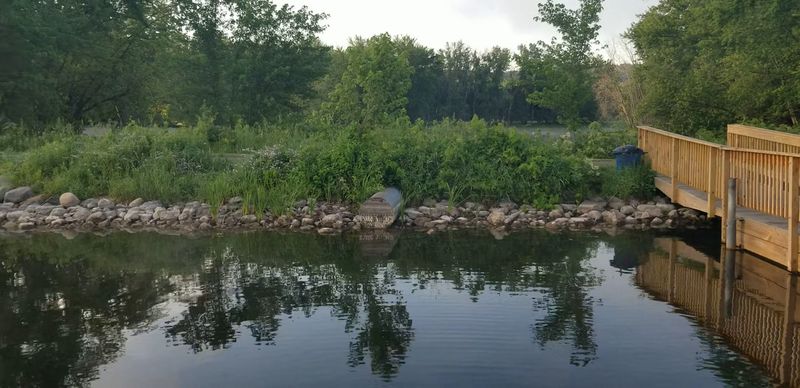
There is something about this park that makes repeat visitors out of first-timers. The combination of river access, varied trail types, wildlife, camping, and prairie scenery in one compact property is genuinely unusual for a park this close to a major city.
Most people expect to find a pleasant green space and leave having experienced something that feels much larger.
The St. Croix River gives the park an anchor that changes with the seasons and the time of day. Morning light on the water looks different from afternoon gold, and the river in October looks nothing like the river in May.
That variability keeps the park feeling fresh across multiple visits.
Families, solo hikers, birders, paddlers, and campers all find something specific to return for. The park sits at that productive intersection of accessibility and authenticity, close enough to visit on a whim but rewarding enough to plan around.
That balance is harder to find than it sounds.
Share this story