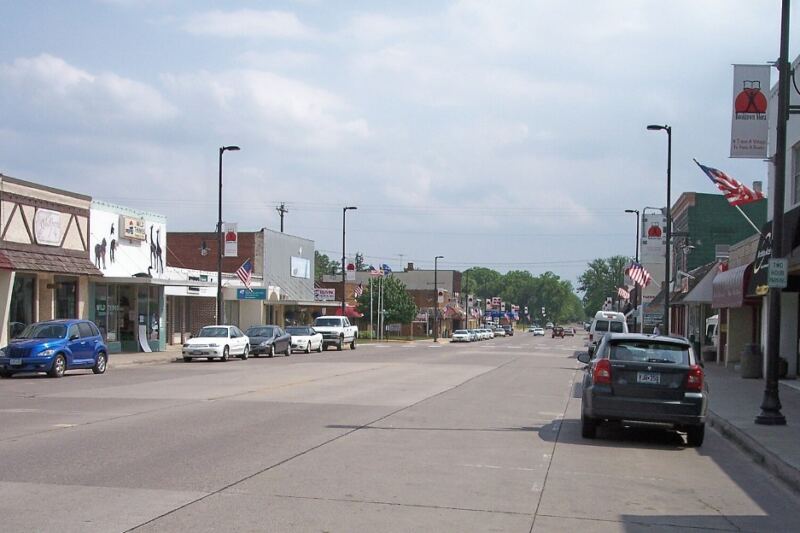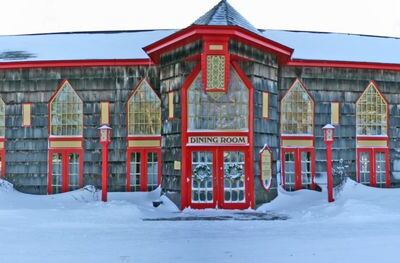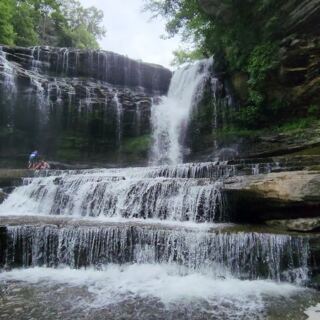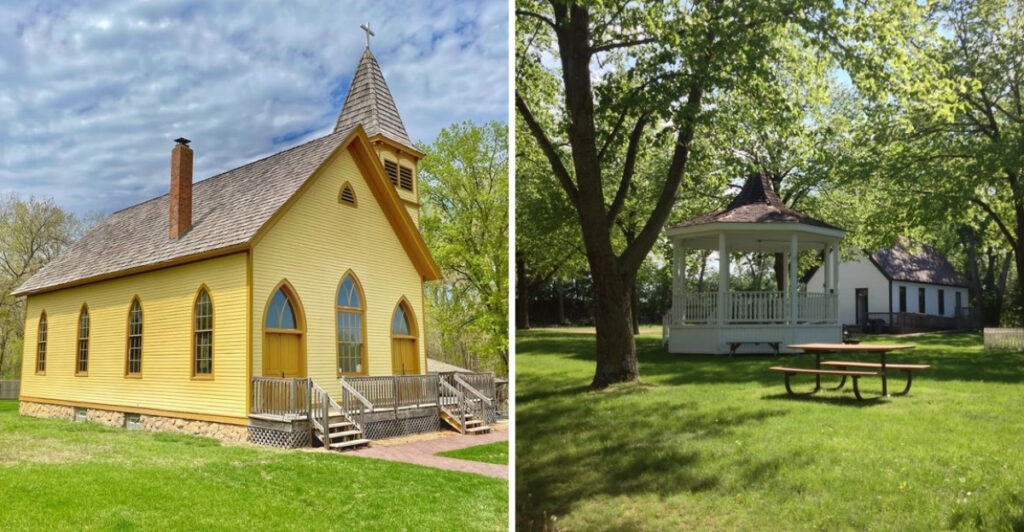
There is a place in Minnesota where time genuinely seems to stop, and the 1800s feel close enough to touch. An entire 19th-century village sits preserved along the banks of the Minnesota River, complete with original buildings, farm animals, and trails that wind through history.
No tickets, no crowds on most days, and no need to plan weeks in advance. Whether you are chasing something educational for the kids or just want to spend an afternoon somewhere that feels completely different from the usual park experience, this spot delivers in a way that most outdoor destinations simply cannot match.
The buildings are so well-maintained that first-time visitors often stop mid-trail just to stare. By the end of this article, you will know exactly what makes this place worth your time and how to get the most out of your visit.
A Village Frozen in the 1800s
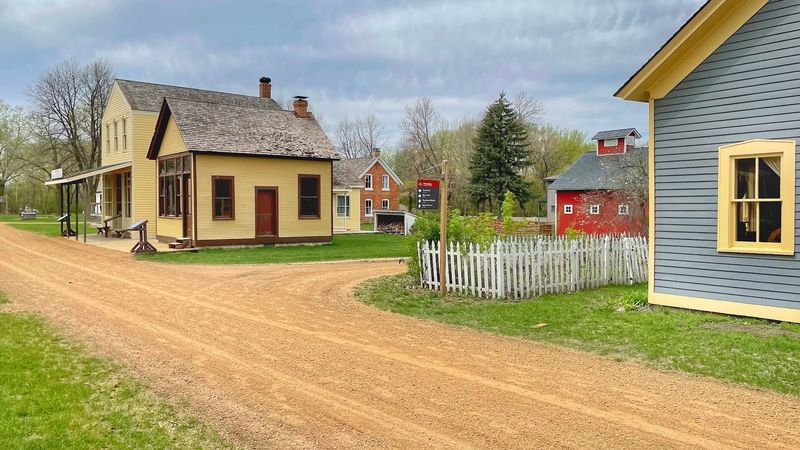
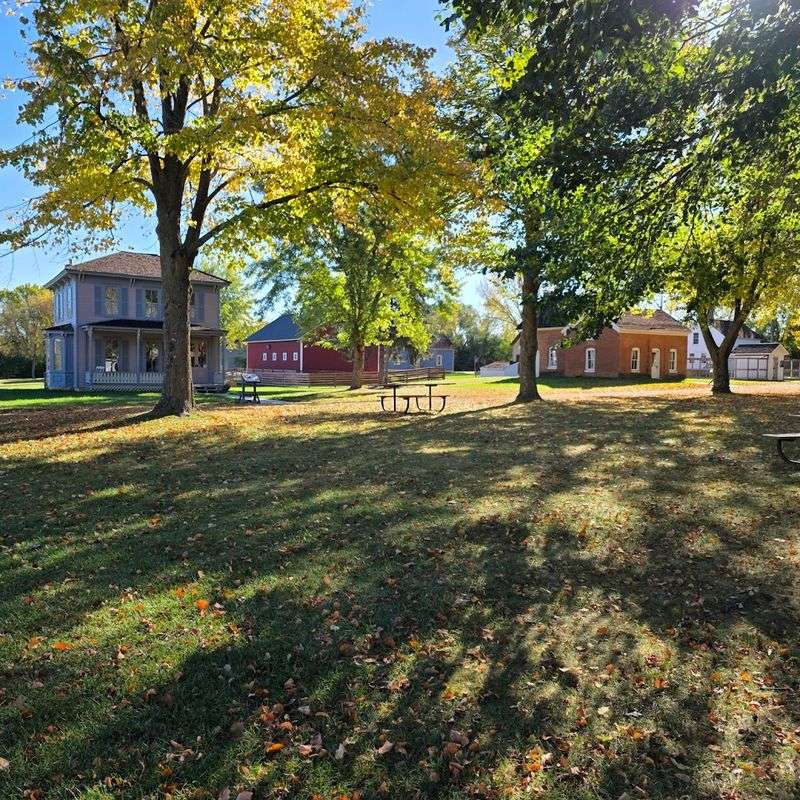
Most parks give you trees, maybe a pond, and a bench or two. The Landing – MN River Heritage Park in Shakopee, Minnesota offers something far more striking: an entire 19th-century settlement preserved exactly as it once stood, right along the banks of the Minnesota River.
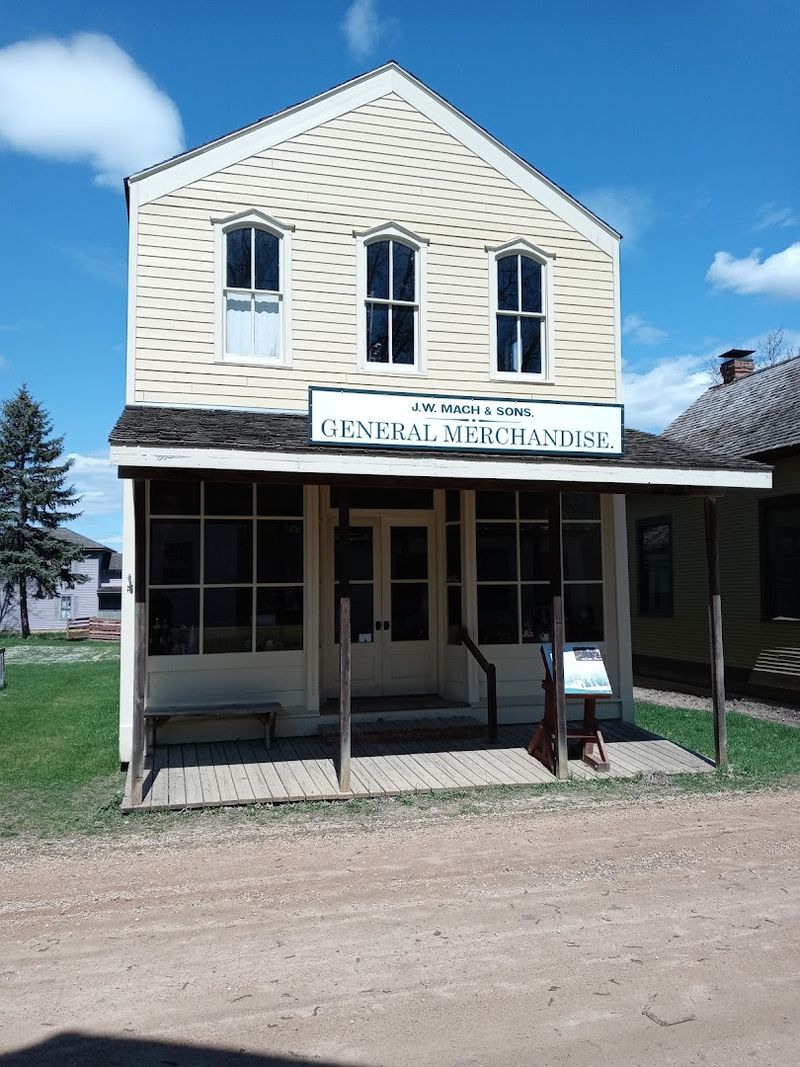
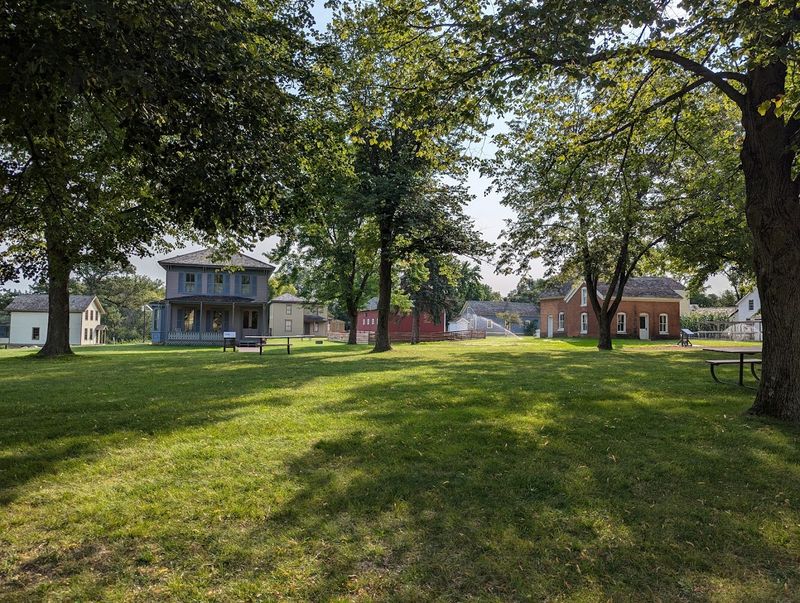
The collection of historic structures includes old farmhouses, a schoolhouse, a bank, general stores, and barns, all arranged in a way that genuinely feels like a small frontier town rather than a museum display. Each building carries a placard explaining its original purpose and history.
The grounds are maintained with obvious care, and the overall condition of the site is remarkable for an outdoor heritage park. First-time visitors frequently describe the experience as walking onto a movie set, except everything here is completely real and rooted in Minnesota’s pioneer past.
Finding the Park: Address and Getting There
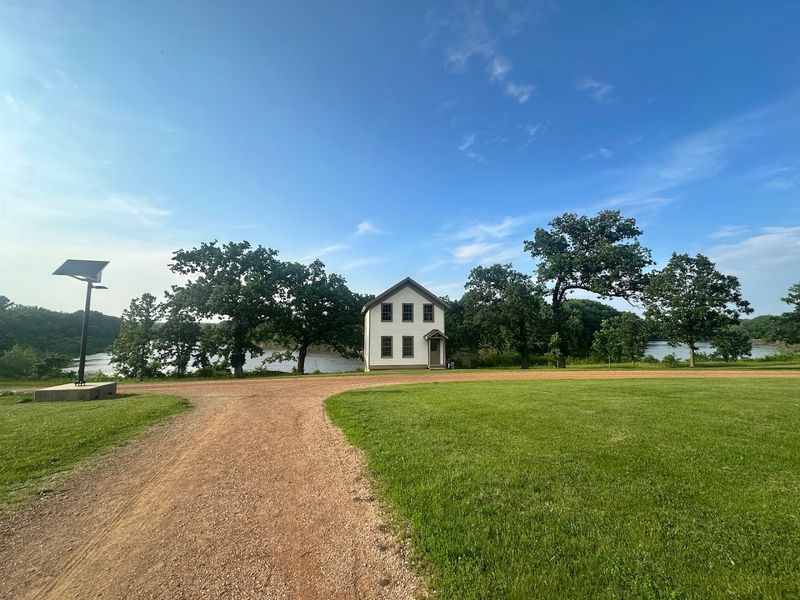
The park sits at 2187 County Rd 101, Shakopee, MN 55379, tucked just off a highway that most drivers pass without a second glance. That is part of what makes discovering it feel so rewarding.
Shakopee is located in Scott County, about 25 miles southwest of Minneapolis, making it a very manageable day trip from the Twin Cities metro area. The drive is straightforward, and the parking area near the entrance is free to use.
One thing worth knowing before you arrive: vehicles are not permitted inside the grounds beyond the parking lot. This means the experience is entirely on foot, so wear comfortable shoes and plan accordingly if anyone in your group has mobility challenges.
The trails range from paved to unpaved, and the distance you cover depends entirely on how much of the village you want to explore.
Free Admission and Open Hours
One of the most pleasant surprises about this park is that general access costs absolutely nothing. Walking the trails, exploring the village exterior, and taking in the river views are all completely free, every single day of the week.
The park opens at 5 AM and closes at 10 PM daily, which gives early risers and evening walkers plenty of flexibility. That kind of schedule is genuinely rare for a heritage site of this quality, and it makes spontaneous visits easy to pull off.
Special events, costumed interpreter days, and interior building tours do happen throughout the year on a seasonal schedule, and those experiences may have separate fees or registration requirements. Checking the Three Rivers Parks website ahead of time is a smart move if you want to catch the park at its most interactive.
The website is threeriversparks.org/location/landing.
Costumed Guides and Living History Events
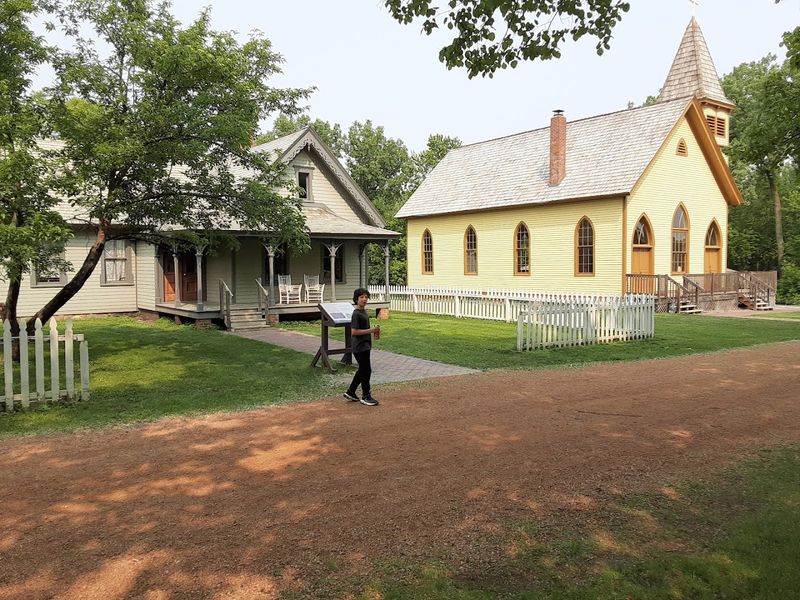
On select days throughout the year, the village comes fully alive with costumed interpreters who bring the 1800s back in a genuinely engaging way. These guides do not just stand around in period clothing; they answer questions, demonstrate daily tasks, and explain what life actually looked like in a Minnesota frontier settlement.
Past visitors have described the guides as knowledgeable and easy to talk to, making the experience feel more like a conversation with a time traveler than a formal history lesson. During winter events, some buildings have been heated by wood-burning stoves, and horse-drawn trolley rides have been part of the seasonal programming.
These living history days are the best time to visit if you want to go inside the buildings, since most structures remain locked on regular open days. Checking the Three Rivers Parks event calendar before your visit will help you plan around these special occasions.
The Historic Buildings Up Close
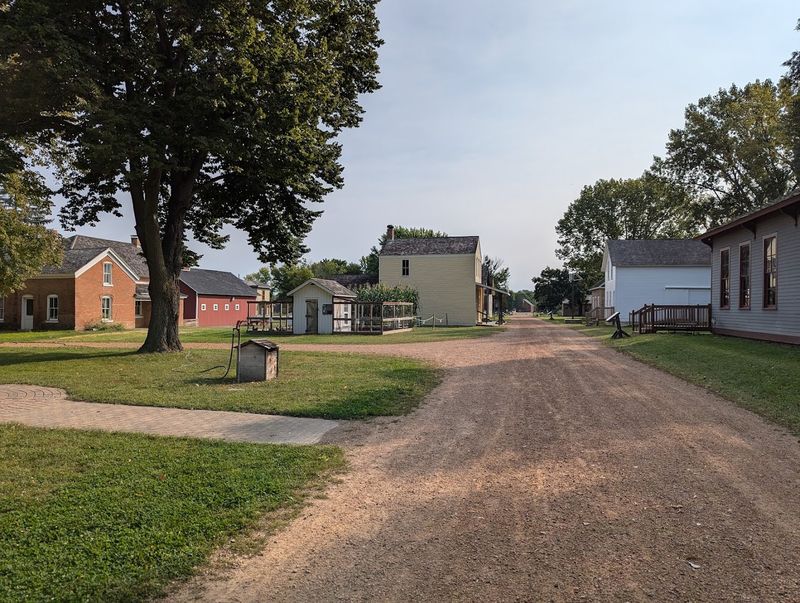
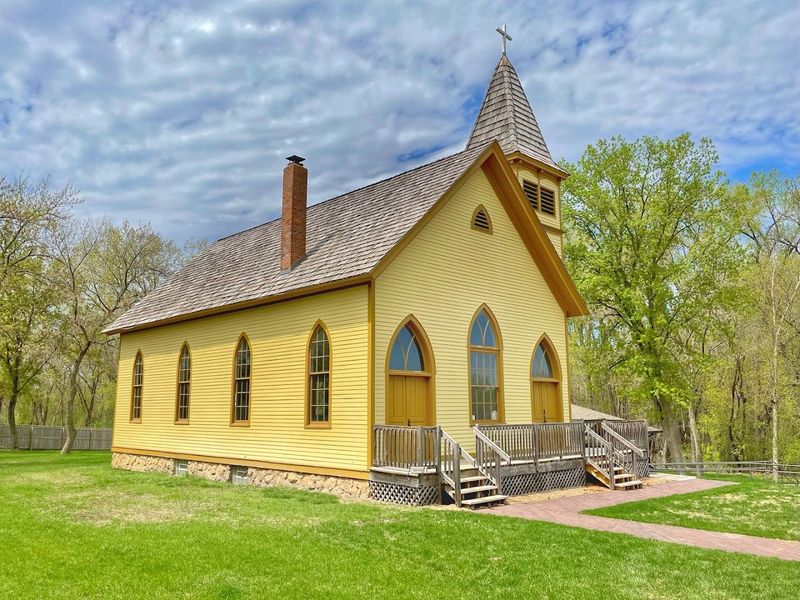
The variety of structures at this park is genuinely impressive. A working farm, a schoolhouse, a bank, a general store, barns, and several period homes are all part of the collection, each one representing a different slice of 19th-century Minnesota life.
Even when the interiors are closed, the exteriors alone are worth a long, slow walk. The buildings are maintained in excellent condition, with original materials and period-accurate details that hold up under close inspection.
Small informational placards are posted at each structure, and QR codes now allow visitors to peek inside digitally when the doors are shut.
The layout of the buildings creates a natural flow, almost like strolling down a historic main street, with open fields and tree cover adding to the atmosphere. It is the kind of place where you find yourself slowing down without realizing it, just to take in another detail you almost missed.
The Minnesota River Views
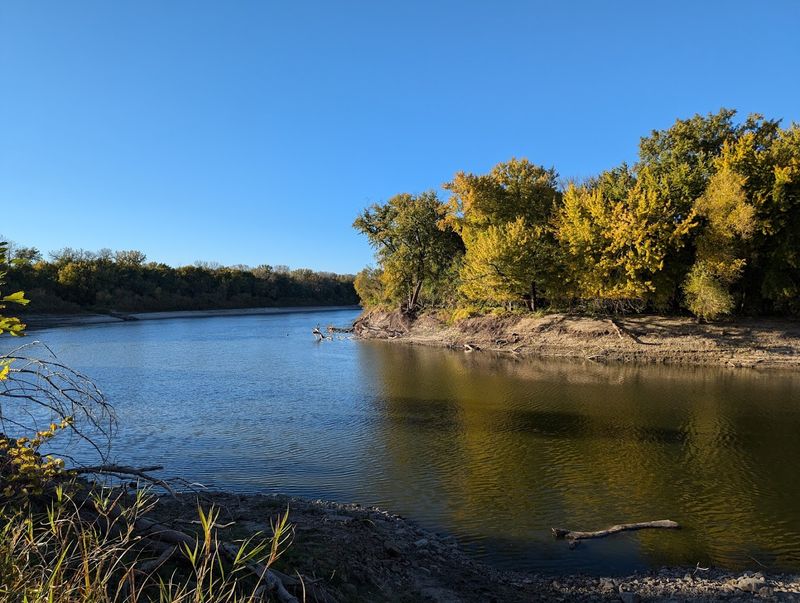
The Minnesota River runs right alongside the park, and the trail that follows the riverbank is one of the most peaceful stretches of walking in the entire region. The water moves slowly here, and the views across the river include wooded bluffs and open sky that feel genuinely removed from the suburban landscape just a few miles away.
Morning visits reward early risers with mist over the water and birdsong that carries clearly through the trees. Late afternoon light hits the river at an angle that makes the whole scene look almost painted, which explains why photographers and wedding parties show up here regularly.
The river trail connects back to the village area through a loop that also passes along a paved bike path, so you can cover both the natural and historic sections of the park in a single outing without retracing your steps.
Trails for Hikers and Bikers
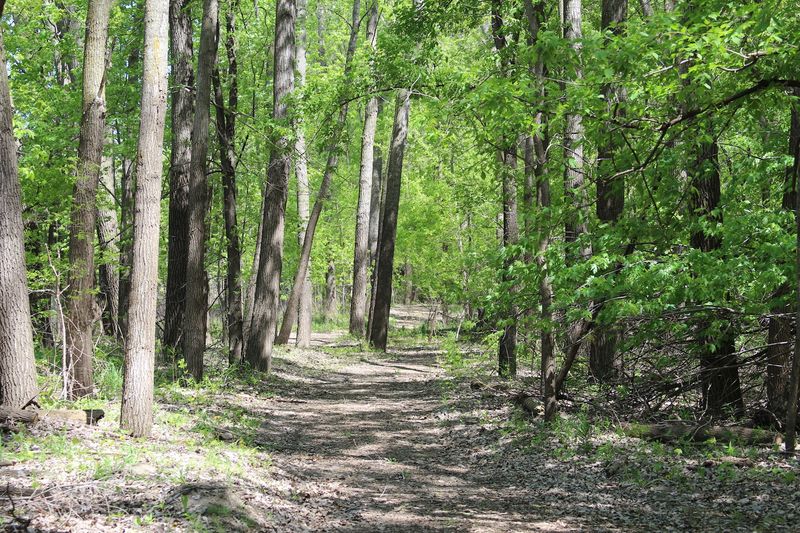
Trail variety is one of the park’s quiet strengths. Both paved and unpaved paths run through the grounds, which means hikers, cyclists, and casual walkers all have options that suit their pace and comfort level.
The paved sections are smooth enough for bikes and strollers, while the unpaved trails wind through more natural terrain, including a heavily wooded area near the river that can feel surprisingly wild and adventurous. After periods of high water, some of the lower wooded sections may show signs of river overflow, but when conditions are dry, those areas are stunningly atmospheric.
Natural springs are also present along certain sections of the trail, adding a small but memorable detail to the walk. Wildlife sightings are common, including birds, deer, and other animals that move through the park’s mix of open fields and dense tree cover throughout the year.
Farm Animals and the Agricultural Exhibit
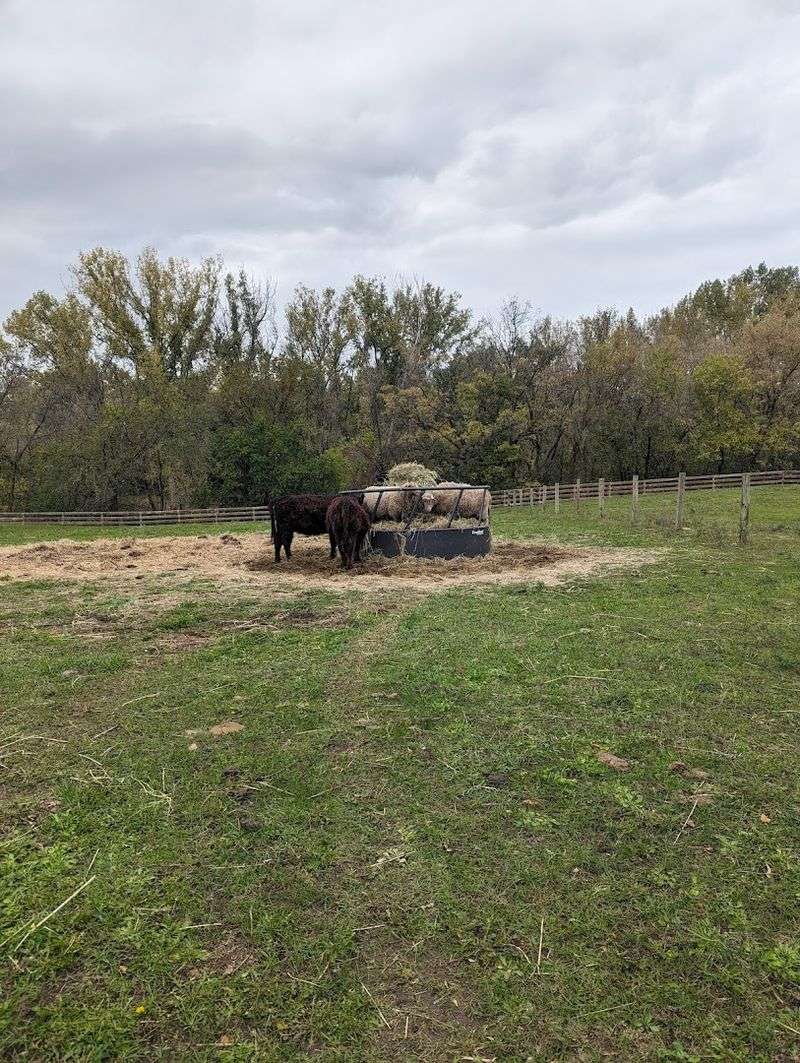
A working farm animal exhibit adds a hands-on, sensory dimension to the park that younger visitors especially tend to love. Sheep, cows, and other period-appropriate animals are kept on the grounds as part of the agricultural display, giving the village a lived-in quality that static buildings alone cannot provide.
An apple tree near the farm area is worth noting, both for the charm it adds to the scene and because fallen apples attract bees, particularly during harvest season. Families with young children should be aware of this, especially if anyone has a bee allergy.
A honey bee house is also present on the grounds.
The farm section reinforces the educational purpose of the park in a way that feels natural rather than forced. Watching animals in a historically accurate setting gives visitors a tangible sense of what daily agricultural life required from Minnesota’s pioneer families.
Self-Guided History Tour with QR Codes
Not every visit to The Landing lines up with a scheduled interpreter day, and the park has a thoughtful solution for that. Informational placards posted at each building give visitors a solid overview of each structure’s history, and QR codes link to digital content that can include interior views and deeper historical context.
This self-guided format works well for independent explorers who prefer to move at their own pace without waiting for a tour group. The placards are clearly written and genuinely informative, covering the original owners, the building’s function, and its place in the broader story of Minnesota settlement.
The QR code system is particularly useful during the off-season when buildings are closed, since it lets visitors experience a meaningful portion of the interior without needing a scheduled event. It is a practical, low-cost upgrade that makes the park significantly more accessible year-round for anyone with a smartphone.
A Park That Works for All Seasons
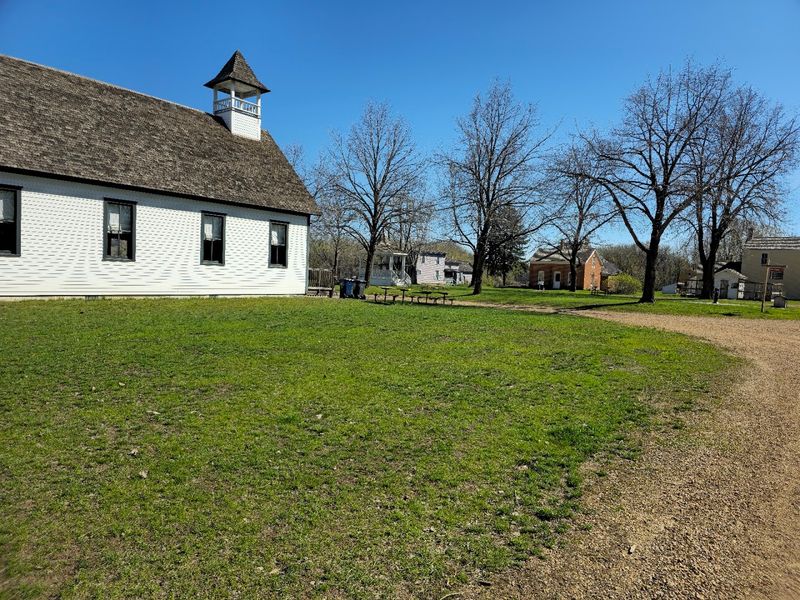
Spring, summer, fall, and winter each bring a completely different version of this park, and all four are worth experiencing. Summer visits mean full green foliage, active farm animals, and the best chance of catching a living history event.
Fall brings dramatic color along the river trail, and the historic buildings look particularly striking against golden and red leaves.
Winter visits have their own appeal, especially during special seasonal events when horse-drawn trolley rides and wood-stove-heated buildings have been part of the programming. The snow-covered village creates a scene that feels pulled from an old photograph.
Spring is arguably the most underrated season here, when the river runs high, wildflowers appear along the trail edges, and the crowds are thinner than at any other time of year. Year-round bathroom facilities and a modern shelter near the pavilion area mean the park remains comfortable to visit regardless of what the weather is doing.
Pavilion, Picnic Areas, and Rentable Spaces
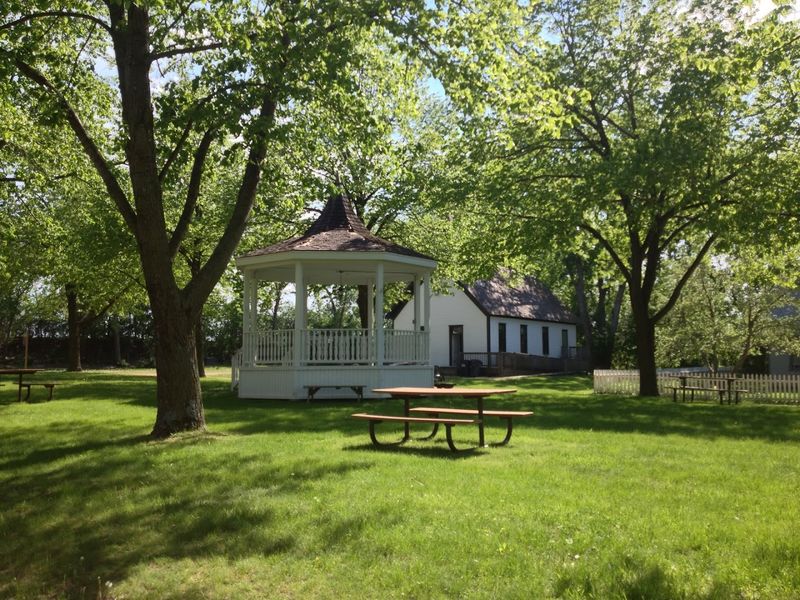
Beyond the village and trails, the park includes a rentable pavilion with a concrete floor, a barbecue area, and restroom facilities nearby. The pavilion sits adjacent to a large, heavily treed area that adds natural beauty and shade to any outdoor gathering held on the grounds.
Weddings, food truck events, and private gatherings have all taken place here, and the setting along the Minnesota River makes it a genuinely striking backdrop for any occasion. The combination of historic architecture, open green space, and river views creates an atmosphere that event venues charging considerably more struggle to replicate.
For families planning a picnic or a longer outing, the open areas around the pavilion provide plenty of room to spread out. The park does not feel crowded even on busy days, which makes it a reliable choice for groups who want outdoor space without the stress of competition for tables or shade.
Photography Opportunities Throughout the Grounds
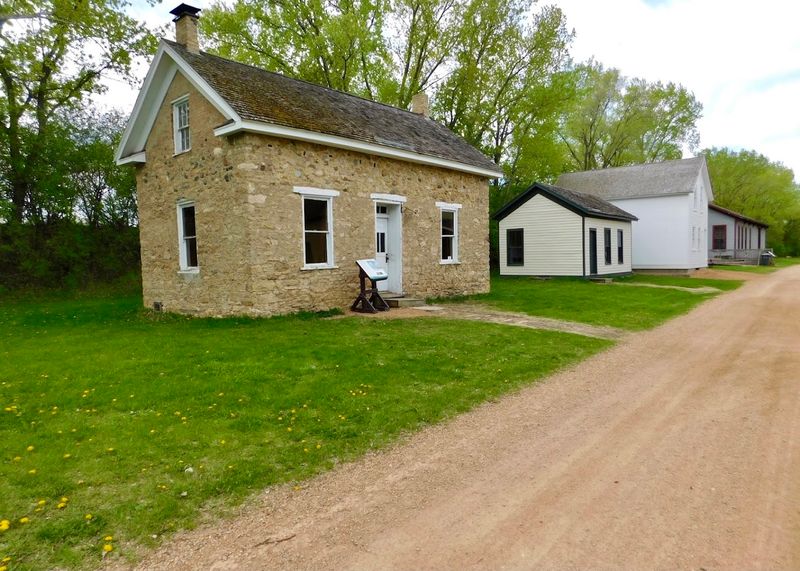
Few outdoor spaces in the Twin Cities region offer this kind of photographic variety in a single visit. The historic buildings provide strong architectural subjects at any time of day, but the light during early morning and late afternoon is particularly flattering, casting long shadows across wooden facades and creating depth that flat midday light simply cannot match.
The river trail offers wide, open compositions with water, sky, and tree lines working together naturally. Seasonal changes add even more variety, from spring wildflowers to fall foliage to winter frost on the building rooftops.
Couples, families, and solo photographers all show up here regularly, and the park accommodates all of them without feeling overrun. The combination of natural landscape and preserved architecture in one compact space is genuinely rare, and the free admission means returning for multiple shooting sessions throughout the year is an easy decision.
Wildlife and Natural Springs Along the Trails
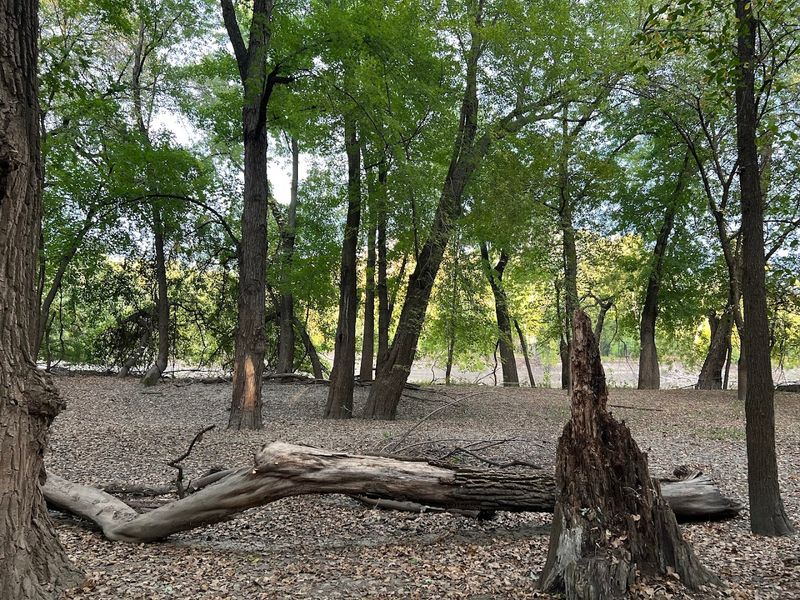
The park holds a few natural surprises that even frequent visitors sometimes overlook. Natural springs emerge along certain sections of the trail, creating small, clear water features that feel completely out of place in the best possible way for a park this close to suburban development.
Wildlife is active throughout the grounds, with birds being the most consistently visible. The mix of open fields, dense woodland, and river corridor creates habitat diversity that supports a wide range of species.
Deer are spotted regularly, particularly in the early morning and evening hours when the park is quietest.
The wooded areas near the river can feel surprisingly remote and exploratory, especially after the water recedes from seasonal flooding and leaves behind a landscape that looks almost untouched. These natural elements layer on top of the historic village experience in a way that makes the park feel bigger and more varied than its footprint suggests.
Part of the Three Rivers Park District
The Landing is part of the Three Rivers Park District, a regional system that manages parks, trails, and nature areas across Hennepin and surrounding counties in Minnesota. That connection matters because it means the park benefits from consistent maintenance, programming resources, and long-term preservation support.
The Three Rivers system is well-regarded across the metro area for keeping its properties clean, accessible, and well-organized, and The Landing reflects that standard clearly. Modern bathroom facilities are available year-round, a detail that sounds small but makes a real difference on a long visit.
Being part of a larger park district also means The Landing connects to a broader network of trails and outdoor spaces that visitors can explore on the same trip or use as a starting point for planning future outings. The park’s website at threeriversparks.org/location/landing has current event listings, seasonal programming details, and additional visitor information.
Tips for Making the Most of Your Visit
A few practical details can make the difference between a good visit and a great one. Comfortable walking shoes are essential since the trails cover varied terrain, and a stroller is recommended for families with very young children given the distances involved on some of the longer loops.
Arriving early on weekdays offers the quietest experience, while weekends can draw more visitors, especially during seasonal events. Bringing water and snacks is a good idea since there are no food vendors on-site during regular open hours, though food truck events do occur periodically throughout the year.
The park is open from 5 AM to 10 PM every day, so early morning walkers and evening visitors both have the opportunity to enjoy the grounds in a completely different light and atmosphere. A visit of two to three hours covers the main village, the river trail, and the wooded sections comfortably without feeling rushed.
Share this story