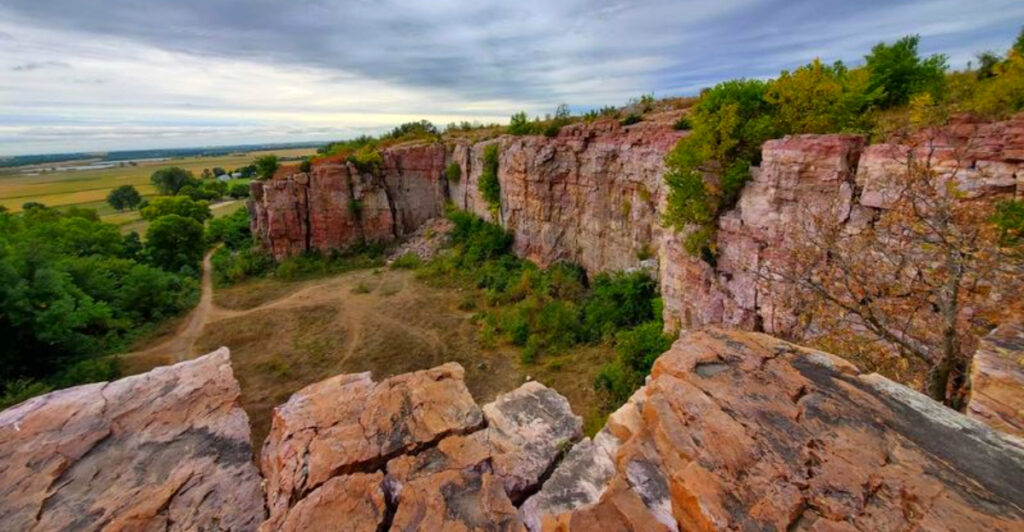
Most people driving through southwestern Minnesota see nothing but flat farmland stretching to the horizon. Then, without warning, a massive ridge of glowing pink rock rises from the prairie floor like something that has no business being there.
That rock is ancient Sioux quartzite, and it forms the dramatic backbone of one of Minnesota’s most surprising state parks. Once you see those cliffs catching the late afternoon light, the drive suddenly feels very worth it.
The Pink Quartzite Cliffs That Started It All
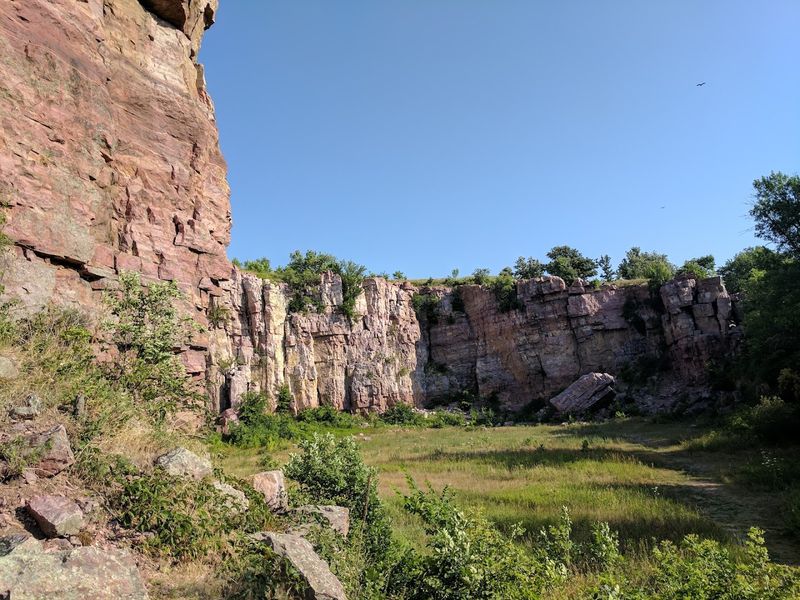
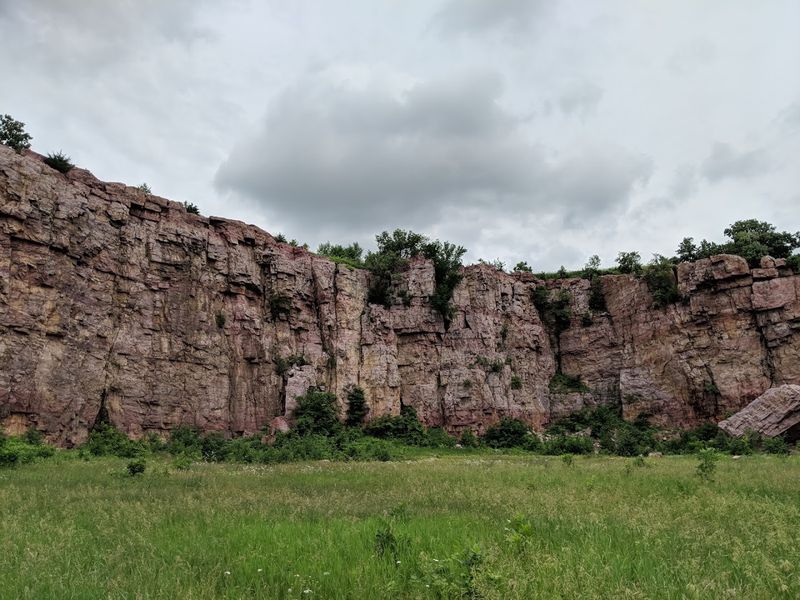
There are rock formations across Minnesota, but few stop people in their tracks the way the Sioux quartzite cliffs at Blue Mounds State Park do. These cliffs rise nearly 100 feet above the surrounding prairie, and their color is genuinely striking.
The rock glows in shades of pink, red, and deep rose depending on the light and time of day.
Sioux quartzite is one of the oldest rock types in North America, formed roughly 1.6 billion years ago. Standing at the base of the cliff and looking up, that number becomes easier to feel than to understand.
The cliffs run along the southeastern edge of the park and are best seen from the trail that winds along the rock face. Morning and late afternoon light make the colors most vivid, so timing your visit around those hours pays off in a big way.
Where Exactly This Park Sits in Minnesota
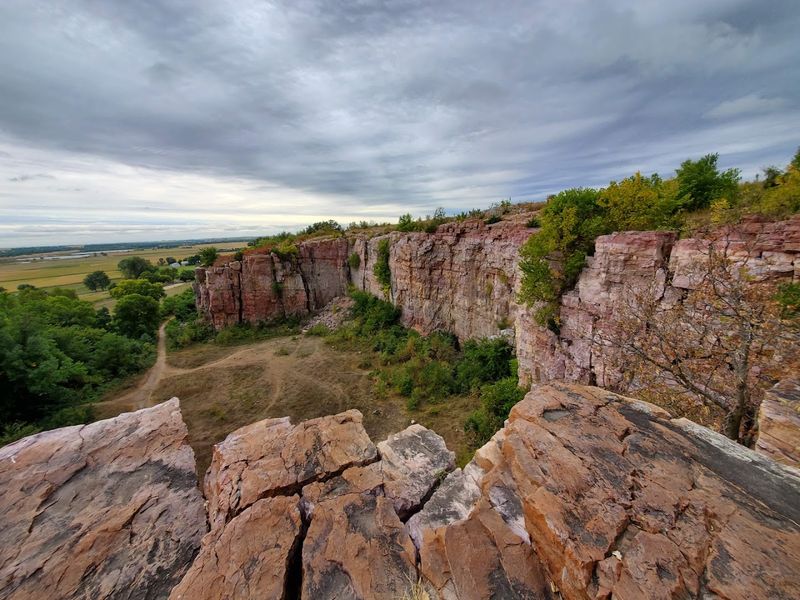
Blue Mounds State Park sits at 1410 161st St, Luverne, MN 56156, tucked into the far southwestern corner of Minnesota near the South Dakota border. Most visitors are genuinely surprised to find terrain this dramatic in a region often written off as unremarkable.
Luverne itself is a small, welcoming town with enough services to make a multi-day visit comfortable. There are grocery stores, restaurants, and fuel stops within a short drive of the park entrance.
The park covers more than 2,000 acres of native prairie, rocky outcrops, and wooded creek corridors. That variety means the landscape shifts noticeably as you move from one trail to another.
Visitors coming from the Twin Cities typically make a full weekend of it, and those passing through on a road trip often end up staying much longer than they originally planned.
A Bison Herd Living on the Prairie
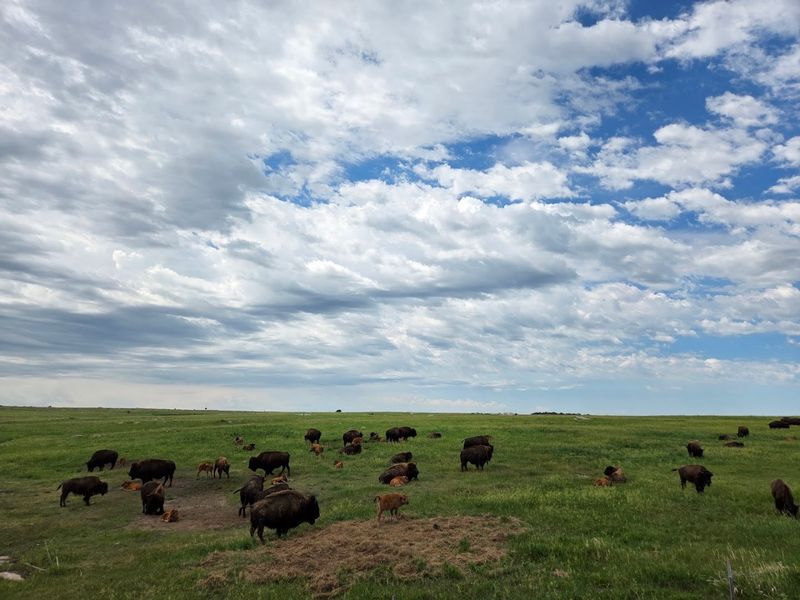
One of the most jaw-dropping moments at Blue Mounds happens when you spot the bison herd for the first time. These are large, shaggy, and completely real animals roaming a fenced section of native prairie within the park.
Watching a dominant bull move through tall grass puts the scale of the animal into immediate perspective.
The park maintains a herd that has become one of its most talked-about features. Baby calves appear seasonally, and seeing them stay close to their mothers while older animals graze nearby is the kind of scene that keeps people standing at the fence far longer than expected.
The herd roams a dedicated prairie section, and visitors can often spot animals from certain trail sections and overlooks. Getting a clear sighting depends partly on where the herd has moved that day, which makes each visit feel a little different.
The Guided Bison Tour Worth Booking Early
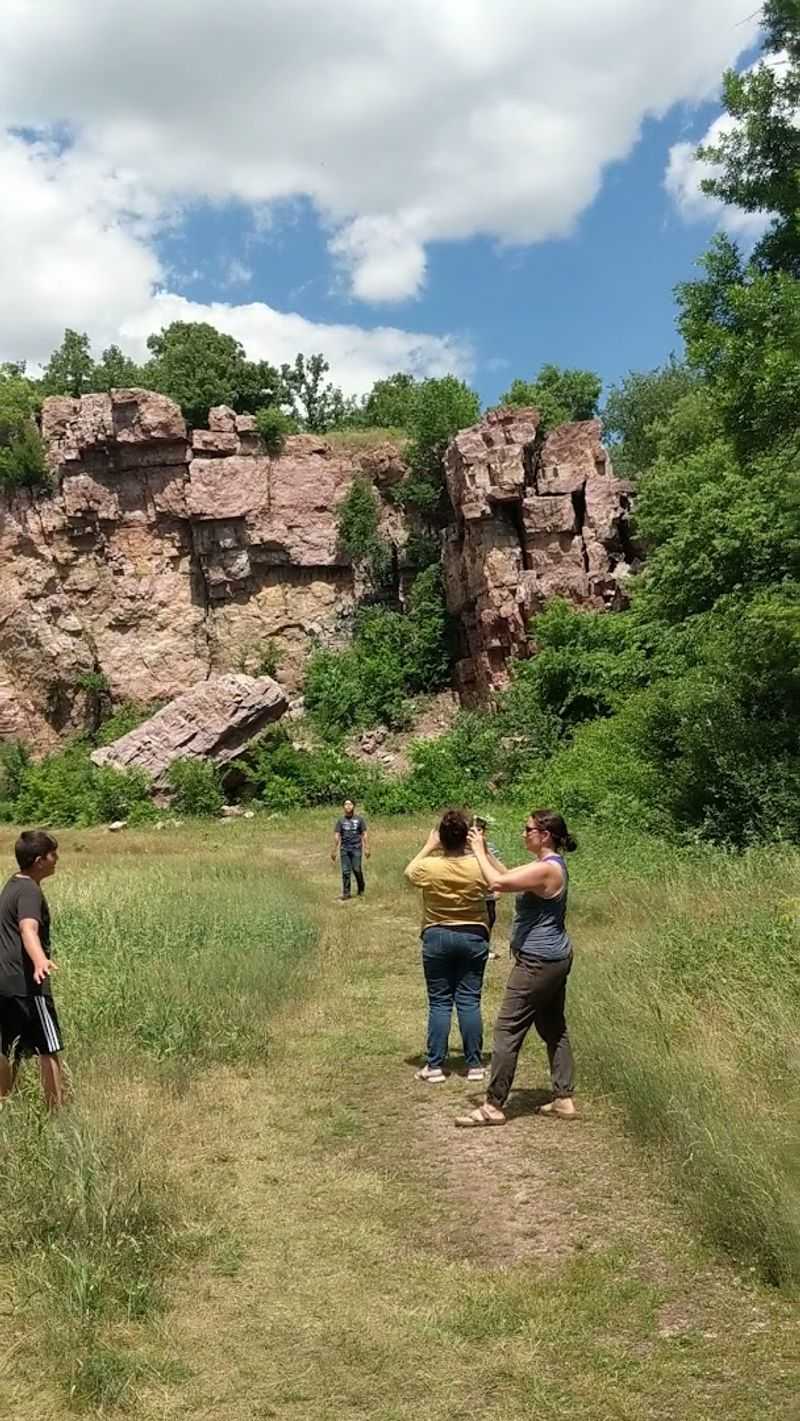
The bison tour at Blue Mounds is the kind of experience that people bring up for years afterward. An open-air tram carries a small group out into the prairie while a park naturalist explains bison behavior, prairie ecology, and conservation history.
The combination of proximity and expert commentary makes it genuinely memorable.
Groups have gotten close enough to watch bulls wallowing in the dirt and calves nursing near their mothers. Binoculars are provided, which helps on days when the herd has spread out across the pasture.
The tour runs seasonally and reservations are required, so booking ahead online is strongly recommended. At around fifteen dollars per person, the fee goes directly toward supporting the herd’s care and conservation.
It is one of the better values in Minnesota state park programming, and the naturalists who lead it bring real enthusiasm to every single outing.
Hiking the 6.2-Mile Hiking Club Trail
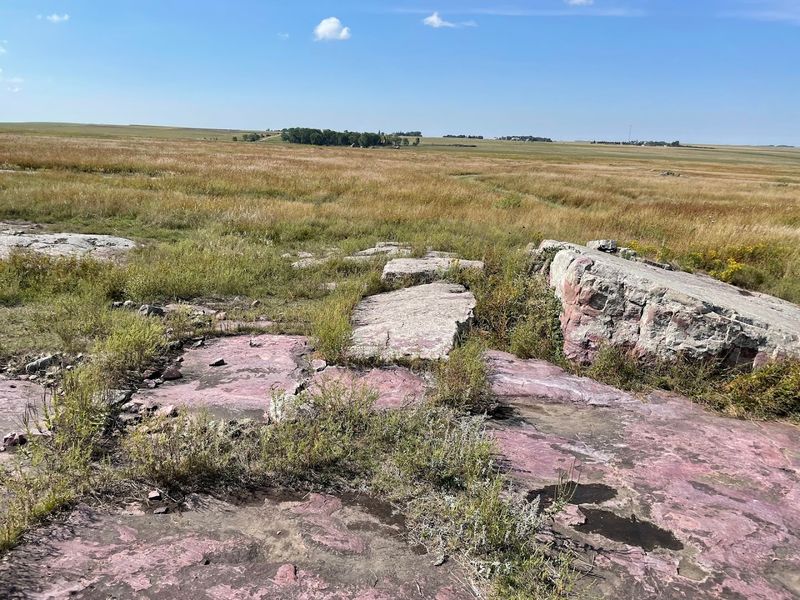
The Hiking Club Trail at Blue Mounds covers approximately 6.2 miles and takes visitors through the park’s most varied terrain. The route passes quartzite outcrops, stretches of open prairie, wooded creek corridors, and spots where bison are sometimes visible in the distance.
It reads like a greatest-hits tour of everything the park has to offer.
The trail is mostly flat, but the prairie sections can feel exposed and warm during summer months. Bringing plenty of water and wearing light clothing makes a significant difference on sunny days.
Hikers who complete the full Hiking Club Trail and collect the password hidden along the north loop section can log their achievement with the Minnesota Department of Natural Resources. It is a small reward for finishing, but there is something satisfying about earning it.
Most visitors find the full loop takes between two and a half to four hours depending on pace.
The Bur Oak Trail on the South Side
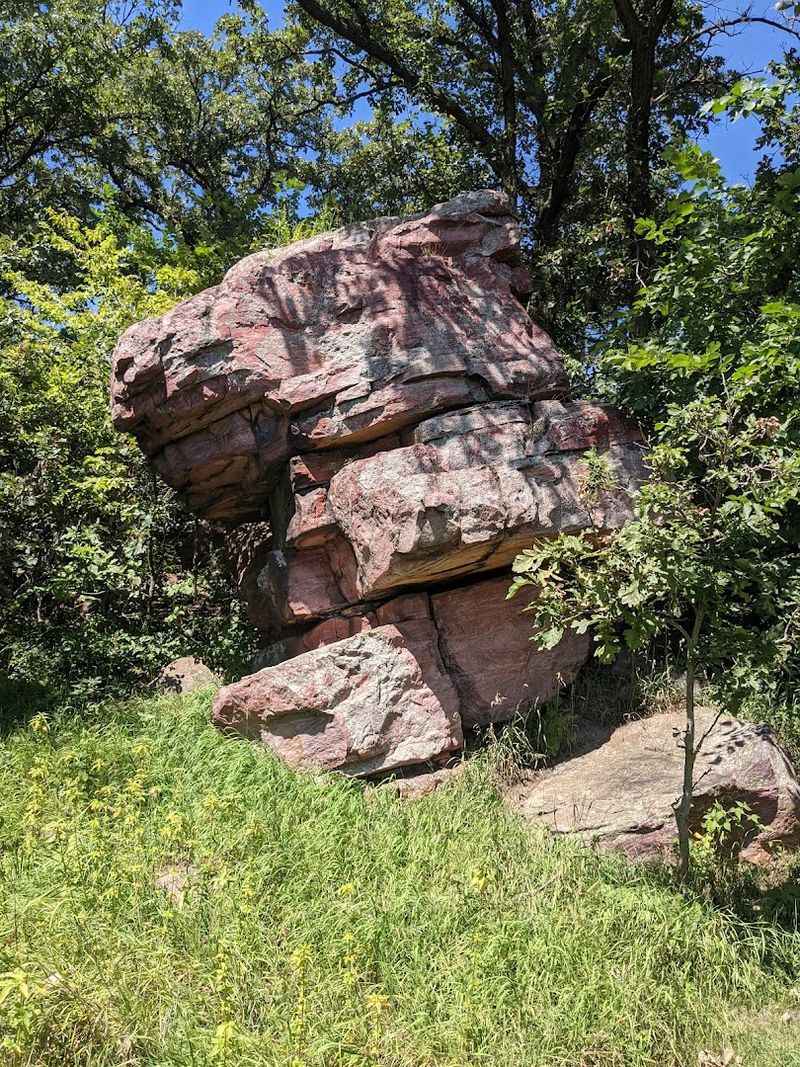
Not every trail at Blue Mounds puts you under the open sky. The Bur Oak Trail on the southern end of the park moves through a canopy of mature trees, and the change in atmosphere from the exposed prairie sections is immediate and welcome.
Shade, birdsong, and the crunch of leaves underfoot make this section feel like a completely different park.
Large quartzite boulders are scattered throughout the trail corridor, and some are climbable. Finding a good perch on one of those boulders and looking back through the trees is a quiet, satisfying moment that rewards those who take their time.
The Bur Oak Trail is shorter and less demanding than the full Hiking Club loop, making it a good choice for families with younger children or anyone who wants a calmer walk. The combination of trees, rock, and wildlife sightings keeps the experience interesting from start to finish.
Prickly Pear Cactus Growing Wild in Minnesota
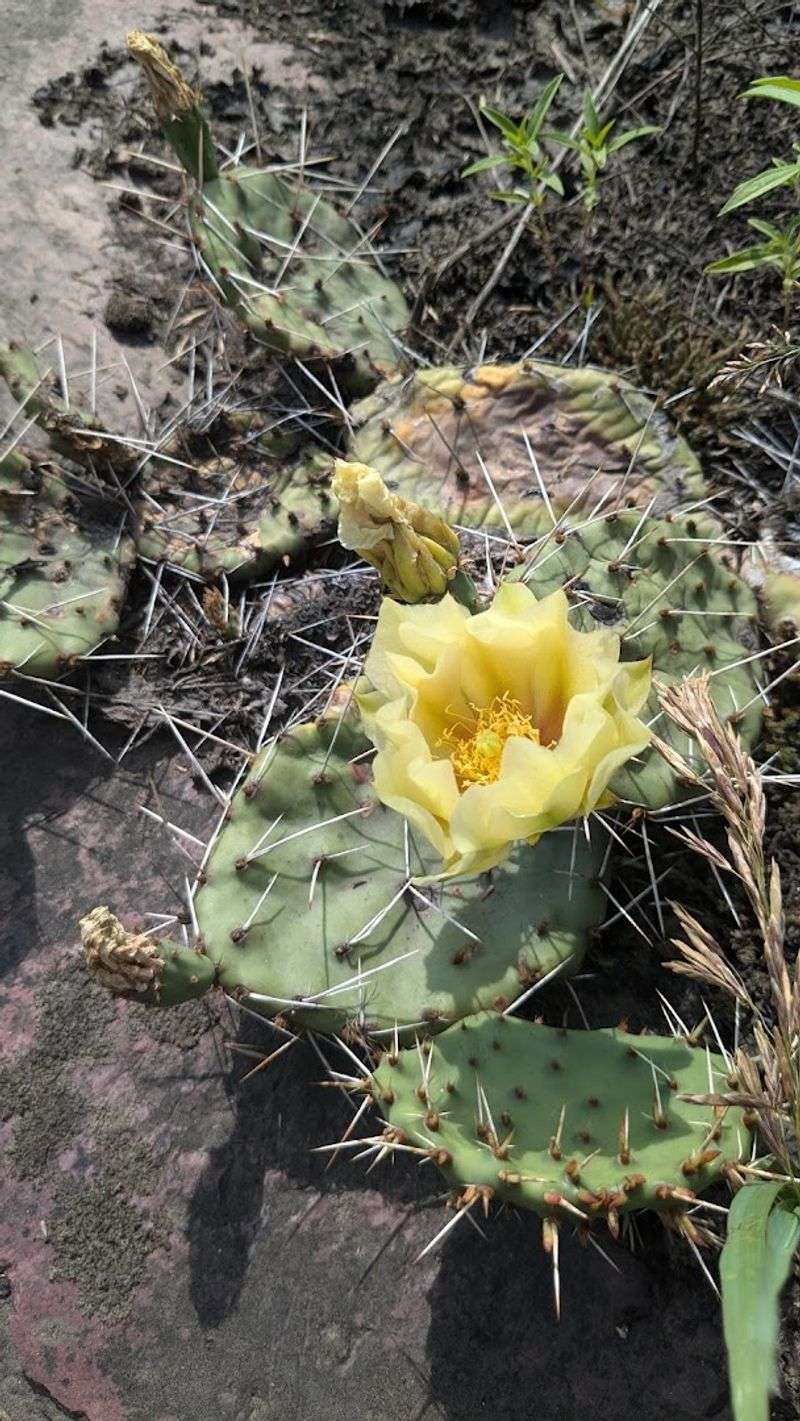
Most people do not expect to find cactus in Minnesota, which makes stumbling across blooming prickly pear along the rocky sections of Blue Mounds all the more surprising. These plants grow naturally among the quartzite outcrops, thriving in the thin, well-drained soil that collects in cracks and crevices of the rock.
During late spring and early summer, the prickly pear produces vivid yellow flowers that stand out sharply against the pink rock. It is one of those details that stops hikers mid-step and sends them reaching for a camera.
The cactus is native to this part of Minnesota and is a genuine marker of the unique microclimate created by the quartzite ridge. The combination of rocky terrain, southern exposure, and prairie heat creates conditions just dry and warm enough for these plants to thrive.
It is an unexpected botanical surprise in a park already full of them.
The Ancient Rock Alignment Tied to the Equinox
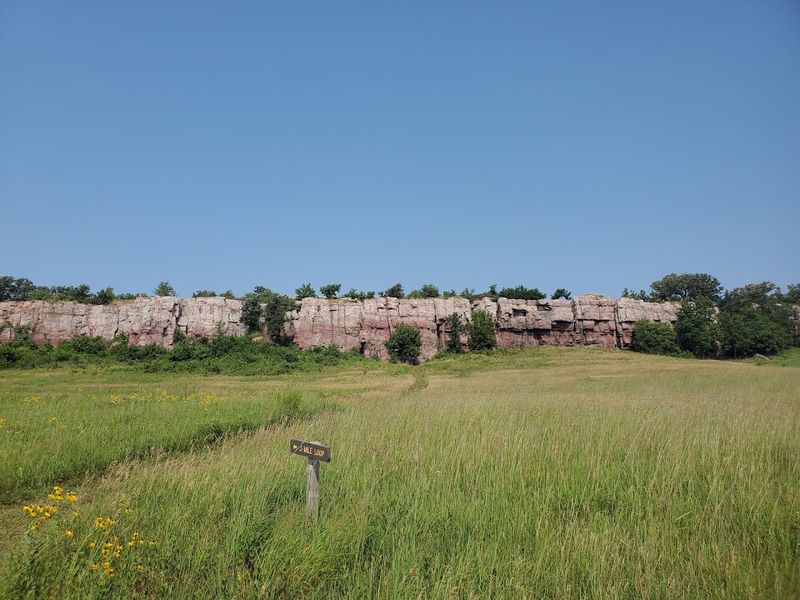
Along the southern edge of the park, a line of quartzite rocks stretches for roughly a quarter mile across the prairie. Twice a year, during the spring and fall equinoxes, the rising and setting sun aligns perfectly with this rock formation.
Whether it was intentional or coincidental has been debated for decades, but the alignment is real and measurable.
The origin of the rock line is not definitively established, and its age is difficult to determine. Some researchers have suggested it may have been placed deliberately by early inhabitants of the region, though that has not been conclusively proven.
Visiting around the equinox dates draws a small but enthusiastic crowd of people who want to watch the alignment in action. The rest of the year, the rock line sits quietly in the grass, easy to walk past without fully appreciating what you are looking at.
A little research before visiting makes the experience land much harder.
Balancing Rock and the Eagle Rock Overlook
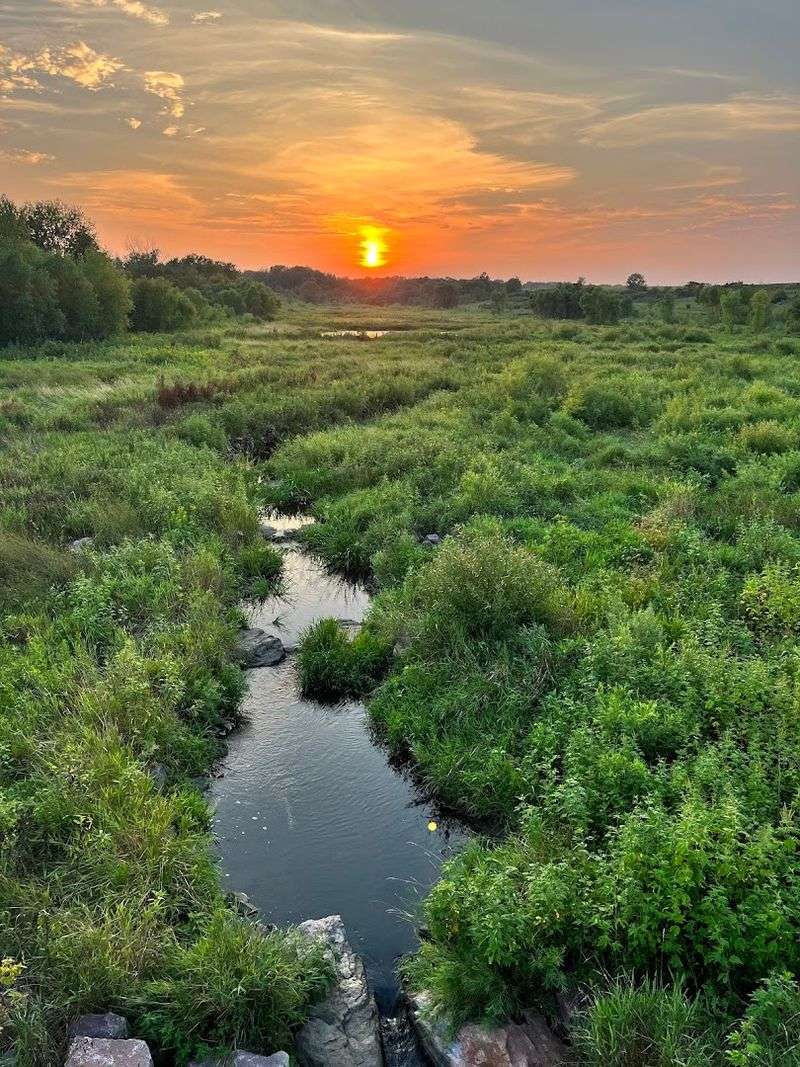
Balancing Rock is exactly what it sounds like: a large quartzite boulder that appears to rest on a much smaller contact point, creating the impression that it could tip over at any moment. It has been sitting there for a very long time, and it shows no signs of moving.
Getting close to it is a short detour well worth taking.
Nearby, the Eagle Rock overlook rewards the short climb with panoramic views across the prairie that stretch to the horizon. On a clear day, the sense of scale is genuinely impressive.
The flatness of the surrounding farmland makes the rocky terrain of Blue Mounds feel even more dramatic by contrast.
These two spots are often visited together as part of the cliff-side trail section. Most visitors spend time at both, and the combination of the odd geology and the wide open views makes this corner of the park feel particularly rewarding to explore.
Camping Under Wide-Open Prairie Skies
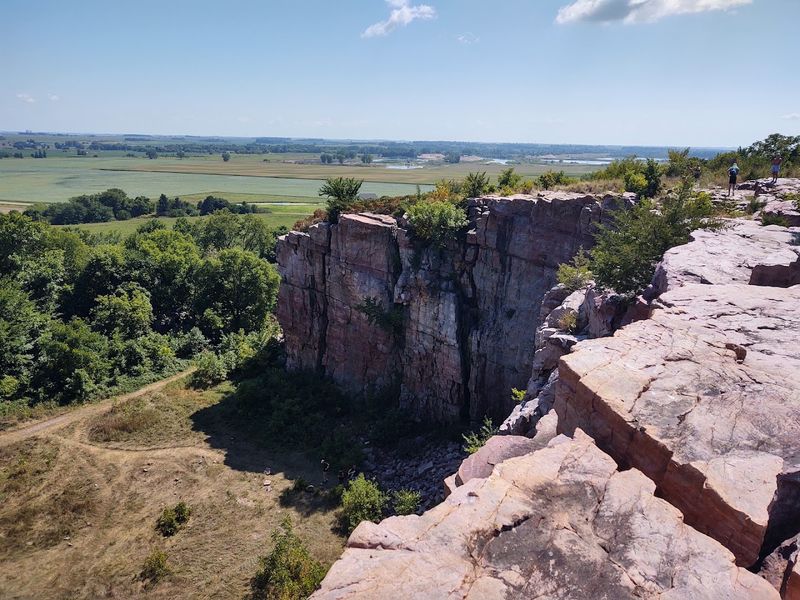
The campground at Blue Mounds is large, well-maintained, and surprisingly peaceful even when most sites are occupied. Sites are well-spaced, and the layout gives campers a sense of privacy that is harder to find at more crowded parks.
Electric hookups are available, and water spigots are positioned throughout the campground for easy access.
Restrooms and shower facilities are clean and regularly maintained. The shower stalls are private, which is a detail that regular campers tend to appreciate more than they expect to.
A dump station is available for those traveling with trailers or RVs.
One of the best parts of camping here is the sky at night. Southwestern Minnesota has very little light pollution compared to the Twin Cities metro area, and the stars on a clear night are worth staying up for.
Trails begin just steps from the campsites, making early morning hikes before the heat builds an easy and rewarding routine.
Tipi Rentals for a Different Kind of Stay
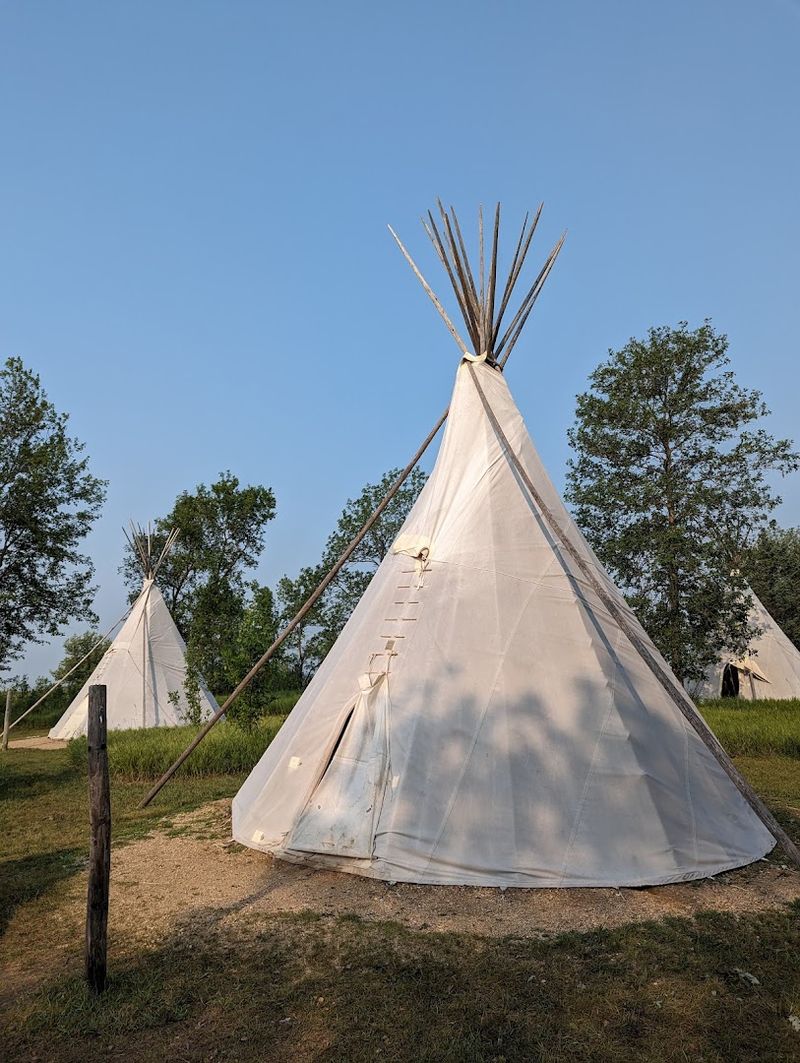
For visitors who want something beyond a standard campsite, Blue Mounds offers tipi rentals that put guests directly in the middle of the park’s prairie setting. Sleeping in a tipi with the sound of wind moving through the grass outside is a genuinely different experience from tent camping, and it tends to leave a strong impression on first-timers.
The tipis are a nod to the cultural history of the region, which has deep connections to Indigenous peoples of the Great Plains. Staying in one adds a layer of context to the landscape that a standard campsite does not quite provide.
Tipi availability is limited, so reservations should be made well in advance, especially during summer weekends. Guests who book them often mention it as the highlight of their trip.
The combination of the open sky, the prairie sounds, and the unusual shelter creates a stay that feels genuinely different from anything else in the region.
The Restored Native Prairie Ecosystem
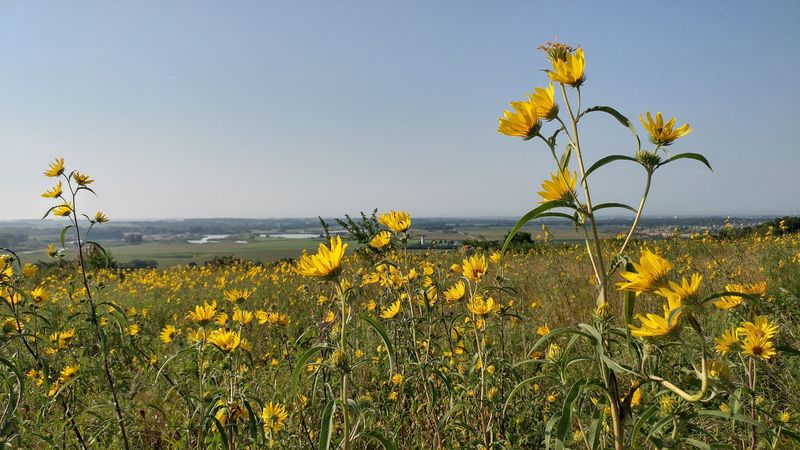
The prairie at Blue Mounds is not just scenery. It is a carefully managed and actively restored native ecosystem that represents what much of southwestern Minnesota looked like before large-scale agriculture transformed the landscape.
Walking through it on a summer morning, with grasses brushing your arms and insects moving through the wildflowers, connects you to something that has mostly disappeared from this part of the country.
The restoration work here is ongoing and involves managing invasive species, conducting controlled burns, and reintroducing native plant species. The results are visible in the plant diversity and the wildlife that depends on it.
Birders find this section particularly rewarding, as native prairie supports species that do not thrive in other habitats. Meadowlarks, dickcissels, and upland sandpipers have all been spotted in the area.
The prairie section can feel hot and exposed during peak summer, but that exposure is part of experiencing the ecosystem honestly.
Wildlife Beyond the Bison
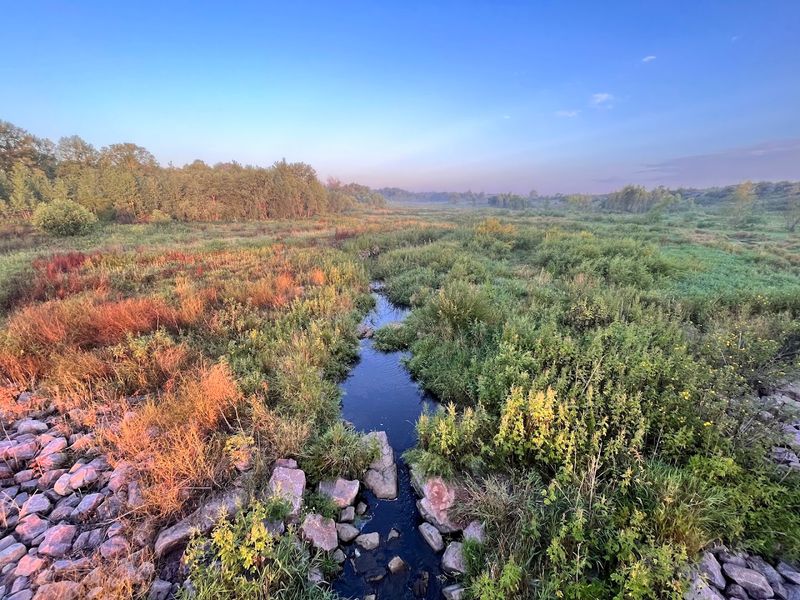
Bison get most of the attention at Blue Mounds, but the park supports a much wider range of wildlife than most visitors expect. White-tailed deer move through the wooded creek sections in the early morning and evening hours.
Owls have been spotted along the north trails, and the variety of habitats within the park creates conditions that attract an impressive mix of species.
The creek corridors on the northern edge of the park are particularly productive for wildlife watching. The combination of water, trees, and open prairie nearby creates transition zones where different species overlap.
Reptiles and amphibians also make an appearance in the warmer months. The rocky sections near the cliffs can be good spots to watch for lizards and snakes sunning themselves on warm quartzite surfaces.
Coming prepared with binoculars and moving quietly along the trails dramatically increases the chances of seeing animals behaving naturally rather than retreating at the sound of approaching footsteps.
The Town of Luverne Just Down the Road
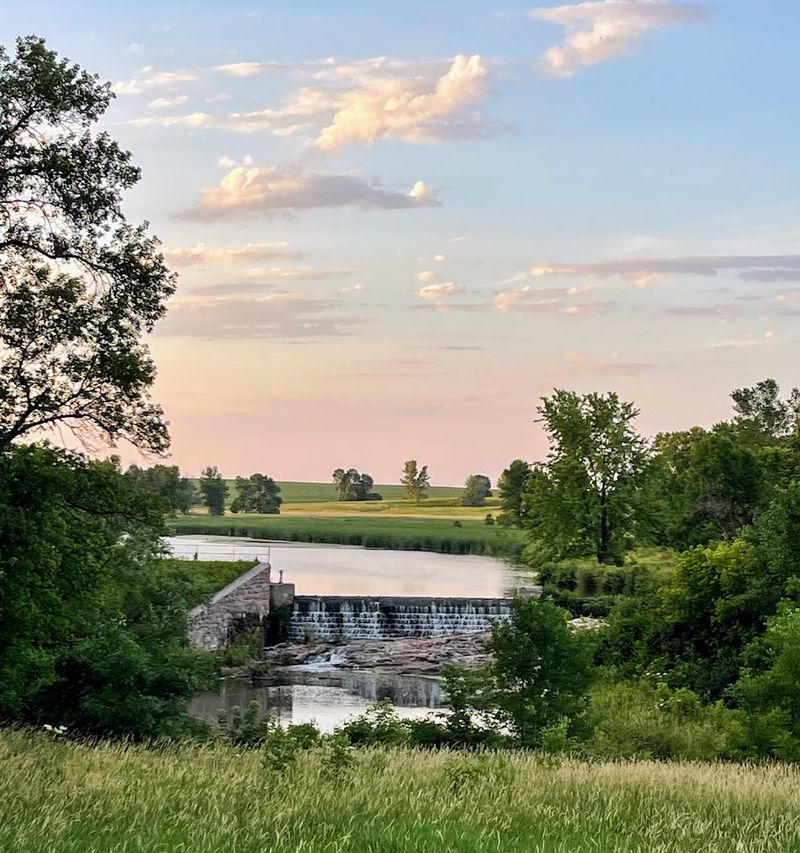
After a full day on the trails, the town of Luverne is a practical and pleasant place to restock and unwind. It is a small community with a classic midwestern downtown, and it has the essential services that make a multi-day visit to the park work smoothly.
Grocery shopping, fuel, and a solid meal are all within easy reach.
The town also has a few cultural attractions worth noting for visitors who want to extend their trip. Local museums and galleries reflect the history and character of the region in ways that add context to the landscape you just spent the day hiking through.
Luverne sits close enough to Blue Mounds that a quick trip into town does not eat much time, but it has enough personality to reward wandering. The combination of a well-maintained state park and a functional, friendly nearby town makes the overall visit feel more complete than parks in more remote locations.
Why This Park Rewards a Return Visit
Blue Mounds changes noticeably with the seasons, and that is one of the strongest arguments for coming back more than once. Spring brings blooming prickly pear and new bison calves.
Summer fills the prairie with insects, wildflowers, and long evenings that seem to stretch the day. Fall turns the grasses golden and brings cooler temperatures that make hiking far more comfortable.
The equinox alignment draws visitors specifically in March and September. Winter visits are quieter but reveal the rock formations in a stripped-down clarity that the summer foliage softens.
Each season highlights a different aspect of the park’s character, and regular visitors often mention discovering something new on every trip. The 6-mile bike trail that connects the park to Luverne adds another reason to return with different gear and a different pace.
For a park in a corner of Minnesota most people drive past without stopping, Blue Mounds keeps earning its place on the list.
Share this story