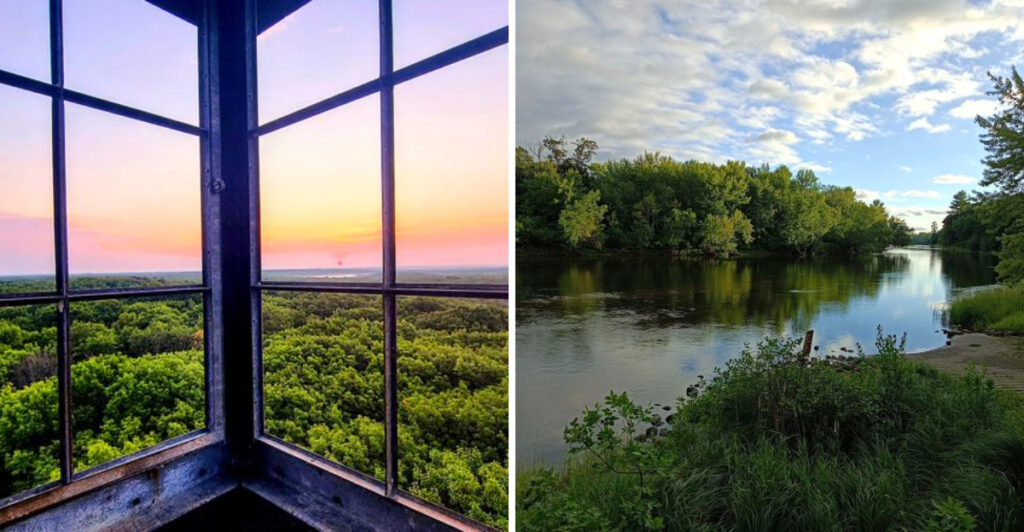
There is a fire tower standing in the middle of a Minnesota forest that lets you see for miles in every direction, and almost nobody outside the state knows it exists. At the base of that tower, two wild rivers meet, and you can paddle both of them in a single trip.
This is not a small weekend park with a couple of loop trails. St. Croix State Park covers more than 34,000 acres, making it the largest state park in Minnesota, and it has been quietly delivering one of the most layered outdoor experiences in the upper Midwest for decades.
Minnesota’s Largest State Park and What That Actually Means
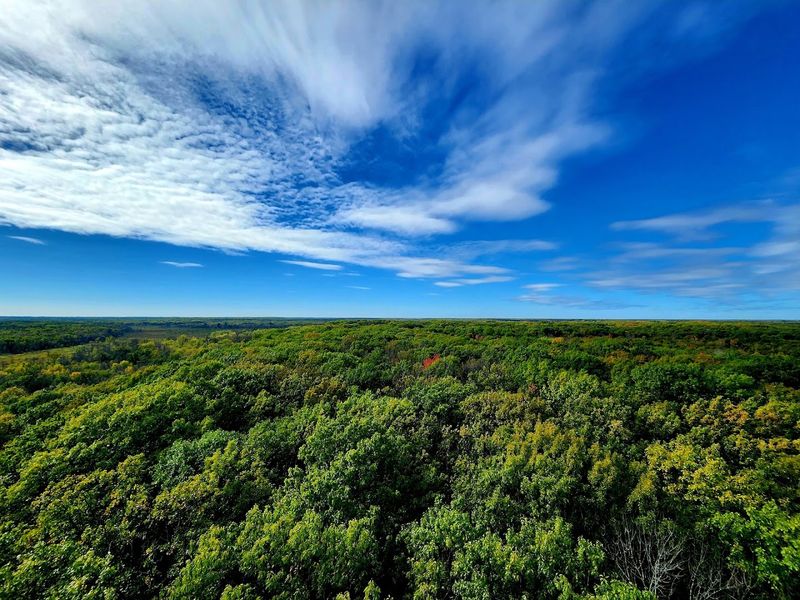
Most people hear “largest state park” and picture a big campground with extra parking. St. Croix State Park is something else entirely.
At over 34,000 acres, the sheer scale of the place takes a moment to register when you first pull through the entrance.
St. Croix State Park is located at 30065 St Croix Park Rd, Hinckley, MN 55037, in the United States. The park sits in Pine County, surrounded by a mix of boreal forest, river bottomland, and open meadows that shift in character depending on where you wander.
Driving from one end of the park to the other takes a solid chunk of time, and visitors regularly spend three days here without covering everything. That depth is what separates this park from most others in the state system.
The Historic Fire Tower You Can Actually Climb
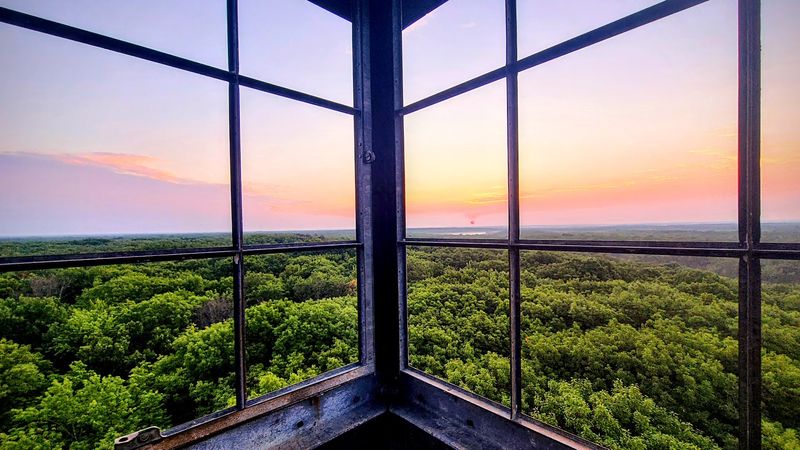
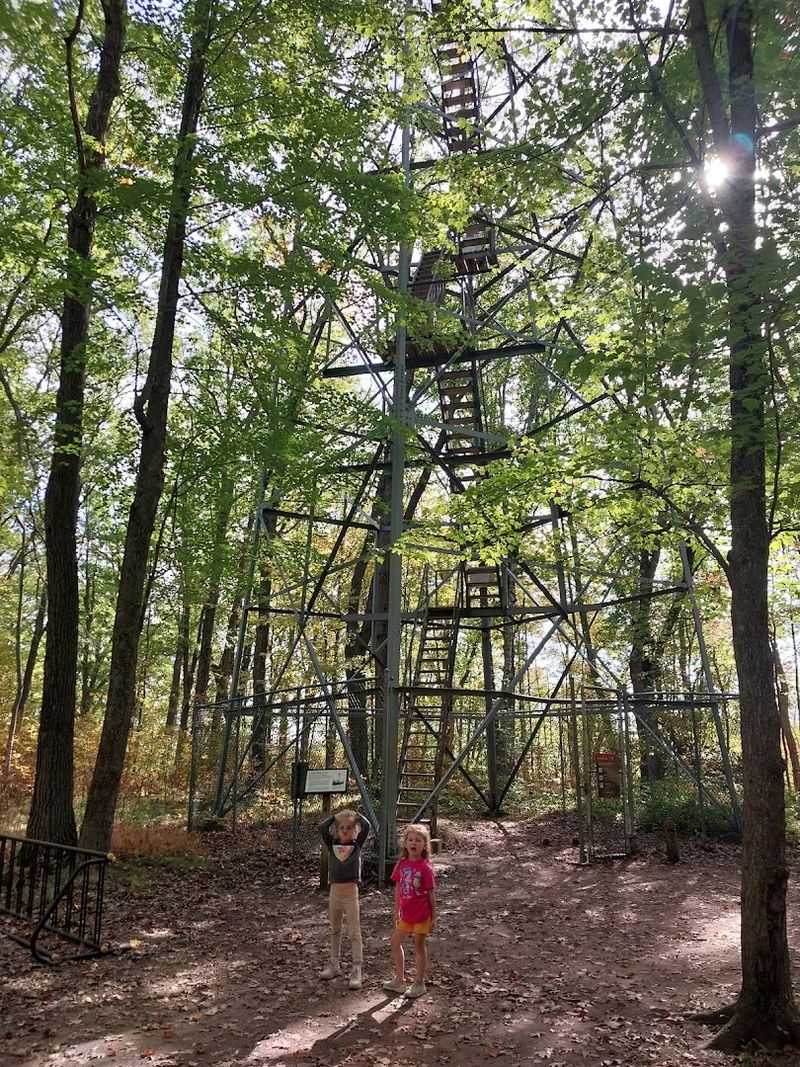
Climbing a fire tower is one of those experiences that sounds simple until you are actually up there, gripping the railing and watching the treetops spread out below you in every direction. The fire tower at St. Croix State Park is one of the park’s most requested stops, and it earns that reputation every single time.
These towers were built during an era when spotting a wildfire early meant the difference between a contained burn and a regional disaster. Trained lookouts would spend long shifts scanning the horizon, and this tower is a direct piece of that history.
From the top, the forest canopy stretches as far as the eye can reach. On a clear day, the view is genuinely stunning.
Visitors who arrive expecting a modest overlook tend to leave with a completely different impression of how vast this park really is.
Where Two Wild Rivers Come Together
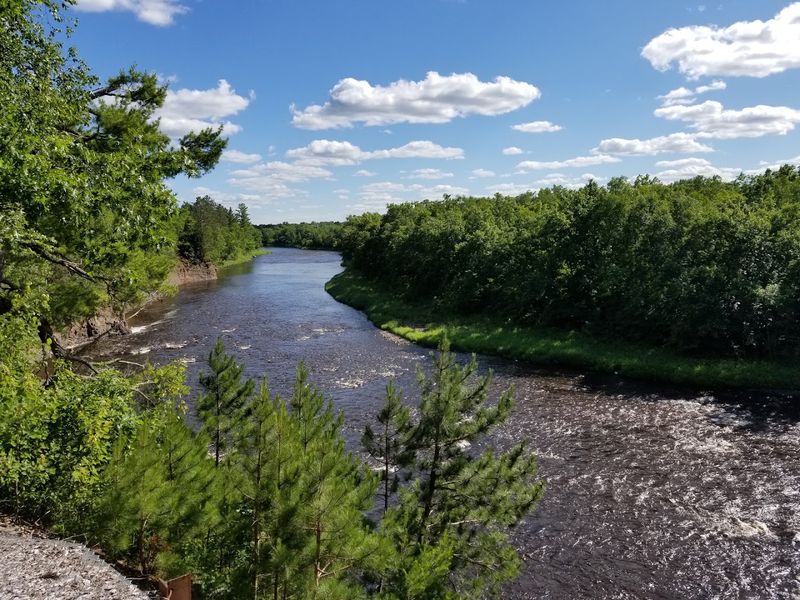
Not every state park can claim two rivers, but St. Croix State Park has both the St. Croix River and the Kettle River running through its boundaries. The spot where these two waterways exist within the same park is a genuine draw for paddlers and hikers alike.
The Two Rivers area of the park sits at the end of a long access road, and the drive itself is worth the trip. A thick tree canopy covers much of the route, and the sense of remoteness builds the closer you get to the water.
Once you arrive, benches line the riverbank and the view down toward the confluence is the kind of quiet scene that makes you want to sit for a while. The trails in this section follow the water closely, offering steady river sightlines that most park trails simply cannot match.
Canoeing and Kayaking on Two Distinct Rivers
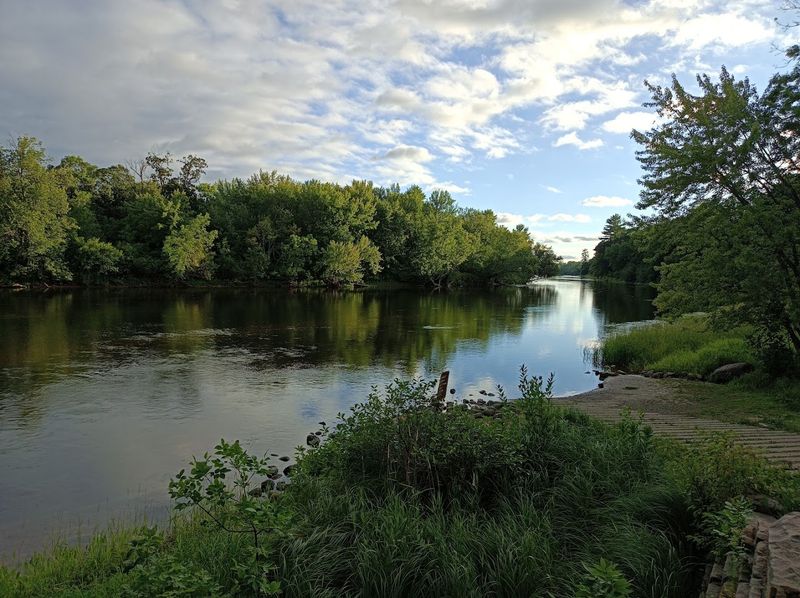
Paddling the St. Croix River feels different from paddling the Kettle River, and that contrast is part of what makes this park special for canoe enthusiasts. The St. Croix tends to run wide and relatively calm in many stretches, making it accessible for families and newer paddlers.
The Kettle River has more personality. It moves with more energy in certain sections, and experienced paddlers tend to gravitate toward it for that reason.
Having both options within the same park gives visitors flexibility that most single-river parks cannot offer.
Canoe and kayak rentals are available at the park during the summer season, so you do not need to haul your own gear. The rental setup makes it practical for people who want to get on the water without committing to a full equipment purchase, and the river access points are well marked throughout the park.
Miles of Hiking Trails Through Varied Terrain
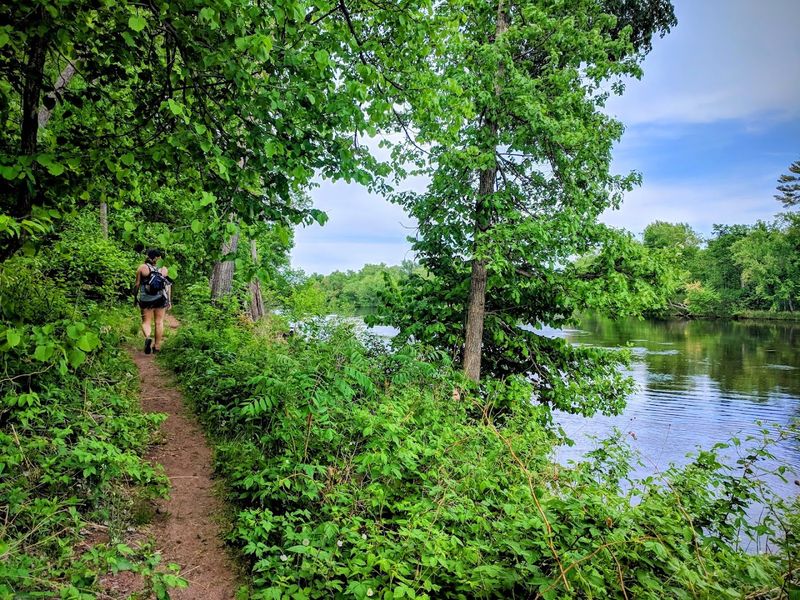
The trail system here is one of the more impressive networks you will find in a Minnesota state park. Routes range from flat, easy walks along the river to longer backcountry paths that take you deep into the forest with very little company.
Many of the trails stay relatively level, which makes them approachable for hikers of most fitness levels. That said, the park is large enough that you can string together multiple routes and end up with a full day of solid walking if that is what you are after.
Hawks are a common sight overhead, particularly along the more open sections of trail. The mix of forest types, from pine stands to hardwood patches, creates habitat variety that keeps the scenery from feeling repetitive.
Each section of trail tends to reveal something slightly different, which is a quality that longer trail systems do not always manage to maintain.
Biking Trails That Connect the Whole Park
Biking is genuinely built into the fabric of this park in a way that feels intentional rather than added on. Paved bike trails run throughout the park, connecting the campground areas to the beach and beyond, giving cyclists a dedicated route that does not require sharing narrow paths with foot traffic.
A five-mile paved route between the campground and the beach is one of the most popular rides, and it gives you a real sense of the park’s geography along the way. The ride is manageable for casual cyclists, and the destination at the end adds clear motivation to keep pedaling.
For riders who want more distance, the trail network links to other sections of the park, making it possible to put together a longer route. Bringing your own bike is the easiest approach, though planning ahead is always worthwhile when visiting a park of this size.
Wildlife Encounters That Catch You Off Guard
Bears show up here. That is not a rumor or a rare occurrence reserved for lucky visitors.
Multiple people hiking and camping at St. Croix State Park have reported black bear sightings, sometimes at surprisingly close range, and the park’s size and forest density make it solid habitat for them.
Hawks are another consistent presence, particularly visible from the more open stretches of trail and from the top of the fire tower. Birdwatching is taken seriously at this park, and a bird banding demonstration has been offered here in the past, giving visitors a hands-on look at how wildlife researchers track bird populations.
White-tailed deer, various songbirds, and other forest wildlife round out the regular cast of animals you might encounter. The variety of habitats within the park, from riverbanks to upland forest, supports a genuinely broad range of species throughout the year.
Camping Options Across Three Separate Campgrounds
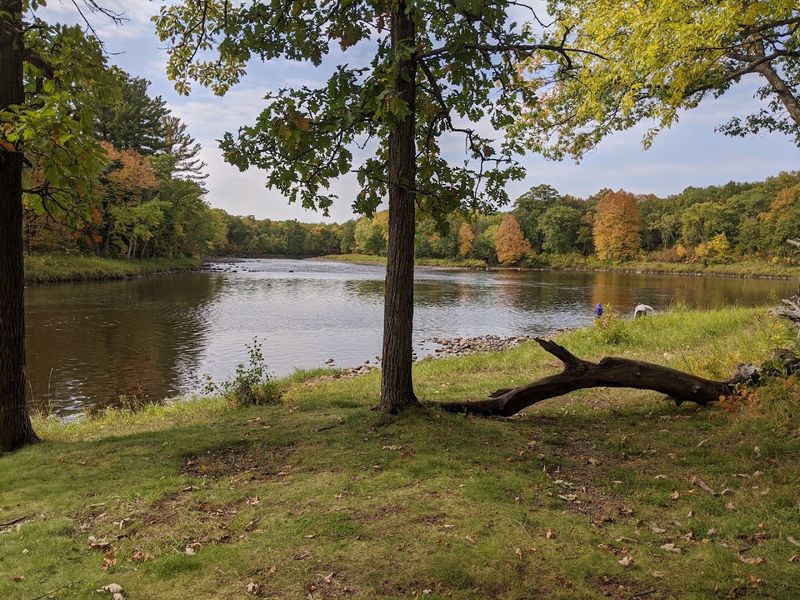
Three distinct campgrounds operate within the park, and they each have a different feel. The Riverview Campground is the largest and most accessible, which also means it tends to be the busiest.
Electric hookups are available, and the amenities are solid, though site privacy varies considerably depending on where you land.
The Old Logging Trail Campground has a reputation for better tree coverage and more seclusion between sites, making it the preferred choice for tent campers who want some separation from their neighbors. The lower-numbered sites in any campground tend to be more open, so requesting a higher number is worth trying when you book.
Bear Creek Campground offers a more rustic experience, with a walk-in setup that filters out visitors who are not fully committed to the backcountry feel. Cabins are also available within the park for those who want a roof without giving up the forest setting entirely.
The Welcome Center and Park Museum Worth Stopping Into
The welcome center at St. Croix State Park is not the kind of place you walk through in two minutes and forget. It covers the history of the land the park sits on, which includes Indigenous history, logging-era activity, and the development of the park itself over the decades.
A small museum with a deck is attached, giving you a place to pause and look out over the surrounding landscape while processing what you just read inside. The combination of indoor exhibits and an outdoor viewing area works better than it might sound on paper.
Tributes to individuals who contributed to building and shaping the park are part of the display, and some of those stories go back generations of family connections to the land. For visitors who want context before heading out on the trails, the welcome center is a genuinely worthwhile first stop.
The High Banks Overlook and What You Find There
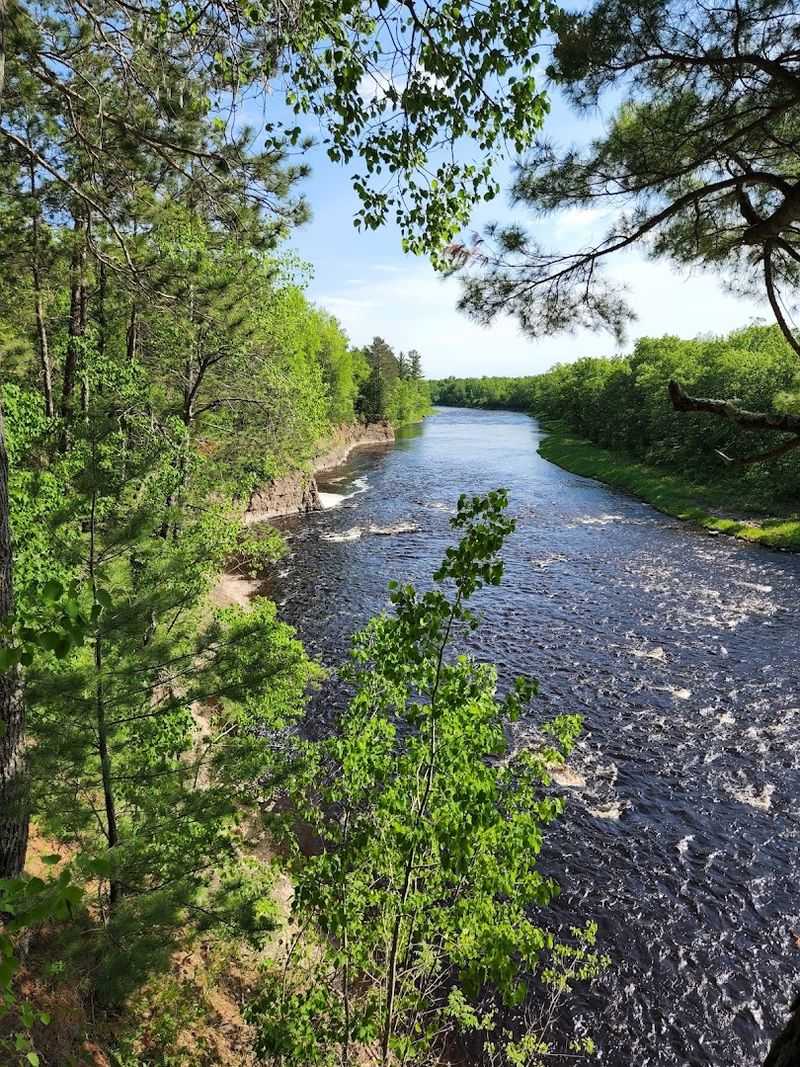
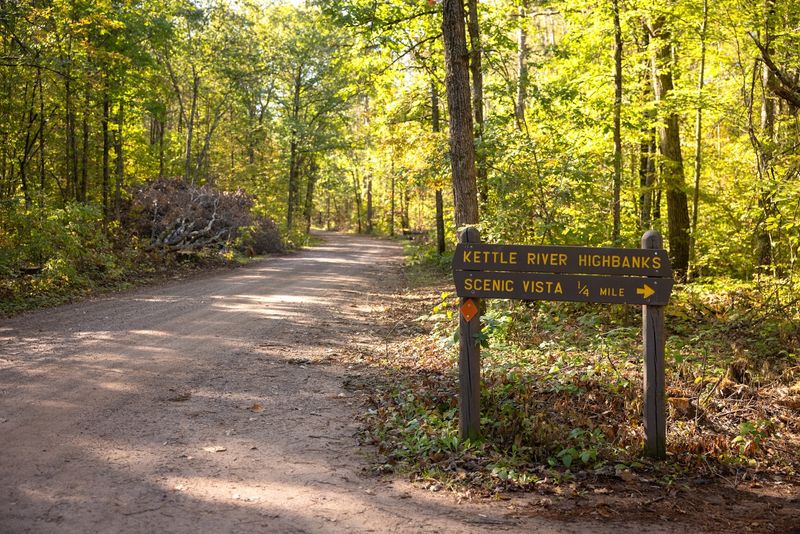
The High Banks area of the park delivers one of the more dramatic viewpoints in the entire property. The overlook sits above the river valley and gives you a sweeping perspective that puts the scale of this landscape into sharp focus.
It is the kind of view that makes you stop mid-sentence.
Getting there requires a bit of navigation. The road is not immediately obvious, and first-time visitors sometimes miss the turnoff entirely.
Once you find the right route, signs guide you the rest of the way, and the payoff at the end justifies the extra effort of finding it.
A memorial rock sits at the High Banks area, placed in honor of individuals who spent significant time in this park across multiple generations. That kind of personal history embedded in the landscape adds a layer to the visit that a simple overlook sign never could.
Night Skies Above the Campground
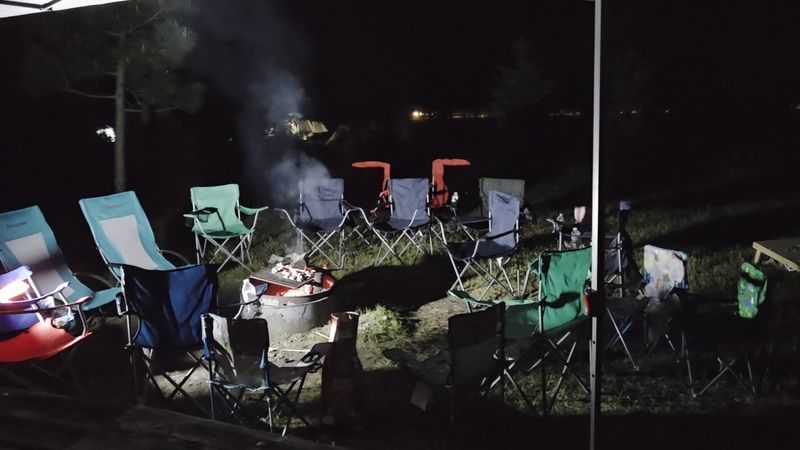
Light pollution is minimal this far into the Minnesota forest, and the night sky above the campground reflects that in the best possible way. On a clear night, the stars are thick enough that the sky looks almost crowded, which is not something most people experience regularly if they live anywhere near a city.
The campground setting amplifies the experience. Sitting outside after the fire dies down, with the sound of the forest around you and that kind of star coverage overhead, is one of those moments that tends to stay with people long after they drive home.
Cooler nights in late summer and fall make star gazing particularly comfortable, and the lack of ambient light throughout most of the park means you do not need to go far from your campsite to get an unobstructed view. A simple blanket and a clear forecast are the only gear required.
Fishing Along the Rivers and Lake
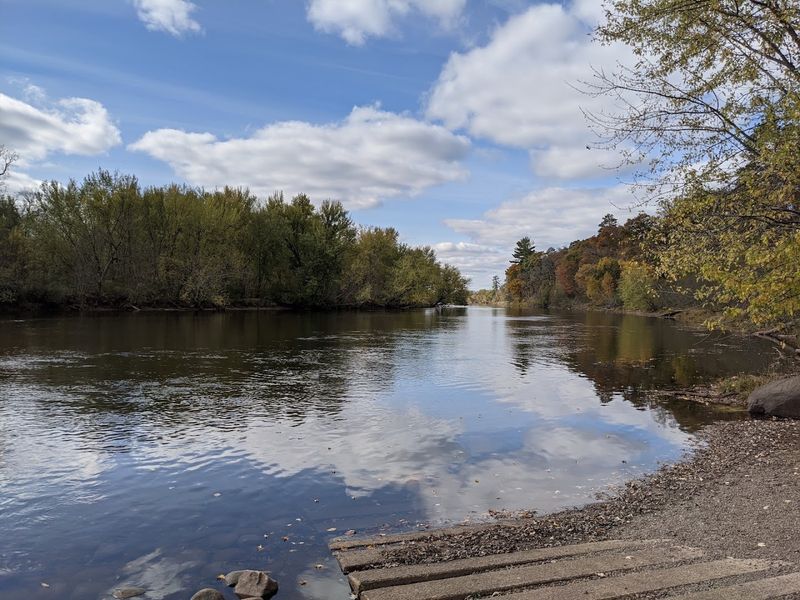
Both the St. Croix River and the Kettle River offer fishing access throughout the park, and the lake near the swimming beach adds another option for anglers who prefer still water. The variety of water types within a single park boundary gives fishing visitors more flexibility than they typically expect.
Walleye, bass, and northern pike are among the species found in these waters, and the rivers here have the kind of natural character, clear water, wooded banks, minimal boat traffic, that serious anglers tend to seek out specifically. Access points are distributed throughout the park, making it practical to try different spots across a multi-day visit.
Fishing from a canoe is a natural combination here, letting you cover more river than you could from a fixed bank position. A Minnesota fishing license is required, and regulations for the St. Croix River should be checked before heading out.
Planning Your Visit and What to Know Before You Go
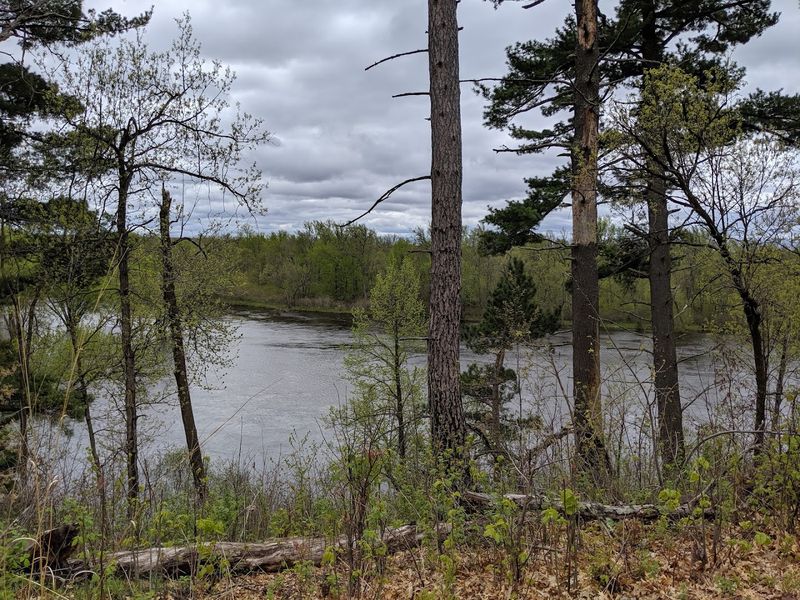
The park is open daily from 8 AM to 10 PM, which gives you a solid window for day trips. Campsite reservations are strongly recommended, especially for summer weekends, because the park draws consistent crowds and the better sites fill up quickly once the booking window opens.
A Minnesota State Parks vehicle permit is required for entry. Fuel up before you arrive, because the park is large and the roads between attractions add up faster than the map suggests.
Cell service is limited in many areas, so downloading offline maps or picking up a paper trail map at the welcome center is a practical first move.
The park store near the campground carries ice, firewood, and basic supplies, which takes some pressure off your packing list. Arriving with a rough plan of which areas you want to prioritize will save you from spending half a day just figuring out where to go first.
Share this story