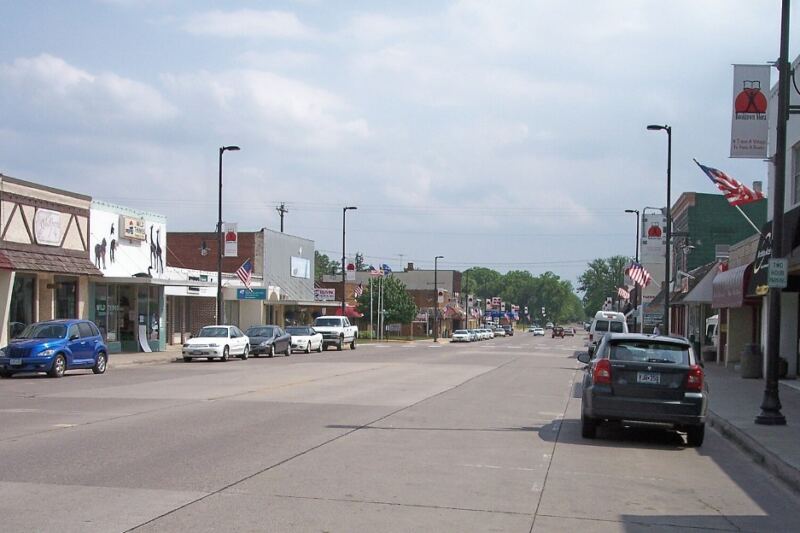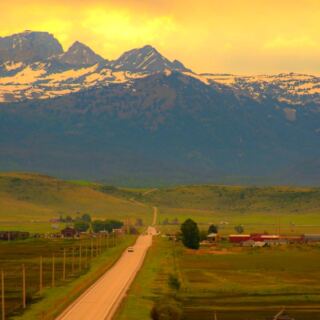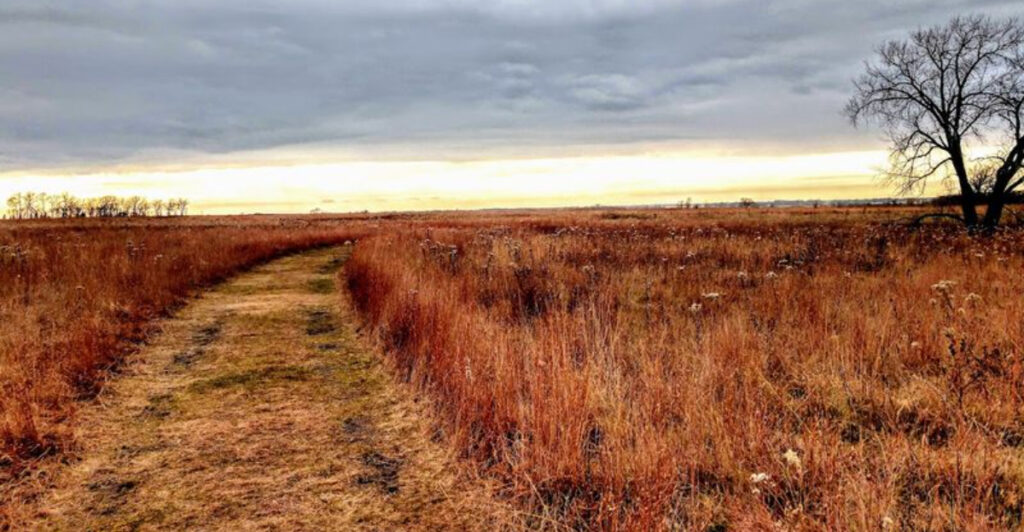
Most of Minnesota’s original tallgrass prairie has been converted to farmland over the past two centuries, leaving behind only scattered fragments of what was once a vast, rolling sea of grass. One special place near Glyndon has held on, and it gives visitors a rare chance to walk through a landscape that has barely changed in thousands of years.
Buffalo River State Park sits quietly in the Red River Valley, protecting one of the largest and finest examples of tallgrass prairie left in the entire state. From wildflower-covered meadows to the gentle curves of the Buffalo River, this park offers something genuinely wild and worth exploring.
Where the Prairie Begins: Location and Access
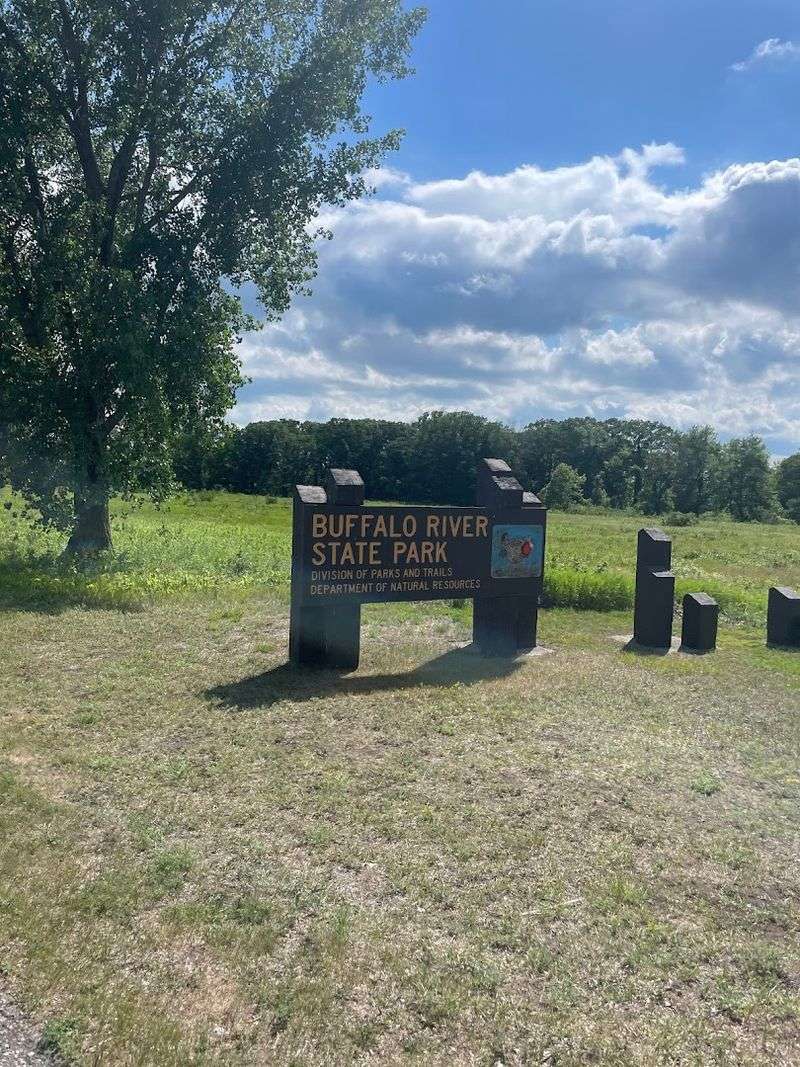
Some parks announce themselves with dramatic mountain peaks or crashing waterfalls. Buffalo River State Park announces itself with something quieter but just as powerful: an ocean of grass stretching toward the horizon.
The park sits at 565 155th St S, Glyndon, tucked into the Red River Valley just east of the Fargo-Moorhead metro area. That proximity makes it a convenient escape for city residents looking for a natural reset without a long drive.
The roads leading to the park are well-maintained and wide enough to handle trucks, trailers, and large recreational vehicles without stress. Whether you are coming from Fargo, Moorhead, or farther afield, the directions are straightforward and the approach feels welcoming.
The park entrance sets the tone immediately, with open prairie views greeting you before you even step out of the car.
The Tallgrass Prairie: A Vanishing Landscape
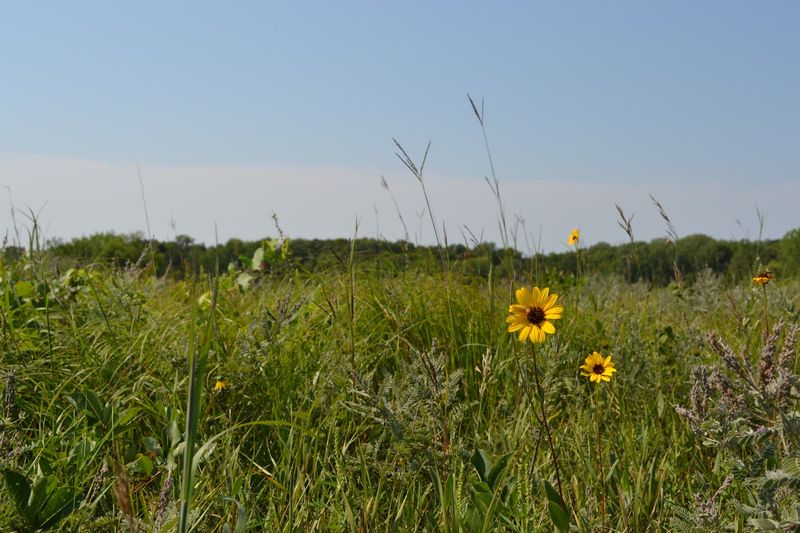
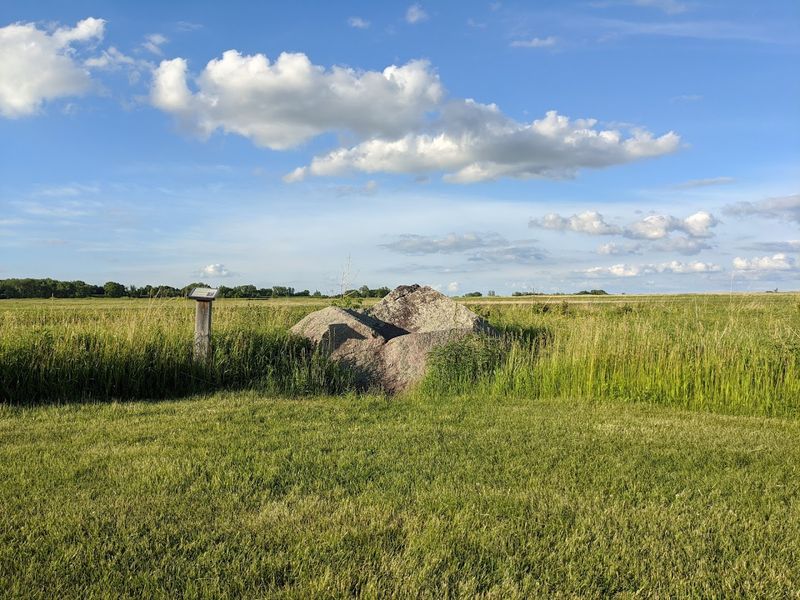
Less than one percent of Minnesota’s original tallgrass prairie still survives today, making every protected acre extraordinarily valuable. Buffalo River State Park preserves one of the largest and highest-quality remnants of this ecosystem in the entire state, and walking through it feels like a window into a world that has largely disappeared.
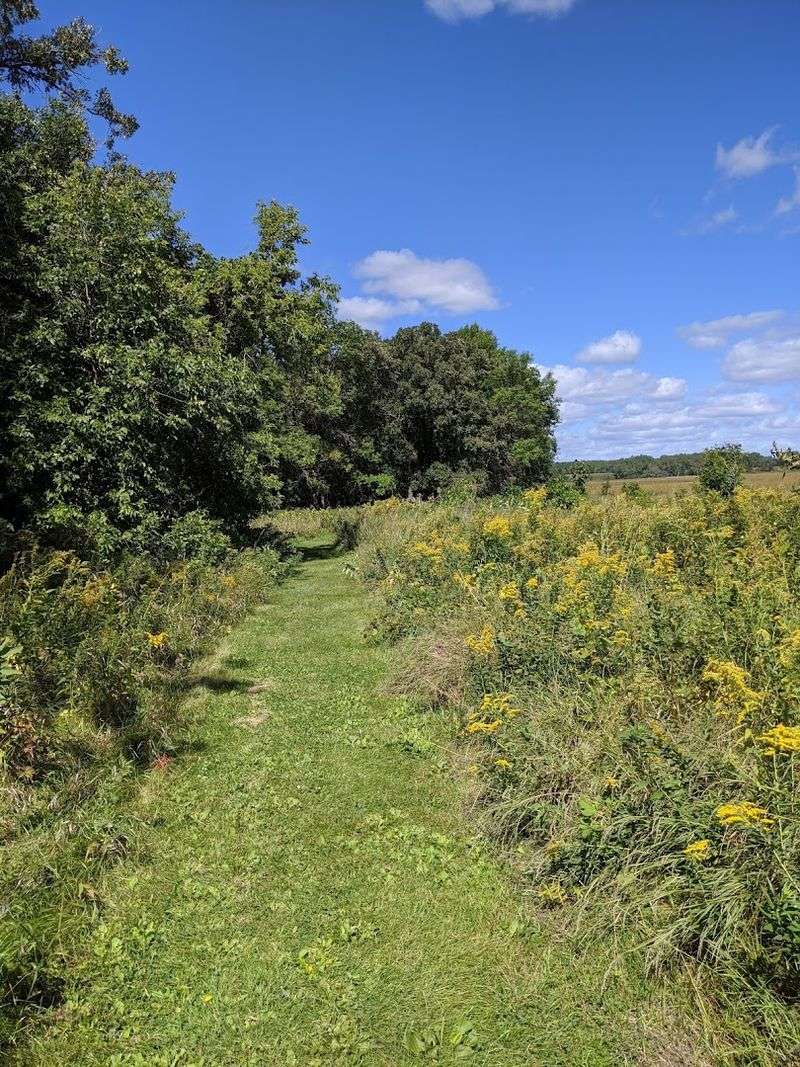
The grasses here grow tall and dense, with big bluestem, Indian grass, and switchgrass swaying in the breeze alongside dozens of native wildflower species. In late summer, the prairie erupts with color as coneflowers, bergamot, and goldenrod bloom across the landscape.
What makes this prairie so special is that it has never been plowed. That unbroken soil history allows native plant communities to thrive in ways that restored prairies simply cannot replicate.
A visit here is not just a nature walk; it is a genuine encounter with a living piece of natural history.
The Buffalo River: A Quiet Scenic Bonus
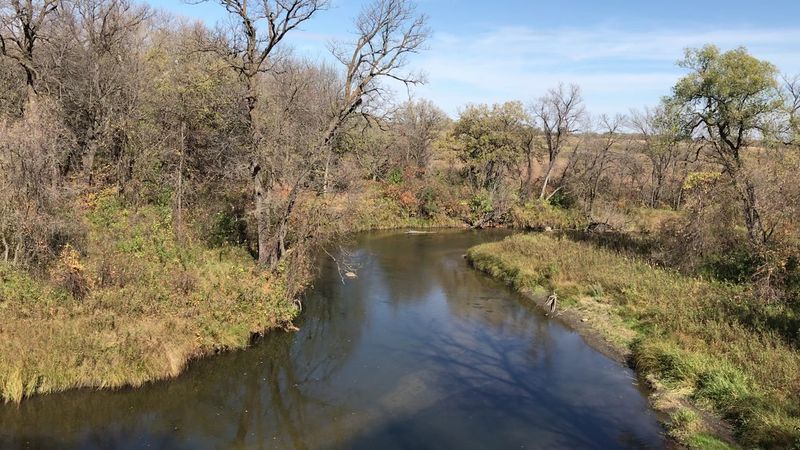
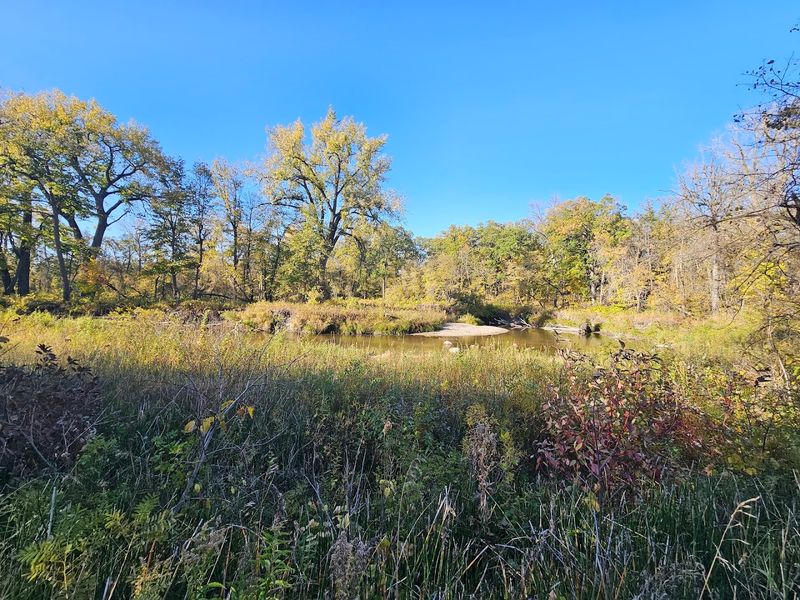
The tallgrass prairie gets most of the attention at this park, but the Buffalo River deserves its own spotlight. The river meanders through the park in a series of gentle curves, its banks lined with cottonwood trees and shrubs that provide shade and a completely different kind of scenery from the open prairie.
The section of trail along the river is consistently described as the most visually striking part of the hiking experience. The contrast between the wide-open grassland and the shaded, intimate riverbank makes the transition feel almost theatrical.
Fishing is a popular activity along the river, and the calm water also adds a soothing soundtrack to any walk nearby. The river corridor attracts a different set of birds and wildlife than the open prairie does, so keeping your eyes open near the water often rewards you with an unexpected sighting or two.
Hiking Trails for Every Pace
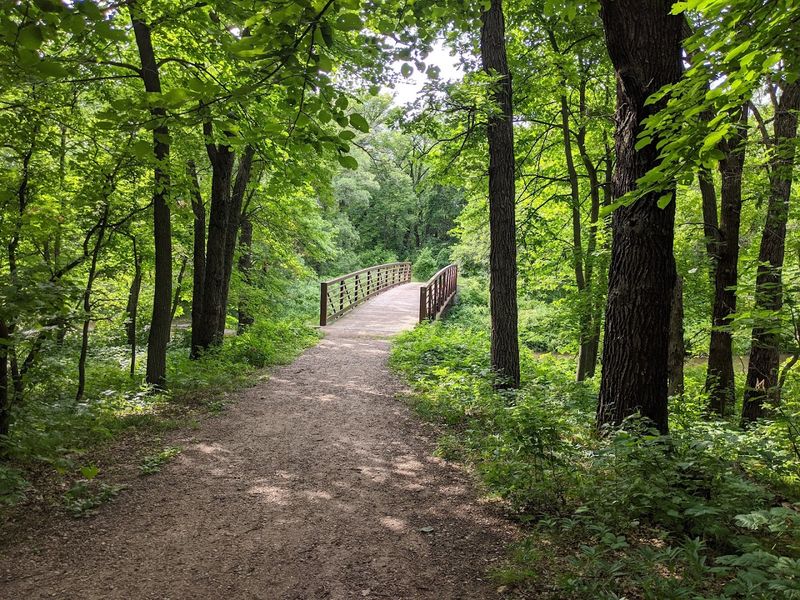
The trail system at Buffalo River State Park is refreshingly accessible. Most paths are flat, well-maintained, and easy enough for young children, older adults, and anyone pushing a jogging stroller without breaking a sweat.
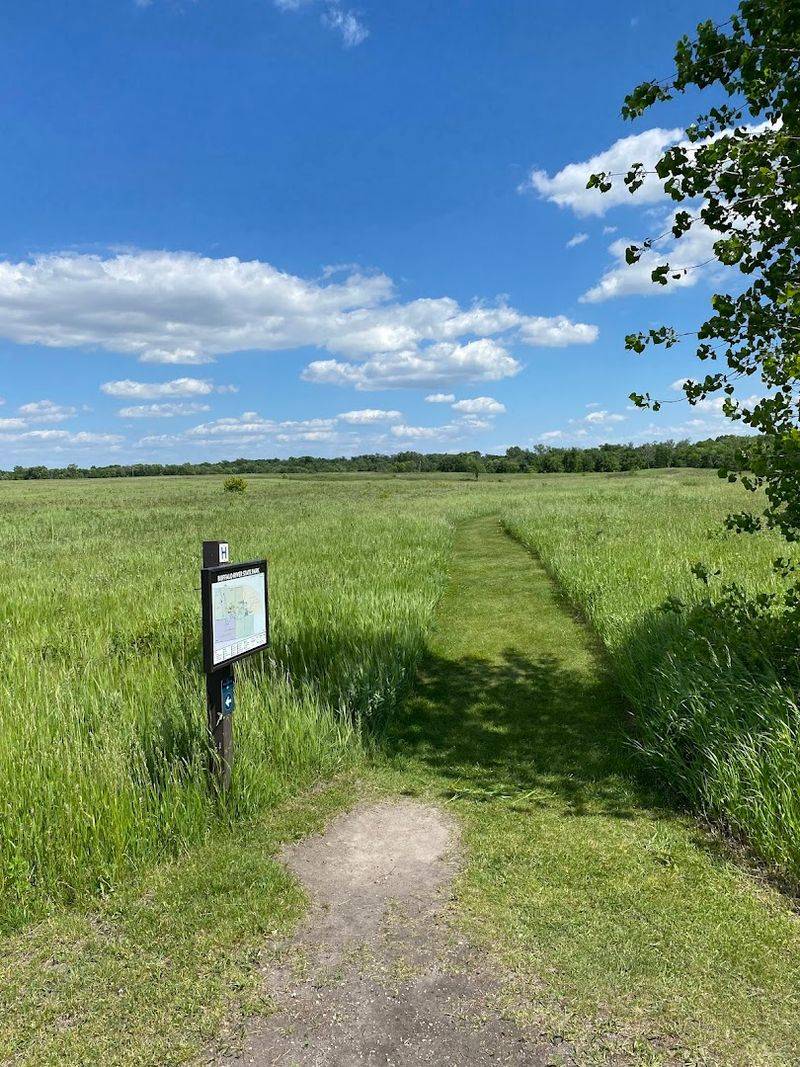
The Hiking Club Trail is the most popular route, looping through both the prairie and the river corridor. The trail surface alternates between mowed grass and packed dirt, keeping it manageable even for casual walkers.
Early spring visits may encounter soft or muddy sections during ice-melt season, so checking conditions beforehand is a smart move.
The trails are short enough to complete comfortably in a couple of hours, making this an ideal half-day destination rather than a full-day slog. Whether you prefer a brisk solo run, a relaxed dog-friendly hike, or a meandering family stroll with frequent stops to look at butterflies, the trail options here fit a wide range of moods and energy levels.
Wildlife and Wildflowers Through the Seasons
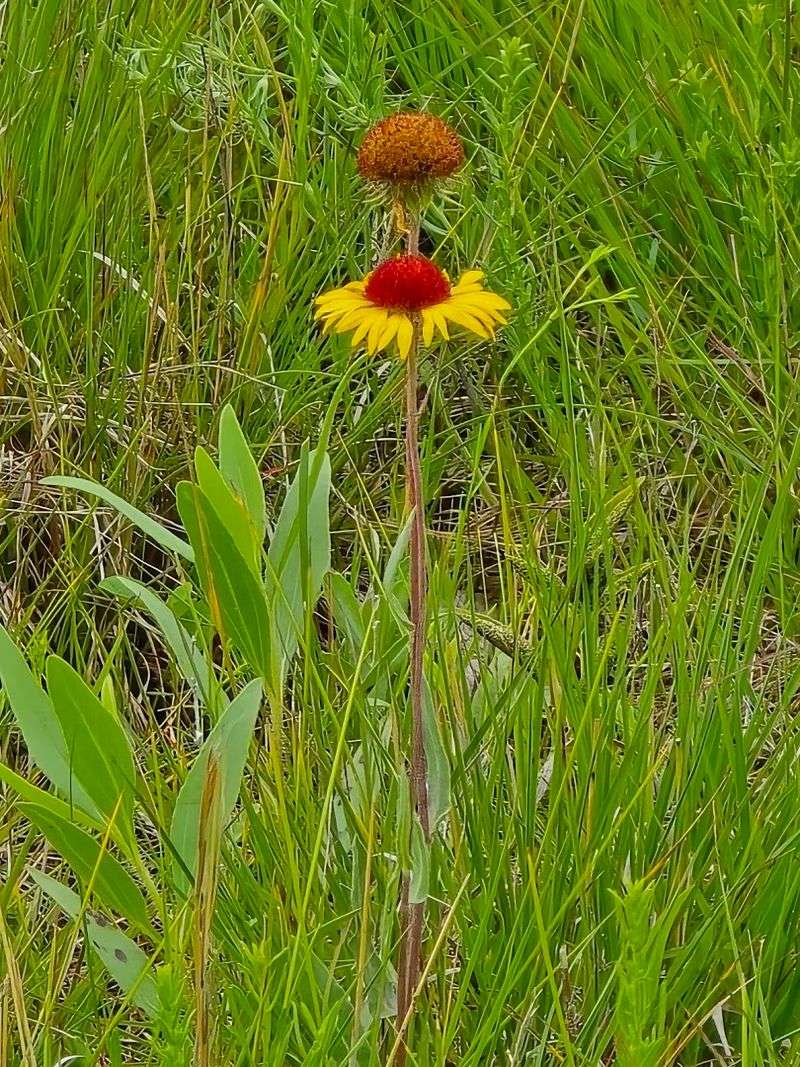
One of the quieter joys of visiting a protected tallgrass prairie is the sheer variety of life packed into every square foot. Buffalo River State Park is home to an impressive array of birds, insects, and plants that change with the seasons, giving repeat visitors something new to discover on every trip.
August is particularly spectacular, when wildflowers peak and butterflies appear in abundance. Monarchs, painted ladies, and various skipper species are commonly spotted nectaring on native blooms throughout the prairie.
Birders will find grassland species here that are increasingly hard to find elsewhere, including bobolinks and dickcissels that nest in the tall grasses.
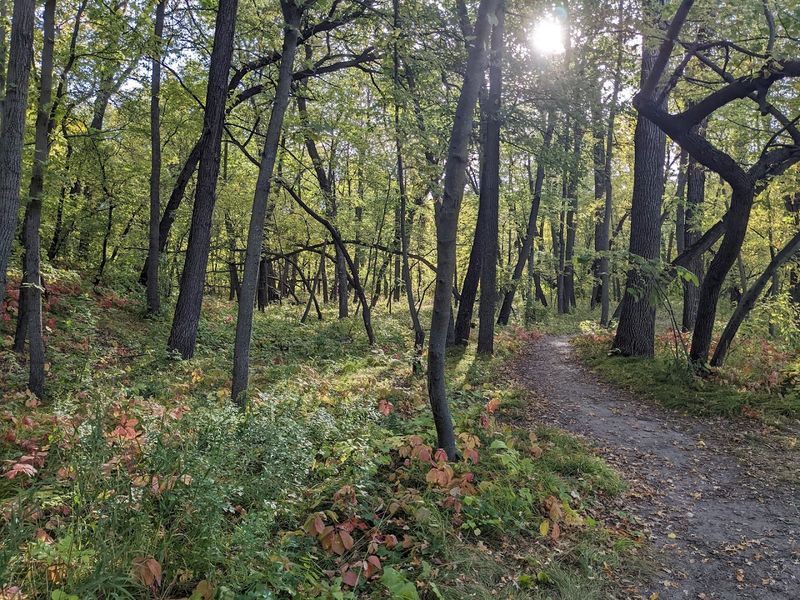
Fall brings a different kind of beauty, with the grasses turning shades of copper, amber, and burgundy as the leaves on the riverside trees shift to gold. A mid-September visit, when colors are changing and crowds are thinning, offers one of the most rewarding experiences the park has to offer.
Camping at Buffalo River: What to Expect
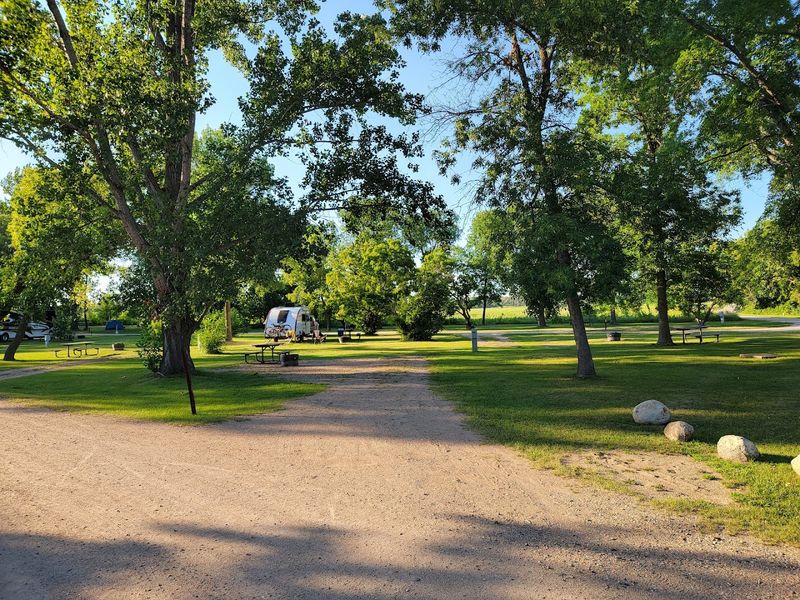
The campground at Buffalo River State Park punches above its weight for a park of this size. Sites are generous, the bathrooms are consistently clean, and the overall atmosphere is quiet and well-organized.
Electric hookups, fresh water, and a dump station make it practical for RV travelers as well as tent campers.
Most sites have a comfortable amount of space, though a handful of inner-facing spots offer less shade than others. Site placement near the road and a distant train line means some ambient noise at night, so light sleepers may want to pack earplugs just in case.
The campground fills up on summer weekends, especially given its convenient location near Fargo-Moorhead. Booking in advance through the Minnesota DNR reservation system is strongly recommended.
For those who do secure a spot, the combination of clean facilities, peaceful surroundings, and easy trail access makes for a genuinely satisfying overnight stay.
Historic Buildings Worth a Closer Look

Not every visitor notices the historic structures tucked into the park, but they are worth seeking out. Buffalo River State Park contains a couple of older buildings that reflect the cultural and agricultural history of the Red River Valley region, adding a layer of human story to the natural landscape.
These structures are modest in scale but meaningful in context. They serve as quiet reminders that this land has been used, valued, and eventually protected over many generations.
Standing near them while looking out at the unplowed prairie creates an interesting sense of time passing.
The park’s connection to the broader history of Minnesota’s prairie settlement makes it more than just a pretty place to hike. Pairing a walk through the wildflowers with a stop at these historic sites gives the visit a richer narrative thread, especially for families looking to mix a little learning into their outdoor adventure.
The Scientific and Natural Area Next Door

Right next to the park, there is something that not many casual visitors know about: a designated Scientific and Natural Area that connects directly to Buffalo River State Park. This adjacent protected land amplifies the ecological value of the park significantly, creating a larger corridor of intact prairie habitat.
The Scientific and Natural Area is managed to preserve the highest-quality native plant communities, and its presence means the park sits within a genuinely significant conservation zone rather than being an isolated patch of nature surrounded by development. That context matters for the wildlife and plant species that depend on connected habitat to survive.
The park also has a partnership with Minnesota State University Moorhead, which adds an educational dimension to the site. Researchers and students use the area for fieldwork, and that relationship helps ensure ongoing scientific attention to the health of the prairie ecosystem right here in the Red River Valley.
Swimming and Picnicking by the Water
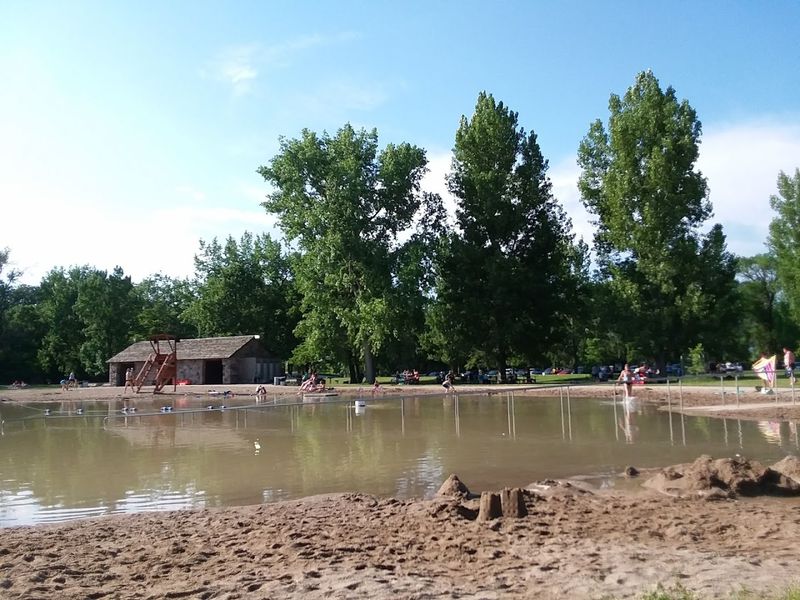
Beyond hiking and camping, Buffalo River State Park offers a swimming area and a picnic site that make it a well-rounded destination for a summer day trip. The combination of water access and shaded picnic spots gives families plenty of reasons to linger well past the morning trail walk.
The swimming area is a casual, natural setting rather than a developed beach complex, which suits the low-key character of the park perfectly. Bringing a picnic lunch and spending the afternoon alternating between the trails and the water is a genuinely enjoyable way to experience everything the park has to offer in a single visit.
The picnic area is clean and maintained, with enough space to spread out comfortably. On weekday visits, the area is often quiet enough that you can have a stretch of riverbank largely to yourself, which feels like a rare and welcome luxury in a region where good outdoor spaces fill up fast.
Bug Spray is Not Optional
Let’s be honest about one thing: the mosquitoes at Buffalo River State Park are real, they are enthusiastic, and they will find you. This is not a criticism unique to this park; it is simply the reality of a lush, well-watered prairie environment in Minnesota during summer months.
Bringing bug spray is not a suggestion, it is a survival strategy. Visitors who forget this detail tend to cut their hikes short and spend more time swatting than enjoying the wildflowers.
A quality insect repellent applied before you hit the trail makes an enormous difference in how much you actually enjoy the experience.
Early morning and evening hours tend to be the most intense for mosquito activity, so planning a midday visit can help reduce the annoyance factor. That said, even midday walks call for protection in peak summer.
Consider it part of the packing checklist, right alongside sunscreen and water.
Fall Colors and Off-Season Visits
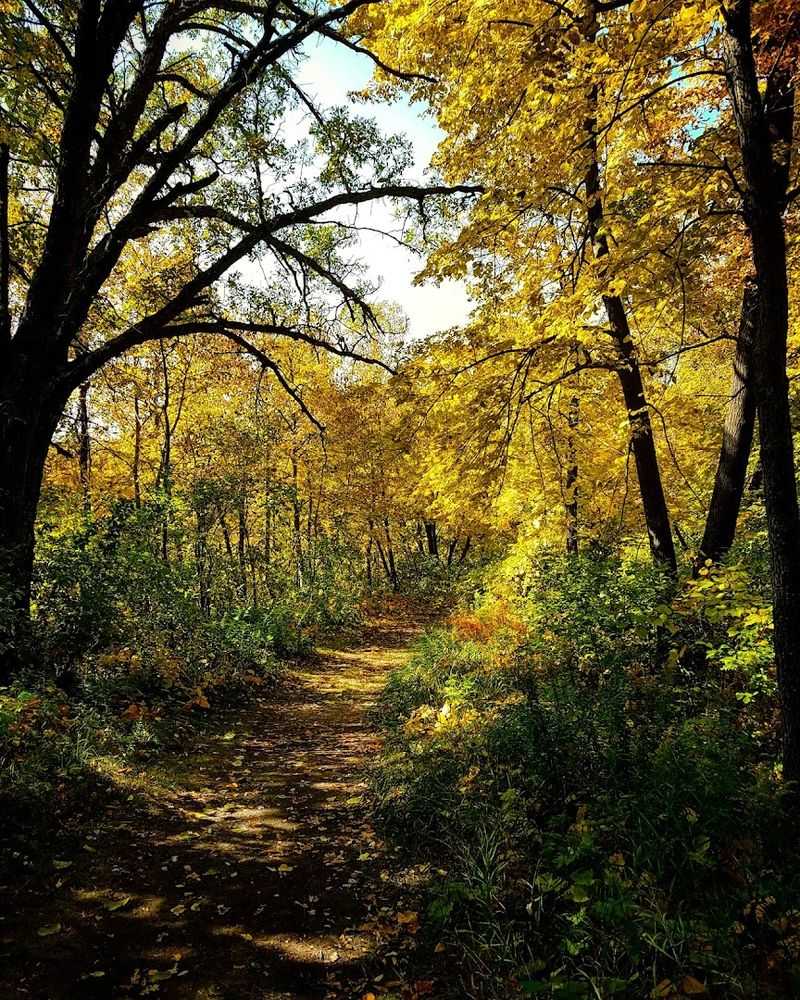
Summer gets most of the attention, but fall at Buffalo River State Park is quietly spectacular. The prairie grasses shift from green to rich shades of bronze and rust, the cottonwood trees along the river turn bright gold, and the crowds thin out considerably, making trails feel personal and unhurried.
Mid-September through early October is a sweet spot for visiting. The weather is cooler, the colors are changing, and the light in the late afternoon hits the grasses at an angle that makes the whole landscape glow.
Photographers and casual walkers alike tend to be surprised by how beautiful the park looks in autumn.
Winter visits are possible for those who enjoy snowshoeing or cross-country skiing, and the park takes on a stark, minimalist beauty when the grasses are dusted with snow. Off-season visits offer a completely different perspective on a landscape that rewards attention in every season of the year.
Proximity to Fargo-Moorhead: A Local Treasure
One of the most underappreciated things about Buffalo River State Park is how close it sits to a major metro area. The park is just a short drive east of Fargo, North Dakota, and Moorhead, Minnesota, making it genuinely accessible as a local weekend destination rather than a once-a-year road trip.
For Fargo-Moorhead residents, having a protected tallgrass prairie this close to home is a genuine luxury. The ability to be standing in a historically significant natural landscape within twenty or thirty minutes of leaving the city is not something most urban areas can offer.
That proximity also makes it easy to combine a park visit with other activities in the Moorhead area, including museums, restaurants, and the university campus nearby. The park works well as either a standalone half-day outing or as one stop in a fuller regional itinerary for visitors exploring the broader Red River Valley area.
Tips for First-Time Visitors
A few practical notes can make your first visit to Buffalo River State Park go much more smoothly. The park requires a Minnesota State Park vehicle permit, so make sure to purchase one before arrival either online through the DNR website or at the park entrance.
Reservations for campsites fill up quickly on summer weekends, so booking at least a few weeks in advance is smart if you plan to stay overnight. Walk-in day visits are generally easy, but arriving earlier in the day gives you the best trail conditions and the most peaceful experience before afternoon crowds arrive.
Dogs are welcome in the park but must remain on a leash at all times, which is standard policy across Minnesota state parks. Wearing sturdy shoes is recommended since some trail sections can be soft or uneven.
Bringing water, snacks, sunscreen, and that all-important bug spray rounds out the preparation perfectly.
What Makes This Prairie Scientifically Significant
The tallgrass prairie at Buffalo River State Park is not just pretty; it is scientifically important in ways that are easy to overlook on a casual visit. The soil beneath the prairie has never been broken by a plow, which means the entire underground ecosystem of roots, fungi, and soil organisms remains intact after thousands of years.
That undisturbed soil is extraordinarily rare. Tallgrass prairie once covered roughly 18 million acres of Minnesota, but agriculture converted nearly all of it within a few generations.
What remains at Buffalo River represents a living reference point for scientists studying native ecosystems, carbon storage, and biodiversity.
The diversity of plant species here supports an equally diverse community of pollinators, birds, and small mammals. Each species plays a role in keeping the system balanced, and the park’s protected status ensures that balance can continue.
Visiting here is, in a small way, an act of appreciation for something that took millennia to develop.
A Final Word on Why This Park Matters
There is a particular kind of satisfaction that comes from visiting a place that exists because people decided it was worth protecting. Buffalo River State Park is exactly that kind of place, a landscape preserved against the odds in a region where nearly every acre of similar habitat was converted to farmland long ago.
The park may not have dramatic cliffs or towering waterfalls, but it offers something rarer: a genuine, unbroken connection to a prairie ecosystem that once defined an entire region. Walking through grasses that have grown in the same soil for thousands of years, listening to the wind move through them, and watching a monarch butterfly work its way across a field of wildflowers is a quietly profound experience.
Whether you come for a single afternoon or stay for a full camping weekend, Buffalo River State Park has a way of staying with you long after the drive home is done.
Share this story