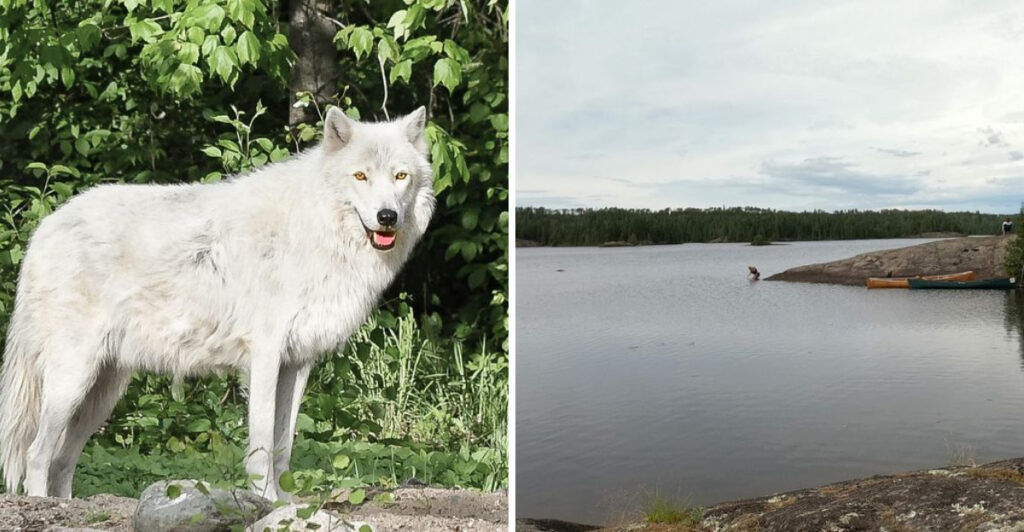
There is a place in northern Minnesota where the pavement ends and the wilderness truly begins. Canoe paddles drip into glassy lakes, wolves howl in the distance after dark, and the night sky fills with more stars than most people see in a lifetime.
This small town sits at the edge of over a million acres of protected lakes and forest, making it unlike almost any other community in the country. What surprises most first-time visitors is not just the wild landscape surrounding the town, but how much life, history, and character exist within the town itself.
The iron ore mines that once defined this community have given way to outfitters, wildlife centers, and a deeply rooted culture of outdoor adventure that draws visitors from across the United States every single year.
A Town Built on Iron and Grit
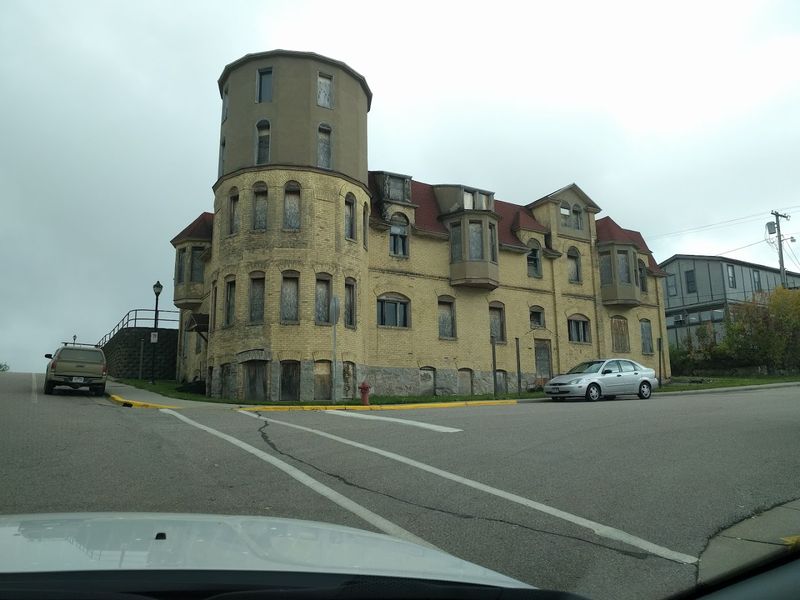
Long before canoe trips became the main draw, Ely ran on iron. The city sits on the Vermilion Iron Range in St. Louis County, Minnesota, and iron ore mining shaped nearly every corner of its early identity.
Mines operated here for decades, pulling ore from the earth and supporting generations of working families. The mining era left behind a tough, self-reliant culture that still shows up in how residents talk about their town and their land.
When the mines eventually closed, Ely did not fade. Instead, it reinvented itself around the natural world that had always surrounded it.
That resilience is part of what makes spending time here feel different from visiting a typical tourist town. The grit is real, and it shows.
Where Exactly You Will Find Ely
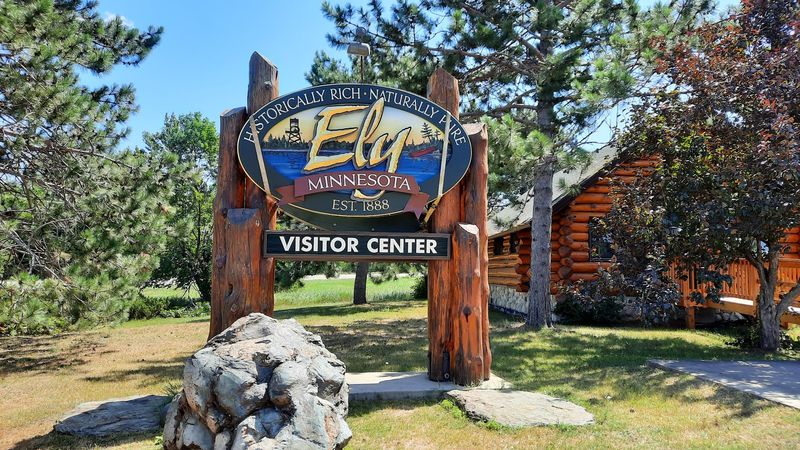
Ely, Minnesota, is a city in St. Louis County located at Morse Township, MN 55731, United States. It sits in the northeastern corner of the state, deep in the boreal forest region known as the Northwoods.
The population hovered around 3,268 at the 2020 census, making it a genuinely small city. Yet its reach far exceeds its size, drawing outdoor enthusiasts, wildlife lovers, and nature photographers from across the country throughout every season.
Getting there requires a commitment. Ely is a long drive from the Twin Cities, and that distance is part of its charm.
By the time you arrive, the trees have closed in around the road, the air smells like pine and lake water, and you realize immediately that you have arrived somewhere worth the journey.
The Boundary Waters Canoe Area Wilderness
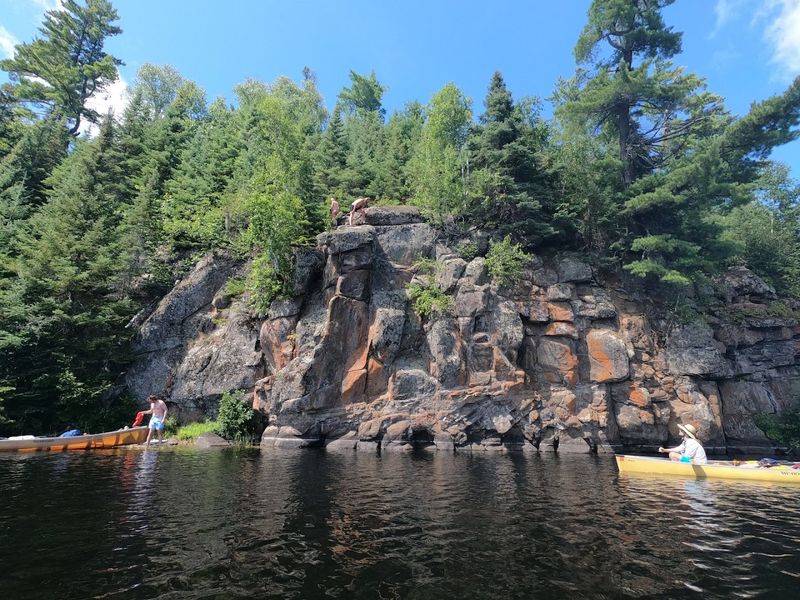
The Boundary Waters Canoe Area Wilderness, commonly called the BWCAW, is the reason most people make the trip to Ely. It is one of the most visited wilderness areas in the entire United States, covering over one million acres of lakes, rivers, and forest along the Canadian border.
There are more than 1,000 lakes inside the BWCAW, connected by a network of canoe routes and portage trails that have been used by Indigenous people, fur traders, and explorers for centuries. No motorized vehicles are allowed in most of the area, which means the silence out there is absolute.
Ely serves as the primary gateway community for the BWCAW, and nearly every outfitter, gear shop, and guide service in town exists to help visitors prepare for a trip into those waters. It is a wilderness experience that very few places in the lower 48 states can match.
Paddling Into the Wild
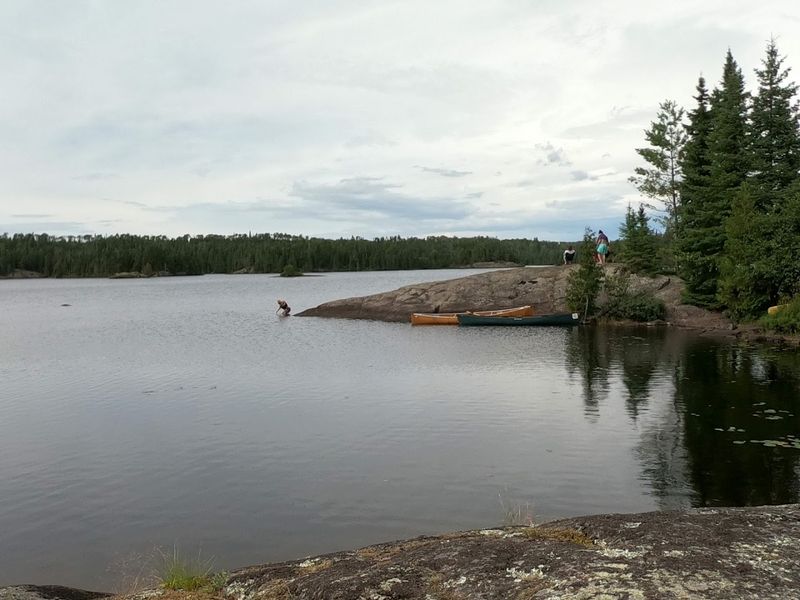
Canoeing in the Boundary Waters is not a casual afternoon activity. Routes can stretch for days, requiring portages where paddlers carry their canoes and gear overland between lakes.
It is physically demanding and deeply rewarding in equal measure.
Ely’s outfitters have been preparing paddlers for these trips for generations. They rent canoes, provide gear, pack food, and offer guided trips for those who want expert company on the water.
Many outfitters also offer canoe trip planning services that help first-timers build realistic, safe itineraries.
Even a single overnight trip into the BWCAW changes how you think about quiet. There are no roads, no engines, and no cell service.
Just water, sky, and the occasional loon calling across the lake at dusk. That kind of stillness is genuinely rare, and paddlers who experience it tend to come back year after year.
The International Wolf Center
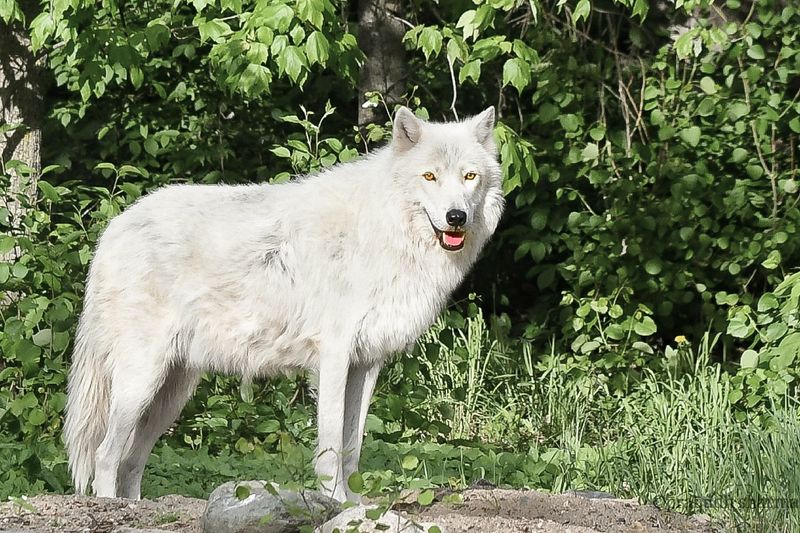
One of the most remarkable things about Ely is that it is home to the International Wolf Center, a facility dedicated entirely to wolf education and research. It is one of the few places in the country where visitors can observe wolves up close in a naturalistic setting.
The center houses a resident wolf pack and offers educational programs, exhibits, and presentations throughout the year. Wolves are a real part of the ecosystem surrounding Ely, and hearing one howl in the wild during a BWCAW trip is something visitors talk about for years.
The International Wolf Center draws wildlife enthusiasts, researchers, and families who want to understand these animals beyond the myths and misunderstandings that often follow them. The exhibits are thoughtfully done, and the live wolf viewing area consistently leaves visitors standing quietly at the glass, completely captivated by what they are watching.
The North American Bear Center
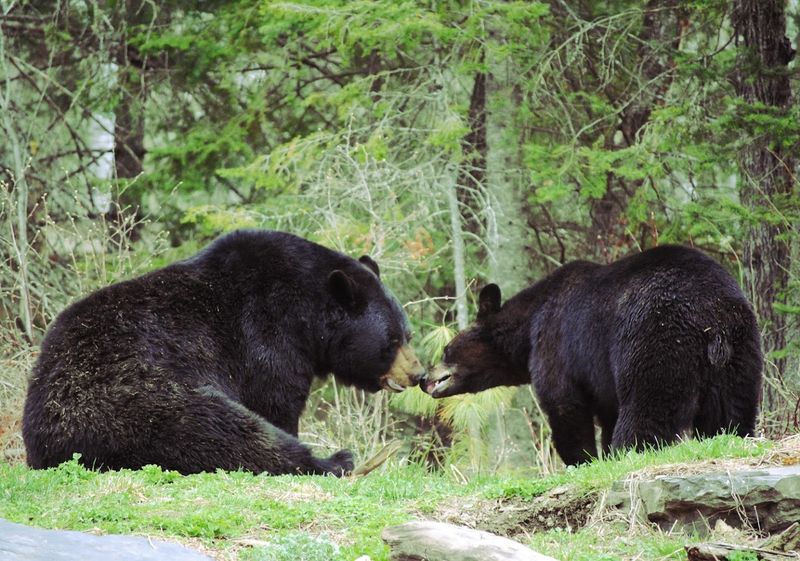
Just down the road from the wolf center sits another world-class wildlife facility: the North American Bear Center. Founded by bear researcher Dr. Lynn Rogers, this center focuses on black bear research, education, and public outreach.
The resident bears at the center have names and recognizable personalities, and watching them interact with their environment is genuinely entertaining. The center also shares ongoing research about wild black bears in the surrounding forests, much of it gathered over decades of field study.
Black bears are common in the Ely area, and understanding their behavior makes any time spent in the Northwoods more meaningful and safer. Many visitors who arrive with nervous assumptions about bears leave with a completely different perspective.
The center has a way of turning fear into fascination, which is exactly what good wildlife education should do.
Wildlife Beyond Wolves and Bears
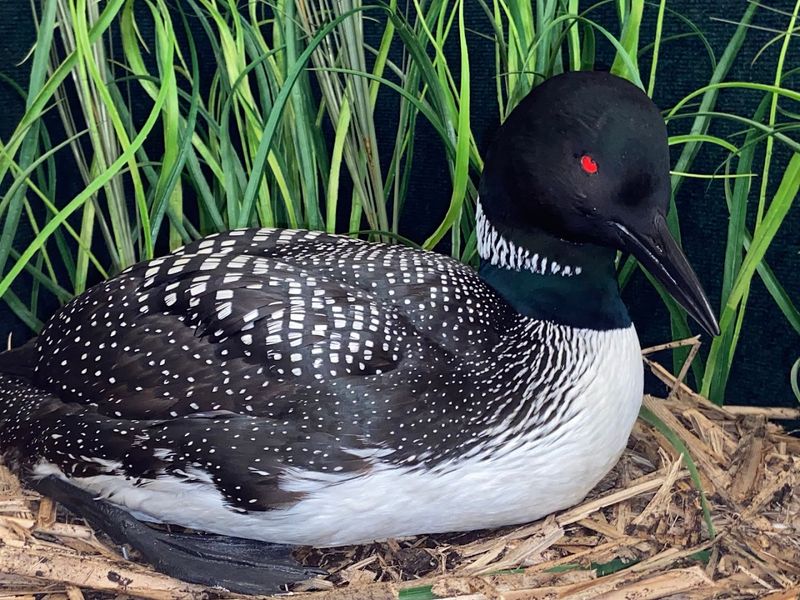
Wolves and bears get most of the attention, but the wildlife around Ely goes far beyond those two species. Moose wander through the boreal forest, bald eagles circle over the lakes, and the haunting call of the common loon echoes across the water on summer mornings.
Birdwatchers find the Ely area particularly rewarding because the boreal forest supports species that are rarely seen further south. Owls, warblers, and waterfowl species that require remote, undisturbed habitat thrive in the wilderness surrounding town.
Even within the town limits, wildlife sightings are common. A moose standing in a roadside pond or a fox trotting through a neighborhood at dawn is not unusual here.
Ely sits so close to the wild that the boundary between town and forest feels genuinely thin, and the local wildlife seems to agree.
Fishing in the Land of Lakes
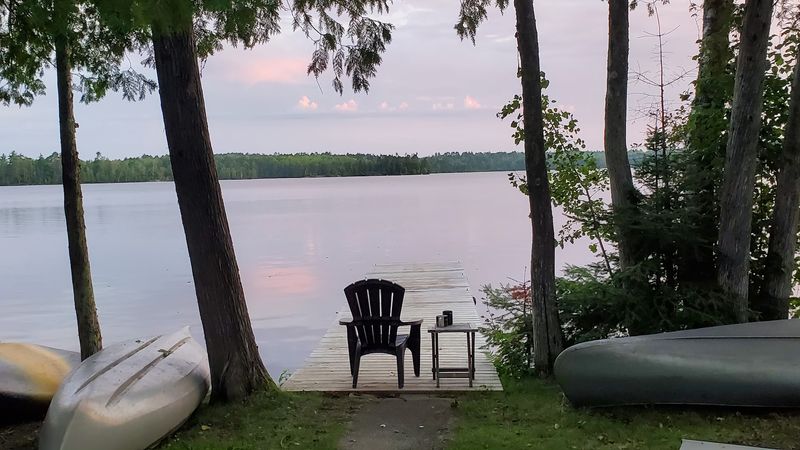
Fishing around Ely is serious business. The lakes of the BWCAW and the surrounding region hold walleye, northern pike, smallmouth bass, lake trout, and muskie, drawing anglers who plan their trips months in advance.
Walleye fishing is particularly popular, and local guides know exactly which lakes and seasons produce the best results. Many outfitters in town offer fishing-focused canoe trips that combine the solitude of the wilderness with the excitement of pulling a trophy fish from crystal-clear water.
What makes fishing here different from most places is the water quality. Many BWCAW lakes are remarkably clear and unpolluted, supporting healthy fish populations that reflect a well-preserved ecosystem.
Catch-and-release practices are common among regular visitors who want to protect what makes this fishery so special for future generations of anglers.
Winter in Ely Is a Different World
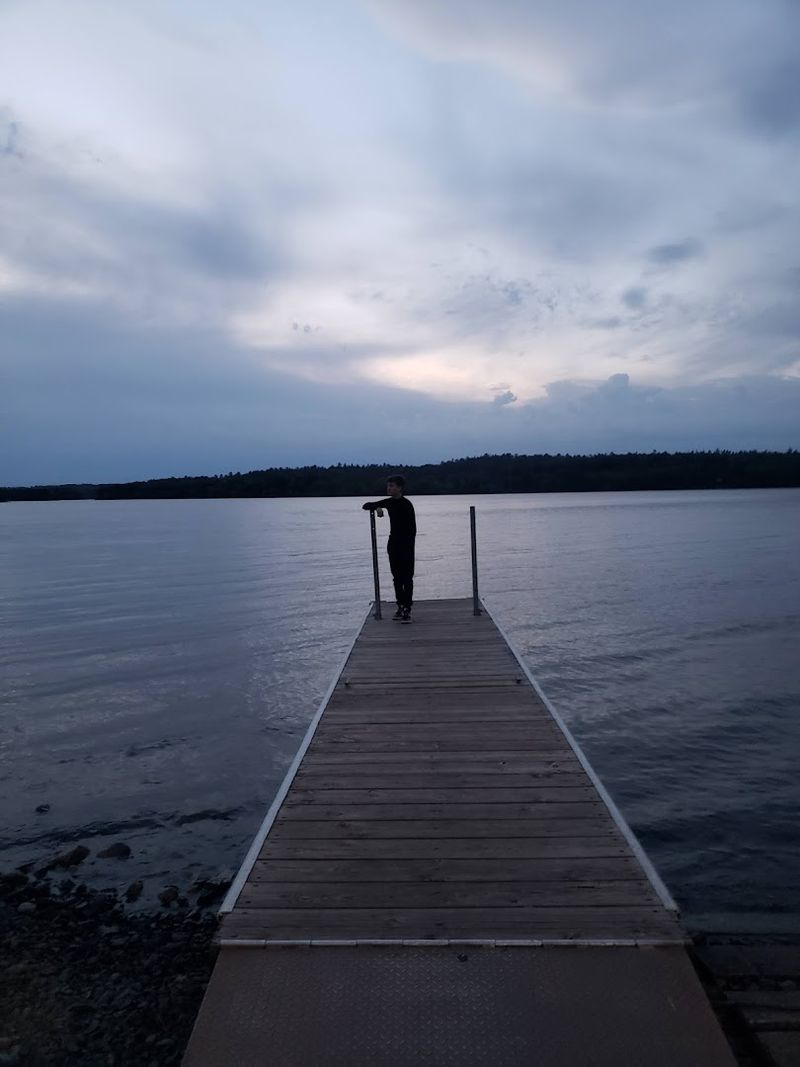
Summer gets most of the attention, but Ely in winter is a completely different and equally compelling experience. Temperatures drop well below zero, snow blankets the forest, and the frozen lakes become highways for dogsleds and snowmobiles.
Dogsledding is one of the signature winter activities in the area. Several outfitters offer dogsled tours and even multi-day wilderness dogsled expeditions that take participants deep into the snow-covered backcountry.
The experience of standing on a sled behind a team of working sled dogs moving through a silent, snow-covered forest is something that is very hard to describe accurately.
Cross-country skiing and snowshoeing are also popular, with trails winding through the forest in every direction. The Ely area hosts winter events and festivals that celebrate the season rather than simply enduring it, giving the community a lively energy even during the coldest months of the year.
The History of the Boundary Waters Debate
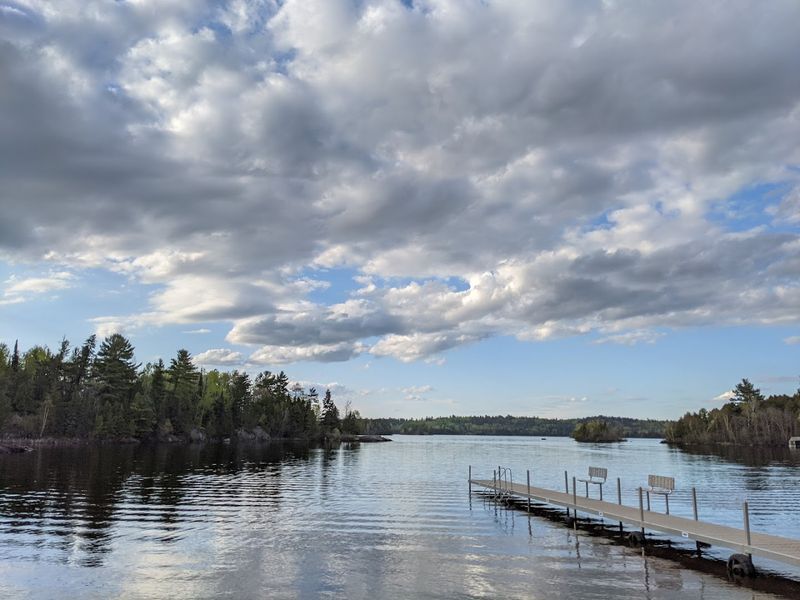
The Boundary Waters did not become protected wilderness without a fight. For decades, debates raged over logging, mining, and motorized access within the area, pitting conservation groups against economic interests in ways that shaped Minnesota politics for generations.
The Boundary Waters Canoe Area Wilderness Act of 1978 was a landmark piece of legislation that established much of the protection the area enjoys today. It remains one of the most significant wilderness protection decisions in American history, and its legacy is felt every time a paddler dips a canoe into those lakes.
Debates about copper-nickel mining near the BWCAW watershed have continued into recent years, keeping the issue of wilderness protection very much alive and present in Ely. The town itself is sometimes divided on these questions, reflecting the genuine tension between economic need and environmental preservation that plays out in communities across the country.
Ely’s Downtown and Local Character
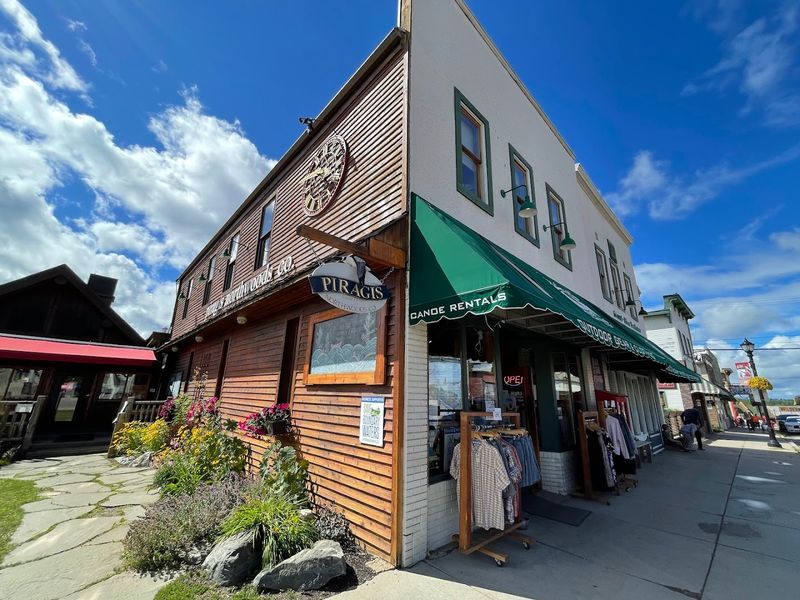
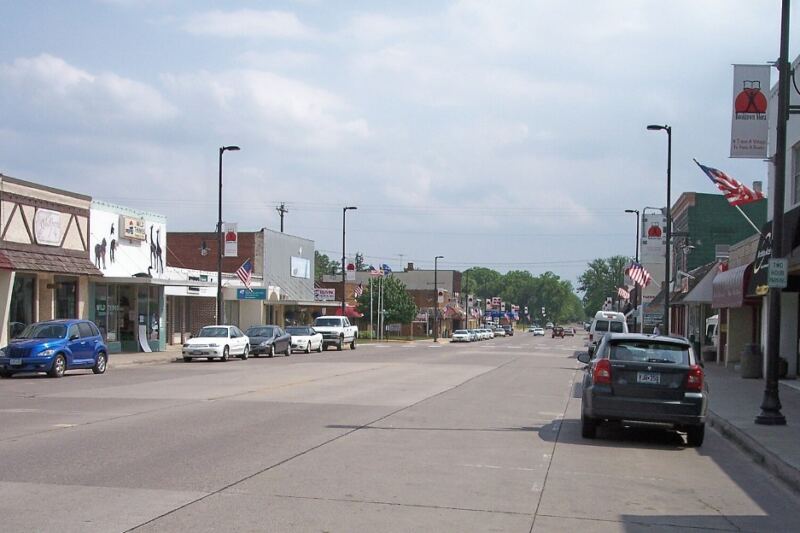
Downtown Ely has a personality that is hard to manufacture. The main street is lined with outfitters, local restaurants, art galleries, and small shops that reflect the town’s dual identity as a working community and a wilderness gateway.
Local art often draws on the natural landscape, with paintings and photographs of wolves, lakes, and northern lights filling gallery walls. Handmade crafts, wilderness-themed gifts, and locally produced goods fill many of the shops along the main drag.
Eating in Ely tends toward hearty, unpretentious food that suits people who have spent a day on the water or in the woods. The restaurants are small, the menus are straightforward, and the portions are sized for people who have actually worked up an appetite.
It is the kind of downtown that feels lived-in and genuine rather than curated for visitors.
The Night Sky Above the Northwoods
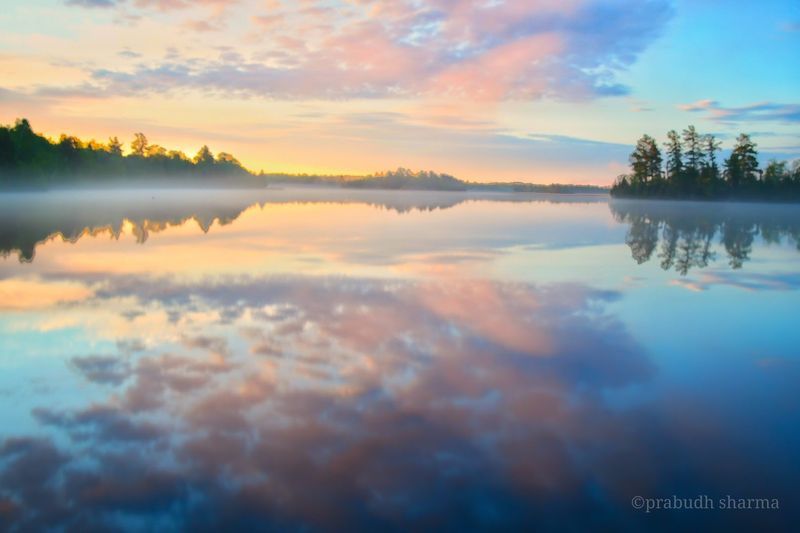
One of the most underappreciated aspects of visiting Ely is the darkness. Because the surrounding region is so sparsely populated and so far from major cities, light pollution is minimal, and the night sky here is extraordinary.
On a clear night in the BWCAW, the Milky Way stretches across the sky in a way that is simply not visible from most parts of the United States. Star trails, meteor showers, and on rare occasions the northern lights paint the sky in colors that feel almost unreal.
Staying overnight in the wilderness rather than in town gives the best views, but even from the edges of Ely itself, the night sky is noticeably brighter than what most urban and suburban visitors are used to seeing. It is one of those simple, completely free experiences that consistently leaves people speechless.
Getting Ready for a BWCAW Trip
Preparing for a Boundary Waters trip takes more planning than most wilderness adventures. Permits are required for overnight trips and are available through a reservation system that fills up quickly for peak summer dates.
Booking well in advance is not optional if you want a specific entry point or travel window.
Ely’s outfitters can handle nearly everything else. They provide waterproof food packs, lightweight camping gear, canoes, paddles, and maps.
Many offer complete outfitting packages that take the logistical stress out of the planning process.
First-time visitors are strongly encouraged to talk with experienced outfitters before finalizing their route. Water conditions, portage difficulty, and weather patterns vary significantly across the BWCAW, and local knowledge makes a real difference in whether a trip goes smoothly or becomes a struggle.
The outfitters here have seen every scenario and are genuinely helpful guides.
Fall Color Season in Ely
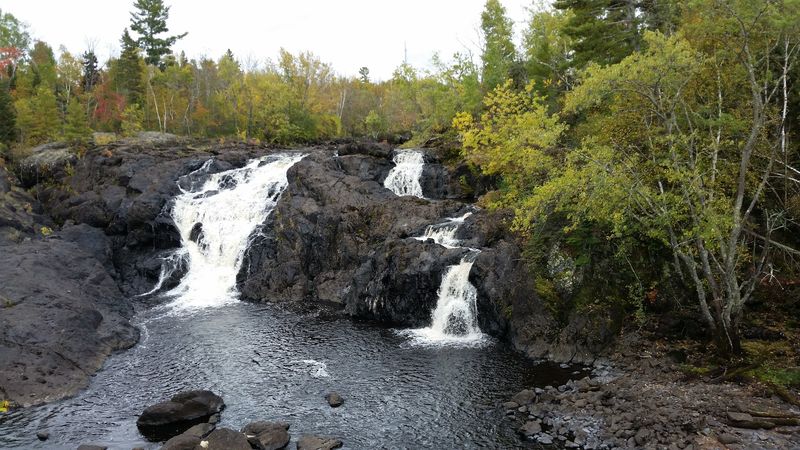
Autumn transforms the landscape around Ely into something almost theatrical. The birch and maple trees turn gold, orange, and red against the deep green of the spruce and pine, creating color combinations that photographers travel hundreds of miles to capture.
Fall is also one of the quieter seasons in Ely. Summer crowds have thinned, the air is cool and crisp, and the bugs that define the peak summer wilderness experience are finally gone.
Paddling the BWCAW in September or early October means having lakes largely to yourself while surrounded by peak fall color.
Wildlife activity picks up noticeably in autumn as moose, bears, and other animals prepare for winter. Moose sightings near roadsides and lake edges become more frequent, and the forest takes on a particular stillness that feels like the whole landscape is quietly preparing for something bigger just around the corner.
Why Ely Stays With You Long After You Leave
Most places are easy to leave behind. Ely is not one of them.
There is something about the combination of wild landscape, genuine community, and sheer physical scale of the wilderness that tends to settle into people in a lasting way.
Visitors who come once almost always return. Some come back every summer for decades, refining their routes, trying new entry points, and deepening their understanding of a place that rewards repeated attention.
Others come in winter to experience the same landscape under a completely different set of conditions.
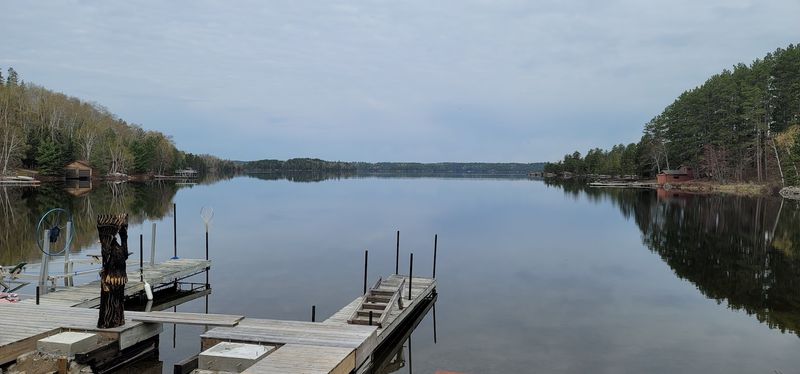
The surrounding region offers even more to explore, from the Iron Range towns with their own fascinating histories to the shores of Lake Superior a few hours south. But Ely itself has a pull that is hard to explain until you have stood on a granite shoreline at dusk watching the last light fade over a lake that has no name on most maps.
Share this story