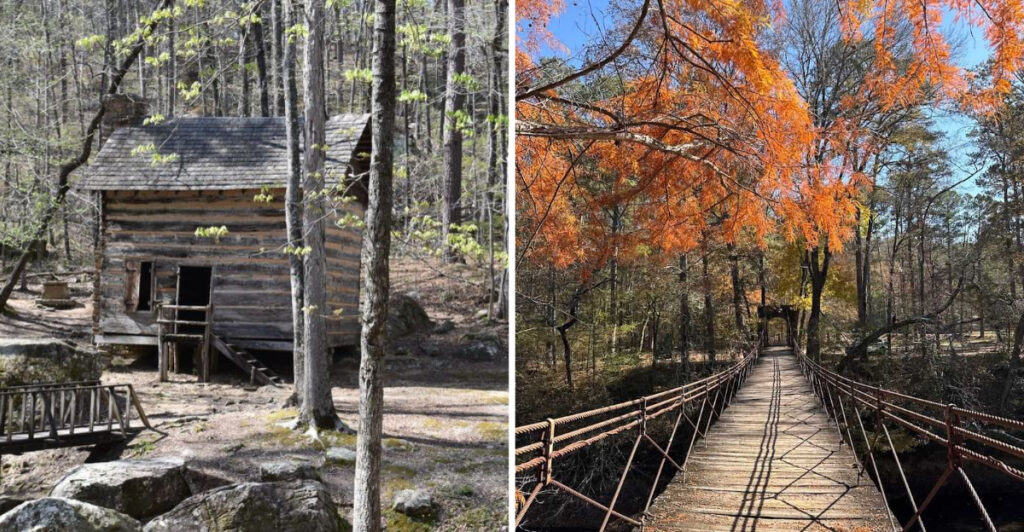
Most people picture Mississippi as flat farmland, muddy rivers, and wide-open cotton fields. So when you stumble upon a place with ancient rock formations, forested ridges, and rushing creeks that look ripped straight from the Tennessee highlands, it genuinely stops you in your tracks.
That is exactly what happened to me the first time I visited this remarkable corner of the state. By the time you finish reading, you will understand why this park has become one of the most surprising and talked-about natural destinations in the entire South, and why it deserves a spot on your travel list right now.
Where in the World Are You, Mississippi?
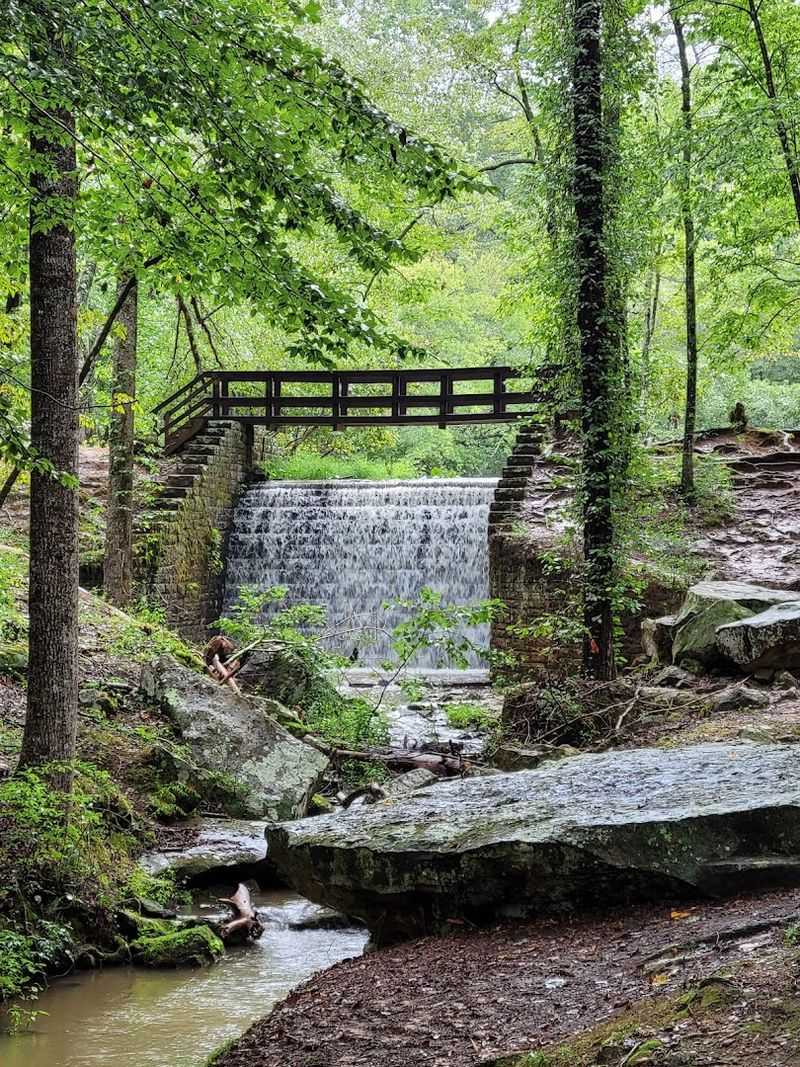
The address reads 105 Co Rd 90, Tishomingo, and the moment you pull up, you start questioning your GPS. This is not the Mississippi most travelers expect.
Tishomingo State Park sits in the extreme northeastern corner of the state, tucked into the foothills of the Appalachian Mountains, which makes it geologically unlike anywhere else in Mississippi.
The park covers 1,530 acres of rugged terrain filled with sandstone outcroppings, dense hardwood forests, and winding creek corridors. It hugs the edge of the Natchez Trace Parkway, one of America’s most scenic drives, making it a natural stopping point for road trippers heading through the region.
First-time visitors often do a double take at the landscape, because nothing about it screams “Deep South flatlands.” The rocky ridgelines and forested hollows genuinely feel like something transplanted from east Tennessee. Your sense of place will be pleasantly scrambled from the very start.
Ancient Rocks That Predate Almost Everything You Know
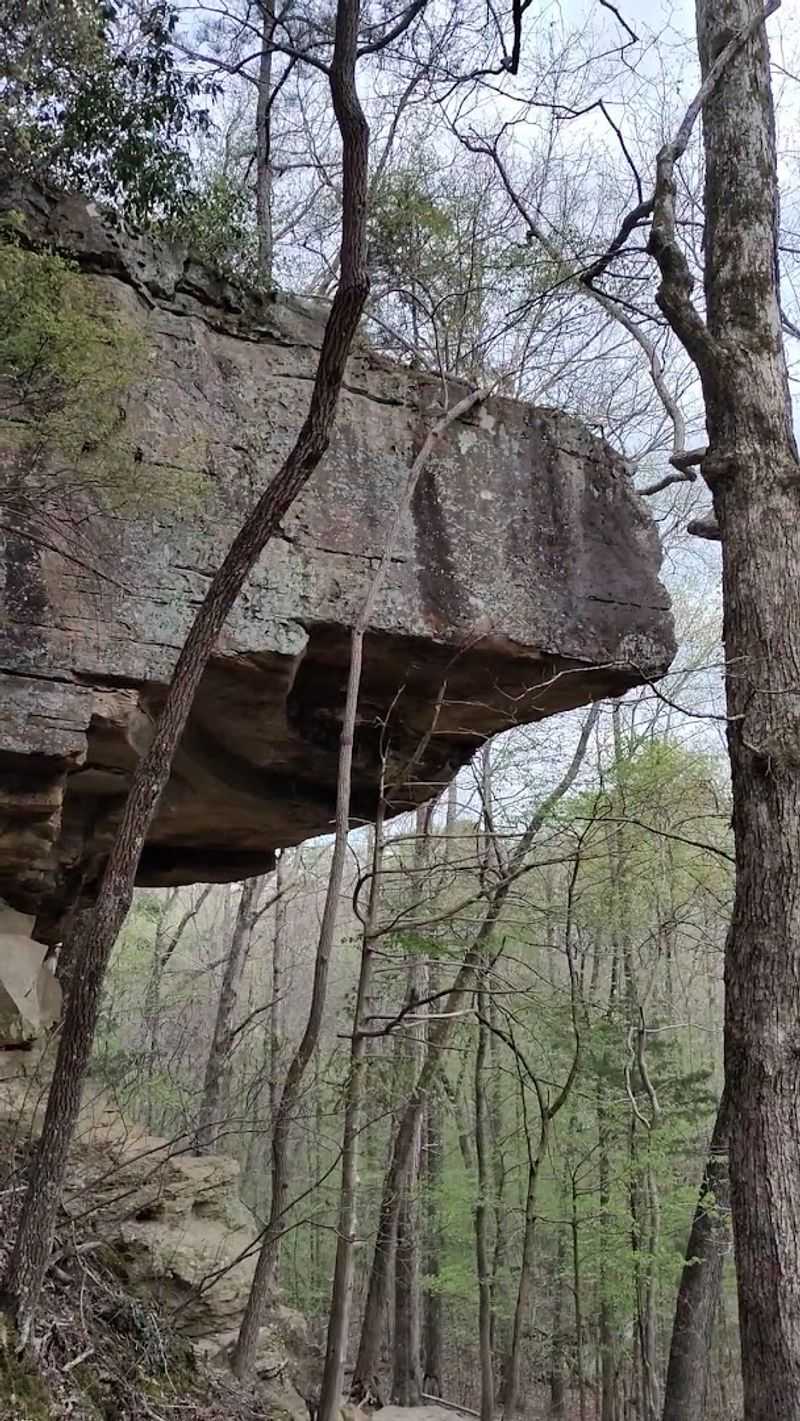
Few things in Mississippi are more jaw-dropping than the park’s ancient rock formations, which geologists estimate to be around 400 million years old. These massive sandstone boulders and bluffs rise out of the forest floor with a commanding presence that makes you feel genuinely small in the best possible way.
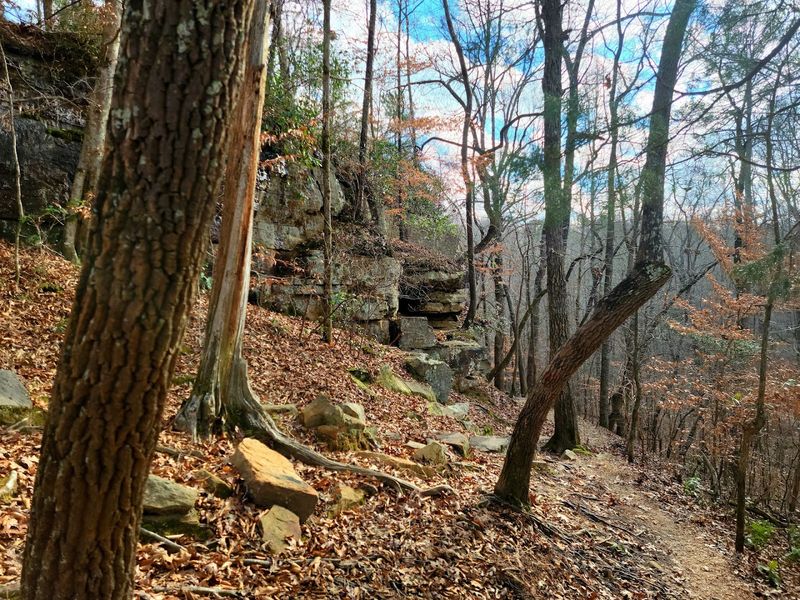
The formations are accessible both from the road and via short hiking trails, so you do not need to be an experienced hiker to get up close. Some of the rocks are large enough to create natural shelters and overhangs, and the textures carved by centuries of wind and water erosion are endlessly interesting to photograph.
Rock climbing is also available in the park for those who want to take the experience to a vertical level. Whether you are scrambling up a boulder or simply running your hand along a moss-covered surface, these formations deliver a sense of deep time that few Mississippi destinations can match.
The Swinging Bridge That Everyone Talks About
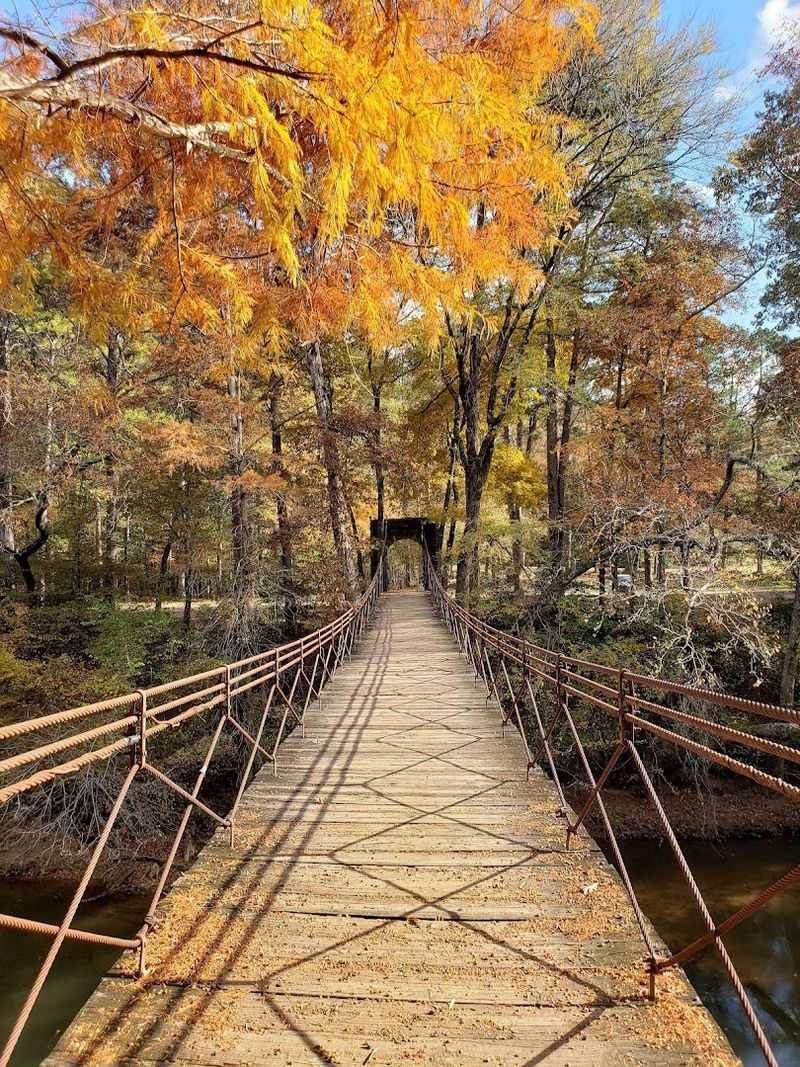
Ask anyone who has visited this park what their favorite feature was, and a huge number of them will say the swinging bridge without hesitation. Suspended over Bear Creek, this wooden footbridge sways gently as you cross, offering views of the water below and the forested banks on either side that feel almost cinematic.
The bridge is not just a photo opportunity, though it absolutely delivers on that front. It serves as a connector between trail sections, drawing you deeper into the park’s most scenic terrain.
Standing at the center of the bridge with the creek gurgling below and the tree canopy overhead is one of those rare moments where you genuinely forget about everything else.
The surrounding area near the bridge is especially peaceful in the early morning, when mist rises off the water and birdsong fills the air. It is the kind of spot that earns a permanent place in your memory long after you have driven home.
Bear Creek Trail and the Magic Along the Water
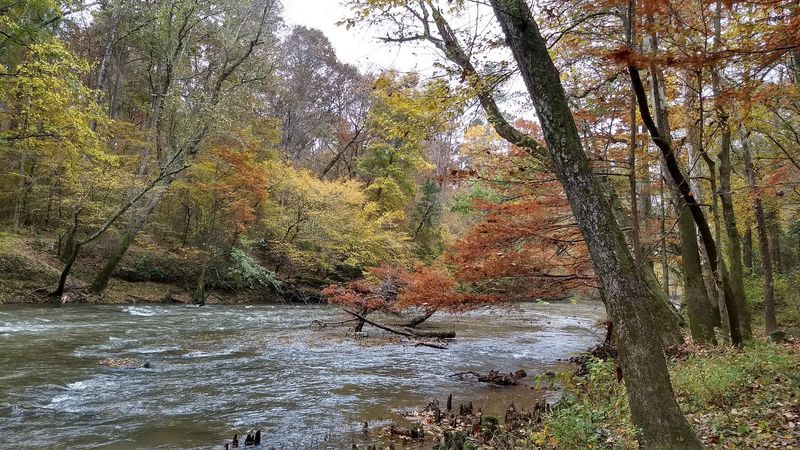
Bear Creek Trail is widely considered the crown jewel of the park’s trail system, and after walking it myself, I completely understand why. The path hugs the edge of Bear Creek for much of its length, alternating between rocky bluffs, sandy creek banks, and shaded forest corridors that shift the mood around every bend.
The trail is well-marked and falls into the moderate difficulty range, making it accessible for most hikers without being a pushover. The scenery along the water is consistently striking, with the creek catching light in different ways depending on the time of day and season.
Fall color transforms this trail into something almost otherworldly.
A canoe trip down Bear Creek pairs beautifully with the hiking experience, giving you a water-level view of the same rock faces and forest edges you just walked past. Between the trail and the creek, you could spend an entire day in this one corridor and never feel like you ran out of things to see.
Seven Trails for Seven Different Moods
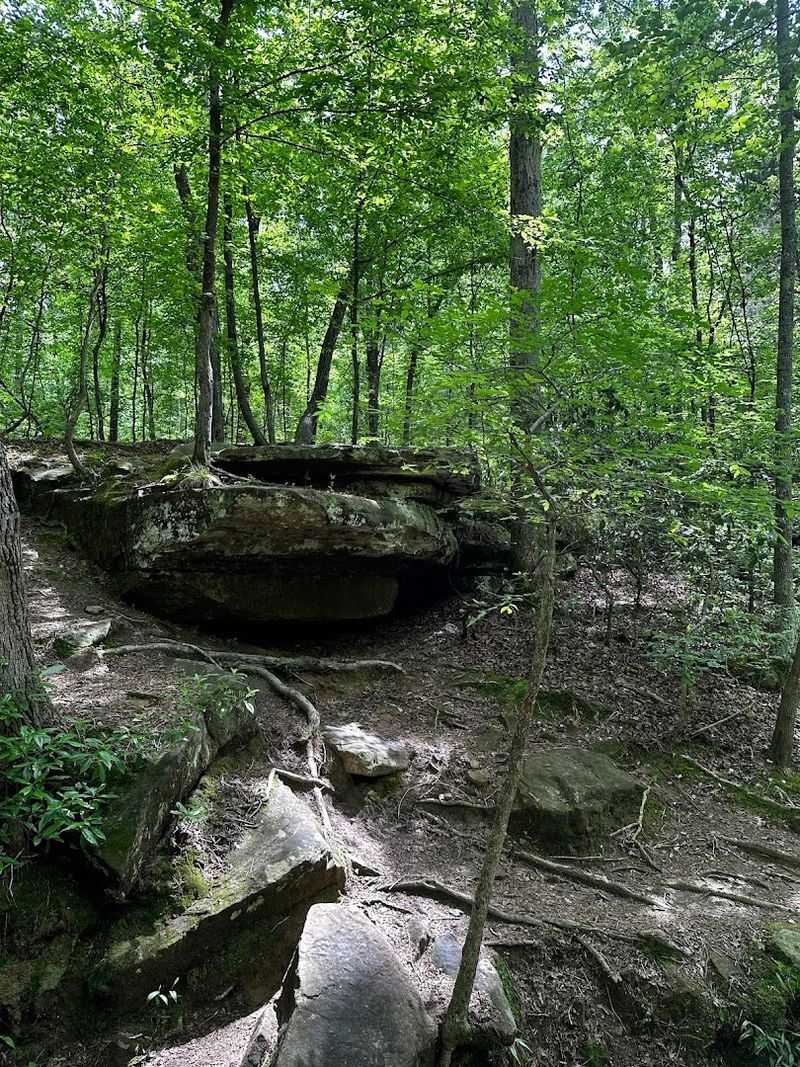
Tishomingo State Park maintains seven distinct trails, each with its own character, length, and difficulty level. Whether you are looking for a short nature walk with the kids or a longer stretch that pushes your legs, the trail system has something ready for you.
Trail 7 is the only dedicated loop, but creative hikers have found ways to connect several trails for longer, more varied outings.
Some routes take you through rocky bluff areas where the terrain feels genuinely rugged, while others wind alongside the creek in a gentler, almost meditative way. The trails are generally wide and well-blazed, reducing the chance of getting turned around in the woods.
Fall is arguably the best season to hike here, when the hardwood canopy turns gold, orange, and deep red in a display that rivals anything you would see in a dedicated mountain park. The park has even been noted as having one of the best fall color experiences in the entire state.
CCC Cabins With a Story Worth Telling
During the 1930s, the Civilian Conservation Corps left its mark across America’s public lands, and Tishomingo is one of the finest examples of their craftsmanship in Mississippi. The stone cabins they built here have survived nearly a century of seasons and still carry the kind of solid, handmade character that modern construction rarely achieves.
Each cabin features a screened-in patio that makes warm-weather evenings genuinely enjoyable, and the stonework gives the interiors a cool, rustic feel that is hard to replicate. A cluster of cabins in the group camp area works perfectly for family reunions or large gatherings that want to share a scenic base camp.
One important note for cold-weather visitors: stone cabins retain the chill during subfreezing temperatures, so packing extra layers is a smart move if you are visiting in winter. That said, waking up inside a nearly 90-year-old cabin surrounded by forest is an experience that has its own quiet charm regardless of the thermometer reading.
Camping Options for Every Setup
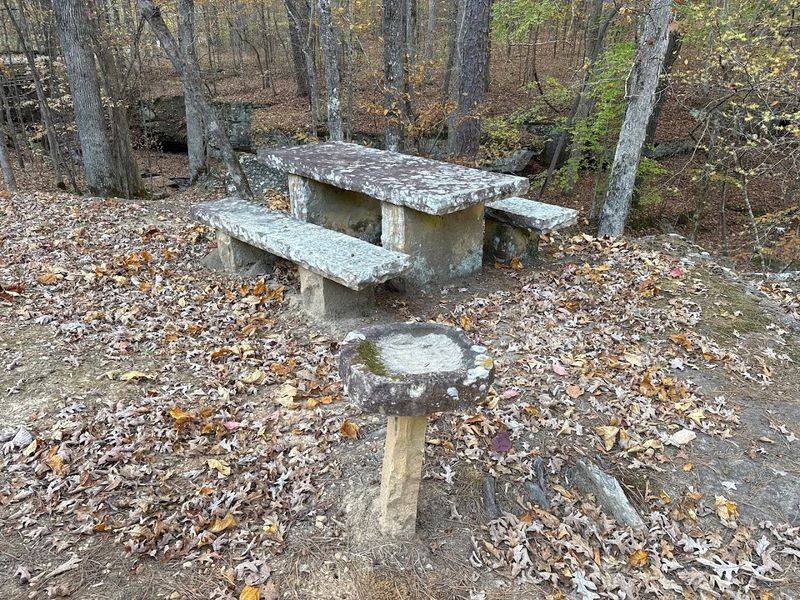
The campground at Tishomingo offers a range of options that accommodate tent campers, RV travelers, and cabin guests. The newer RV sites, numbered 38 through 56, are widely praised for their spacious layouts, lake views, perfectly paved pads, and thoughtful landscaping.
These sites feel genuinely polished and represent a significant upgrade over the older sections of the campground.
Full hookups including water, electric, and sewer connections are available, along with a dump station for self-contained rigs. Firewood and ice are available for purchase, which is a small but appreciated convenience when you arrive after a long drive and just want to get a fire going.
The older campsites have more character and shade, though some show their age in terms of infrastructure. A few sites have steep drops just off the pad, which is worth knowing before you set up.
Overall, the campground delivers a solid outdoor experience with enough variety to suit most camping styles and preferences.
The Lake That Anchors the Park
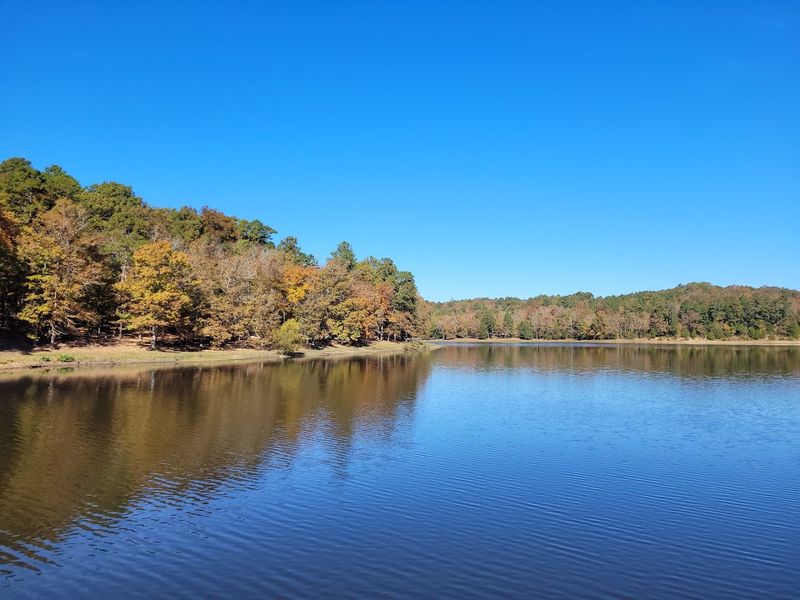
At the heart of the park sits a stocked lake that serves as a gathering point for fishing, relaxing, and simply taking in the scenery. The lake has a dock and a boat ramp, making it easy to get on the water with a kayak, canoe, or small fishing boat.
Bass, catfish, and other species make it a legitimate fishing destination rather than just a decorative pond.
The lake views from the newer campsite section are particularly striking, especially in the early morning when the water is glassy and the surrounding trees mirror themselves on the surface. Geese and other waterfowl are frequent visitors, adding movement and life to the shoreline at almost any hour.
Swimming in the lake is not permitted, and the pool has been out of service for an extended period, which is the one recreational gap that visitors most often mention. Still, the lake itself remains a beautiful and functional centerpiece that gives the park a sense of place and calm that ties everything together.
Disc Golf in the Woods
Not every park activity involves boots and a trail map, and Tishomingo knows that. The disc golf course tucked into the park’s wooded terrain adds a fun, low-key option for visitors who want some friendly competition without committing to a full hike.
The course uses the natural landscape as part of the challenge, with trees, elevation changes, and open clearings all playing a role.
Disc golf has grown enormously in popularity over the past decade, and finding a course set against this kind of scenery is a genuine bonus. Whether you are a seasoned player or throwing a disc for the first time, the course offers an engaging way to move through the park at a relaxed pace.
It is also a great option for mixed groups where not everyone is enthusiastic about long hikes. Pairing a morning trail walk with an afternoon round of disc golf makes for a well-rounded park day that keeps everyone in the group reasonably happy and moving.
Fall Color That Rivals the Appalachians
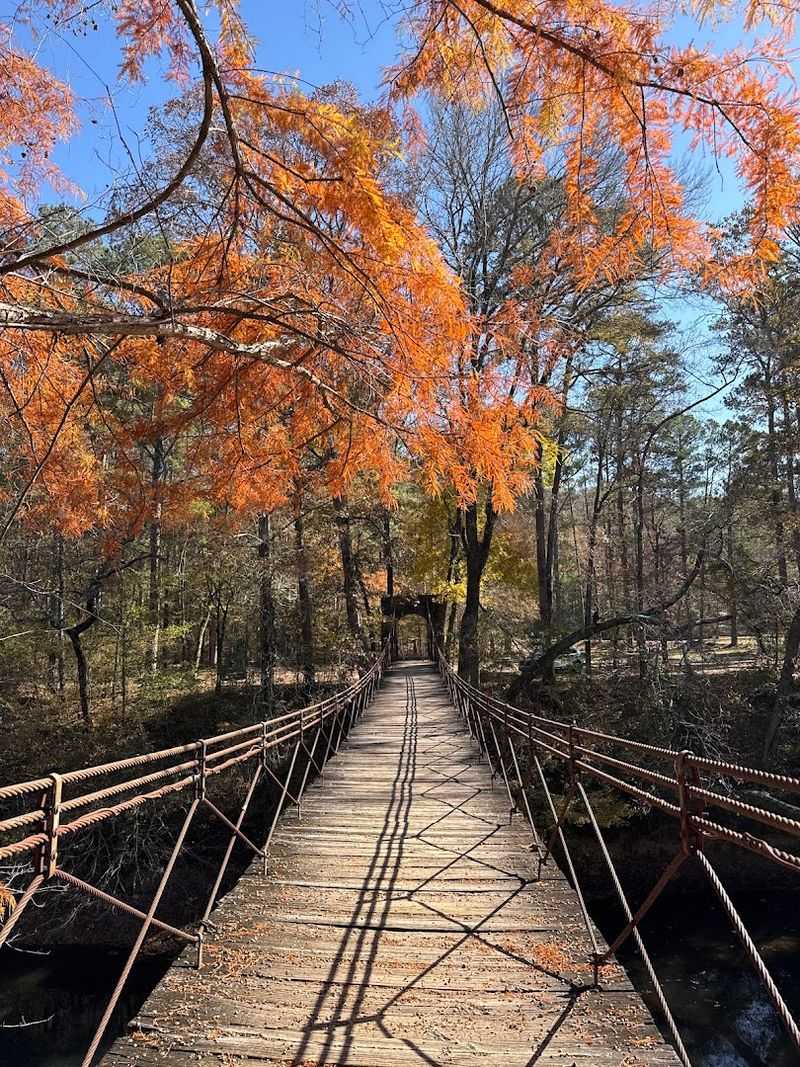
Autumn at Tishomingo is the kind of seasonal event that makes people plan entire road trips around a single destination. The hardwood forests that cover the park’s ridges and creek banks transform in October and November into a layered display of gold, burnt orange, crimson, and deep burgundy that genuinely competes with fall scenes from mountain states.
The combination of the creek reflections, the rocky outcrops, and the colored canopy creates a visual richness that photographers chase across multiple visits. The CCC Pond area is particularly striking during peak fall color, with the still water doubling the already impressive display overhead.
Timing your visit for mid to late October typically puts you in the sweet spot for peak color, though the exact window shifts slightly from year to year depending on temperatures. Either way, arriving during fall virtually guarantees that every trail you walk and every overlook you stop at will deliver something worth photographing.
The Natchez Trace Parkway Connection
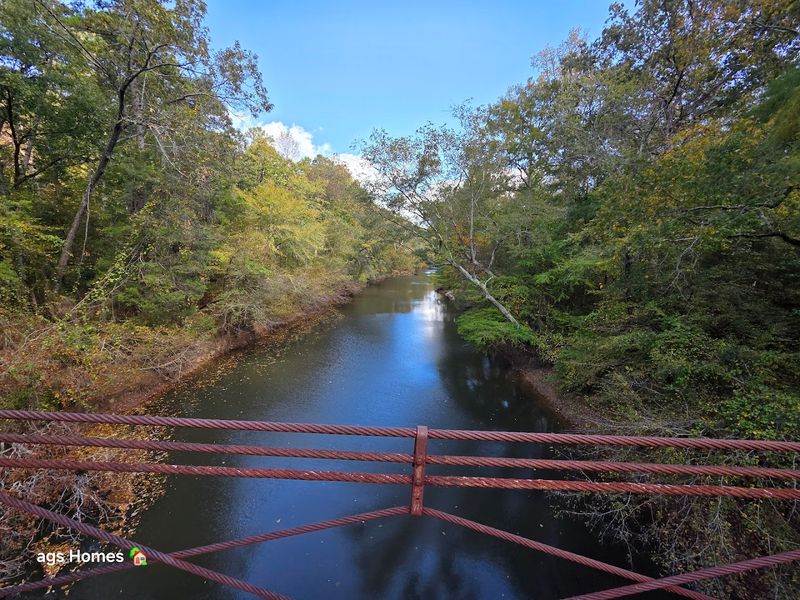
One of the most underrated aspects of visiting Tishomingo State Park is its position right off the Natchez Trace Parkway, a 444-mile national scenic byway that runs from Natchez, Mississippi, all the way to Nashville, Tennessee. The Trace is a no-commercial-traffic, speed-limited road designed entirely for scenic enjoyment, and it is one of the most beautiful drives in the American South.
Using the park as a base gives you easy access to the Trace for morning or evening drives through forested corridors that feel completely removed from the interstate highway system. The combination of the park’s trails and the Trace’s overlooks creates a layered outdoor experience that could easily fill several days without any sense of repetition.
History lovers will also appreciate that the Natchez Trace follows the route of an ancient path used by Native Americans, traders, and early settlers for centuries. That historical depth adds another dimension to what is already a visually impressive stretch of road right outside the park entrance.
Pioneer Cabin and the Park’s Deeper History
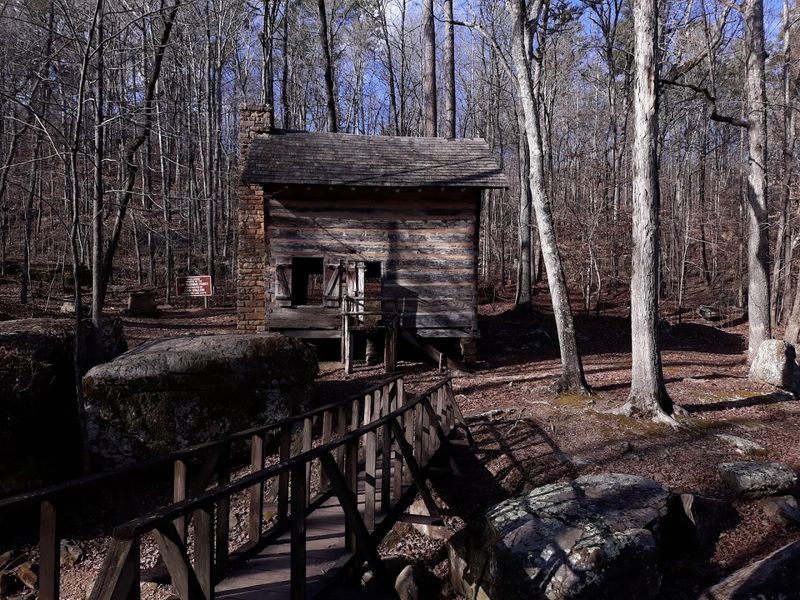
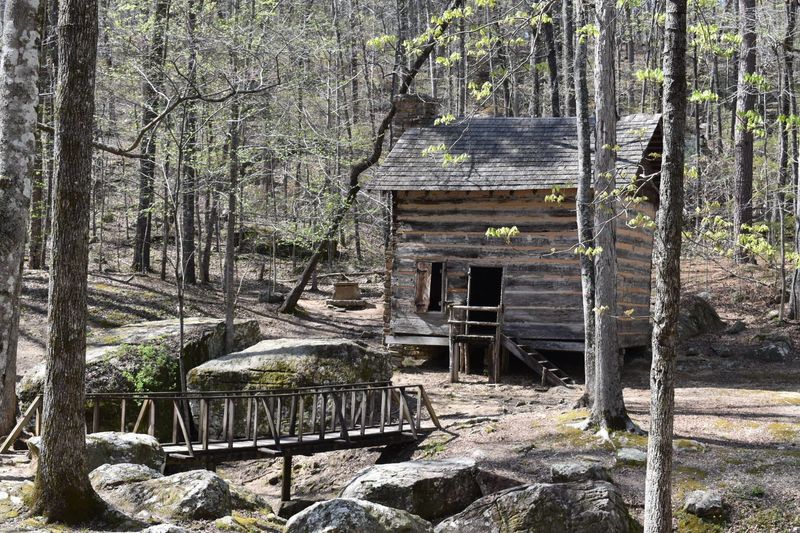
Beyond the CCC-built structures, the park is home to a Pioneer Cabin that sits in a particularly pretty roadside setting and offers a glimpse into the region’s earlier settlement history. The cabin is a tangible connection to the people who lived and worked in this rugged corner of Mississippi long before it became a recreational destination.
The broader history of the area is equally rich. The Chickasaw Nation once called this land home, and the park’s name itself honors Tishomingo, a prominent Chickasaw chief.
That layer of cultural and indigenous history gives the park a depth that goes well beyond its scenic appeal.
Exploring these historical elements alongside the natural ones transforms the visit from a simple outdoor trip into something more meaningful. The landscape you are hiking through was shaped not just by geology and weather, but by generations of human presence that left their own marks on the land in ways both visible and invisible.
A Few Honest Things to Know Before You Go
Tishomingo State Park is genuinely beautiful, but a few practical realities are worth knowing before you pack the car. The park is open 24 hours a day, seven days a week, which gives you maximum flexibility for arrival and departure.
However, some amenities have faced funding challenges in recent years, and not all facilities are operating at full capacity.
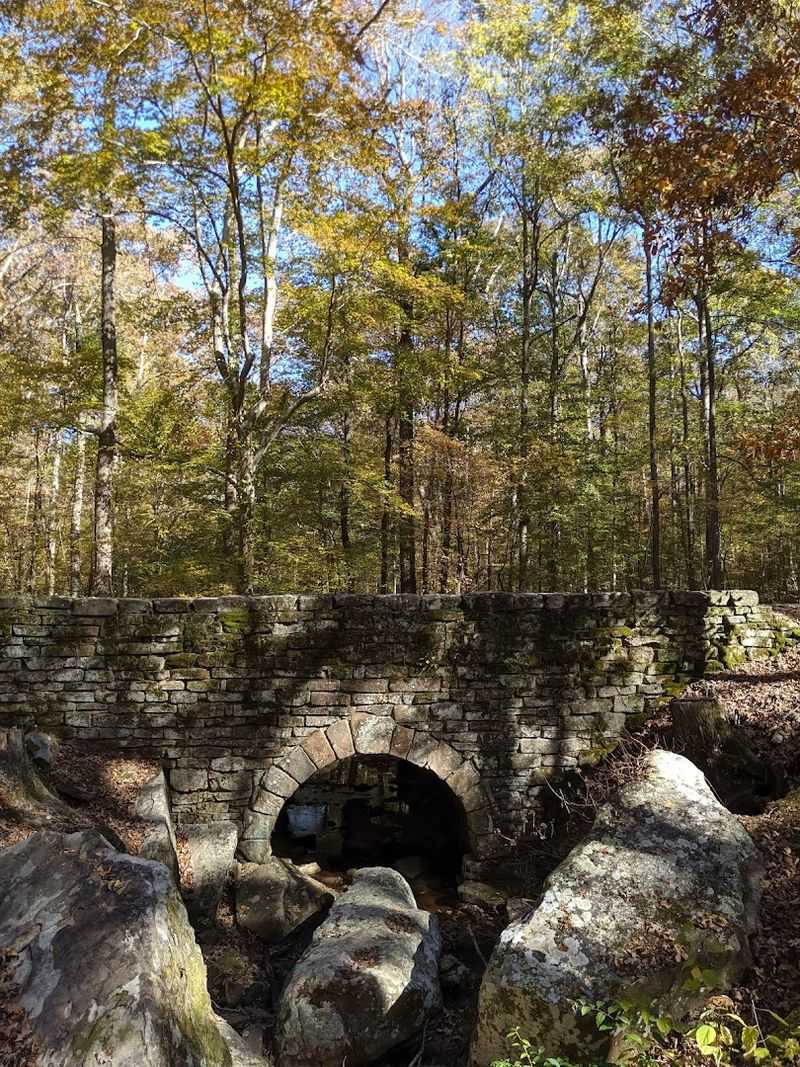
The swimming pool has been out of service for an extended period, and some trails have had fallen trees that slow progress in spots. The older campsite restrooms are clean but dated, and a handful of bridges along the trails show wear that warrants careful footing.
These are manageable realities, not dealbreakers.
The newer campsite section and the main hiking corridors are in solid shape and deliver the experience most visitors come for. Going in with accurate expectations means you will spend your time appreciating what this remarkable park does extraordinarily well, rather than being caught off guard by what is still catching up.
Share this story